Open Doors

OXFORD UNIVERSITY MUSEUMS AT THE INTERFACE OF ‘TOWN’ AND ‘GOWN’


By Rawz, Sound Artist in Residence for 2022, St John’s College, Oxford


Oxford is a curious place and, for me, it’s getting curiouser and curiouser. 

I love this city; I’ve called it my home for more than three decades. I couldn’t picture myself living anywhere else. But recently, I realised I’d only ever really seen half of my fair city, that there was a world beneath the dreaming spires that I had never even considered that I would be permitted to explore. I realised that I had never really walked through Oxford city centre; I had always been guided around it by 10 foot high fortifications and locked doors.

I grew up very much on the town side of Oxford’s notorious ‘town versus gown’ divide. I left school with no qualifications, and since then have spent much of my working life supporting the most marginalised people in the city, particularly young people struggling with formal education as I did. Doing this in a city whose very name is a buzzword for elitism and privilege means that I’m no stranger to juxtaposition. It continues to influence my art to this day.

I’m a hip hop artist, primarily focused on lyric writing and poetry. In 2009 I set up my own business, the Urban Music Foundation, with the hope that I could pass on some of the art skills that helped me get through tough times growing up, and that have enabled me to express myself fluently as an adult, and build a career around my art. I’ve found music and lyrics to be a uniquely useful tool in communicating ideas that are hard to transmit in any other way. Someone once said to me that music is what emotions sound like, and I’ve found that to be true.

After a video call with one of GLAM’s community engagement team during the lockdowns of 2020, I had an idea for a project that became Digging Crates — a decolonisation project using hip hop music to reinterpret the musical instrument collection at the Pitt Rivers Museum, next door to the Museum of Natural History. I immediately saw the project’s value as a way to analyse and address some of the divisions and imbalances I see in Oxford, and in wider society. Just over a year after I sat down and wrote the original proposal for this project, I was offered the position of Resident Sound Artist for 2022 at St John’s College. Even as I write this I feel a surreal mix of pride and disbelief — not many people from my community in Blackbird Leys would have considered the idea of being offered such a post in their wildest dreams!
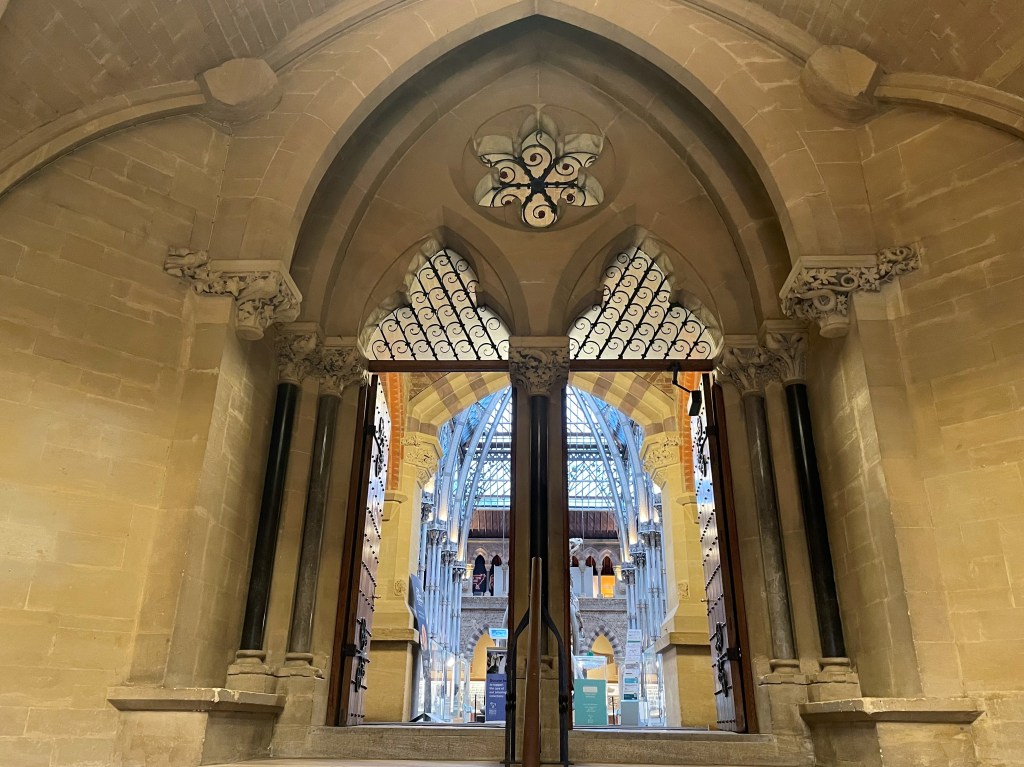
The front doors of the Museum are open every day from 10:00 to 17:00.

The past 18 months have seen doors open – both literally and figuratively – that I had never even considered walking through. I hope they continue to do so, and that they remain at least a little ajar for those following my path. Many of you, dear readers, will be glad to know that one place I have enjoyed exploring, both as a “townie” and, more recently, in my newer self-proclaimed title as “Town Ambassador to the Land of Gown”, is the Museum of Natural History. Of all Oxford’s museums, the Museum of Natural History has the biggest impact as soon as you walk through the doors (which are usually wide open). I’ve taken many “disengaged” and “hard to reach” young people to visit, and the heady cocktail of stuffed animals, dino bones, and cool rocks almost always proves irresistible to all but the most sceptical children, young and old. I would love an opportunity to get creative in this amazing space and am often trying to think of an excuse. Any ideas – you know where to find me! 

Whatever happens next, stepping through the looking glass into this strange new world of the gown with its quirky, bizarre traditions, and its fascinating, inspiring, and problematic histories, is an experience I will never forget. I’m honoured to be the person taking this step on behalf of my community, and grateful for all those who worked hard and made sacrifices for me to be able to do so.


Want to find out more?

This link will connect you to some of the projects I am working on and some of my past works: https://linktr.ee/rawz_official I’d love to connect with you on social media or via any other means, I’m always up for discussing this important work.

If you’d like to attend my next workshop at St John’s on March 10th, we will be watching the documentary made during Digging Crates and I’ll be sharing some behind the scenes photos and stories, you can sign up via this link: https://www.sjc.ox.ac.uk/discover/events/workshop-digging-crates-project-and-film-screening/

Beyond Buckland

DISCOVERING YORKSHIRE’S ANCIENT BEASTS


By Susan Newell

Susan Newell is a doctoral student researching the teaching collections of William Buckland, the first Professor of Geology at Oxford who taught from 1813 to 1849. She reminds us here about Buckland’s role 200 years ago in interpreting the important Pleistocene discoveries being celebrated this year, and the way that Mary Morland, a talented local naturalist, and many others, contributed to making this new knowledge.


This year marks the 200th anniversary of a great advance in our understanding of the geological past… a story which begins in the nineteenth century, with the discovery of a bone-filled cave in Kirkdale, Yorkshire. 

Uncovered by local quarrymen in 1821, the discovery of the Kirkdale cave and its contents of mysterious bone was the source of much intrigue. When news of the discovery reached William Buckland, Professor of Geology at Oxford University, he decided to travel up North to visit the site. However, by the time Buckland arrived at the cave, local collectors had scooped up most of its contents. Nonetheless, he was able to retrieve and examine some of the cave’s remaining material, which led him to an astonishing conclusion — Yorkshire must once have been home to hyaenas, elephants, hippopotamus and rhinoceros, and what was now known as the Kirkdale cave was once a hyaenas’ den.

W. B. Conybeare, lithograph, ‘The Hyaena’s Den at Kirkdale near Kirby Moorside in Yorkshire, discovered A.D. 1821’. Reproduced by kind permission of Christ Church, Oxford.
This light-hearted reconstruction of the hyaenas’ den shows Buckland illuminating the scene, in every sense. It is thought to be the first visual reconstruction of the pre-human past.

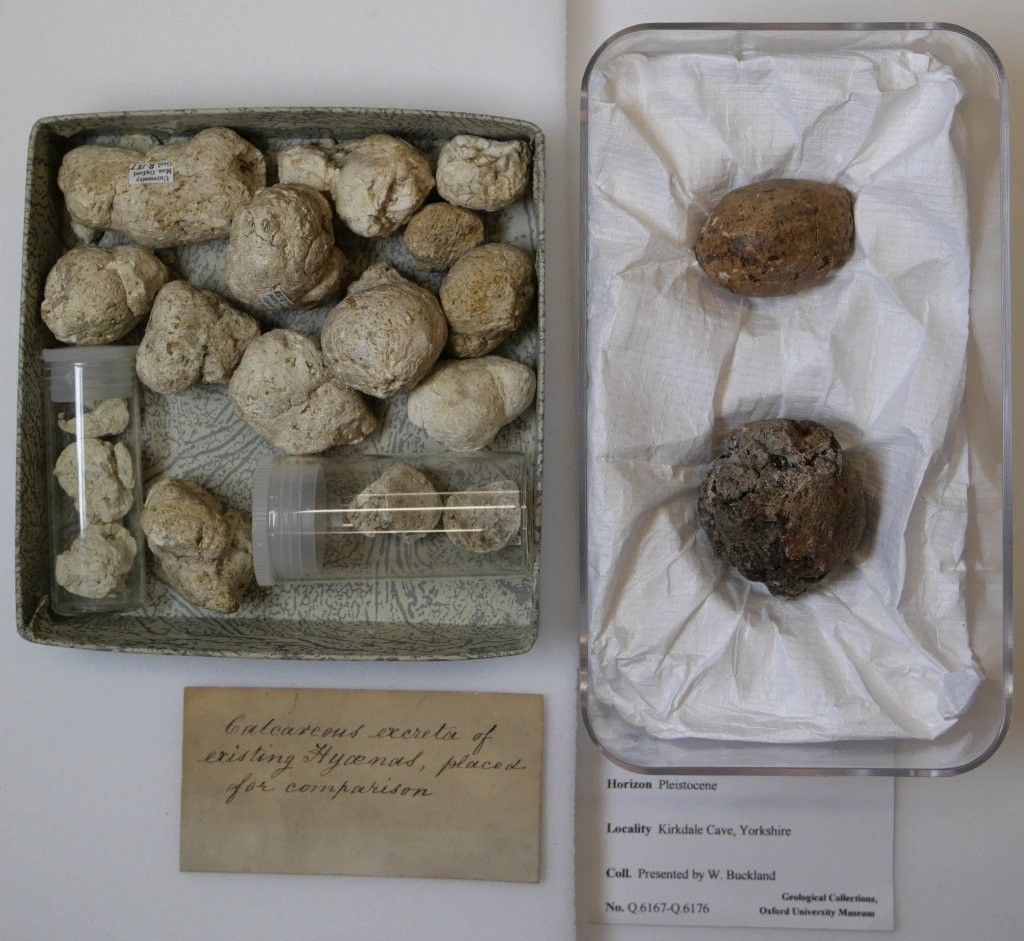
Central to Buckland’s theories were some small white balls that he had found amongst the debris in the cave. Buckland sent these balls to William Wollaston, a celebrated chemist based in London, for analysis.  He also asked Wollaston to visit the zoo at Exeter Exchange in London and show the balls to the hyaena’s keeper there.  Together with the results from Wollaston’s chemical analyses, the keeper confirmed Buckland’s hypothesis — the balls were droppings from animals very similar to modern hyaenas. Meanwhile, the anatomist William Clift was able to identify the bones from the Kirkdale cave as belonging to other extinct species related to those found living in tropical countries today. Buckland concluded that the cave must have been a den for ancient hyaenas, who would drag parts of the dead animals they had found (or killed) inside and, after feeding on them, leave piles of bones and droppings behind.

In order to strengthen his theory, Buckland discussed the behaviour of hyaenas in the wild with army officers connected to Britain’s colonial expansion in India. These officers also sent Buckland fresh specimens captured by local people. When a travelling menagerie visited Oxford in 1822, Buckland took the opportunity to experiment; feeding bones to a hyaena and noting that the teeth marks matched those on the fossilised bones from the cave.

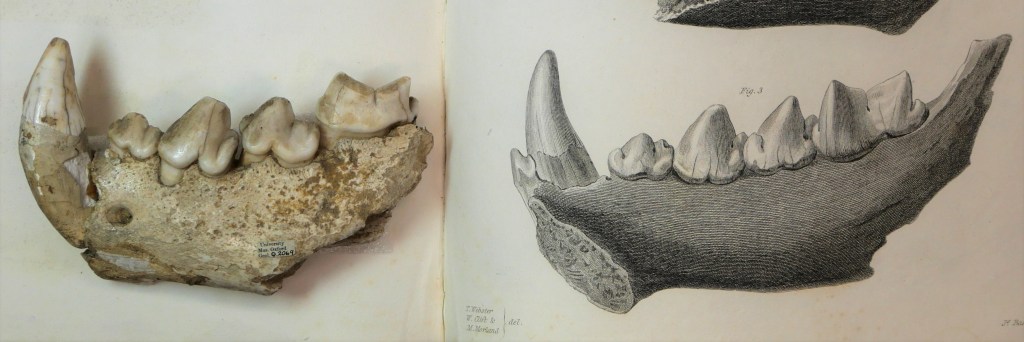
Buckland’s findings were something of a shock to his contemporaries. When lecturing, he employed several different methods to try and convince his audiences that his theories were true. This included presenting fossil specimens and bones from living species for comparison, and showing maps, diagrams and drawings. Mary Morland contributed some of these illustrations, including large drawings of living animals, and technical drawings of bones that were later engraved for use in Buckland’s publications. Mary’s Kirkdale drawings seem to have been the first that she produced for William before the couple married in 1825.

Fossil hyaena jaw in the Museum’s collection, possibly the one featured in the engraving alongside it. Engraving is by James Basire after a drawing by Mary Morland. Published in William Buckland’s article in the Royal Society’s journal (1822) on the Kirkdale cave discoveries. [1]

Buckland’s work on the Kirkdale cave was revolutionary, not least because he was the first to make a scientific study of a cache of bones of this type.  Although similar bones from ‘tropical’ species had previously been found in Northern Europe, people thought that they had been washed up by a catastrophic flood, believed by many to be the biblical Noah’s Flood.  Modern analysis has now allowed us to deduce that the bones date to an Interglacial period when Britain was joined to Europe and had a hot climate, about 120,000 years ago.  

Here at the Museum, Buckland’s collections and archives are as much of a treasure trove as the Kirkdale cave. It is through accessing these archives that we can learn about the surprising range of people who contributed to the emergence of new scientific knowledge from the Kirkland cave — quarrymen, collectors, zookeepers, chemists, anatomists, colonial officers in India, workers in India, and artists like Mary Morland. To find out more about the incredible legacy of the Kirkdale Cave, look out for ‘Kirkdale200 – Lost Beasts of the North’, a symposium organised by the Yorkshire Fossil Festival, 12th March 2022.

Mary Morland, watercolour and gouache, lecture illustration of a hippopotamus, signed ‘MM’.
Hippopotamus bones were found at Kirkdale cave in Yorkshire, but as there were no living hippos to be seen in Britain at the time, this drawing would have been a valuable teaching aid.

[1] William Buckland, ‘Account of an Assemblage of Fossil Teeth and Bones of Elephant, Rhinoceros, Hippopotamus, Bear, Tiger, and Hyaena, and Sixteen Other Animals; Discovered in a Cave at Kirkdale, Yorkshire, in the Year 1821: With a Comparative View of Five Similar Caverns in Various Parts of England, and others on the Continent’, Phil. Trans., 2 (1815-30), 165-167.

Thanks for the Myrmories

AMAZING ANTS AND THE LEGACY OF E.O. WILSON


By Jordan Wernyj – Deputy Visitor Services Manager


If you happen to encounter one of the 50+ ant types in Britain, observe their hurried activities and interactions with each other. One cannot help but compare the complex functioning of an ant society to our own, and consider its advanced societal structures in relation to humans. The way an ant colony organises itself is highly industrial and commanding, subdivided into castes including queens, males, and worker ants, the latter of which contribute to their colony through roles as diverse as tending to larvae, foraging, or attacking rival threats.

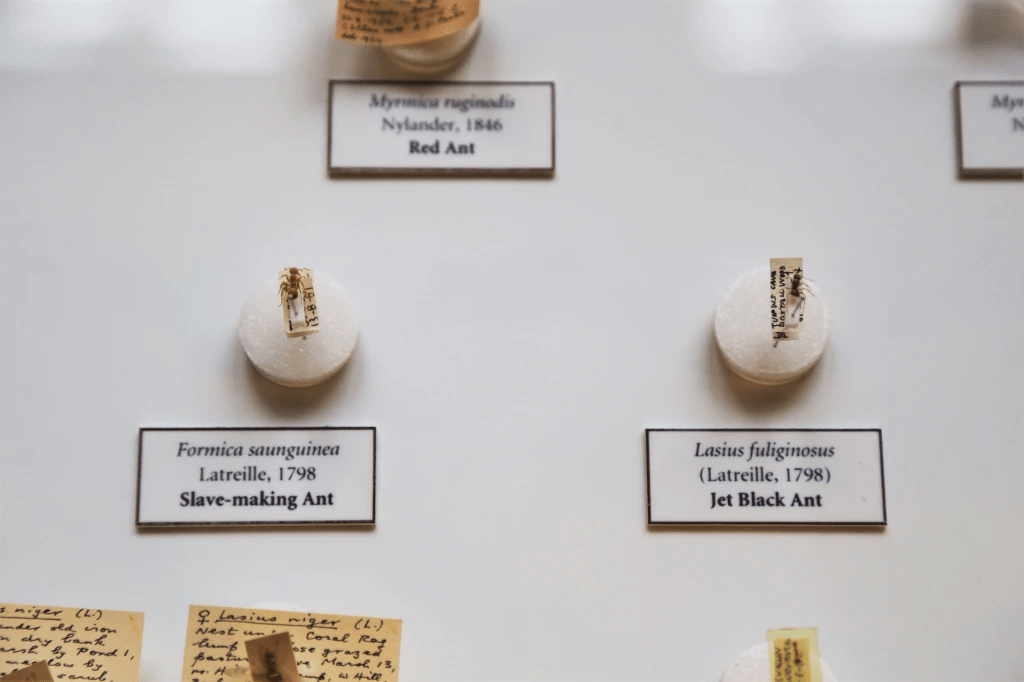
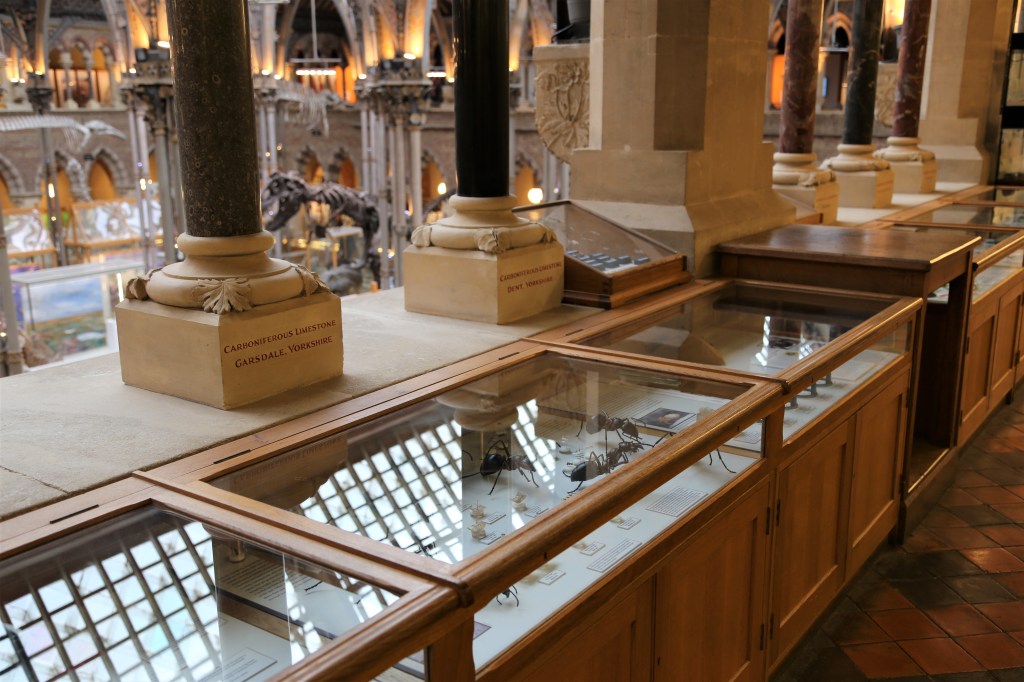
Having worked at the Museum of Natural History for a few months, my interactions with specimens and discussions with the entomology department have reignited an intrigue in myrmecology, the study of ants. This began with locating the ant case on the Upper Gallery on the south side of the Museum. You can find fantastic British insects on display, selected from our ginormous British Insect Collection. Specimens include Lasius fuliginosus (Jet Black Ant) and Formica saunguinea (Slave-Making Ant) —the latter aptly named given its tendency to attack ants from other colonies and force its victims to work for them.

Slave-making Ant and Jet Black Ant on display in the Museum

Outside of the Museum, a viral video of a group of ants following each other in a circle led me to the even more surprising discovery that ants can mistakenly cause their own demise. The name of this circular march is an ‘ant mill’ which, rather morbidly, is a circle of death. Ants use pheromones to communicate with and organise each other during normal behaviour. However, these chemical trails can be lost, which for worker or army ants that leave the colony to forage or attack, it is a prominent risk. Ants follow one another, and if the leading ant loses the trail and begins to follow an ant behind, a rotational spiral motion occurs. Sadly, an ant mill can cause tragic consequences, with either the ants picking up the trail back to the colony, or continuing in the rotation until they die of exhaustion.

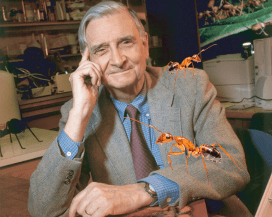
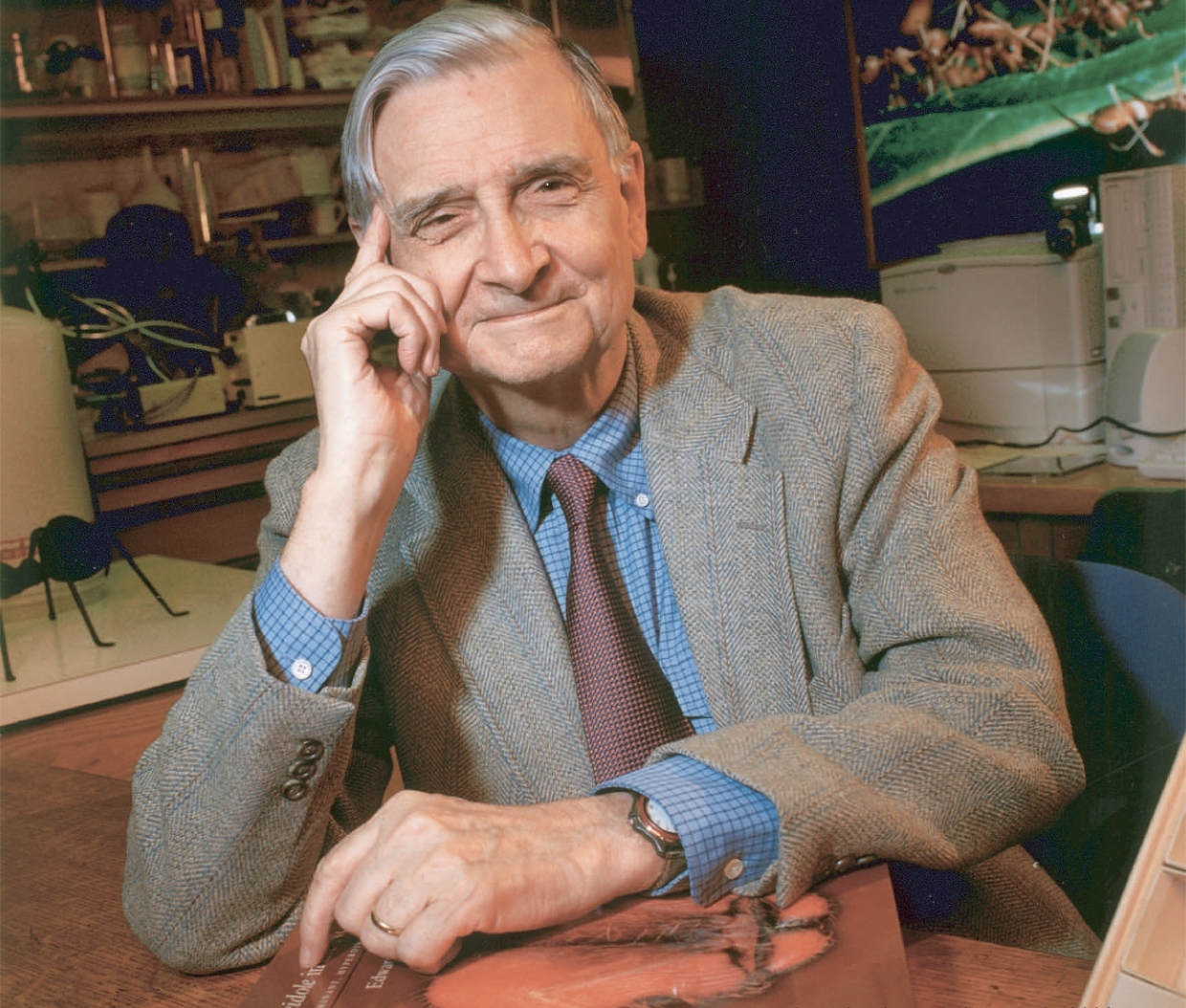
Having expressed curiosity in myrmecology, an entomologist at the Museum provided me with a fascinating book Tales of the Ant World by Edward O. Wilson. Wilson’s enlightening work within myrmecology and ecology gave him the nickname ‘Dr. Ant’. Wilson, highlighting his scholarship on the ant species Camponotus femoratus – one of the most aggressive in the world.

These intriguing invertebrates are located within the depths of the Amazon rainforest and are largely arboreal, territorial, and scary! Nonetheless, the intrepid Wilson decided to test out the ants’ offensive tactics. A mere brush up against an inhabited tree would provoke swarming formations, snapping mandibles and, if the pain wasn’t already discomforting enough, a release of formic acid. Edward Osbourne Wilson sadly passed away on Boxing Day 2021, while I was halfway through reading this book. It is a fascinating work that not only informs the reader of ant facts, but tells the most interesting story of a myrmecologist’s life and his discovery of ant species.

Snakeflies: Monsters in the Shadows of the Dinosaurs


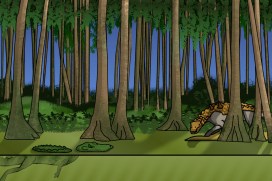
Header Image: A reconstruction of a delta-estuarine environment in northern Spain during the Cretaceous, habitat of the studied amber snakeflies, by William Potter Herrera.


Post by William Potter Herrera, Undergraduate Student at Portsmouth University


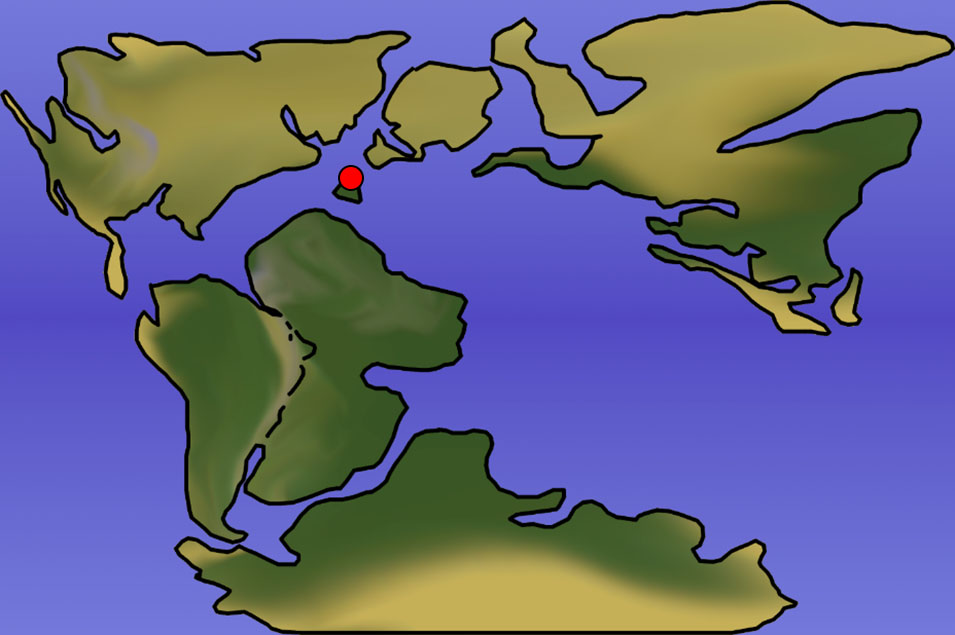
About 105 million years ago, in what is now Cantabria, Spain, rich cycad and conifer forests flourished across a landscape of estuaries and weaving deltas, bordering the then subtropical North Atlantic. While marine crocodiles prowled the waterways and theropod dinosaurs stalked the fern clearings, another ferocious, albeit smaller, predator ruled. Snakeflies, or raphidiopterans, are still around today but their diversity and range is a fraction of what it was during the Mesozoic, the period when the dinosaurs reigned.

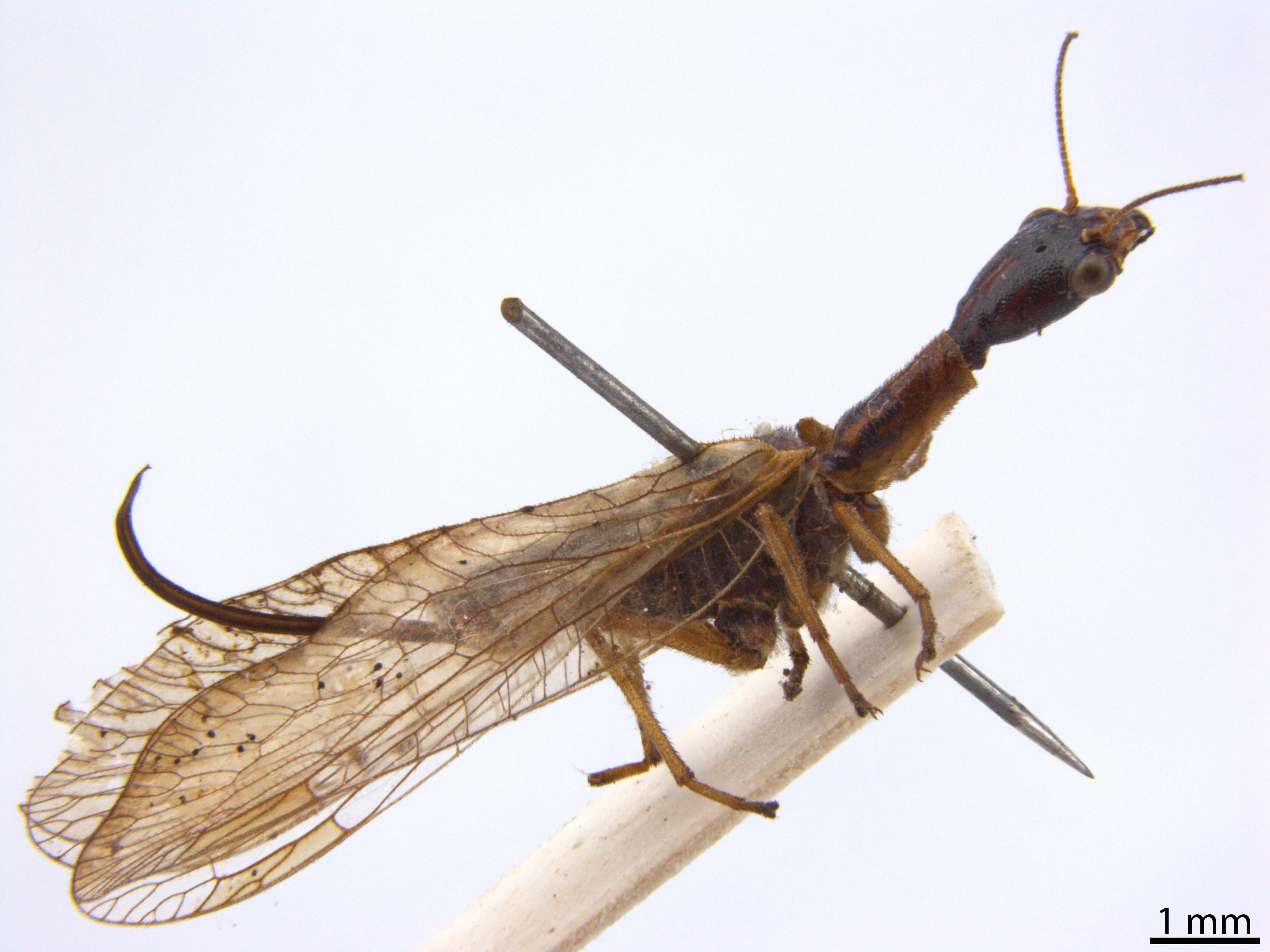
Left: Map of the world 105 million years ago, with ancient Cantabria highlighted. Author: William Potter Herrera, based on work from “The Planetary Habitability Laboratory” at UPR Arecibo. Right: An extant snakefly from OUMNH’s pinned collections.

Snakeflies get their name from their long ‘necks’ and ovipositors — the latter being a long, thin tube that females use to deposit eggs into the safety of crevices. Snakeflies are voracious predators, using their compact jaws to devour anything smaller than them. Their unusual necks allow them to pursue prey into tight spaces. No Cretaceous bug would have been safe from these monsters that existed in the shadows of the dinosaurs.

Working in the shadow of the Museum’s very own dinosaur during a bursary project last summer, I got a very real experience of paleontological research. Insects might not be the first thing you think of when considering fossils, but the sheer diversity and beauty of preservation these organisms exhibit in the fossil record made them a delight to work on. Nowhere is this more true than in the remarkable amber of northern Spain. Under the supervision of Dr Ricardo Pérez-de la Fuente, I examined, described and mapped out four specimens of amber which contained insects, our focus being on snakeflies. Through careful comparison with previous work, we discovered a new species of Necroraphidia, meaning “snakefly of the dead”. This genus was previously known from a specimen preserving no more than its characteristic wings, but the new specimen is nearly completely preserved, frozen in amber as if time itself stopped.

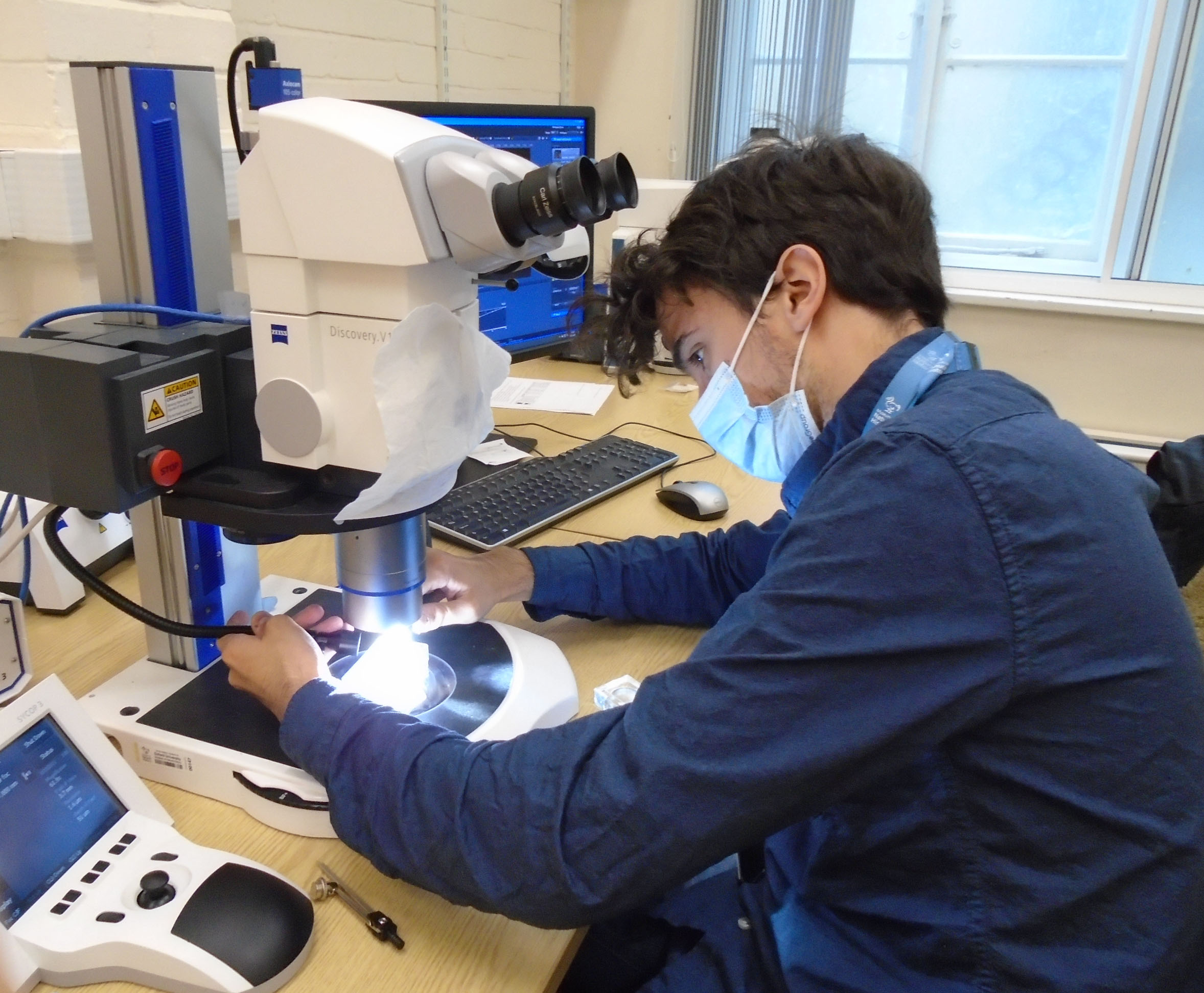
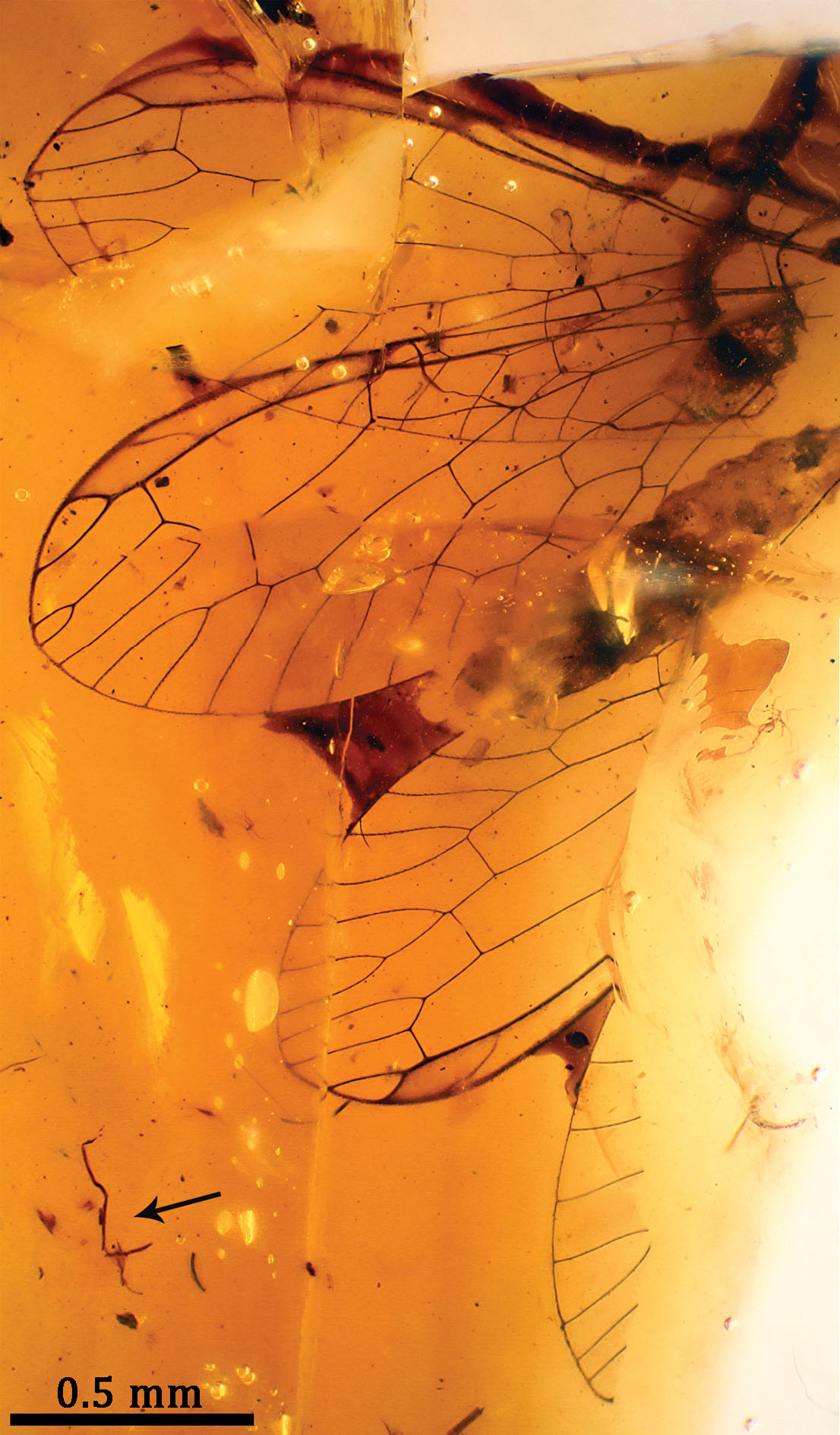
Left: William Potter Herrera examines a snakefly preserved in amber. Right: Necroraphidia arcuata, a snakefly species from El Soplao amber (Cantabria, Spain). The arrow points to a fragment of burnt plant matter (extracted from Pérez-de la Fuente et al., 2012. Zookeys 204).

The story of how the snakeflies ended up in the amber is as fascinating as the creatures themselves. Amber begins its life as tree resin — a highly sticky, viscous fluid extruded by conifers in response to trauma. Insects and other small arthropods are frequently trapped in it, either being caught by it as it flows downwards, or simply flying into it. Because larger insects are more likely to free themselves there is a bias in the fossil record towards smaller organisms. In northern Spain, however, the amber is remarkably rich in insects and also tiny fragments of burnt plant matter, indications that the insects might have become entombed during, or in the aftermath of, raging wildfires that drove them into a disoriented frenzy.

It was studying these charred fragments that inspired my dissertation on fossil charcoal — and that was one of just many benefits I gained from this bursary. It cannot be overstated how brilliant the opportunity to dedicate six weeks to study in a Museum was; exploring behind the scenes and talking to world experts in every field. The confidence gained from being entrusted to conduct this research so independently at such an early stage of my career will serve me going forward. The work was not easy but the support I received was brilliant. Even now, months later, as we work together to finalise our manuscript, I am inspired by the dedication and belief that Ricardo and the whole staff at the OUMNH have shown in me.


Lungfish, lithographs and libel


By Mark Carnall, Collections Manager


In addition to the many thousands of biological specimens that can be found at Oxford University Museum of Natural History, we also possess a variety of objects that originate from historical versions of the Museum’s displays. These include models, casts, and illustrations of various kinds, used to represent organisms that were otherwise difficult to preserve and display.

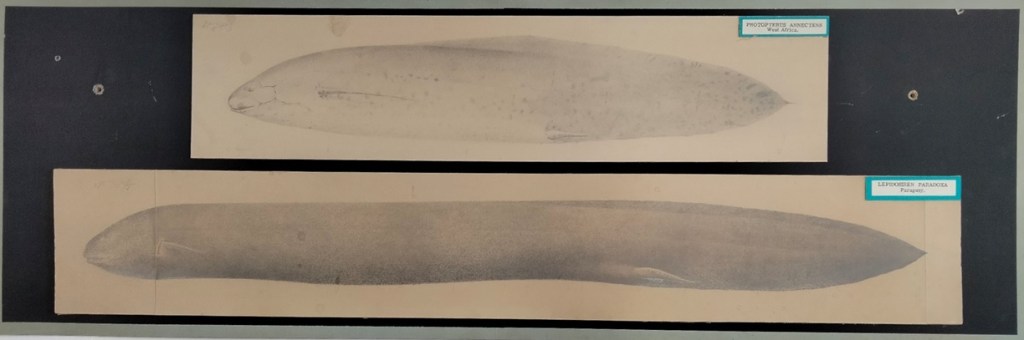
That any of these exhibition materials survive at all is down to pure happenstance and luck. At the time when they were removed from display, these artefacts would have just been seen as outdated ‘display furniture’ and all but destined to have been thrown away. One surviving piece of ex-display material, which catches my eye almost daily as it sits in my office, is a rather large pair of illustrations showing a South American and a West African lungfish mounted on a black backing board.

Mounted illustrations of West African lungfish, Protopterus annectens (top) and South American lungfish, Lepidosiren paradox (bottom). The board they are mounted on measures 93cm across.

By pure coincidence, I recently came across lithograph reproductions of these illustrations in an 1895 publication by E. Ray Lankester. Had these fish not have been my office-mates, I might not have paid the lithographs in the paper much attention, nor recognised their significance. 

E. Ray Lankester was a noted Zoologist who studied at Oxford University and was the holder of the Linacre Chair. He was also heavily involved in adding to the collections and displays here at OUMNH. His 1895 paper – a smash hit I’m sure we all remember – was titled On the Lepidosiren of Paraguay, and on the external characters of Lepidosiren and Protopterus, and sought to add more reliable evidence on the appearances of lungfishes. 

Lungfishes were of particular interest to scientists at the end of the nineteenth century. Though seemingly related, the different species of lungfish caused no small amount of head-scratching, given that they were found in freshwater ecosystems as far apart as Australia, Africa, and South America. As their name suggests, they are fish but also air-breathing, and the fact that they possess lungs also marked them for scientific interest at the time.

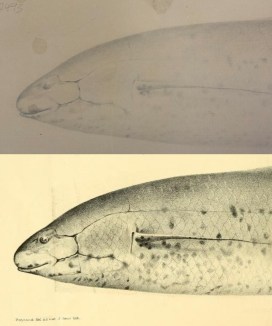
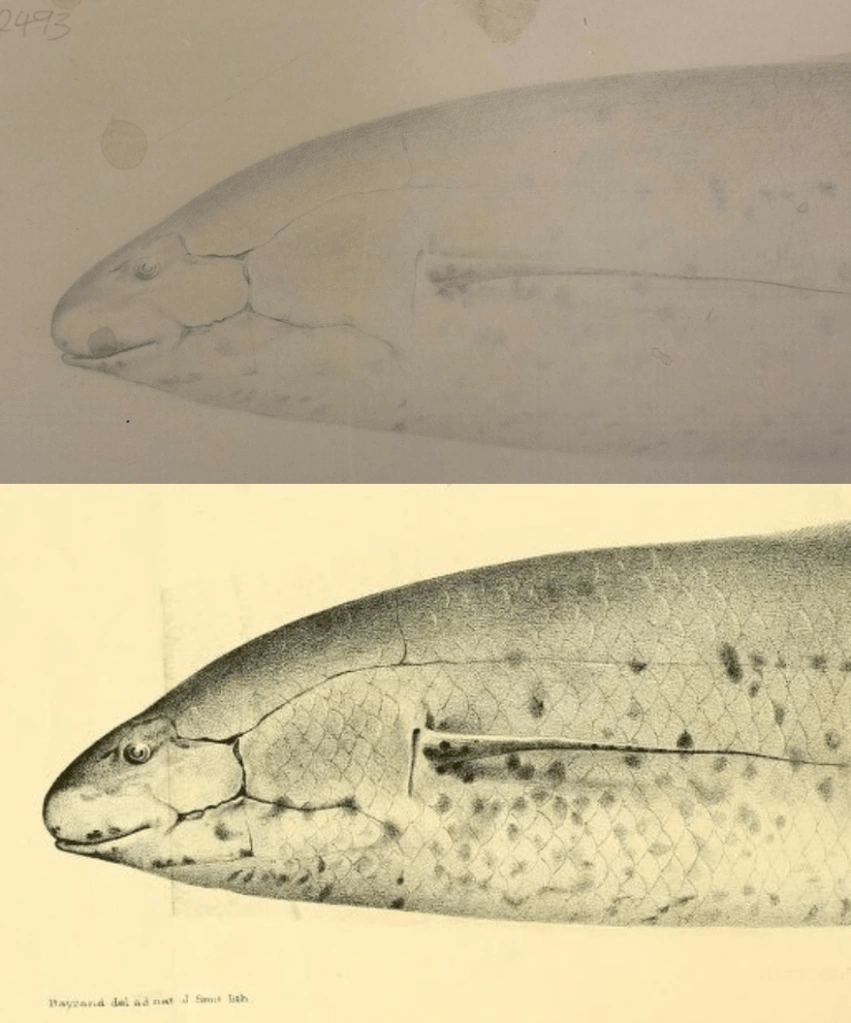
Comparison of Bayzand’s original drawing of Protopterus annectens (top) and screen-capture of the published figure (bottom). You’ll no doubt agree with Lankester that the changes to the scales are egregious and vexing. 

Interestingly (well, interesting to me!) is that Lankester adds an extensive note in the paper about the illustration of the specimens, explaining that he is unhappy with how Bayzand’s original drawings have been modified in the process of transforming them into lithographs for publication. According to Lankester, these modifications introduced inaccuracies. In particular, he complained that the lithographer had made it look like the lungfishes were covered in scales, and stresses that “[a]s a matter of fact, no scales at all[,] or parts of scales[,] are visible on the surface” of the lungfish. Instead, he makes clear that in real life (or, in this case, in preserved life) the scales of the fish are overlaid with soft tissue. Comparing the figure in the paper with the illustrations in my office confirms that the lithographer had, indeed, inaccurately reproduced the original drawings.

The happy coincidence of me finding Lankester’s paper led me to several important revelations. Firstly, we now know that Bayzand’s original drawings of the lungfish can still be found here at OUMNH. Secondly, we can surmise that, at some point in the past, these drawings were displayed in the Museum’s galleries. We can also corroborate that the original illustrations are different to the published versions, meaning that, if we are to believe Lancaster, they are also more accurate than those in the publication. Finally, we now know that two of the Museum’s specimens were cited with extra biographical information in Lankester’s paper.

Sadly, these exciting findings mean that my office mates will probably have to be relocated and take up residence in the Museum’s archives alongside their subject matter…

Earworms and Hummingbirds

Music and film from the Museum Library


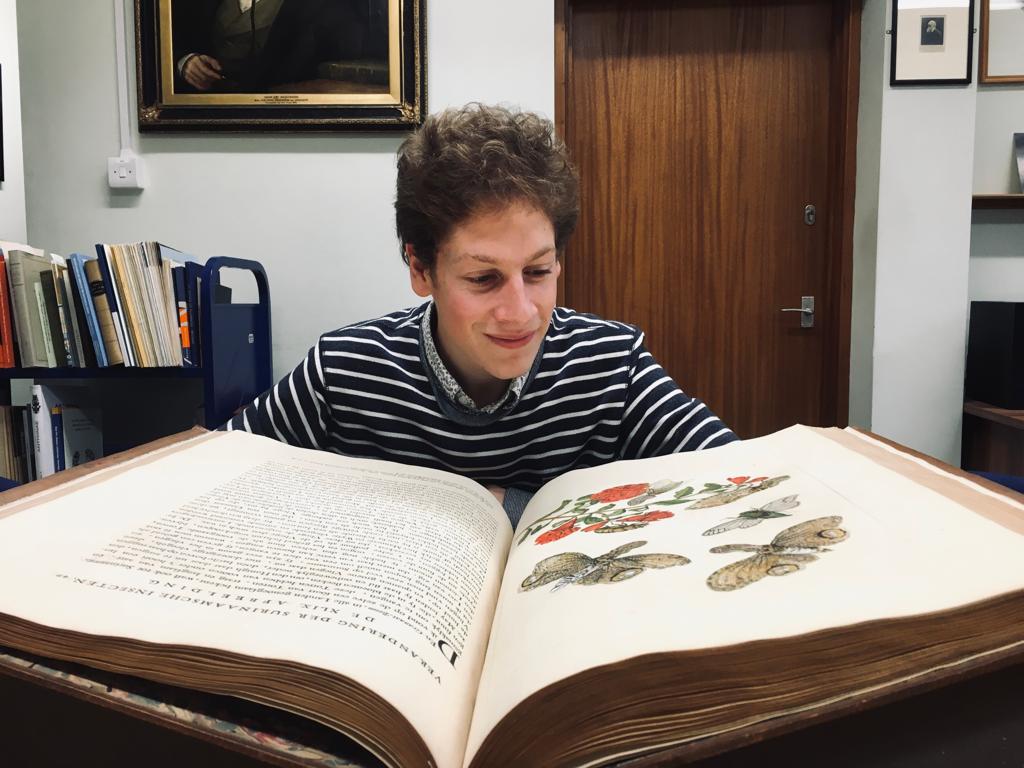
As a part of her Master’s in Wildlife Filmmaking, Alicia Hayden recently visited OUMNH to produce the short film “A Song for Maria”. Featuring the music of Will Pearce, “A Song for Maria” takes its inspiration from the eighteenth-century naturalist Maria Sibylla Merian.

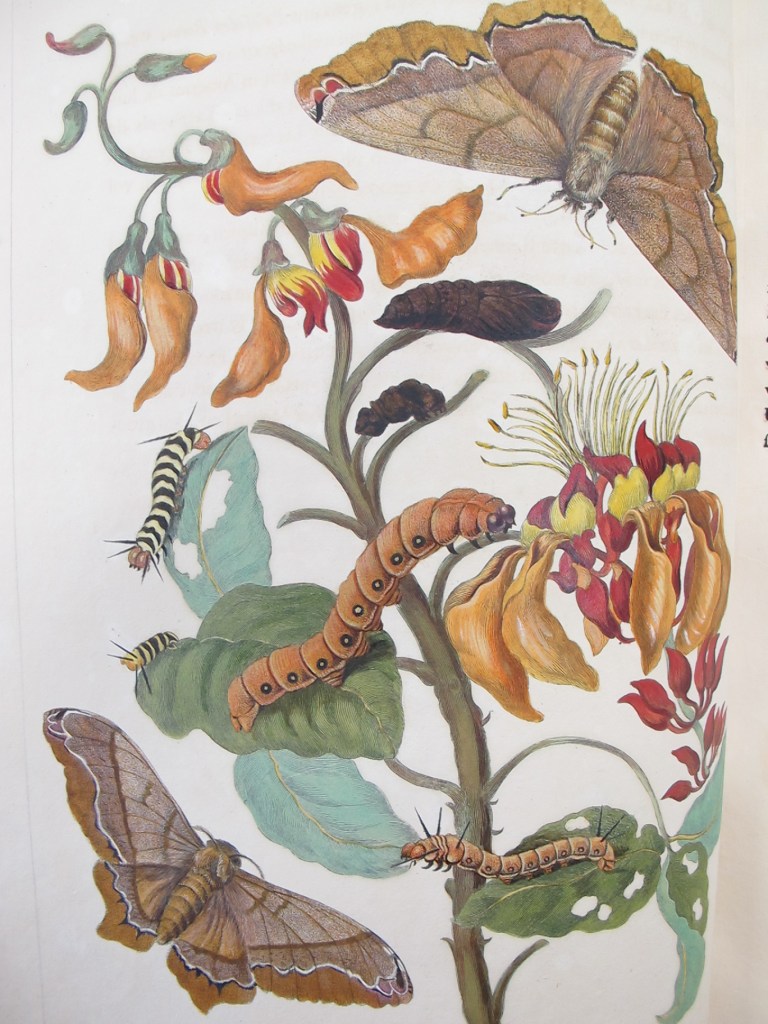
In 1699, aged 52, Maria Sibylla Merian made a trip to Suriname with her daughter to document the metamorphosis of insects, where she spent 2 years illustrating unique species and behaviours. Many of these illustrations are featured in Merian’s incredible publication Metamorphosis Insectorum Surinamensium (1705), or Insects of Suriname.

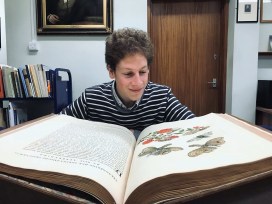
Over three hundred years later, Will and Alicia visited the OUMNH library to view our copies of Insects of Suriname. Here, the pair discuss film-making, songwriting and the impact of Maria’s legacy.


Alicia: Hi Will! You’re a physics student and amateur entomologist at Oxford University. Why were you so keen to visit OUMNH’s copies of Insects of Suriname and what did you think of Maria’s gorgeous illustrations?

Will: I first found out about Maria from a postcard, which was part of a series on influential female scientists. When I got to see OUMNH’s copies of Maria’s work, they did not disappoint. Maria reared all of the insects that she illustrated, allowing her to observe their life cycles in incredible detail.

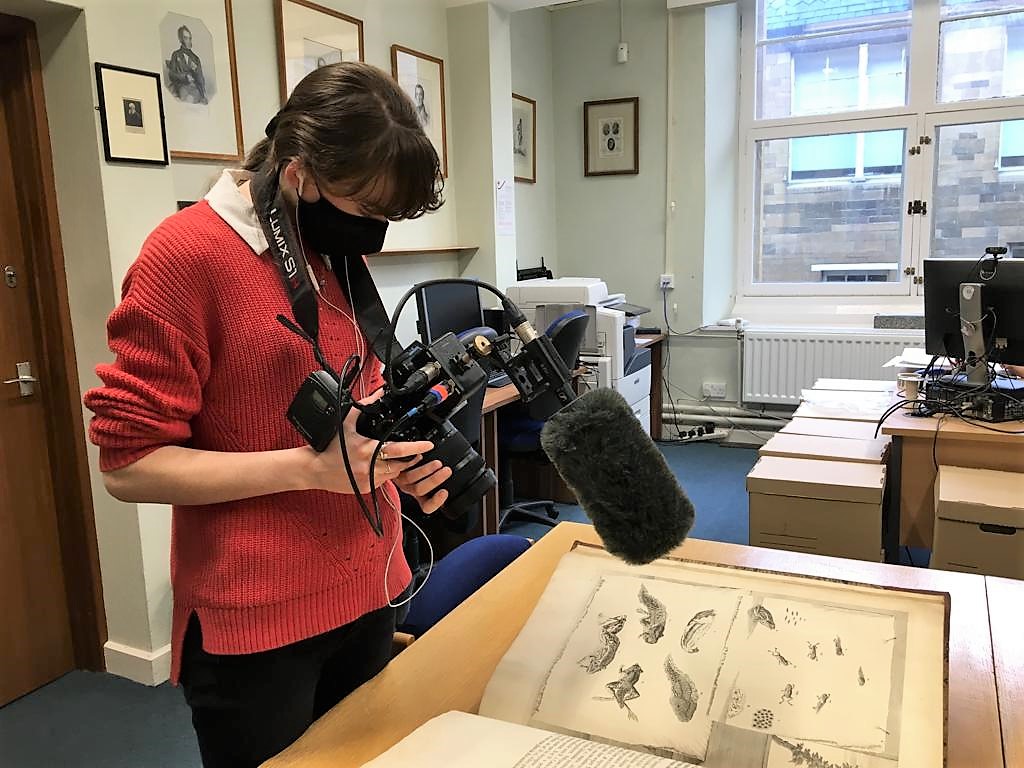
Alicia shooting for “A Song for Maria” in the Library at Oxford University Museum of Natural History

What about you, Alicia? Can you tell me a little bit about why you decided to make a film inspired by Insects of Suriname for your Master’s film project?

Alicia: In addition to studying film-making, I also do a lot of art and poetry, and I was really keen to try and incorporate my love for wildlife-art and creativity into my Master’s film project. After chatting with you about your music, I thought it would be so exciting to merge our mutual love for art and insects into the film!

Like you, I first found out about Maria through a set of women in science postcards, and since then she’s been a big inspiration in my own work, so it was also really special to see her art in person!

I know that you have recently been working on a series of songs about beetles, Will. Why do you choose to sing about nature, and how did Insects of Suriname influence your latest song, “Watercolour Caterpillar”?

Will: During lockdown, the things which kept me going were music and the pond that I built with my dad. For the first time, I started paying attention to nature, and it quickly became as big a part of my life as music. After that it just made sense to combine the two interests! I am constantly looking for inspiration, and almost always find it in either the natural world or others’ art. The life and work of Maria Sibylla Merian seemed like the perfect topic to make a song about.

What were your first impressions when you saw Maria’s books, Alicia? You work in watercolour yourself — did any piece in particular catch your eye?

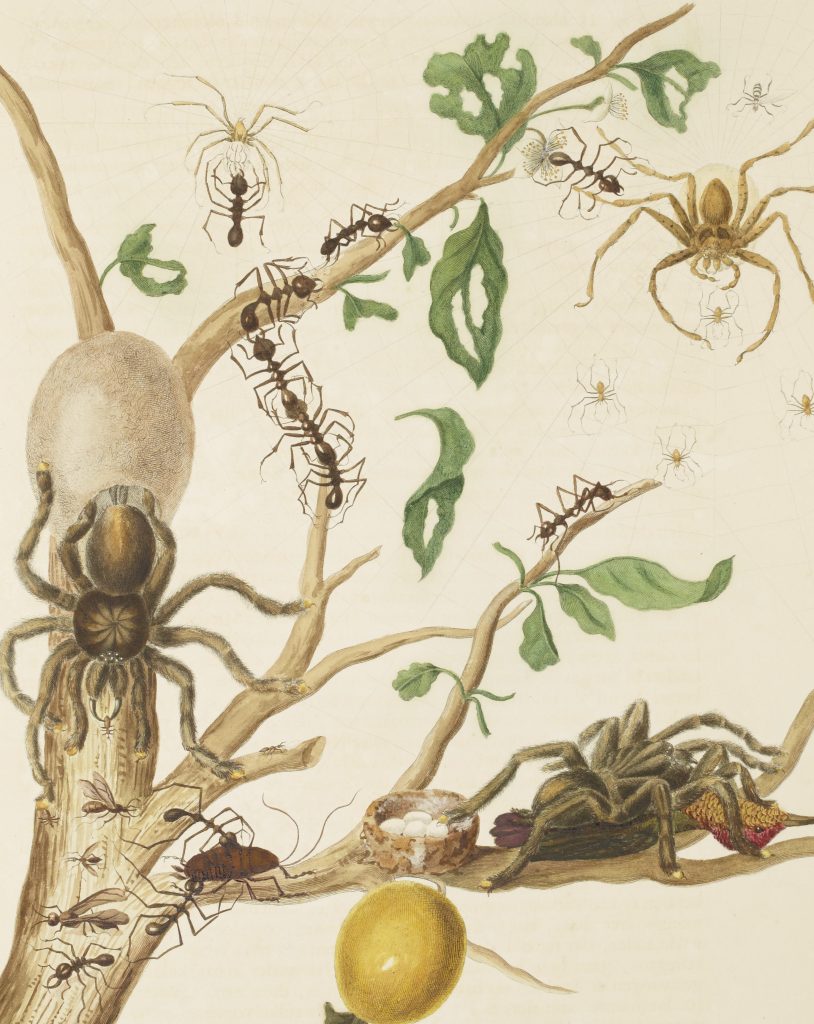
Alicia: I already knew about Maria’s work, and the intricacies of her drawings, before we saw them. But her illustrations are just phenomenal! She was an exceptional scientific illustrator. The drawing which stays with me the most is of the tarantula eating the hummingbird. The detail of the hairs and feathers is just exquisite, and I’m really pleased you can see some of this in the film.

When we were filming “A Song for Maria” together at the Museum, you decided that you not only wanted to write about the invertebrates Maria drew but also her life. How did this impact the final song?

Will: Well, originally the song was going to be about beetles (I’m a bit obsessed with them), but Maria documented a range of incredible species during her time in Suriname. So it seemed only right to diversify. The wafer-thin Surinamese Toad and handsome Hawk-moths were hard to deny! Her life was a real mixed bag, but her determination and her love for the natural world shine through.

Alicia: I had so much fun filming with you in the Museum’s Library, and I could see how much you loved looking at Maria’s work! I was wondering if you had a favourite illustration?

Will: There was one page in particular which I kept flipping back to — in fact you’ve already mentioned it! It shows leaf-cutter ants bridging between twigs using their own bodies, as well as a tarantula tackling a hummingbird! Many of Maria’s illustrations were called into question when the book was published, as they described behaviours not seen before by Europeans and they seemed all too fantastical to be real!

Hopefully, we were able to capture some of the magic of the illustrations in our film. What do you want people who watch the film to take away about Maria?

Alicia: Like you, I really want more people to know about Maria Sibylla Merian and the fantastic contributions she made to entomology. I hope that by watching “A Song for Maria”, people will realise the importance of Maria and her work, and she starts getting as much recognition as her male counterparts of the same era.


A Song for Maria” is available to watch on Alicia’s YouTube channel. You can find out more via Alicia’s website, Alicia’s instagram, and Alicia’s facebook.

Will’s song about Maria “Watercolour Caterpillar” is available to listen to on YouTube. You can find out more via Will’s website and Will’s instagram.