

The Evolution of Plants
To mark Plant Appreciation Day today, Lauren Baker and Chris Thorogood of the University of Oxford Botanic Garden and Arboretum take us on a quick tour of the evolution of plants: from primitive water-dwelling algae to the colonisation of land, and the eventual success of angiosperms – the flowering plants.
The Earth formed around 4.6 billion years ago, and around 2.7 billion years ago the very first plants evolved. These were the algae, a diverse group that live mainly in water. The ancestor of all modern algae – and the first organisms to photosynthesise – were cyanobacteria. Green algae evolved from these cyanobacteria and are the ancestors to all modern plants.
We owe the air we breathe to plants. With the production of oxygen through photosynthesis came a drastic climatic shift around 2.4-2.0 billion years ago. Known as the Great Oxygenation Event, it dramatically increased oxygen and decreased carbon dioxide in the atmosphere.
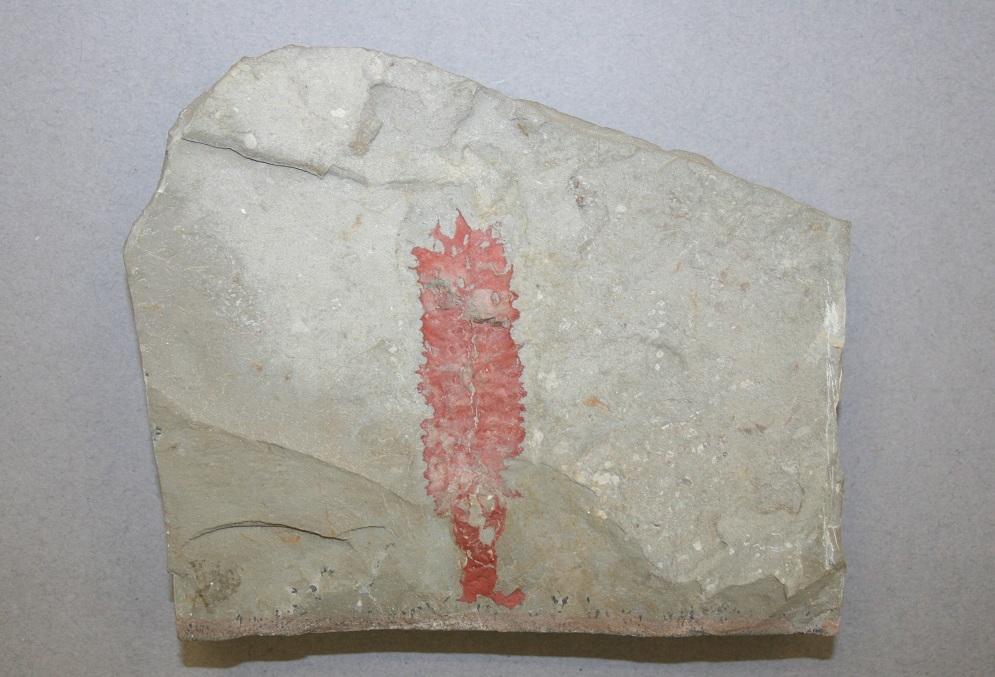
Fossil of Margaretia dorus, a 500 million year old algae from Utah, USA 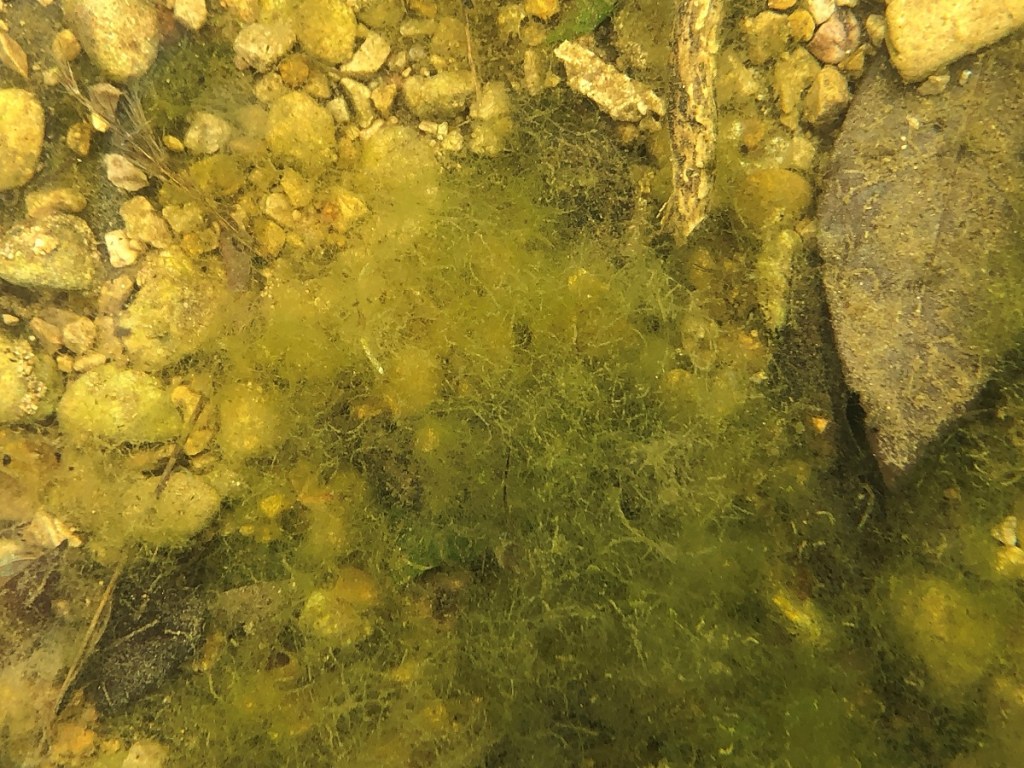
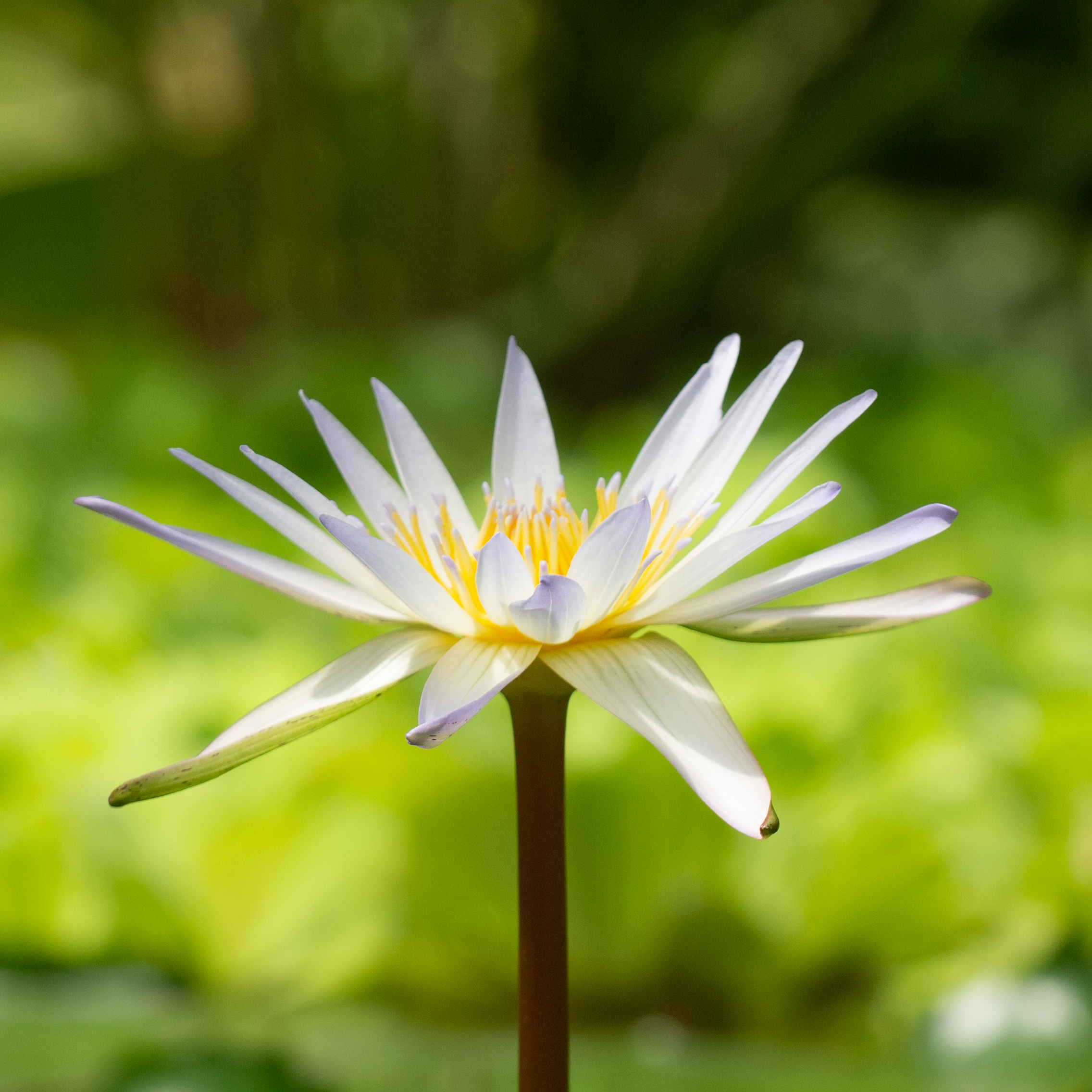
Algae growing in the Outdoor Water Lily Pond at Oxford Botanic Garden
Non-flowering plants
Jump ahead 1.5 billion years and the evolution of plants really takes off. To leave the water, plants needed to develop protection from drying out. The group that colonised the land is called the bryophytes, and includes the liverworts, hornworts and mosses.
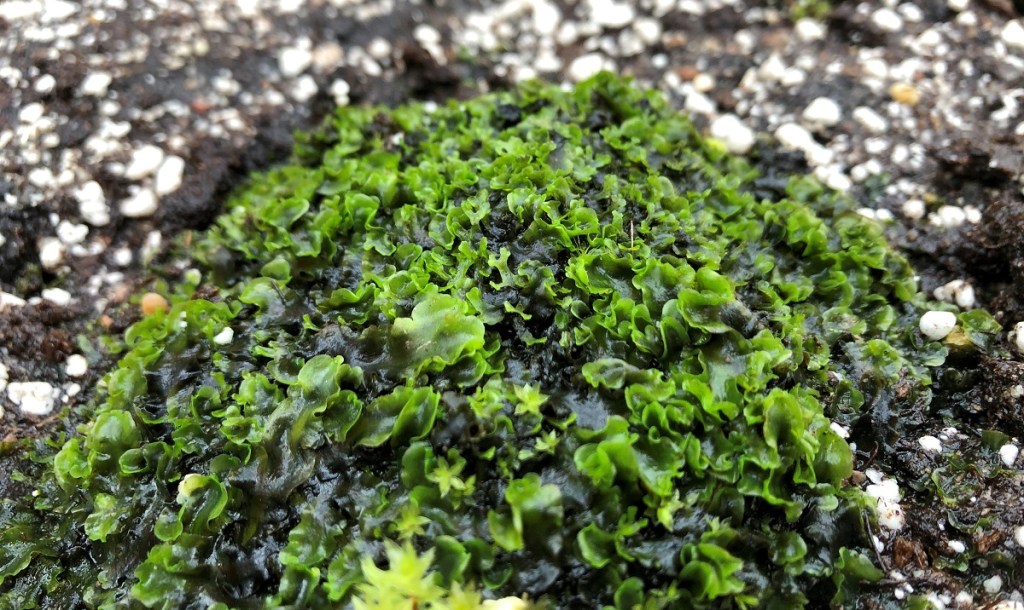
Bryophytes are simple plants that lack true roots or ‘plumbing’ vascular tissue such as xylem or phloem. Bryophytes may have evolved from green algae in shallow, fresh water and developed the ability to survive on land when these pools dried out: 470 million years on, you can still see many bryophytes growing in damp habitats today.
The first vascular plants appear around 430 million years ago. One of the earliest examples was Cooksonia, consisting of a simple branching stalk without leaves.
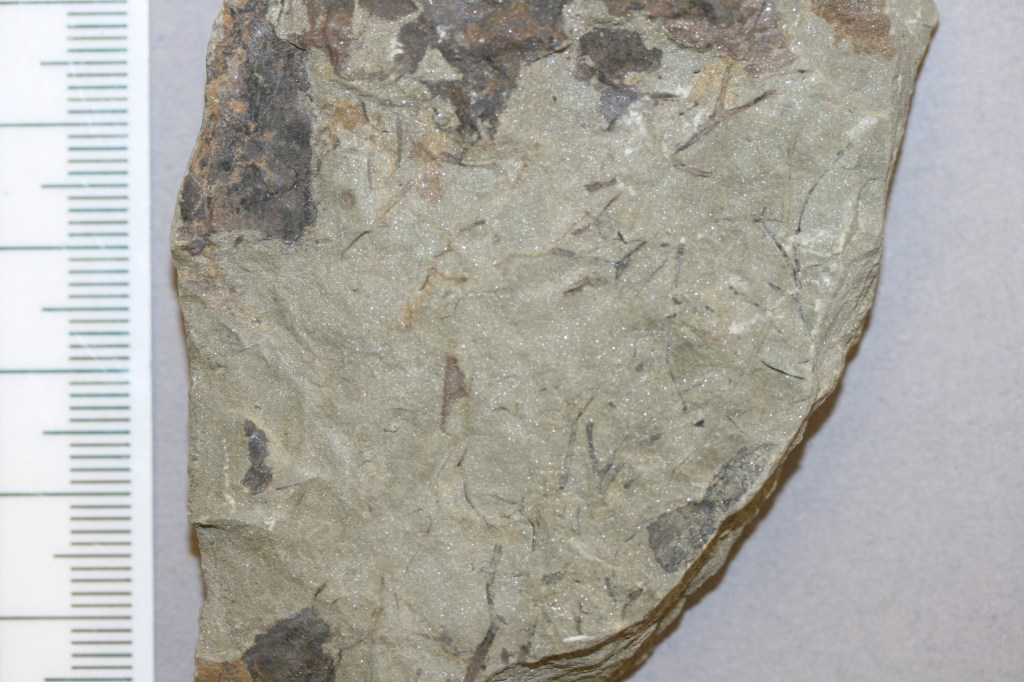
Fossilised Cooksonia, one of the earliest vascular plants. This 420-million-year-old fossil is from Lower Wallop in Shropshire. OUMNH C.31324. 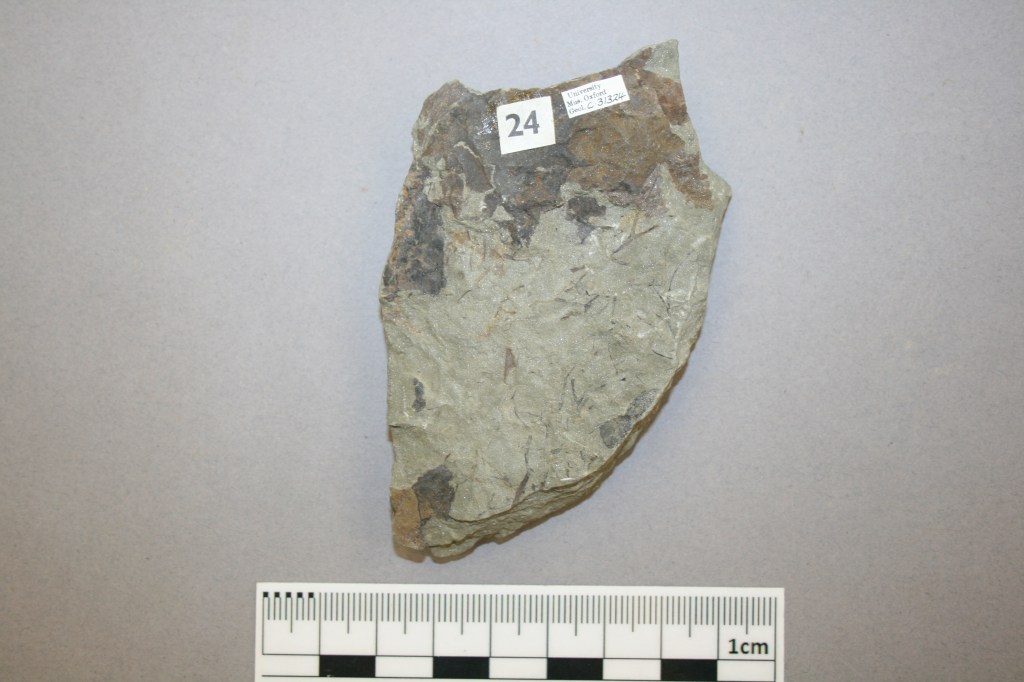
Fossilised Cooksonia, one of the earliest vascular plants. This 420-million-year-old fossil is from Lower Wallop in Shropshire. OUMNH C.31324.
Lycophytes, which evolved around 350 million years ago, also have vascular systems that enable water and nutrients to be moved around the plant. This drove the evolution of more complex, multicellular plants.
The ability to pump water allowed lycophytes to grow to heights of 45 m and they formed vast forests. Their remains also make up the coal, oil, and natural gas we use for energy today. More than 1,200 species of lycophytes exist now, grouped into three orders: the club mosses, quillworts and spike mosses.
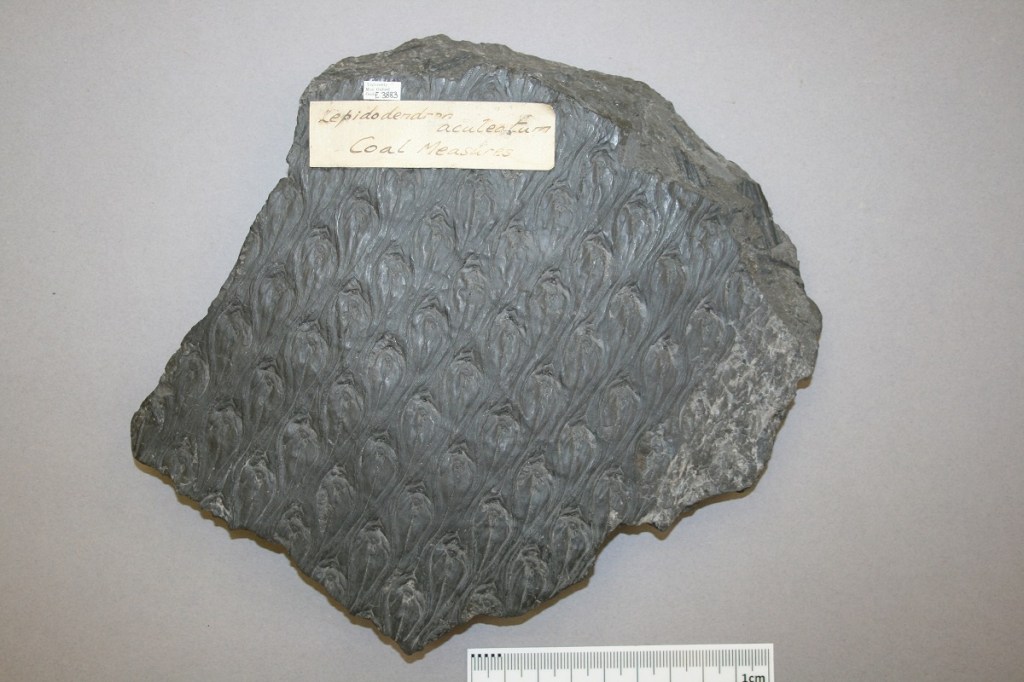
Fossilised remains of Lepidodendron, an extinct genus of primitive lycophytes 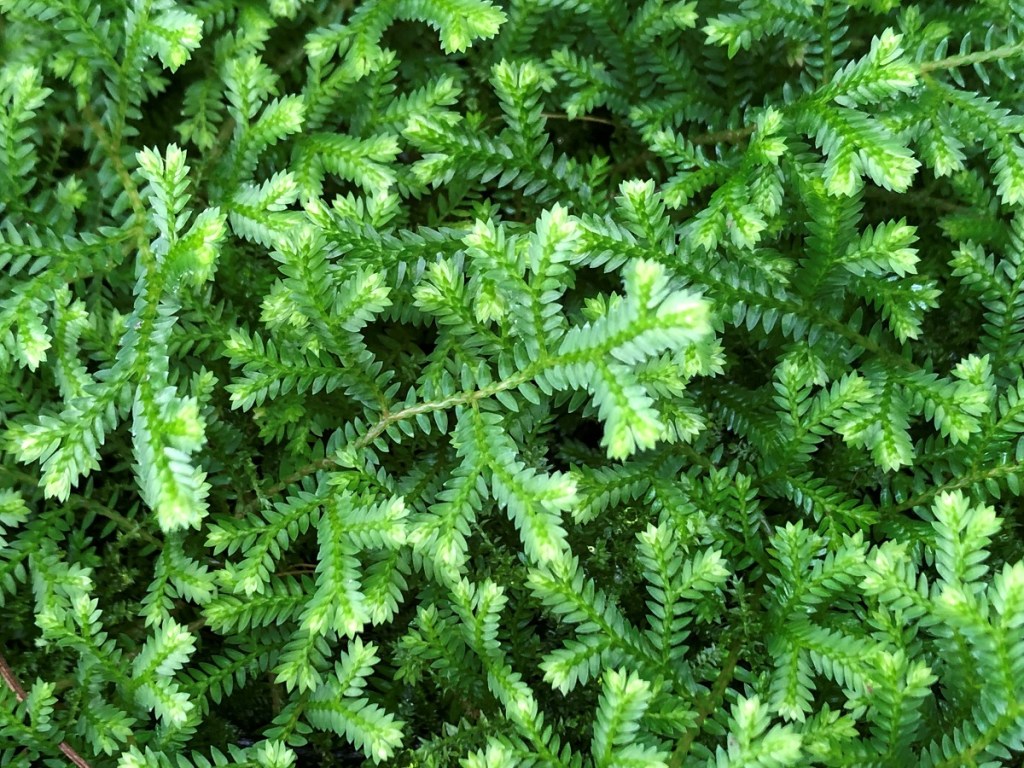
Living lycophytes: Selaginella, growing in the Cloud Forest House at Oxford Botanic Garden
A ‘living fossil’ that can be seen growing at the Botanic Garden is Equisetum, commonly called the horsetail. Horsetails evolved around 350 million and although the species alive today are herbaceous, extinct horsetails such as Calamites once formed large trees. The fossilised remains of Calamites in the collections of the Museum show the vascular tissues that would have carried water and nutrients up the vast trunk of the tree.
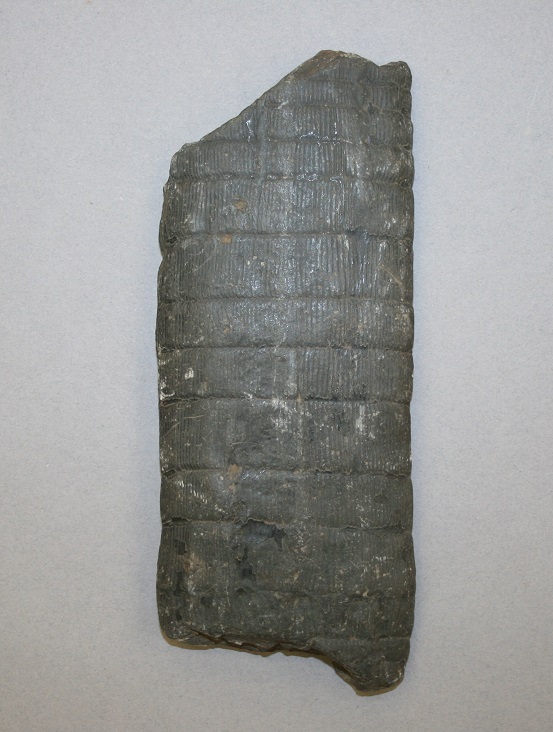
Extinct horsetails such as this Calamites once formed large trees. This 300 million year old fossil is from Rhondda Valley, Wales 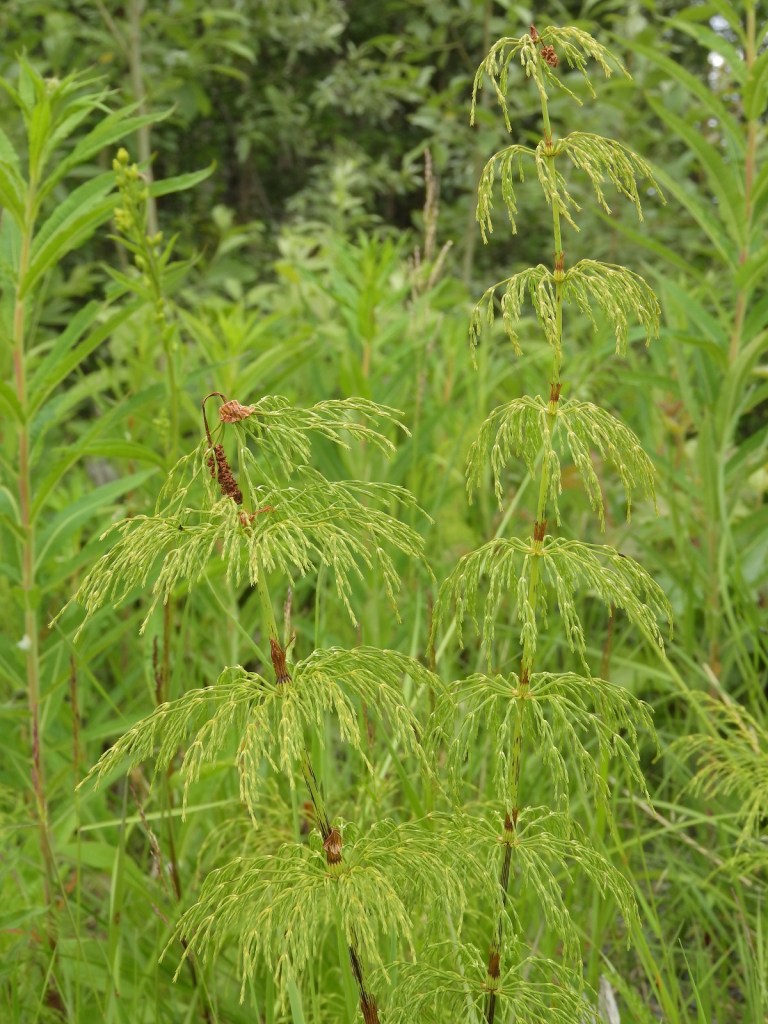
Horsetail today at Oxford Botanic Garden
Cycads also evolved around the same time as the lycophytes and horsetails. They could easily be confused with palms, but unlike palms they are not flowering plants. Cycads belong to a group of plants called the gymnosperms, a name that literally means ‘naked seed’, and refers to the plants’ reproduction with seeds that are not encased in an ovary. Cycads can survive for over 1,000 years and are very slow growing. Today, the majority of the 200 surviving species are threatened with extinction.
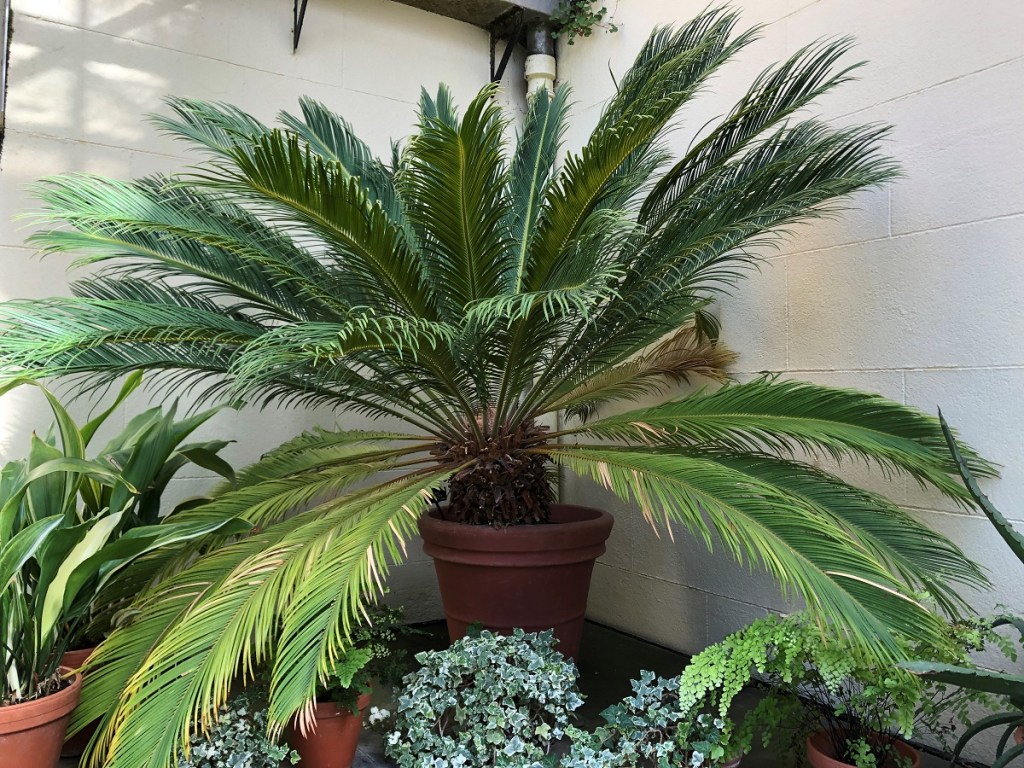
Cycas revoluta, a cycad, growing in the Conservatory at Oxford Botanic Garden 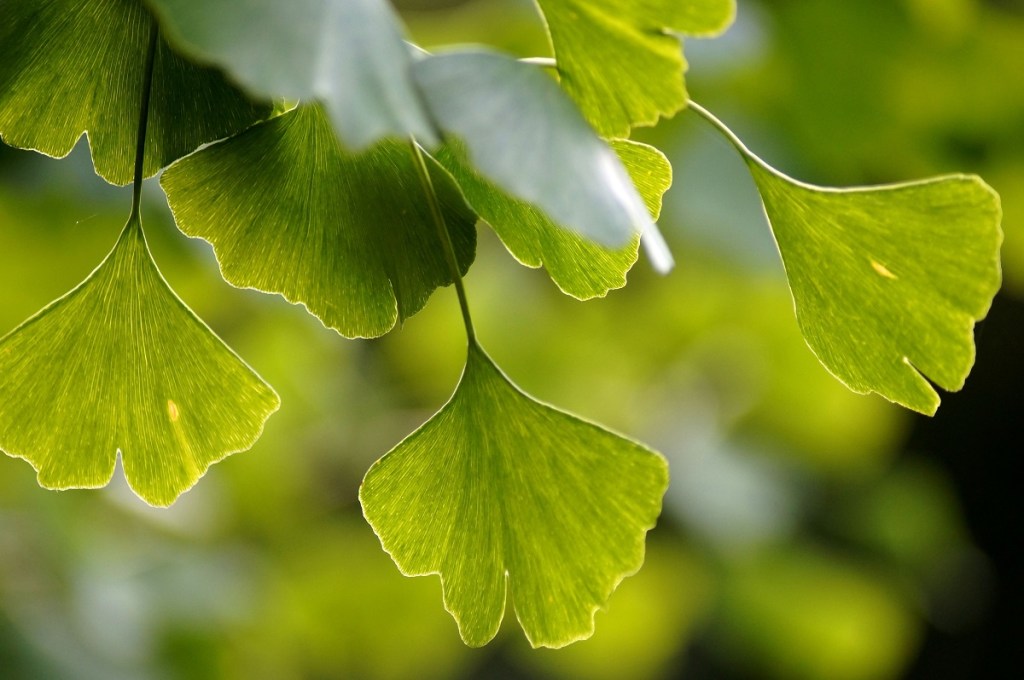
Other living gymnosperms that evolved alongside cycads include the conifers, of which there are many, and ginkgos, of which today there is just one surviving species: Ginkgo biloba, pictured growing at Oxford Botanic Garden
Another ancient and unusual group of gymnosperms that evolved alongside cycads and lycophytes are Gnetophytes, which include plants such as Ephedra, Welwitschia, and Gnetum. There are about 40 living species of Gnetum, and they are tropical evergreen trees, shrubs and lianas. Before DNA sequencing technology, they were believed to be the closest living relatives of flowering plants due to the sugary sap they produce to attract pollinating insects, like the nectar produced by flowers.
Fossils of Ephedra date back as long as 120 million years ago. They are pollinated by both wind and insects, and are found across all continents except for Australia. With small, scale-like leaves they are highly adapted to arid environments, growing in sandy soils with direct sun exposure.
But perhaps the most familiar gymnosperms are the conifers. Conifers include the world’s oldest tree, the bristlecone pine, and the world’s largest tree, the giant Sequoia. There are over 615 species of conifers, most belonging to the pine family, Pinaceae.
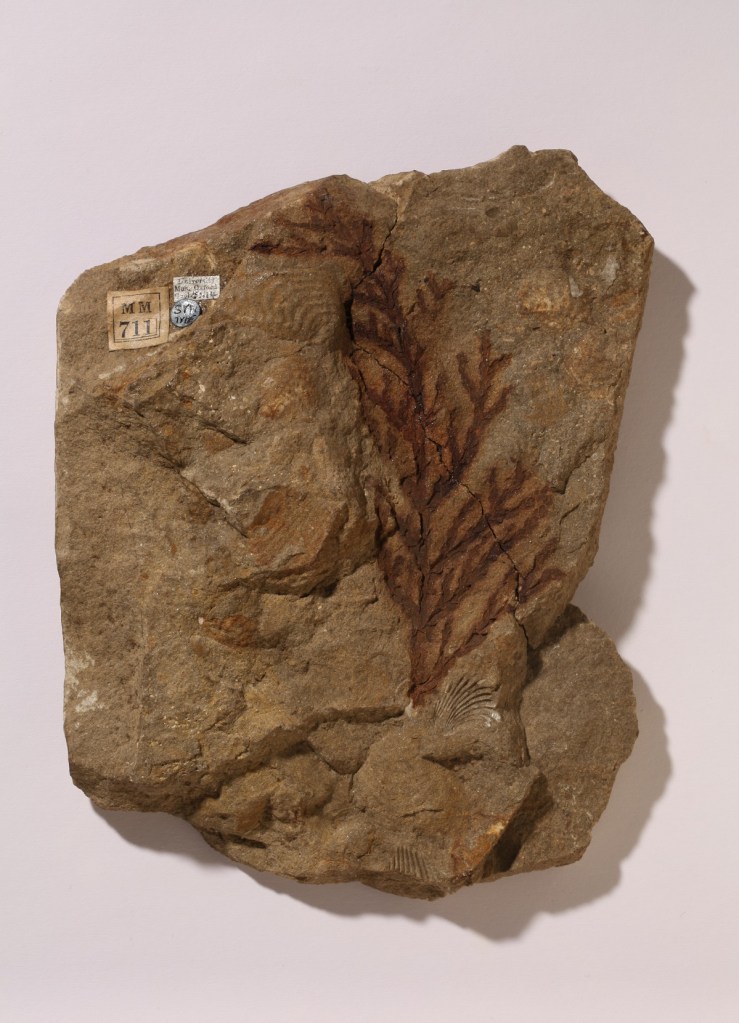
Brachyphyllum expansum, an extinct conifer which belonged to the family Araucariaceae – famous for including the monkey puzzle tree 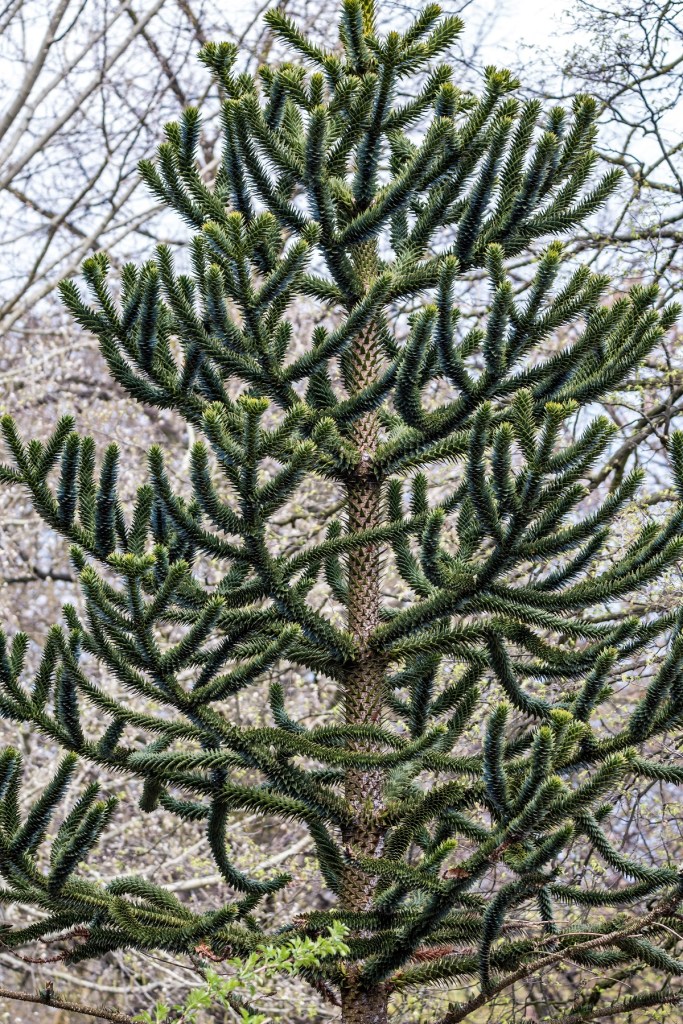
A monkey puzzle tree, Araucaria araucana, at Oxford Botanic Garden
Flowering plants
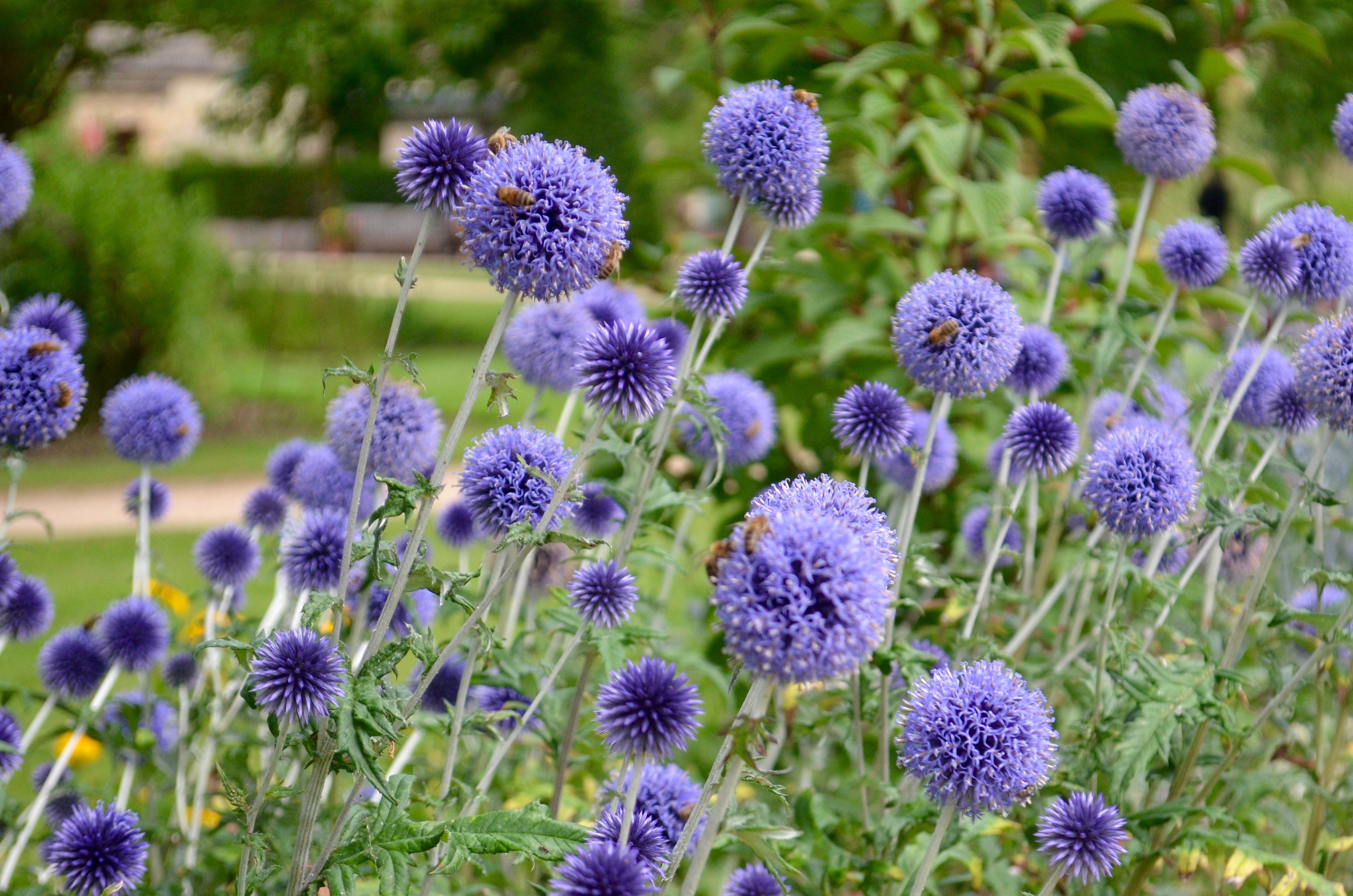
The evolution of flowering plants – the angiosperms – 125 million years ago, was the start of a global botanical competition with gymnosperms, and it changed the appearance of our planet forever. The fossil record shows the earliest flowering plants bloomed alongside the dinosaurs, and probably looked something like a magnolia.
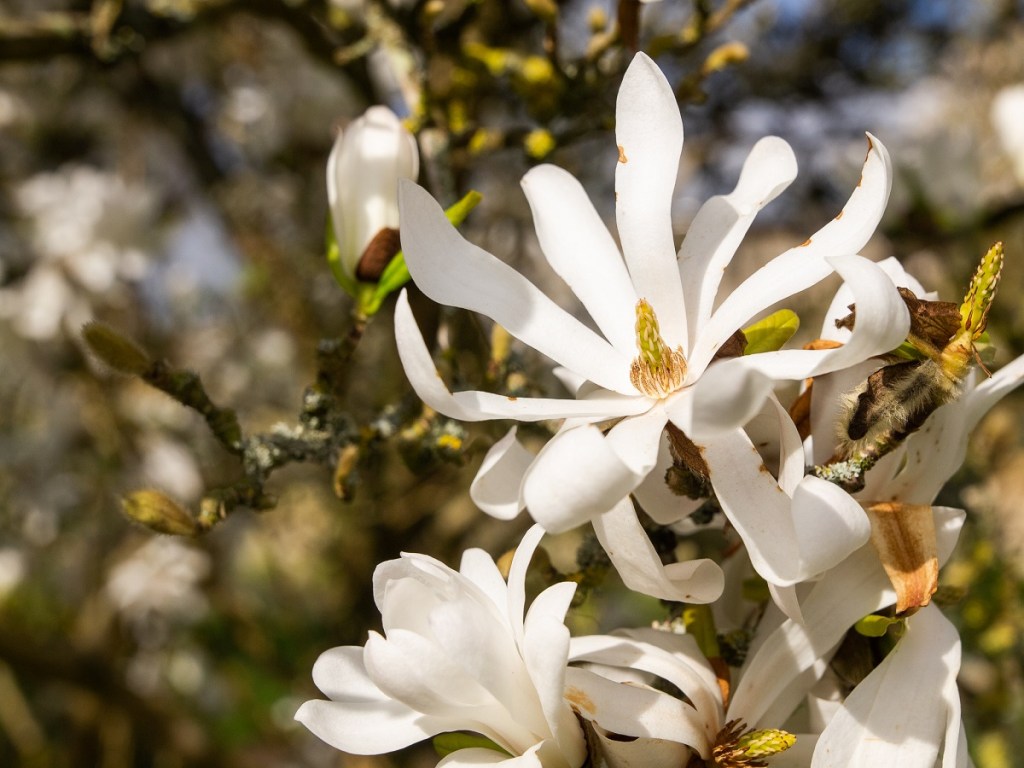
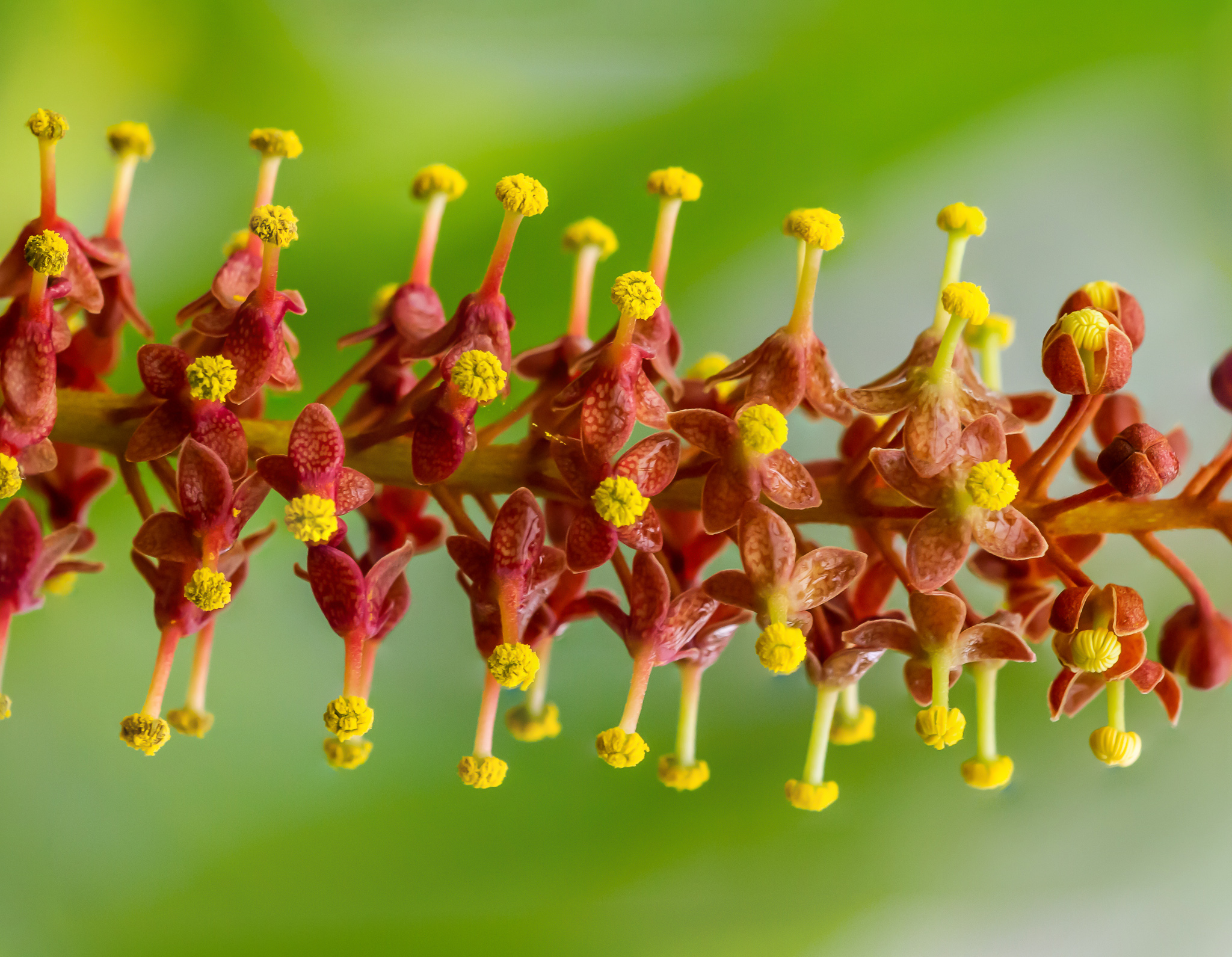
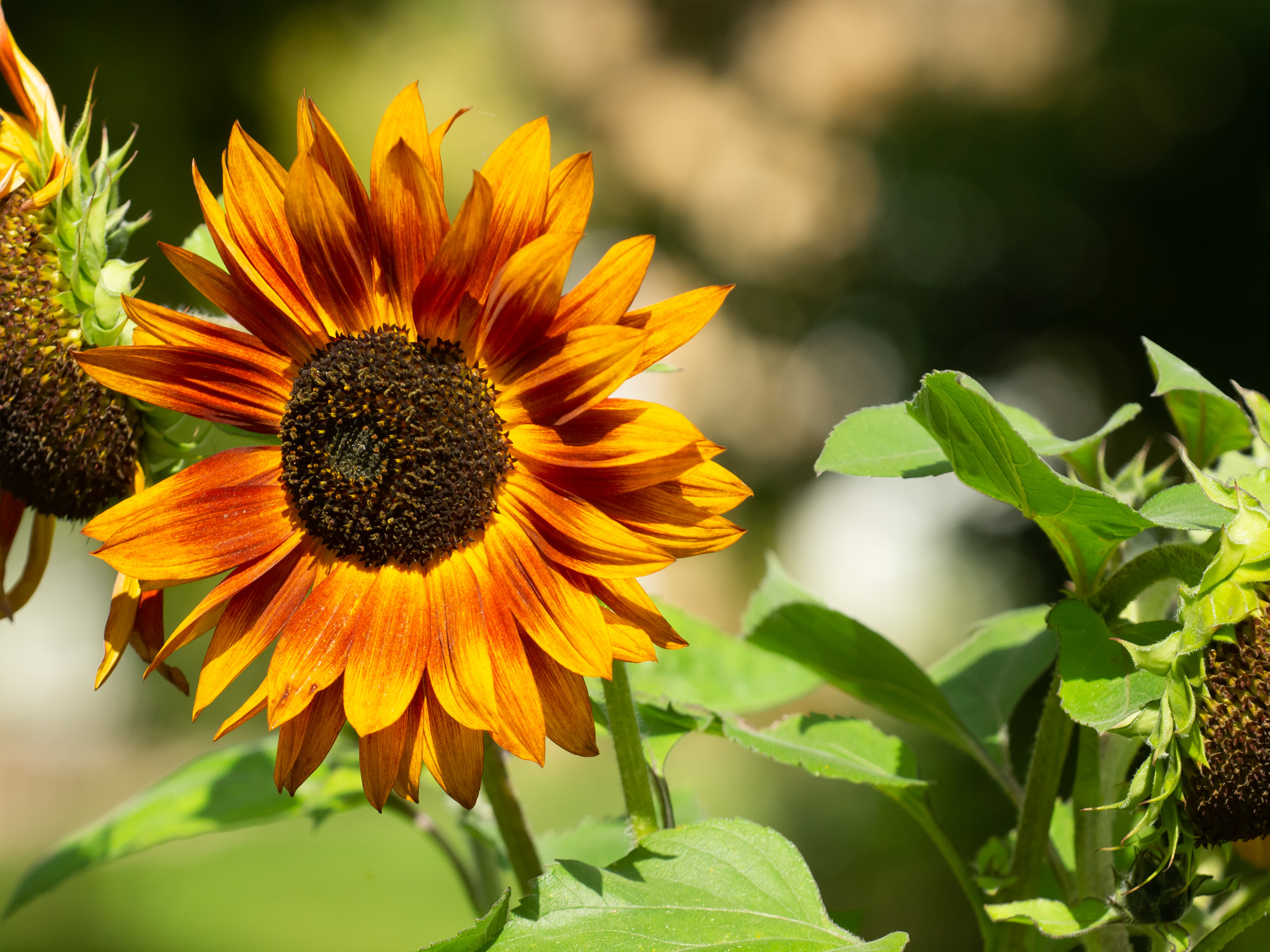
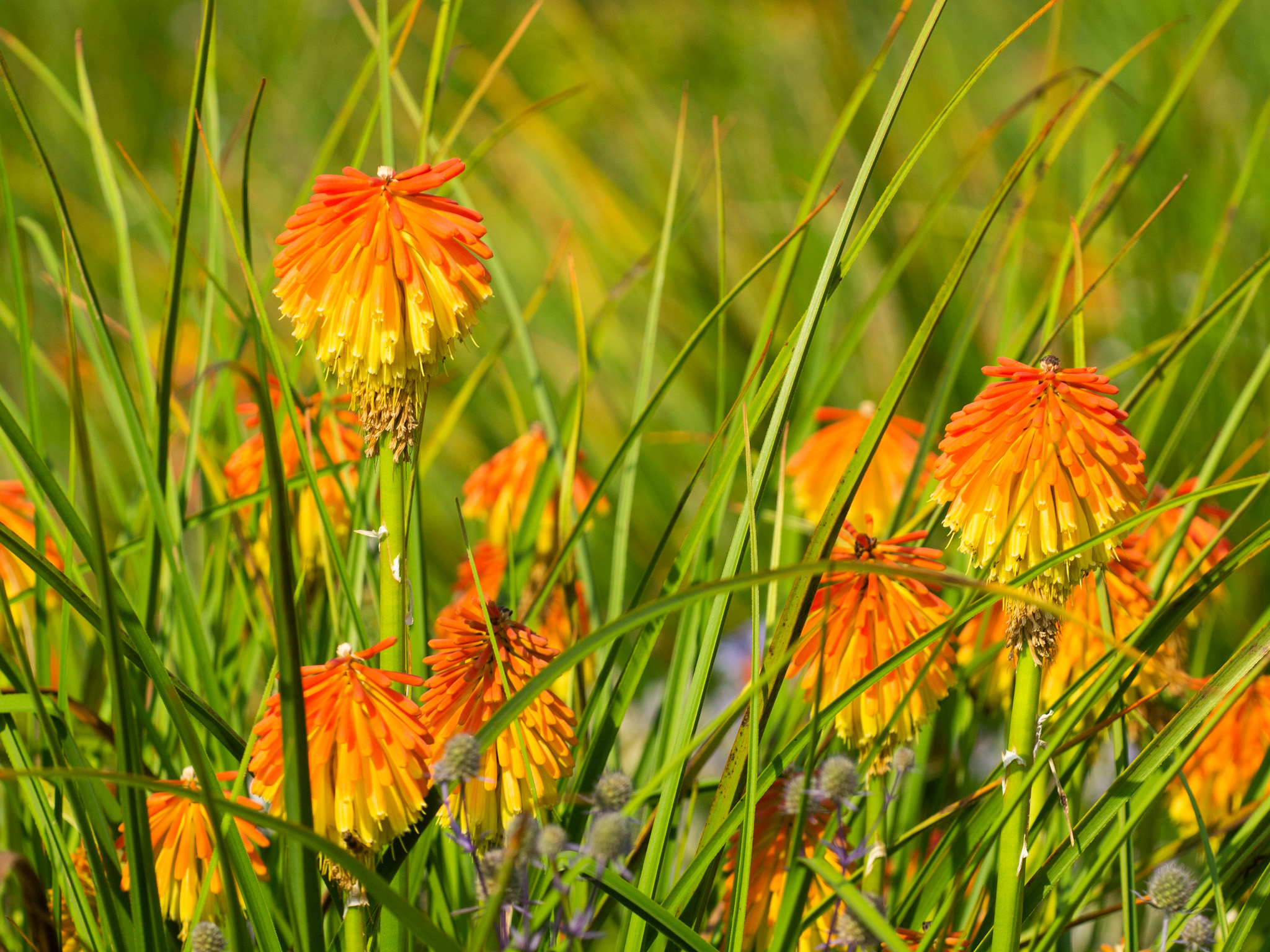
Unlike the gymnosperms, the angiosperms reproduce with flowers and their seeds are contained within protective ovaries. Despite their relatively late emergence, the diversity of flowering plant species was accelerated by their evolution alongside insect pollinators. Today, of the roughly 350,000 known plant species, 325,000 are flowering plants.
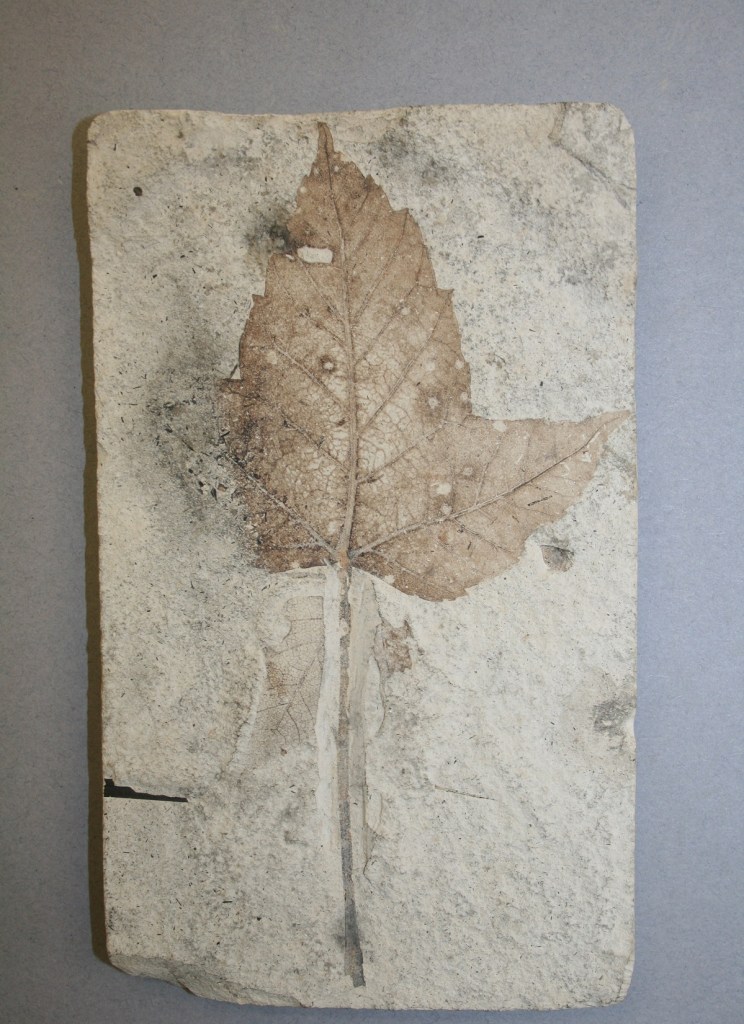
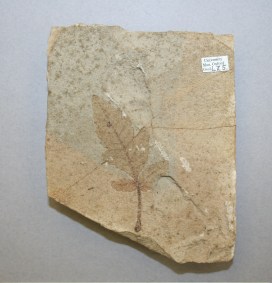
Whilst more famously known for their foliage, acers are also angiosperms. This fossil of Acer tricuspidatum is 30 million years old, from Oeningen, Switzerland 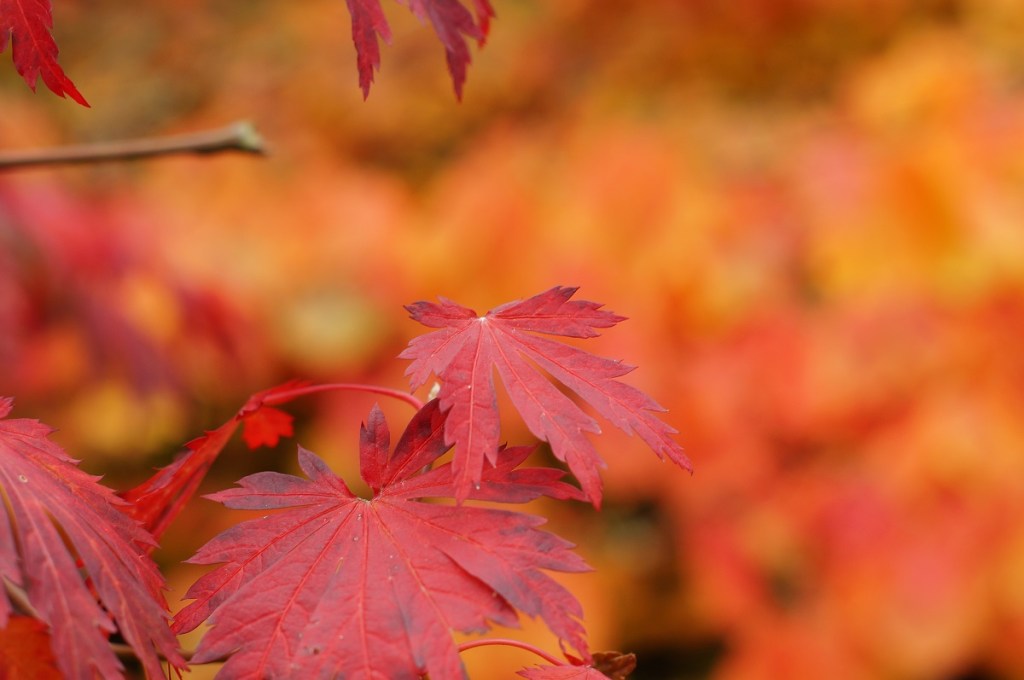
One of the many Acer species showcasing its autumn colour at Harcourt Arboretum


 More Than A Dodo