A Fashion Flea-esta


By Danielle Czerkaszyn, Librarian and Archivist


In September 2021, the Museum initiated its first “Specimen Showdown” on Twitter and Instagram, where followers could vote on their favourite specimens from our collections. Over the course of the month, followers narrowed down their favourite among 32 specimens from four collections: The Library Legends, The Bygone Beasts, The Rock Stars, and The Birds and The Beetles. The final showdown was between the Connemara Column (found in the Main Court of the Museum) and the Pulgas Vestidas from the Library and Archives. In a nail-biting race, the Pulgas Vestidas narrowly beat the column with 53.9% of the vote.

But what are Pulgas Vestidas? And why are they so popular?

Dressed fleas, you say?

The delicate art of dressing fleas in tiny costumes, known as ‘Pulgas Vestidas’ in Spanish, flourished in Mexico for over two centuries. It is believed that the craft began in Mexican convents where nuns would fashion tiny pieces of clothing onto dead fleas. An important point to note is that the fleas themselves were not actually dressed — instead, they formed the heads of the figures. The individual fleas were set in matchboxes and decorated with elaborate human costumes, hats, shoes, and accessories. Sometimes the fleas were set in whole scenes, often as married couples in miniature dioramas of everyday life. The bride and groom sets were the most popular, with the bride sporting a long veil and the groom in his best suit. The nuns would then sell the fleas for a small amount of money to passing tourists. The trade was later picked up by the local villagers and Pulgas Vestidas were widely sold to tourists visiting Mexico in the early twentieth century.

Dressed fleas were popular with tourists until the 1930s when the art declined in popularity. An increasing awareness of hygiene meant that fleas were rapidly regarded as unhealthy. Many dressed fleas were consigned to the bin, and Pulgas Vestidas became a lost art as tourists’ tastes for memorabilia changed. Examples of these tiny curiosities are now rare collectors’ items.

Pulgas Vestidas at Oxford University Museum of Natural History

The Museum’s dressed fleas were collected in 1911 by American archaeologist and anthropologist Zeila M. M. Nuttall who specialised in Mexican history and culture. She sent the dressed fleas to her brother, bacteriologist George H.F. Nuttall. George formally donated a collection of 50 Ixodidae (ticks) to the Museum, and it is likely he also gifted the dressed fleas at the same time. The dressed fleas would have been considered more of a Victorian novelty, and so were not formally recorded or accessioned into our collections.

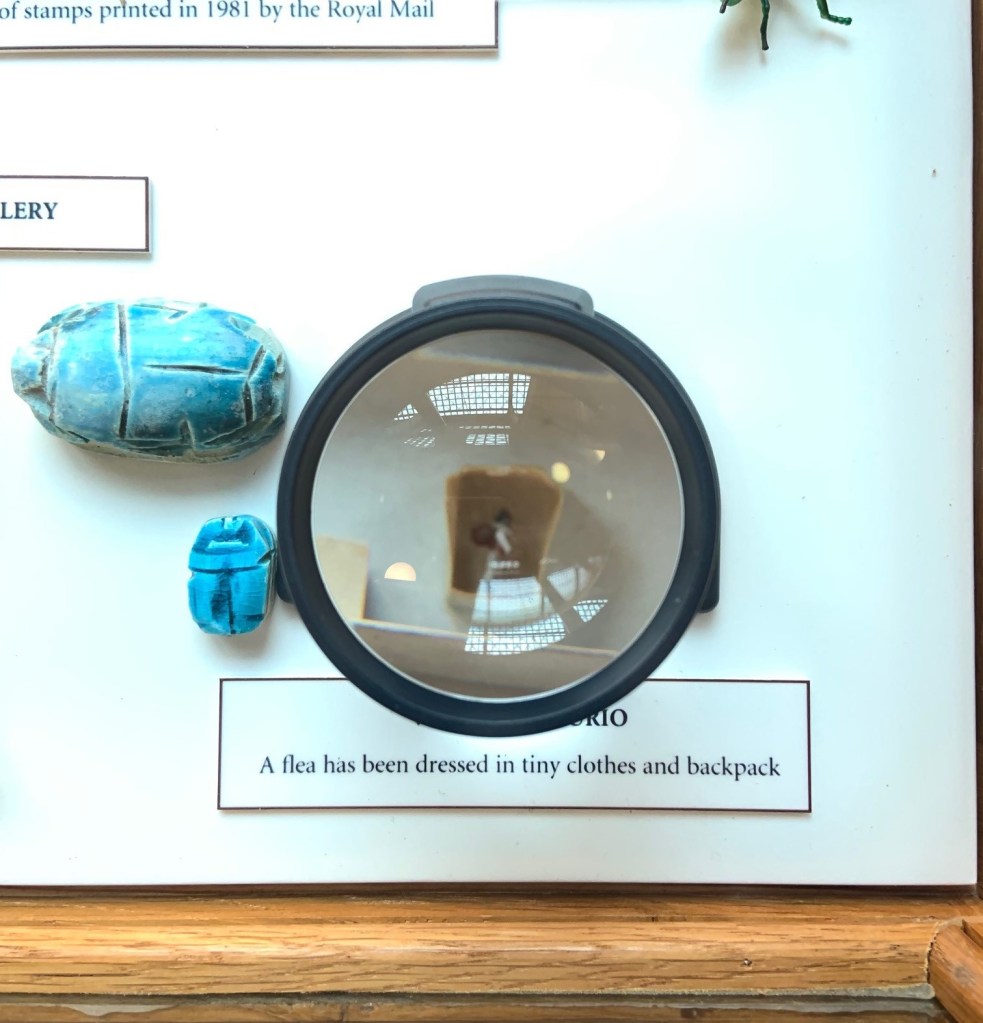
Although most of OUMNH’s dressed fleas reside behind-the-scenes, one example is on public display in the Upper Gallery of the Main Court. Sporting tiny clothes and a backpack, the flea is just visible with the help of a magnifying glass. Clearly, this one was born to flea wild.
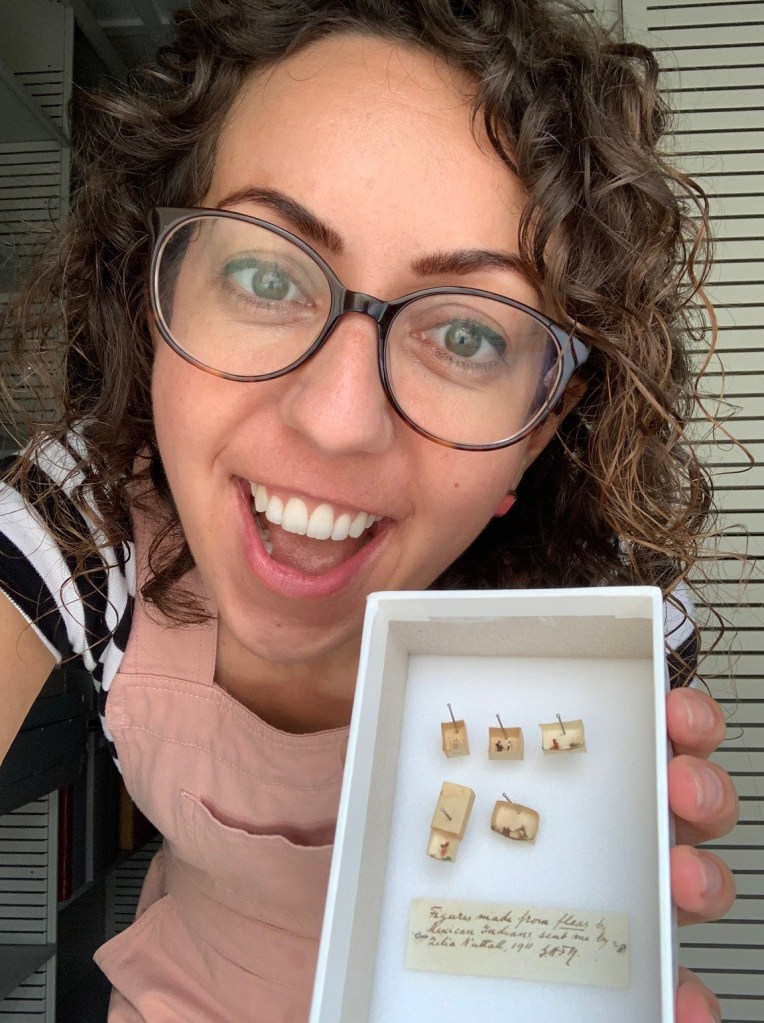
OUMNH’s Pulgas Vestidas are definitely among the more unusual items in the Museum’s collections, and they were clearly head and shoulders above other specimens in the September Specimen Showdown competition, despite being no more than 5mm tall! Pulgas Vestidas may be small, but they certainly are mighty.

I’ll Flea There

The dressed fleas will be on display, with a flea-tastic craft, for the Museum’s free evening event Late Night: A Buzz in the Air‘ on 27 May from 7-10pm.
Community science: what’s the value?

ONE SCIENTIST OFFERS HER PERSPECTIVE


By Sotiria Boutsi, Intern

I am PhD student at Harper Adams University with MSc in Conservation Biology, currently doing a professional internship at the Museum of Natural History in the Public Engagement office. My PhD uses genomic data to study speciation in figs and fig wasps.


For most of our history, humans have been observational creatures. Studying the natural world has been an essential tool for survival, a form of entertainment, and has provided the backbone for various legends and myths. Yet modern humans are rapidly losing practice when it comes to environmental observation. As more and more of us relocate to busy urban environments, we find ourselves with little to no time to spend outdoors. Knowledge of the natural world is rapidly becoming the purview of professionals — but it doesn’t have to be this way…

Community science is a term that describes scientific research activities conducted by amateurs, often involving observation or simple computational tasks. Many citizen science projects target schools or families, but everyone is a welcome participant. The purpose of such projects, which run all around the world, is to encourage non-professionals to get involved in science in a fun, voluntary manner, while also collecting data that are valuable for scientific research.

One of the most common forms of community science is biodiversity monitoring. Biodiversity monitoring projects invite people with various levels of expertise to record observations of different species in their local area, and upload evidence like photographs and sound recordings to a user-friendly database. In doing so, they also provide important monitoring data to scientists, like information about the date and location of wildlife sightings.

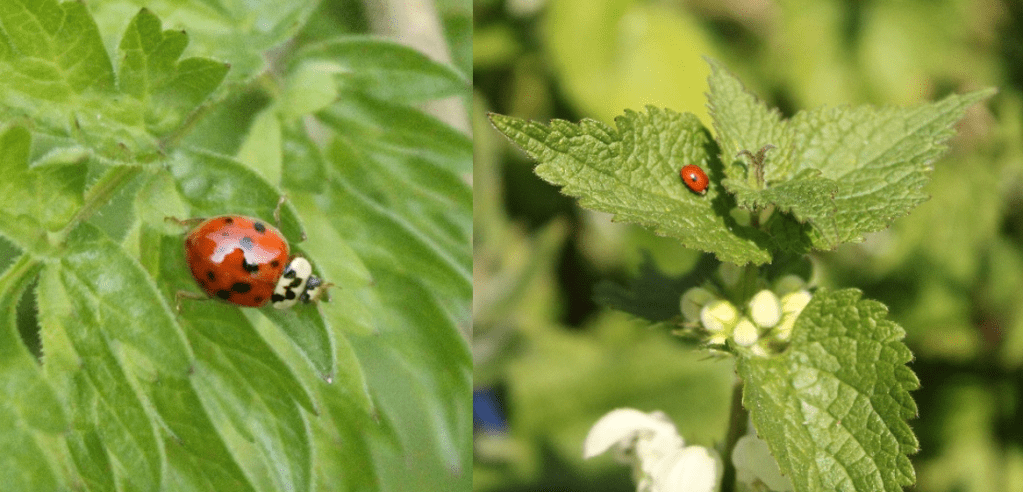
The Asian Ladybeetle (Harmonia axyridis) was first spotted in the UK in 2004 and since then it has become very common. It is considered one of the most widespread invasive species in the world, with introductions throughout Europe, North and South America, as well as South Africa. Reported observations through the UK Ladybird Survey (Enter ladybird records | iRecord) can help us monitor the spread of this insect and see how other, native species respond to its presence.

There are a variety of mobile apps and online platforms for reporting observations, with some specialising in particular groups of organisms like plants or birds. From the raw data that is uploaded to these platforms, species can be identified through a range of different methods:

  1. Automatic identification from uploaded evidence – often using techniques like image/sound analysis or machine learning
  2. Community feedback – multiple users can view uploaded evidence and make suggestions about which species have been recorded
  3. Direct use of users’ own suggestions – for users who are more experienced with species identification

But are these data actually used by scientists? Although individual contributions to community science projects may seem to be of minor importance, when considered collectively they act as extremely valuable records. Having distribution data for species can help us understand their habitat preferences, and also enable us to monitor invasive organisms. Moreover, long-term data can inform us about species’ responses to changes in their environments, whether that is habitat alteration or climate change. Science is driven by the accumulation of data, and citizen science projects can provide just that.

Biodiversity monitoring through citizen science projects encourage us to notice the tiny beings around us, like this beautifully coloured shiny Green Dock Beetle (Gastrophysa viridula). Moreover, recording common species like the European Honeybee (Apis mellifera) over different years can reveal temporal patterns, like early arrival of spring.

In addition to the benefits to the scientific field, community science projects can also be of huge value to their participants. Firstly, engaging in such activities can help us re-establish our relationship with the wildlife in our immediate environment — we might finally learn to identify common species in our local area, or discover new species that we never realised were so close by. It is surprising how many species we can even find in our own gardens! Moreover, community science events, like biodiversity-monitoring “BioBlitzes”, encourage people from different backgrounds to work together, strengthening local communities and encouraging environmental protection.

Oxford University is currently running the community science project “Oxford Plan Bee“, focusing on solitary bees. The project is creating a network of bee hotels: small boxes with branches and wooden cavities where harmless, solitary bees can rest. The hotels are spread throughout the city, and locals are invited to observe the bee hotels, take photos, and send in their findings.

Overall, community science is as much about being an active participant in the community as it is about doing science. These projects are a celebration of both collective contributions and individual growth. More than anything, they are a chance to pause and notice the little things that keep our planet running.


Want to get involved? Here is a selection of my favourite citizen science projects…

Recording species observations – global:

Recording species observations – UK-based:

Bioblitz events:

Read more:

How a Citizen Science project helped solve a mystery of UK butterflies: Painted Lady migration secrets unveiled – News and events, University of York

Citizen Science Hub – British Ecological Society

Citizen Science Platforms | SpringerLink

Citizen Science in the Natural Sciences | SpringerLink