


Excavations at Oxfordshire’s ‘dinosaur highway’ continued this summer to uncover Europe’s longest sauropod dinosaur trackway.
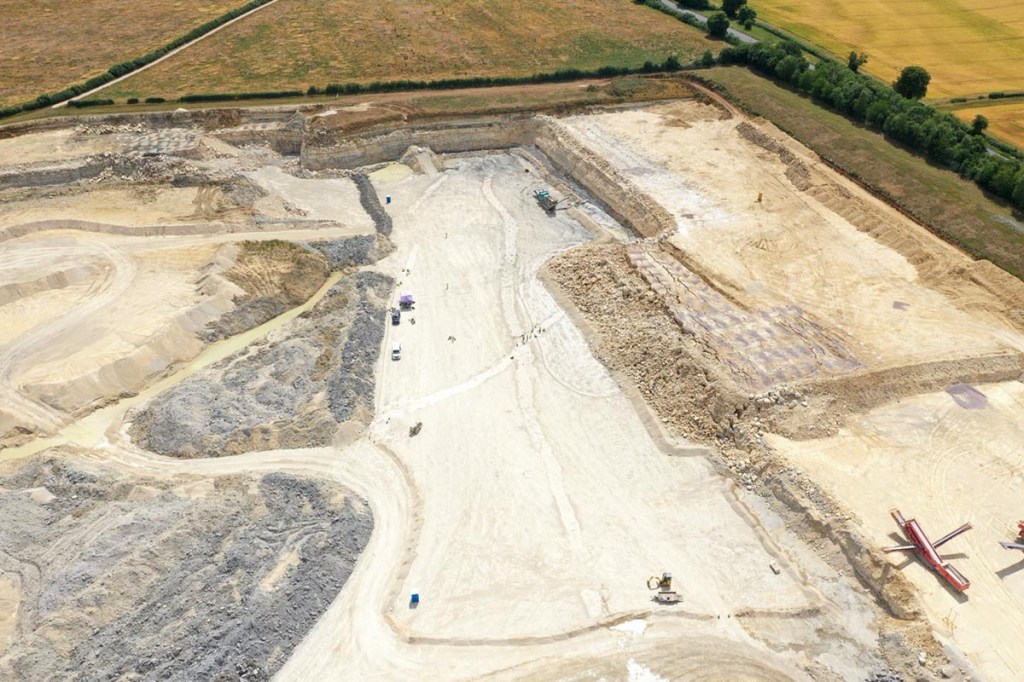
Following the success of the excavation last summer, which featured on BBC Two’s Digging For Britain, a new area of Dewars Farm quarry near Bicester has been uncovered. Teams from the Universities of Oxford, Birmingham and Liverpool John Moores joined forces for a week-long dig in the hot, dry summer of 2025. Hundreds more individual prints from four trackways were identified and documented, including Europe’s longest sauropod dinosaur trackway at some 220 metres from the first to the last exposed footprint.
The four new trackways found at the 2025 Dewars Farm site were each made by sauropod dinosaurs, large-bodied long-necked herbivores like Cetiosaurus, that made their way along an exposed mudflat on the edge of a lagoon some 166 million years ago – during the Middle Jurassic Period.
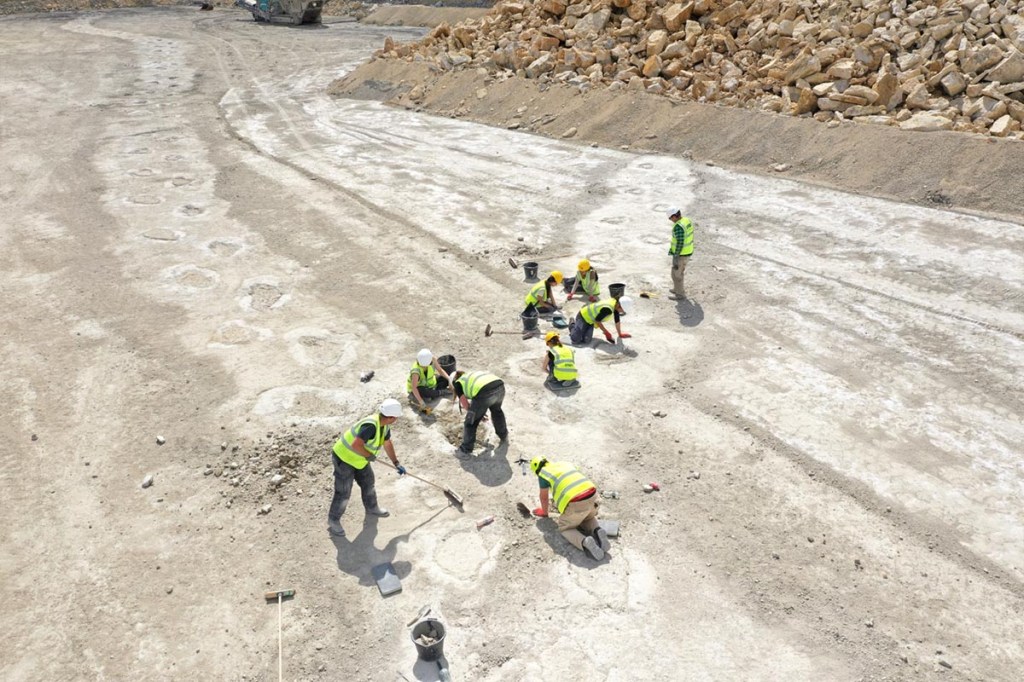
The excavation was made possible through the continued collaboration with the quarry operators Smiths Bletchington, Dewars Farm and Duns Tew Quarry Manager Mark Stanway, and his staff. As in 2024, a team of more than 100 people worked at the site, co-led by Oxford University Museum of Natural History (OUMNH) and University of Birmingham (UoB) and joined by collaborators from Liverpool John Moores University. Over seven days, the teams battled against a much drier, harder surface than the previous year focusing on a set of around 80 very large (up to 1m long) sauropod prints, that ran approximately north-south across the entire site.
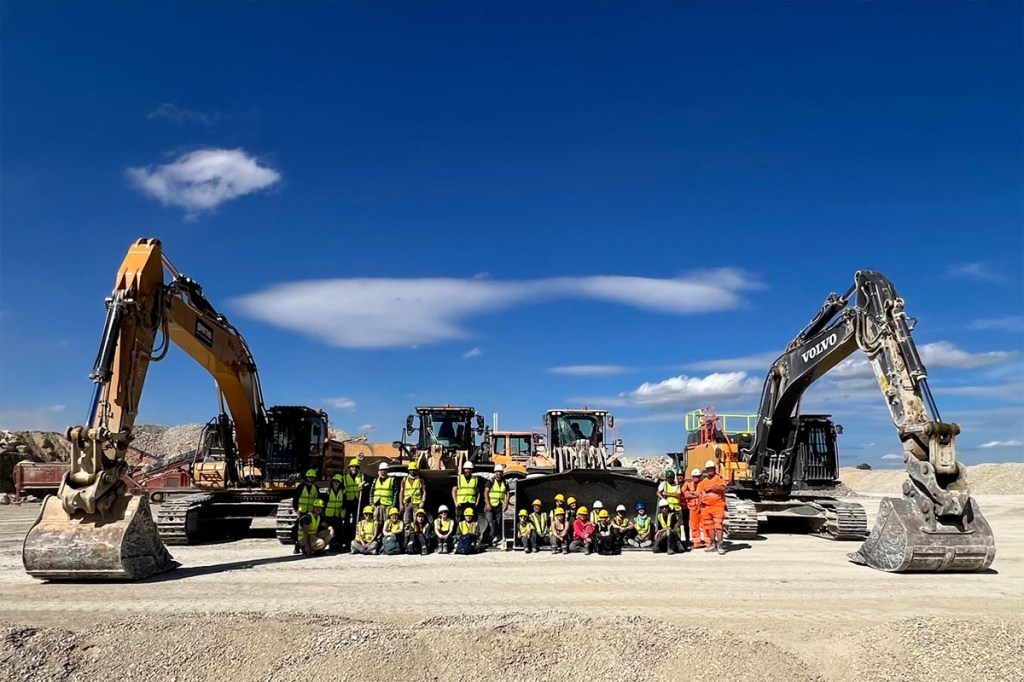
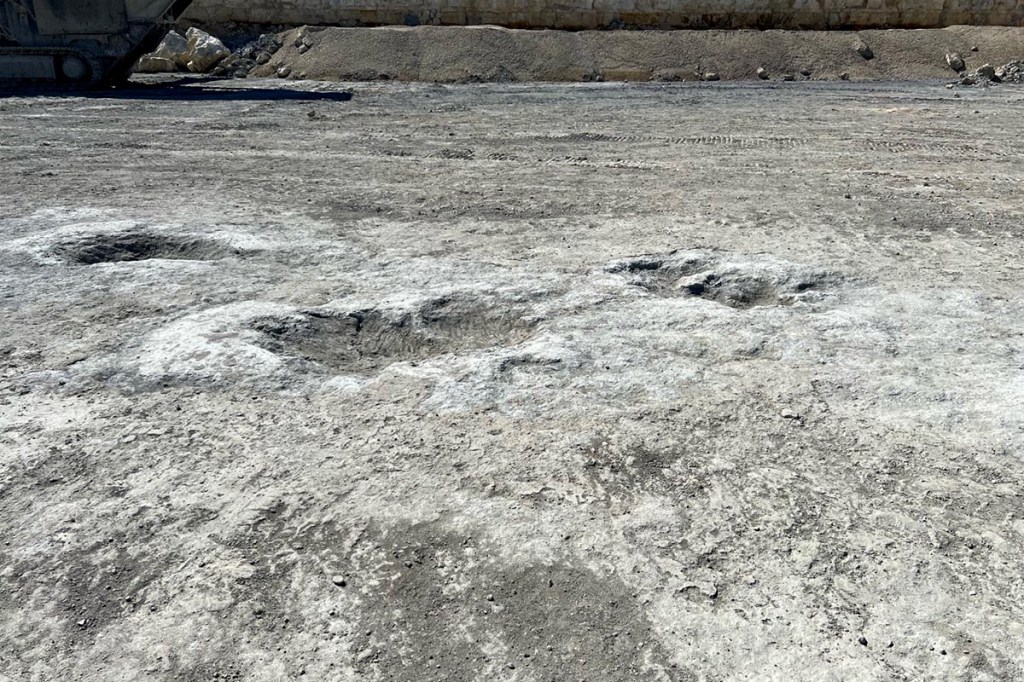
In addition to the largest sauropod trackway, three others were uncovered, one of which is a continuation of prints first found in 2022. Although not continuously exposed, it may prove to be an even longer trackway once all the data is pieced together. Smaller finds included marine invertebrates, plant material and a crocodile jaw. New for 2025, systematic sampling of the sediments that both underlie and fill the prints was undertaken, the analysis of which is underway.
More of the footprint surface is likely to be exposed over the coming years, and a full description of the significance, new scientific discoveries and potential for future preservation of the site is expected soon.

 More Than A Dodo
Published by