Museum expert uncovers ‘hopping’ dinosaur!
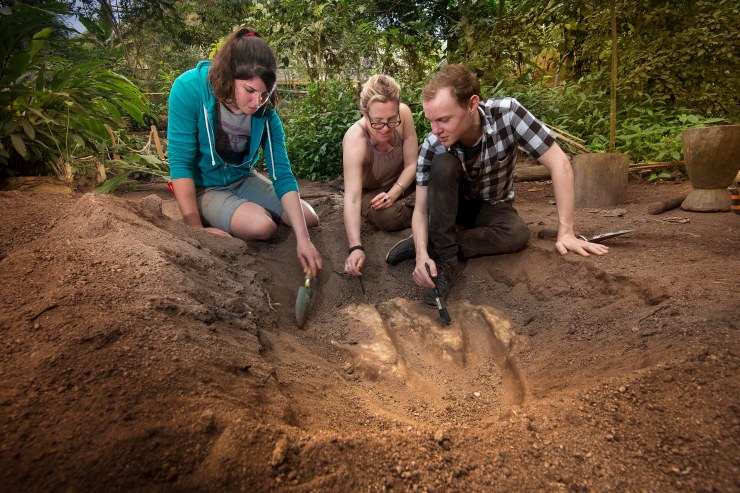
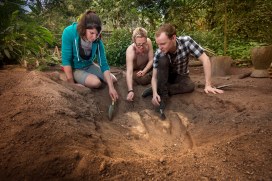
L-R Lucy Wenger (Skilled horticulturist), Dr Gabriella Gilkes (Eden Scientific Project Manager) and Dr David Legg (Museum Research Fellow) Credit: Emily Whitfield-Wicks
L-R Lucy Wenger (Skilled horticulturist), Dr Gabriella Gilkes (Eden Scientific Project Manager) and Dr David Legg (Museum Research Fellow)
Credit: Emily Whitfield-Wicks

This was our joint April Fool story with the Eden Project!

Experts from the Museum have been called in to help with an exceptional discovery, found lurking in a rainforest… in Cornwall!

eden-logo horiz 2Staff at the Eden Project were installing a new display in the Rainforest Biome, when they noticed that the ground was surprisingly uneven. Digging deeper, skilled horticulturist Lucy Wenger uncovered what seemed to be a pair of three-toed footprints. Wondering what could possibly be responsible for these marks, the team decided to approach the palaeontologists here at the Museum of Natural History.

We often get emails and calls from people who believe they’ve found something extra-special, so at first the experts were a little sceptical, but when the Eden Project sent through measurements and photographs of their finds, their discovery started to look rather familiar.
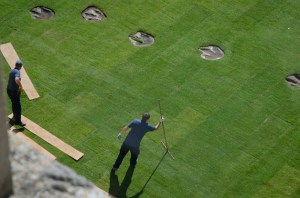
Megalosaurus prints on the Museum lawn

Regular visitors to the Museum will know that we have a trackway of dinosaur footprints marching across our lawn. These casts were taken from the famous fossils discovered just up the road from Oxford, at Ardley Quarry, in 1997. It was staff from the Museum who identified the Jurassic dinosaur Megalosaurus as the likely culprit for the Ardley prints. Could this new pair of prints have been made by something similar? The Museum’s Palaeontologist Research Fellow Dr David Legg decided to jump on a train heading south west.
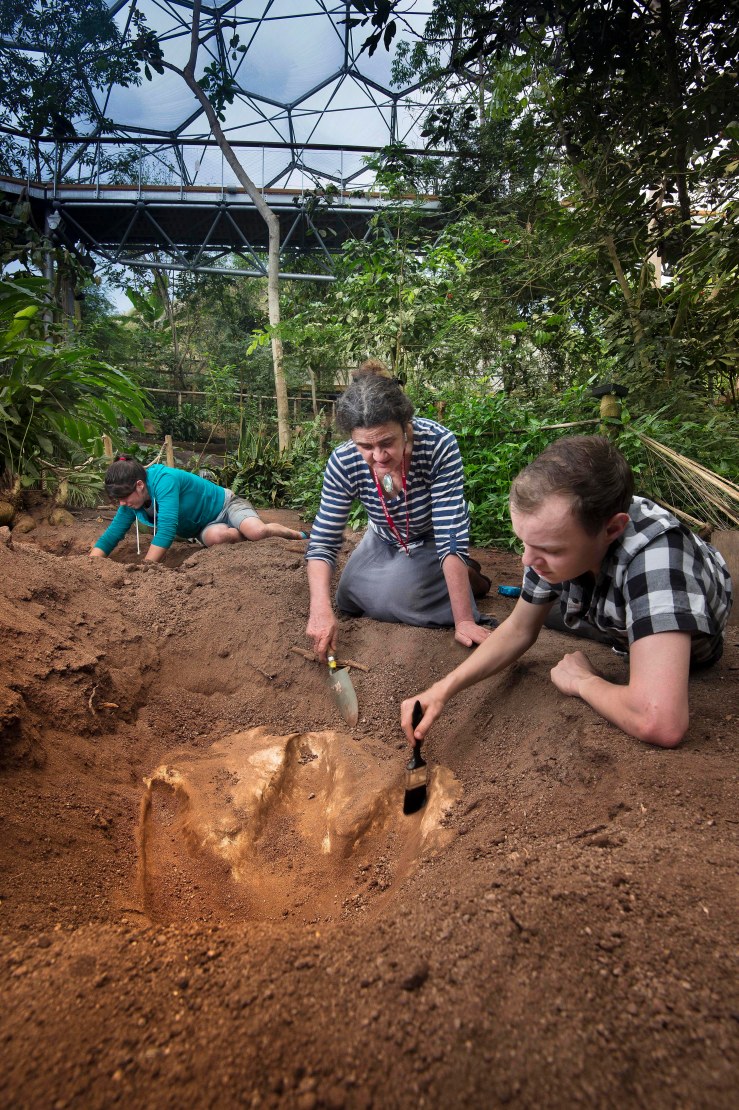
Dr David Legg carefully reveals the footprints with Dr Jo Elworthy (Eden Scientist)  Credit: Emily Whitfield-Wicks
Dr David Legg carefully reveals the footprints with Dr Jo Elworthy (Eden Scientist)
Credit: Emily Whitfield-Wicks

Today we’re excited to reveal that David has confirmed that the footprints were indeed created by Megalosaurus, a carnivorous dinosaur native to Southern England during the Middle Jurassic period. But there’s something a little unusual about this pair of prints…

Dr Legg said: “This is a truly remarkable find. Not only is there no doubt in our minds that the prints are those of a Megalosaurus, but they almost certainly represent a new species altogether.
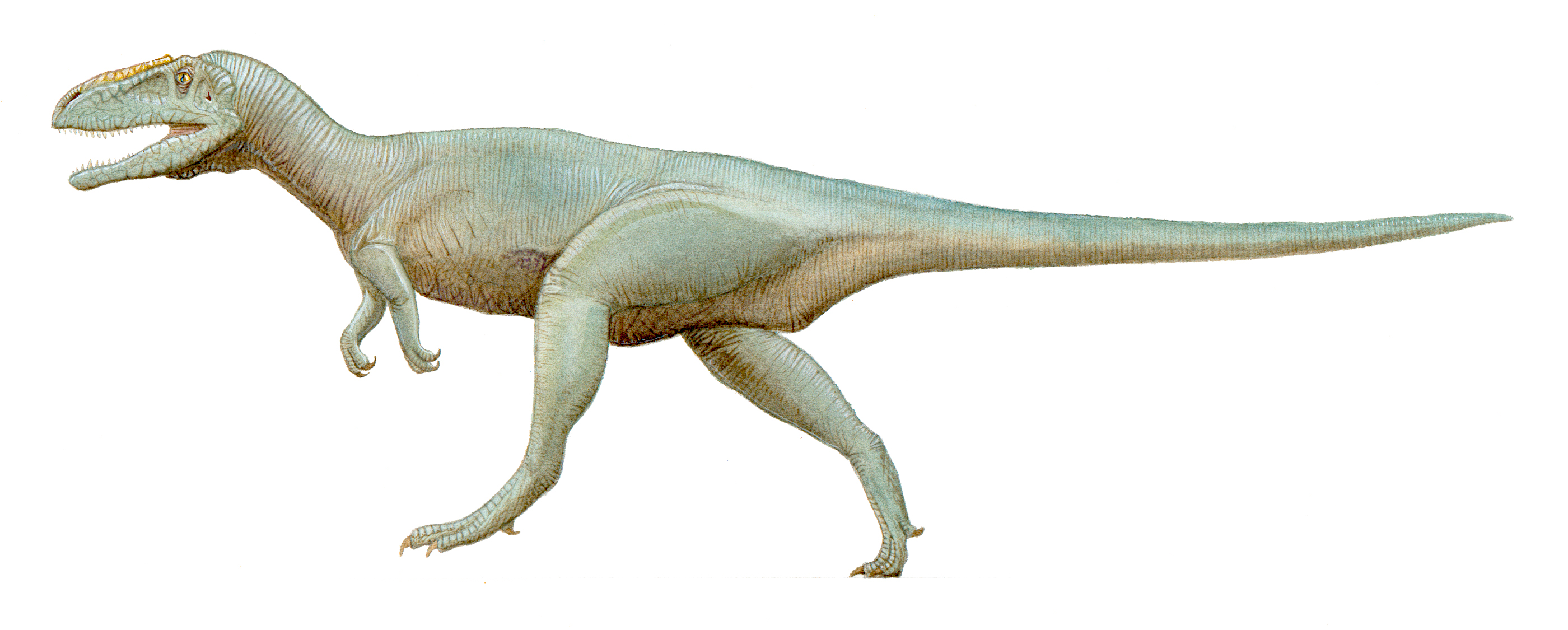
Artist's impression of Megalosaurus
Artist’s impression of Megalosaurus

“With track marks like these you would normally expect to see variation between the right and left prints but these two are very similar, if not identical. This suggests to me that this particular specimen preferred to hop everywhere or maybe even had just one leg.”

This is a revolutionary discovery and will alter the understanding of dinosaur movement for palaeontologists across the world. Dr Legg adds, “This is the first time we have found evidence of Megalosaurus this far to the west, and we are proposing that the creature be named Megalosaurus cornwallis-prilaeno.”

To find out more about this truly incredible discovery, watch this short report put together by the Eden Project.

Today, the Biome team are setting up a cordon around the 74 cm x 57cm prints in the West Africa section to protect them from possible accidental damage by the thousands of visitors who come to the Project every week. They are also checking the surrounding area for more prints or possibly even bones from the Megalosaurus. Of course, we’ll keep you fully up to date with the story, as it emerges.

Rachel Parle, Interpretation and Education Officer
Welcome back Wow!How?

IMG_1283

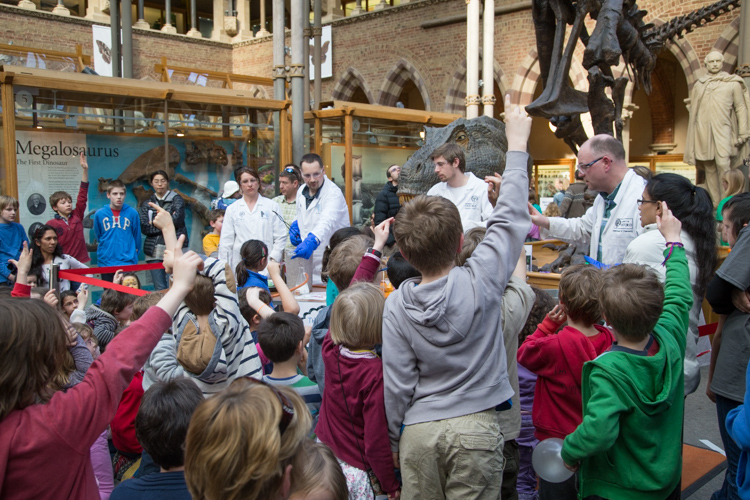
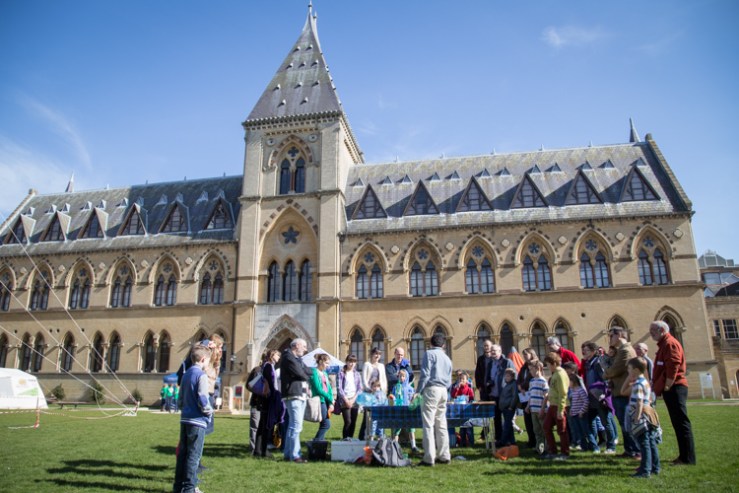
We’re in the middle of National Science and Engineering Week (14 – 23 March), and Oxfordshire Science Festival (7 – 23 March), so it’s not surprising that the Museum has been packed with all sorts of exciting activities. But the big one for us is always our annual Wow!How? family science fair, which took place on Saturday 15 March. With the Museum closure in 2013, it’s had a short break, but the fair returned last weekend with a fizz, pop and a bang!

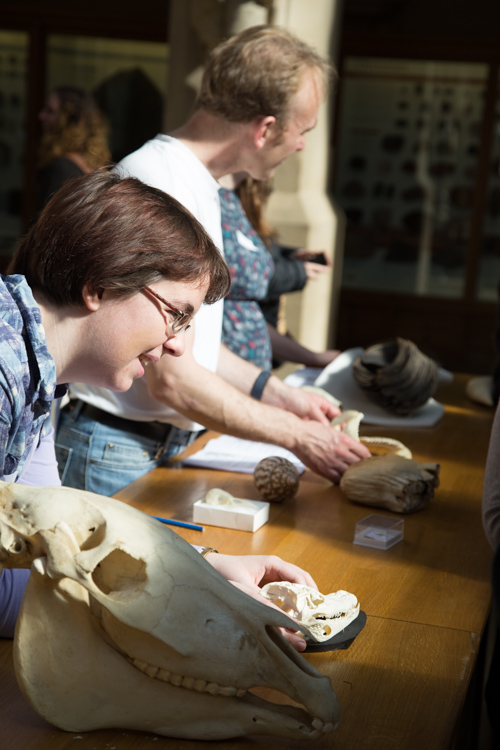
Volunteers on the What Big Teeth You Have object handling stall

This might have been the tenth Wow!How?, but the set up for such an enormous event never gets any easier. 150 volunteers were involved, running around 40 stalls across the Museum of Natural History and through into the Pitt Rivers Museum.

Education staff Simone Dogherty and Caroline Cheeseman have been working with scientists, staff and volunteers for months to make sure logistics and the all important risk assessments were all under control.

Sally Le Page sets up the forensic science experiments on the Murder Mystery at the Museum stall

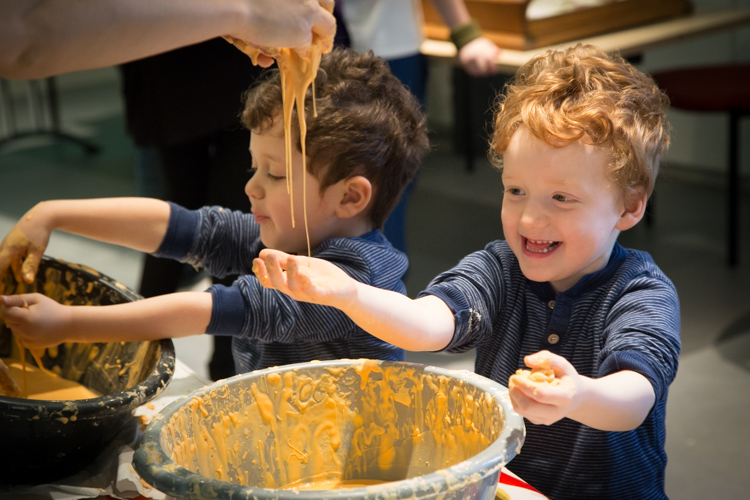
The set up for the fair began a full 24 hours before the event, with most of the Museum’s staff helping to move exhibits and put up tables, gazebos or display stands. Then the scientists arrived with their myriad of exciting and bizarre demonstrations and experiments. From live maggots and rotting meat on the Murder Mystery at the Museum stall, to liquid nitrogen on the Oxford University Chemistry Department’s Supercool Show, or bowls full of custard, there was a lot to think about.

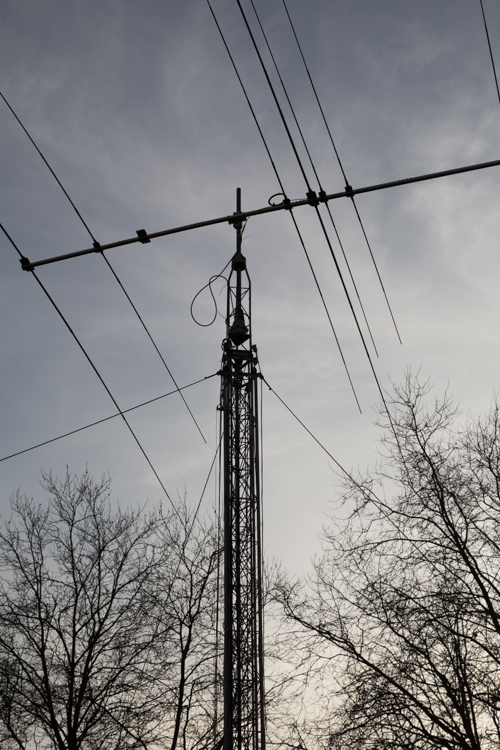
GB4WOW radio mast
GB4WOW radio mast

There was even a radio mast set up on the lawn, which communicated with radio enthusiasts across the world to tell them all about Wow!How?.

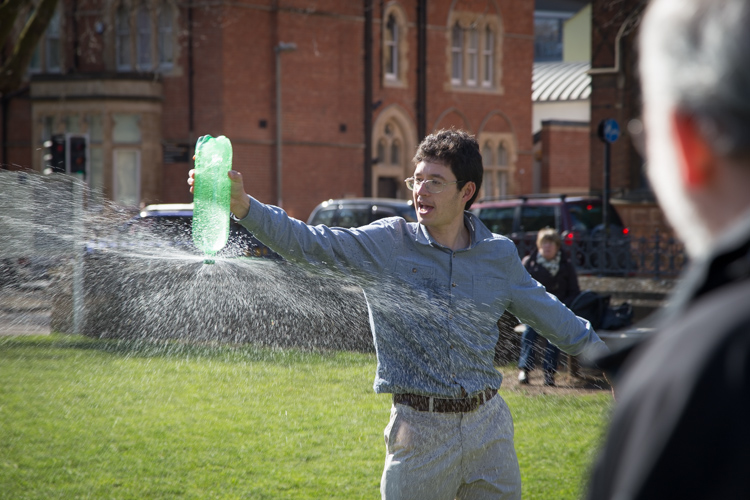
Dr Yan Wong of BBC TV’s Bang Goes the Theory popped up with Street Science – a collection of amazing demos using everyday objects, like setting a bowl full of wire wool on fire using just a battery!

Dr Yan Wong on the Museum lawn
The Cold Show in action
The Supercool Show in action
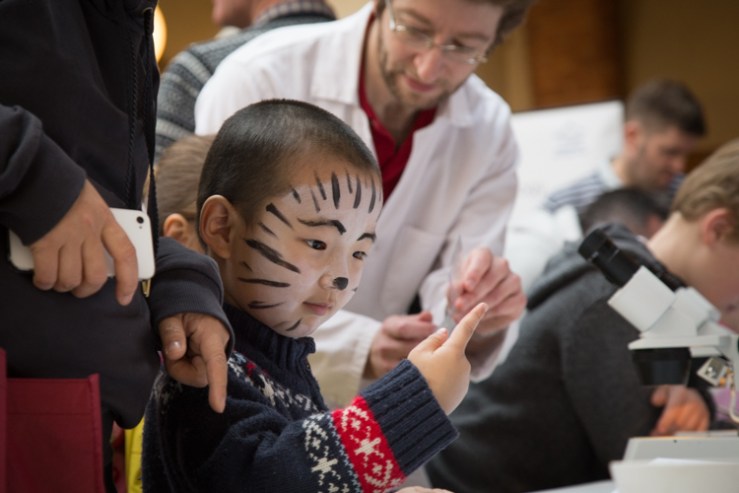
Facepaints and fingerprints
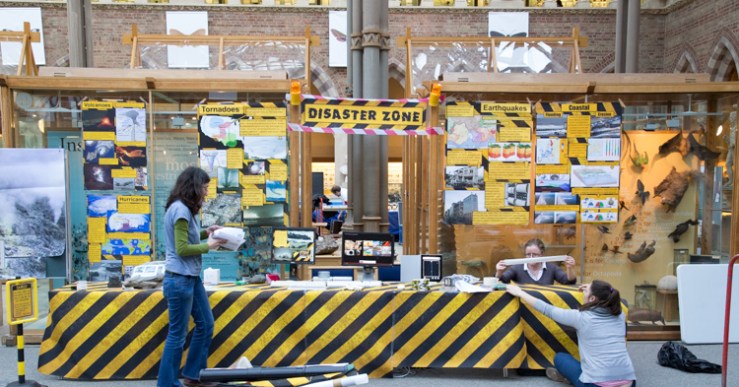
Earth Sciences Department's Disaster Zone
Earth Sciences Department’s Disaster Zone

On the day itself, 4500 visitors took part in this inspiring and engaging event. Now that the plaster, pipettes and plastic bottles have been put away for another year, Simone has had time to reflect on the success of the event:

IMG_1365
Playing with custard is a great way to learn about non-Newtonian fluids

“Wow!How? is very different from the family events we normally run at the Museum of Natural History. Instead of devising and developing the ideas ourselves, we give the opportunity to anyone who is passionate and enthusiastic about science to come up with activities themselves. This means that not only do families get the chance to speak face to face with real scientists, experts and enthusiasts, but also it gives those who really love science the space to talk about what they love best.”

Here’s to next year’s extravaganza!

Rachel Parle, Interpretation and Education Officer
A slice of science with your cuppa

IMG_1084

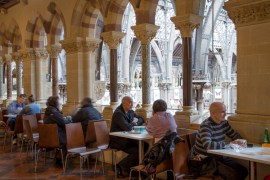
The view from the Museum’s upper gallery has always been spectacular; it’s the best place to admire the roof’s decorative iron work or to spot the dinosaurs lurking below. But add a great cup of coffee and a slice of cake to the experience and it steps up to a new level of pleasure. So it’s been fantastic to see so many happy visitors enjoying a break in our brand new café, Mortons at the Museum.

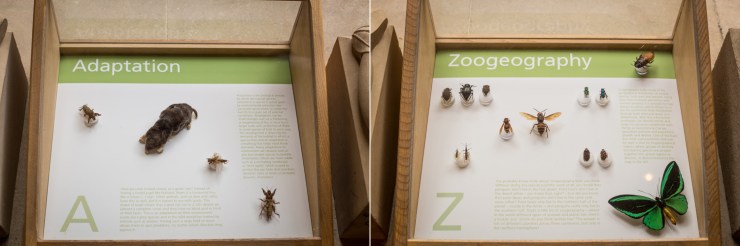
IMG_1127But we know that our visitors are a discerning bunch and are keen to learn, even when they’re enjoying elevenses, so we’ve installed a new display that runs the length of the upper gallery. A-Z is a taster of 26 natural history topics for you to get your teeth into.
From A for Adaptation to Z for Zoogeography, the alphabetical adventure whizzes past terms as diverse as Nocturnal and Living FossilIt’s designed so that you can take a pick and mix approach to whet your appetite, before devouring the large-scale displays around the Museum.

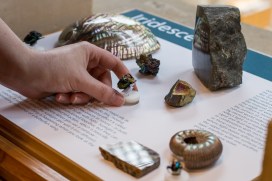
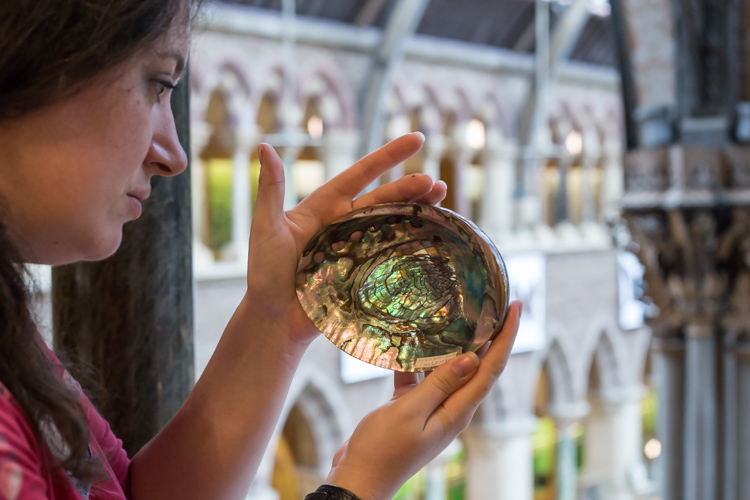
Zoë Simmons examining an abalone shell ready for the Iridescence case.
Zoë Simmons examines a Haliotid shell for the Iridescence case.

Zoë Simmons, of the Museum’s Life Collections, curated A-Z. She says that “One of the greatest challenges of the project was working on a display that encompasses such a wide range of subjects and crosses all disciplines of the Museum’s collections. I learnt a lot whilst researching and writing up the text for these displays.

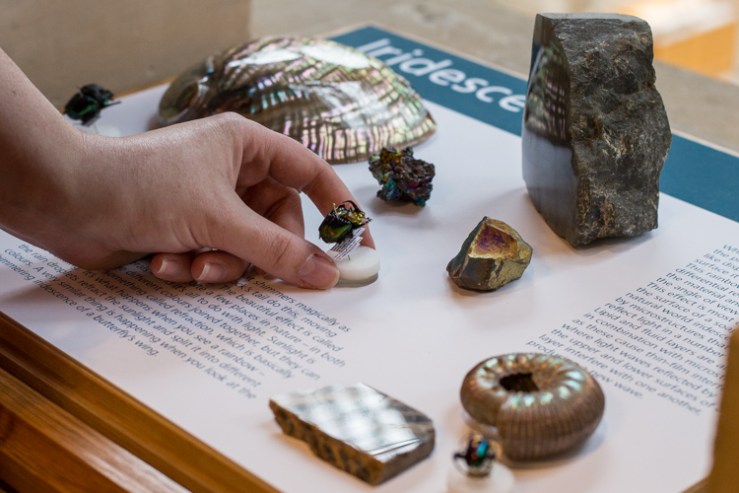
“My favourite case is Iridescence. Not only is it full of beautiful rainbow-hued objects, but it has examples from all areas of the collections. There’s a fossilised ammonite, peacock ore, a Nectarinia bird, a jewel scarab and a Haliotid shell. It’s wonderful to be able to put a truly multi-disciplinary case together, as the opportunity is rare.”

A to Z

Each case has two levels of interpretation; a shorter, more light-hearted piece of text pitched at an average 10 year old visitor (though enjoyed by big kids too!), plus a more in-depth explanation for those who prefer a bit more science with their snacks.

IMG_1122
Lovely cakes in the new Café.

Tea and Typescake and Camouflage and sandwiches and Stromatolite seem to sit well together. Next time you’re experiencing museum fatigue, join us for a little nibble of natural history up in our brand new café.

Bon appétit.

Rachel Parle, Interpretation and Education Officer