‘Deadly Six’ deinstall

Bethany Milne from the Museum’s Visitor Experience team has spent some time working alongside the Exhibitions team to deinstall a temporary art exhibition. She has reflected on the day – what she enjoyed and what she learnt along the way.

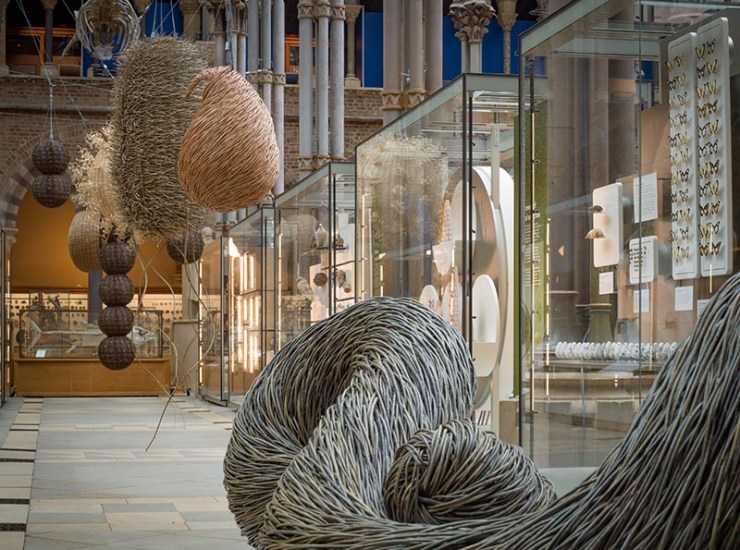
The deinstall of the Museum’s Deadly Six art installation is my first introduction into the world of exhibitions and an exciting one to start with. I have seen the display since it was first installed in September 2024 and I began working at the museum, watching it on my patrols of the court to make sure it stays intact and safe from all the little hands that pass through our doors every day. I didn’t imagine what it would be like to touch them myself until I found out I had the opportunity to join the team in taking them down.
On September 8th I came into the museum at 8:30am to shadow the exhibitions team as a development day. Most of the staff and contractors were already there and so I started by talking to the Head of Exhibitions, Rachel, about what needed to be done. She showed me her schedule of the day, starting at 8am, going through to 5pm, in which we would derig all the sculptures and get them set up safely out of the public areas and into storage. After, I helped set up hoarding to keep the aisle where the work was being done secluded, as the museum would be open to the public as usual around us. This aspect was an interesting learning opportunity for me as I have no earlier experience with the manual labour aspect of the work, but I enjoyed being hands-on.
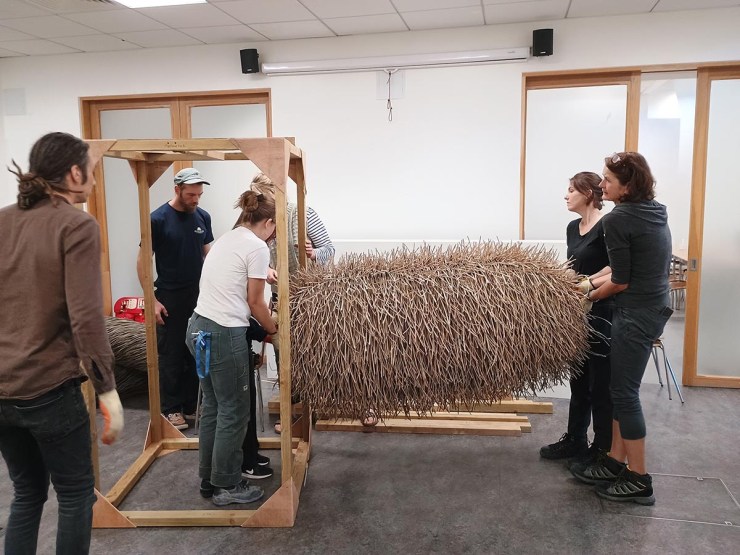
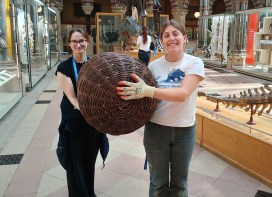
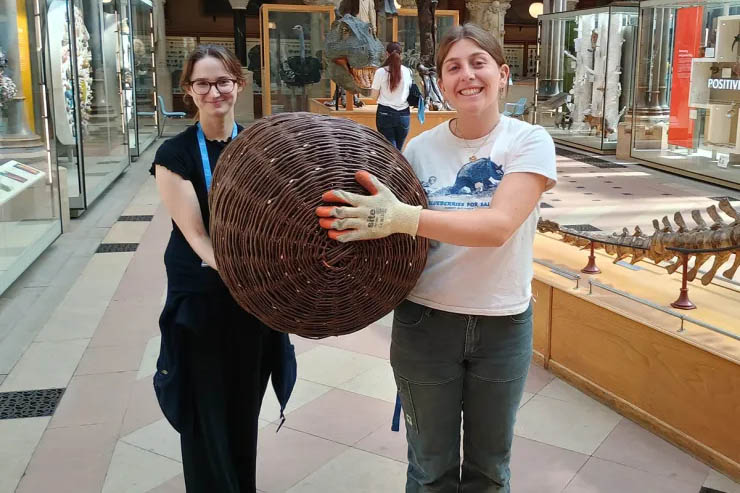
As I was doing this, the team from Outback Rigging worked on carefully lowering the suspended works to the ground and to our surprise; the take down was ahead of schedule. Most of them were removed by the middle of the day and these ones were simple to move. This was interesting to me as they seem so delicate, being large structures made of woven willow, but they proved sturdier than I thought. However, some were more difficult to take down than others, including the COVID sculpture. This was the most difficult to get down to the storage space, due to its intricate structure and its large size. Too wide to take down the stairs we usually use, Rachel organized with the Pitt Rivers to take it through their door, along the road and back into the Museum of Natural History through another door! What made this procedure more complicated was the sculpture itself, as its round construction meant there were no handholds. Luckily, the artist Issy Wilkes created some by looping some zip ties through the metal frame and, learning from the setup of the exhibition, used foam sheets to wrap around these painful to hold ties, to make the journey even easier. I felt it was an extremely rewarding process when we were finally able to put it down, as it required a lot of teamwork and shimmying about corridors to make it – I was very relieved we were able to keep it in one piece.
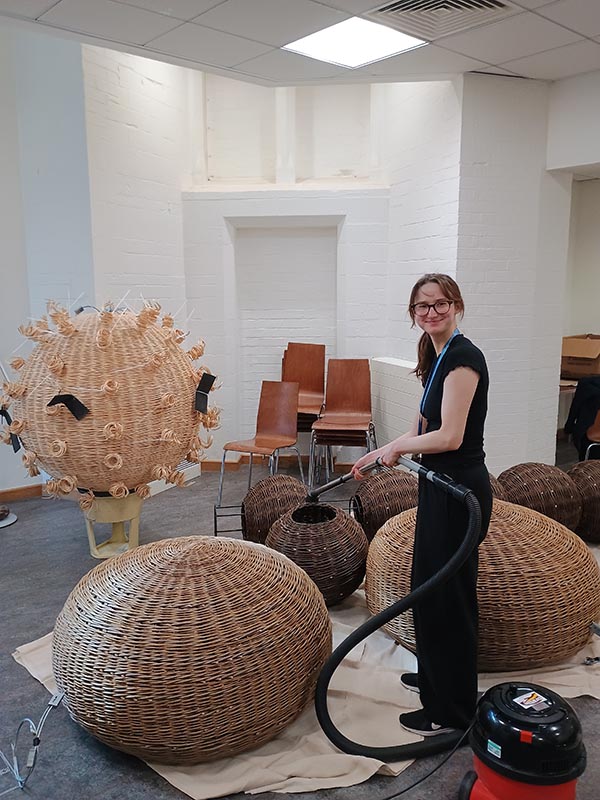
As the day went on and the sculptures were down and put away safely, I began to do smaller, but equally important tasks. The works themselves weren’t the only part of the exhibition, so I aided in removing the signage that was in the aisle that explained the meaning of each part. We also moved these down to the storage room, out of the way of the surrounding visitors and I began the task of removing the labels from inside. Another small step was vacuuming the sculptures. Despite regular conservation cleaning, hanging up in the court for so long had meant they had accumulated a lot of dust, which had to be cleaned out before they moved to their next home. These tasks were ones I wouldn‘t have thought of before the experience, but I realise that the smaller aspects are just as important as the larger ones when it comes to taking care of the exhibitions. It is our job to not only display the works as best we can, honouring their artistic intent and presenting to the audience in a way they understand, but this experience showed me how important the after care is, ensuring that they are well maintained to carry on their purpose and that the museum is returned to its original state.
A Seed of Doubt

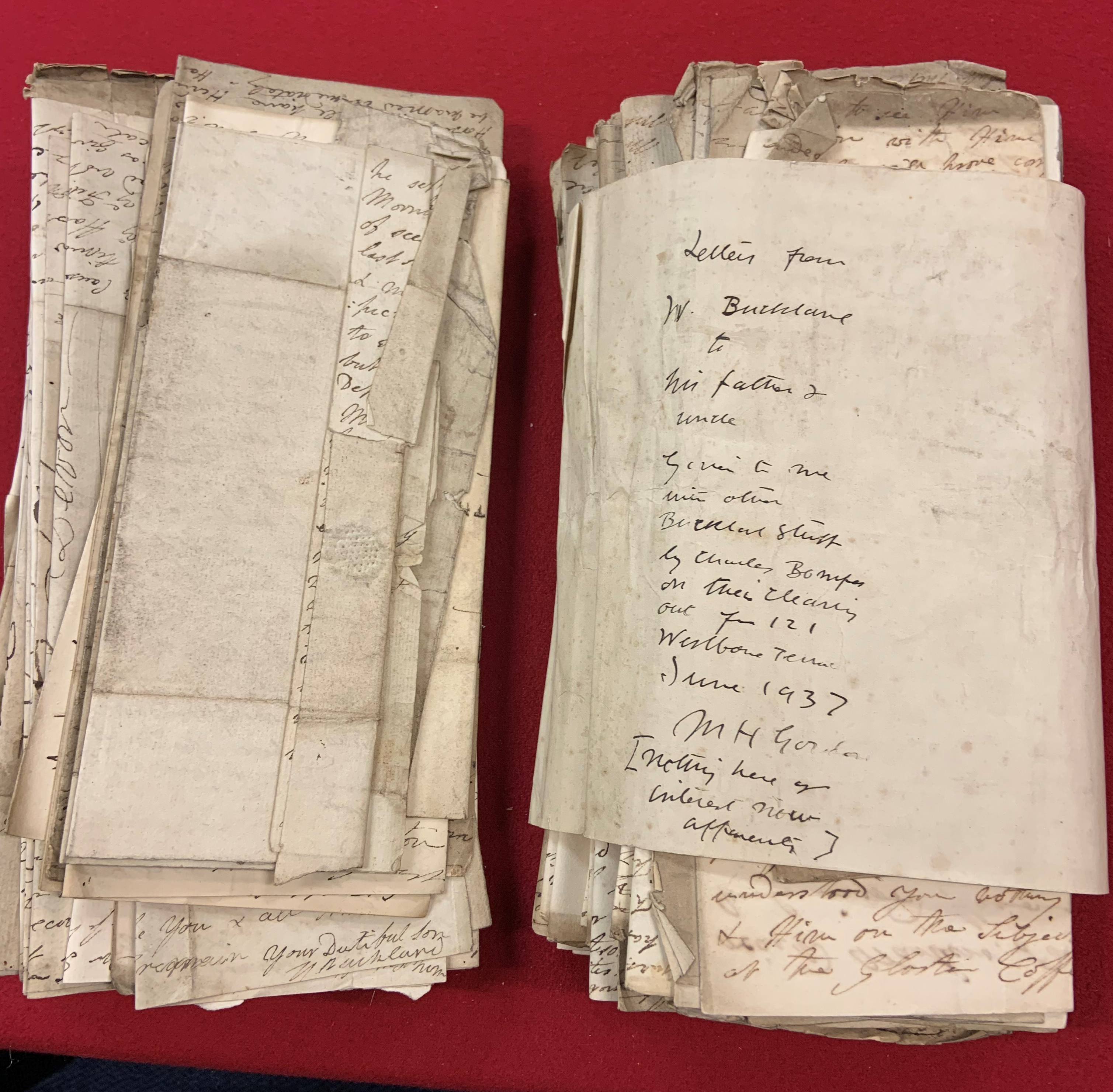
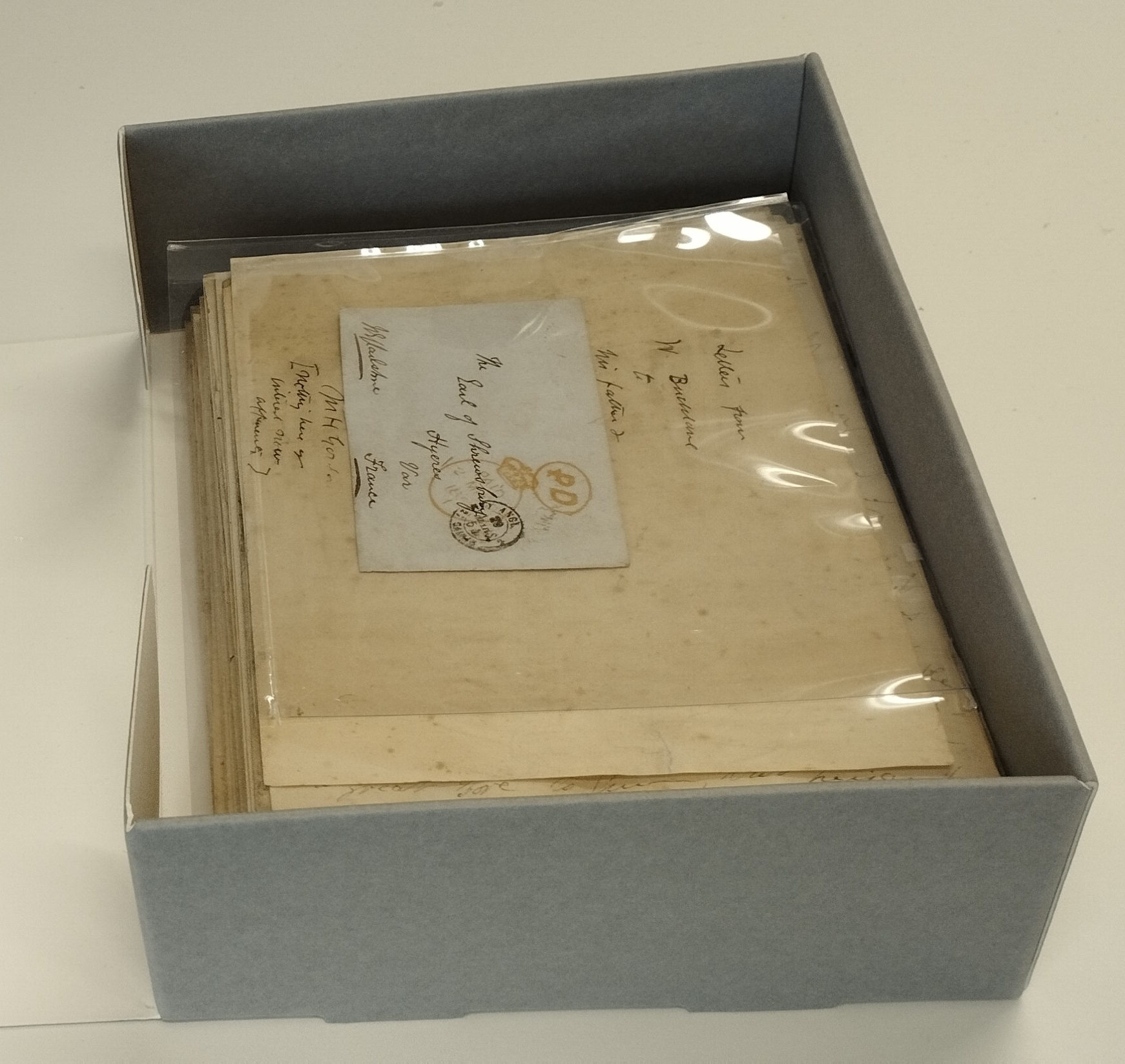
In February 2023, the Museum was lucky enough to acquire an important historical archive – a collection of notes, correspondence, artworks, photographs and family documents belonging to geologists William and Mary Buckland. But before the archive can be enjoyed by visitors and researchers, it must first be cared for, ensuring its preservation for generations to come. Thanks to generous funders, the Museum was able to hire a Project Paper Conservator, Anna Espanol Costa. Considering the Museum had not had a paper conservator since the mid-1990s, Anna was incredibly resourceful with her use of tools and materials, utilising everything from makeup sponges and soft brushes to tweezers and dental picks. In this blog post, we share insights from the eight months she spent assessing, cleaning and repairing some of the most at-risk and important material in the archive, as well as some unexpected surprises she found along the way…


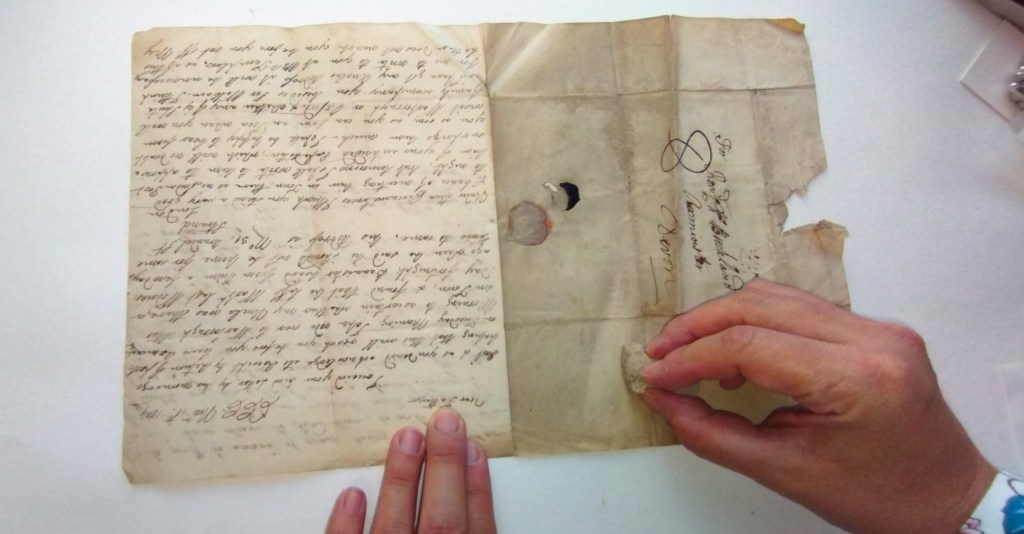
Paper can be used to store information for decades, if not centuries, but it is still vulnerable to frequent handling and poor environmental storage conditions. When the Museum acquired the Buckland archive it was around two hundred years old and, unsurprisingly, many of its items needed care and restoration. Over the years, the papers had been housed in the standard file folders and boxes you would use for office documents, rather than an important historical archive. Many of the folders were overcrowded and had been tied together with string. Some manuscripts had been damaged due to too many items being stored in the same folder, and there were places where the string had cut into the larger pieces of paper causing tears. The most fragile and vulnerable items showed signs of chemical and physical damage, including iron-gall ink corrosion; chemicals in the ink had started to eat through the paper, causing cracks and loss of ink, and consequently text, in some areas.

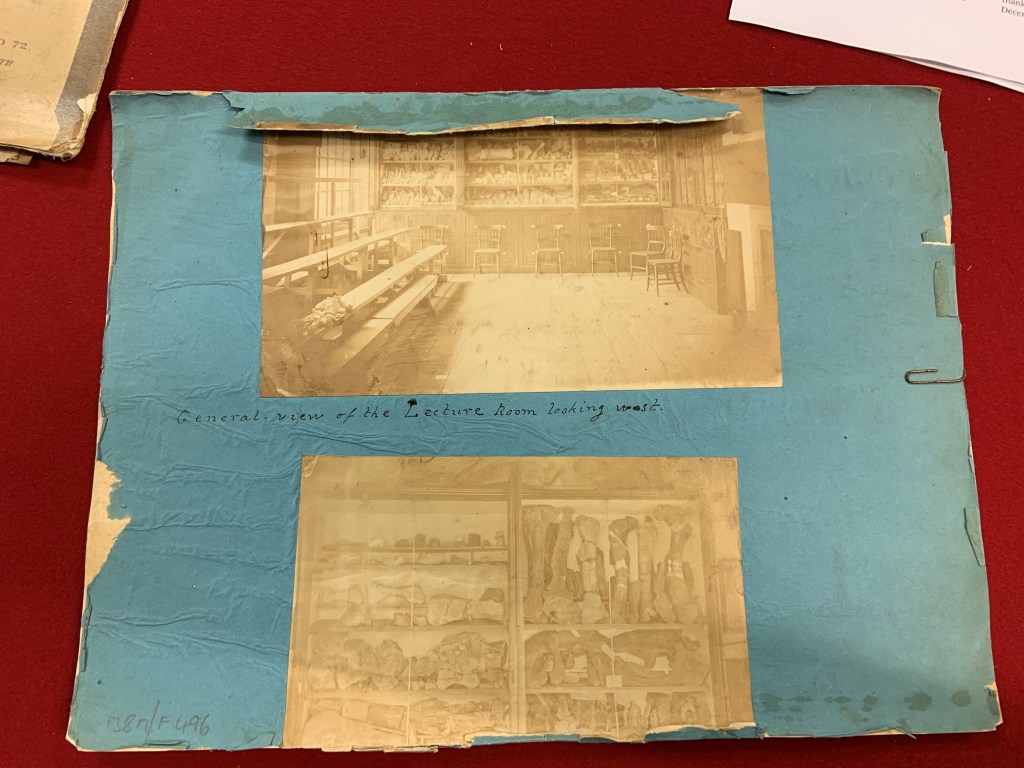
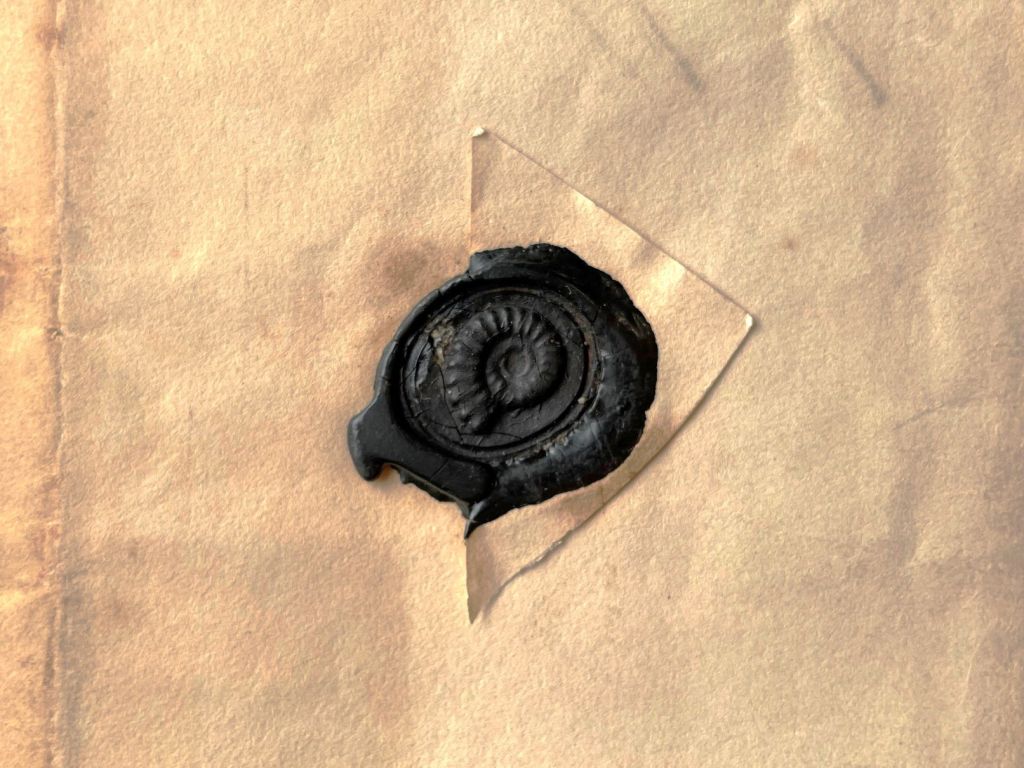
Past efforts had been made to restore the documents, but sometimes these had disfigured the original manuscripts: “in-fills” had been made with unsuitable paper, and backing sheets had been added in bright colours like blue or green. The archive was also being held together with unstable and rusty paper clips, and many of the original wax seals had cracks. It would have been a great shame to lose any of the seals, which feature beautiful examples of natural history icons, like ammonites and cephalopods.

PRESERVING HISTORY

The objective of my work was to stabilise the Buckland archive to ensure its long-term preservation and restore the appearance of the collection so it could be safely handled, digitised and exhibited in future.

One of the most important principles behind conservation is doing the ‘least amount to do the most good’. Conservation aims to slow down the ageing and deterioration process by using treatments that will not damage or disfigure the integrity of the original document. Conservation may be preventative — for instance, moving documents to a new box that creates the right ‘microclimate’ for their preservation. It may also be interventive — e.g. repairing with non-acidic and reversible materials that can be easily removed at any time, and that also can stand the test of time.

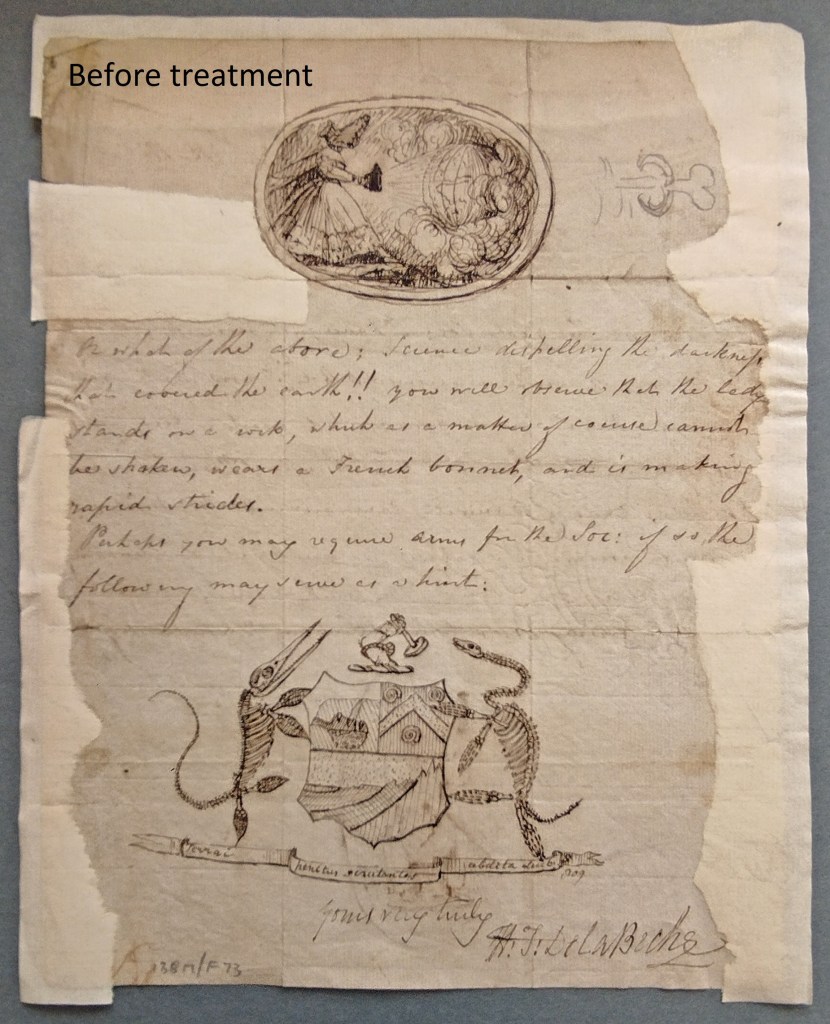
During my time at the Museum, I have been able to conserve a number of the most at-risk and important pieces of archival material. In some cases, this involved a light clean with a soft brush and re-housing of the most overcrowded items. In other cases, I performed more interventive and invasive conservation treatments including mechanical surface cleaning with smoke sponges, relaxing folds with paperweights or steam, stabilising iron-gall inks with gelatin to prevent further corrosion, mending tears with different grades of Japanese papers and tissues, and cleaning and consolidating cracks in the wax seals on the letters to prevent further loss. I also tackled some of the previous ‘repairs’ by eliminating old animal glue which had left the manuscripts shiny in places, carefully removing the unsuitable paper, and adding supports where necessary, thus leaving no traces of the bright blue backing paper.

INTERESTING AND UNEXPECTED STOWAWAYS

As well as undertaking conservation repairs, I also documented the condition of the items; photographing the manuscripts before and after conservation treatments to ensure the Museum, or any other future conservators, have a record of my work. Whilst undertaking conservation treatments, I found some interesting and unexpected stowaways in the archive. What looked to be small holes in one of the pages of a letter ended up being recognised by one of the Museum’s entomologists as spider frass (poop). A moth had also decided to call the papers home at some point in the last two hundred years as I came across a small cocoon that was now long dead, desiccated (dry) and dusty. The most unusual find, however, was a small black dot that I initially thought was an insect. However, employing the help of a microscope and one of the Musuem’s entomologists, we realised that it was actually a seed! What kind of seed, and how or when that seed came to reside in the Buckland archive, we don’t know, but it shows the archive had a life and story of its own long before it came to rest here in the Museum.

A JOB WELL DONE

Overall, I was pleased with the amount of work I was able to accomplish at the Museum. I managed to conserve a significant amount of the archive and was fortunate enough to work with, and learn from, a range of museum staff, including palaeontologists, geologists, zoologists, entomologists and the Life and Earth collections conservators. It has been a privilege to share and exchange knowledge with my colleagues and work collaboratively on the preservation of an important archive. I look forward to hearing about some of the research findings it produces, and to see it shared with the public in future exhibitions and displays.


Thank you to the National Manuscripts Conservation Trust and Helen Roll Charity for funding Anna’s work. Items from the Buckland archive will feature in the Museum’s upcoming exhibition ‘Breaking Ground’ opening 18th October 2024.

“The True Nature of Nature Itself”

MAKING ART WITH SWIFTS FROM THE MUSEUM’S COLLECTIONS


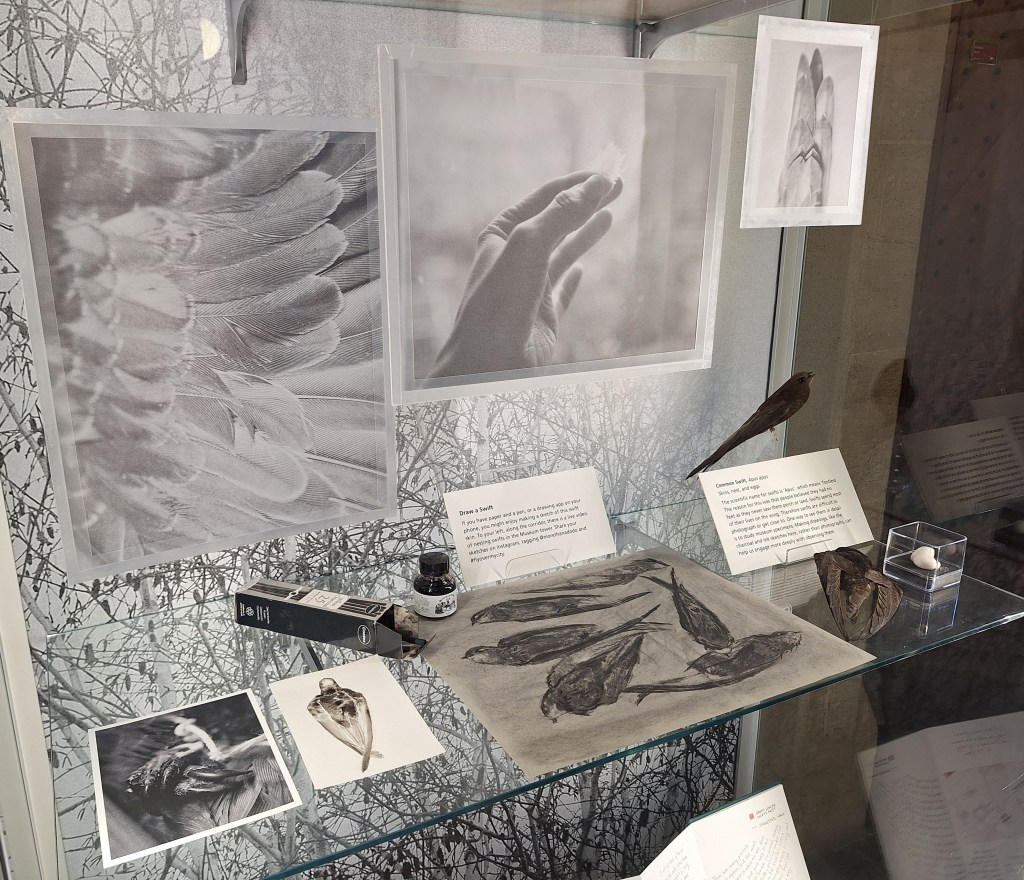
Between 14th May and 21st July, the mixed media artwork Fly Over My City was on display at the Museum of Natural History, delighting visitors with a visual and auditory exploration of swifts and the threats they face in urban environments. In this blog post, artist Becca Jeffree discusses working with Museum collections to create the piece, and the value of museums as venues for combining art and sciences.


While studying at London’s Natural History Museum years ago, another student had become upset with a group of artists who were drawing from the floor of the birds gallery, blocking his way. Studying birds in a cabinet was not as worthwhile, he felt, as studying in the field. Moreover, drawing seemed to him out of place within a science museum. Yet sketching specimens has historically played an important role in learning about biodiversity, and is particularly important for those whose access to wildlife is restricted.

Perhaps it is unsurprising that this discord arose in a natural history museum. Art is often separated from science in society and culture, with science tending to dominate debates about understanding nature. Museums, however, are rare places where art and science are welcomed equally and beautifully combined. Few places embody this better than Oxford University Museum of Natural History — a work of Victorian art shaped by the idea that art and science can take one another to higher levels. As historian John Holmes puts it in The PreRaphaelites and Science, the building expresses the “true nature of nature itself” through its architecture. It is a place where the study and interpretation of the natural world are cross-disciplinary.

Fly Over My City (2023) by Becca Jeffree, on display at the Museum of Natural History

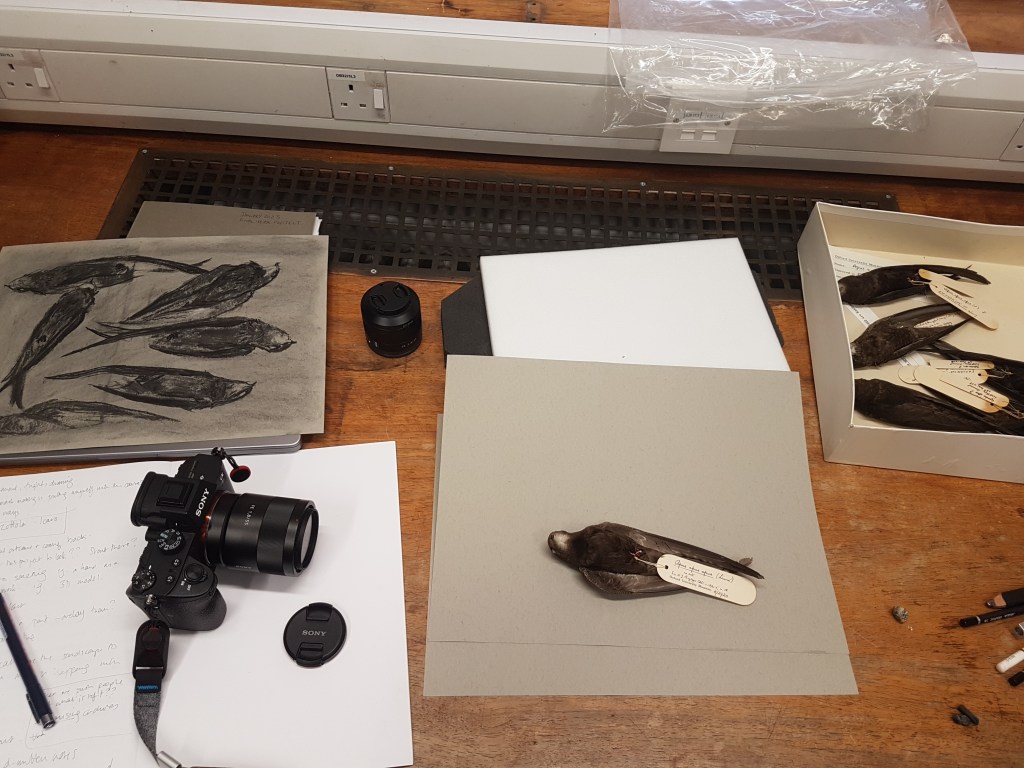
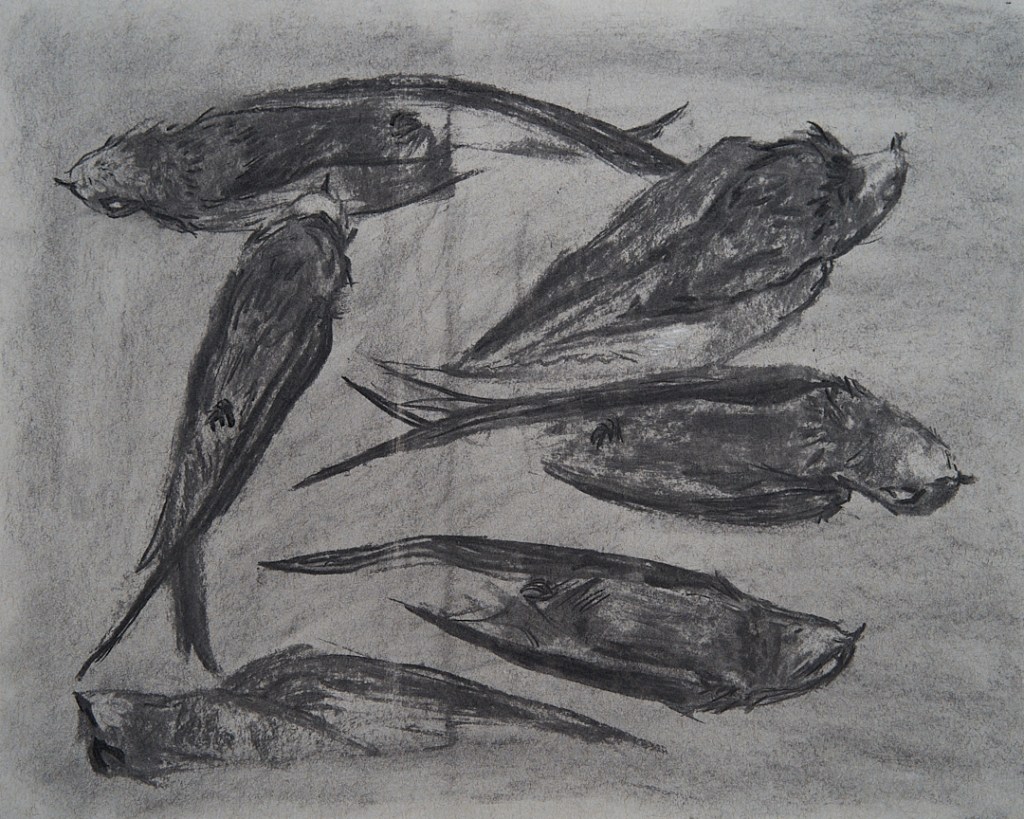
I recently collaborated with the Museum when making my artwork about the built environment and the common swift (Apus apus). Swifts are transient animals and as they rarely land they are difficult to see up close. They are found in the UK for only a short time each summer, fly fast, and are in decline. Through access to the Museum’s avian collections, I had a unique opportunity to see swift bodies up close and observe them in detail through drawing. Most of the specimens are bird skins; the skin, plumage, wing bones, skull and feet are preserved but not the internal organs, and they are not mounted like the ones we often see in cabinets. When I handled the swifts, I was asked to wear gloves to protect the specimens and avoid exposure to any harmful chemicals that may have been used to preserve them. Even though I couldn’t touch the swifts directly, I could still get to know their weight, size, colour, and notice interesting details like the shape of their chest feathers which are similar to their hummingbird relatives’.

Photographing, sketching and studying swifts from the Museum’s collections

Having physical access to museum specimens allowed me to root my artwork more in science, but also to draw out further layers of meaning, by responding to my own feelings and senses. The materials I included in the work – charcoal and tracing paper – were inspired by the swifts’ weightlessness, their texture, colour and the urban environment they often inhabit. The PreRaphaelites, whose worldview infuses the Museum building, regarded art as a valid investigative method. As John Holmes puts it, “if observation yields a true knowledge of nature, then making art that records and synthesises these observations is at once a disciplined method for conducting research and the best means to convey that knowledge.” I am grateful that the Museum continues to embrace this idea today, and for the value placed on artists as researchers and communicators of its collections.

Charcoal sketch of swifts, made using Museum specimens. From Fly Over My City (2023)

Visit Becca Jeffree’s website to find out more about the piece, and her other artwork

Of Jumping Mice and Megalosaurus

CELEBRATING THE RECENT ACQUISITION OF AN IMPORTANT ARCHIVE


By Danielle Czerkaszyn, Librarian and Archivist and Grace Exley, AHRC Doctoral Student


200 years since the first scientific description of a dinosaur, the Museum has welcomed a significant archival collection relating to the man who introduced us to Megalosaurus, William Buckland (1784-1856). The archive contains over 1,000 items including letters, notebooks, family papers, prints, and artworks. It joins the Museum’s existing Buckland archive, as well as more than 4,000 geological specimens, and helps fill in the knowledge gaps surrounding the life and work of Oxford’s first Reader in Geology and Mineralogy. Not only is there the potential to learn more about Buckland’s early life as a student at Christ Church, there is also material relating to the wider Buckland family, including his son, the zoologist Francis Trevelyan Buckland, and wife, the naturalist Mary Buckland (née Morland, 1797-1857).

Among the 70 letters in the archive that are addressed to Mary, there is correspondence from chemist William Wollaston, Scottish polymath Mary Somerville, and a lively letter from John Ruskin, explaining to Mary his disgust at all things marine:

“I dont [sic] doubt that those double natured or no-natured salt water things are very pretty alive, but they disgust me by their perpetual gobbling and turning themselves inside out and on the whole I think for purple and rose colour & pretty shape, I may do well enough with convolvulus’s [sic] & such things which dont [sic] eat each other up, backwards & forwards all day long.”

Ruskin was clearly teasing his friend, as molluscs happened to be Mary’s specialist subject!

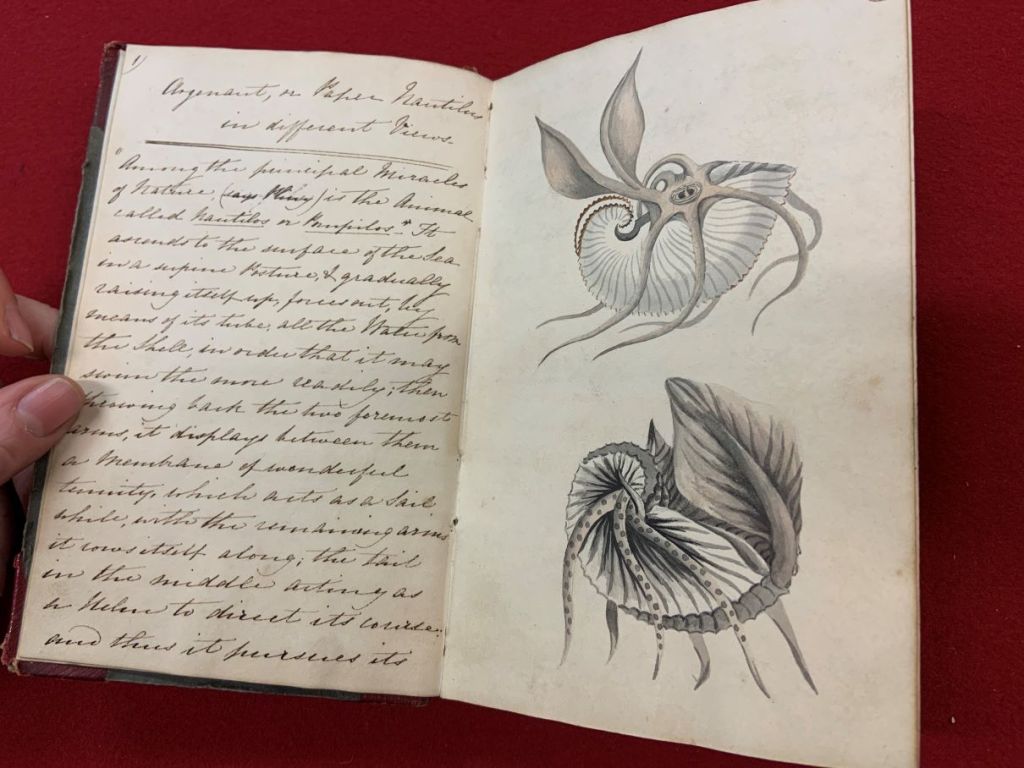
The collection also contains two sketchbooks belonging to Mary, one of which dates from June 1817, seven years before her marriage to William and contains exquisite ink and watercolour illustrations of natural history specimens. 

The sketchbook gives us a rare glimpse into how a nineteenth-century woman learned about natural history.  The book contains copied passages from natural history texts, enabling us to trace what Mary was reading. Her interests spanned geology and mineralogy, and she also included pieces on zoological curiosities and even polar exploration. She read and copied extracts from a variety of sources, some of which – George Shaw’s Zoological Lectures, for example – were intended to suit a lay-audience (as Shaw put it, intended as a “familiar discourse with Lady-Auditors”). However, other elements of her reading were probably never intended for a woman like Mary — she also copied passages from the Transactions of the Geological Society even though women could not join as Fellows until 1919. As archival materials relating to women are often sparse, this is a truly rare and incredibly valuable insight into how Mary used her connections to access resources and the techniques she used to teach herself about natural history.

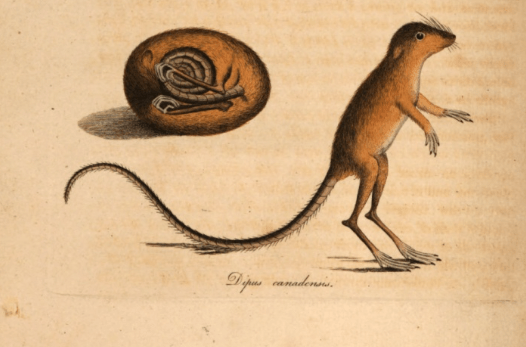
Perhaps the most striking feature of the notebook is its intricate, exquisite illustrations. These, done in watercolour, ink, and pencil, are reproductions of the figures from the works Mary copied out. A favourite in the sketchbook is the “Canadian Jumping Mouse”, a long-tailed rodent described in a piece in the Transactions of the Linnaean Society by Major General Thomas Davies in 1797. There are also many representations of molluscs (detailed enough to repulse Ruskin), mineral specimens, and occasional fold-out geological sections. As we flick through the book, we can see Mary experimenting with media and techniques — not only developing as an artist but also honing her skills as a scientific illustrator.

The skills and knowledge Mary developed in her natural history notebook were crucial to her later collaboration with William, as well as her own independent work as a draughtswoman before her marriage. In 1824, when Buckland presented the jaw of Megalosaurus to the Geological Society, it was “M. Morland” who provided the painstakingly detailed plates. Research has begun to uncover the extent of Mary’s work as a naturalist and illustrator, and now, with the help of the materials in the newly acquired archive, we can explore the origins of her skills. The archive is currently in the hands of a Paper Conservator, Anna Español Costa, to ensure the material is kept in the best condition for many years to come. Items from the archive will feature in the Breaking Ground exhibition, opening in October 2024.


Our fundraising campaign saw us receive generous support from the National Heritage Memorial Fund, Arts Council England/V&A Purchase Grant Fund, Friends of the National Libraries, Headley Trust, and other private donors. Additionally, in late 2022, we launched the Buckland Papers Appeal, asking members of the public to help us meet our target to purchase the archive. Thank you to all our funders and members of the public who responded to our call. We could not have raised the money so quickly without your support and we are now thrilled to share the archive with you all.

The Prince and the Plinths

By Hayleigh Jutson, HOPE Community Engagement Officer & GLAM Community Engagement Assistant and Danielle Czerkaszyn, Librarian and Archivist


With the Queen’s Platinum Jubilee in the air, Hayleigh and Danielle reveal the royal connections that are integrated into the very fabric of the Museum, and reveal the surprising story behind our empty plinths.


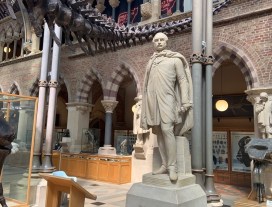
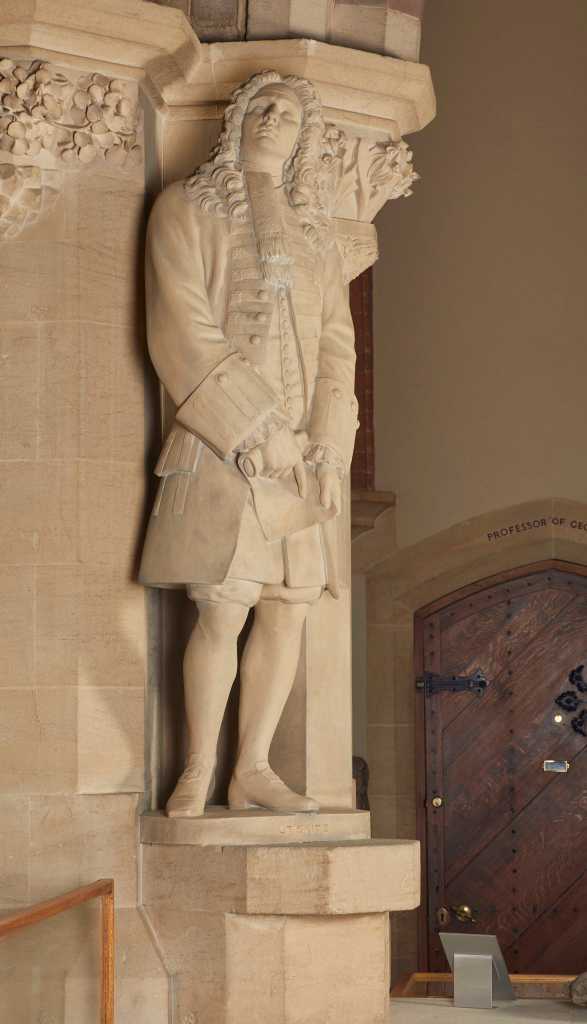
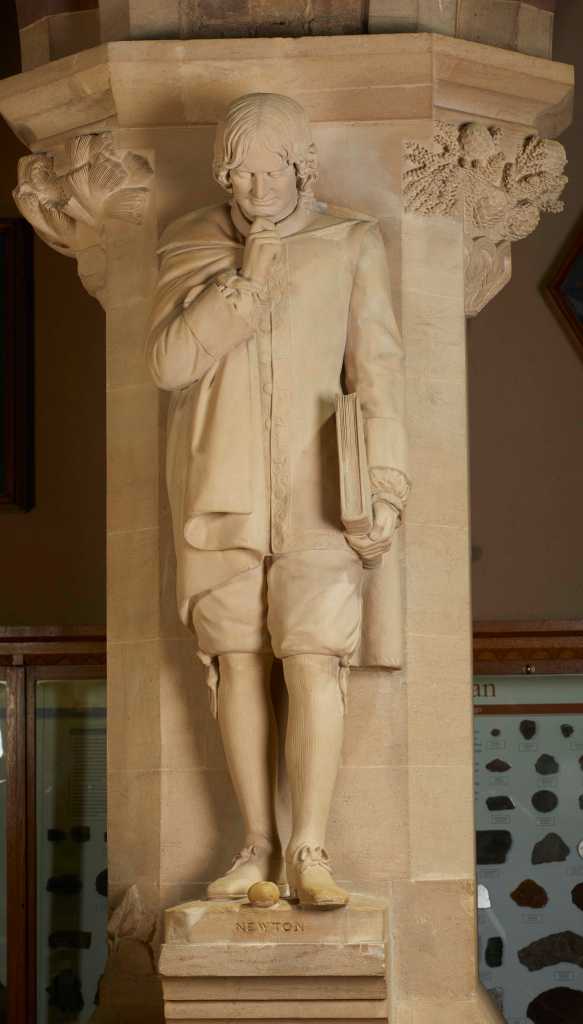
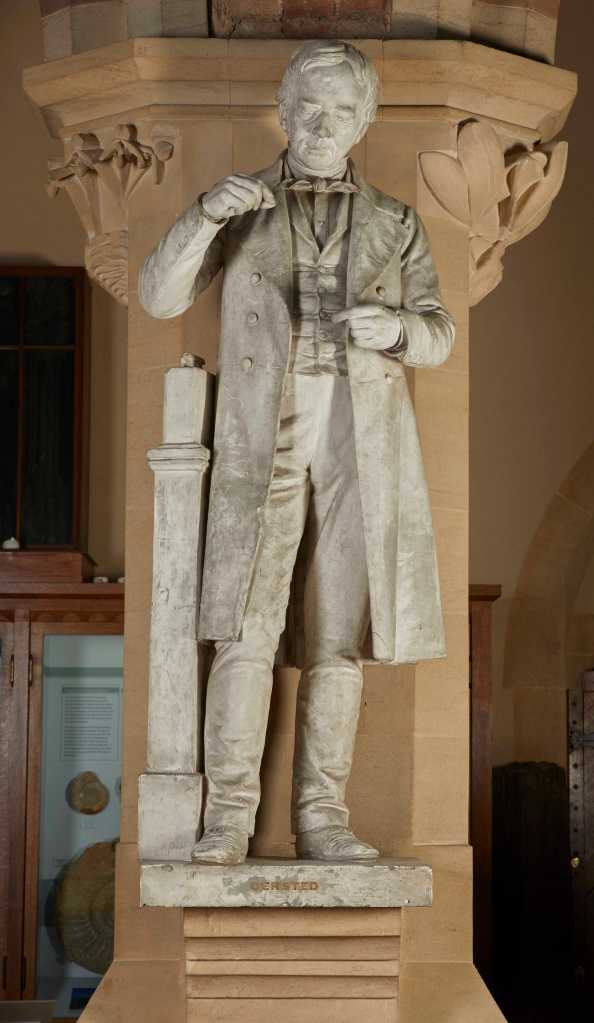
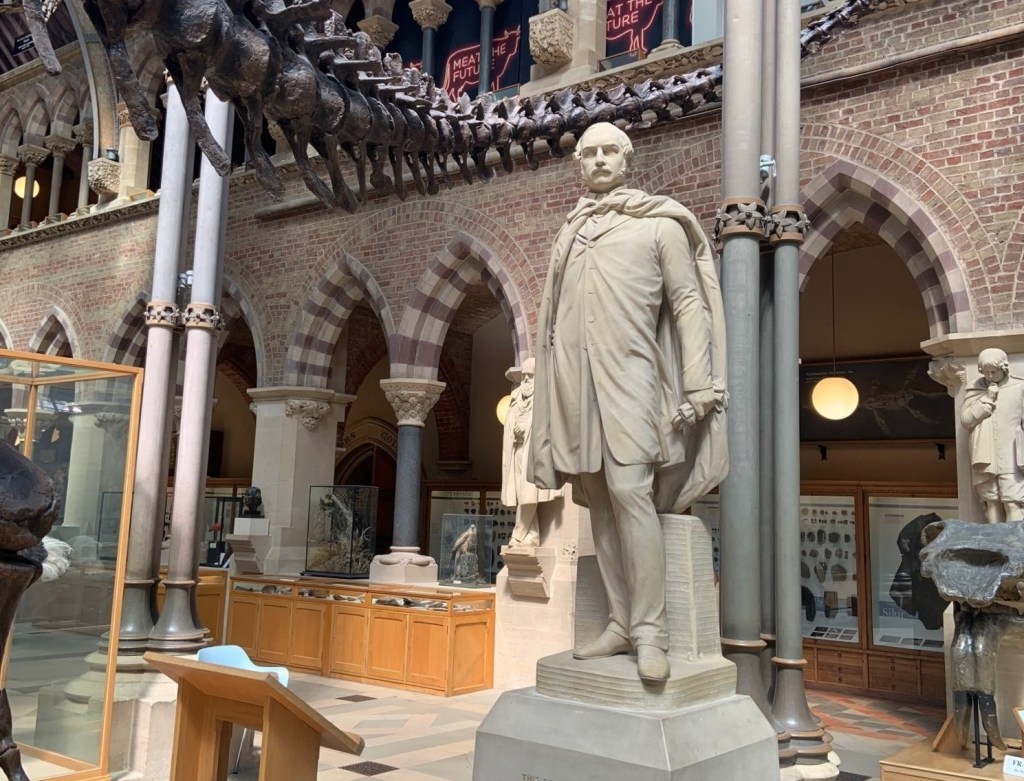
Visitors walking around the Main Court of Oxford University Museum of Natural History will find themselves circled by the stony gazes of 19 life-sized stone statues. These sculptures of eminent scientists, philosophers, and engineers include likenesses of Aristotle, Charles Darwin, Galileo, Linnaeus, and Isaac Newton. Alongside these men of science stands a statue of Prince Albert, husband and consort of Queen Victoria. Although now slightly hidden behind the T-rex, Prince Albert’s statue was given pride of place in the main court, a lasting reminder of the Royal family’s contribution to the establishment of the Museum.

Constructed between 1855-1860, the main structure of the Museum of Natural History was built using funds from Oxford University. However, the University only provided enough money to construct the shell of the building. All additional decorations – the stone carvings, pillars, and statues both outside and in – were to be funded by public donations and private subscriptions. To decorate the new building, Oxford’s scientists, along with the architects Deane and Woodward, invited Pre-Raphaelite artists to come up with designs that would represent nature in the fabric of the building.

A key element of the Museum’s decoration involved the commissioning of a series of portrait statues of ‘the great Founders and Improvers of Natural Knowledge.’ These effigies were meant to represent a range of scientific fields of study, and act as inspiration to researchers, students, and other visitors to the Museum. The University came up with a list of six ancient Greek mathematicians and natural philosophers and eleven modern scientists to be included in the Gallery. Funded by private subscription, donors could provide a statue of one of these ‘Founders and Improvers’ for £70 (equivalent to ~£8000 in today’s money).

Prince Albert, a great supporter of the arts and sciences, convinced Queen Victoria to fund the first five statues of modern scientists, costing £350 in total. The first statue that Queen Victoria commissioned and paid for was of the philosopher Sir Francis Bacon — remembered as one of the fathers of the ‘scientific method’. His statue was carved by Pre-Raphaelite sculptor Thomas Woolner. The remaining four statues that Queen Victoria paid for – of Galileo, Isaac Newton, Gottfried Liebnitz, and Hans Christian Ørsted – were to be sculpted by Alexander Munro. However, Munro was only able to complete three of these. After the University of Oxford repeatedly failed to fulfil Munro’s request for a likeness of Ørsted, the statue of the Danish physicist went unfinished. Not wanting to waste the money that had been gifted by Queen Victoria, the Museum decided to arrange for a plaster cast to be made of a pre-existing statue of Ørsted, which was sent over from Denmark in 1855.

It was hoped that Queen Victoria’s generous donation would encourage other wealthy individuals to fund the remaining statues. Initially, the plan worked. However, as time went on, donors began to favour British men of science rather than the University’s original list of international candidates. As a result, funding for many of the statues on the University’s list never materialised, and those plinths remain vacant to this day.

Even if the commissioning of the Museum’s sculptures didn’t go entirely to plan, there is no doubt that Prince Albert made an important contribution to the construction of the Museum. Fittingly, he is also commemorated amongst the Museum’s sculptures. Carved by Thomas Woolner, Albert’s statue sits behind the tail of the T-rex skeleton in the Main Court. It was presented to the Museum by the citizens of Oxford in April 1864, and remains a tribute to a champion of the arts and sciences, and one of the Museum’s earliest and most influential supporters.

Statue of Prince Albert in the Main Court of the Museum

Open Doors

OXFORD UNIVERSITY MUSEUMS AT THE INTERFACE OF ‘TOWN’ AND ‘GOWN’


By Rawz, Sound Artist in Residence for 2022, St John’s College, Oxford


Oxford is a curious place and, for me, it’s getting curiouser and curiouser. 

I love this city; I’ve called it my home for more than three decades. I couldn’t picture myself living anywhere else. But recently, I realised I’d only ever really seen half of my fair city, that there was a world beneath the dreaming spires that I had never even considered that I would be permitted to explore. I realised that I had never really walked through Oxford city centre; I had always been guided around it by 10 foot high fortifications and locked doors.

I grew up very much on the town side of Oxford’s notorious ‘town versus gown’ divide. I left school with no qualifications, and since then have spent much of my working life supporting the most marginalised people in the city, particularly young people struggling with formal education as I did. Doing this in a city whose very name is a buzzword for elitism and privilege means that I’m no stranger to juxtaposition. It continues to influence my art to this day.

I’m a hip hop artist, primarily focused on lyric writing and poetry. In 2009 I set up my own business, the Urban Music Foundation, with the hope that I could pass on some of the art skills that helped me get through tough times growing up, and that have enabled me to express myself fluently as an adult, and build a career around my art. I’ve found music and lyrics to be a uniquely useful tool in communicating ideas that are hard to transmit in any other way. Someone once said to me that music is what emotions sound like, and I’ve found that to be true.

After a video call with one of GLAM’s community engagement team during the lockdowns of 2020, I had an idea for a project that became Digging Crates — a decolonisation project using hip hop music to reinterpret the musical instrument collection at the Pitt Rivers Museum, next door to the Museum of Natural History. I immediately saw the project’s value as a way to analyse and address some of the divisions and imbalances I see in Oxford, and in wider society. Just over a year after I sat down and wrote the original proposal for this project, I was offered the position of Resident Sound Artist for 2022 at St John’s College. Even as I write this I feel a surreal mix of pride and disbelief — not many people from my community in Blackbird Leys would have considered the idea of being offered such a post in their wildest dreams!

The front doors of the Museum are open every day from 10:00 to 17:00.

The past 18 months have seen doors open – both literally and figuratively – that I had never even considered walking through. I hope they continue to do so, and that they remain at least a little ajar for those following my path. Many of you, dear readers, will be glad to know that one place I have enjoyed exploring, both as a “townie” and, more recently, in my newer self-proclaimed title as “Town Ambassador to the Land of Gown”, is the Museum of Natural History. Of all Oxford’s museums, the Museum of Natural History has the biggest impact as soon as you walk through the doors (which are usually wide open). I’ve taken many “disengaged” and “hard to reach” young people to visit, and the heady cocktail of stuffed animals, dino bones, and cool rocks almost always proves irresistible to all but the most sceptical children, young and old. I would love an opportunity to get creative in this amazing space and am often trying to think of an excuse. Any ideas – you know where to find me! 

Whatever happens next, stepping through the looking glass into this strange new world of the gown with its quirky, bizarre traditions, and its fascinating, inspiring, and problematic histories, is an experience I will never forget. I’m honoured to be the person taking this step on behalf of my community, and grateful for all those who worked hard and made sacrifices for me to be able to do so.


Want to find out more?

This link will connect you to some of the projects I am working on and some of my past works: https://linktr.ee/rawz_official I’d love to connect with you on social media or via any other means, I’m always up for discussing this important work.

If you’d like to attend my next workshop at St John’s on March 10th, we will be watching the documentary made during Digging Crates and I’ll be sharing some behind the scenes photos and stories, you can sign up via this link: https://www.sjc.ox.ac.uk/discover/events/workshop-digging-crates-project-and-film-screening/