Insect Friendly Gardens

I often hear people say that it is important to make green spaces “Insect Friendly”, but what is meant by this?

It is providing and encouraging a variety of different habitats that provide food and shelter for a range of different insects, and avoiding things that would do harm to insects, like using pesticides.

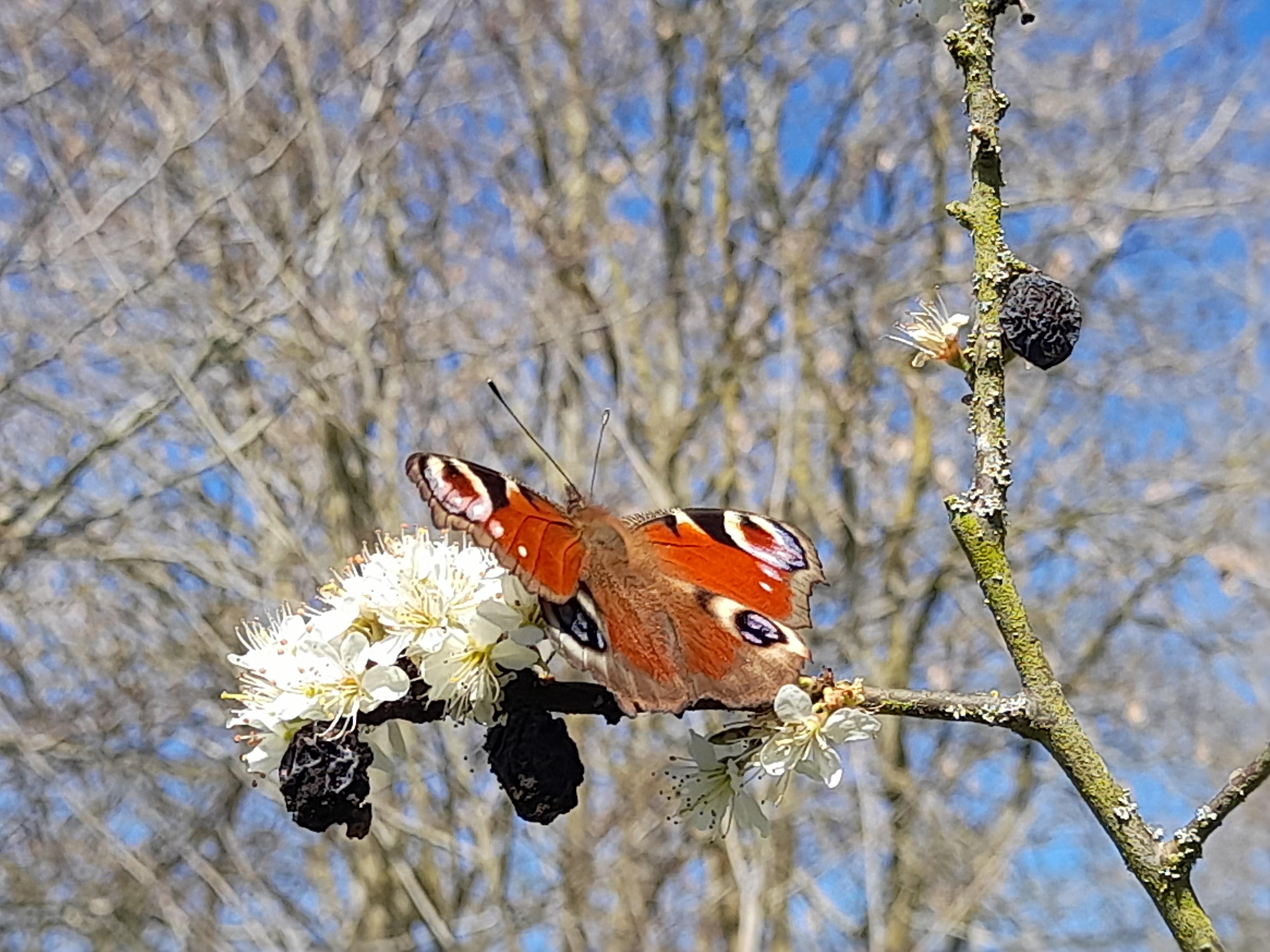
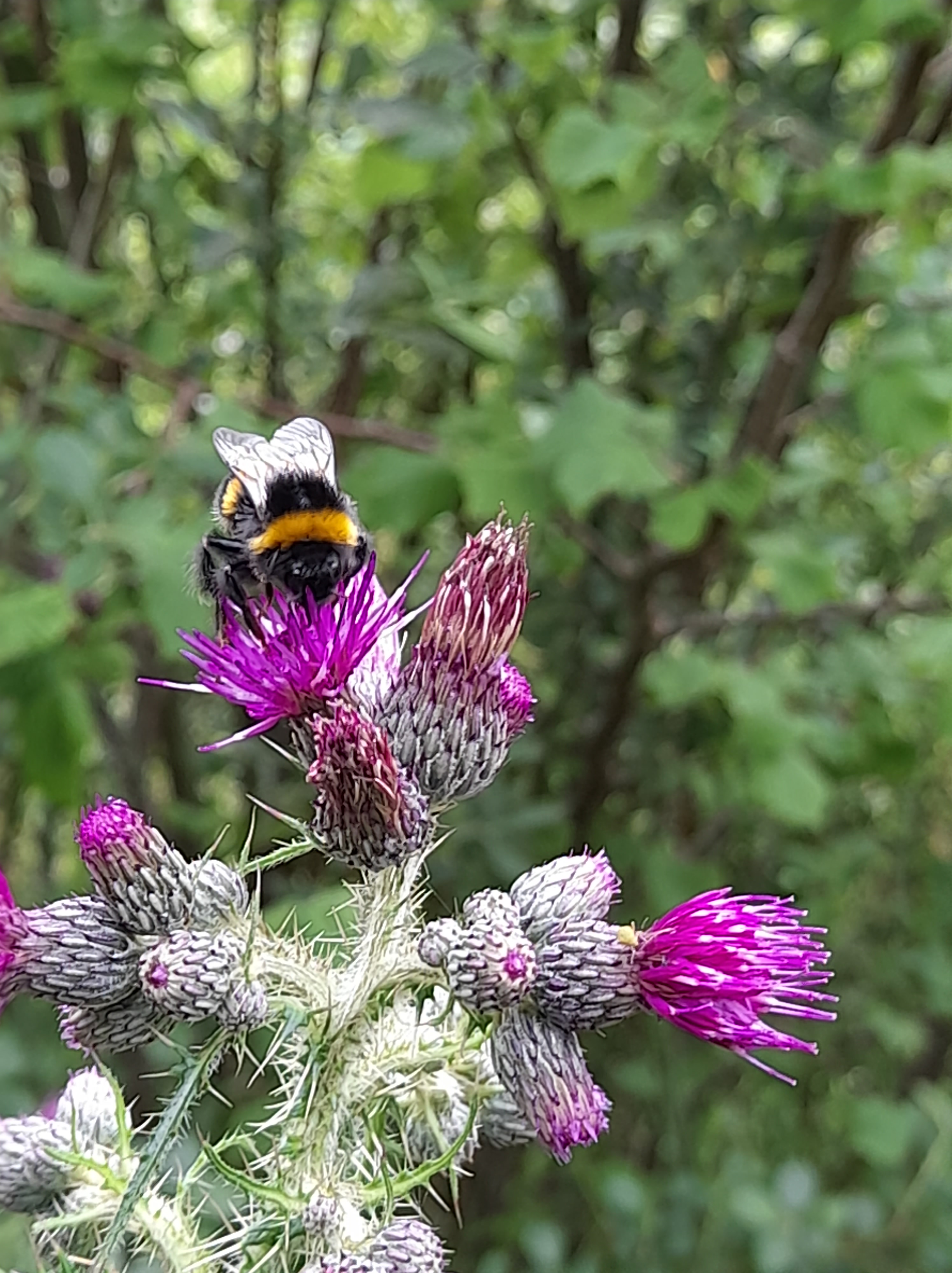
The focus is often on bees and butterflies, and their importance as pollinators. However, not only are other insects important pollinators, but insects have other vital roles in nature, including as food sources for many other animals and as recyclers of natural materials (dead plants, dead animals and poo).

Here are some ideas of positive things you can do to make a garden insect friendly:

Plant a range of trees, shrubs and plants that flower at different times of year
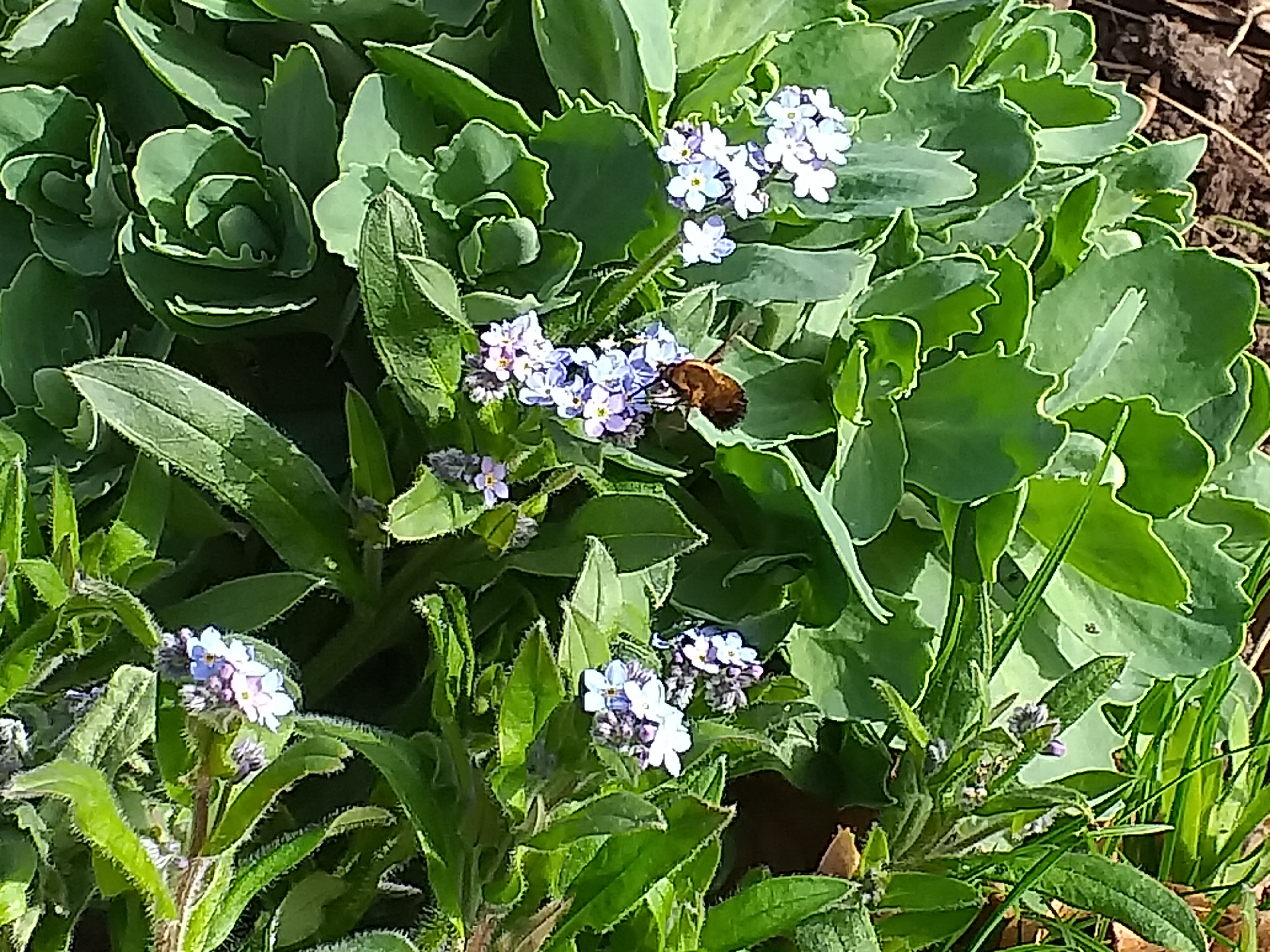
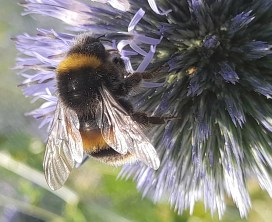
These will provide for insects all the year round. You can find some insect friendly planting guides on the RHS (Royal Horticultural Society) website.

Create a dead wood habitat
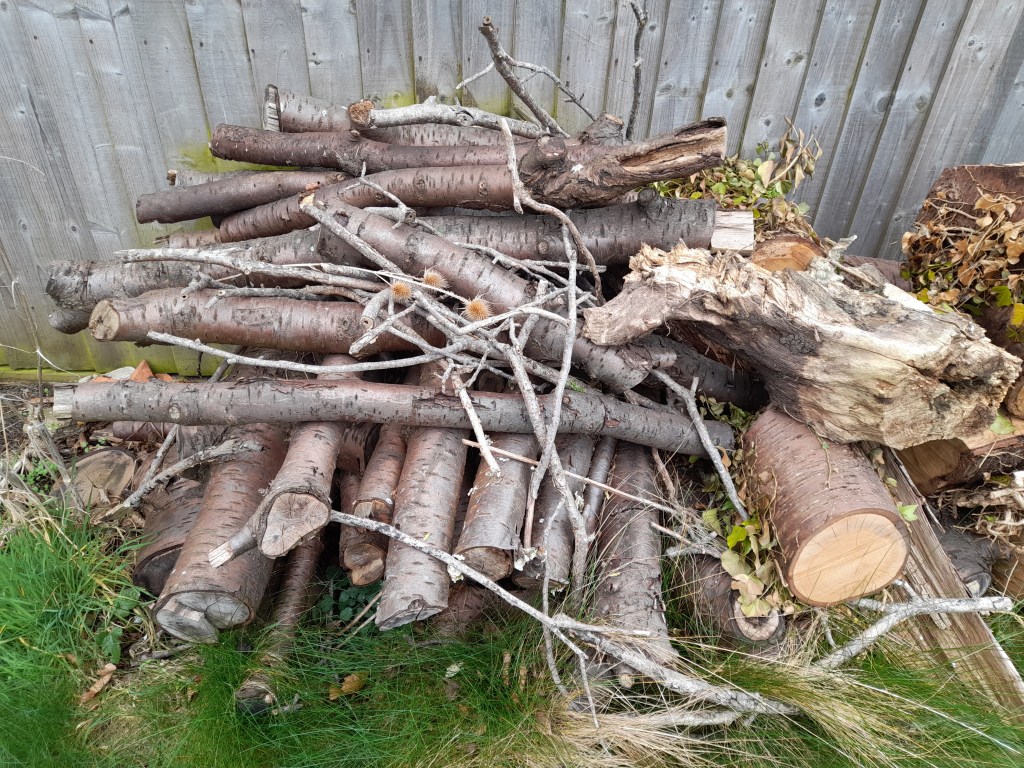
Many insects, including a number of beetle species, like the cold damp conditions in a dead wood habitat and even eat the dead and decaying wood. Three ways to create one is set out by Gardener’s World.

Have a compost heap
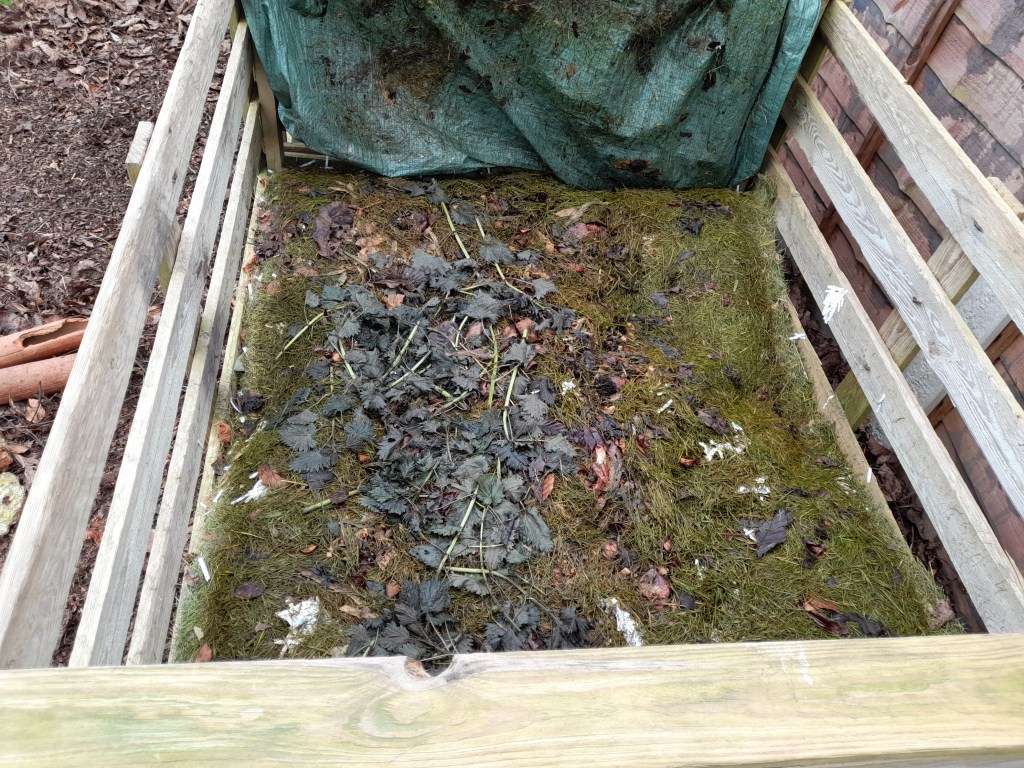
As well being a means of recycling vegetable and garden waste, compost heaps also provide food and shelter for decomposers, many of which are insects. If you would like more information and advice about composting the RHS has an online guide.

Leave an area to grow wild

Areas of long grass are good for certain insects, e.g. for skipper butterflies to lay their eggs. Not mowing as often allows wildflowers, like daisy and buttercups to bloom. These, along with other plants often considered weeds, such as nettles, provide important food sources for insects.

Make an insect hotel
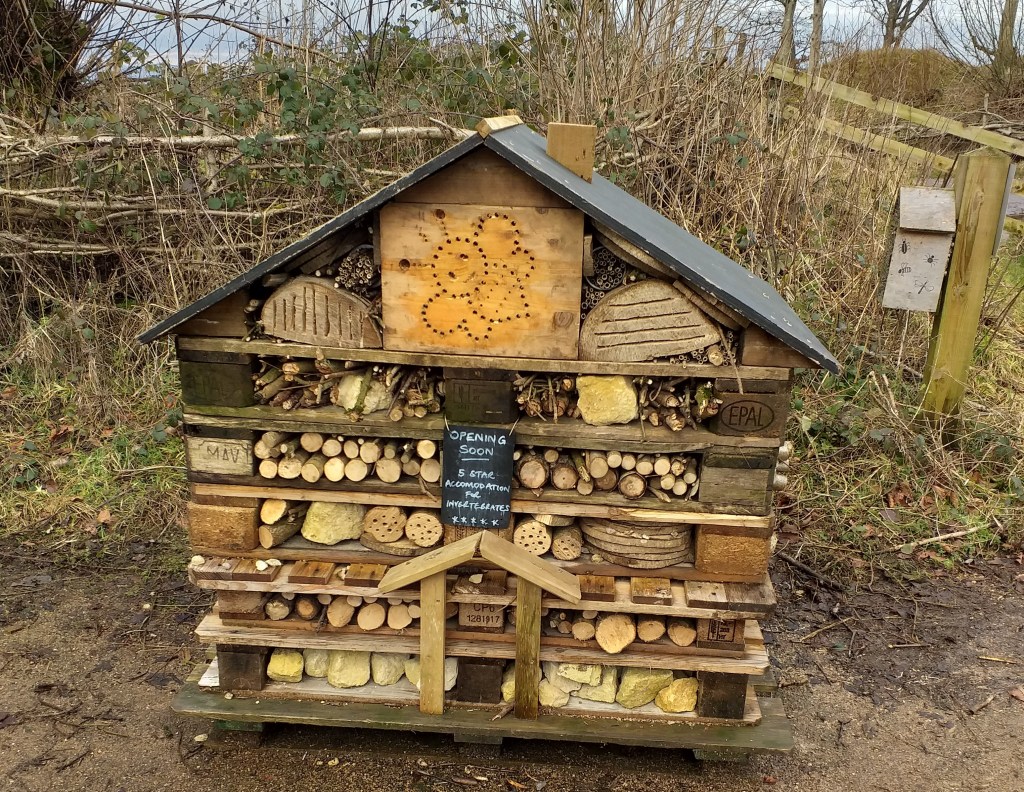
Insect hotels provide hiding places for insects to shelter. We have instructions for making a simple insect hotel on the museum website. If you want to find out more about making a more involved hotel, the RSPB have a guide on their website.

Have you made your garden more insect friendly using these, or any other methods? Tell us about what you have done in the comments below, or via the contact us page.

All photographs © Susie Glover. All rights reserved
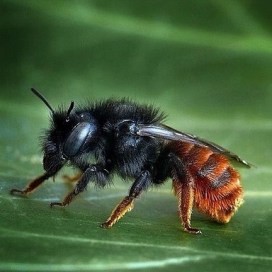
The Red Tailed Mason Bee

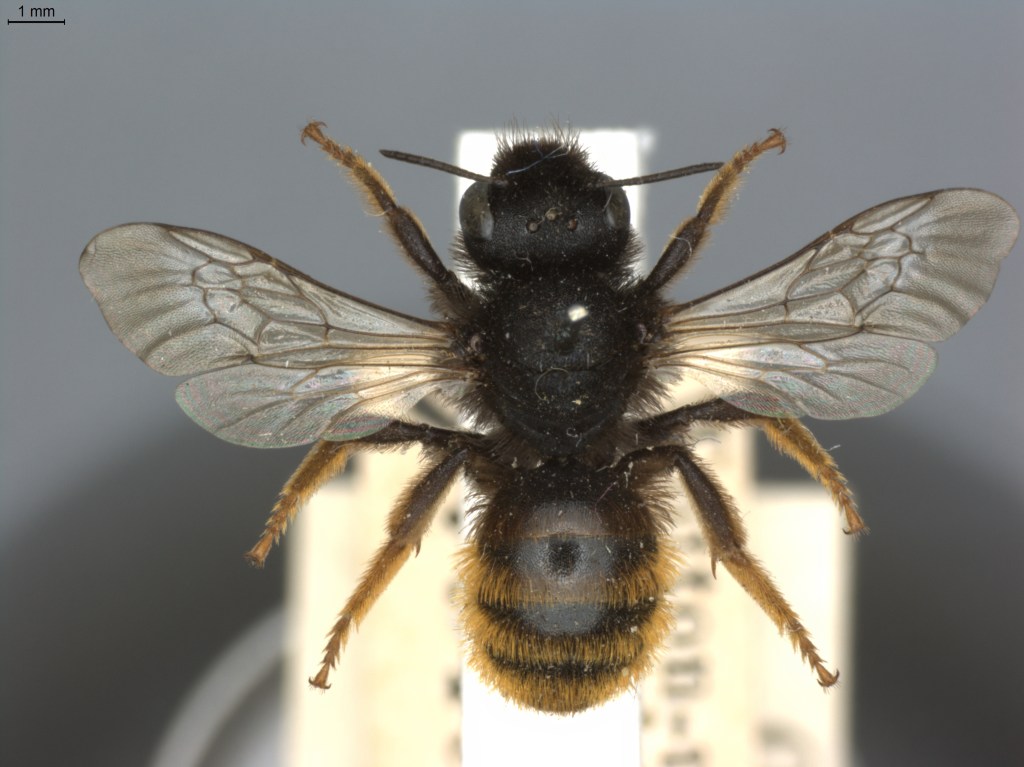
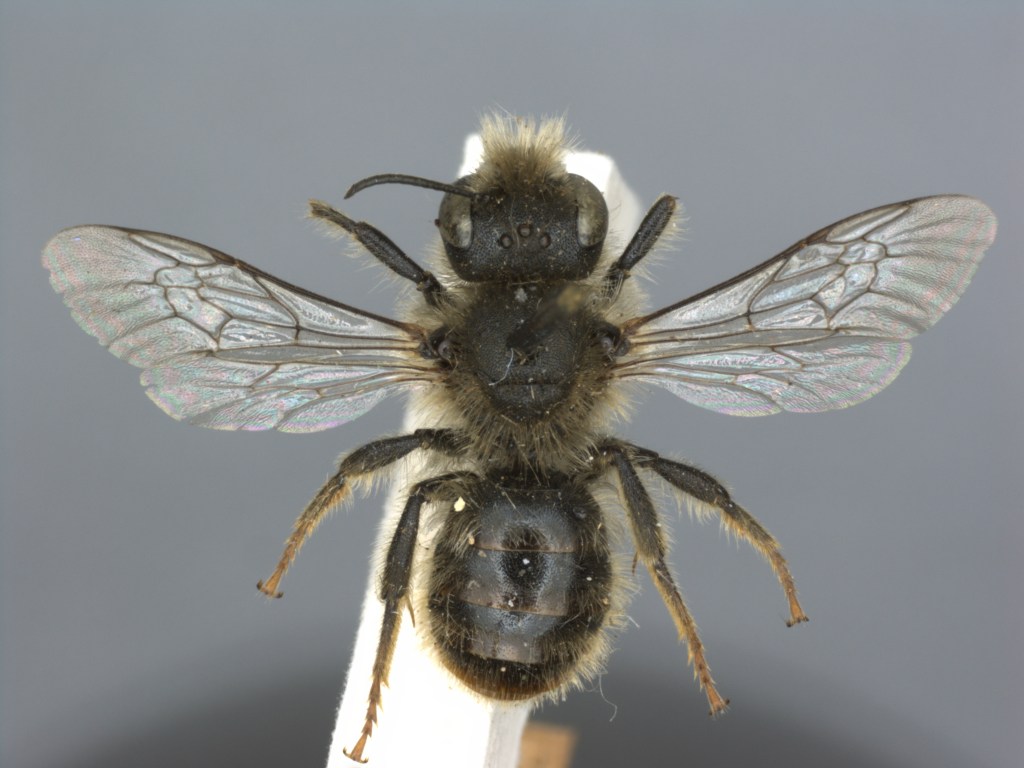
You may well have noticed some bees recently. One of the earliest solitary bees to emerge in spring is the Red Tailed Mason Bee, Osmia bicolour. They are very distinctive and make their nests in a very particular place.

The males emerge first, sometimes as early as March. They have yellowish bands. They are the followed in a couple of weeks by females which have distinctive red-banded abdomens, giving this bee its common name. The adults may continue flying well into July, so you have plenty of time to spot them. This species of bee is mainly found across southern England and the Midlands and South Wales. This is because it prefers chalk and limestone grassland and so is mainly in areas with this type of habitat.

Female Red Tailed Mason Bee making a snail shell nest. Copyright © John Walters, used with kind permission.

The Red Tailed Mason Bee is unusual in that the females make their nests in empty snail shells. A female bee works diligently to select a suitable shell then prepare the nest. She will then defend this vigorously. She will make several cells within the spiral of one shell, laying an egg in each cell. She will provide each egg with pollen as food for the larvae when they hatch. She will separate each cell with a glue-like substance called mastic. She makes this by chewing up pieces of leaf. When the nest is completed, she will plug the shell with more mastic and will then search for debris such as grass stems, fallen leaves and pine needles to carefully cover and camouflage it. She may also spread more mastic over the outside of the shell.

Entomologists think it is likely that this behaviour protects the shell and its contents from parasites and predators. Safe inside, the eggs will hatch and the larvae will develop inside the shell, feeding on their supply of pollen. They will then survive the winter as pupae, emerging as the next generation of adults the following spring.

So, if you spot an old snail shell, it’s worth keeping an eye on it; it may just become a nest for a Red Tailed Mason Bee. We’d love to hear about your bee sightings and to see your pictures. Get in touch with us using the comments below or by the Contact Us page.

Header image: Red-tailed mason bee, Osmia bicolor female. Image: František ŠARŽÍK CC BY 3.0

BREAKING NEWS: Once in a lifetime insect emergence

There is a secretive and enigmatic species of moth that will only emerge from their pupa in very specific conditions, on the first day of April. These once in a lifetime conditions are due to be met in the Oxford area today.

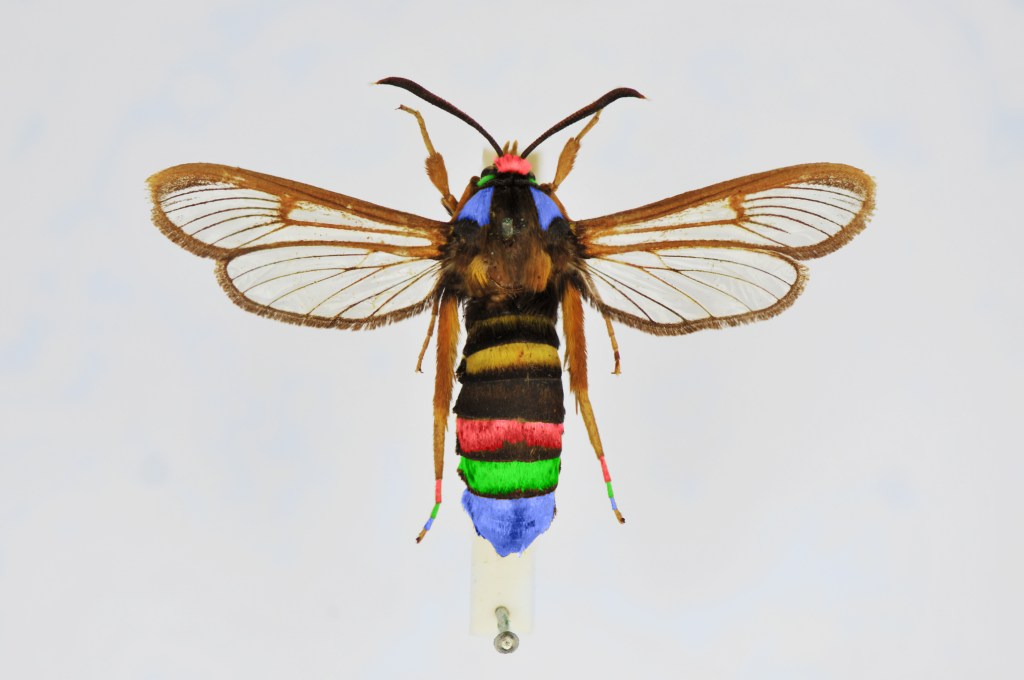
The caterpillar of this insect sub species, known as the Lesser April Jester moth (Stulte aprilis dies), will find a sheltered, confined space in which to pupate. In nature, cracks in rocks are an ideal location, but it has adapted to built environments by using the gaps between paving stones. Here it will stay, for years or even decades, until the required environmental conditions are met. When a cold snap follows an unseasonably warm spell, the adult will emerge from the pupa. Entomologists from Oxford University Museum of Natural History believe that the weather we have experienced recently meets these conditions, and is the best chance to see emerging adults for several decades.

Specimen of Lesser April Jester moth (Stulte aprilis dies), collected in Oxford in 1951

The moth will exit the pupal case and, if necessary, will tunnel to the surface, squeezing out through the cracks in the pavement. It will unfurl its glorious, clear wings, displaying the red, blue, green and yellow stripes, on its back, for all to see. It will then fly off to find a mate, to ensure the next generation of this rarely seen insect.

Burrow of Lesser April Jester moth (Stulte aprilis dies) in pavement of Parks road, 1 April 1951

Unfortunately so many jester moths never make it out of their pupa, whether due to the required conditions never being met, or to not having enough energy to dig their way to the surface. If you wish to help, gently inserting and then removing small twigs between paving stones to loosen the soil can help to ease their paths.

The last know sightings in Oxfordshire occurred on Parks Road in Oxford on 1st April 1951. Please let us know if you catch sight of this moth, and even better please share any photos you may take either in the comments below, or via the Contact us page.

Book your place at our FREE Event this Easter!

Are you aged 10 – 14? Then join us for a FREE Crunchy on the Outside event here at the museum this Easter.

A Game of Life Cycles – Tuesday 12th April 2022, 1 – 3pm

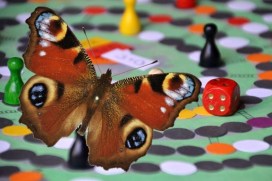
Discover more about the stages of insect life cycles, then make and play your own insect-themed board game.  Can your insect make it through all the stages of metamorphosis to become an adult? Can they overcome the challenges along the way and lay eggs to make the next generation?

Here are all the details you need:

WHAT:              FREE workshop – A Game of Life Cycles

WHEN:             Tuesday 12th April 2022 , 1pm to 3pm

WHERE:           Museum of Natural History, Parks Road, Oxford, OX1 3PW

WHO:               10 to 14 year olds

To book – email: hopelearning@oum.ox.ac.uk

Ryan Mitchell

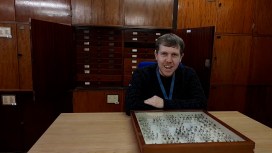
Ryan, a Collections Assistant for the HOPE for the Future Project at Oxford University’s Museum of Natural History, tells us about the important work of the project, and how he first became interested in insects.

Ryan mentions catching grasshoppers in his hands as a child. Have you found any insects in your garden or local green space? What were they? We would love to hear about them in the comments below, or through our contact us page.

Insects Online

When the weather is chilly there aren’t many insects about, but we still have lots of online ‘Crunchy’ insect activities for you to try. We hope they will boost your insect expertise!

How to spot an insect

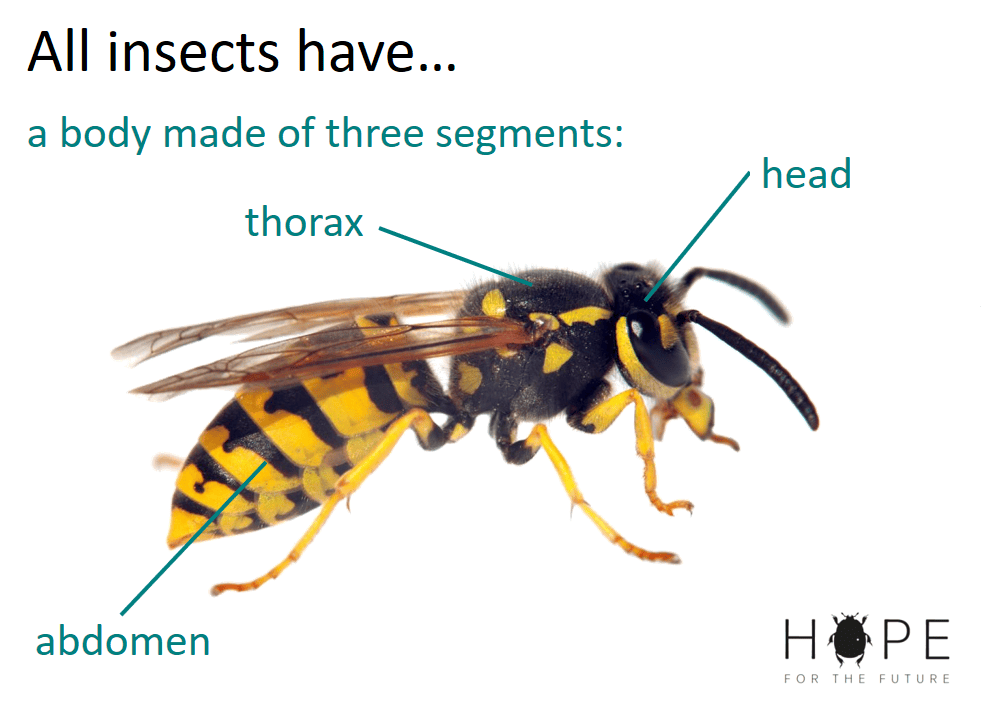
What makes an insect an insect? How to spot an insect is an introduction to insect anatomy: the body parts that make up an insect. Discover the key features entomologists use spot insects and how insects are different from some of their close relatives. You can then test yourself with our quick quiz!

Insect ID

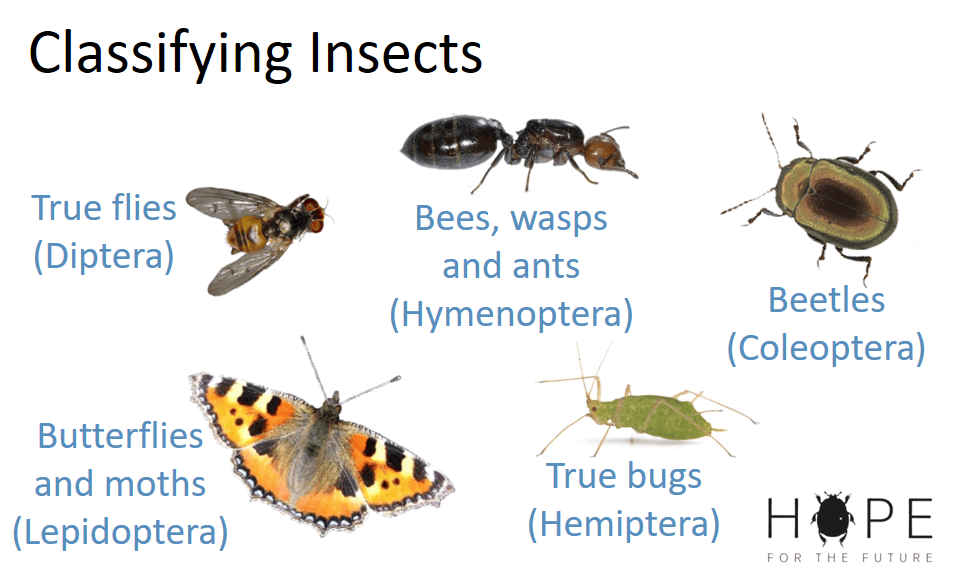
Ever wondered what that insect is? Insect ID takes you into a deeper exploration of the ‘Big 5’ groups of insects in Britain:

  • beetles
  • bees, wasps & ants
  • butterflies & moths
  • true flies
  • true bugs.

Discover the differences between them, learn how to spot each type and put your skills to the test with our ID challenge.  

Know your bees

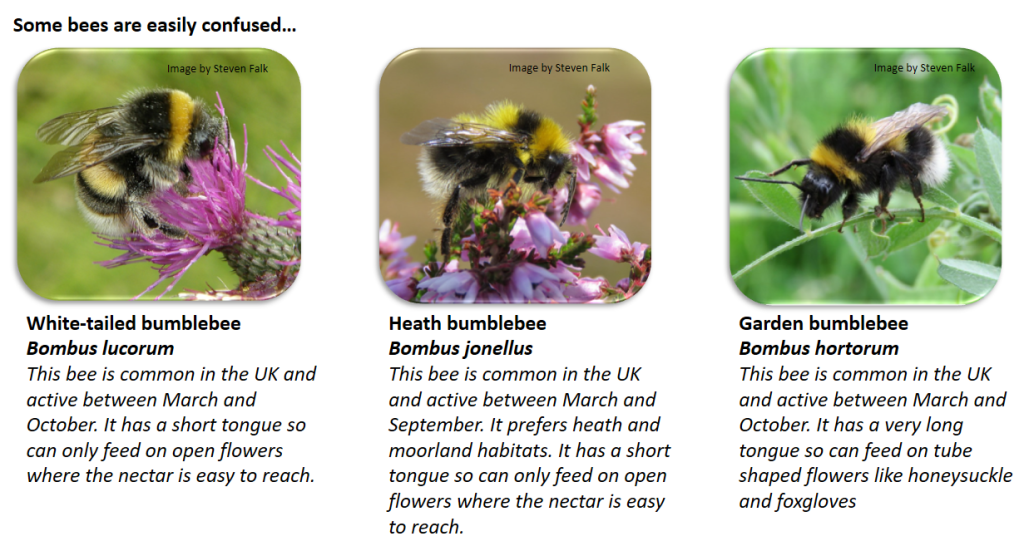
There is more to bees than hives and honey! Know your bees explores some of the rich variety of bees found in Britain. We’ve also included some tools to help you make your own observations of bees.

Looking for more?

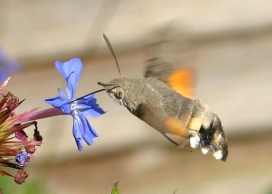
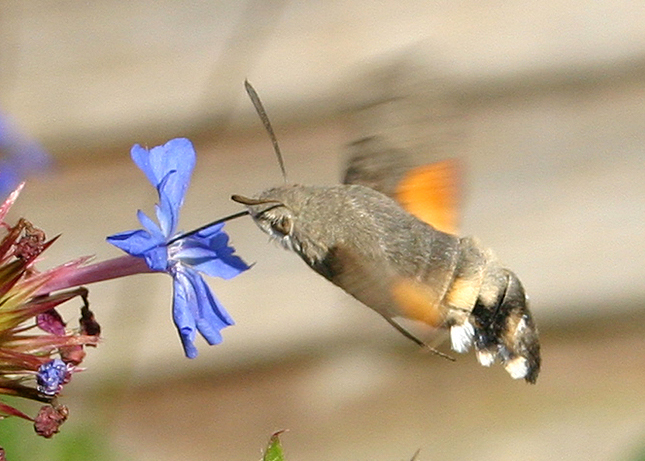
Hummingbird hawkmoth, Macroglossum stellatarum. Image credit: Rodger Caseby

If you’d like to go a bit further and, as the weather gets a bit warmer, get outside and do some investigating of your own, why not try one of our inset investigation ideas:

  • Different flowers asks whether different types of flower attract different insects
  • Insect Pollination investigates the range of important insect pollinators (it’s not just bees!)
  • Time of day explores whether different insects visit flowers at different times of day

We would love to hear how you get on. Get in touch using the comments below or the Contact Us page.