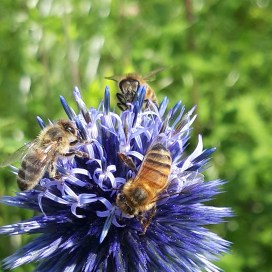
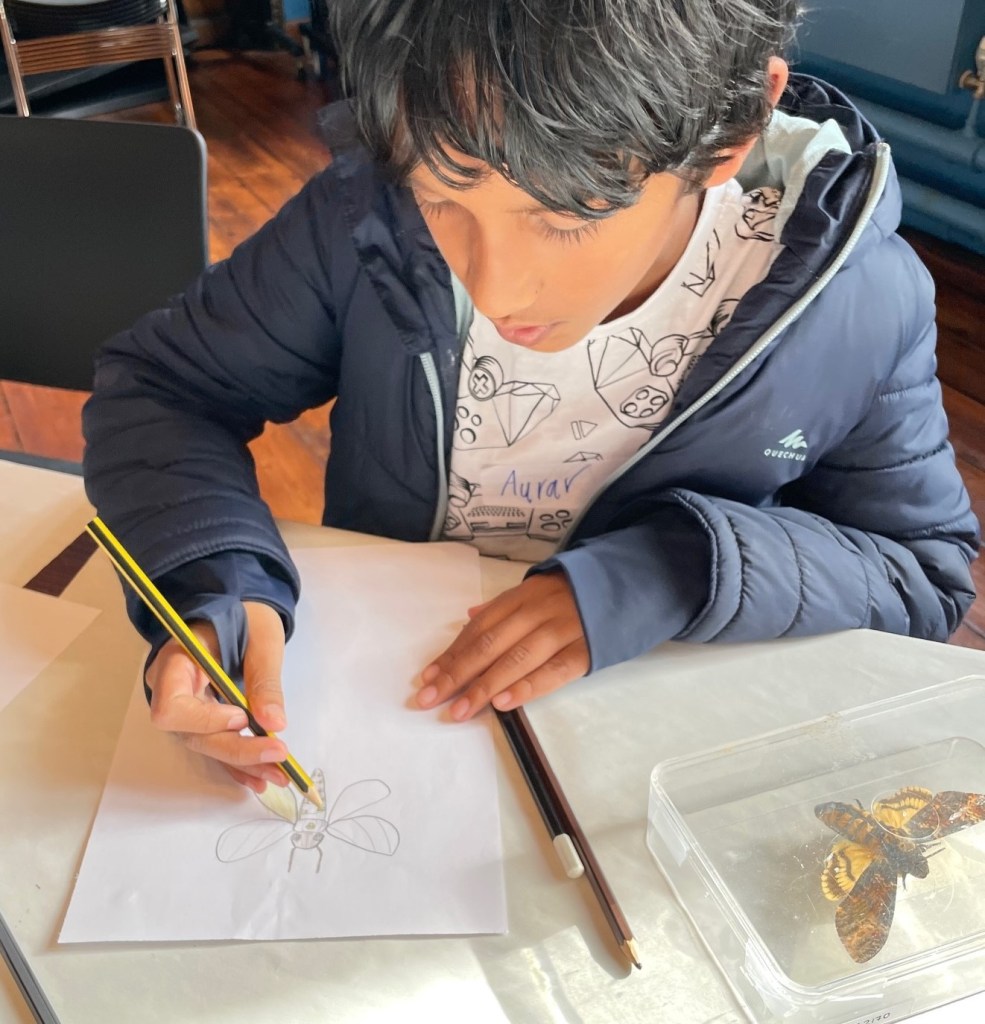
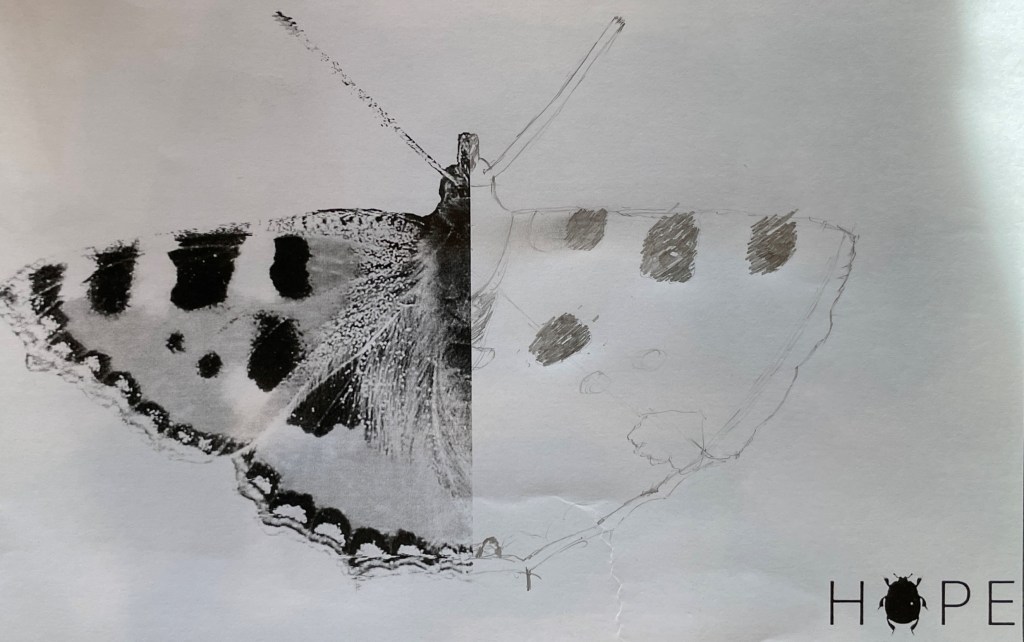
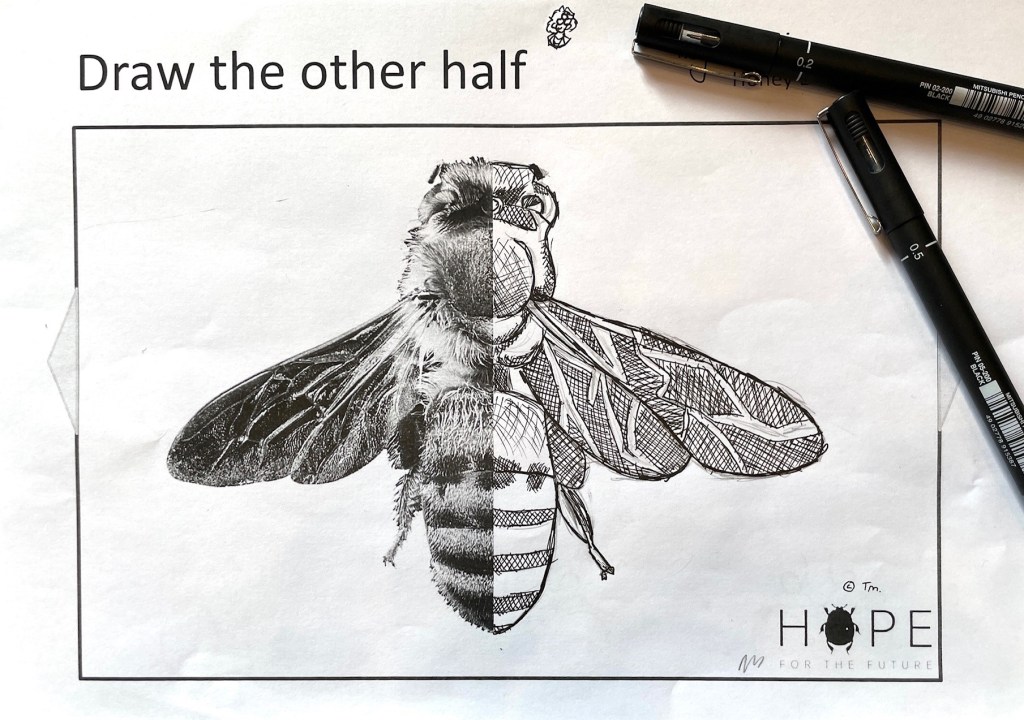
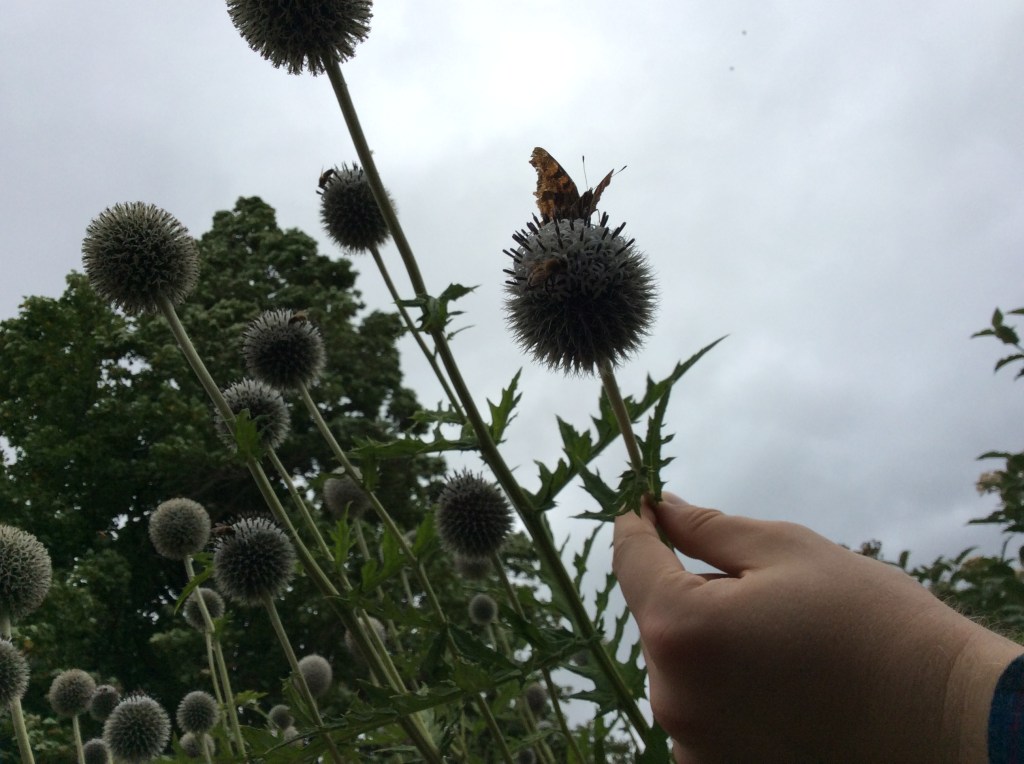
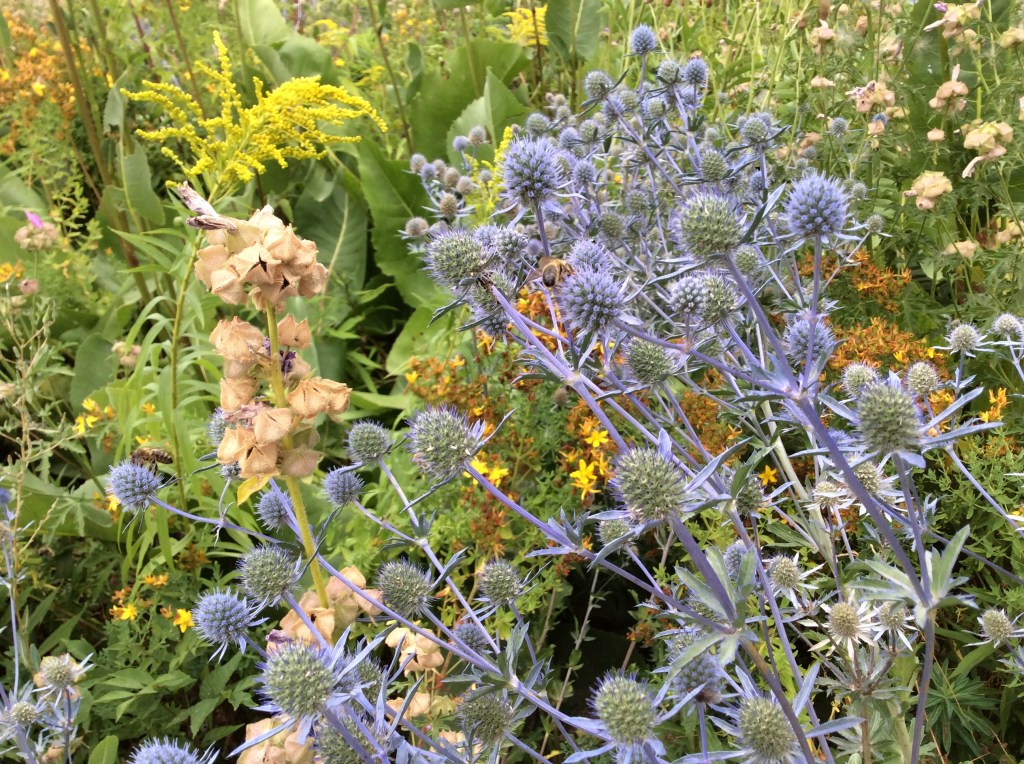
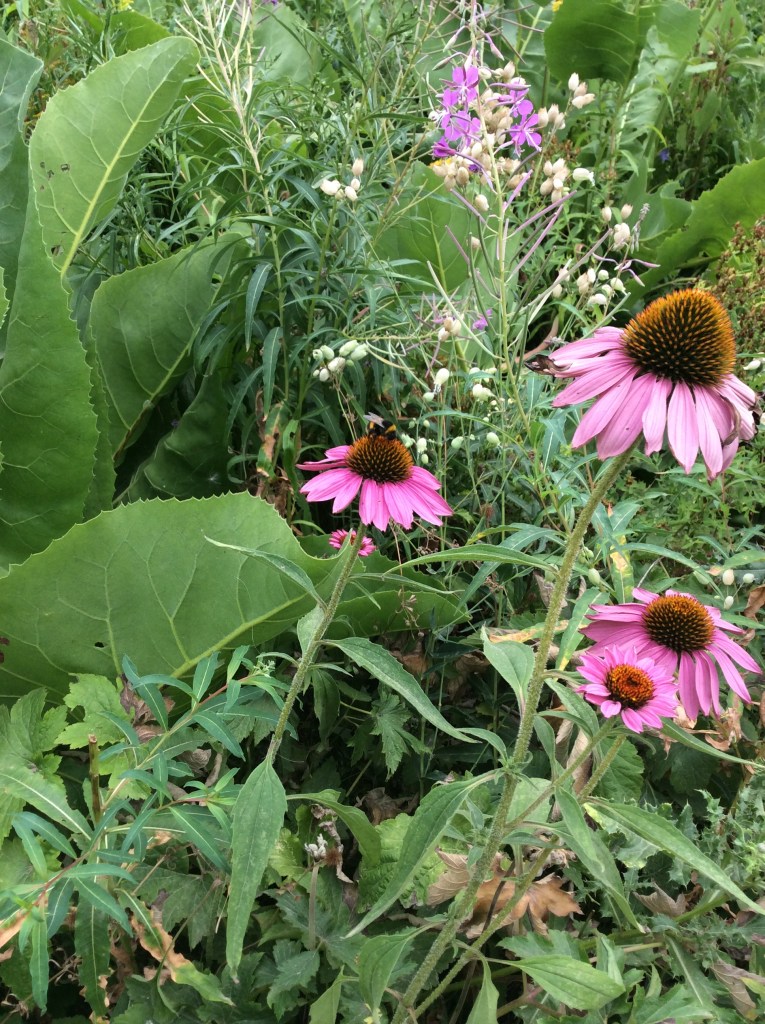
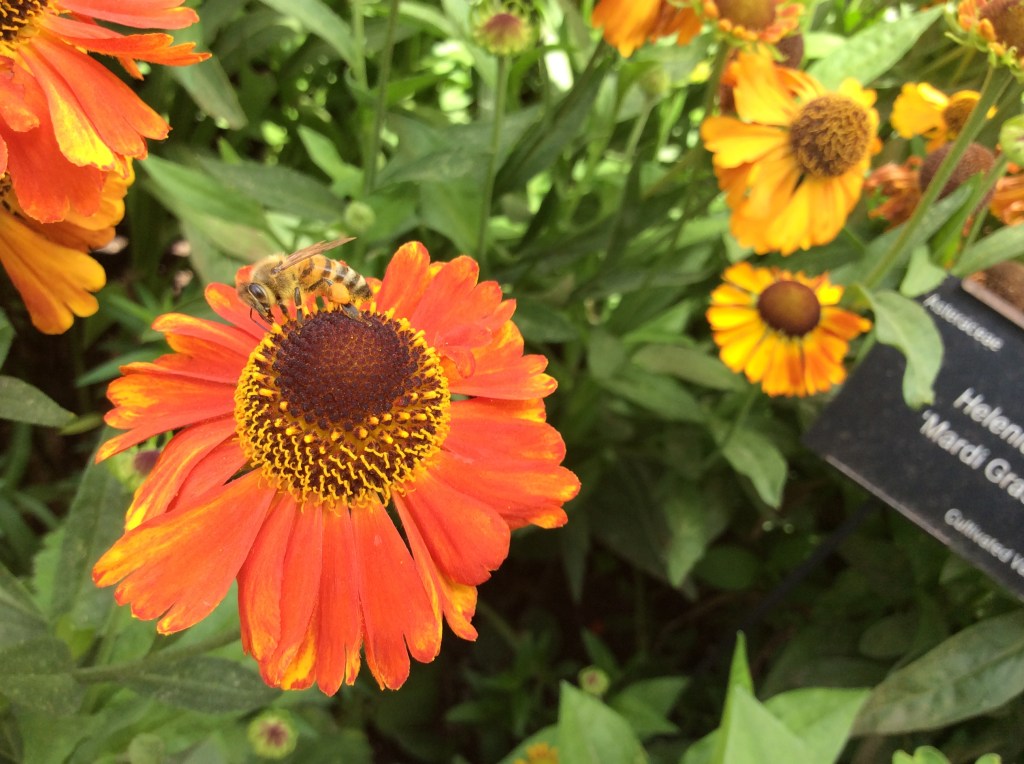
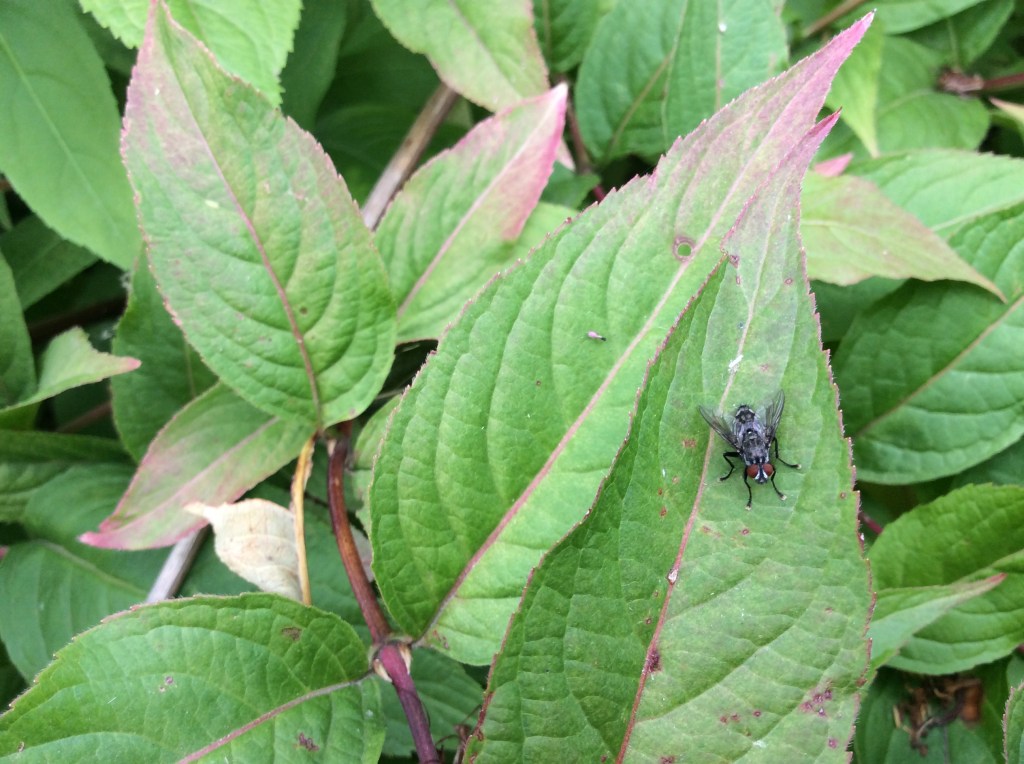
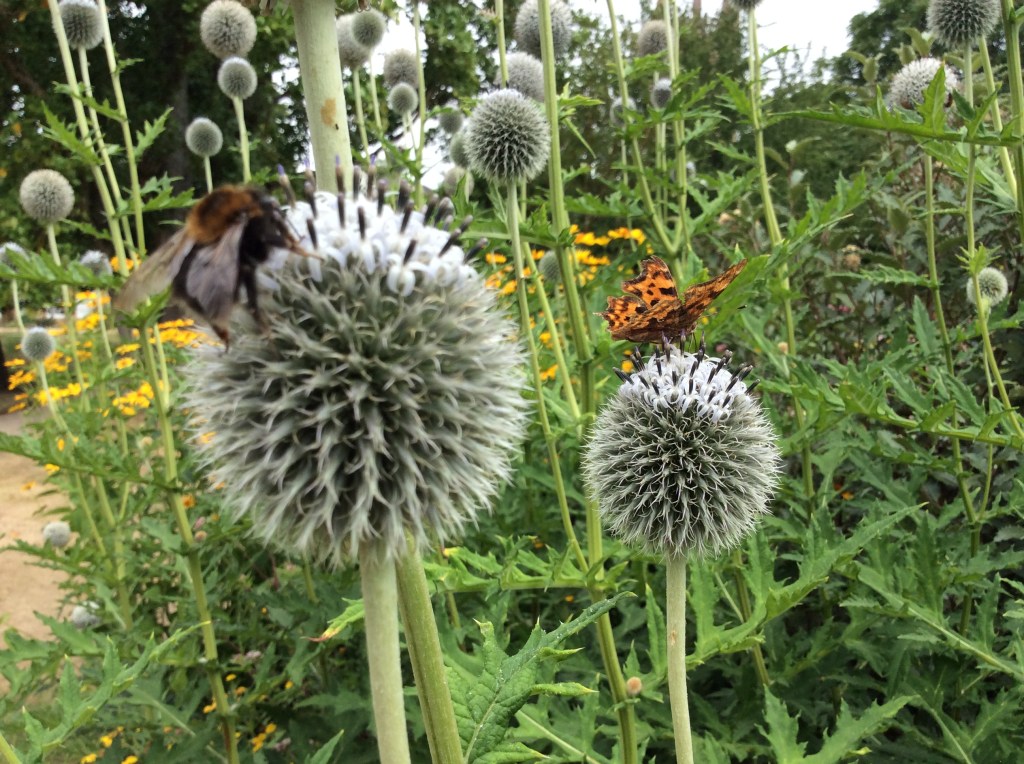
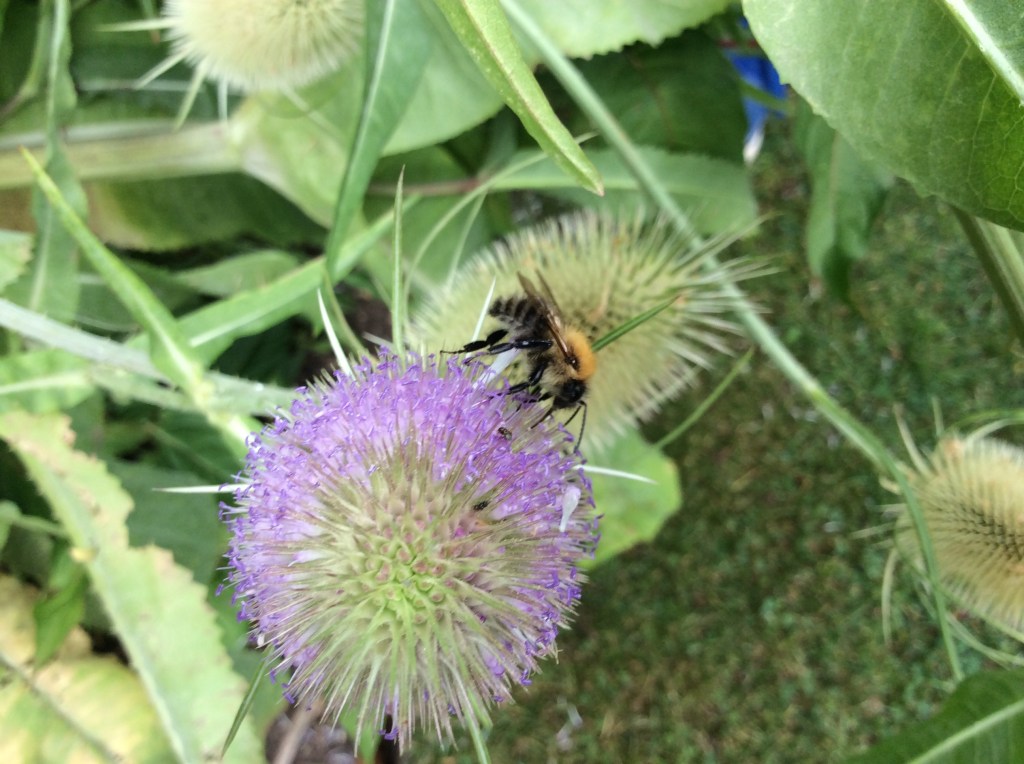
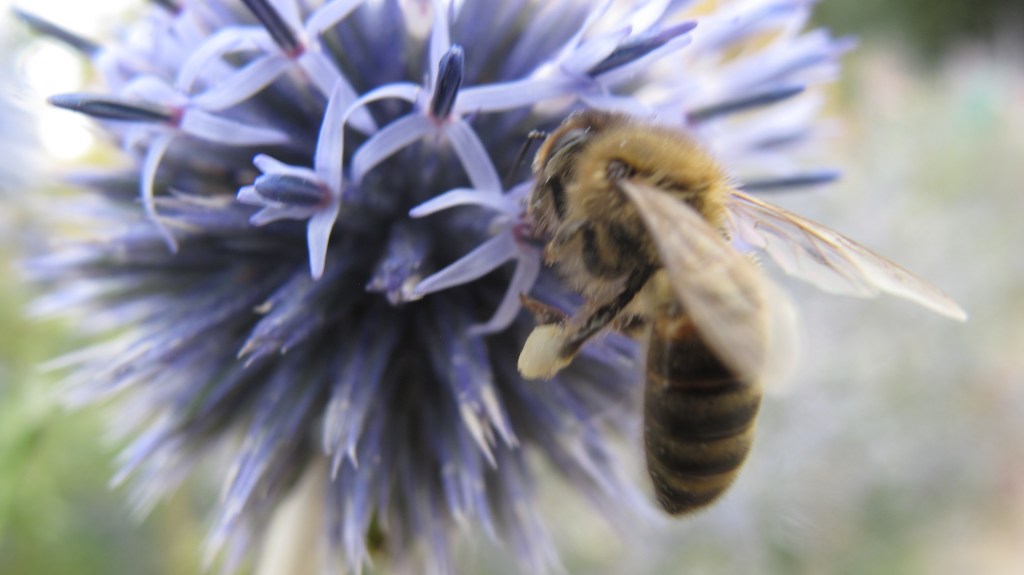
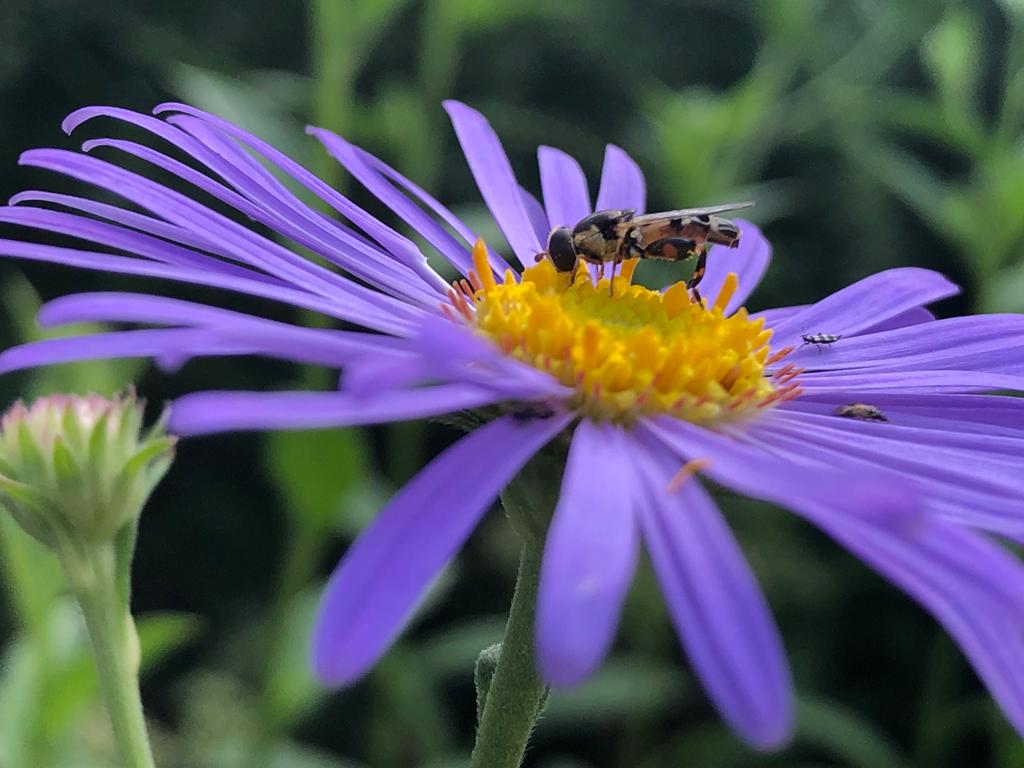
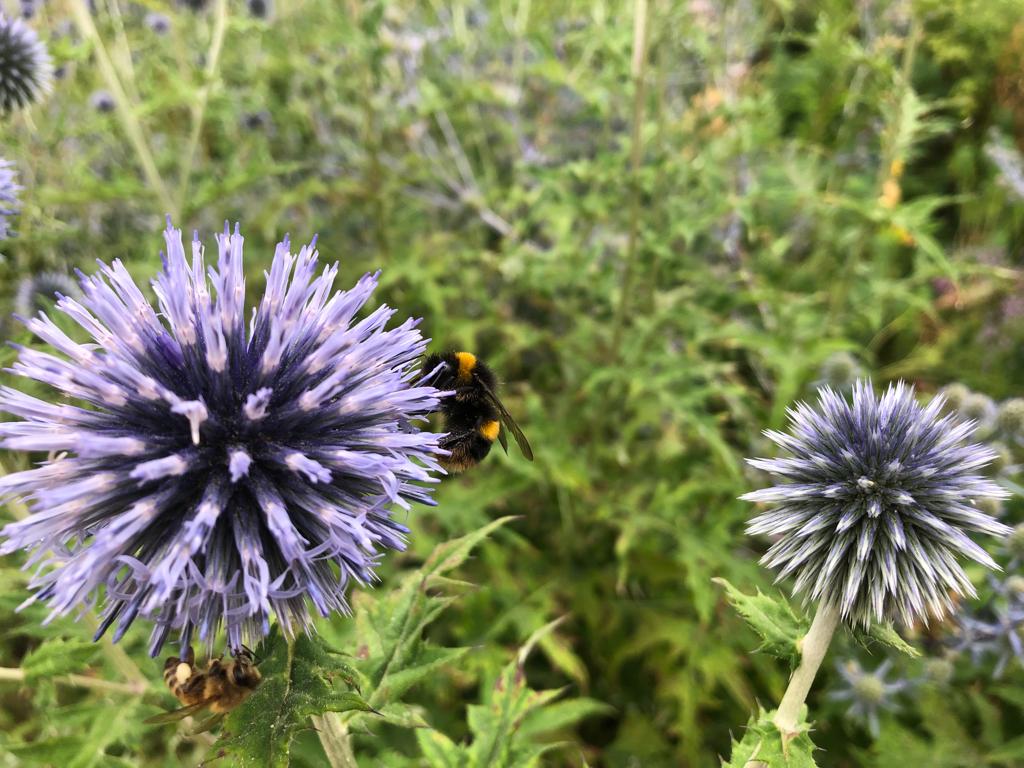
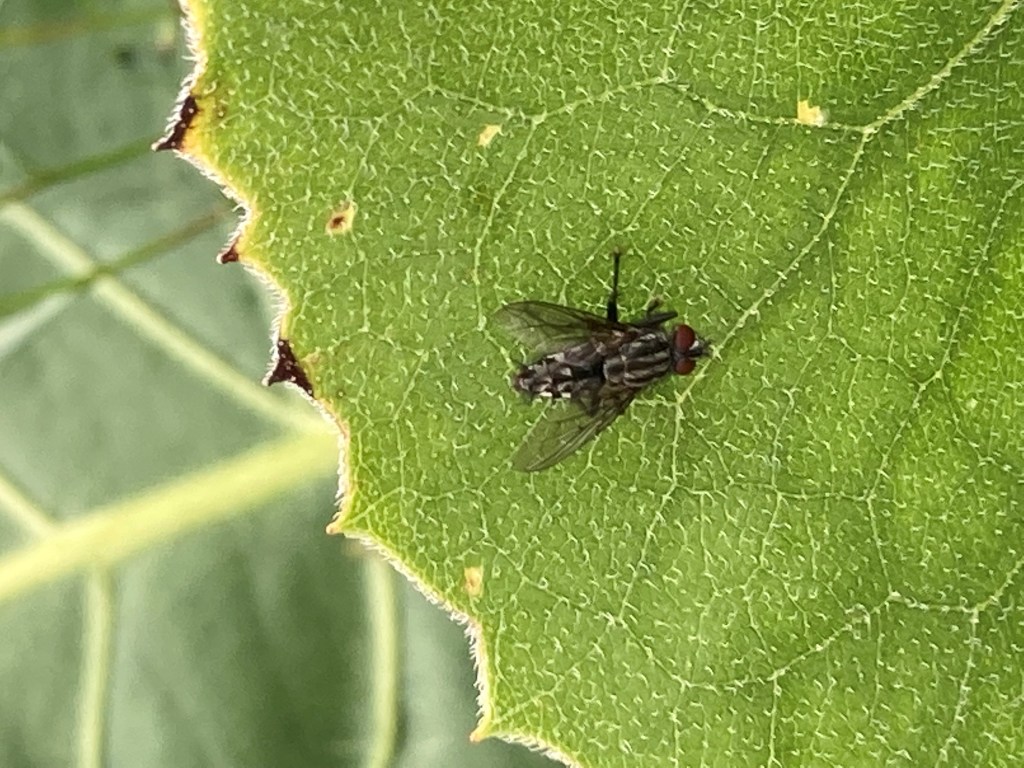
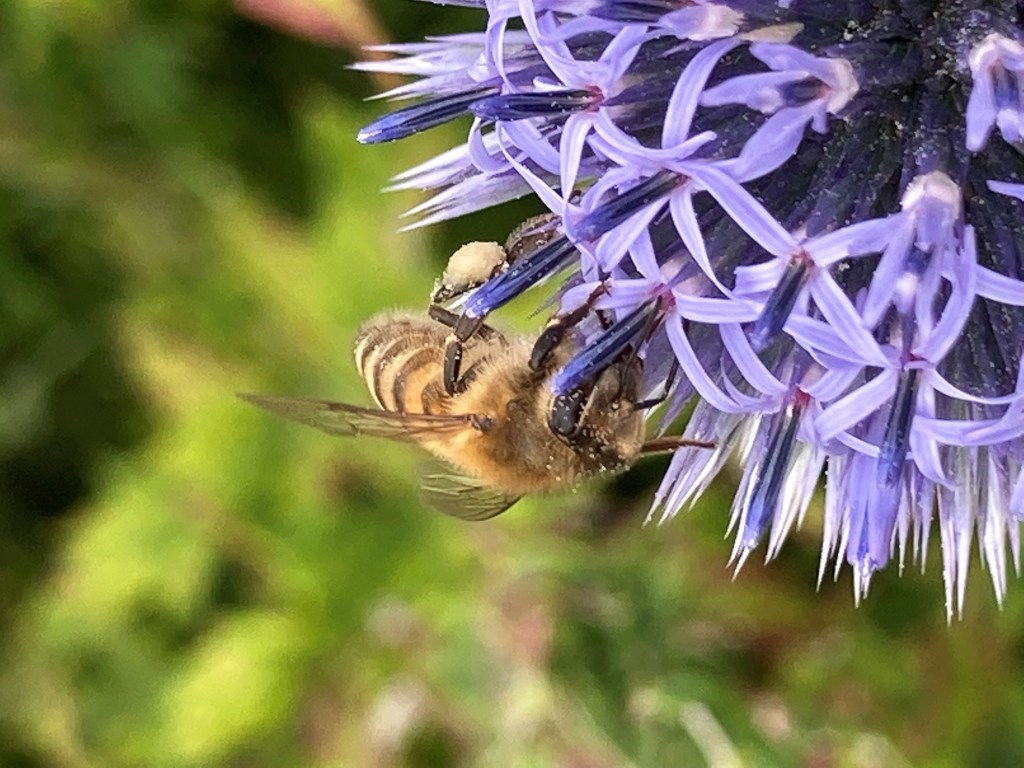
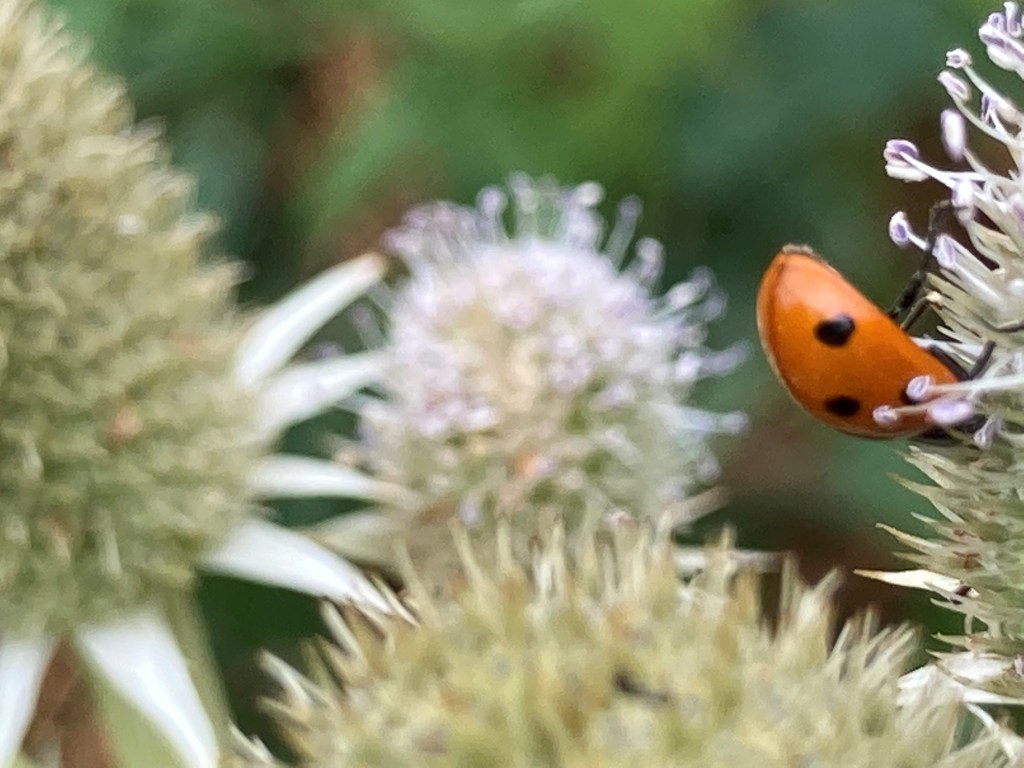
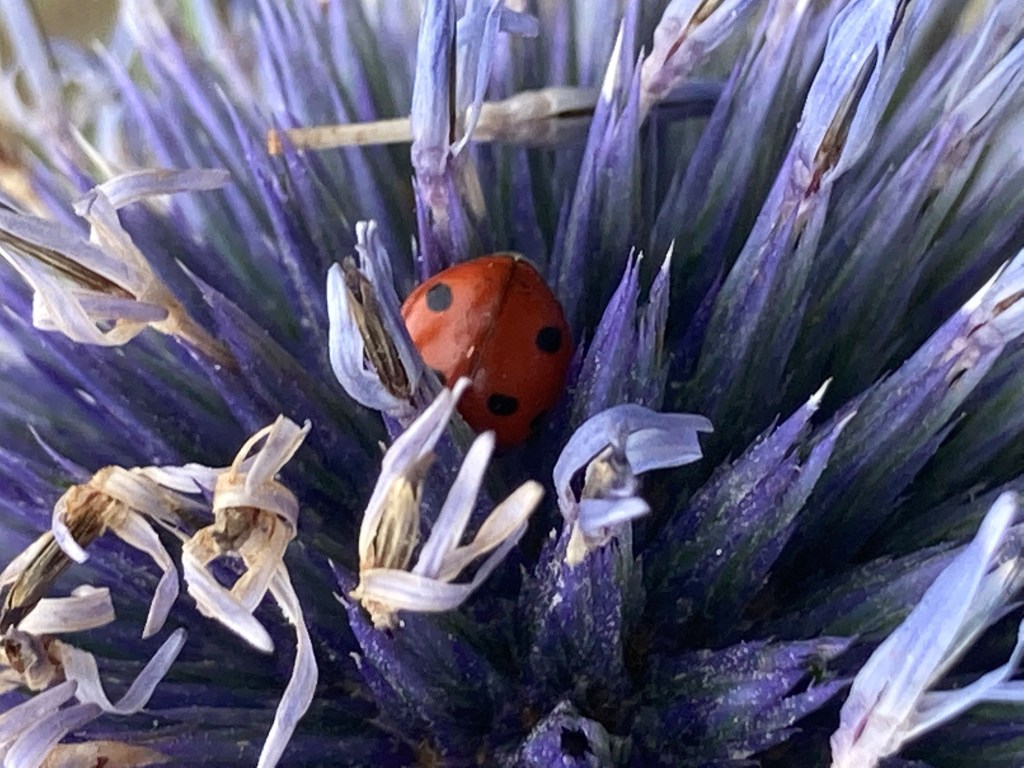
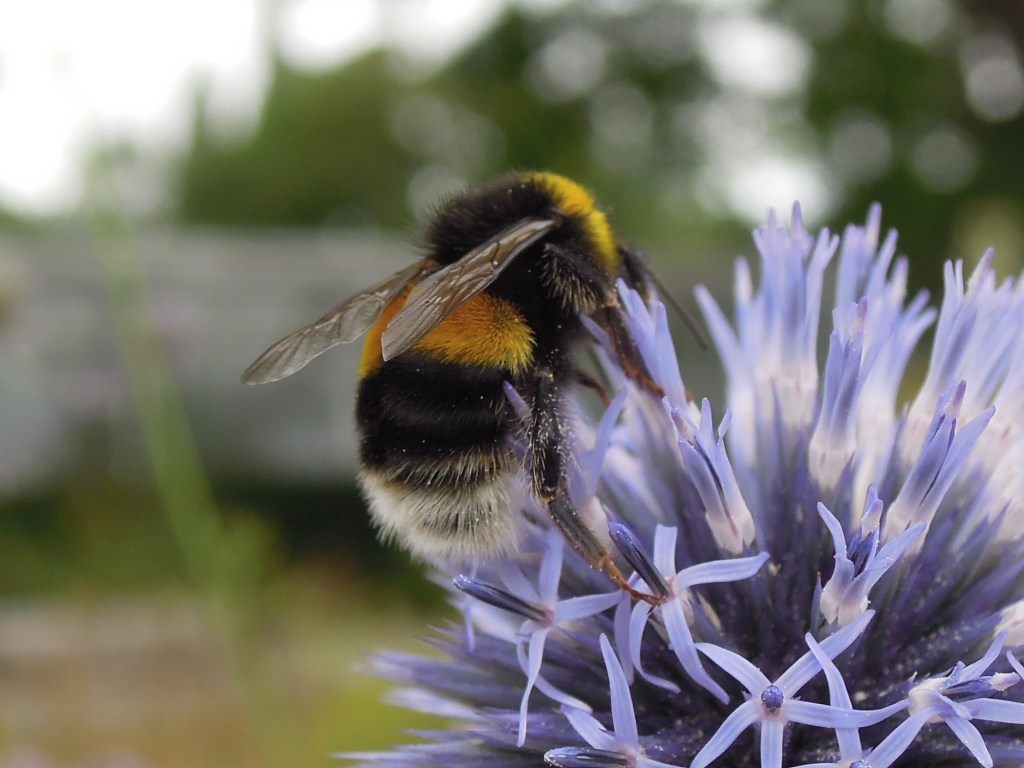
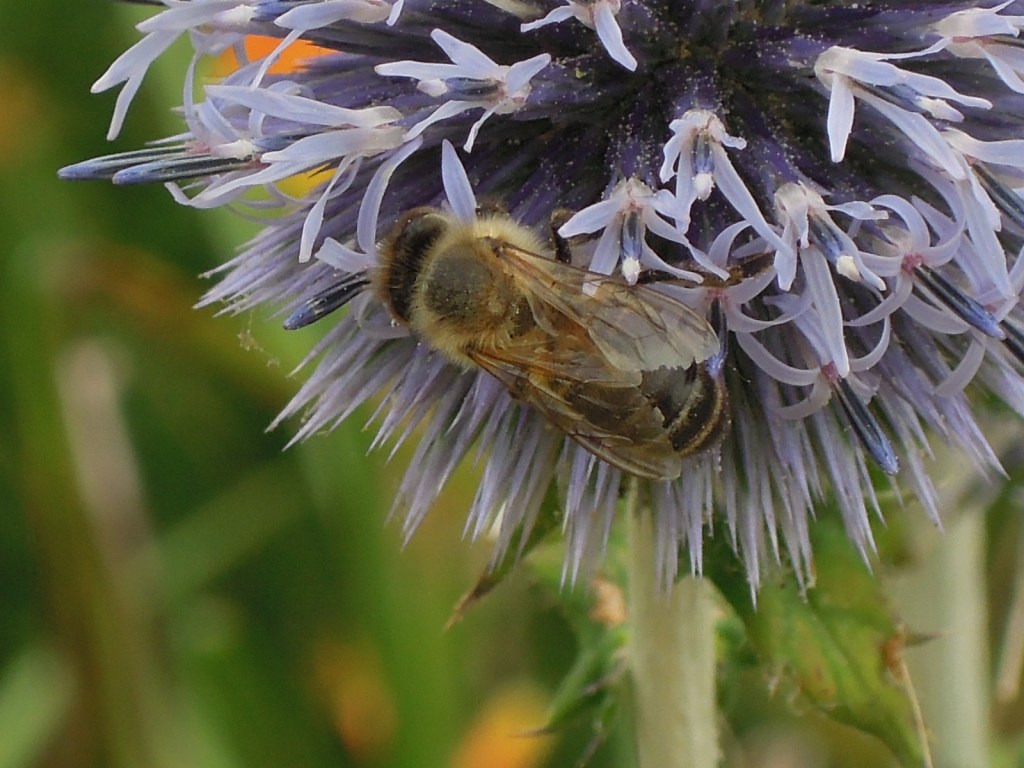
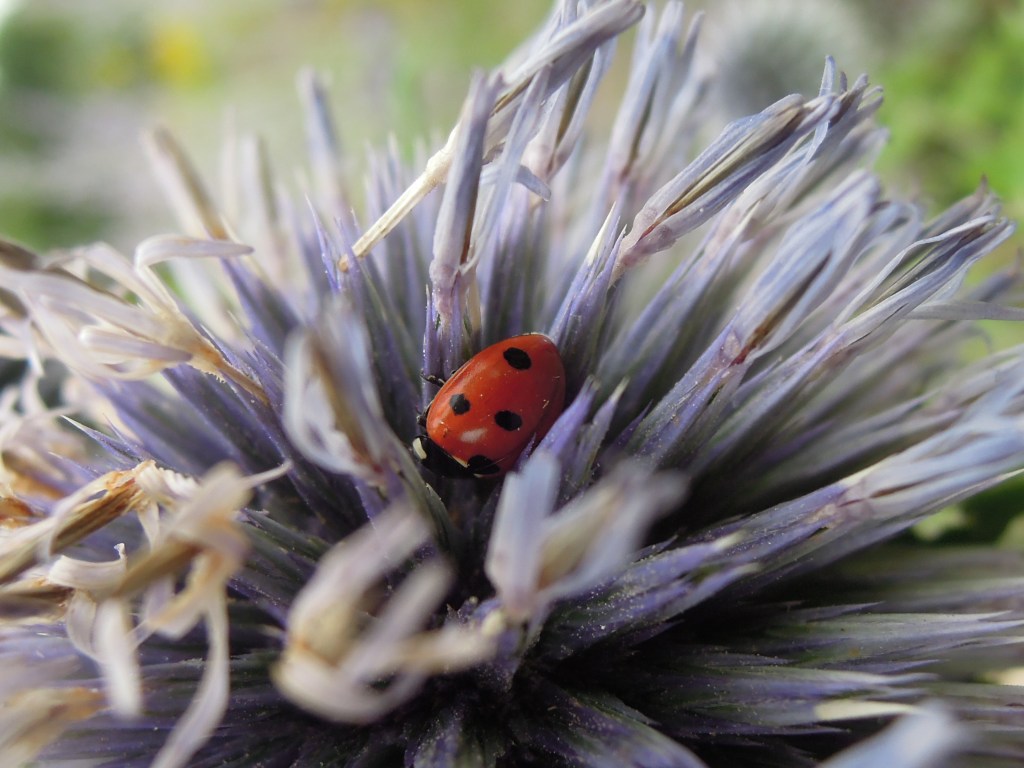
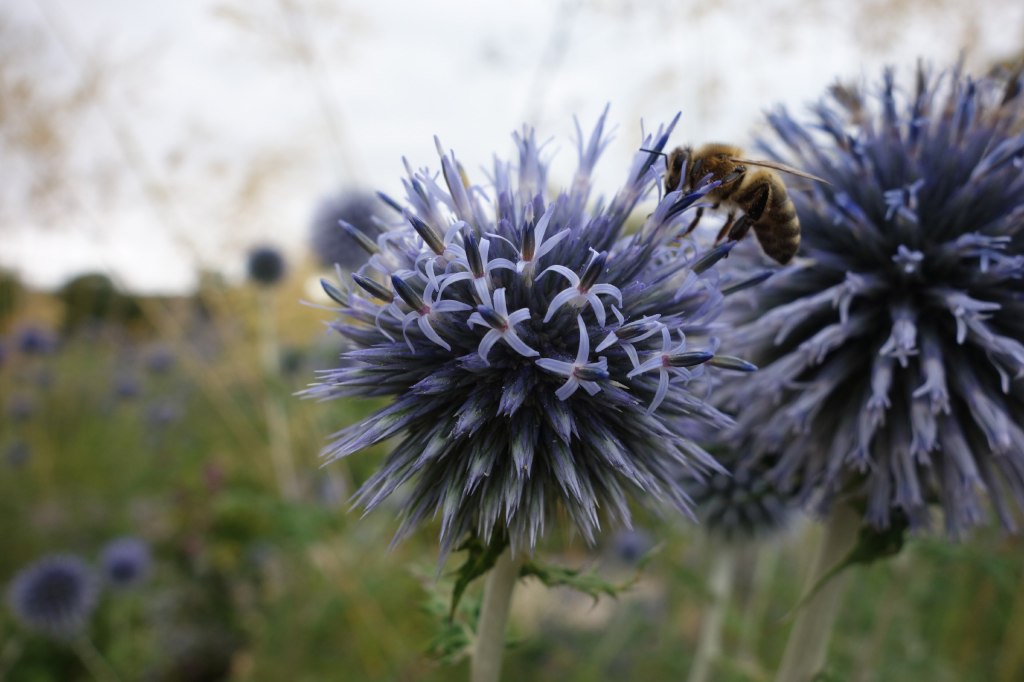
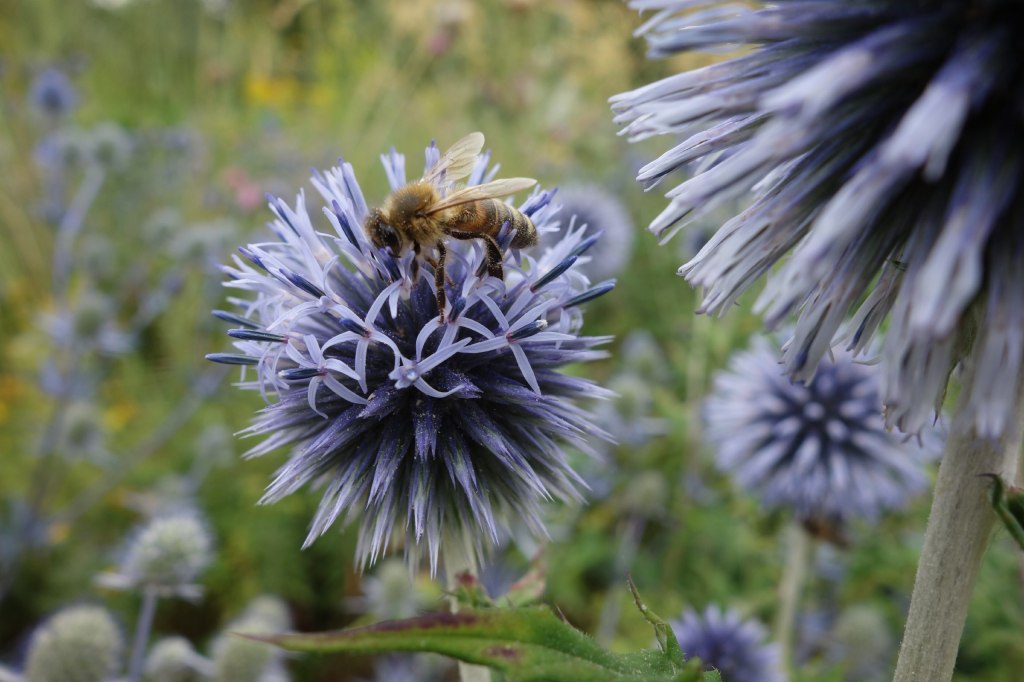
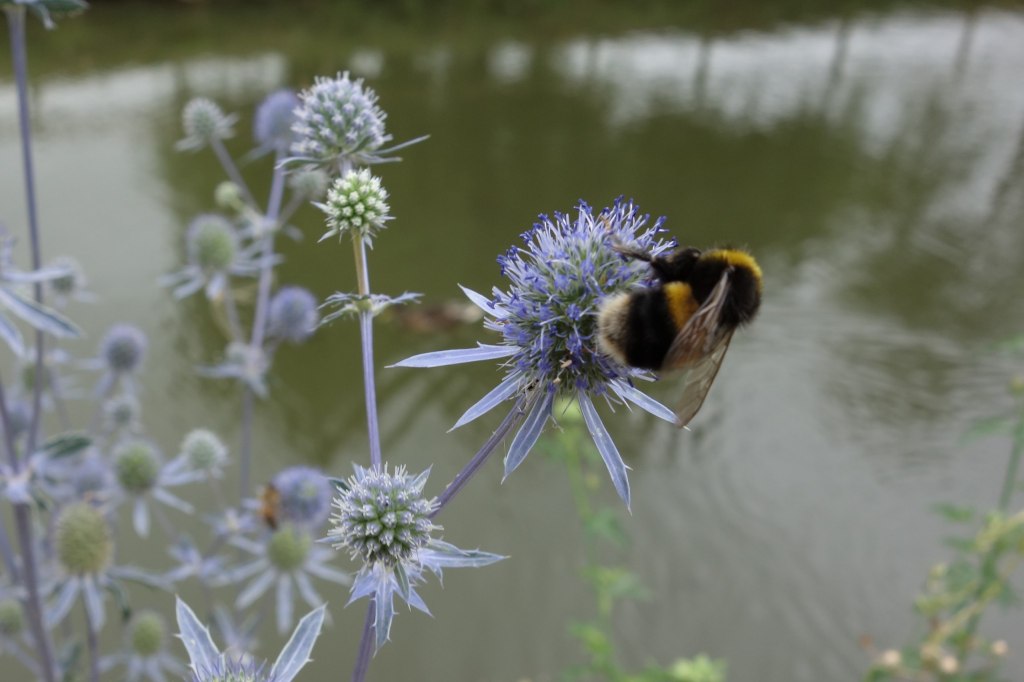
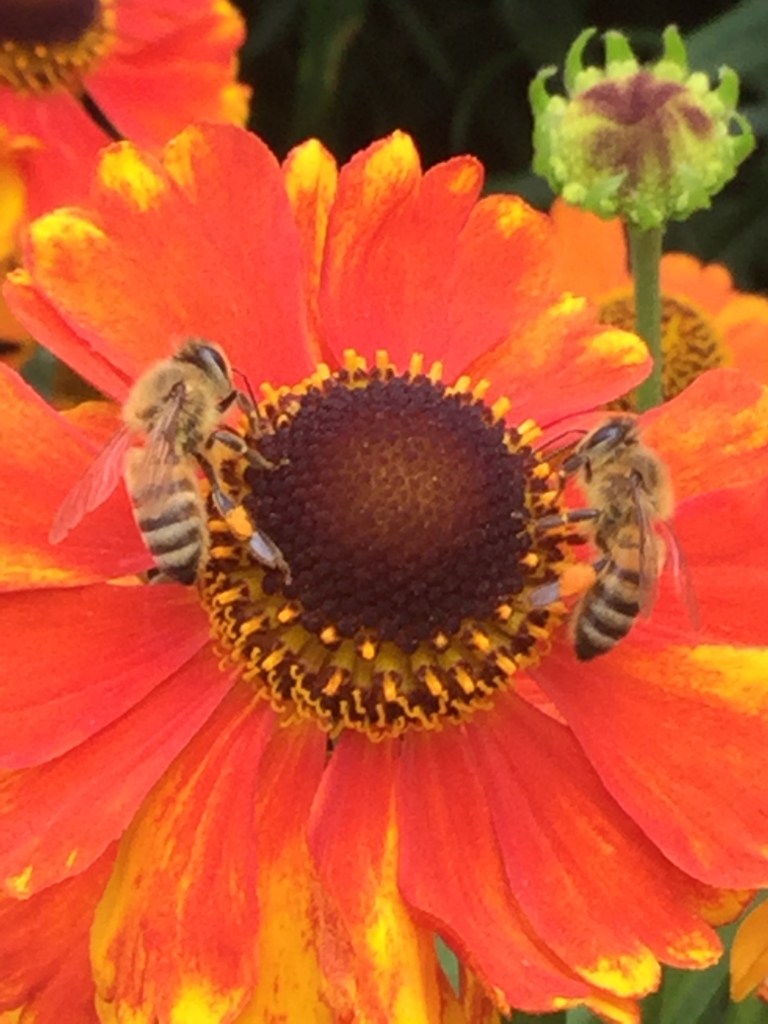
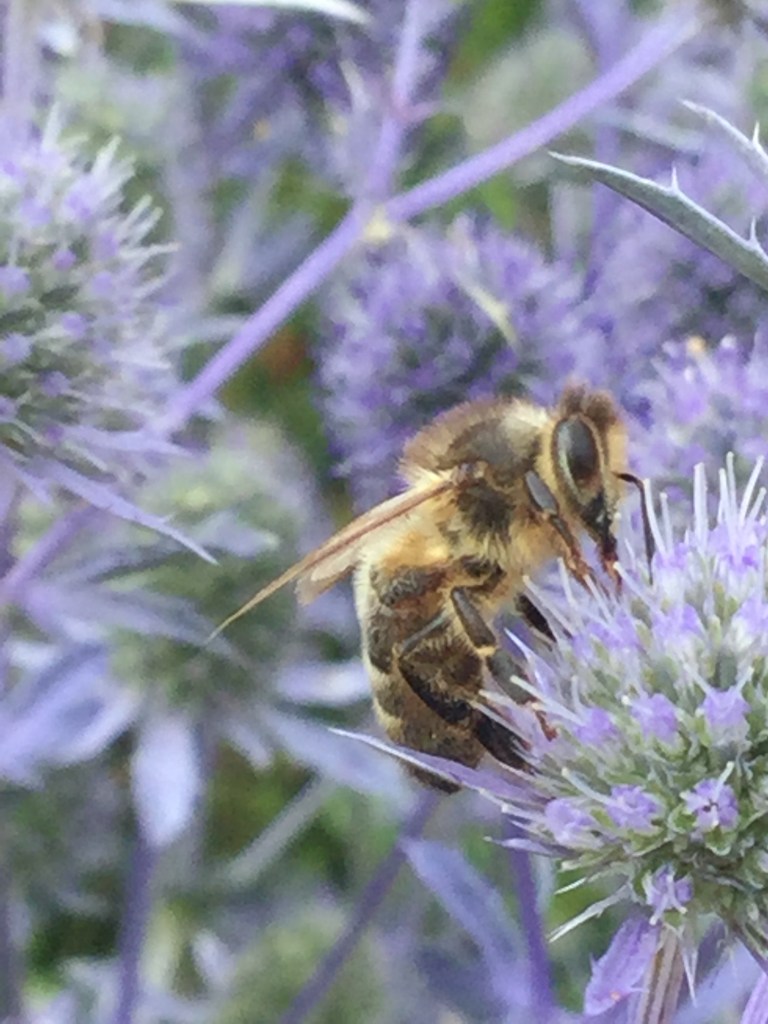
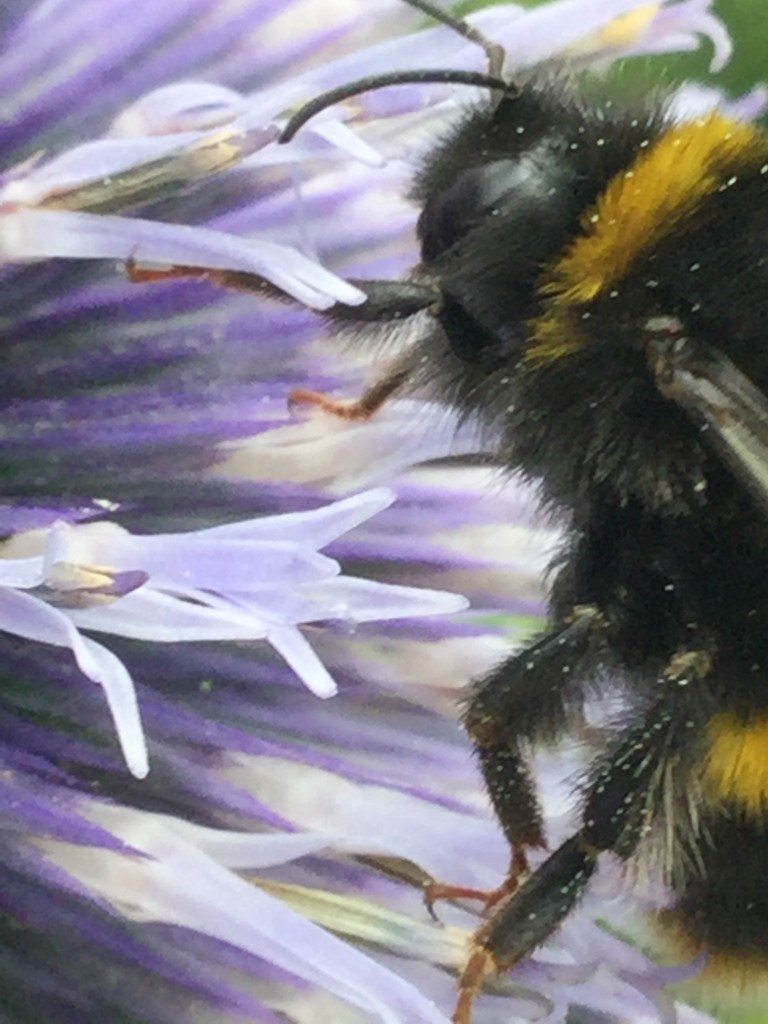
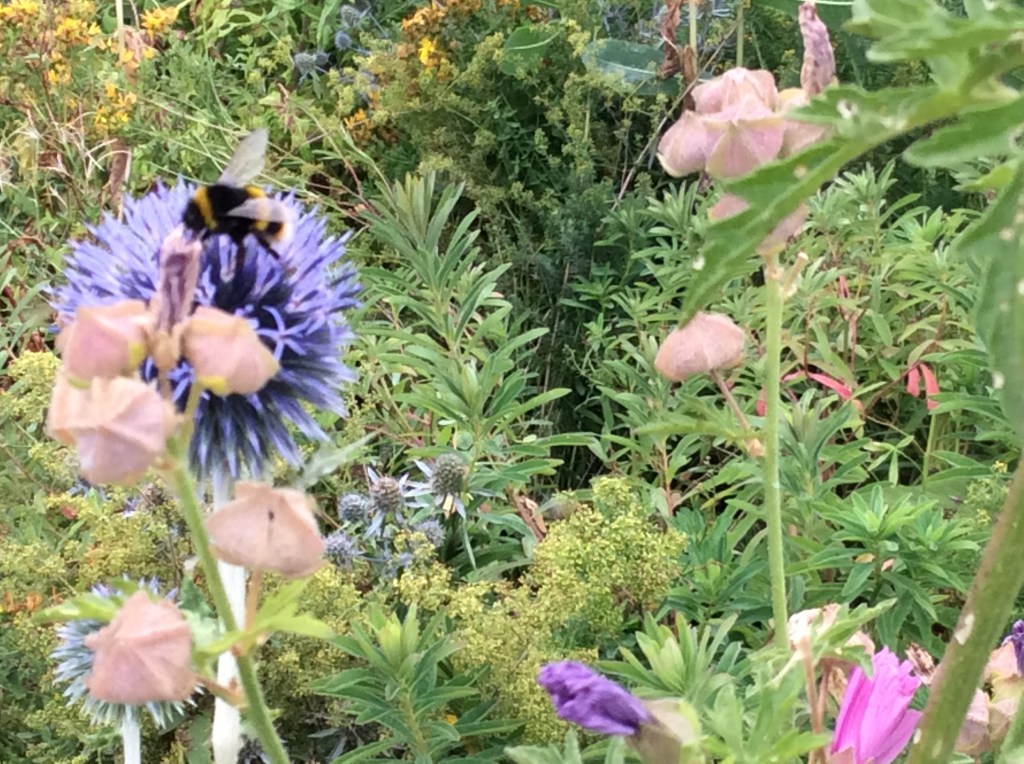
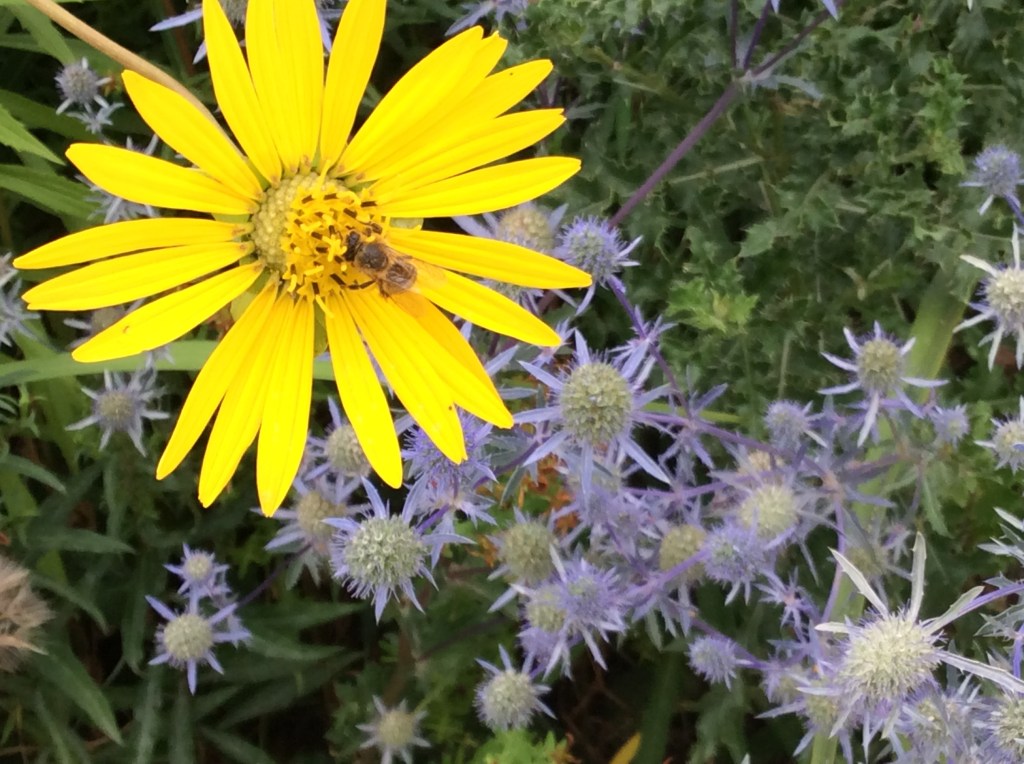
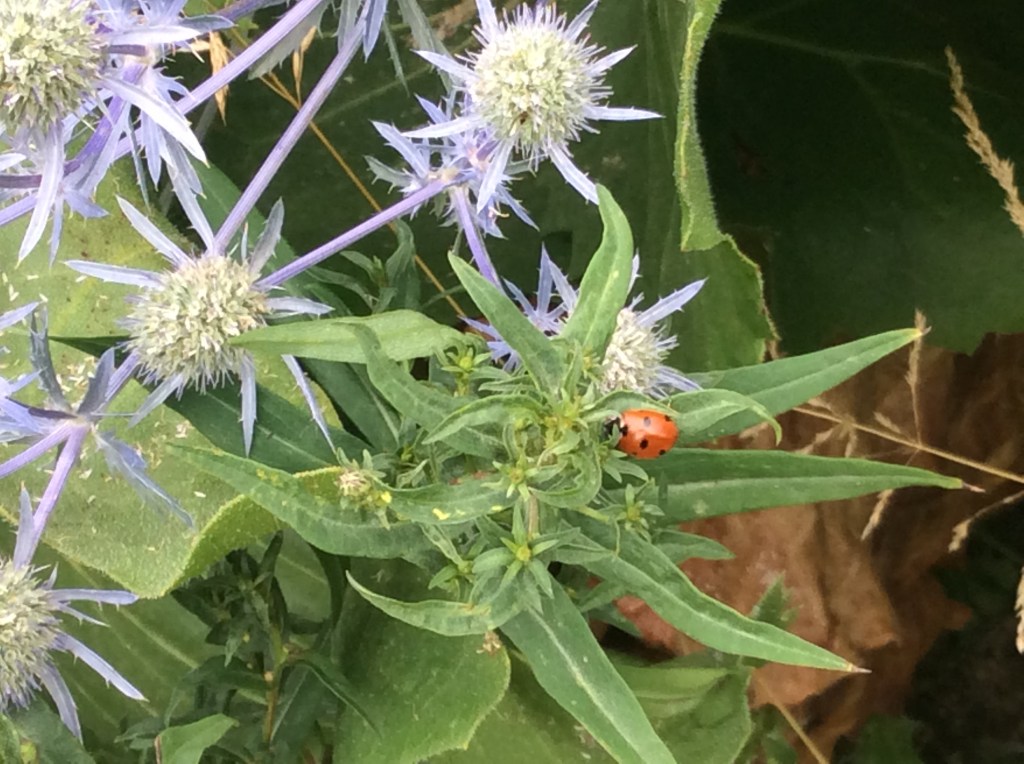
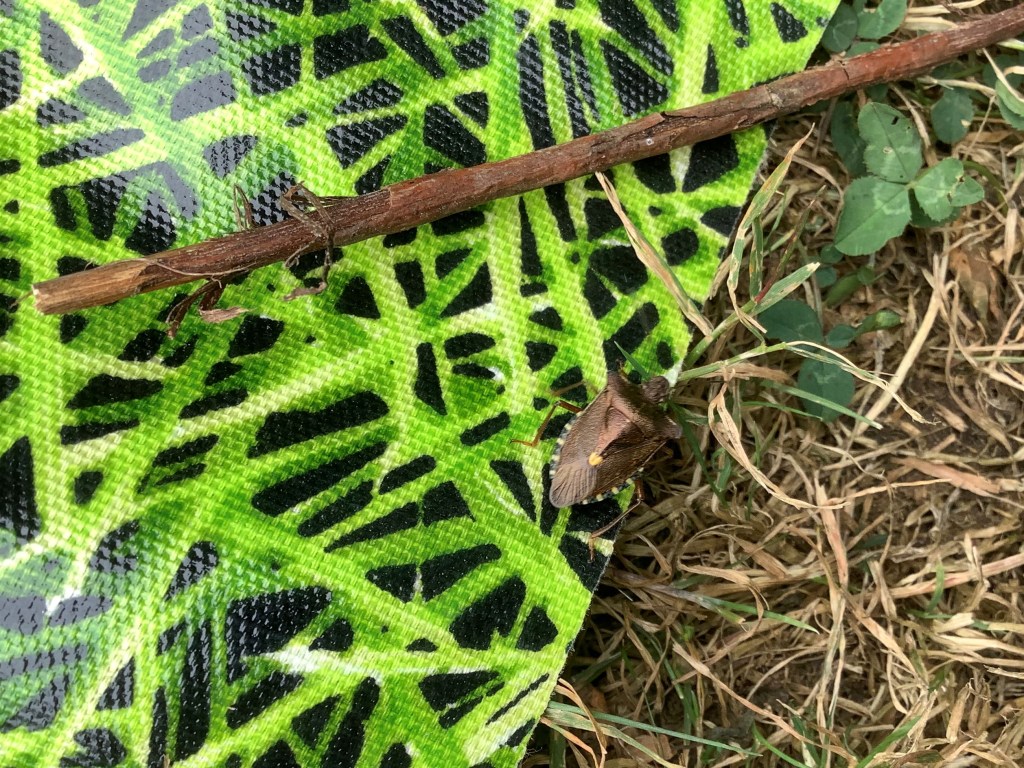
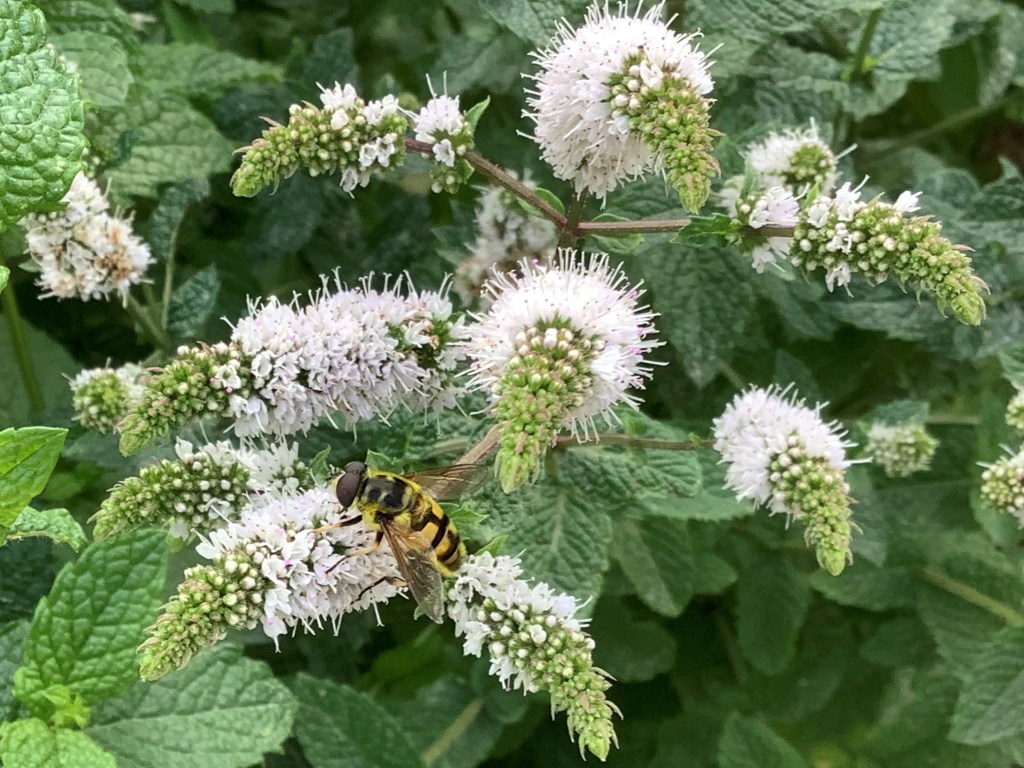
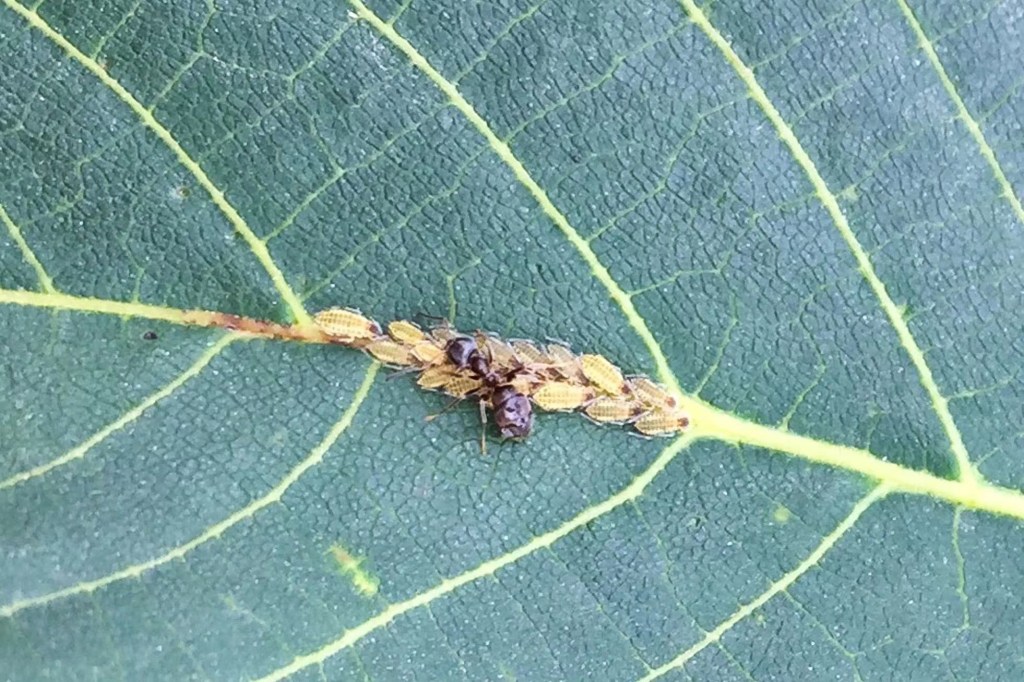
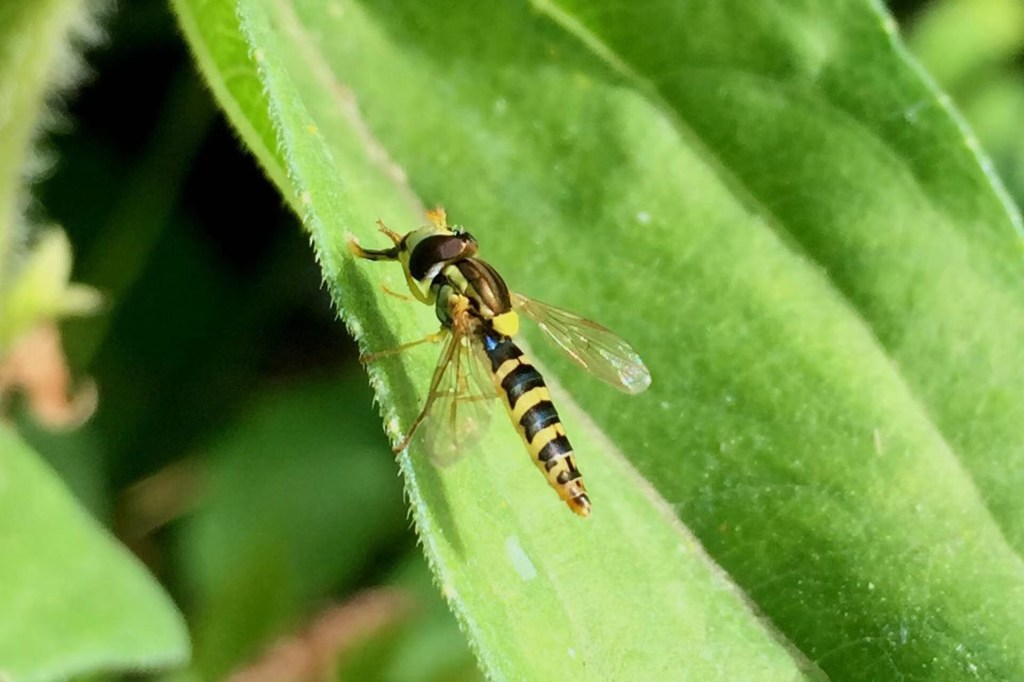
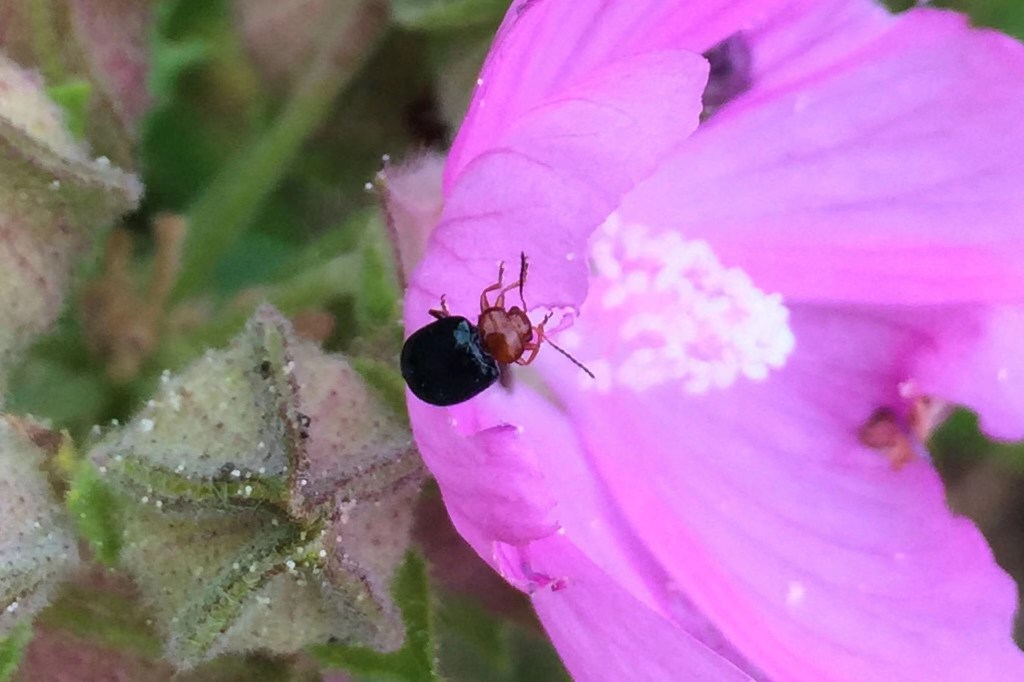
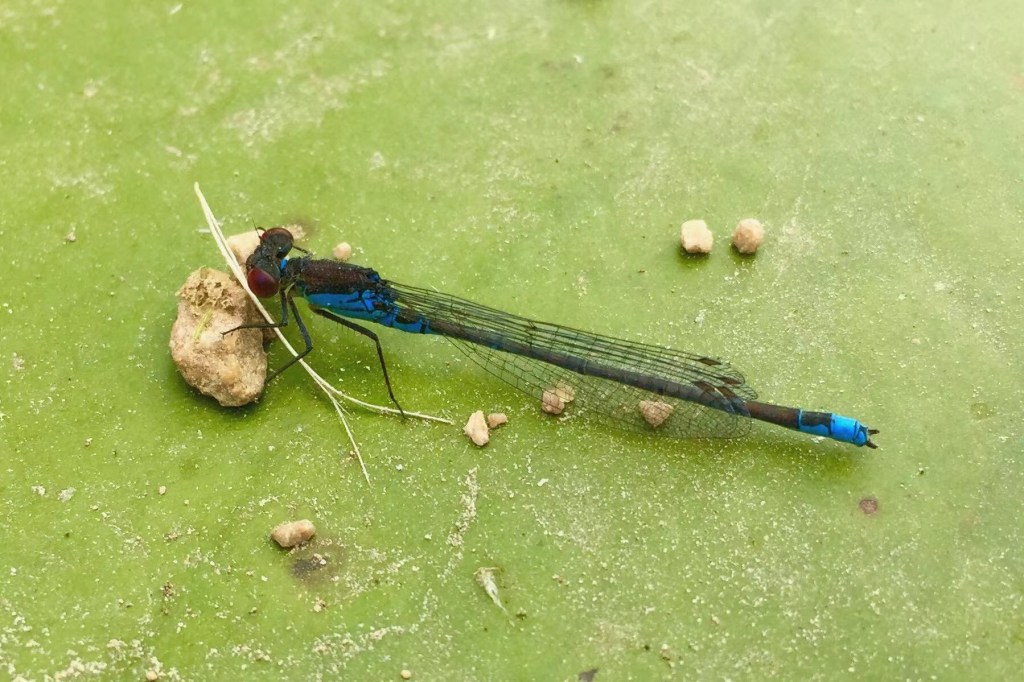
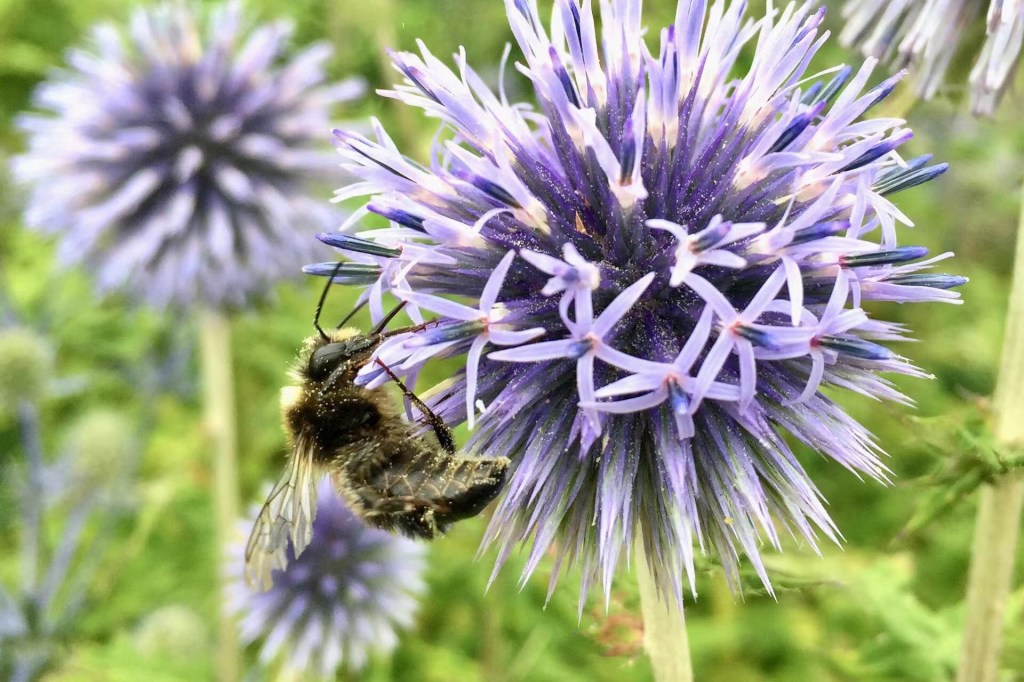
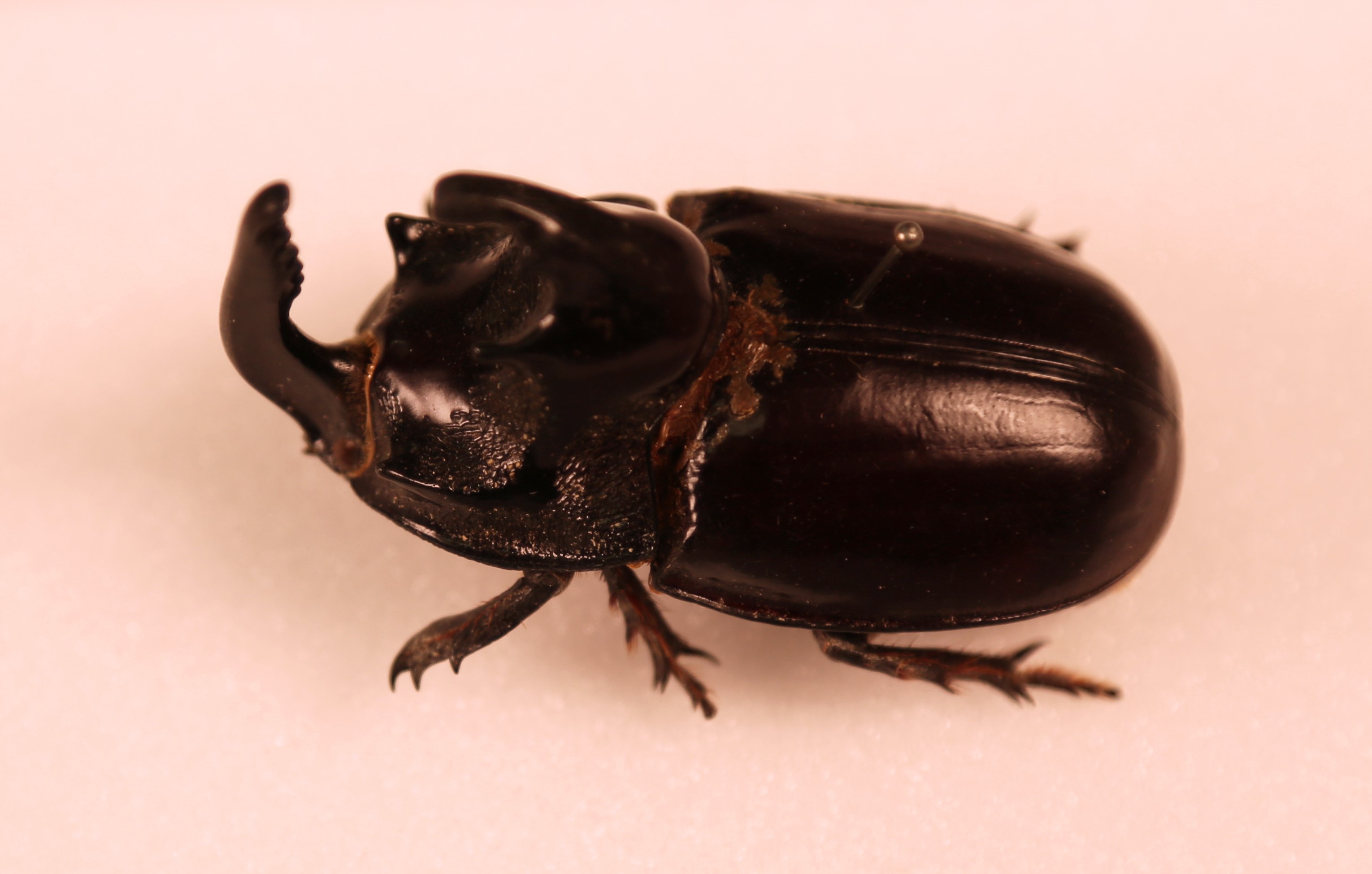
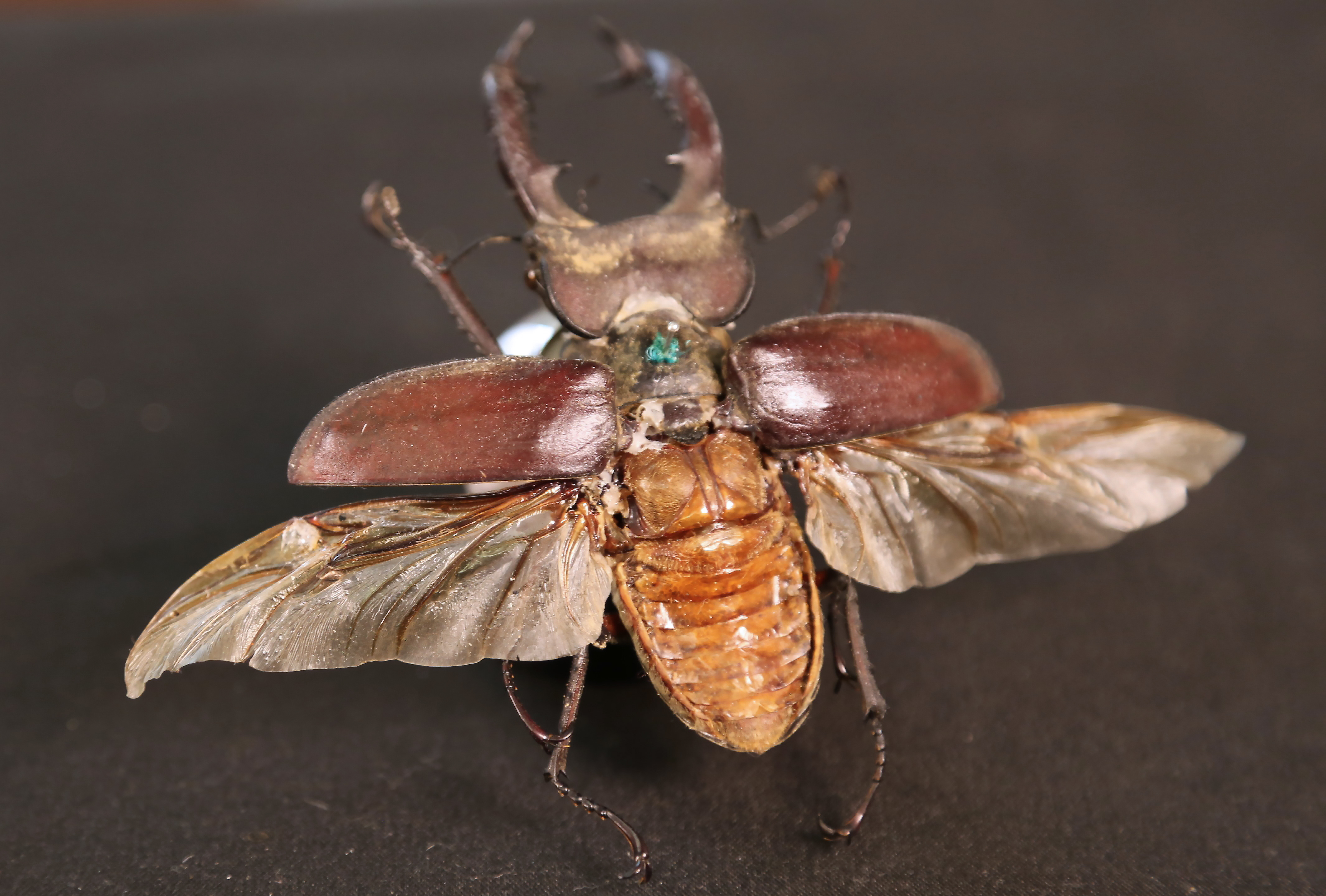
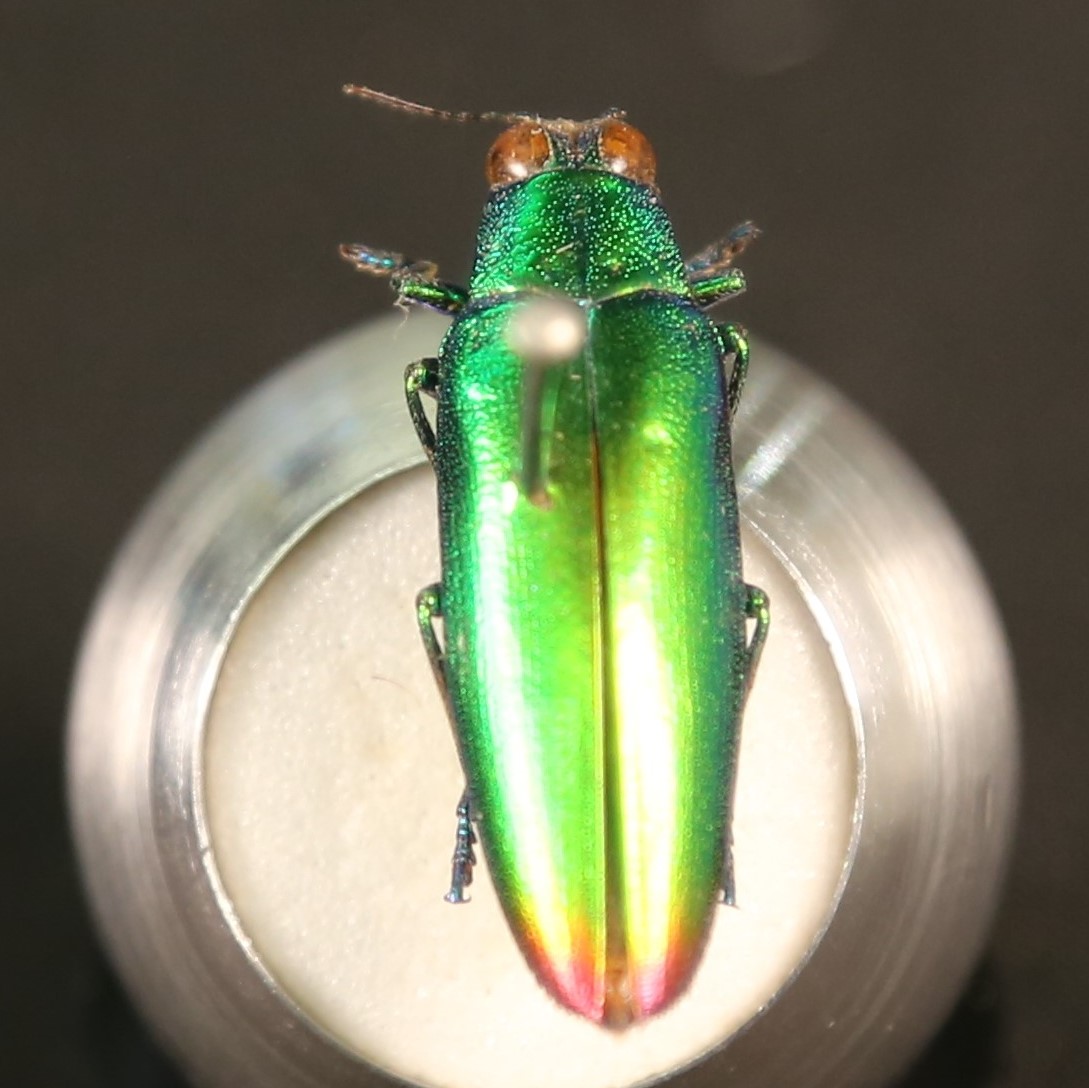
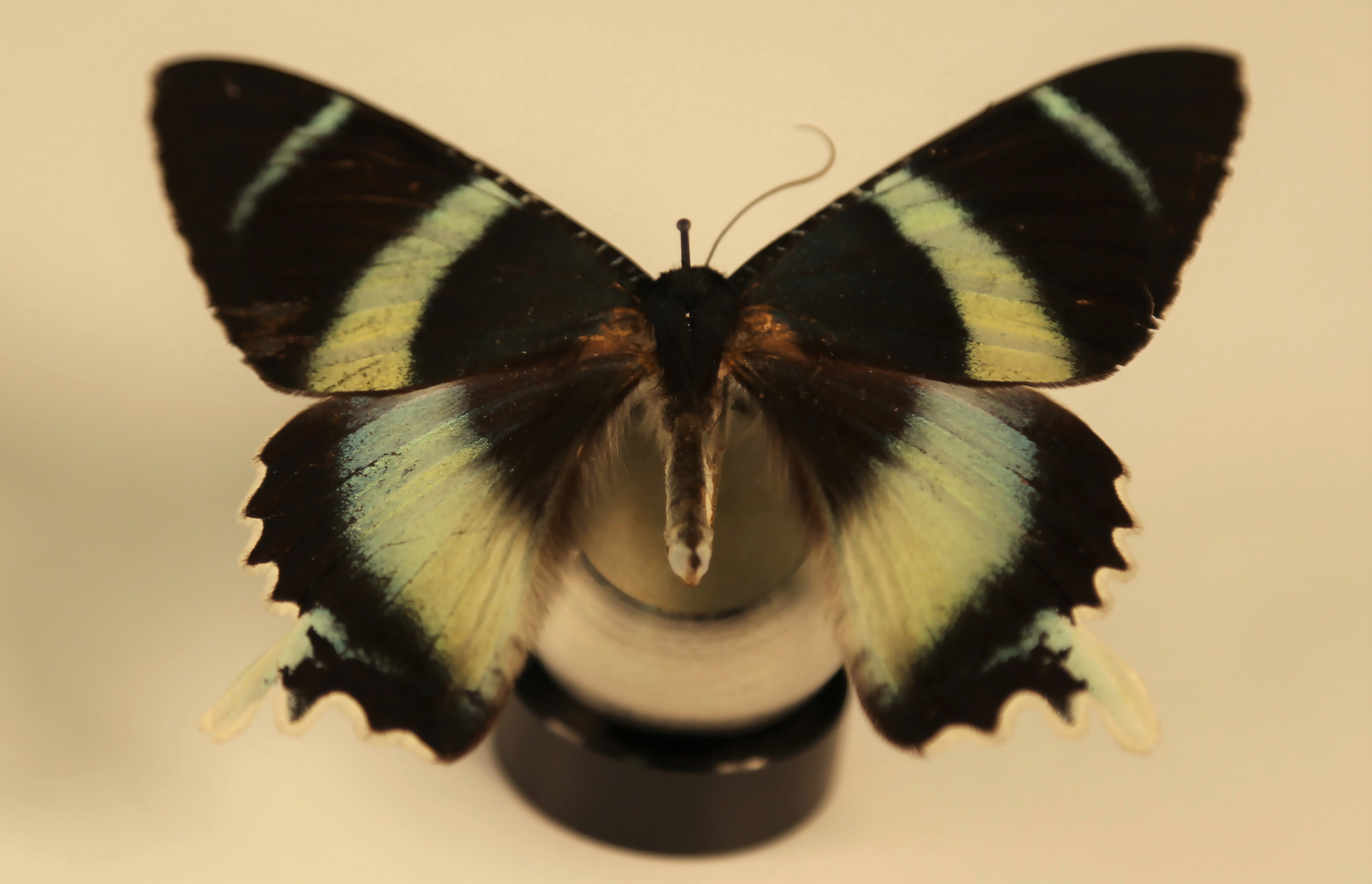
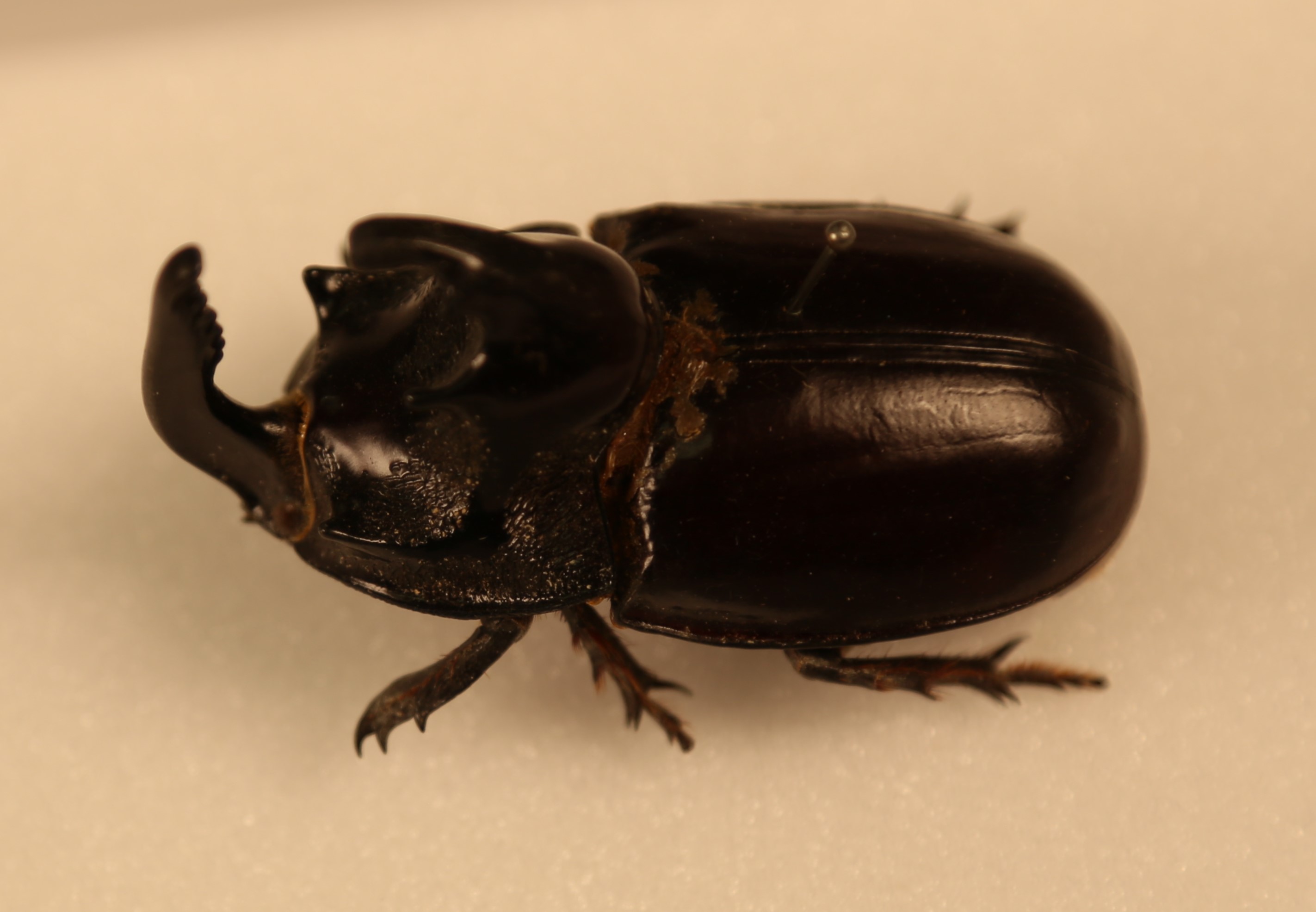
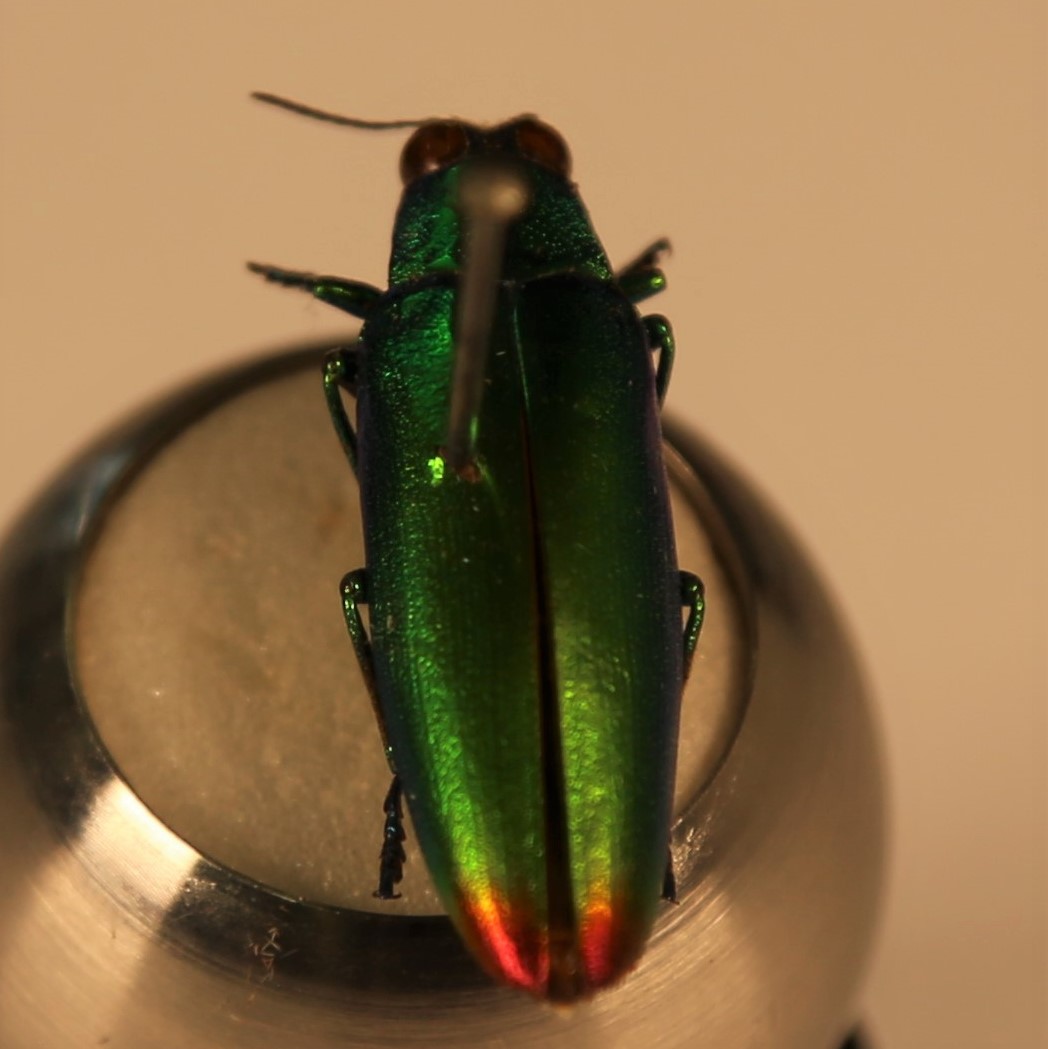
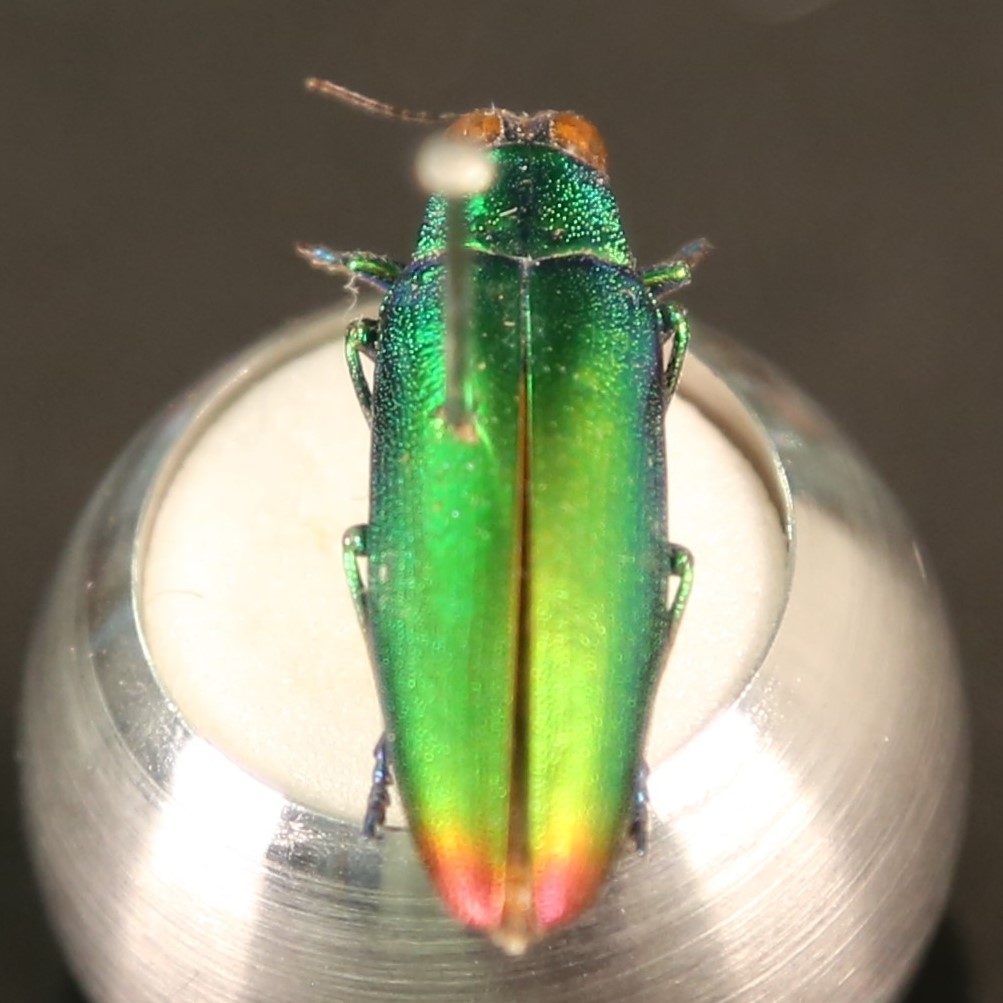
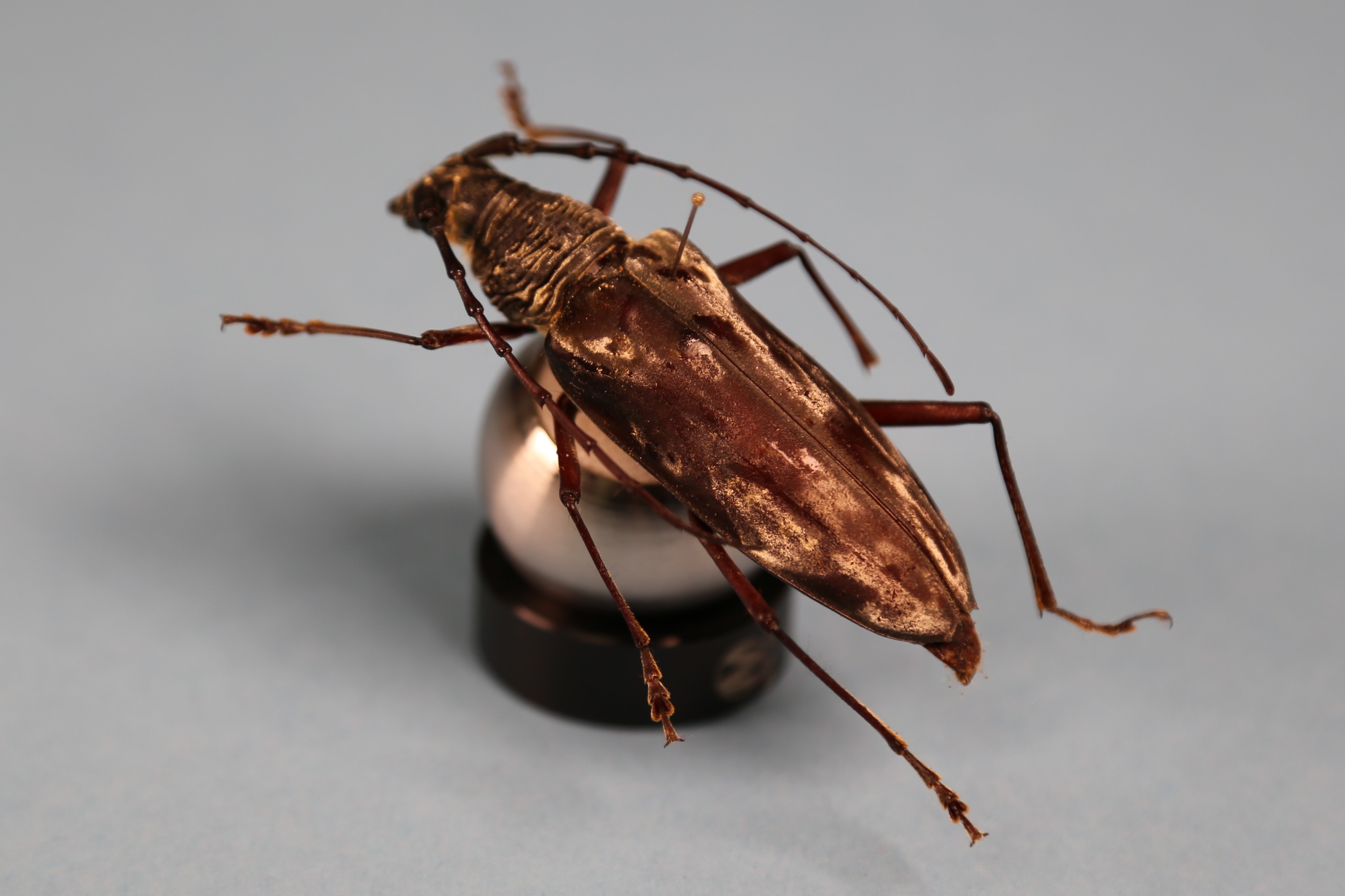
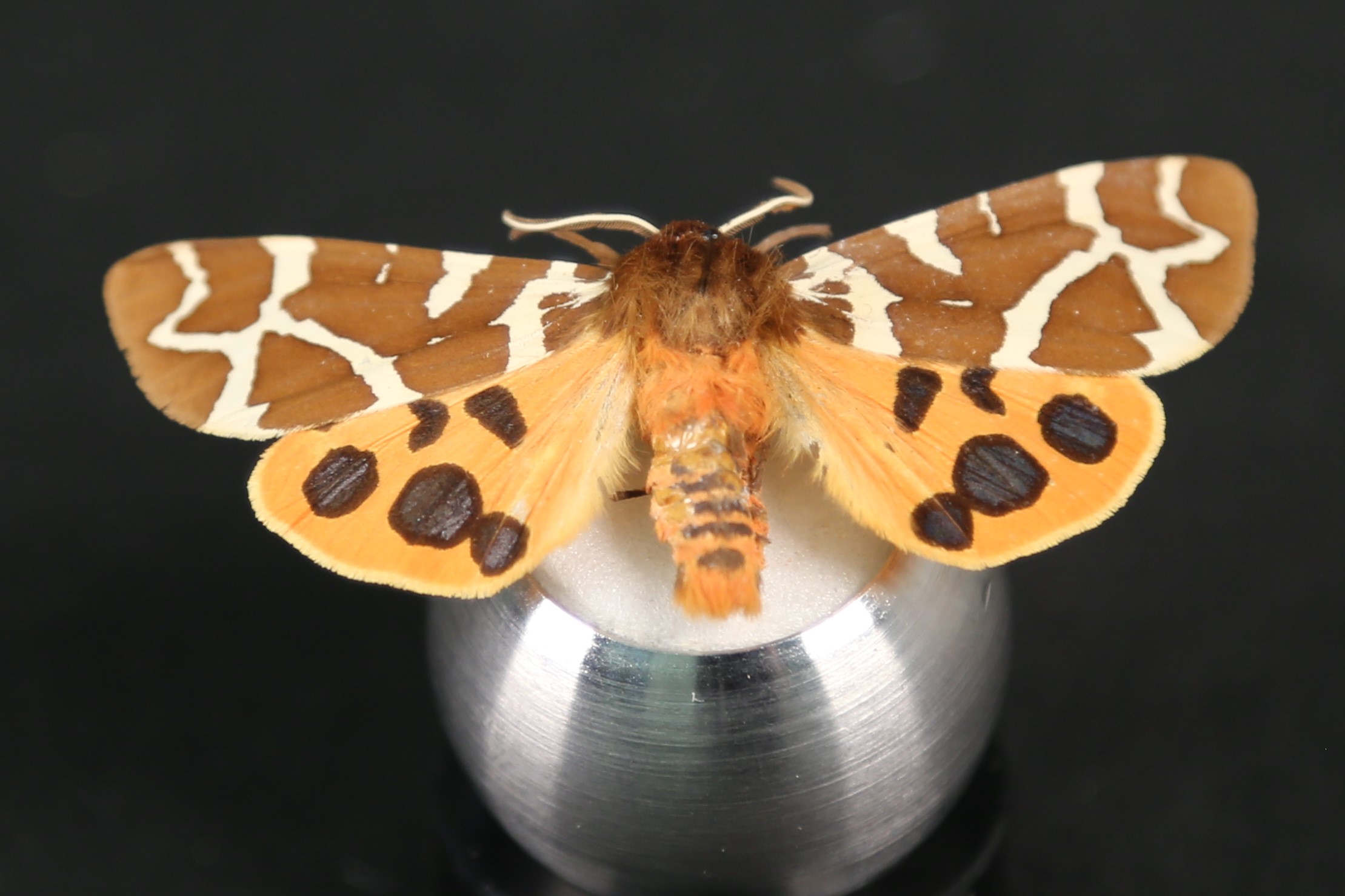
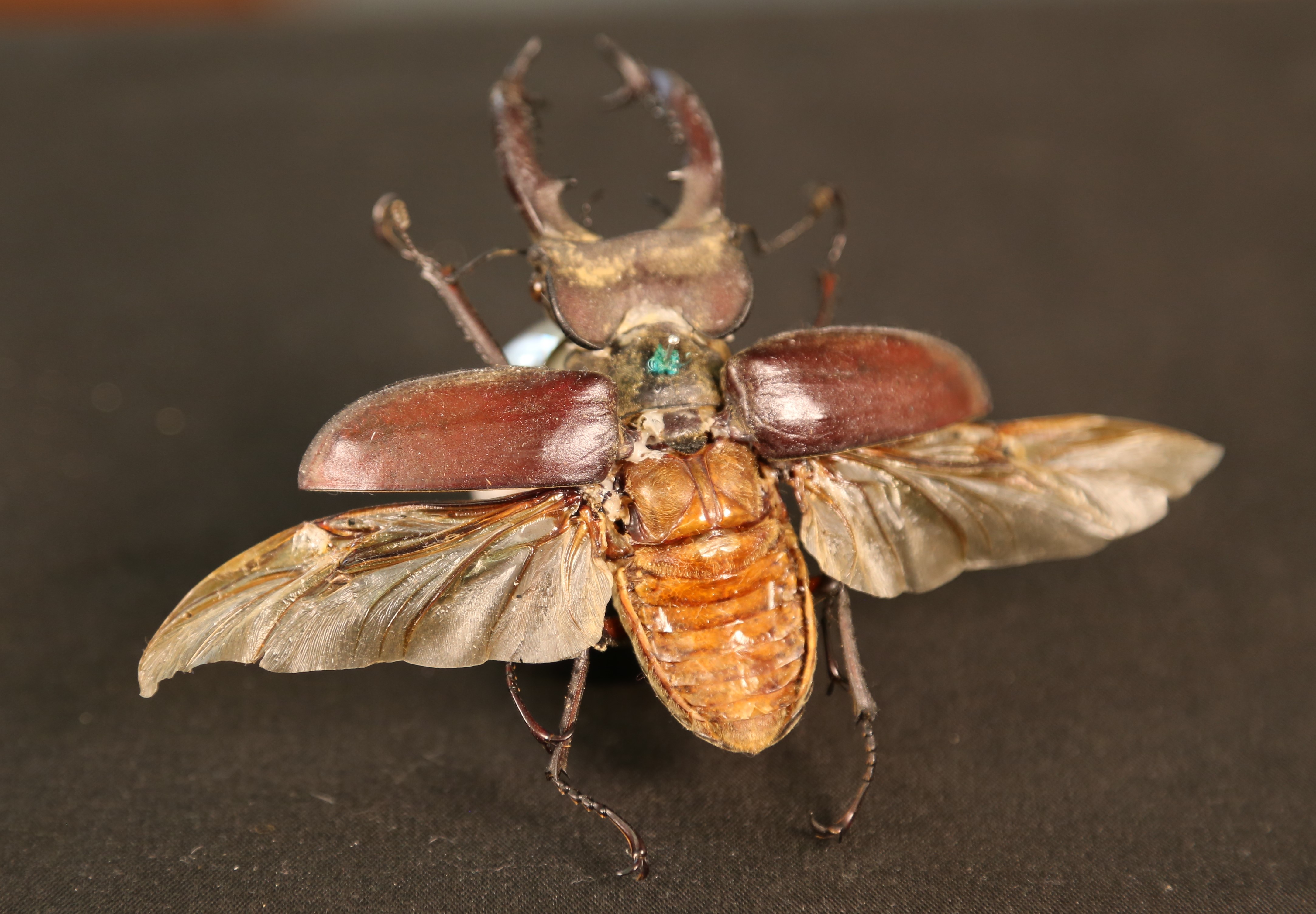
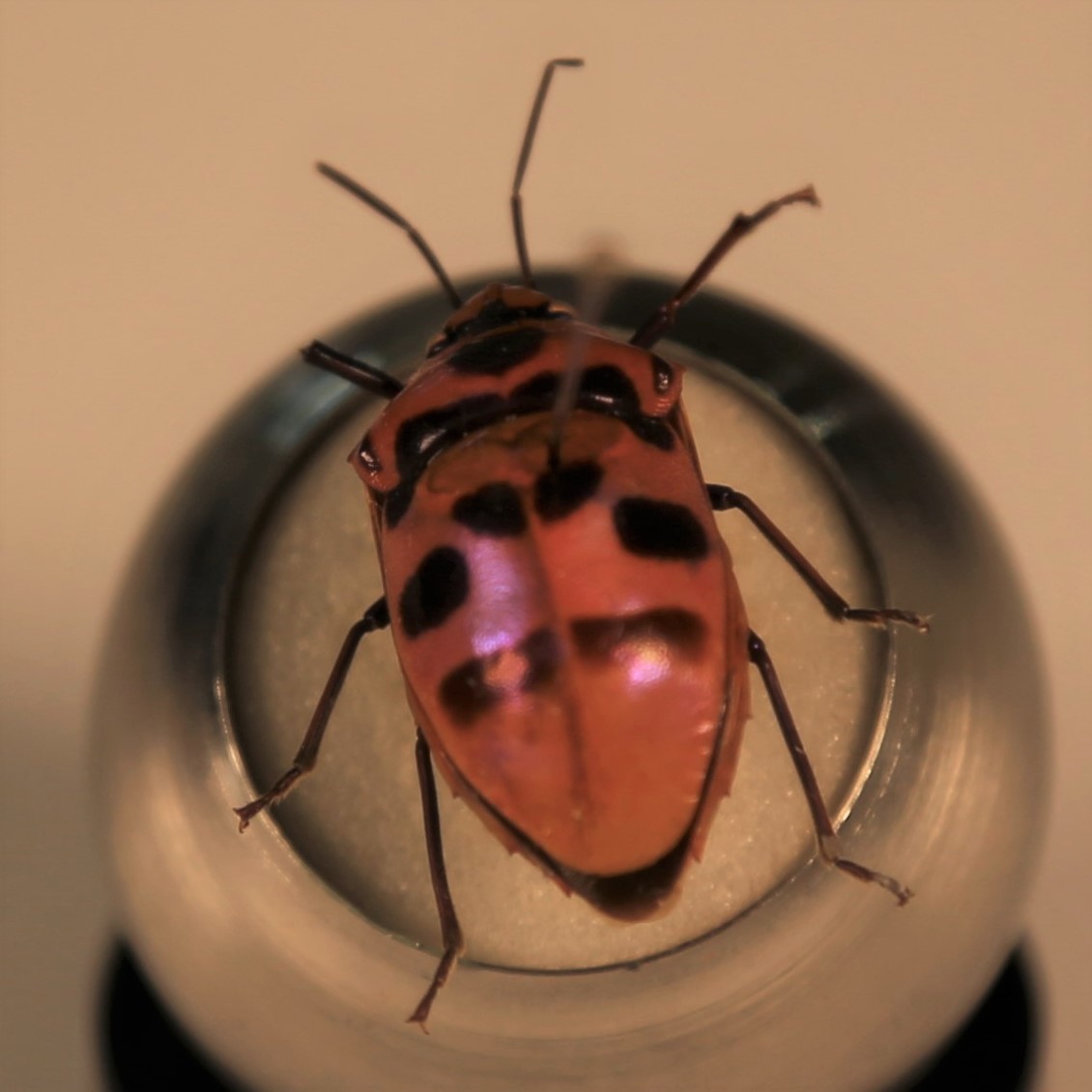
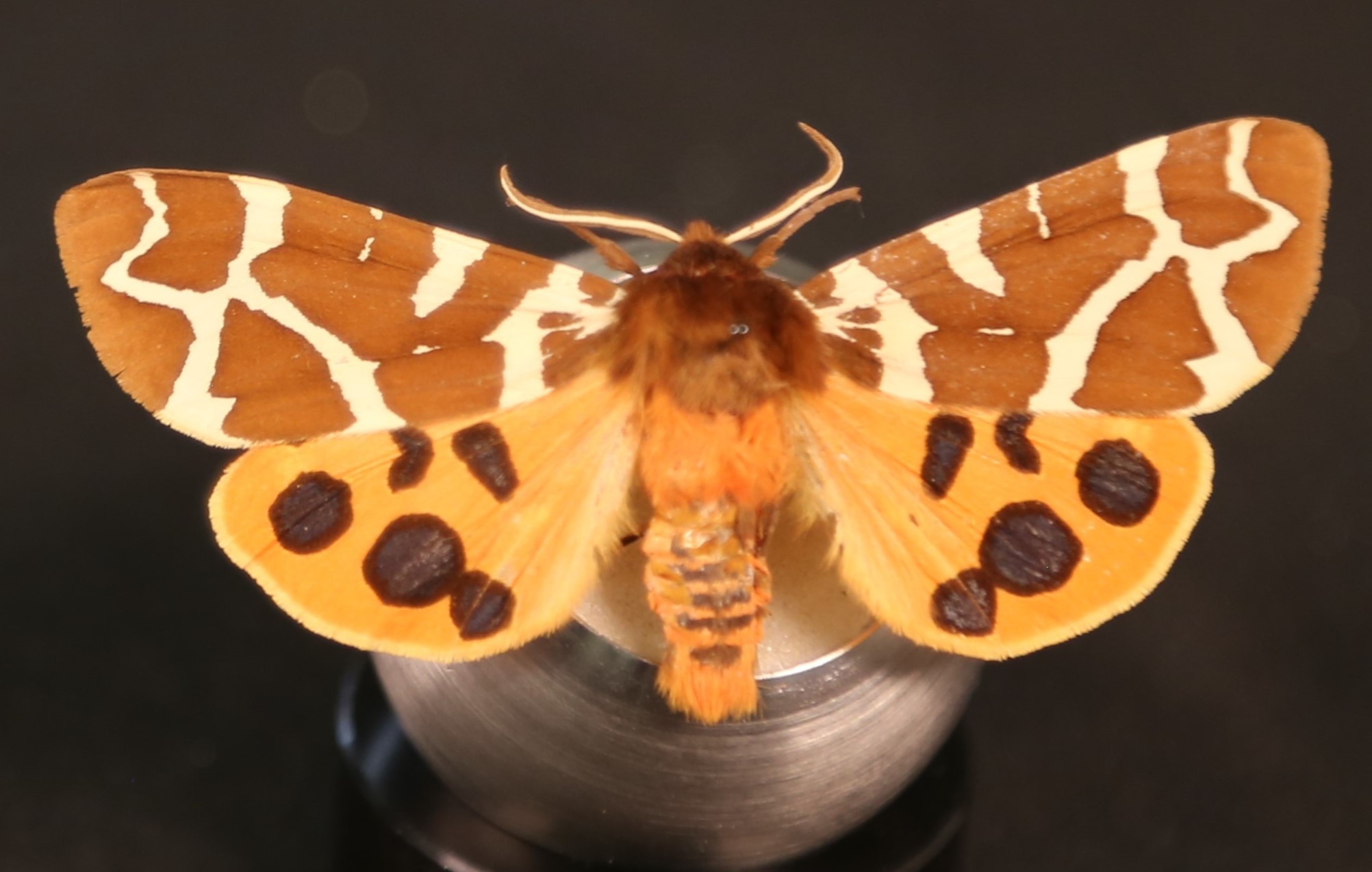
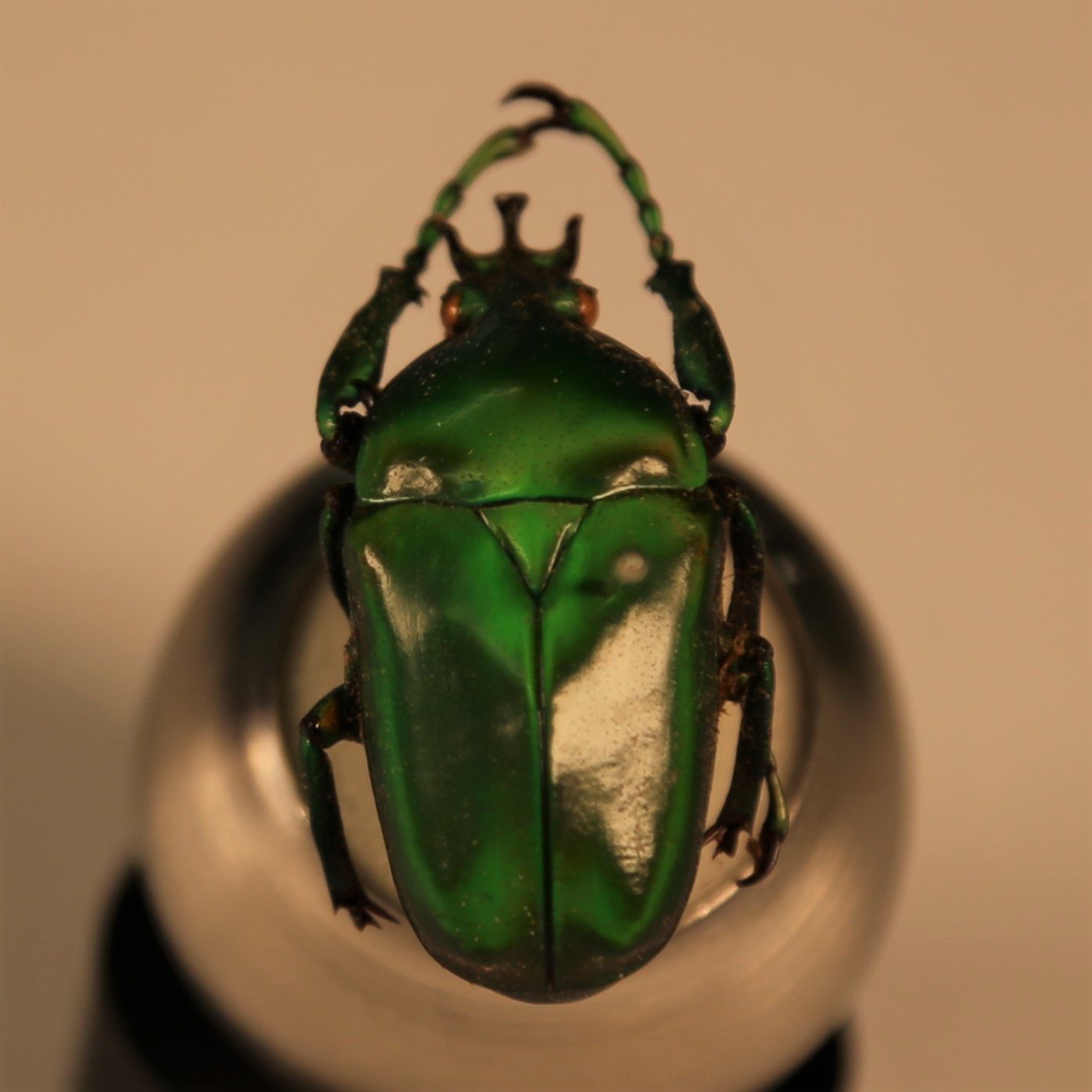
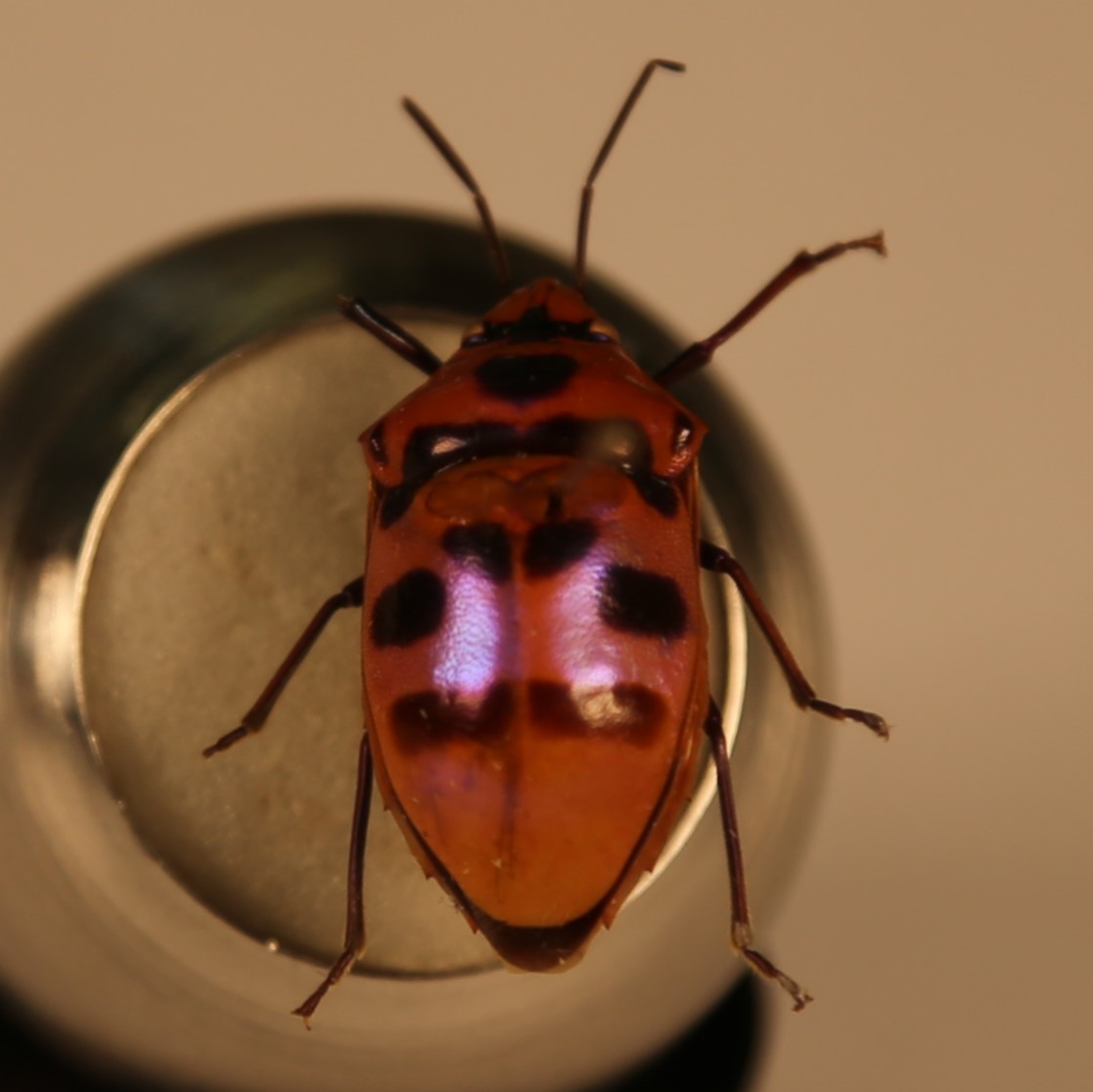
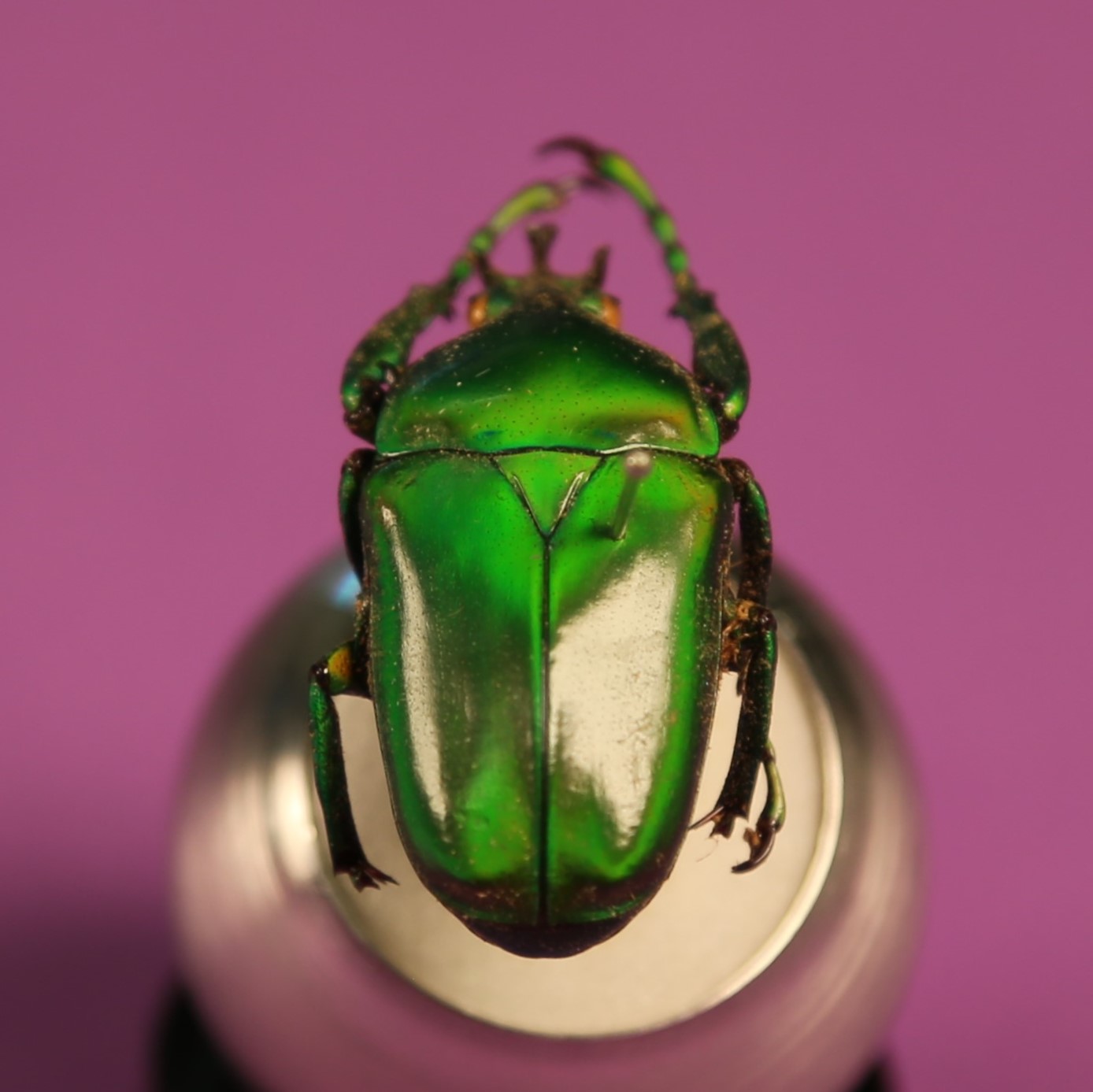
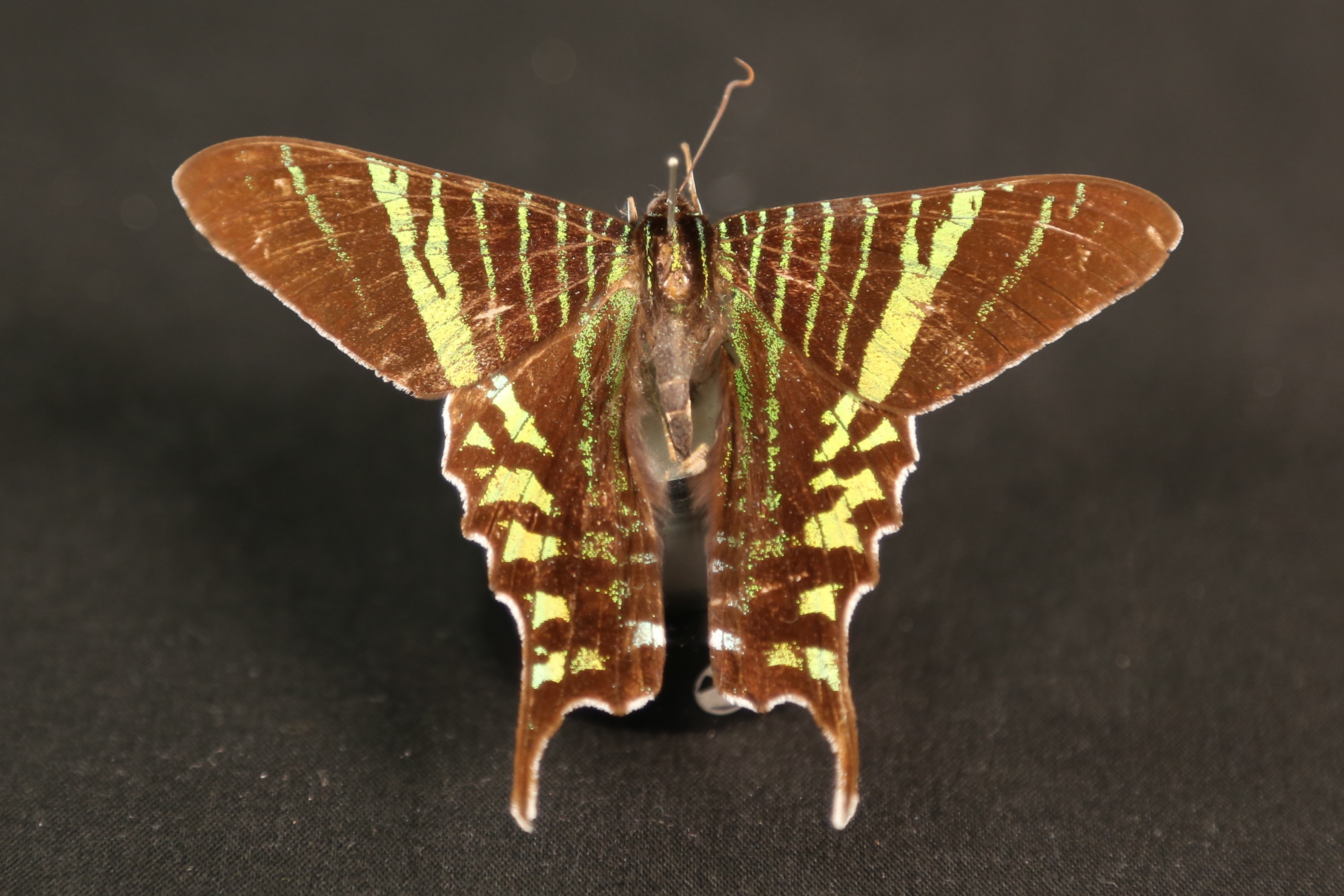
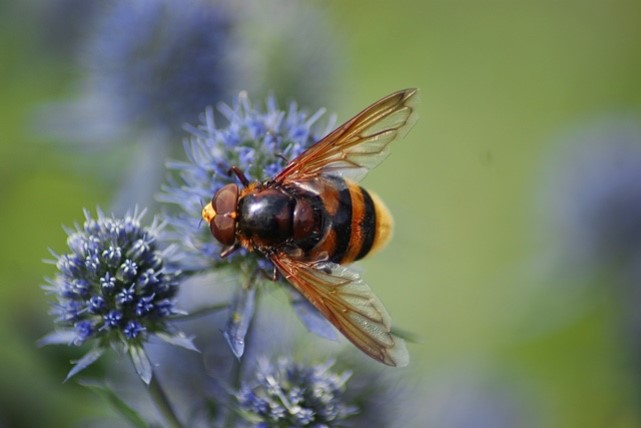
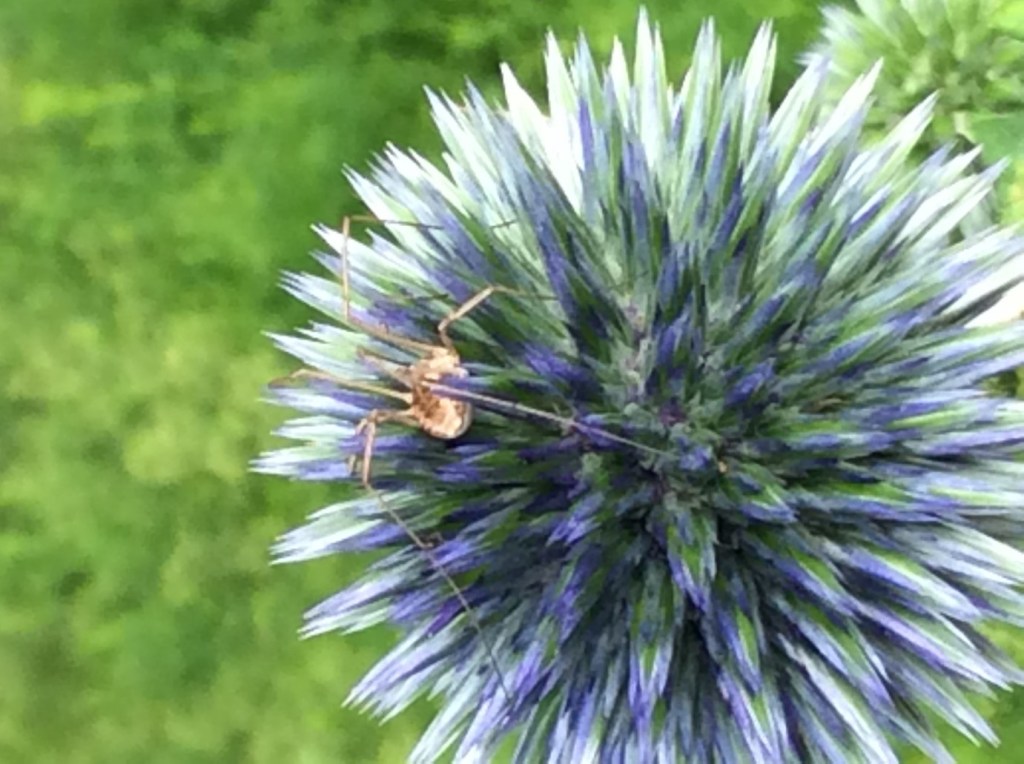
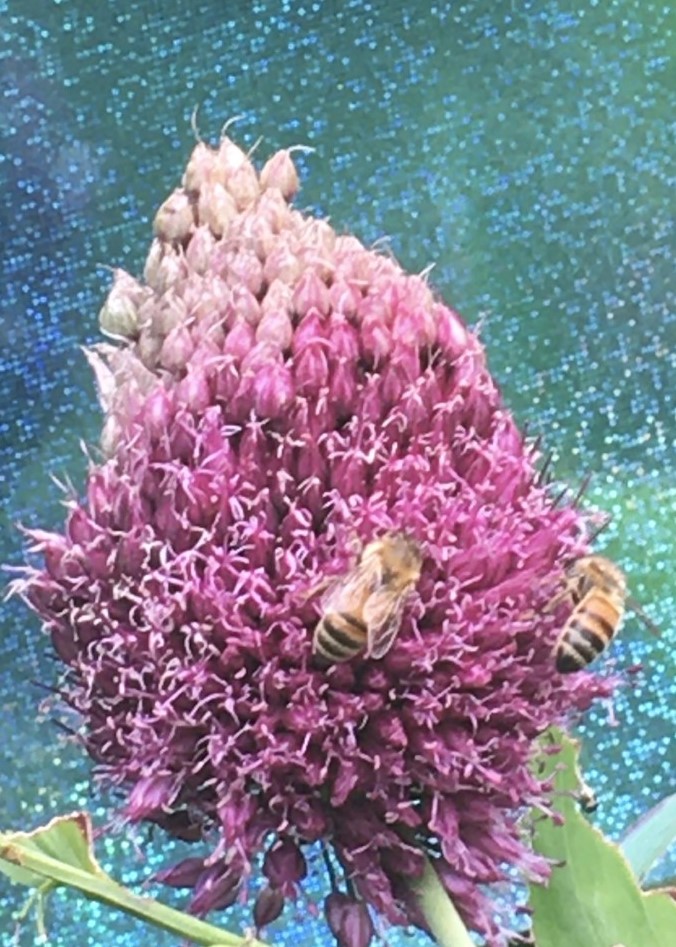
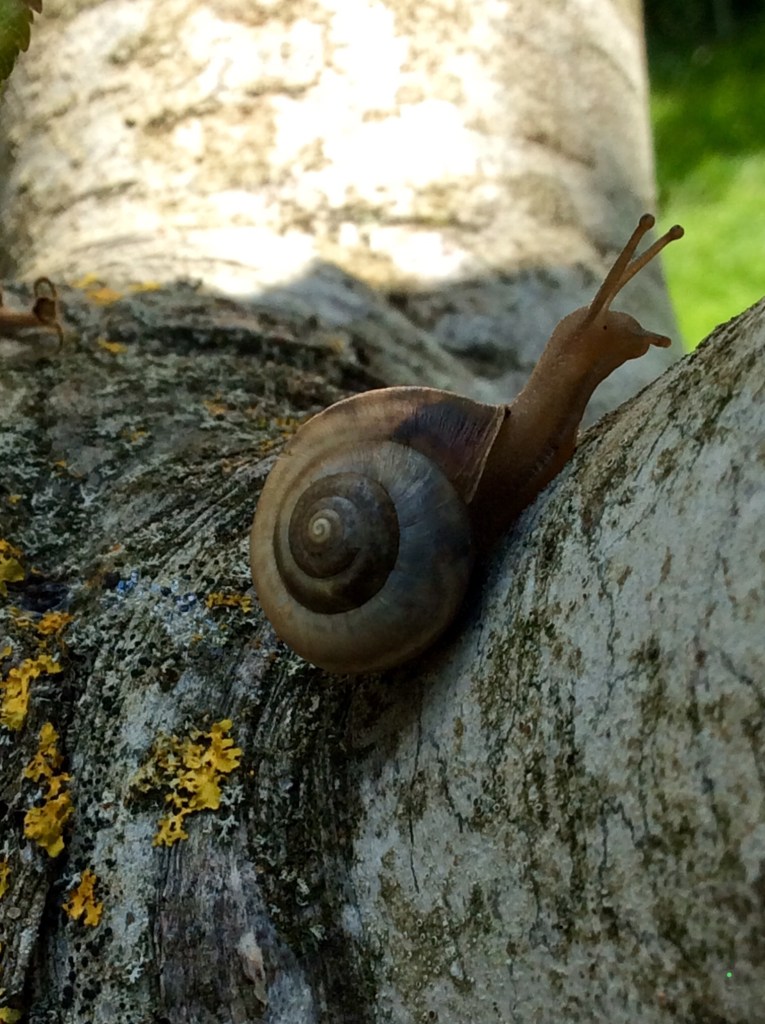
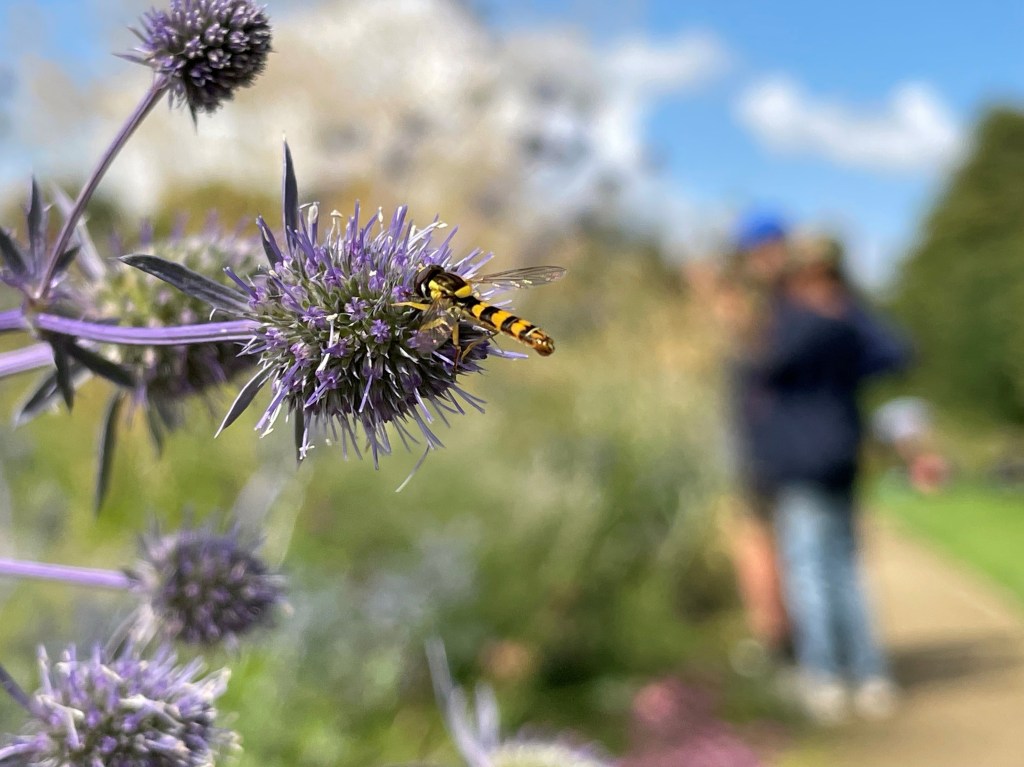
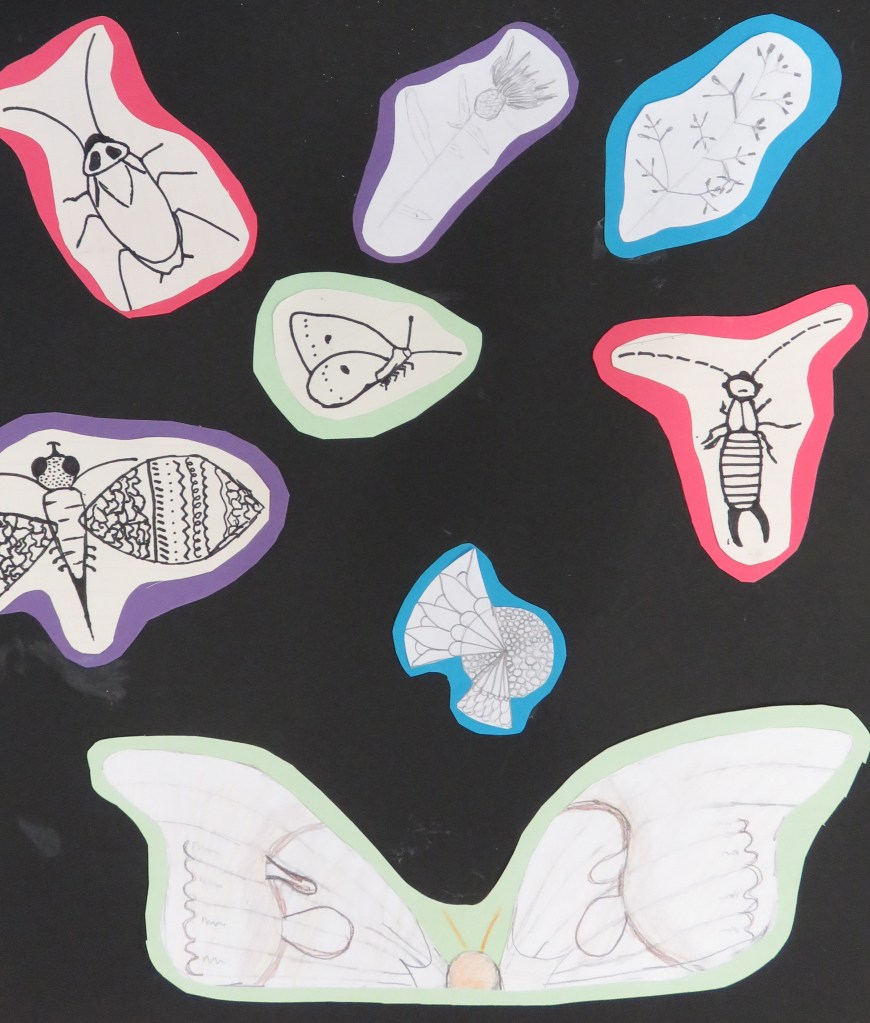
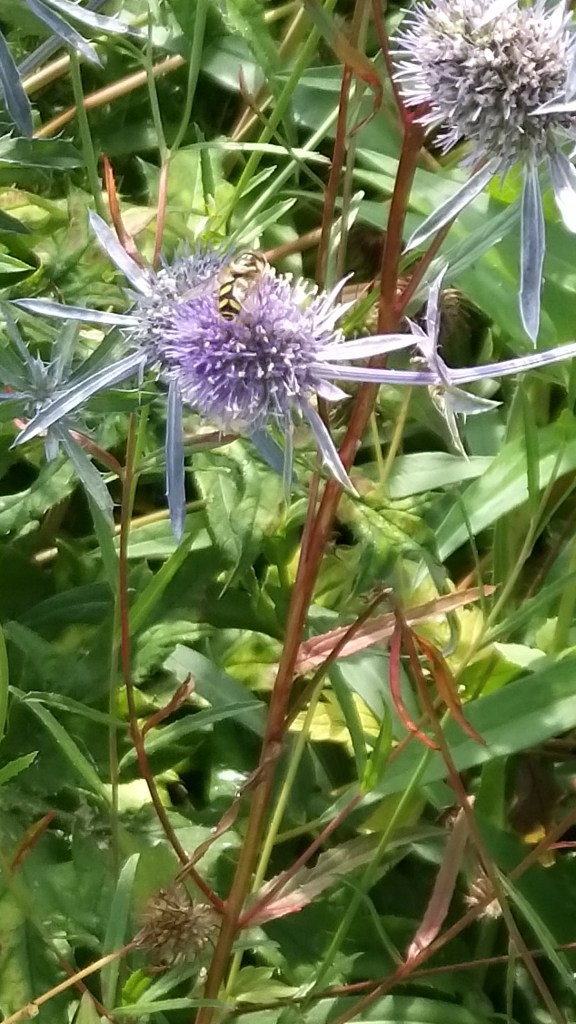
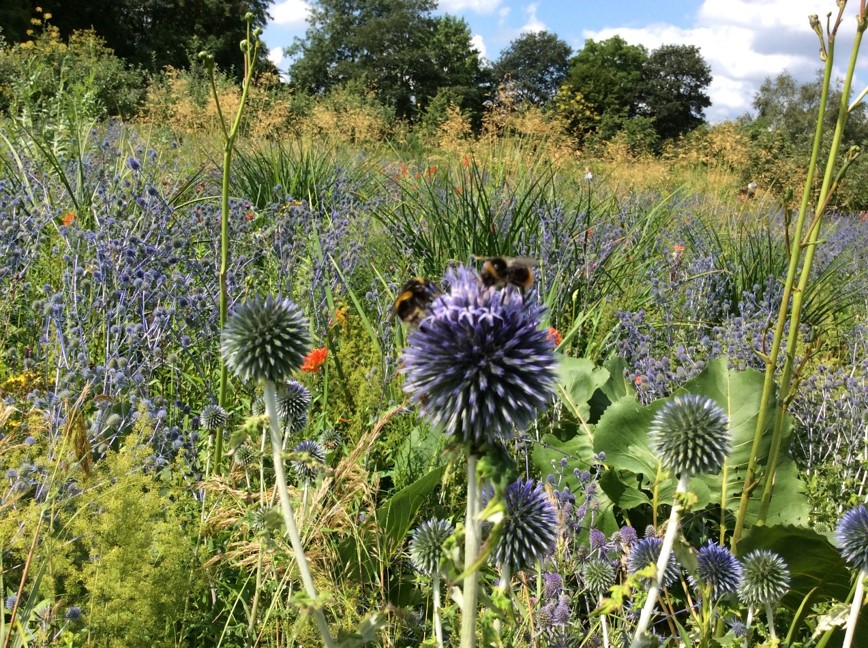
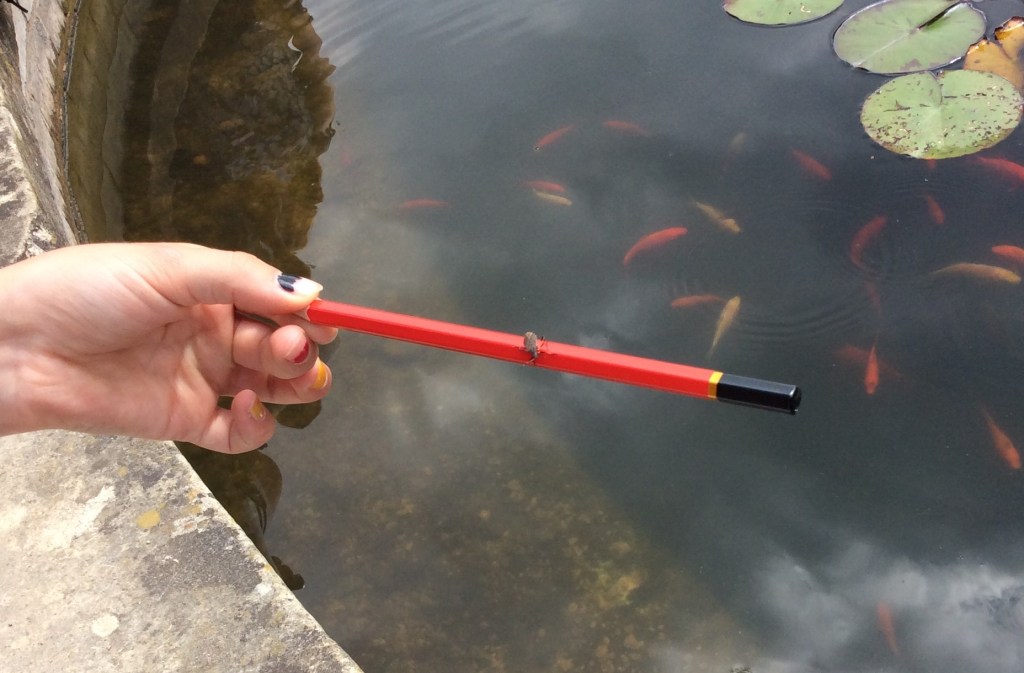
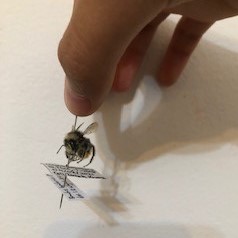
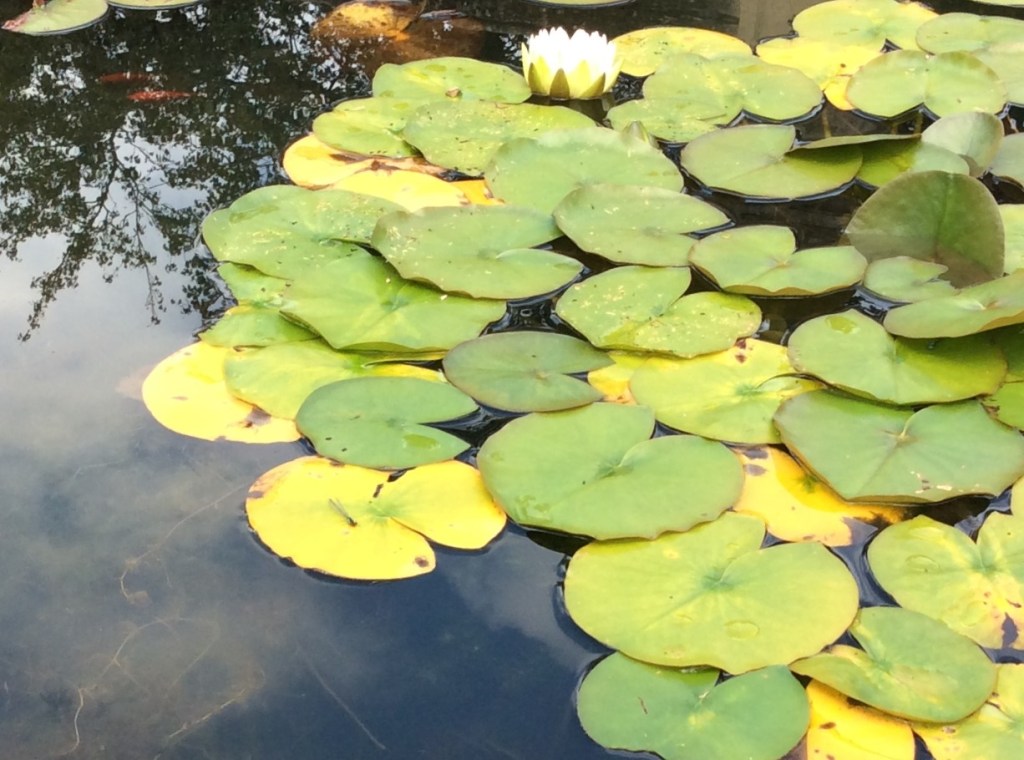
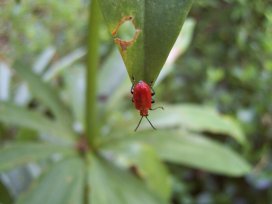
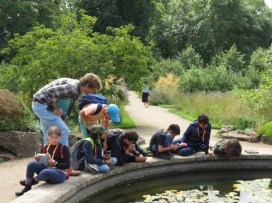
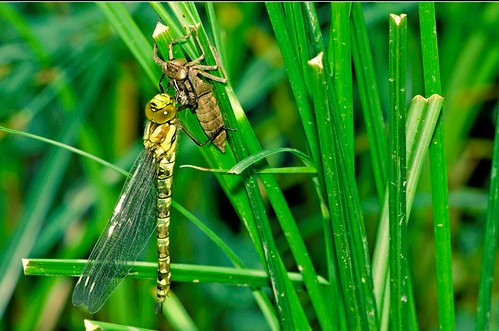
A gallery of your favourite insect photos. We’d love to share yours too!
If you would like us to share one of your photos, please email it to hopelearning@oum.ox.ac.uk. If you want us to use your name in the image credit, we will need permission from your parent or guardian.
Despite being viewed as a pest by many a gardener, for munching the leaves of their prized lilies, the lily beetle (Lilioceris Lilii) is a favourite insect of Andrew Salisbury, principal entomologist for the Royal Horticultural Society (RHS). In this short film Andrew tells us a bit about the lily beetle and why he finds it so fascinating.
Are there any insects that are often considered pests that you have a particular interest in? Let us know in the comments below or via our contact us page.
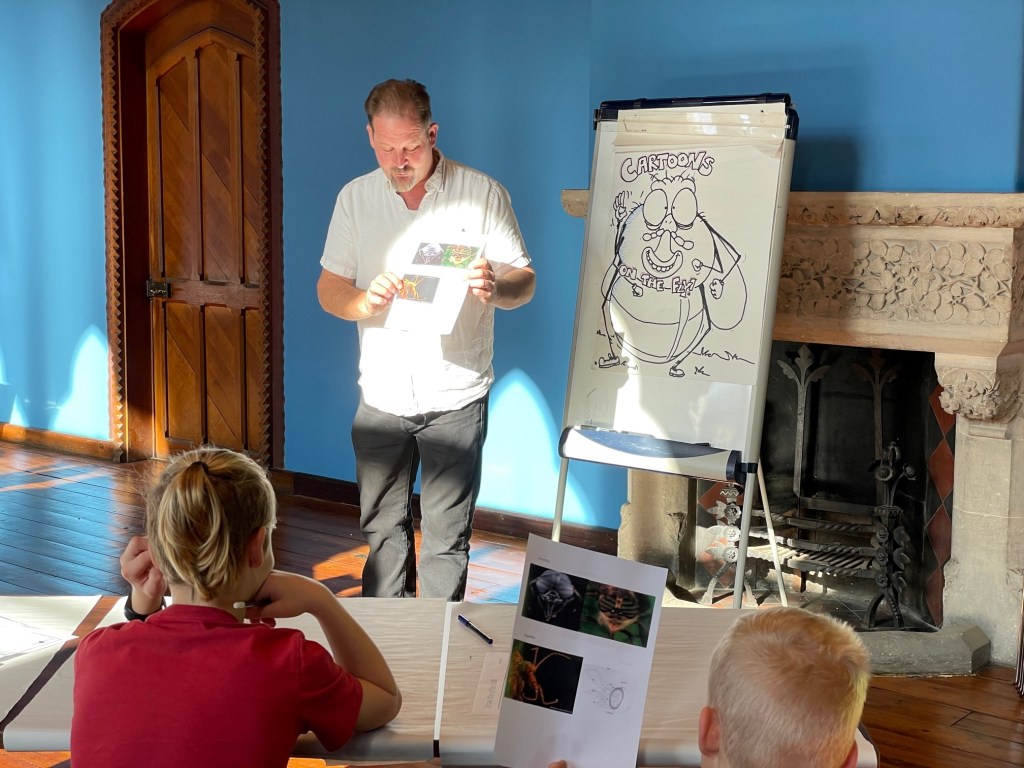
One of the highlights of the HOPE year is the summer school which gives young people a unique insight into both the fascinating world of insects and the equally-intriguing behind-the-scenes work at the museum.
We had to make our summer school virtual in 2020, so we were really pleased to be able to run it at the Museum this year. The wonderful group of enthusiastic young people who joined us spent a week in August exploring the British Insect Collection and the work of entomologists, developing their skills and doing their own research.
Insight into the Museum
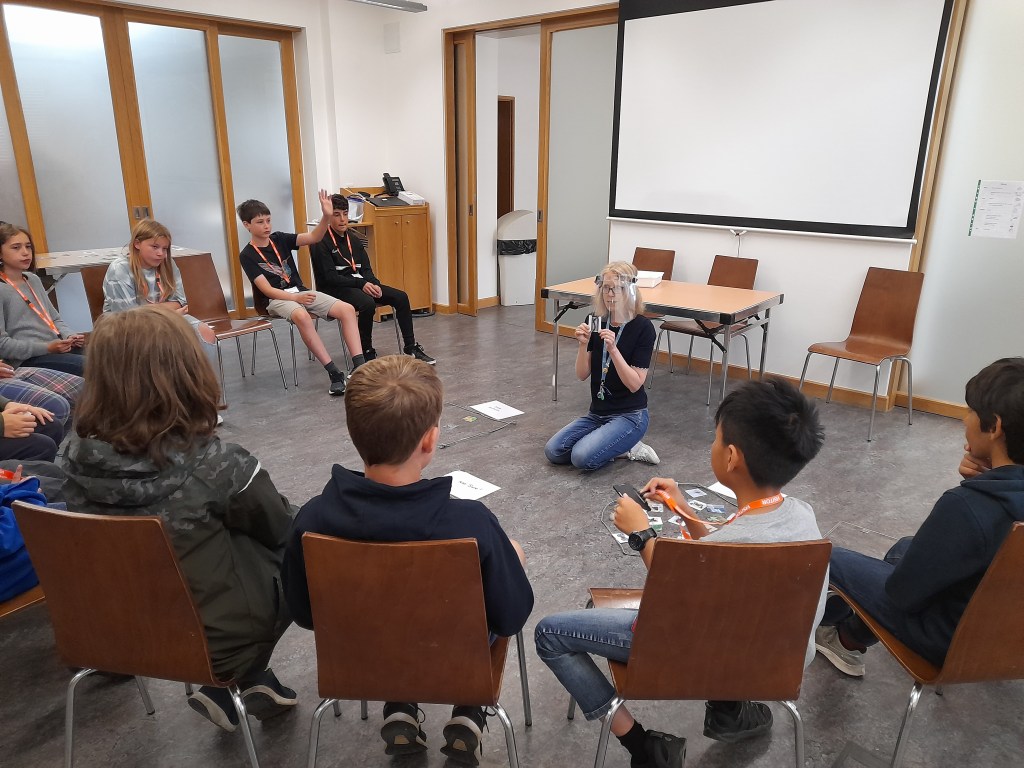
Getting to know each other… and the insects!
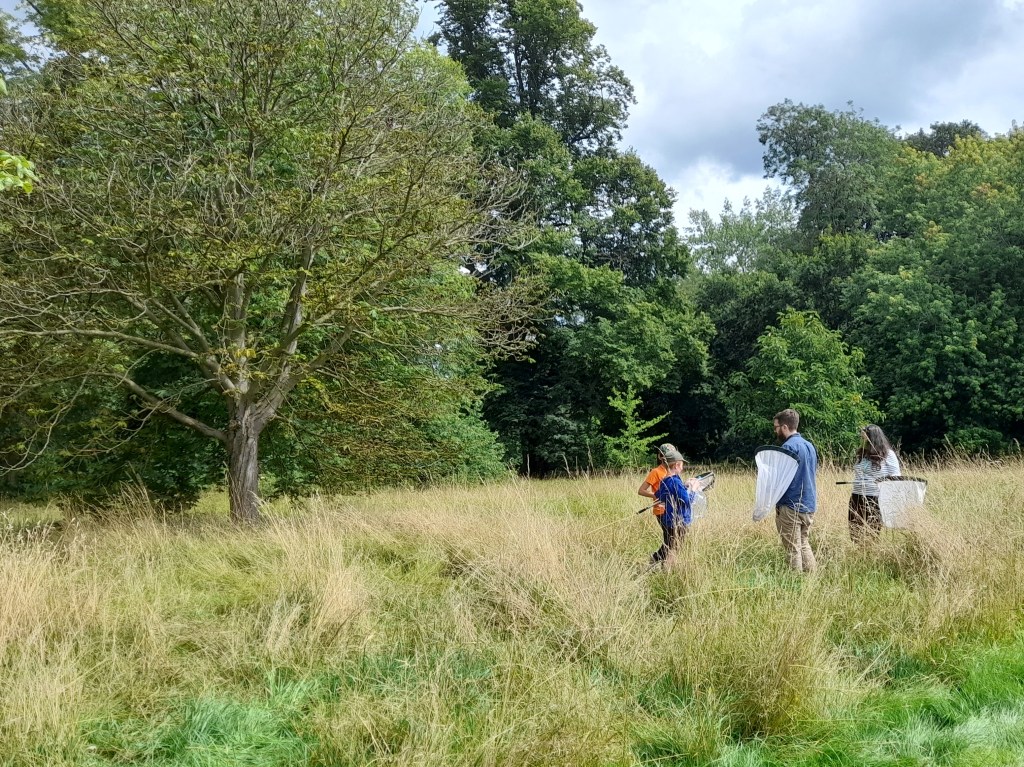
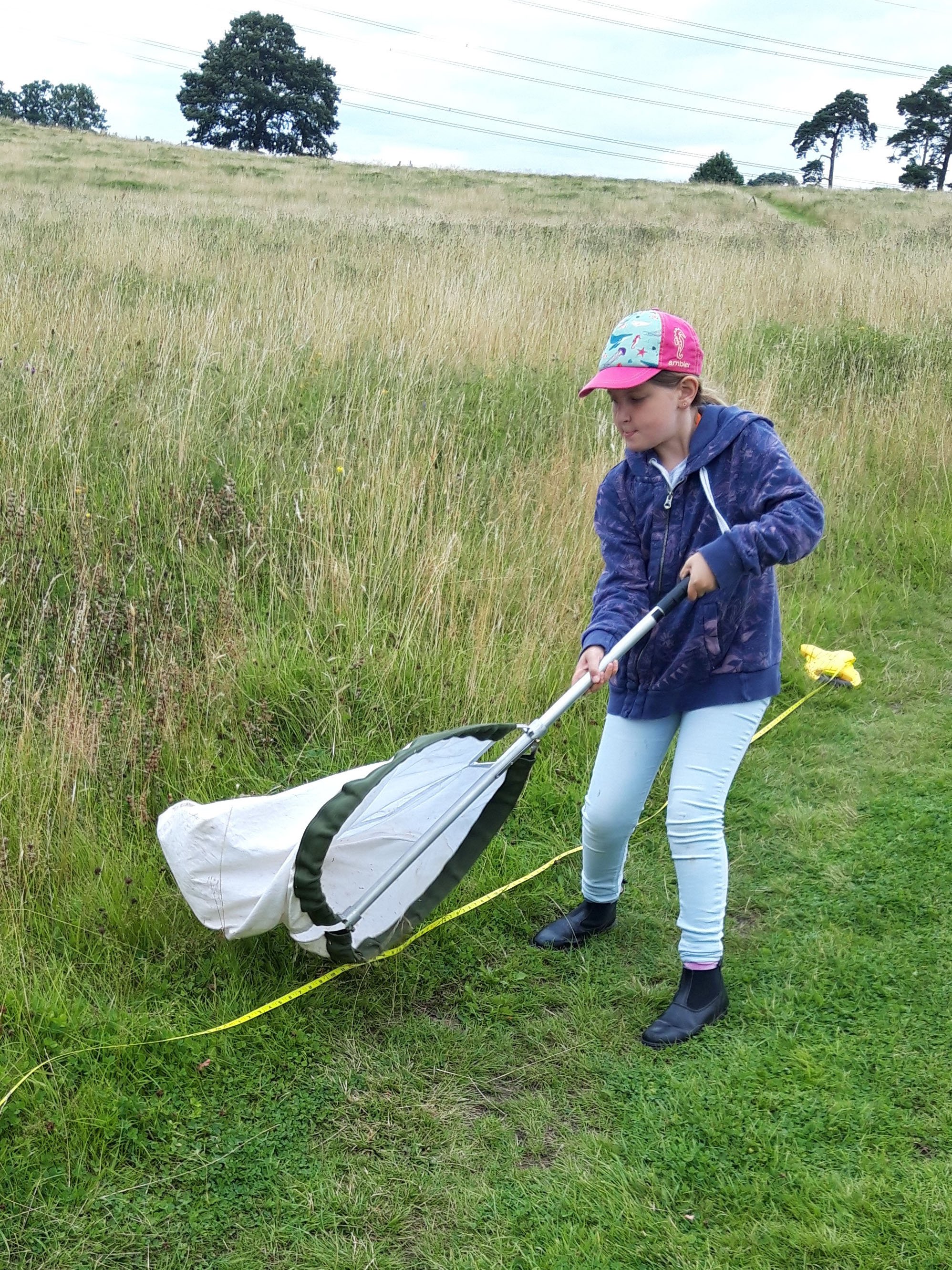
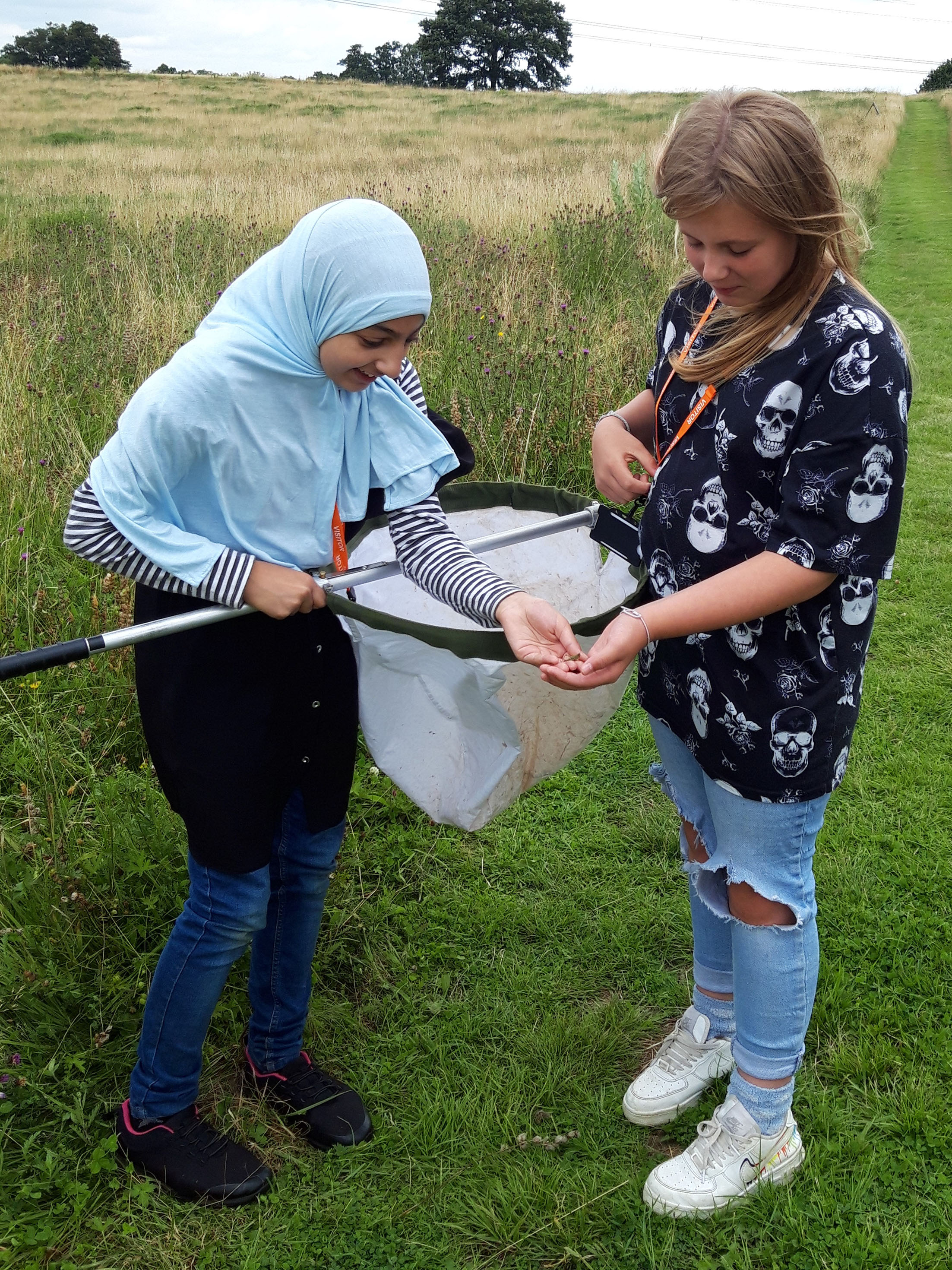
Insect hunting at the University Parks
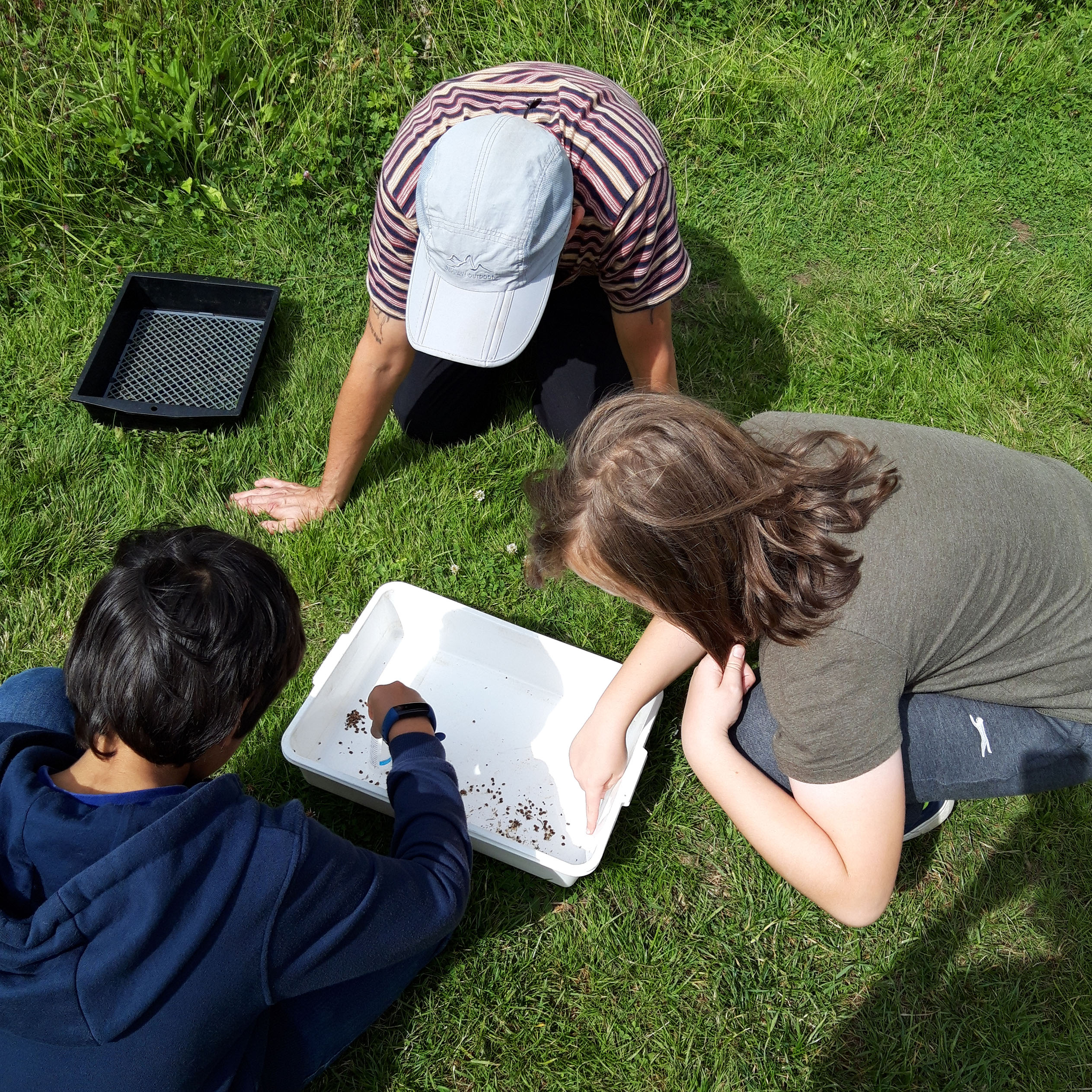
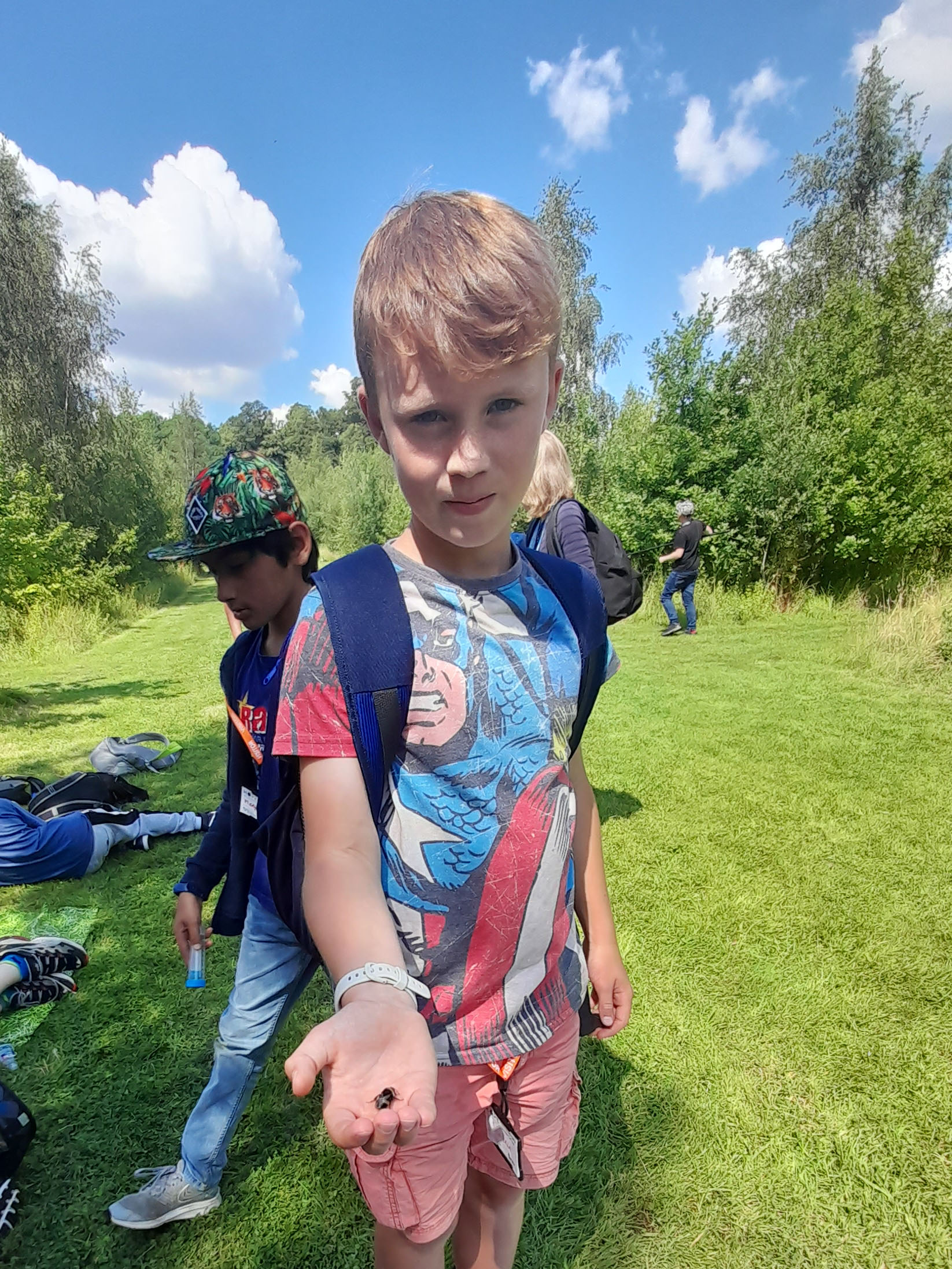
Monday started with an introduction to the world of insects and the ‘Big 5’ British orders, a tour of the entomology department with Collections Manager Dr James Hogan, and some live insect handling. The young entomologists then put their identification skills to the test with some insect hunting with Collections Assistant Louis Lofthouse in the University Parks.
Fantastic Photography
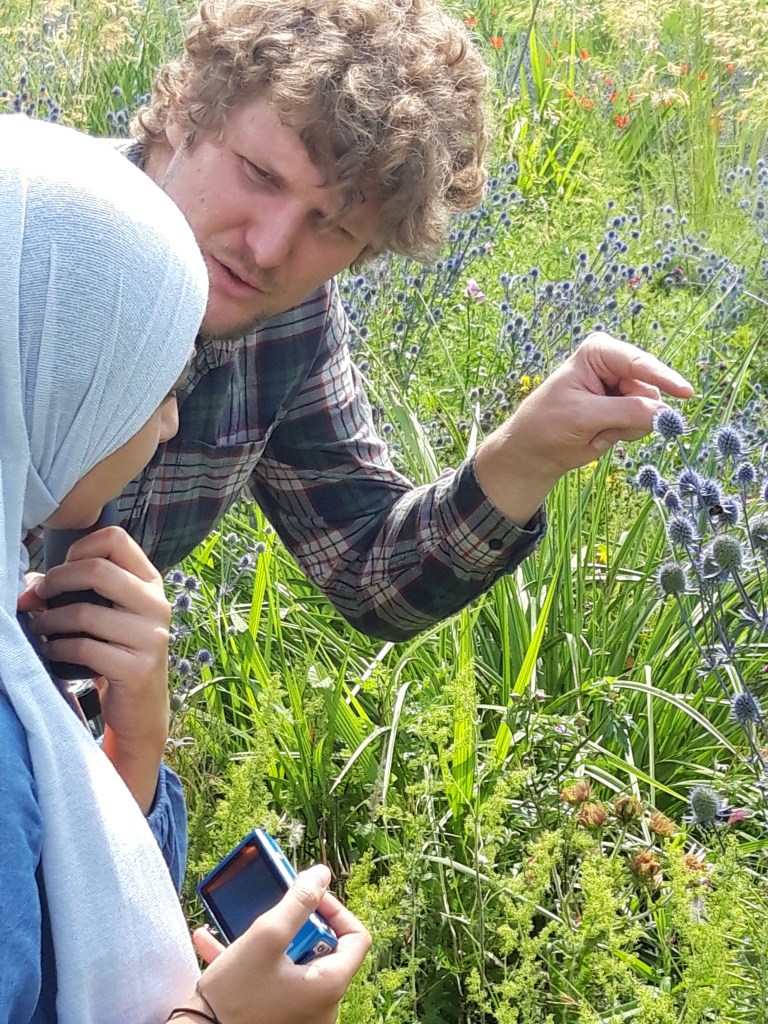
Practising photography skills
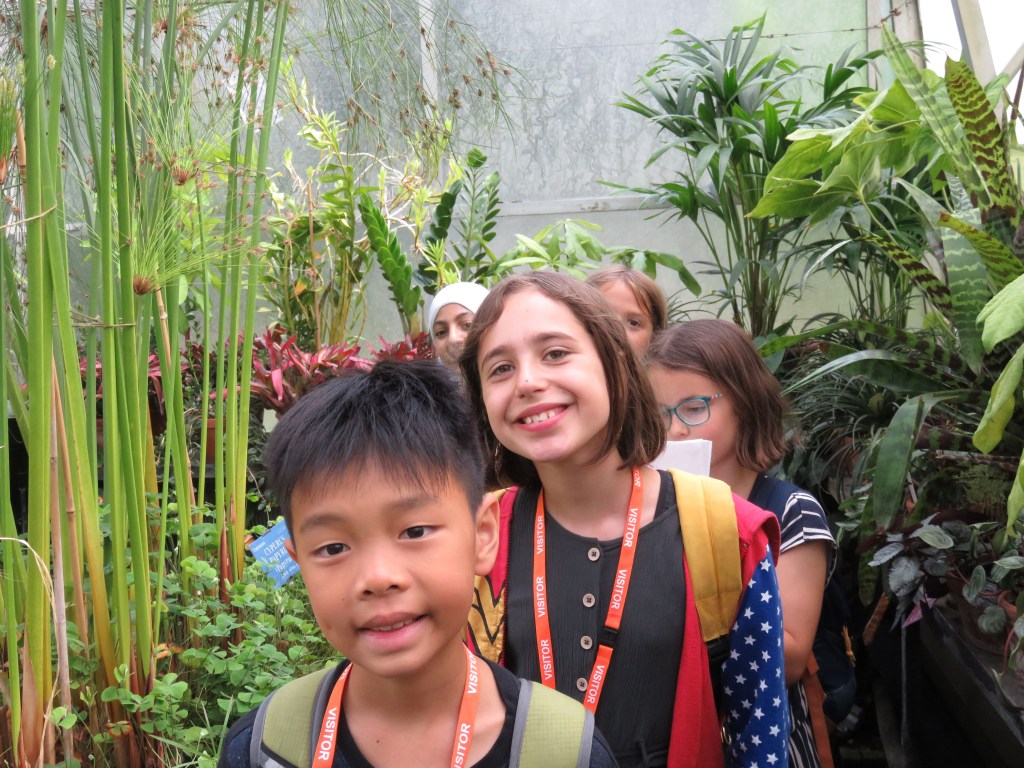
Exploring the glasshouses
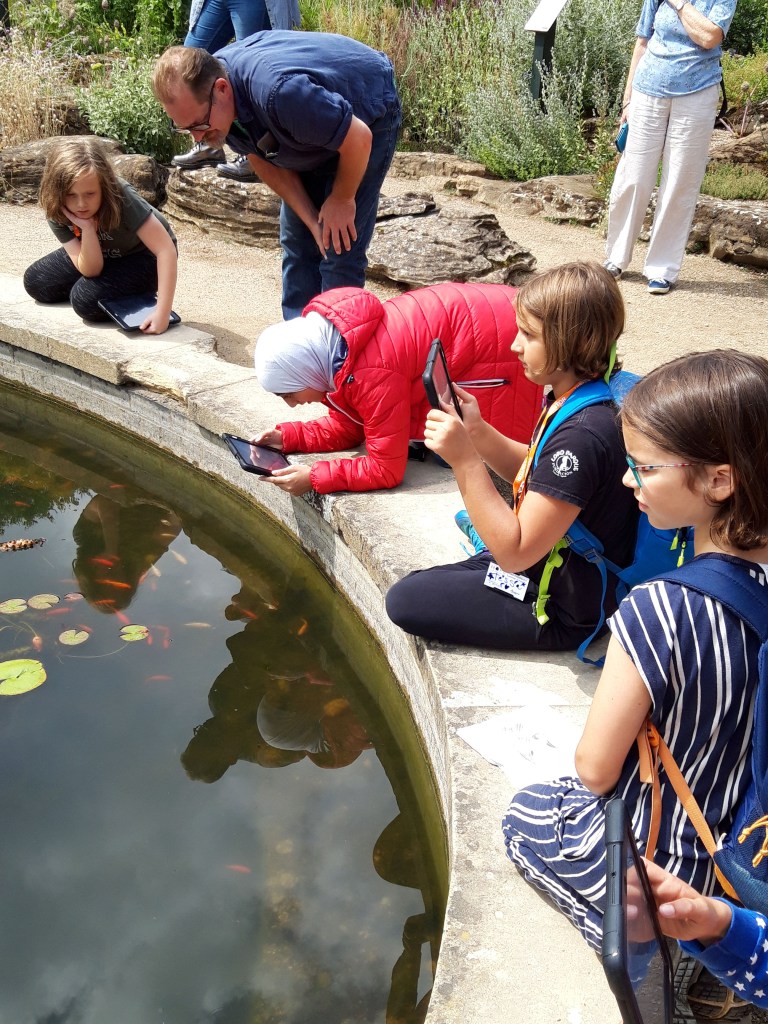
Damselflies (and a little fish whispering) at the pond
On Tuesday we were joined by wildlife photographer Kirk Mason who showed us techniques to develop our insect photography skills at the Botanic Gardens. The fabulous Merton borders and a sunny day meant there was no shortage of subjects! Look out for a future post showcasing the fantastic images the young people took.
Insect Investigations
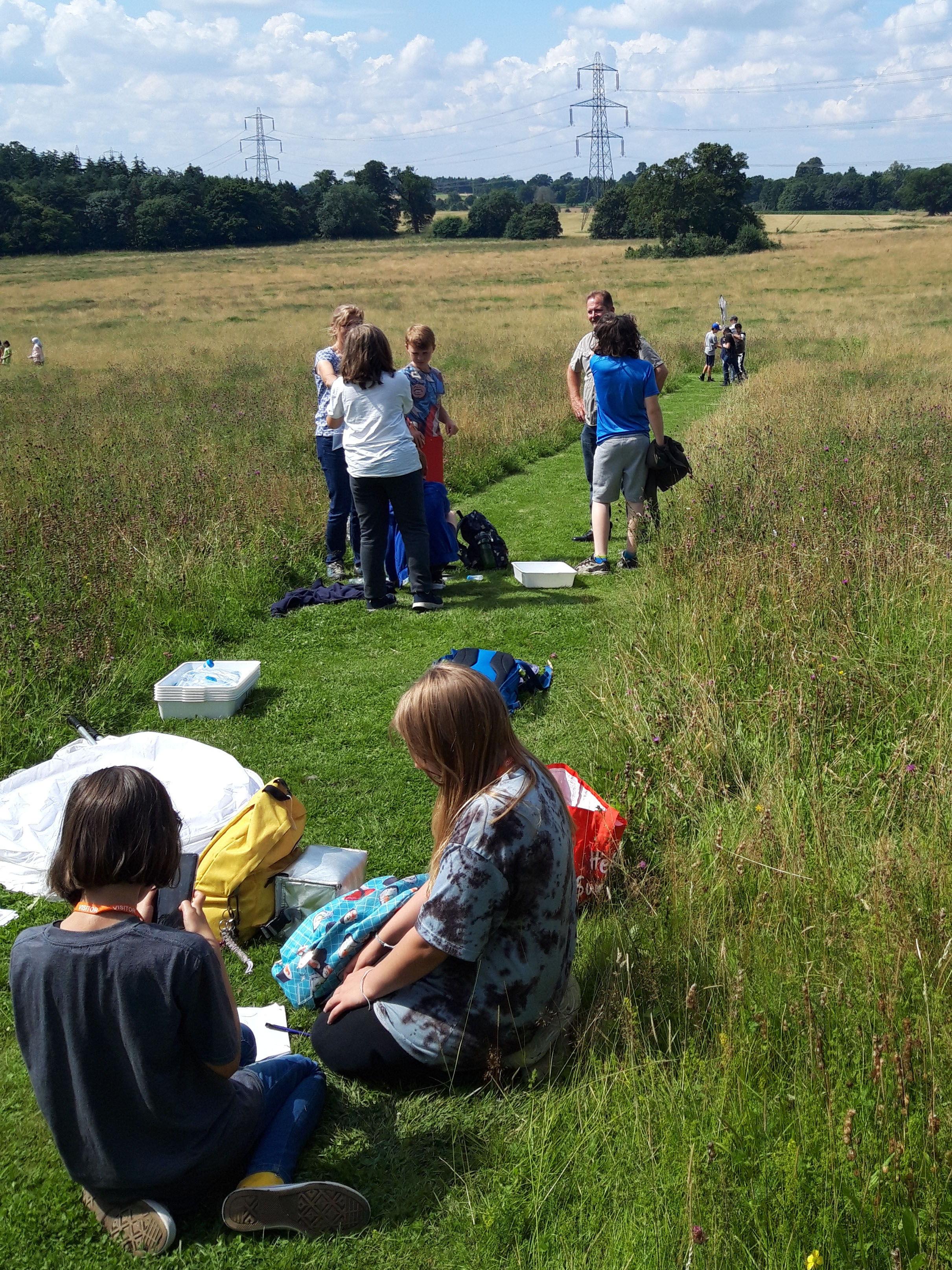
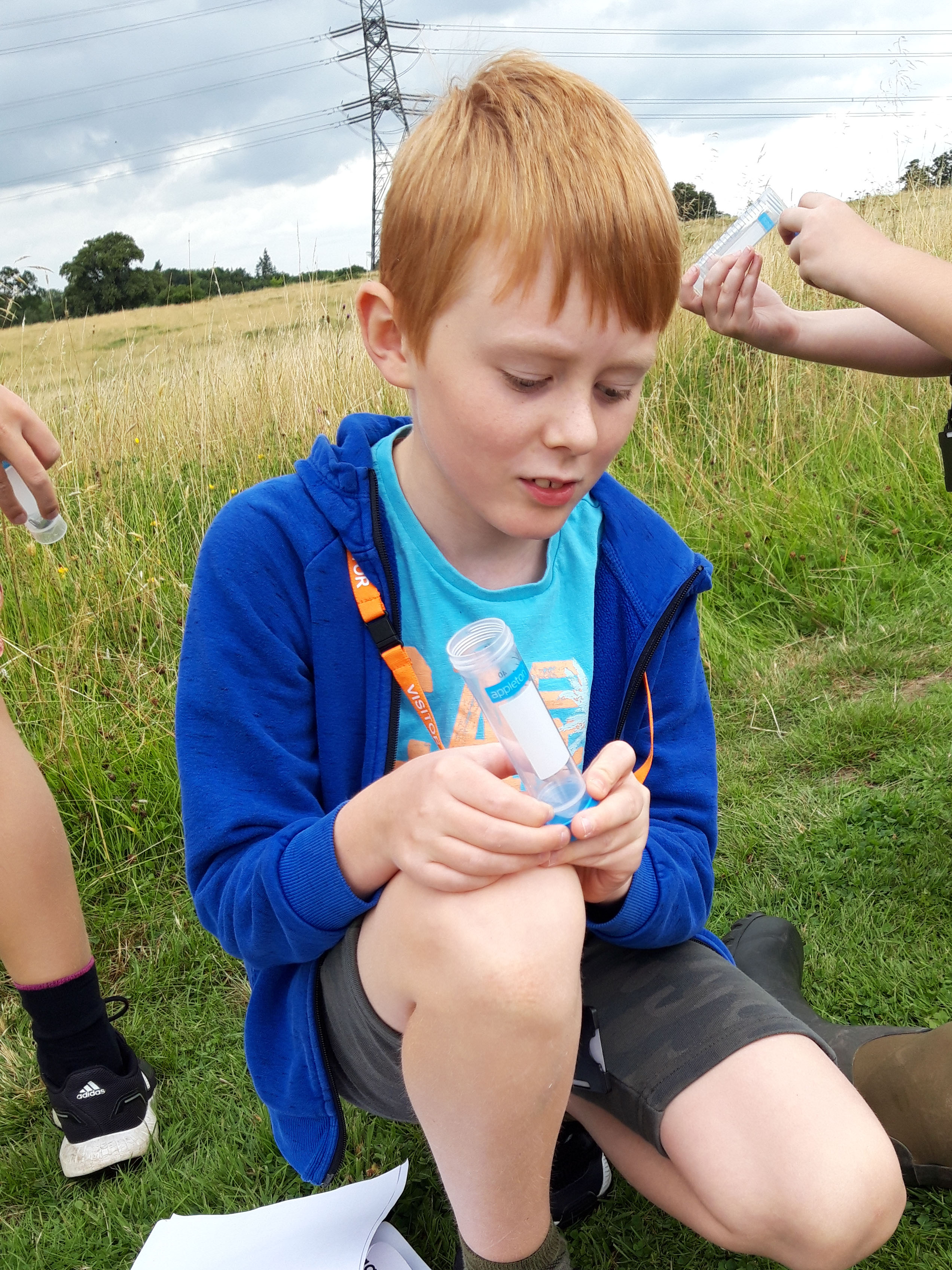
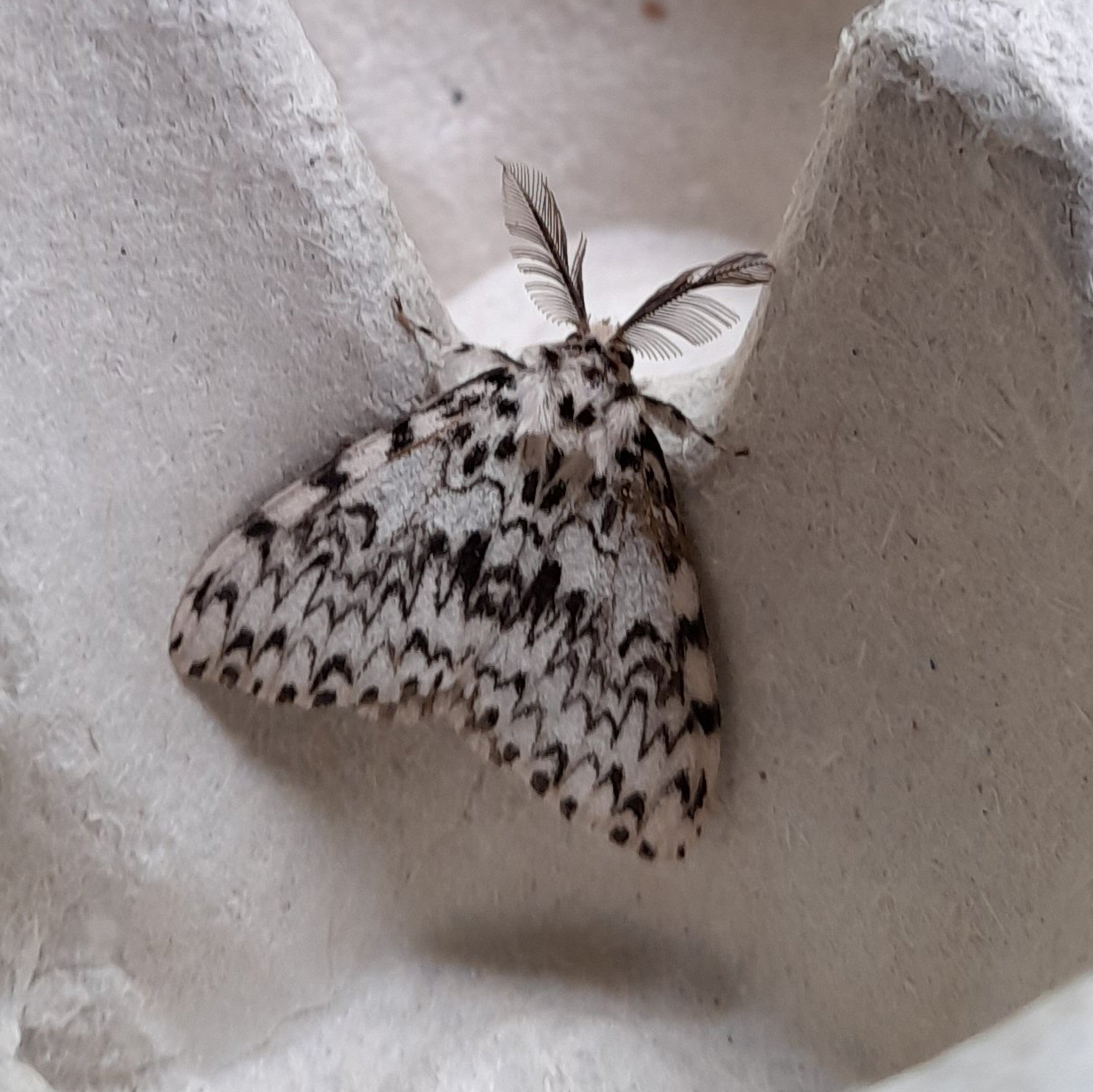
On Wednesday and Thursday the summer school moved to Harcourt Arboretum where the group learned about practical insect collection techniques with Collections Assistant Ryan Mitchell. They then devised and carried out their own investigations over the two days, joined by Senior Collections Manager Darren Mann on Thursday. We also set up a light trap on Wednesday afternoon, opening it the next morning to reveal the selection of moths that had settled inside, including the Black Arches, Lymantria monacha, pictured above.
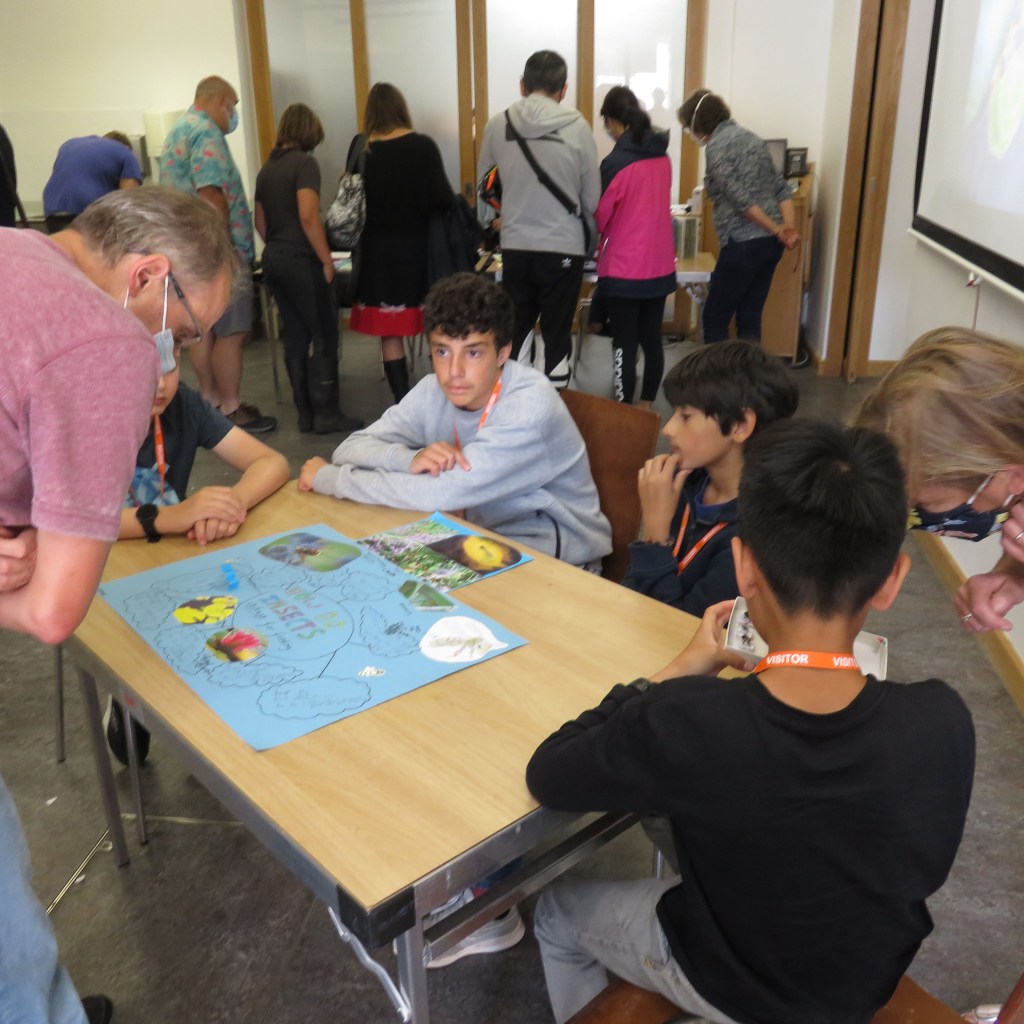
Showcase sharing
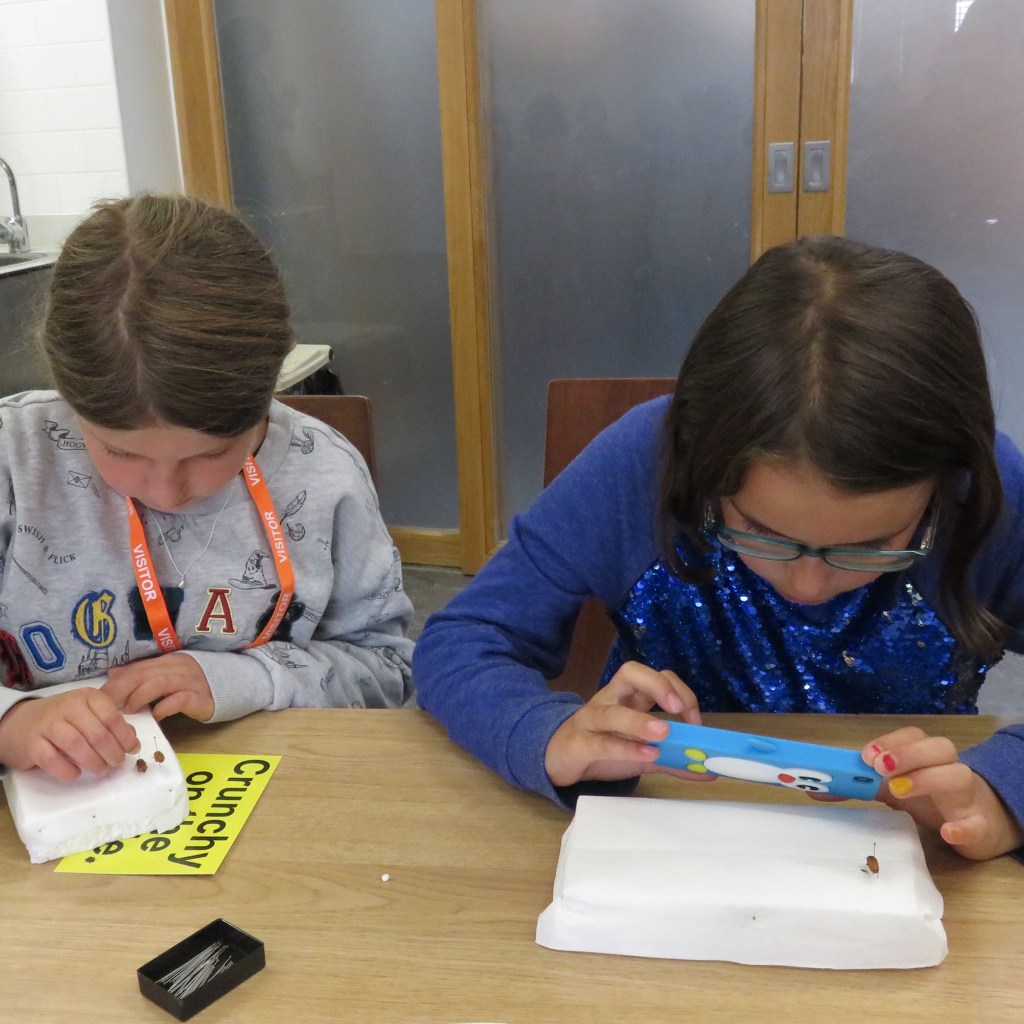
Pinning beetles for the collection
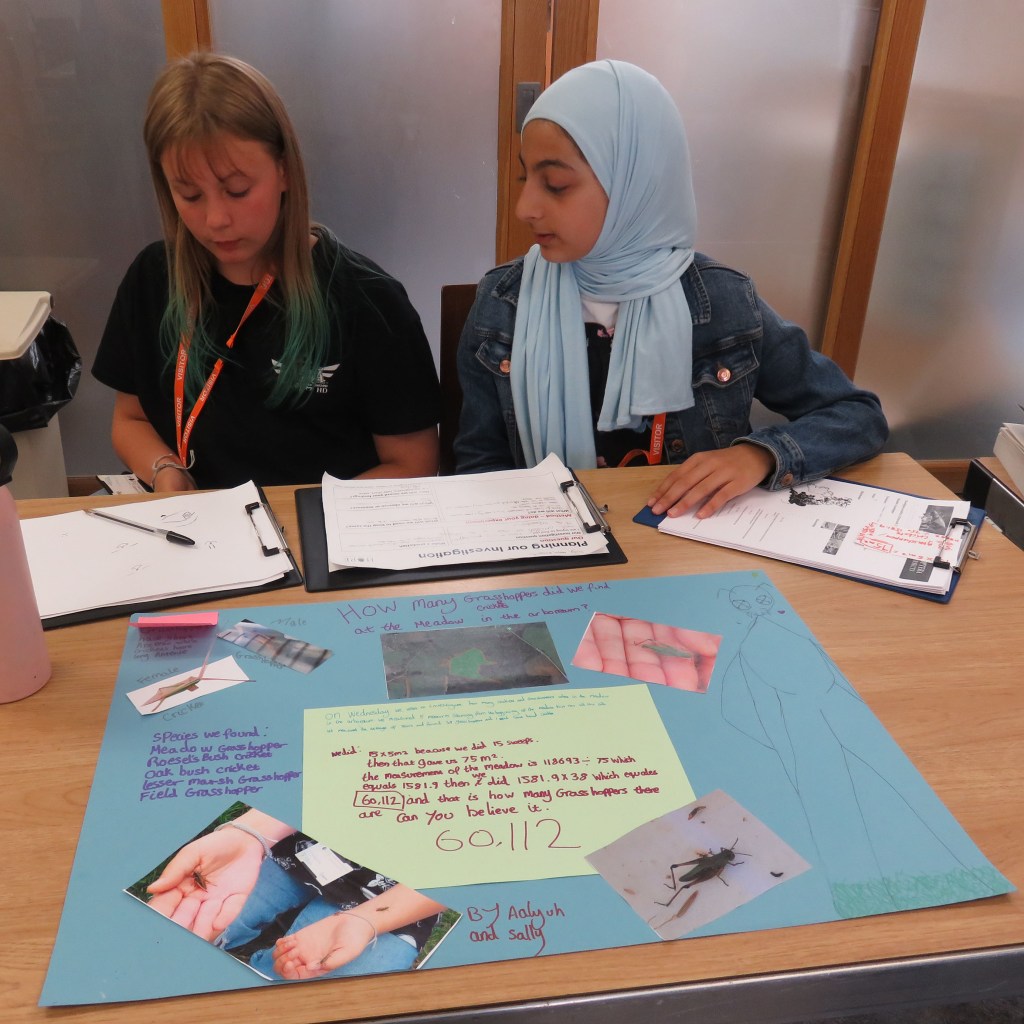
Explaining investigation results
60,000 grasshoppers in a meadow!
On final day of the summer school, Steven Williams from the HOPE team led the group through pinning preserved insect specimens for themselves. We finished with a celebratory showcase event where our young entomology team shared all that they had done over the week with families and friends.
And there’s more…
Some of our summer school participants were inspired to write their own articles for the blog. Here is Ben’s post, Raising Moths, and we will be publishing more soon. If you’re feeling inspired, why not get in touch using the Contact Us page? Keep an eye on the blog for news of future events at the Museum from the HOPE for the Future Team.
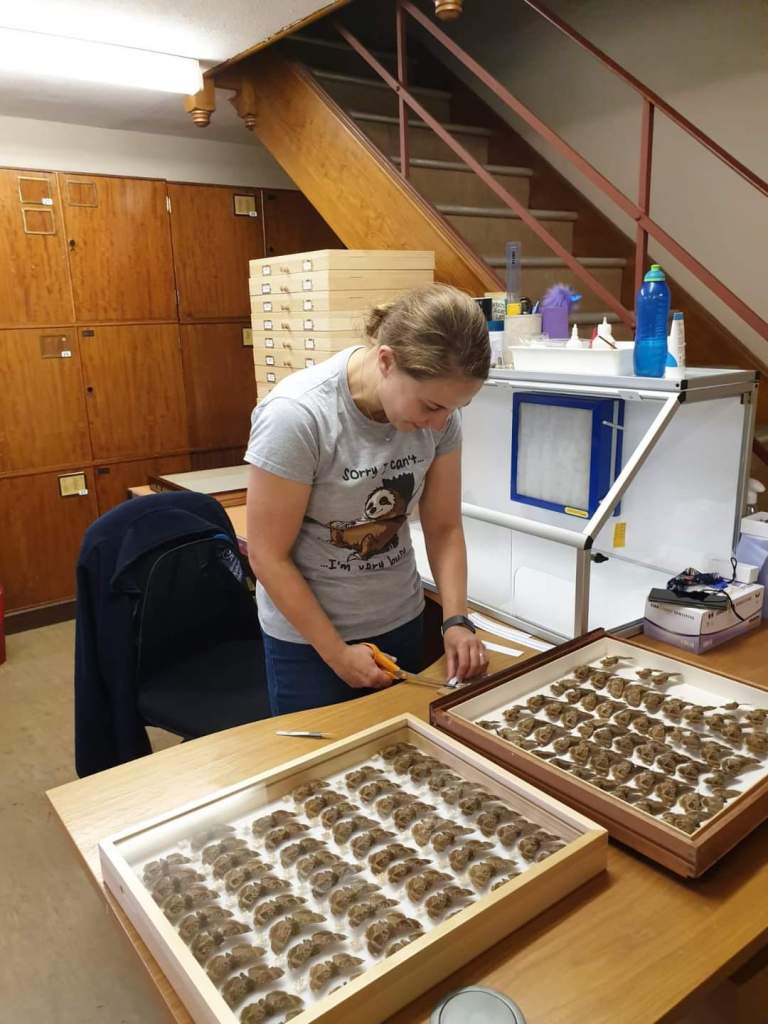
Meet Amo Spooner, Collections Manager for Coleoptera, Hemiptera and Small Orders. Her job, here at the Museum of Natural History, indulges her love of both insect collections and animals in general. I met up with Amo to find out what sparked her interest in the natural world, how she began working at the Museum of Natural History and what her current job involves.
I have always loved the natural world and have a very vivid memory of being woken up in the early morning by my Grandad who wanted to show me some dragonflies emerging from their nymphs in our pond. We rushed out to the pond where dragonflies were pulling their bodies out of the last of their nymph exoskeletons and emerging as adults. I kept the nymph skins as a souvenir and even have a tattoo of an adult dragonfly emerging from its nymph stage to remind me of that time.
How did you come to work in entomology?
After leaving school, I went to college to do a First Diploma and a BTEC National Diploma in Animal Management. At college, I learnt how to care for a wide range of animals from guinea pigs to geckos and helped to run the Exotic Unit. Once I had completed my qualifications, I decided to train as a Veterinary Nurse. It was during the final year of my degree that I first volunteered at the Museum of Natural History and by the time I finished University, I realised that I really wanted to work at the museum, particularly with the insect collection. I moved to Oxford, volunteered at the museum during the day and worked at Waitrose in the evenings to fund my time at the museum.
After volunteering for around 1000 hours, I got my first paid job at the museum! This was working on a collection of entomological specimens that Oxfordshire County Council had donated to the museum. Much of the collection was damaged, but it was possible to save some specimens and incorporate them into the wider museum collection.
What is your role here at the Museum?
I have now worked at the museum for around 11 years and have had several different roles during that time, including re-curating the World Coleoptera collection housed in the Huxley Room. Now, I am on secondment from my Collections Manager role for Coleoptera (beetles), Hemiptera (true bugs) and Small Orders (Dragonflies, praying mantis, cockroaches, lacewings, grasshoppers and allies), leading the collections team responsible for re-curating the British insect collection as part of the HOPE for the Future project.
(See our blog post on Tom Greenway to find out more about this re-curation.)
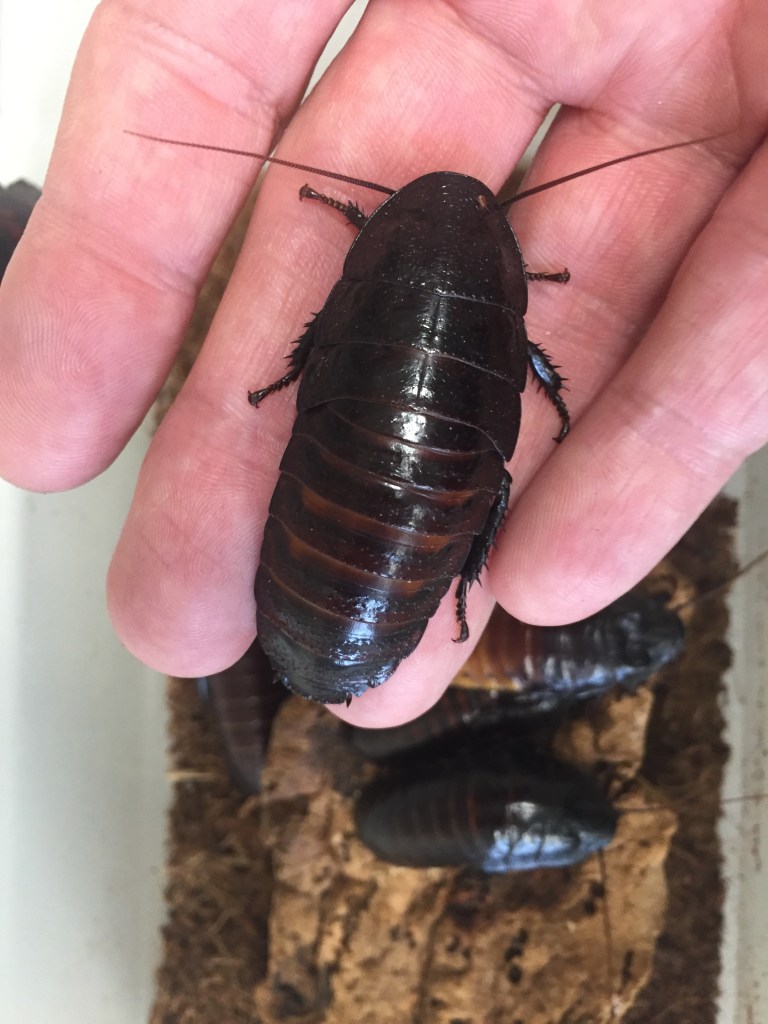
Together with one of my team, I am also responsible for looking after the museum’s collection of live insects and other invertebrates. These include Madagascan Hissing Cockroaches, Tarantulas, Stick insects and a Peacock Mantis. I enjoyed designing and working with an expert to build their new tanks a couple of years ago.
Madagascan Hissing Cockroach
Can you tell us about any particularly challenging aspects of your role?
One of the most challenging aspects of my job is the battle to protect the specimens from insect pests! When live insects infest specimen drawers they can cause considerable damage and it is part of my job to ensure that drawers are checked on a regular schedule to ensure any infestations do not get out of control. This has been particularly challenging during the pandemic when the museum has been closed and access to the collections, even for those of us who work here, has been limited.
What do you enjoy most about your job?
I am fascinated by the history of the collections. For example, my favourite entomology collection in the museum is the Baden-Sommer collection which dates back to the early 1900s. It is housed in its original furniture, and is really rich in a wide variety of species, including an incredible number of type specimens. I really enjoy understanding how specimen data labels and pinning techniques have changed over time. For example, when faced with an undated specimen, the handwriting on labels and how an insect is pinned can give you clues about its age. It’s like being an insect detective!
I take great pride and comfort in the fact that my work helps to keep the collection safe for future generations. The work that I am currently undertaking on the British Insect collection as part of the HOPE for the Future project is a great example of this, and will result in the collection being accessible to the public online, and available for teaching and research for many years to come.
Thank you so much, Amo, for some fascinating insights into your role at the museum. Good luck with the Hope for the Future project!
Ben brought in some Poplar Hawk Moths to show the other participants at our recent summer school. Here he describes how he raised them from eggs he received as a gift from his grandfather.
Last year during lockdown my Grandpa gave me 32 hawk moth eggs: 30 eyed and two privet. Not the most common of presents you might think, but these turned into the most enjoyable gift. I was very excited as I tore open the parcel and found the eggs safely packed in a small tube. It took roughly a week for the leafy-green eggs to turn into the most delightful little caterpillars. I decided to call them all Jim. The first thing they went towards was the fresh willow that lay in a small, water-filled jam-jar.
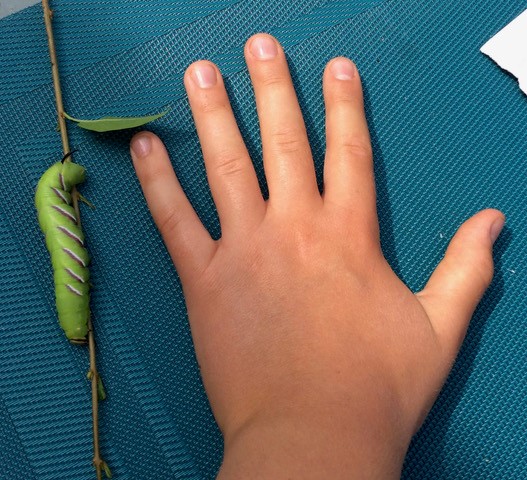
Poplar Hawk moth caterpillar with Ben’s hand for scale. Photo credit: Ben Atwell
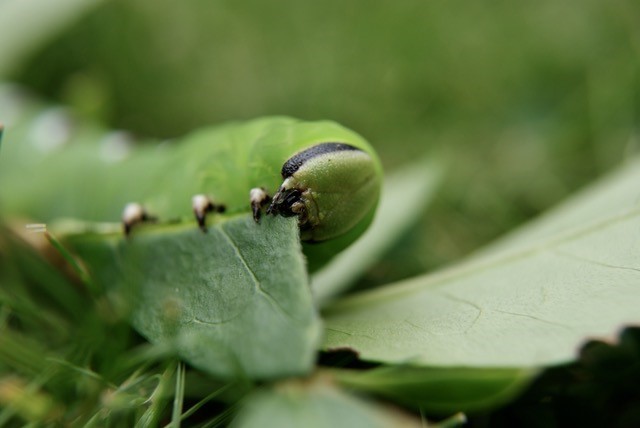
Immediately, they started taking chunks the size of their heads out of the leaves until there were no leaves left inside the tank. I was very surprised by how much they ate in proportion to their size. Every day they grew bigger until, within 4 weeks, they were the length of my index finger! They were bright green with white stripes, pink spots and little pointy tails. To help them grow, they shed their skins every few days. Sadly, one little Jim got stuck in his skin whilst shedding and died. Willow-collecting took a lot of effort as it involved daily trips to the canal, but this was a welcome break from staring at my computer all day during online school.
Poplar Hawk Moth larva feeding. Photo credit: Ben Atwell
One morning we found that a lot of the caterpillars were wandering around, banging their heads on the bottom of the tank. They were also turning a darker green which (after a bit of research) we found out meant they needed to bury and become a chrysalis. We put a deep layer of soil into the tank and within minutes they had disappeared. We tucked them up in the shed for winter and waited.
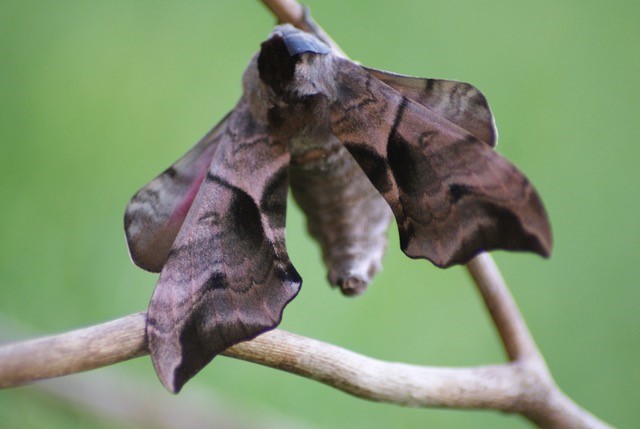
After months of hibernation, they started emerging this spring with crumpled wings, looking very like dead leaves. After stretching out their wings we noticed that we couldn’t see the eyes that the eyed hawk moths are known for, but as we later realised, they only show the eyes as a defence mechanism if they were under attack. Normally it would take a while for the males to seek out the females using their fanned antenna, but because they were in a large tank, it was easy for them to find each other and mate. Within a few days they had laid over 1,000 little green eggs! So, the process of willow collecting began again, but this time, after checking with the county moth recorder, we released the little caterpillars (who this year I called Jeff) into our local wildlife reserve, hoping that they survive and go on to repeat the process in the wild this year.
Poplar hawk Moth adult. Photo credit: Ben Atwell
We are still waiting for the privet chrysalises to hatch, but to keep me busy, my Grandpa sent me 15 poplar hawk moth eggs this spring. These have already been through one cycle of eggs-caterpillars-chrysalis-moth-eggs and I gave some of the eggs to the museum during the Insect Investigators Summer School. I hope the staff have time to collect all that poplar!
The Poplar Hawk Moth, Laothoe populi, is a beautiful insect found thrououghout the UK and is common wherever their foodplants can be found: mainly the poplar trees from which they get their name, aspen and willows. Ben describes the voracious appetite of the larvae well. The adults don’t feed at all and so are short-lived. You can find the adult moth from May to July and the caterpillars from June to October. In Southern England there may be a second generation of adults in the autumn.
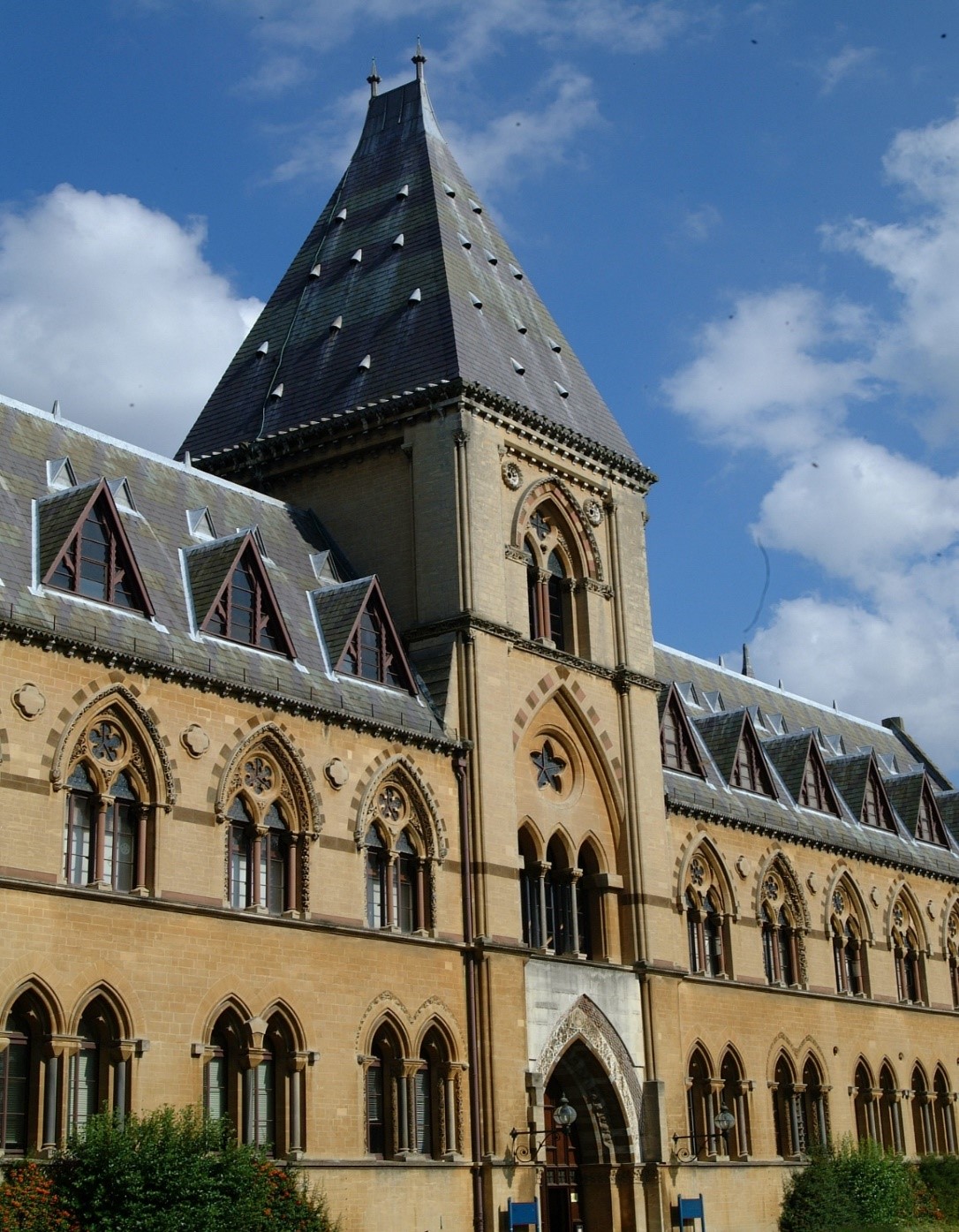
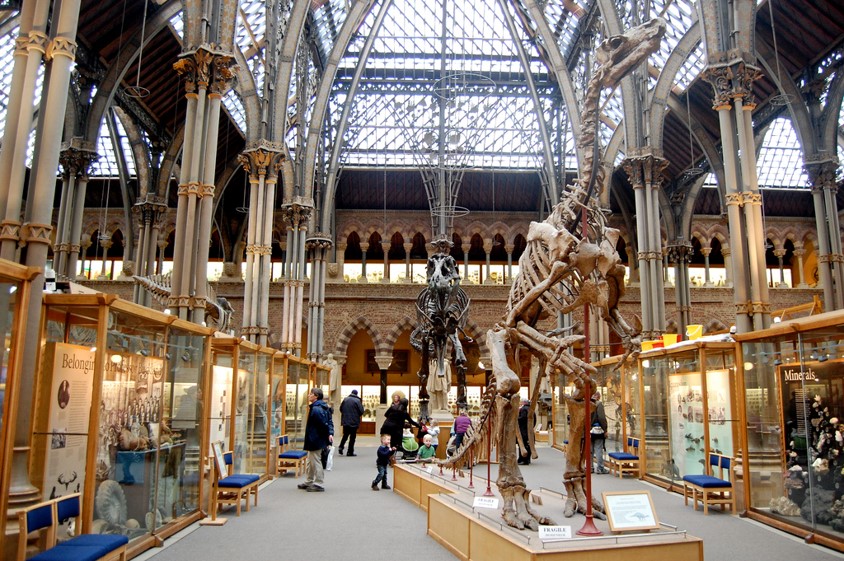
We are open! After months of being closed due to the pandemic, Oxford’s Museum of Natural History finally reopened in May, and we are absolutely loving the fact that the museum is once again full of life, laughter and learning.
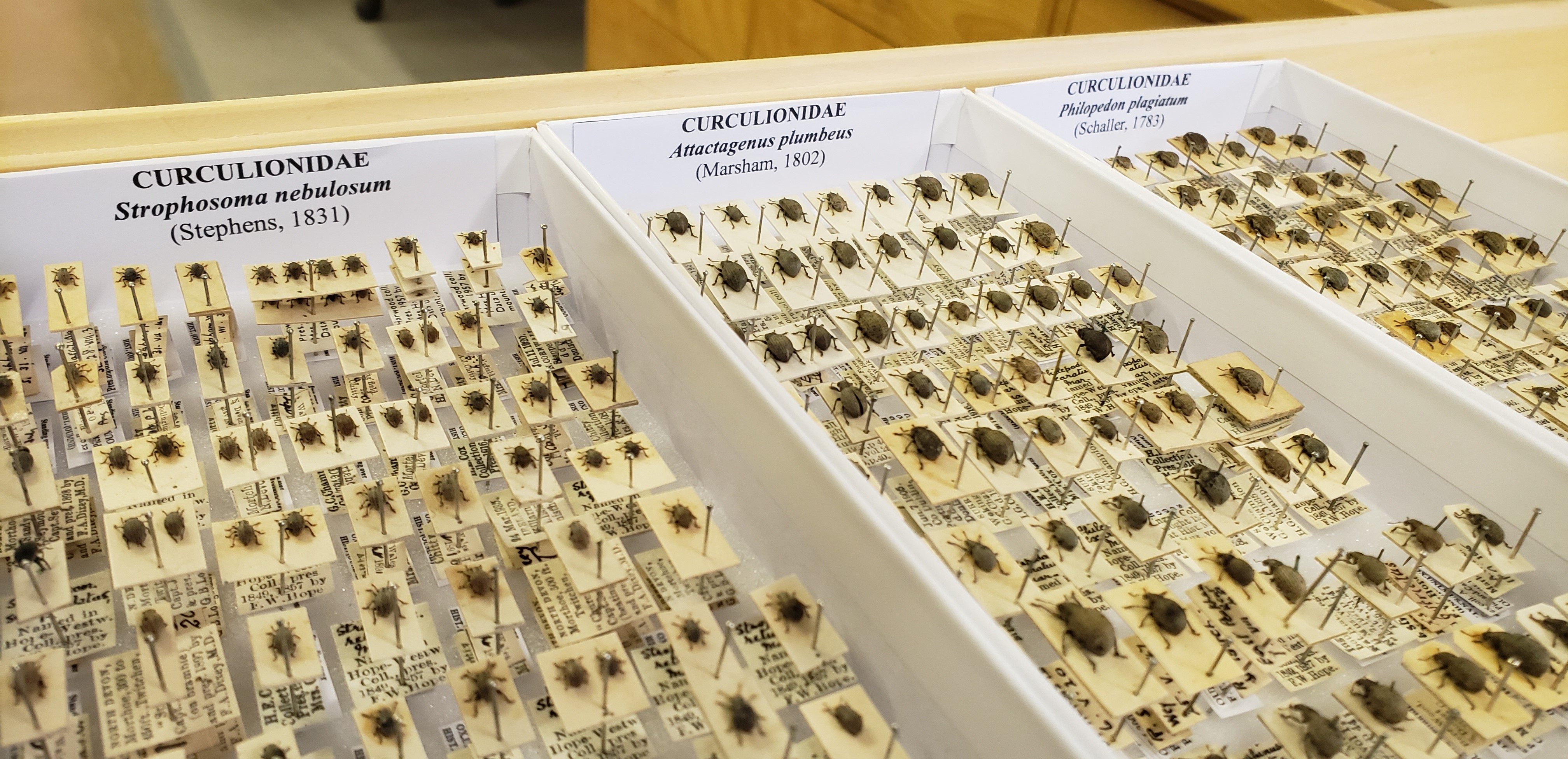
If you live near Oxford, or are planning a trip to this part of the world, remember to visit us this Summer. We would love to see you! We have over 7 million historical and modern specimens, of which around 5 million are insects. So, if you are interested in insects then this is the place to come!
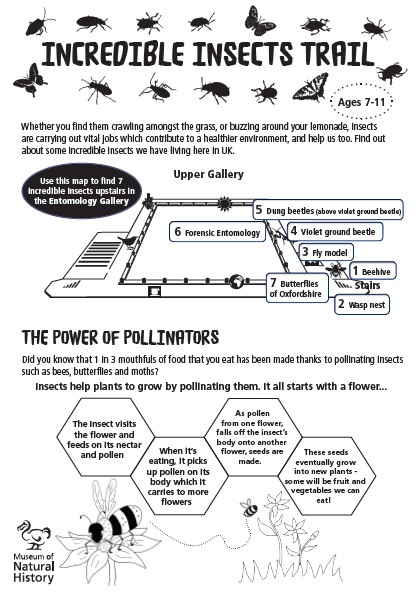
Help yourself to a copy of this trail in the main museum court and journey round some of the highlights of our entomology collection.
Take your completed trail to the front desk, mention that you heard about it here at crunchyontheoutside.com and you will receive a certificate and an Inspired by Insects badge.
Come along and visit our stand where you will find a range of insect-related activities, including insect collecting using specialist equipment. Find out more at: Wychwood Forest Fair | Wychwood Forest Trust
We would love to see you over the Summer, whether in the museum or out and about at an event. Have a fantastic Summer!