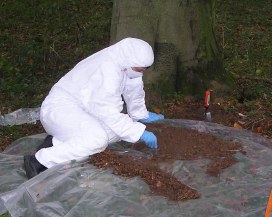
How can insects help solve crimes? In this video, forensic entomologist Dr Amoret Whitaker discusses her work and how she came to work with some common flies that can provide important clues.
The blow flies that Dr Whitaker talks about are a family of flies (Diptera) called the Calliphoridae. They often have bodies with a metallic sheen and are also known as carrion flies, bluebottles and greenbottles. The fly pictured in the video is Cynomya mortuorum, known as the yellow-faced fly or sometimes, more gruesomely, as ‘the fly of the dead’.
Forensic entomology is just one way in which scientists work with insects. If you would like to know more about different entomologists and what they do, visit the People section of the blog.
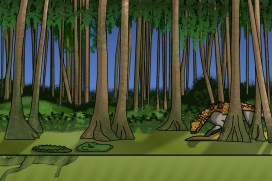
Header Image: A reconstruction of a delta-estuarine environment in northern Spain during the Cretaceous, habitat of the studied amber snakeflies, by William Potter Herrera.
Post by William Potter Herrera, Undergraduate Student at Portsmouth University
About 105 million years ago, in what is now Cantabria, Spain, rich cycad and conifer forests flourished across a landscape of estuaries and weaving deltas, bordering the then subtropical North Atlantic. While marine crocodiles prowled the waterways and theropod dinosaurs stalked the fern clearings, another ferocious, albeit smaller, predator ruled. Snakeflies, or raphidiopterans, are still around today but their diversity and range is a fraction of what it was during the Mesozoic, the period when the dinosaurs reigned.
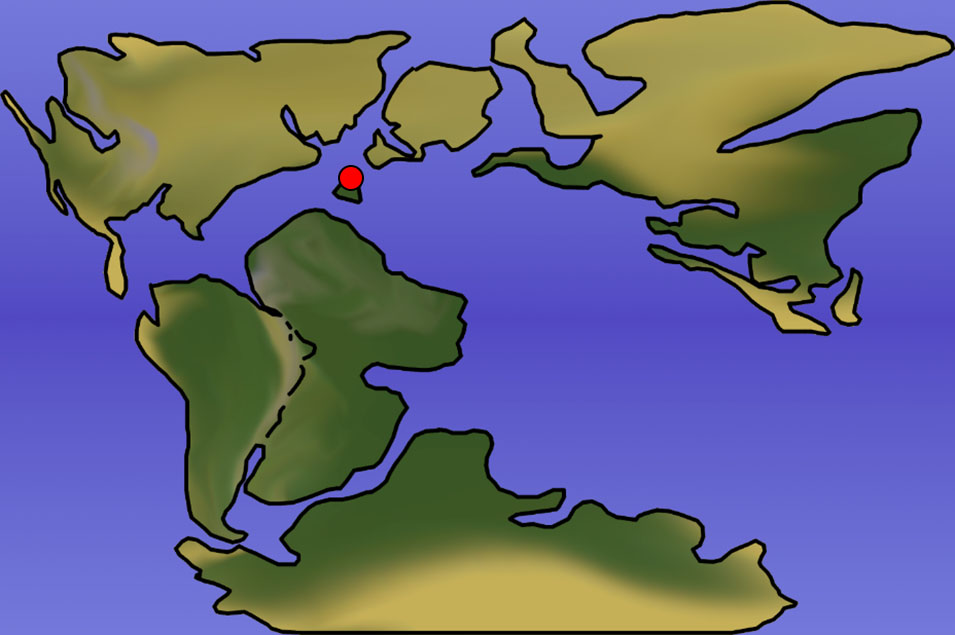
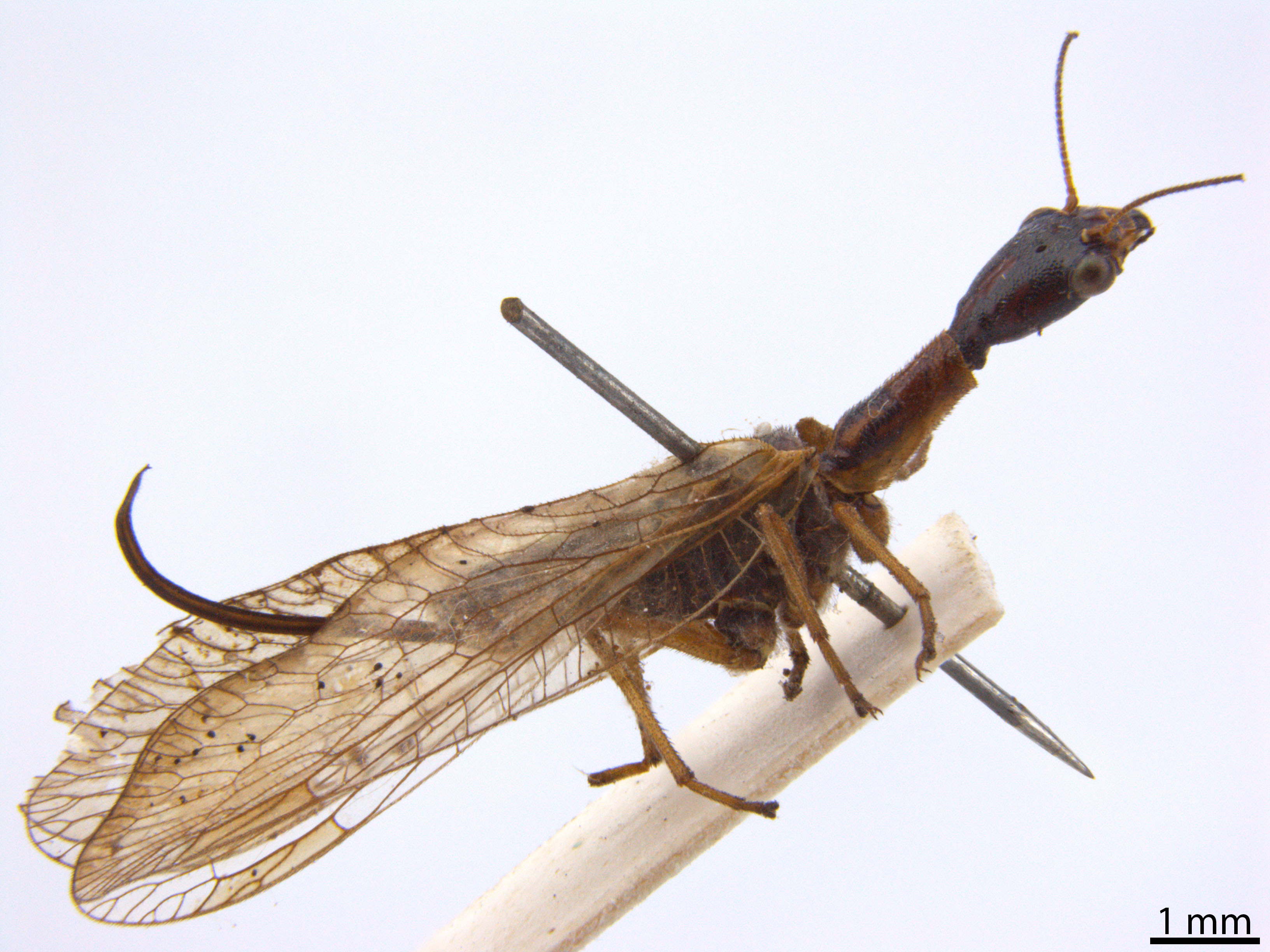
Left: Map of the world 105 million years ago, with ancient Cantabria highlighted. Author: William Potter Herrera, based on work from “The Planetary Habitability Laboratory” at UPR Arecibo. Right: An extant snakefly from OUMNH’s pinned collections.
Snakeflies get their name from their long ‘necks’ and ovipositors — the latter being a long, thin tube that females use to deposit eggs into the safety of crevices. Snakeflies are voracious predators, using their compact jaws to devour anything smaller than them. Their unusual necks allow them to pursue prey into tight spaces. No Cretaceous bug would have been safe from these monsters that existed in the shadows of the dinosaurs.
Working in the shadow of the Museum’s very own dinosaur during a bursary project last summer, I got a very real experience of paleontological research. Insects might not be the first thing you think of when considering fossils, but the sheer diversity and beauty of preservation these organisms exhibit in the fossil record made them a delight to work on. Nowhere is this more true than in the remarkable amber of northern Spain. Under the supervision of Dr Ricardo Pérez-de la Fuente, I examined, described and mapped out four specimens of amber which contained insects, our focus being on snakeflies. Through careful comparison with previous work, we discovered a new species of Necroraphidia, meaning “snakefly of the dead”. This genus was previously known from a specimen preserving no more than its characteristic wings, but the new specimen is nearly completely preserved, frozen in amber as if time itself stopped.
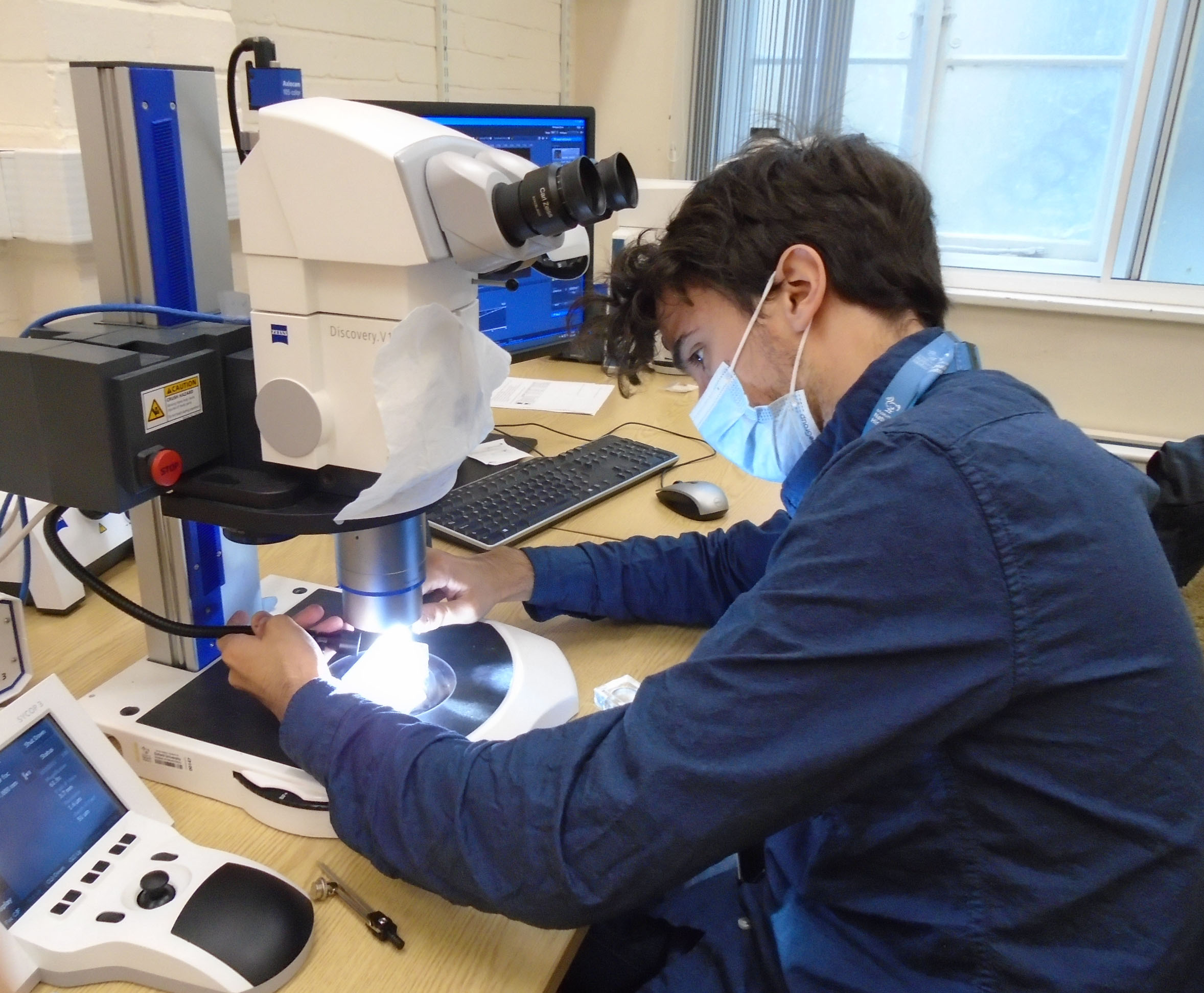
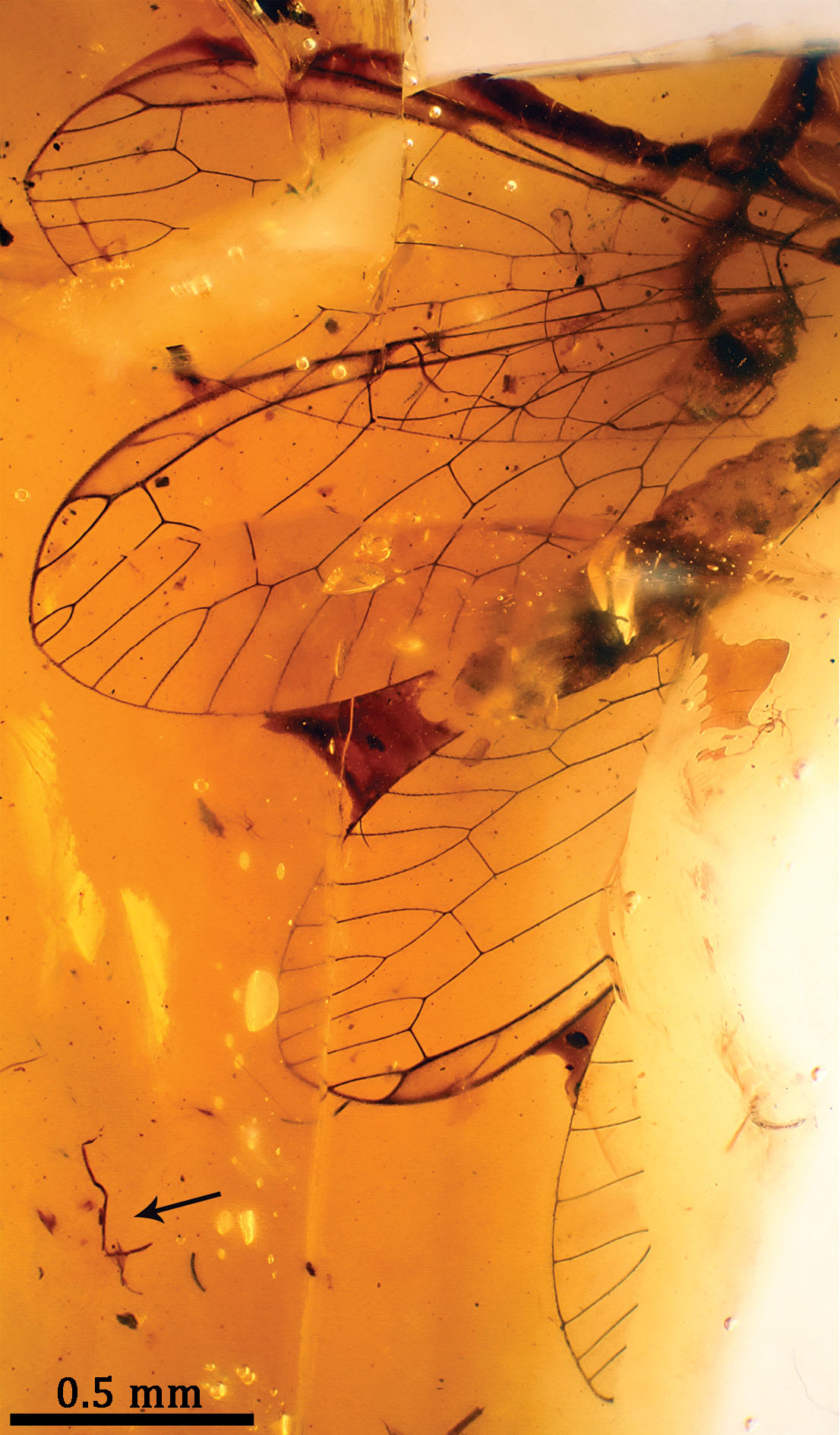
Left: William Potter Herrera examines a snakefly preserved in amber. Right: Necroraphidia arcuata, a snakefly species from El Soplao amber (Cantabria, Spain). The arrow points to a fragment of burnt plant matter (extracted from Pérez-de la Fuente et al., 2012. Zookeys 204).
The story of how the snakeflies ended up in the amber is as fascinating as the creatures themselves. Amber begins its life as tree resin — a highly sticky, viscous fluid extruded by conifers in response to trauma. Insects and other small arthropods are frequently trapped in it, either being caught by it as it flows downwards, or simply flying into it. Because larger insects are more likely to free themselves there is a bias in the fossil record towards smaller organisms. In northern Spain, however, the amber is remarkably rich in insects and also tiny fragments of burnt plant matter, indications that the insects might have become entombed during, or in the aftermath of, raging wildfires that drove them into a disoriented frenzy.
It was studying these charred fragments that inspired my dissertation on fossil charcoal — and that was one of just many benefits I gained from this bursary. It cannot be overstated how brilliant the opportunity to dedicate six weeks to study in a Museum was; exploring behind the scenes and talking to world experts in every field. The confidence gained from being entrusted to conduct this research so independently at such an early stage of my career will serve me going forward. The work was not easy but the support I received was brilliant. Even now, months later, as we work together to finalise our manuscript, I am inspired by the dedication and belief that Ricardo and the whole staff at the OUMNH have shown in me.
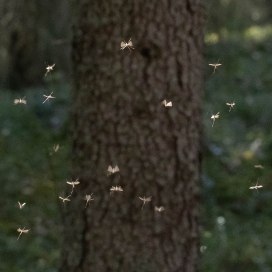
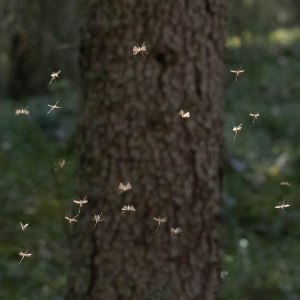
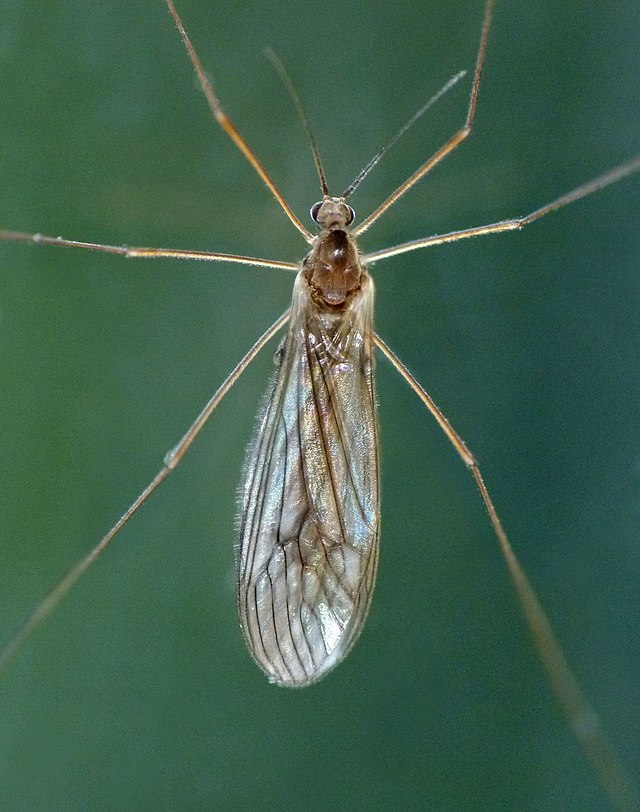
There aren’t many insects out and about at this time of year but on a warmer day you may see clouds of winter gnats (Trichocera annulata and related species) ‘dancing’ in the sunlight.
What persuades these small flies to come out in the depths of winter? Well, the dancers are males hoping to attract females. It’s thought that gathering together in a group like this makes it easier for the females to spot them. The trouble is, each individual male then has to compete for her attention!
If you are out for a walk, it may seem that a group of gnats is following you around; that’s because they are! If you are the warmest thing around, they will stay near you and make the most of your body heat.
You don’t need to worry about being bitten: although these gnats look a bit like mosquitos, they are completely harmless. The adults aren’t interested in drinking your blood, they feed on nectar. The larvae can be found in leaf litter, feeding on fungi, leaf mould and other decaying matter.
As a part of her Master’s in Wildlife Filmmaking, Alicia Hayden recently visited OUMNH to produce the short film “A Song for Maria”. Featuring the music of Will Pearce, “A Song for Maria” takes its inspiration from the eighteenth-century naturalist Maria Sibylla Merian.
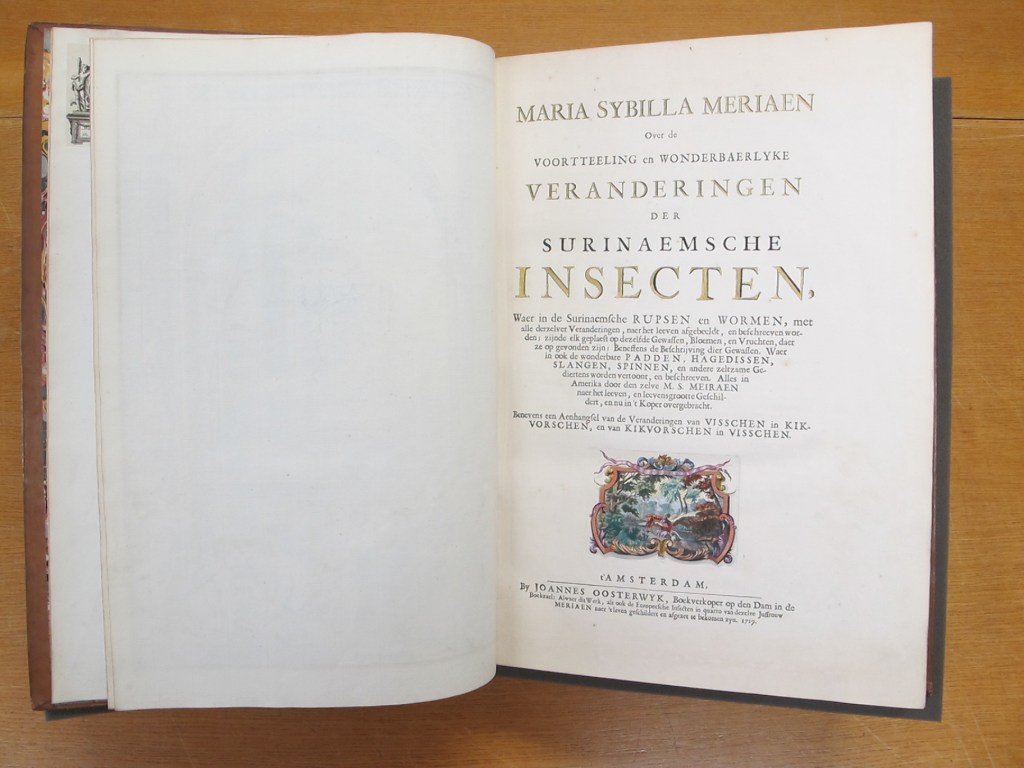
In 1699, aged 52, Maria Sibylla Merian made a trip to Suriname with her daughter to document the metamorphosis of insects, where she spent 2 years illustrating unique species and behaviours. Many of these illustrations are featured in Merian’s incredible publication Metamorphosis Insectorum Surinamensium (1705), or Insects of Suriname.
Over three hundred years later, Will and Alicia visited the OUMNH library to view our copies of Insects of Suriname. Here, the pair discuss film-making, songwriting and the impact of Maria’s legacy.
Alicia: Hi Will! You’re a physics student and amateur entomologist at Oxford University. Why were you so keen to visit OUMNH’s copies of Insects of Suriname and what did you think of Maria’s gorgeous illustrations?
Will: I first found out about Maria from a postcard, which was part of a series on influential female scientists. When I got to see OUMNH’s copies of Maria’s work, they did not disappoint. Maria reared all of the insects that she illustrated, allowing her to observe their life cycles in incredible detail.
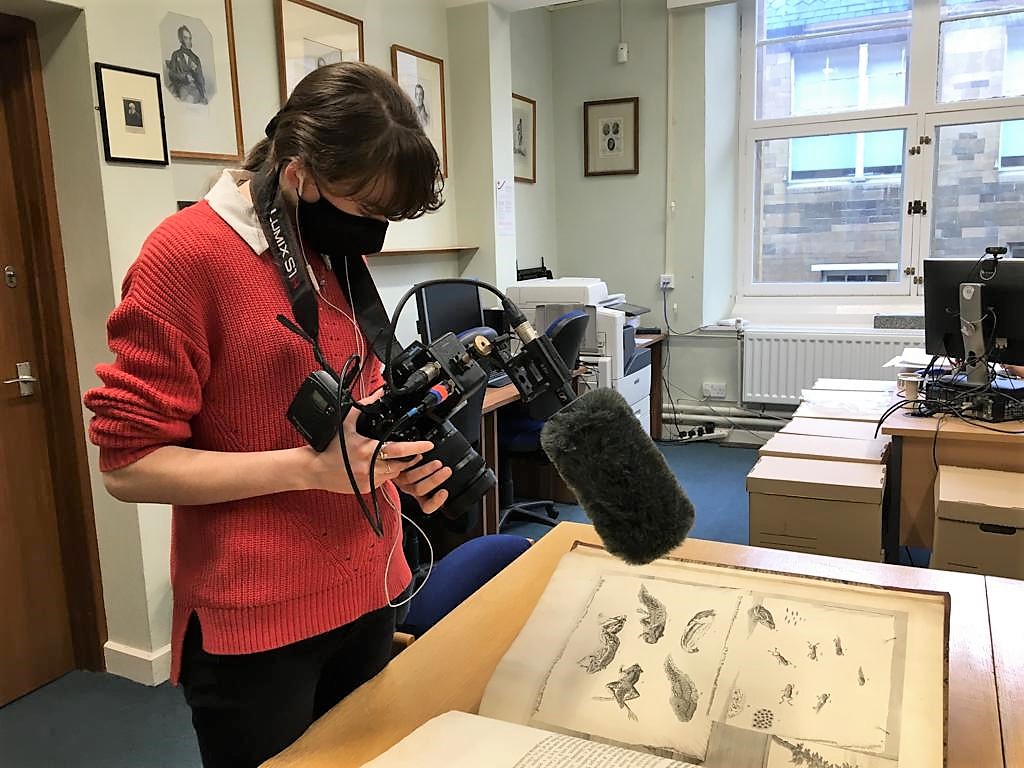
Alicia shooting for “A Song for Maria” in the Library at Oxford University Museum of Natural History
What about you, Alicia? Can you tell me a little bit about why you decided to make a film inspired by Insects of Suriname for your Master’s film project?
Alicia: In addition to studying film-making, I also do a lot of art and poetry, and I was really keen to try and incorporate my love for wildlife-art and creativity into my Master’s film project. After chatting with you about your music, I thought it would be so exciting to merge our mutual love for art and insects into the film!
Like you, I first found out about Maria through a set of women in science postcards, and since then she’s been a big inspiration in my own work, so it was also really special to see her art in person!
I know that you have recently been working on a series of songs about beetles, Will. Why do you choose to sing about nature, and how did Insects of Suriname influence your latest song, “Watercolour Caterpillar”?
Will: During lockdown, the things which kept me going were music and the pond that I built with my dad. For the first time, I started paying attention to nature, and it quickly became as big a part of my life as music. After that it just made sense to combine the two interests! I am constantly looking for inspiration, and almost always find it in either the natural world or others’ art. The life and work of Maria Sibylla Merian seemed like the perfect topic to make a song about.
What were your first impressions when you saw Maria’s books, Alicia? You work in watercolour yourself — did any piece in particular catch your eye?
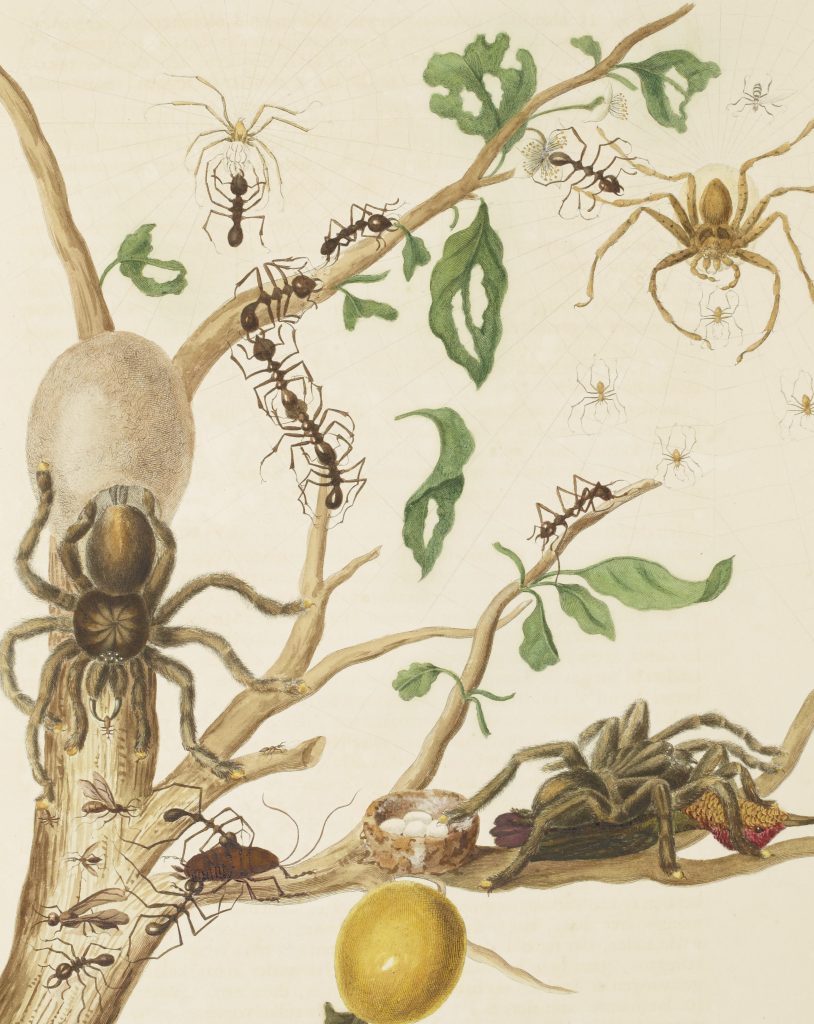
Alicia: I already knew about Maria’s work, and the intricacies of her drawings, before we saw them. But her illustrations are just phenomenal! She was an exceptional scientific illustrator. The drawing which stays with me the most is of the tarantula eating the hummingbird. The detail of the hairs and feathers is just exquisite, and I’m really pleased you can see some of this in the film.
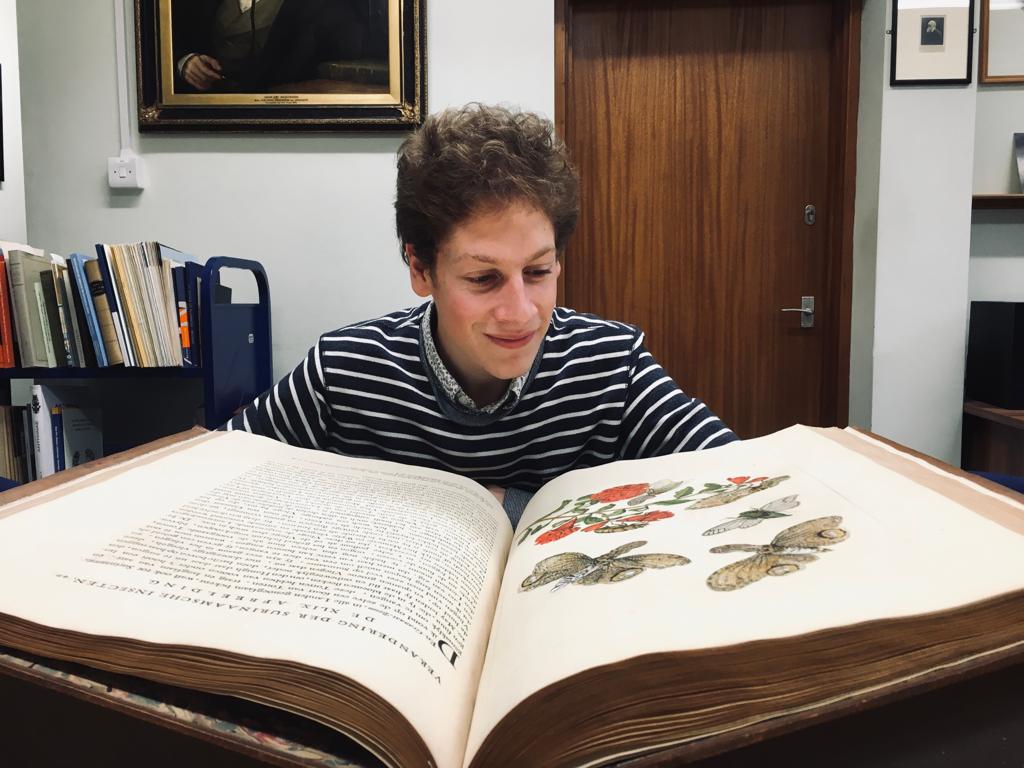
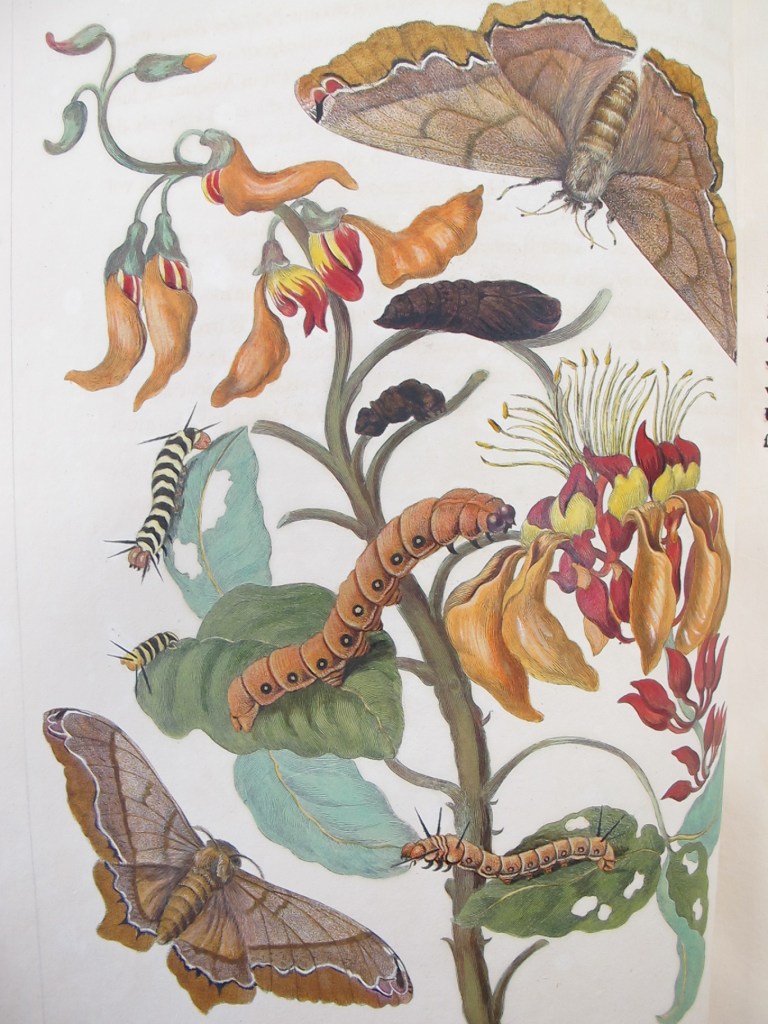
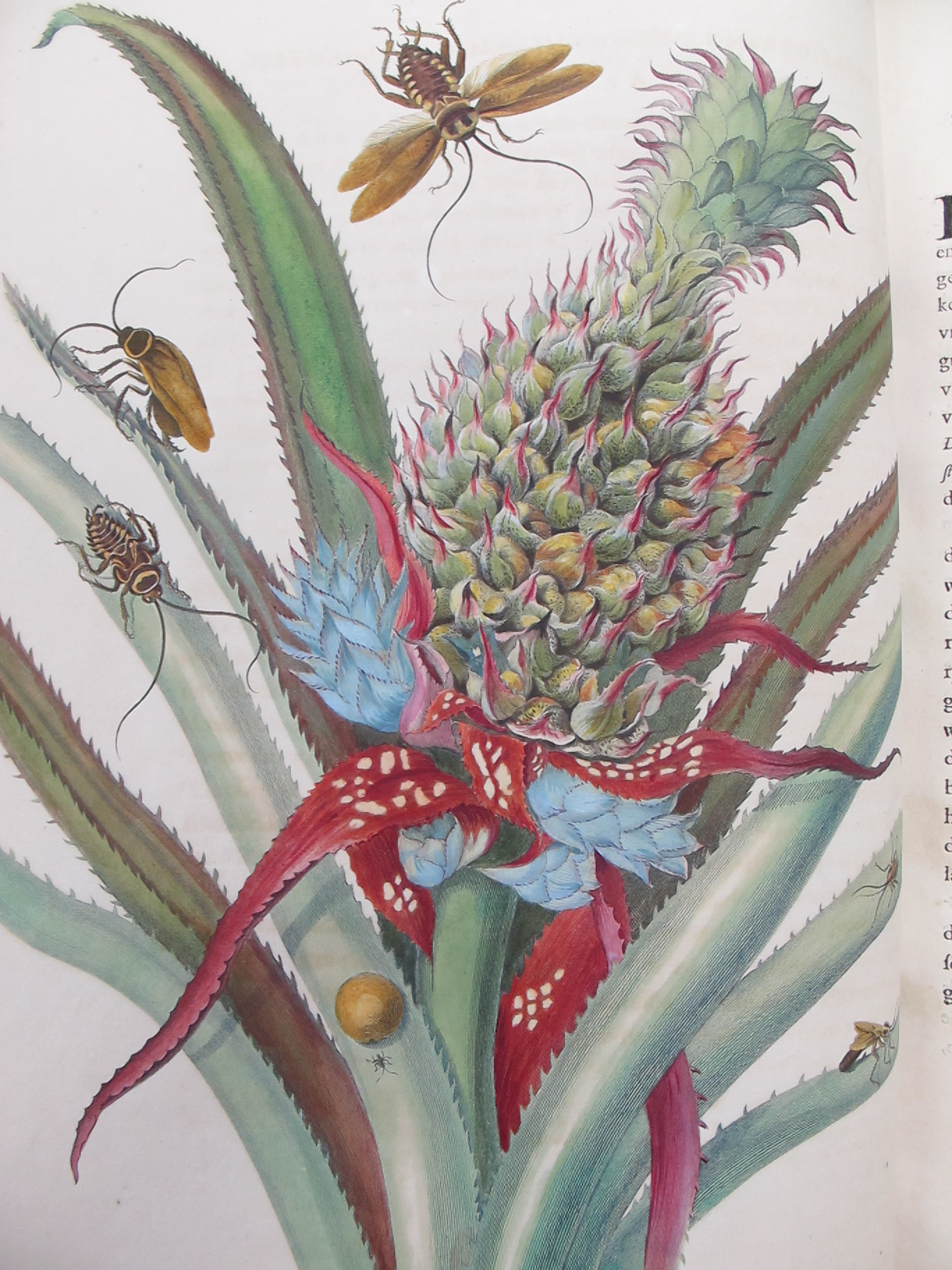
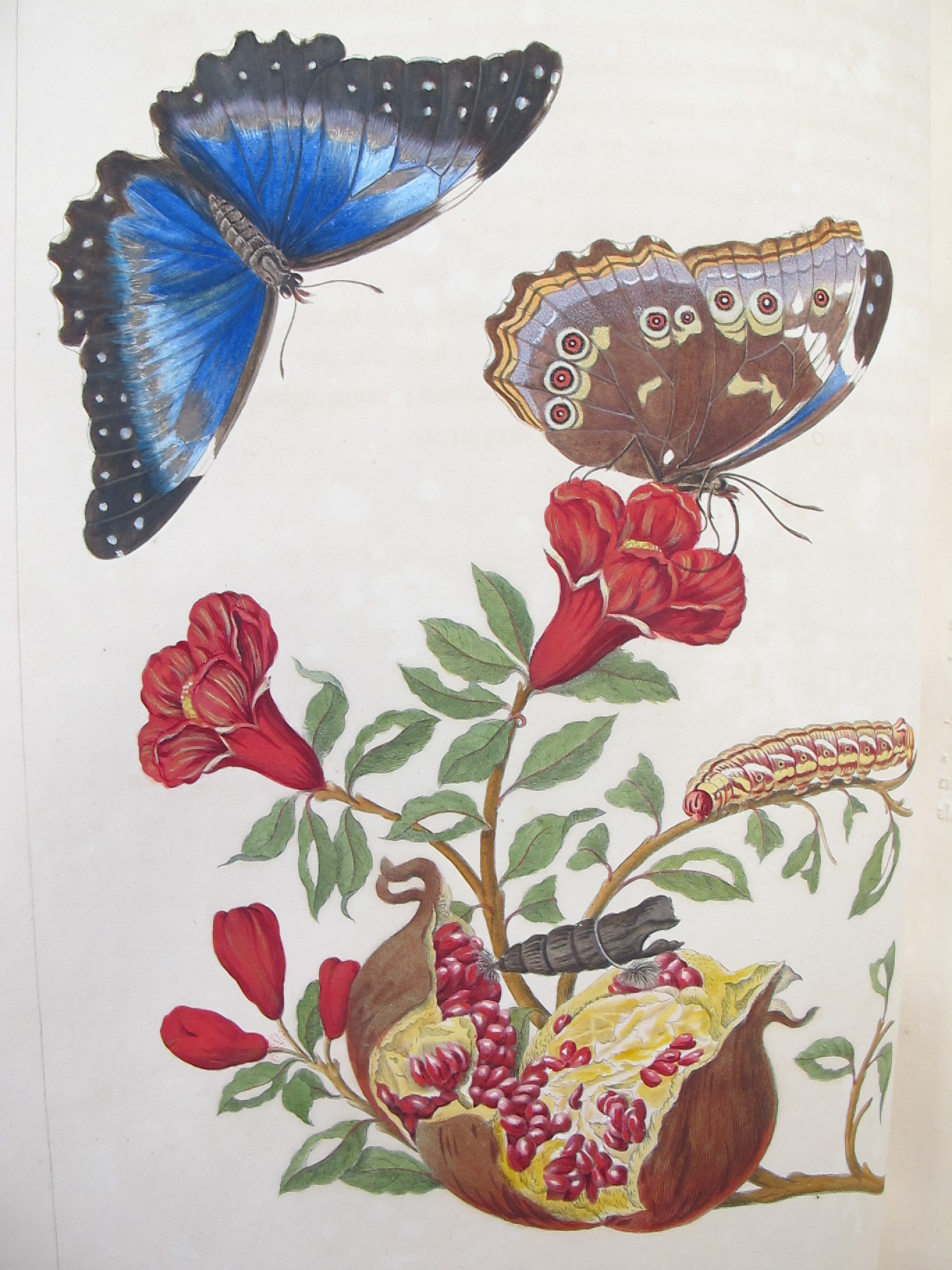
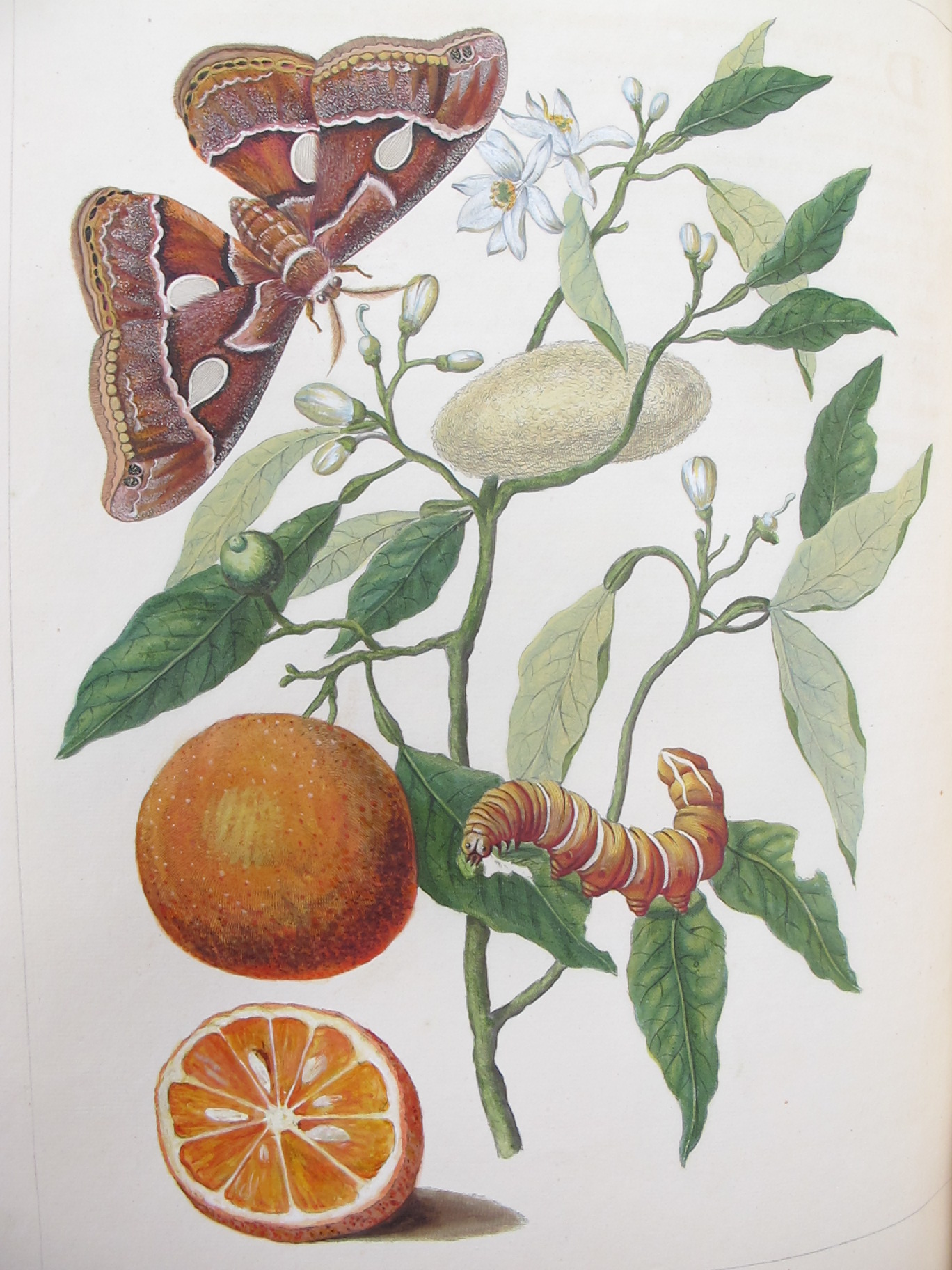
Photos of the second edition of Metamorphosis Insectorum Surinamensium (1705), by Maria Sibylla Merian. Left: Will peruses a copy of the book in our archive. Middle: Will and Alicia’s favourite page from the book, displaying ant lifecycles and a hummingbird captured by a tarantula. Right: A plate showing moth metamorphoses.
When we were filming “A Song for Maria” together at the Museum, you decided that you not only wanted to write about the invertebrates Maria drew but also her life. How did this impact the final song?
Will: Well, originally the song was going to be about beetles (I’m a bit obsessed with them), but Maria documented a range of incredible species during her time in Suriname. So it seemed only right to diversify. The wafer-thin Surinamese Toad and handsome Hawk-moths were hard to deny! Her life was a real mixed bag, but her determination and her love for the natural world shine through.
Alicia: I had so much fun filming with you in the Museum’s Library, and I could see how much you loved looking at Maria’s work! I was wondering if you had a favourite illustration?
Will: There was one page in particular which I kept flipping back to — in fact you’ve already mentioned it! It shows leaf-cutter ants bridging between twigs using their own bodies, as well as a tarantula tackling a hummingbird! Many of Maria’s illustrations were called into question when the book was published, as they described behaviours not seen before by Europeans and they seemed all too fantastical to be real!
Hopefully, we were able to capture some of the magic of the illustrations in our film. What do you want people who watch the film to take away about Maria?
Alicia: Like you, I really want more people to know about Maria Sibylla Merian and the fantastic contributions she made to entomology. I hope that by watching “A Song for Maria”, people will realise the importance of Maria and her work, and she starts getting as much recognition as her male counterparts of the same era.
The Library here at the Museum of Natural History is lucky enough to hold a copy of Maria Sibylla Merian’s Metamorphosis Insectorum Surinamensium (Insects of Surinam). This large and stunningly beautiful book by the German artist, scientist and adventurer, Maria Sibylla Merian (1647-1717), was published in 1705. Trained as a professional artist, Maria studied insects and observed their metamorphosis from an early age. She could be described as one of the earliest entomologists.
A woman truly ahead of her time, at the age of 52 she travelled with her daughter to the newly-founded South American colony of Surinam to study insects. Maria carefully recorded what she found in the most fantastically detailed drawings and paintings which were later published in the form of a book.
The illustrations show insects in all stages of their life cycles, increasing knowledge of metamorphosis at the time. By showing insects in their natural settings and on their preferred vegetation, she also highlighted the relationship between insects, plants and other animals. Not only are the illustrations beautiful but they are also very accurate and detailed enabling them to act as the basis for the naming and identification of a number of species.
“Maria Sibylla Merian must have been an incredible woman to undertake such a journey in 1699 without patronage or being accompanied by a man. Once in Surinam, she also had to withstand the conditions of a newly-formed colony, which must have been very basic. She is definitely a figure to be admired as a pioneering role model for women
and I love showcasing her work.”
Danielle Czerkaszyn, Librarian and Archivist, Oxford University’s Museum of Natural History
Blog post by Rodger Caseby – HOPE for the Future Learning Officer
By the end of 2022, the Museum’s HOPE project will have rehoused and documented over one million British insects, restored our historic Westwood Room to create a new multi-purpose public space, and designed and delivered a wide-reaching learning and community programme.
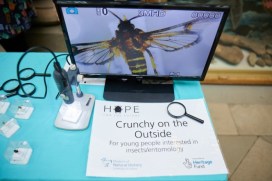
The Crunchy on the outside blog is an exciting part of this community programme, aimed at 10–14 year-olds. For and by young entomologists, we’re not actually asking anyone to sink their teeth into a crispy exoskeleton! Instead, we are keen for young people to get involved in the HOPE project and the fascinating six-legged world of insects.
Natural World posts highlight amazing insects, like this recent piece on the red-tailed bumblebee, or this one on the red-legged shield bug written by young contributor Noah.
Red-legged shield bug
Six Legs of Summer School 2021
People posts featured entomologists and others with an interest in insects. These might be about members of the HOPE team at the Museum, like Collections Manager Amo Spooner, or those working elsewhere, such as Professor Karim Vahed, who studies bush crickets at the University of Derby.
Make & Do posts focus on creativity. They range from this cartooning tutorial from Chris Jarvis to things you can make at home, like this pitfall trap to catch ground-dwelling insects.
Museum posts take a look behind the scenes and also showcase what’s happening here at the museum, such as this post Events 4U in ’22 for the New Year, or our summer school in August.
The blog also features a gallery of insect photography and art created by young people which is continually expanding.
The Crunchy blog is very much by young people as well as for them. We are keen to receive items about insects, or connected to them, and have already published several articles. If you are a young person who is interested in contributing, you can get in touch via the Contact Us page on the blog or by emailing hopelearning@oum.ox.ac.uk. We would also love submissions of insect pictures for inclusion in our gallery!
And if there is a young person in your life who is crazy about creepy crawlies, or interested in science and nature in general, why not get them to take a look at the Crunchy blog? It could be the start of a wonderful journey into natural history.
Sneak peak: Enjoy this excerpt from a Crunchy on the outside blog post by Ben about Raising Moths!
“One morning we found that a lot of the caterpillars were wandering around, banging their heads on the bottom of the tank. They were also turning a darker green which (after a bit of research) we found out meant they needed to bury and become a chrysalis. We put a deep layer of soil into the tank and within minutes they had disappeared. We tucked them up in the shed for winter and waited. After months of hibernation, they started emerging this spring with crumpled wings, looking very like dead leaves.”
Thanks to National Lottery players for their generous support of the HOPE project through the National Lottery Heritage Fund.