A GUT FULL OF SAND

UNEARTHING THE PECULIAR EATING HABITS OF A TRIASSIC MAYFLY SPECIES


During the summer months, the beaches of Mallorca offer an irresistible draw for tourists and palaeontologists alike. Visitors to the small Spanish island find themselves lured by its glittering seas, captivating coastline, and tasty white sands…

…well, tasty for some, at least!
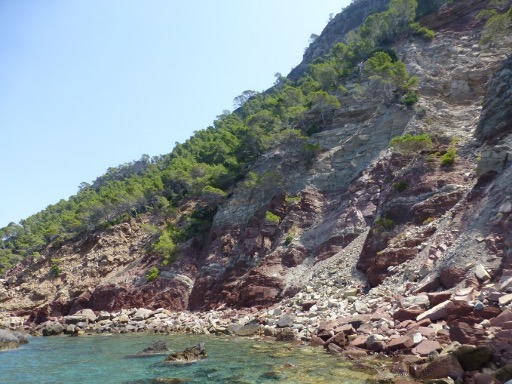
Coastal cliffs near Estellencs (Mallorca, Spain). Palaeontologists working here discovered fossils of Triassic mayfly nymphs with unusual gut contents. (photo: Balearic Museum of Natural Sciences)

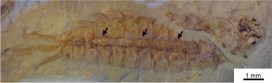
Following recent fossil excavations near the the coastal town of Estellencs in southwest Mallorca, palaeontologists have discovered evidence of a species of mayfly with a pretty peculiar diet. The mayflies in question lived 240 million years ago in bodies of water associated with ancient floodplains. Some of the juvenile mayflies (nymphs) were so well-fossilised that it has been possible to study the contents of their guts. A research team, led by Dr Enrique Peñalver, and featuring OUMNH’s own Dr Ricardo Pérez-de la Fuente, discovered that the mayflies’ digestive tracts contained a mixture of detritus (the decomposed remains of other organisms) and particles of a type of rock known as claystone. The most likely explanation for this strange food-pairing? It seems that the nymphs actually survived by eating muddy sediments that had settled to the bottom of the swampy-waters they lived in – yum!

If you’ve ever tried eating a sandwich on the beach, you’ll be familiar with the feeling of sand in your teeth. The sharp crunch of mineral sediment is worth the sacrifice for the delicious, digestible portion of your sandwich – the bread and fillings. Animal digestive systems are unable to extract energy from inorganic mineral matter, like sand. Instead, we rely on organic material for nutrition, i.e. matter derived from plants and other animals. It seems that the Triassic mayfly nymphs found in Mallorca would have munched through large quantities of sediment; digesting the organic detritus it contained, and excreting the inorganic remainder.
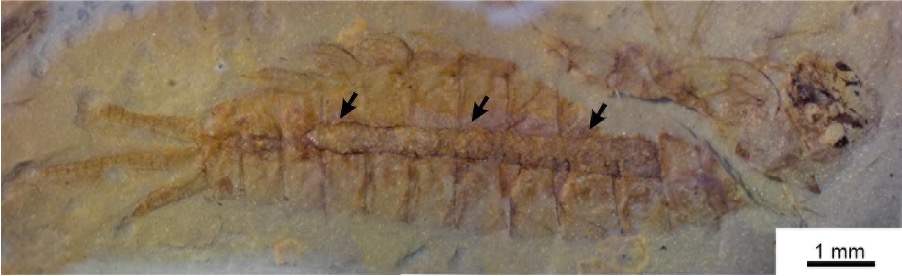
One of the numerous Early Triassic mayfly nymphs from Mallorca preserved with gut contents. These inclusions result from the original sediment the nymphs fed on (cololite, labelled here with arrows). Image adapted from Peñalver et al. (2023).

Sediment-based diets are extremely rare among living insect species. A handful of modern mayfly species have been observed to munch on the muddy sediment that surrounds the openings of their tunnels, but this is a very rare occurrence. Sediment is a pretty challenging food source, and it’s hard to say why insects may have relied more heavily on it in the ancient past. It is possible that the mayflies found in Mallorca adopted their diet as a result of the Permian mass extinction, which killed off more than 80% of all the species on Earth, ‘just’ five million years prior. With fewer choices of organic material available to eat, perhaps the mayflies were left without a better choice? Or maybe they were simply exploiting new environmental niches that opened up in the aftermath of this catastrophic event?

One of the reasons why it is so difficult to theorise about the evolution of species following the Permian mass extinction is the dearth of fossil evidence dating from the period. Luckily, the coastal cliffs of Mallorca can offer us a rare, exciting glimpse into some of the ecosystems that existed ~247 million years ago. The research team behind the Mallorcan mayfly discovery have also used fossils from the same site to describe the world’s oldest-known dipteran (a group of insects including flies, mosquitoes, gnats, and midges), naming the species Protoanisolarva juarezi. These flies would have lived on land, in back swamp areas, rather than in the water. However, much like the Triassic mayfly nymphs, they would have fed on detritus, and played a key role as recyclers of organic matter in these ancient ecosystems.
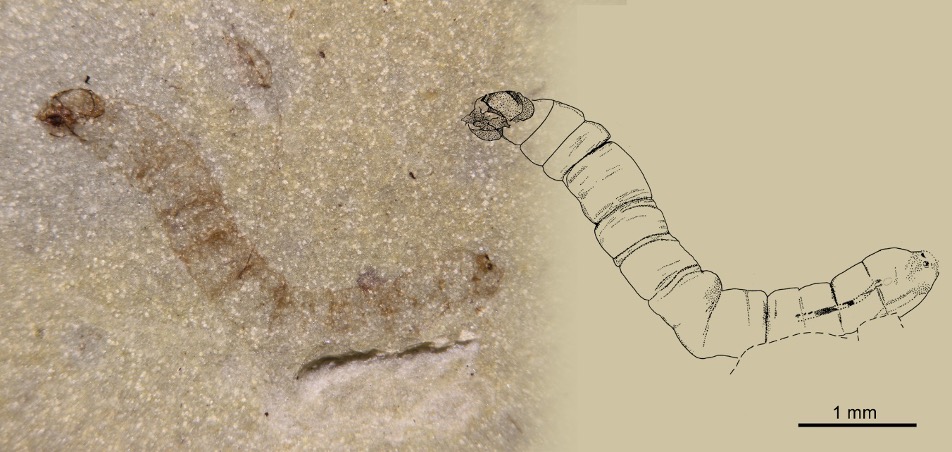
The larva of the oldest-known gnat, 247 million years old, was found near Estellencs in Mallorca. (Image: CN-IGME CSIC).

It is by paying attention to tiny insect fossils like these that we might hope to find answers to one of the biggest questions in palaeontology: how did life rebuild in the aftermath of our planet’s worst mass extinction? And what might this teach us about ecosystem responses to future mass extinction events?


By Ella McKelvey, Web Content and Communications Officer
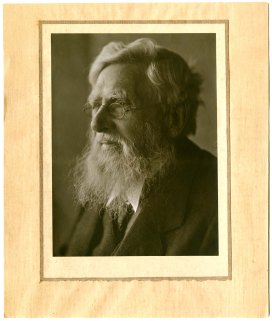
A.R. WALLACE’S ARCHIVE NOW AVAILABLE ONLINE


“In all works on Natural History, we constantly find details of the marvellous adaptation of animals to their food, their habits, and the localities in which they are found.”

– A.R. Wallace

2023 marks a number of important anniversaries in the UK: it has been 75 years since the founding of the NHS and the arrival of the Empire Windrush in London, and 100 years since the first outside broadcast by the British Broadcasting Company. Importantly for the Museum, it is also the 200th anniversary of the birth of Alfred Russel Wallace (1823-1913), the trailblazing biologist, geographer, explorer, and naturalist.

Wallace was one of the leading evolutionary thinkers of the nineteenth century and is most well-known for independently developing the theory of natural selection simultaneously with Charles Darwin. The publication of Wallace’s paper “On the Tendency of Varieties of Depart Indefinitely from the Original Type” in 1858 prompted Darwin to quickly publish On the Origin of Species the following year. He was a pioneer in the field of zoogeography and was considered the leading expert of his time on the geographical distribution of animal species. He was also one of the first scientists to write a serious exploration of the possibility of life on other planets.

Wallace undertook extensive fieldwork in the Amazon River basin and the Malay Archipelago. He spent four years in the Amazon from 1848-52 but unfortunately lost much of his collection when the ship he returned to Britain on caught fire. Afterwards, he spent eight years in the Malay Archipelago (1854-62), building up a collection of 125,660 specimens including 109,700 insects, many of which are currently housed at Oxford University Museum of Natural History. In fact, we now hold one of the largest collections of Wallace specimens in the country.

In addition to entomological specimens, OUMNH holds a large and varied archival collection relating to Wallace. The archive includes original insect illustrations sent to Wallace by contemporary entomologists, photographs, and even obituaries. By far the largest portion of the collection is 295 letters of correspondence, of which 285 were penned by Wallace himself. The bulk of Wallace’s letters were written to fellow scientists, including the chemist and naturalist Raphael Meldola and the evolutionary biologist Edward Bagnall Poulton.

We are happy to announce that, in celebration of Wallace’s 200th year, we are making the entire Wallace correspondence available to browse online!

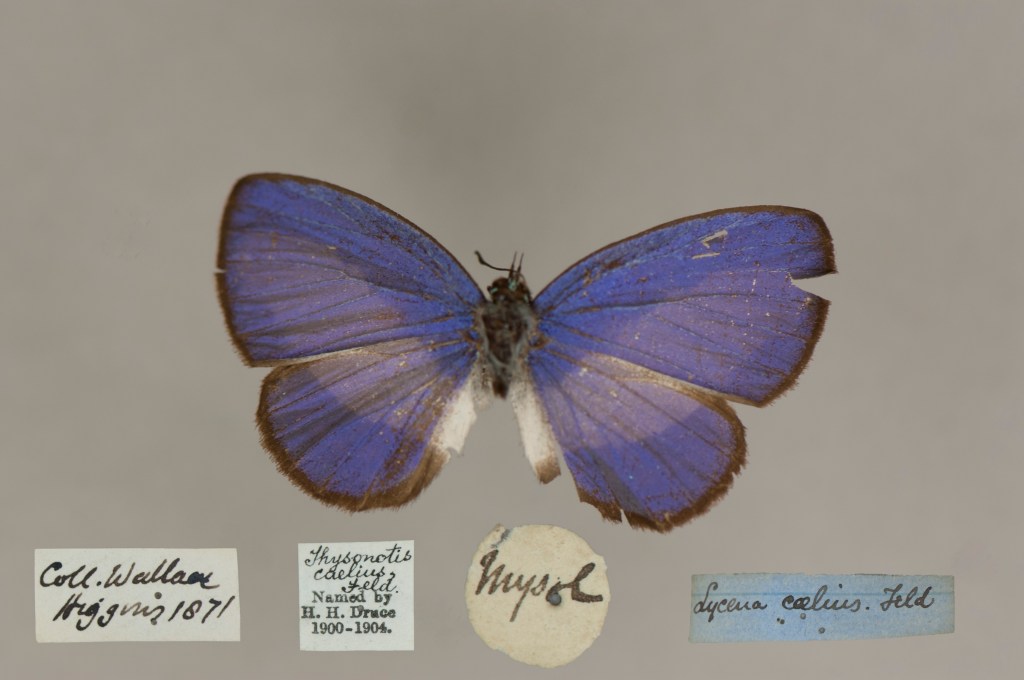
Several of the letters in the collection can be connected to the Wallace entomological collections held at OUMNH, providing us with invaluable insights into the history of these specimens. For example, you can read this 1896 letter from Wallace to Poulton in which Wallace discusses the changing of hands of his entomological collections, from Samuel Stevens to Edmond Higgins following Stevens’ retirement in 1867. The Museum subsequently acquired some of Wallace’s entomological specimens through Edmond Higgins, including the two beautiful examples shown above.

These letters are a potential treasure trove of information about Wallace and his collections, and we hope they will be of great interest to researchers in the field, as well as to the public. Interested? Learn more about Alfred Russel Wallace or explore his archive online.


Article by Matthew Barton, Digital Archivist at OUMNH

Disappearing Butterflies

HOW TO SOLVE A BIOLOGICAL MYSTERY USING MUSEUM COLLECTIONS AND DNA TECHNOLOGY


By Rebecca Whitla, PhD student at Oxford Brookes University


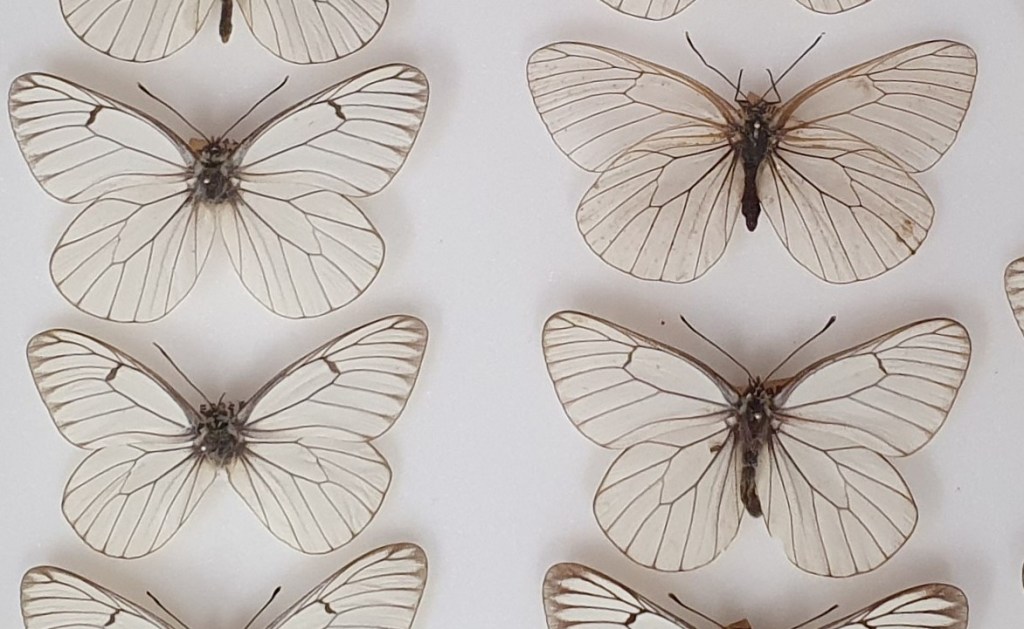
The Black-veined white butterfly (Aporia crataegi) was a large, charismatic butterfly with distinctive black venation on its wings. Once commonly found in the UK, the species unfortunately went extinct here in around 1925, with the last British specimens collected from Herne Bay in Kent. It isn’t fully understood why the species disappeared from the UK, but climate change, predation, parasites, and disease have all been suggested to have caused its disappearance — perhaps with several of these factors contributing to its decline. Central to solving the mystery of the disappearance of the Black-veined white will be the collections of butterflies that are stored in museums like OUMNH.

Butterflies tend to be well-represented in museum collections, and the Black-veined white is no exception. While the species has now been extinct in the UK for around 100 years, Lepidoptera enthusiasts from previous centuries often captured wild Black-veined white specimens for their personal collections. The abundance of Black-veined white butterflies in museum collections, like the collections at OUMNH, serve as a valuable repository for scientific research — including my own!

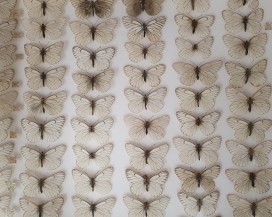
Black-veined white butterflies in the collections at OUMNH

Between June and December 2021, I undertook a research project using OUMNH’s Black-veined white butterflies. My task was to extract enough DNA from the butterflies to use for ‘whole genome sequencing’ — in other words, I was attempting to extract DNA from butterfly specimens to decode their complete DNA sequence. Getting DNA sequences from the historical specimens that are kept in Museums is no easy task, as DNA degrades over time. Nonetheless, animal specimens from natural history museums have successfully been used for whole genome sequencing and genetic analysis in the past, including species as diverse as longhorn beetles and least Weasels.

In order to work out how to extract DNA from the specimens, I had to try a variety of methods. This included experimenting to find out whether butterfly legs or abdomen fragments yielded more DNA, and whether non-destructive methods of DNA extraction were as effective as destructive methods. An example of a non-destructive method of DNA extraction would be a process like soaking a sample overnight and using the leftover liquid for DNA extraction, whereas a destructive method might involve mashing a whole leg or abdomen segment to use as a DNA source.

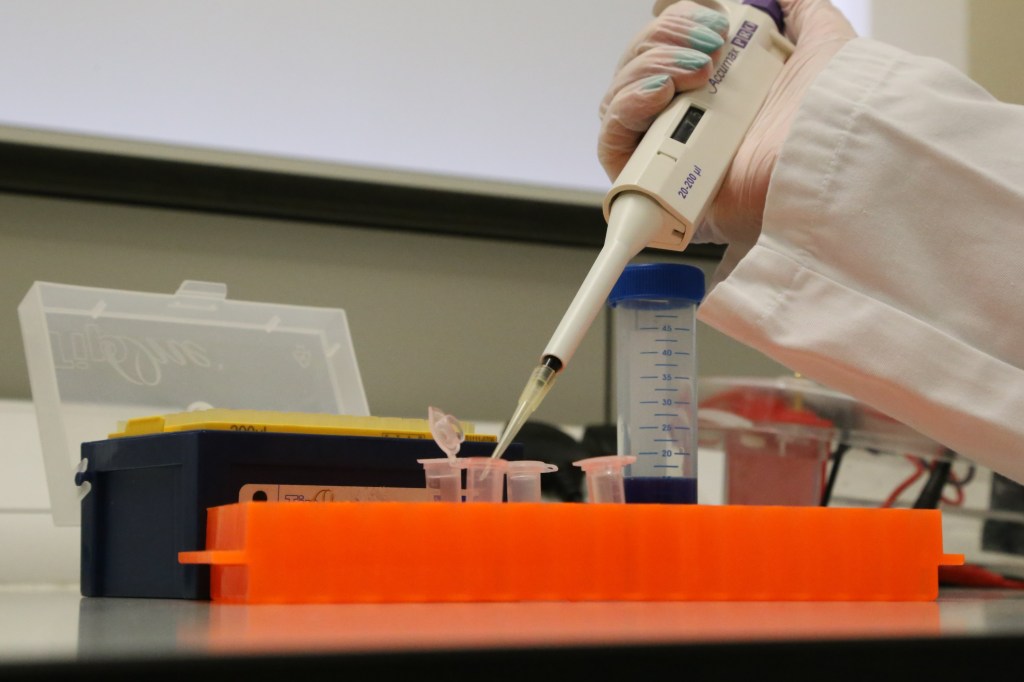
Preparing a DNA sample

Overall, I found that destructively sampling the legs of the butterflies gave the most reliable results, and also had the added benefit of not destroying the wings or abdomen of the specimens. Keeping the wings and abdomens of the butterflies intact will likely prove useful for conducting morphological studies in future.

Now that I have a reliable DNA extraction method, the next step in my research will be to analyse more Black-veined white specimens from a span of different time periods leading up to the species’ disappearance. I will then compare samples collected from each time period to calculate the genetic diversity of the species at each point in time, leading up to its disappearance. If I find a steady decline in the species’ genetic diversity over time, this may indicate a gradual extinction of the species. This is because we expect that, as numbers of a species decrease, inbreeding will become common, resulting in less diversity in the species’ DNA. However, if the populations of Black-veined white butterflies went extinct very suddenly, the decline in genetic diversity will probably be less pronounced. Learning more about the fate of the Black-veined White could not only help us unlock the historical mystery of the species’ decline in Britain, but will also help us understand more about the species’ decline in other parts of the world.


British Insect Collections: HOPE for the Future is an ambitious project to protect and share the Museum of Natural History’s unique and irreplaceable British insect collection. Containing over one million specimens – including dozens of iconic species now considered extinct in the UK – it offers us an extraordinary window into the natural world and the ways it has changed over the last 200 years. The HOPE for the Future project is funded by the National Lottery Heritage Fund, thanks to National Lottery players.

Conservation in the Genomic Era

HAVE DNA TECHNOLOGIES REPLACED THE NEED FOR MUSEUMS?


By Sotiria Boutsi, Intern

I am PhD student at Harper Adams University with MSc in Conservation Biology, currently doing a professional internship at the Museum of Natural History in the Public Engagement office. My PhD uses genomic data to study speciation in figs and fig wasps.


The year 1995 marked the first whole-genome sequencing for a free-living organism, the infectious bacterium Haemophilus influenza. Almost three decades later, biotechnological advances have made whole-genome sequencing possible for thousands of species across the tree of life, from ferns and roses, to insects, and – of course – humans. Ambitious projects, like the Earth BioGenome Project, aim to sequence the genomes of even more species, eventually building the complete genomic library of life. But do these advancements help us with conservation efforts? Or are the benefits of biotechnology limited to industrial and biomedical settings?

The value of genetic information is becoming increasingly apparent: from paternity tests and DNA traces in forensic investigations, to the characterization of genes related to common diseases, like cancer, we are becoming familiar with the idea that DNA can reveal more than meets the eye. This is especially the case for environmental DNA, or eDNA — DNA molecules found outside living organisms. Such DNA is often left behind in organic traces like tissue fragments and secretions. Practically, this means that water or air can host DNA from organisms that might be really hard to observe in nature for a variety of reasons — like being too small, too rare, or just too shy.

So, how do we determine which species left behind a sample of eDNA? The method of identifying a species based on its genomic sequence is called barcoding. A barcode is a short genomic sequence unique to a species of organism. Therefore, every time we encounter a barcode sequence, whether it is taken from a living animal or eDNA, we can associate it to the species which it belongs to.

When we have a mix of different species to identify, things become a bit more complicated. Sometimes we will pick up samples which represent an entire ecological community, and must sort through these using a process called meta-barcoding.

How does meta-barcoding work? Well, we want to be able to identify species based on the shortest possible species-specific sequence. Traditional laboratory methods for DNA amplification (PCR) are combined with DNA sequencing to read the DNA sequences found in any given water or air sample. Then, having a database of reference genomes for different species can serve as the identification key to link the sample sequences to the species they originated from.

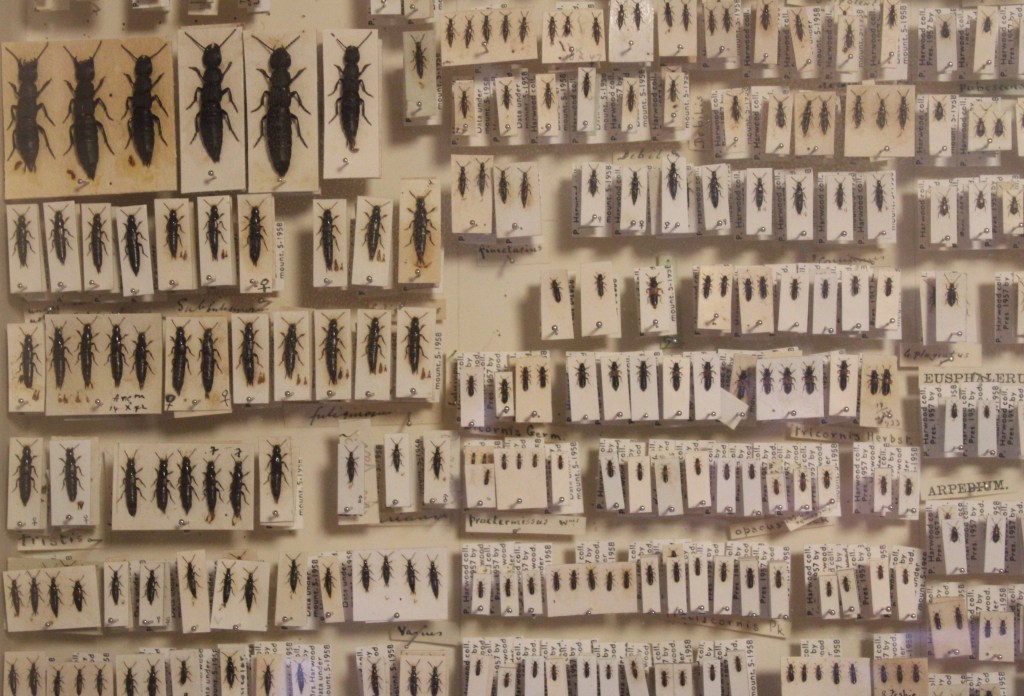
Pinned insects can be found in the Upper Gallery of the Museum. There are currently 5 million insect specimens at the Museum, serving as a record of biodiversity at the time and space of collection. Museum collections are invaluable ways of monitoring biodiversity but rely on capturing live animals.

So, what does this mean for the future of ecology and conservation? Traditional monitoring of biodiversity can involve capturing and killing live animals. This is the case with insect specimens found in museums across the world. Although museum collections are irreplaceable as a record of the history of wild populations, regular monitoring of endangered species should rely on non-invasive methods, such as meta-barcoding of eDNA. Indeed, eDNA has been used to monitor biodiversity in aquatic systems for almost a decade. Monitoring terrestrial ecosystems through air samples is now also becoming possible, opening new possibilities for the future of conservation.

During March, the Museum delivered practical molecular workshops in our laboratory, reaching more than 200 Key Stage 5 students. Students have had the opportunity to learn about the use of eDNA in ecology, as well as get some hands-on experience in other molecular techniques. These include DNA extraction, PCR, the use of restriction enzymes, and gel electrophoresis.  The workshops were delivered by early-career researchers with practical experience in working in the laboratory, as well as Museum staff with a lot of experience in delivering teaching. Through the Museum’s workshops, which run regularly, the next generation of scientists is introduced not only to both human genetics, but also molecular tools used in ecological research, which without a doubt will become increasingly relevant for future conservationists.

Since 2009, the Museum runs practical workshops for Key Stage 5 students in the molecular laboratory at the Museum’s main facilities. Workshops started again this March, after the mandatory 2-year covid-19 break. Students can learn about and discuss the use of molecular techniques in biology by extracting their own DNA.  

We cannot conserve what we do not know. Monitoring biodiversity is the cornerstone of any conservation practice. Doing it efficiently, by making use of both traditional as well as molecular tools, can allow more accurate predictions for the future of biodiversity under the lens of anthropogenic change.


More Information:


British Insect Collections: HOPE for the Future is an ambitious project to protect and share the Museum of Natural History’s unique and irreplaceable British insect collection. Containing over one million specimens – including dozens of iconic species now considered extinct in the UK – it offers us an extraordinary window into the natural world and the ways it has changed over the last 200 years. The HOPE for the Future project is funded by the National Lottery Heritage Fund, thanks to National Lottery players.

Snakeflies: Monsters in the Shadows of the Dinosaurs


Header Image: A reconstruction of a delta-estuarine environment in northern Spain during the Cretaceous, habitat of the studied amber snakeflies, by William Potter Herrera.


Post by William Potter Herrera, Undergraduate Student at Portsmouth University


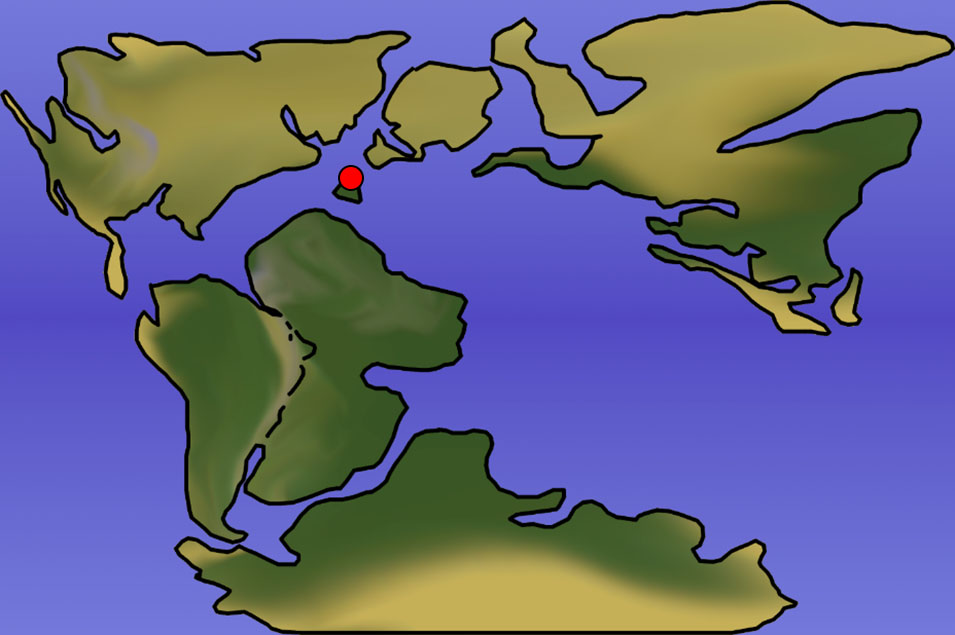
About 105 million years ago, in what is now Cantabria, Spain, rich cycad and conifer forests flourished across a landscape of estuaries and weaving deltas, bordering the then subtropical North Atlantic. While marine crocodiles prowled the waterways and theropod dinosaurs stalked the fern clearings, another ferocious, albeit smaller, predator ruled. Snakeflies, or raphidiopterans, are still around today but their diversity and range is a fraction of what it was during the Mesozoic, the period when the dinosaurs reigned.

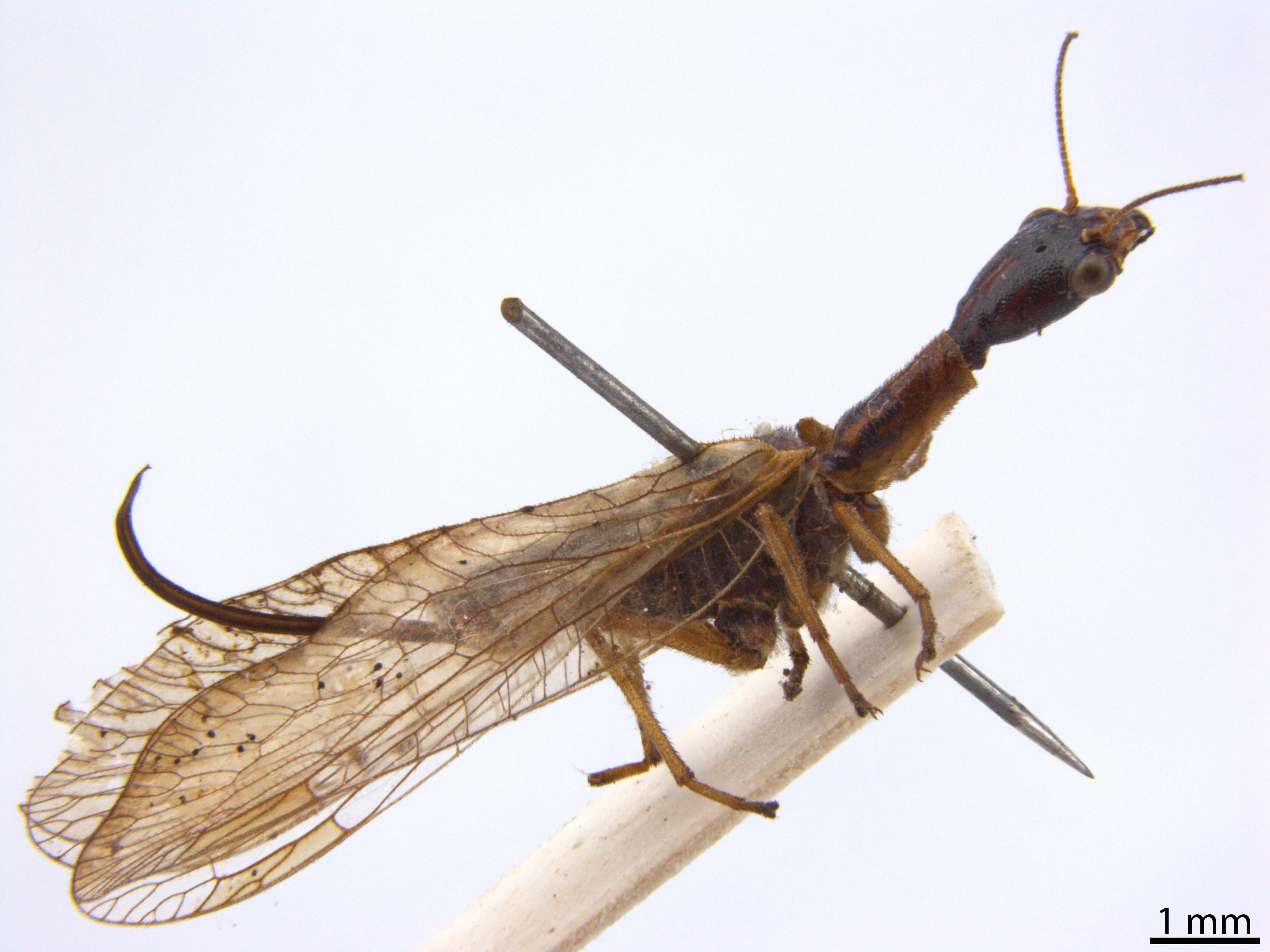
Left: Map of the world 105 million years ago, with ancient Cantabria highlighted. Author: William Potter Herrera, based on work from “The Planetary Habitability Laboratory” at UPR Arecibo. Right: An extant snakefly from OUMNH’s pinned collections.

Snakeflies get their name from their long ‘necks’ and ovipositors — the latter being a long, thin tube that females use to deposit eggs into the safety of crevices. Snakeflies are voracious predators, using their compact jaws to devour anything smaller than them. Their unusual necks allow them to pursue prey into tight spaces. No Cretaceous bug would have been safe from these monsters that existed in the shadows of the dinosaurs.

Working in the shadow of the Museum’s very own dinosaur during a bursary project last summer, I got a very real experience of paleontological research. Insects might not be the first thing you think of when considering fossils, but the sheer diversity and beauty of preservation these organisms exhibit in the fossil record made them a delight to work on. Nowhere is this more true than in the remarkable amber of northern Spain. Under the supervision of Dr Ricardo Pérez-de la Fuente, I examined, described and mapped out four specimens of amber which contained insects, our focus being on snakeflies. Through careful comparison with previous work, we discovered a new species of Necroraphidia, meaning “snakefly of the dead”. This genus was previously known from a specimen preserving no more than its characteristic wings, but the new specimen is nearly completely preserved, frozen in amber as if time itself stopped.

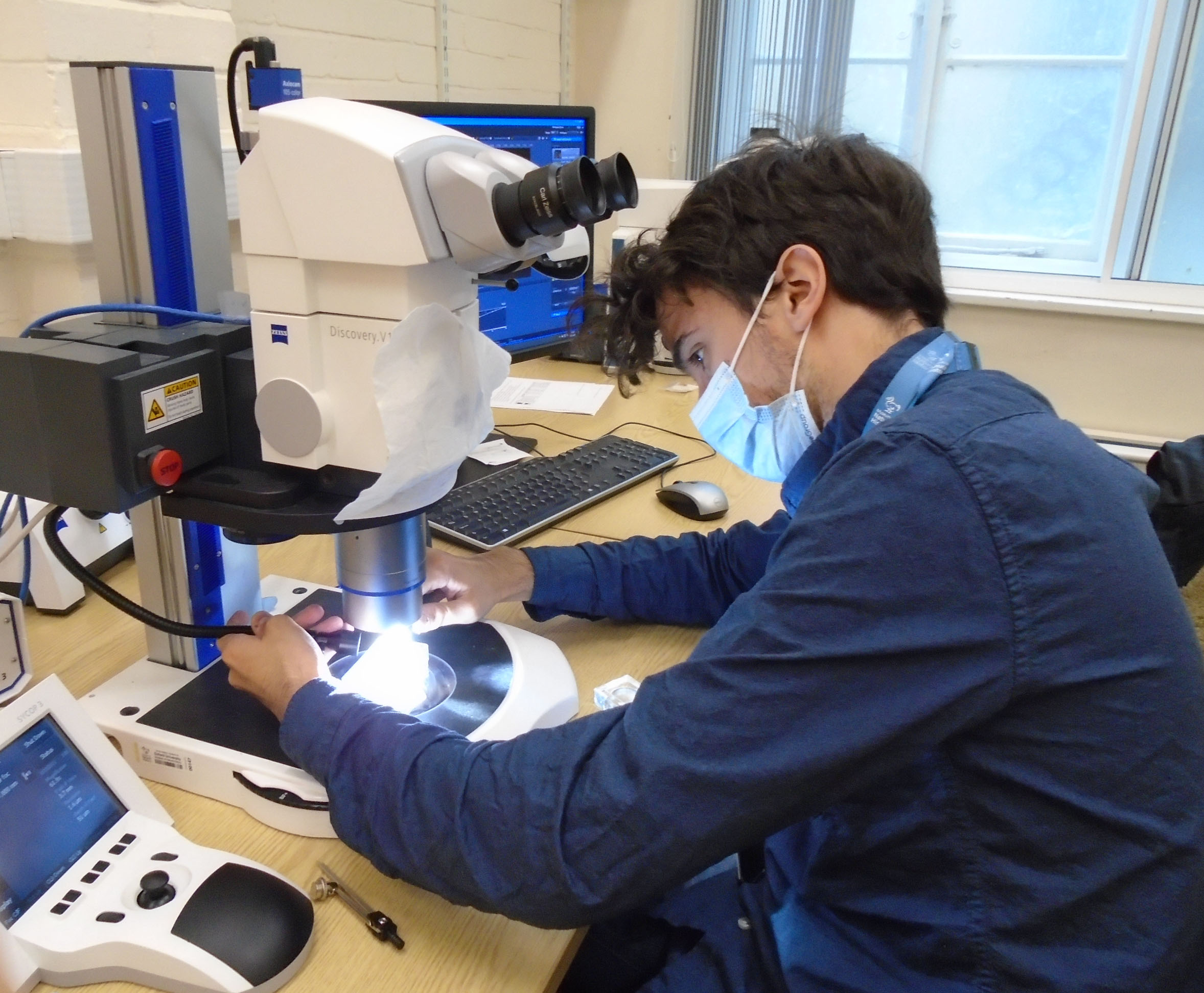
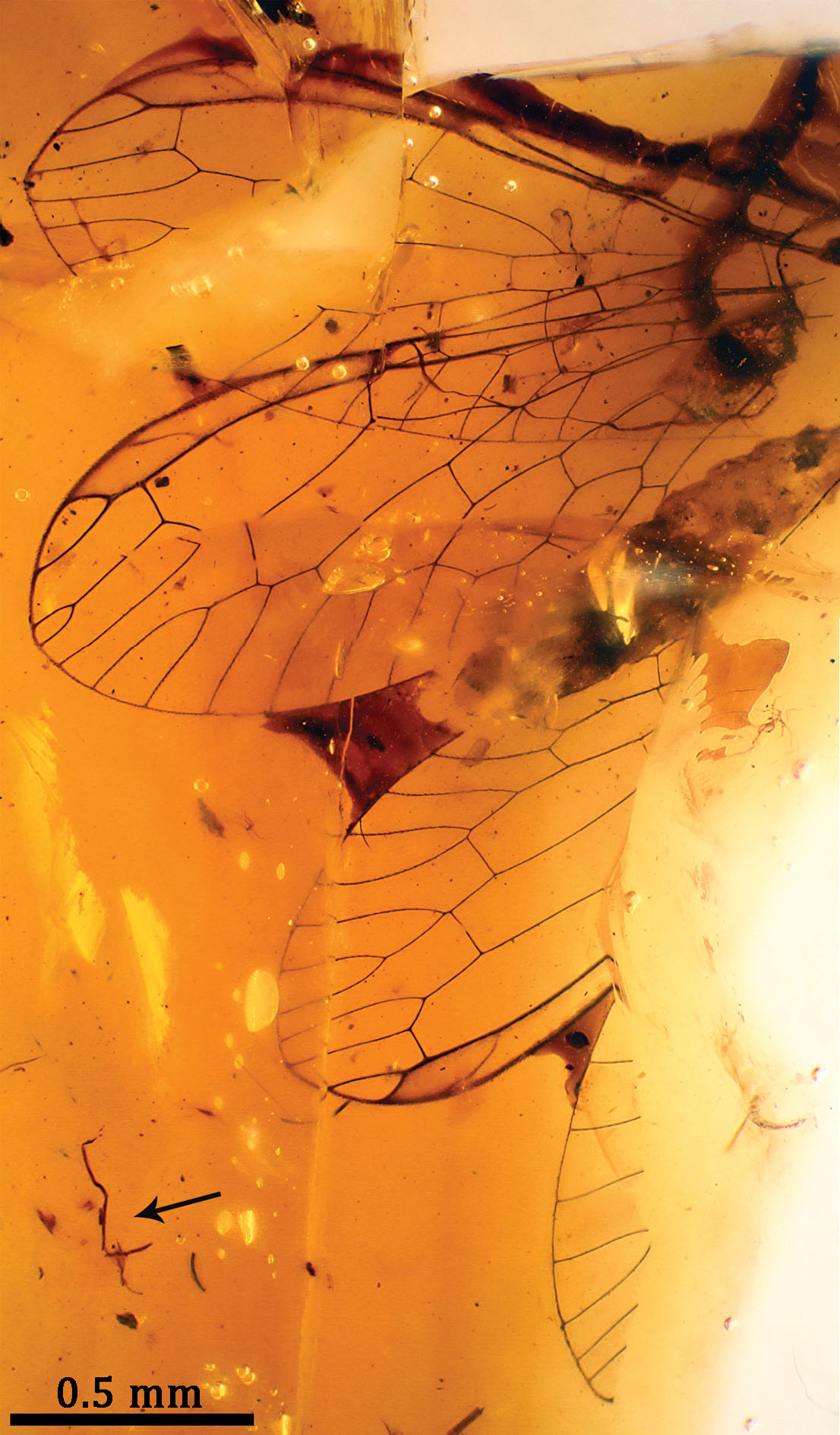
Left: William Potter Herrera examines a snakefly preserved in amber. Right: Necroraphidia arcuata, a snakefly species from El Soplao amber (Cantabria, Spain). The arrow points to a fragment of burnt plant matter (extracted from Pérez-de la Fuente et al., 2012. Zookeys 204).

The story of how the snakeflies ended up in the amber is as fascinating as the creatures themselves. Amber begins its life as tree resin — a highly sticky, viscous fluid extruded by conifers in response to trauma. Insects and other small arthropods are frequently trapped in it, either being caught by it as it flows downwards, or simply flying into it. Because larger insects are more likely to free themselves there is a bias in the fossil record towards smaller organisms. In northern Spain, however, the amber is remarkably rich in insects and also tiny fragments of burnt plant matter, indications that the insects might have become entombed during, or in the aftermath of, raging wildfires that drove them into a disoriented frenzy.

It was studying these charred fragments that inspired my dissertation on fossil charcoal — and that was one of just many benefits I gained from this bursary. It cannot be overstated how brilliant the opportunity to dedicate six weeks to study in a Museum was; exploring behind the scenes and talking to world experts in every field. The confidence gained from being entrusted to conduct this research so independently at such an early stage of my career will serve me going forward. The work was not easy but the support I received was brilliant. Even now, months later, as we work together to finalise our manuscript, I am inspired by the dedication and belief that Ricardo and the whole staff at the OUMNH have shown in me.


Earworms and Hummingbirds

Music and film from the Museum Library


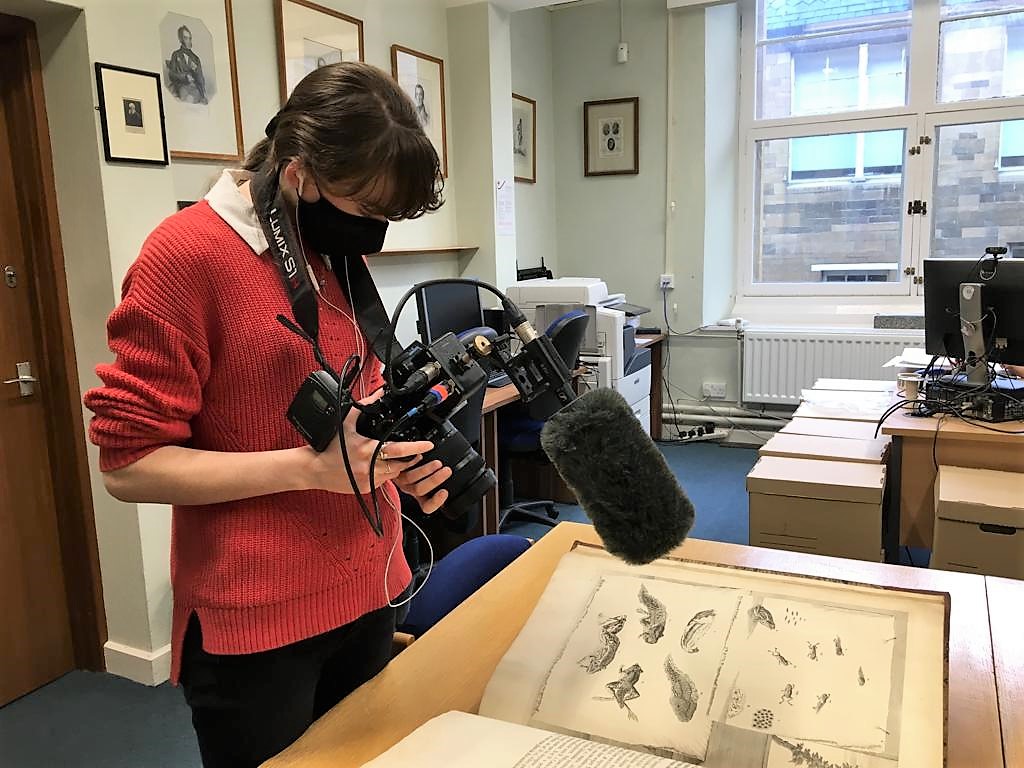
As a part of her Master’s in Wildlife Filmmaking, Alicia Hayden recently visited OUMNH to produce the short film “A Song for Maria”. Featuring the music of Will Pearce, “A Song for Maria” takes its inspiration from the eighteenth-century naturalist Maria Sibylla Merian.

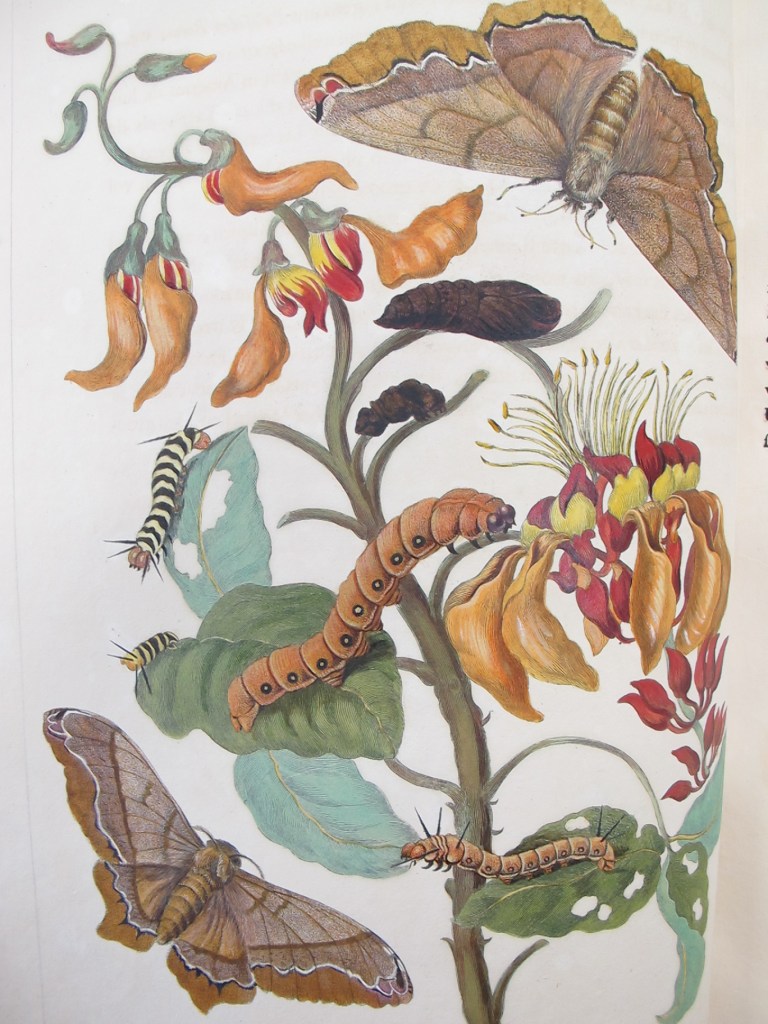
In 1699, aged 52, Maria Sibylla Merian made a trip to Suriname with her daughter to document the metamorphosis of insects, where she spent 2 years illustrating unique species and behaviours. Many of these illustrations are featured in Merian’s incredible publication Metamorphosis Insectorum Surinamensium (1705), or Insects of Suriname.

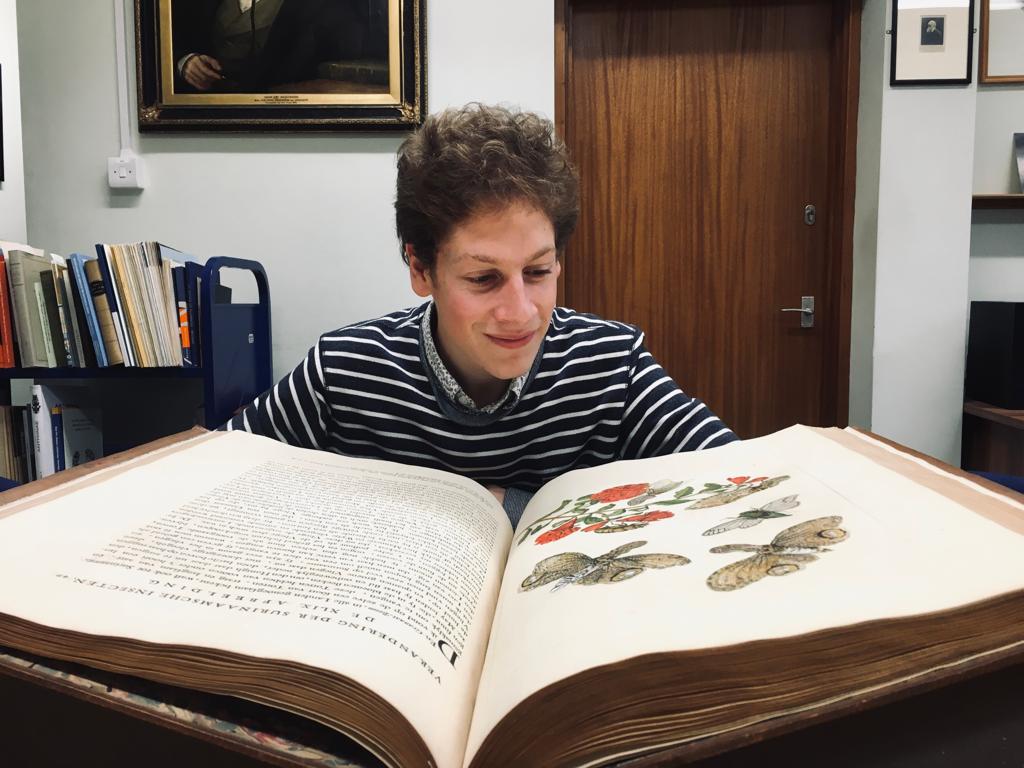
Over three hundred years later, Will and Alicia visited the OUMNH library to view our copies of Insects of Suriname. Here, the pair discuss film-making, songwriting and the impact of Maria’s legacy.


Alicia: Hi Will! You’re a physics student and amateur entomologist at Oxford University. Why were you so keen to visit OUMNH’s copies of Insects of Suriname and what did you think of Maria’s gorgeous illustrations?

Will: I first found out about Maria from a postcard, which was part of a series on influential female scientists. When I got to see OUMNH’s copies of Maria’s work, they did not disappoint. Maria reared all of the insects that she illustrated, allowing her to observe their life cycles in incredible detail.

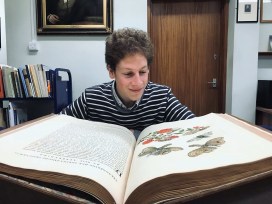
Alicia shooting for “A Song for Maria” in the Library at Oxford University Museum of Natural History

What about you, Alicia? Can you tell me a little bit about why you decided to make a film inspired by Insects of Suriname for your Master’s film project?

Alicia: In addition to studying film-making, I also do a lot of art and poetry, and I was really keen to try and incorporate my love for wildlife-art and creativity into my Master’s film project. After chatting with you about your music, I thought it would be so exciting to merge our mutual love for art and insects into the film!

Like you, I first found out about Maria through a set of women in science postcards, and since then she’s been a big inspiration in my own work, so it was also really special to see her art in person!

I know that you have recently been working on a series of songs about beetles, Will. Why do you choose to sing about nature, and how did Insects of Suriname influence your latest song, “Watercolour Caterpillar”?

Will: During lockdown, the things which kept me going were music and the pond that I built with my dad. For the first time, I started paying attention to nature, and it quickly became as big a part of my life as music. After that it just made sense to combine the two interests! I am constantly looking for inspiration, and almost always find it in either the natural world or others’ art. The life and work of Maria Sibylla Merian seemed like the perfect topic to make a song about.

What were your first impressions when you saw Maria’s books, Alicia? You work in watercolour yourself — did any piece in particular catch your eye?

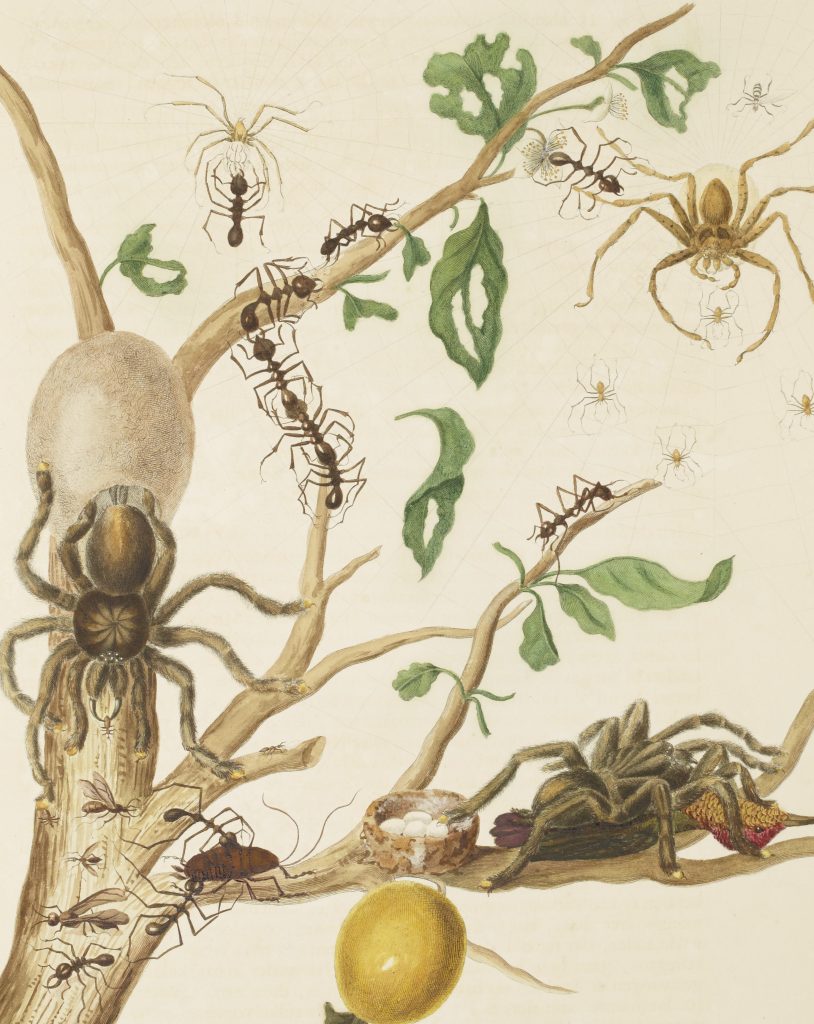
Alicia: I already knew about Maria’s work, and the intricacies of her drawings, before we saw them. But her illustrations are just phenomenal! She was an exceptional scientific illustrator. The drawing which stays with me the most is of the tarantula eating the hummingbird. The detail of the hairs and feathers is just exquisite, and I’m really pleased you can see some of this in the film.

When we were filming “A Song for Maria” together at the Museum, you decided that you not only wanted to write about the invertebrates Maria drew but also her life. How did this impact the final song?

Will: Well, originally the song was going to be about beetles (I’m a bit obsessed with them), but Maria documented a range of incredible species during her time in Suriname. So it seemed only right to diversify. The wafer-thin Surinamese Toad and handsome Hawk-moths were hard to deny! Her life was a real mixed bag, but her determination and her love for the natural world shine through.

Alicia: I had so much fun filming with you in the Museum’s Library, and I could see how much you loved looking at Maria’s work! I was wondering if you had a favourite illustration?

Will: There was one page in particular which I kept flipping back to — in fact you’ve already mentioned it! It shows leaf-cutter ants bridging between twigs using their own bodies, as well as a tarantula tackling a hummingbird! Many of Maria’s illustrations were called into question when the book was published, as they described behaviours not seen before by Europeans and they seemed all too fantastical to be real!

Hopefully, we were able to capture some of the magic of the illustrations in our film. What do you want people who watch the film to take away about Maria?

Alicia: Like you, I really want more people to know about Maria Sibylla Merian and the fantastic contributions she made to entomology. I hope that by watching “A Song for Maria”, people will realise the importance of Maria and her work, and she starts getting as much recognition as her male counterparts of the same era.


A Song for Maria” is available to watch on Alicia’s YouTube channel. You can find out more via Alicia’s website, Alicia’s instagram, and Alicia’s facebook.

Will’s song about Maria “Watercolour Caterpillar” is available to listen to on YouTube. You can find out more via Will’s website and Will’s instagram.