

Uncovering a collection
Each summer the Museum runs its Undergraduate Bursary Scheme to give university students hands-on experience working in a museum of natural history. The scheme accepts applications from students from underrepresented backgrounds who are ordinarily resident in the UK. Here, Ella Buky tells us about her work on the Museum’s historic microscope slide collection.
Over six weeks this summer I had the incredible opportunity of undertaking a summer placement at the Museum, working on its many thousands of microscope slides containing a huge variety of specimens. Before the launch of the Bursary project focusing on these slides, there was no accessible record of what the slides contained. During my time here, I have handled over 4,000 slides covering everything from early records of coral species to whole spiders and even salamander embryos.
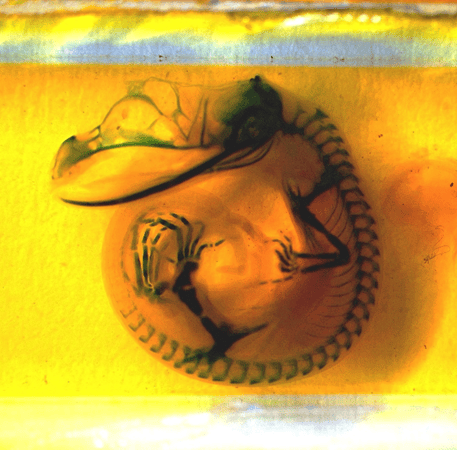
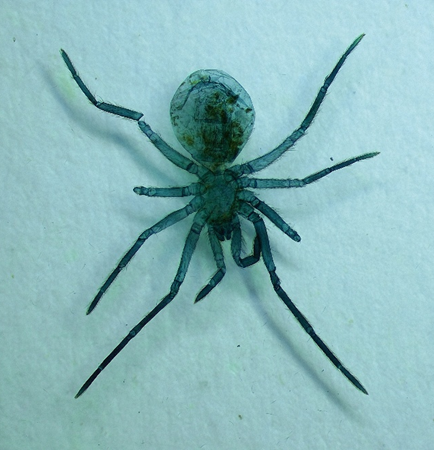
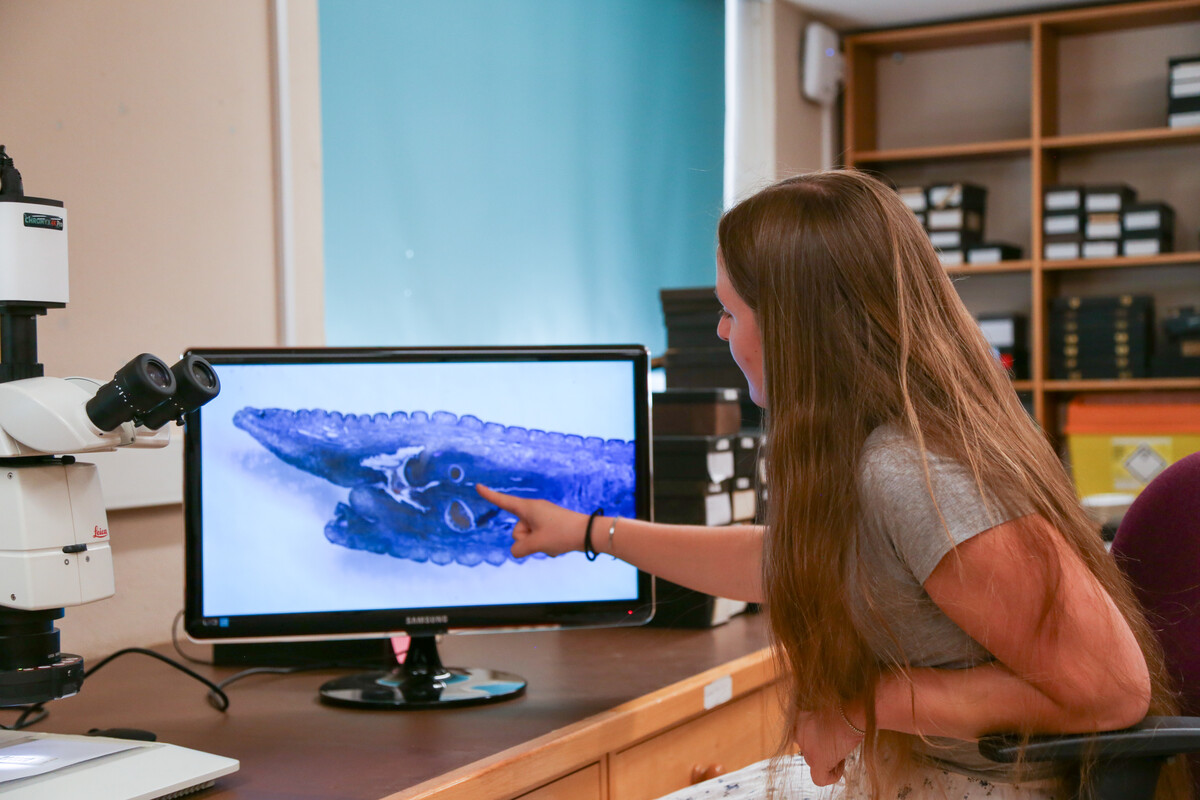
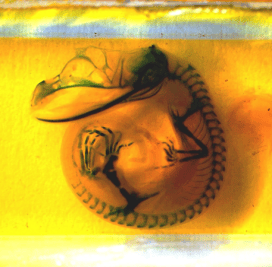
I have been particularly fascinated by the microscope slide series showing developmental processes, such as the transition between a tadpole to a frog – metamorphosis. It was interesting to try and spot the subtle differences in structure between each stage. The intricate work that has gone into producing these slides is remarkable. It has been amazing to be able to study them decades after they were made, and I am pleased that my cataloguing work will enable them to be used in the future.
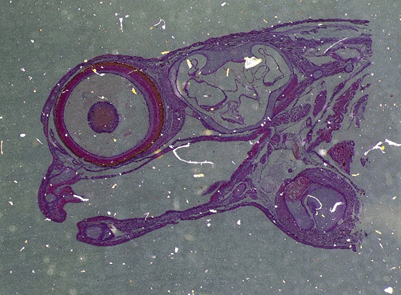
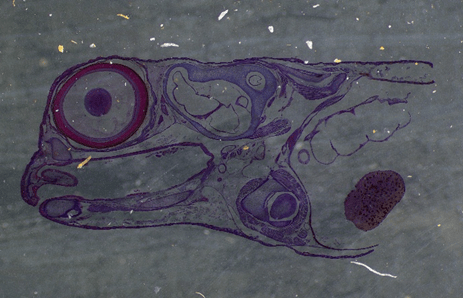
A highlight was uncovering two coral specimens (Tanacetipathes spinescens and Stauropathes arctica) that are type specimens which the Museum was unaware it held. A type specimen is the first scientifically recorded example of a species, and it holds particular importance as it becomes the reference specimen used for comparison to classify any future individuals of the species. It is amazing that the Museum holds so many type specimens, and to have contributed to uncovering more of this collection has been very rewarding.
I did not anticipate was how much scientific classifications have changed over the past century, and how that would impact my work on this project. Often the species that were written on the microscope slides when they were created have since been reclassified and given alternative names. This added an element of problem solving to the cataloguing, requiring online research into biodiversity databases and led me to reflect on the ever-evolving scientific world.
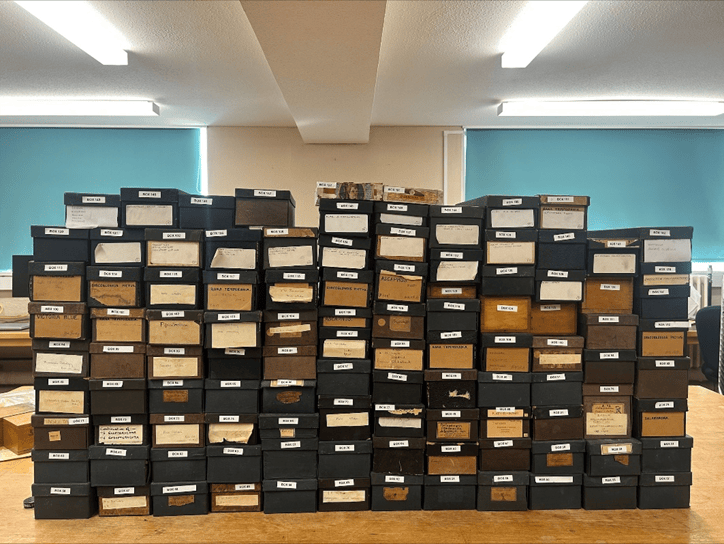
Asides from the daily cataloguing tasks, the placement was particularly special as I gained greater insight into Museum operations overall. I have been lucky enough to have participated in many fascinating behind-the-scenes tours. The sheer number of specimens in the Museum is outstanding and I feel privileged to have been shown treasured objects such as the Megalosaurus jaw bone and the Oxford Dodo’s soft tissue.
The group of bursary students even had the opportunity to assist in the transfer of some whale bones from their current storage site to their new resting place. This involved wrapping the skeletons, moving them into a freezer for two weeks to extinguish any pests, and then moving them into new storage. We all really enjoyed the process and it gave us an appreciation of the care and planning that is required to safely store and preserve these specimens.
This placement has given me a new appreciation for all of the work the museum does. I am really grateful to all of the staff and other interns who have made it a wonderful experience.
Are you an undergraduate student in the UK and interested in our paid Undergraduate Bursary Scheme? You can learn more on our website.

