At home in Yorkshire

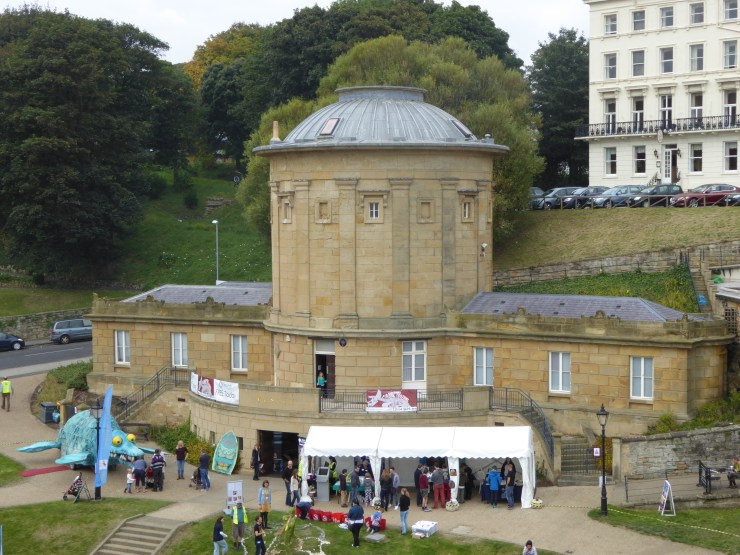
P1000251In rush hour traffic, carrying a precious cargo, the Museum’s Director, Professor Paul Smith and Head of Archival Collections, Kate Santry, headed north. They took the William Smith archive on tour to the Yorkshire Fossil Festival, in lovely Scarborough. Hosted by the Scarborough Museums Trust, in partnership with the Paleontological Association, the Yorkshire Fossil Festival had a wide array of exhibitors, lectures and events all celebrating fossils over the course of three days.
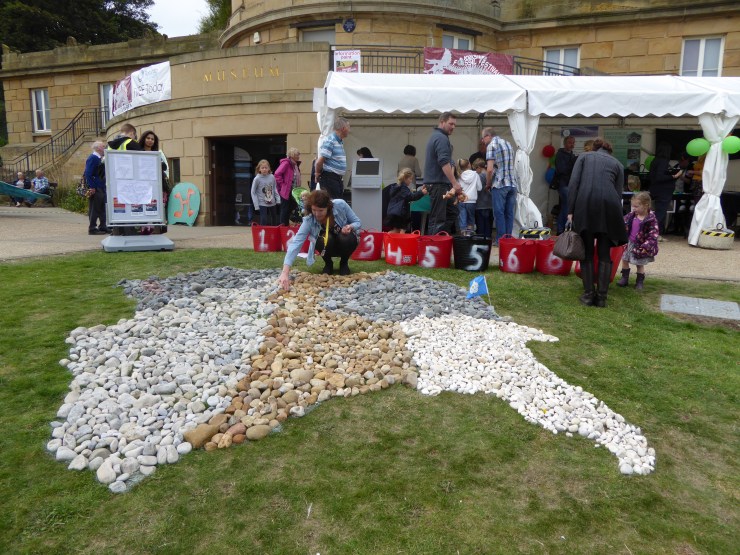
Festival-goers constructing a geological map of Yorkshire using stones. Smith would have been proud!

Despite some chilly and cloudy weather the festival saw a great turn-out. On Friday 12th September, a number of local primary and secondary schools made a visit, participating in activities that gave hands-on experience in understanding more about fossils. The school groups who visited our stall had the opportunity to act out a play exploring how fossils are made with our Director, Paul Smith, as the narrator!
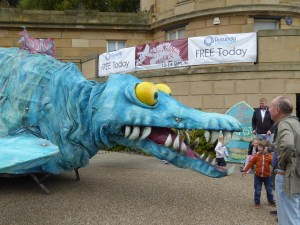
P1000259
Horace the travelling Pliosaur cinema

The crowds visiting the festival over Saturday and Sunday got a rare look at original material from the William Smith archive and were asked to help us transcribe the collection, which has recently been digitised and catalogued. Although he is ‘the father of English geology’, William Smith is not a universally known figure in the history of science. But it was a very different matter with the Scarborough crowd.
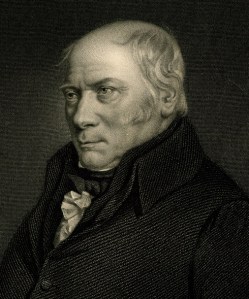
William Smith
William Smith, ‘Father of English geology’ and Scarborough resident

Born here in Oxfordshire, Smith lived in Scarborough at the time he died in 1839 and was an active and important figure in the town. In addition to being an early member of the Philosophical Society, he was also consulted to solve the town’s water supply issues, select stone for the bridge between the town and its newly discovered spa, and most notably in helping to design the Rotunda Museum that was our base for the three days.

The biggest hit at our table over the weekend was the Geological Map of Yorkshire, published by Smith and Cary in 1820 as part of his County Map series. While approximately 400 people spent time looking closely at, and talking with us about this important map, its popularity was followed closely by a copy of Smith’s wine merchant’s bill from Scarborough dated 1839. It certainly appears that Smith was a fan of gin and marsala…
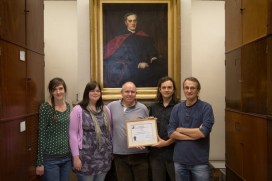
And the winner is…

IMG_3525
Katherine Child, Kate Santry, Peter Eeles, James Hogan and Darren Mann (l-r)

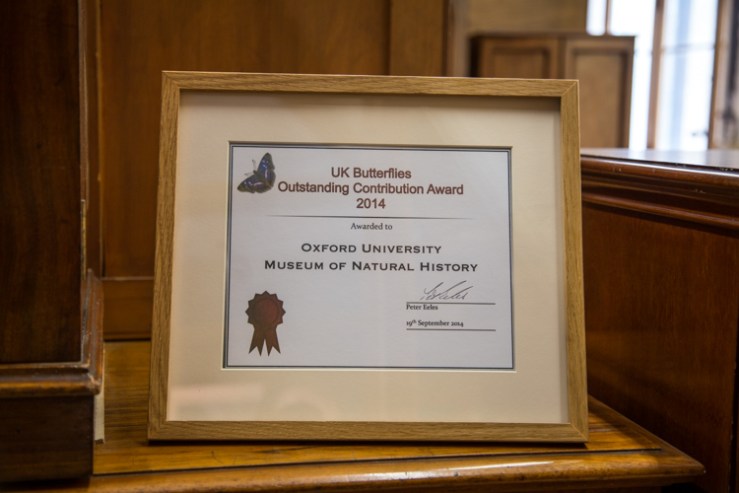
Congratulations to our fabulous Life and Archival Collections teams! They’re a pretty friendly bunch, always keen to help researchers and enthusiasts, giving unrivalled access to their knowledge and their collections. This welcoming attitude has now been recognised by the organisation UK Butterflies, who have awarded them with an Outstanding Contribution Award.

Peter Eeles (l) presents the award to James Hogan

This is the first time that the award has been given to an organisation, rather than an individual, which was apparently “in special recognition of the role that this team of committed individuals has played in helping bring the UK Butterflies website to a whole new level.”

IMG_3532

Peter Eeles, who developed and runs the UK Butterflies website, has been visiting the Hope Entomological Collections (part of our Life Collections) for many years. He says that the staff have always been “encouraging, knowledgeable and welcoming” and have truly helped advance the mission statement of the organisation; Building a community of responsible butterfly enthusiasts.

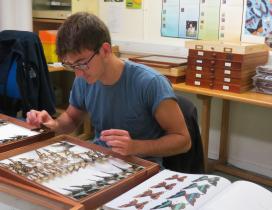
Peter Eeles admires some Camberwell Beauty butterflies.
Peter admires some Camberwell Beauty butterflies.

James Hogan, from the Hope Collection, has worked closely with Peter and his colleagues and says;
“It’s a great honour to be recognised and it’s always a pleasure to welcome the UK Butterflies members.

“They’re always enthusiastic about what they do and I learn a huge amount about our collections, too. There’s no point having collections if no-one uses them!”

The Library and Archives, run by Kate Santry, has been vital in research into the history of entomology. Last year, Mark Colvin, a contributor to the website, used the collections to study the life and works of James Charles Dale. By combining diaries and photos from the Archives and specimens from the Life Collections, he built up a thorough report on the entomologists’ work. Peter interviewed Kate about her work back in December last year and put the interview onto the website.

Mark and Peter talked about the impressive ‘open door’ policy that the staff have, and this doesn’t just extend to entomologists. Kate is always very keen to point out that the Library is open to anyone who would like to visit. Just drop her an email on libary@oum.ox.ac.uk to arrange a good time to call in.

Thanks to Peter, Mark and all at UK Butterflies, for this exciting award – now to find the perfect spot to show it off!

Rachel Parle, Interpretation and Education Officer

Who woz ere?

IMG_3505

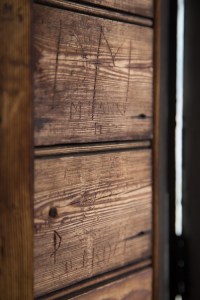
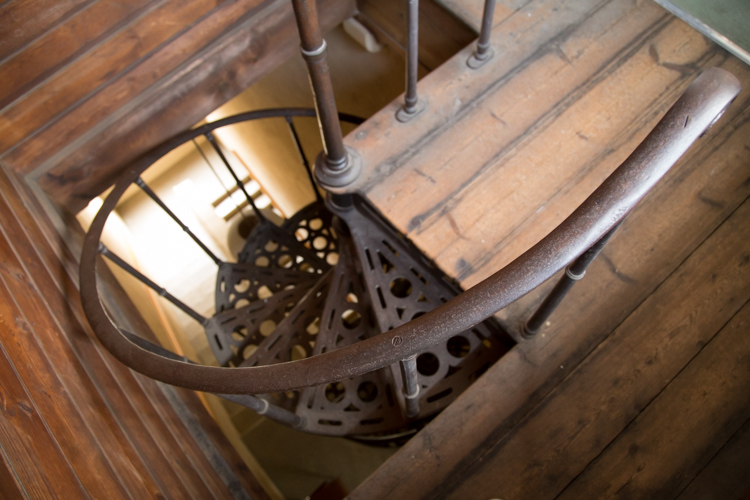
Find a dark corner of the museum, step behind a velvet rope and climb a narrow spiral staircase, and you reach a forgotten spot that is little more than a landing. But before you continue your journey and enter the next room, pause and look at the walls.

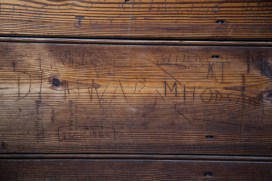
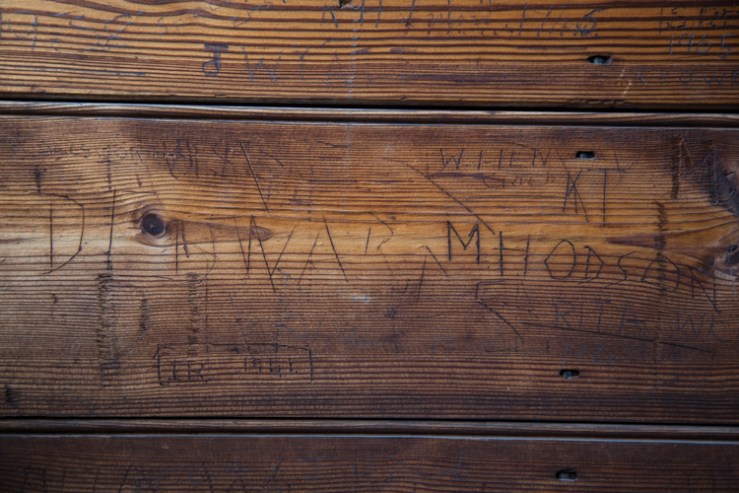
IMG_3518This little room behind the scenes in the museum is entirely wood panelled and seems to have become a spot to make your mark. Covering the walls, the door and even the ceiling are names and dates scratched into or scribbled onto the wood. The dates go as far back as 1920. Names, initials and numbers from the last 10 decades now overlap to create a textured collage.
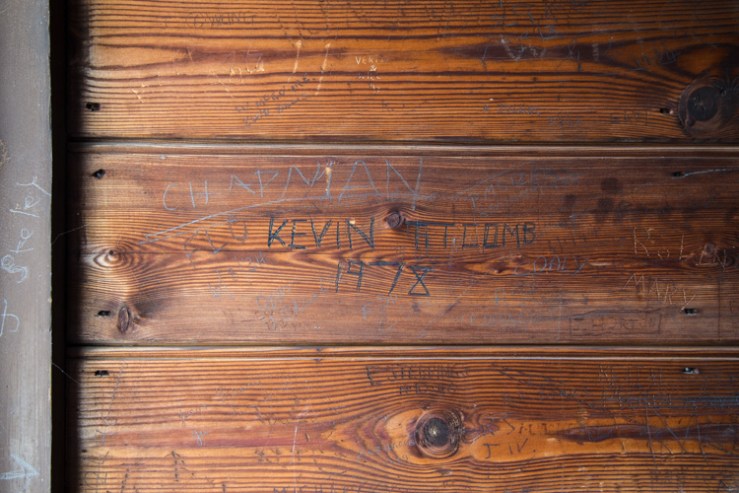
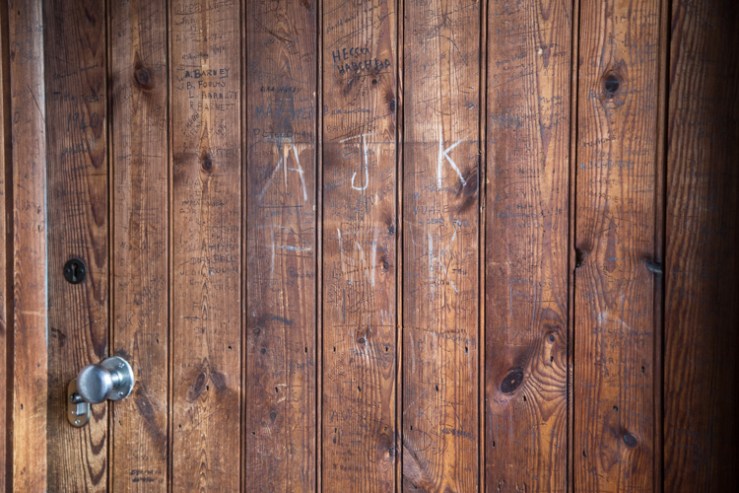
It’s unclear how this tradition started, or why it seems to have been tolerated by the museum for so long, but it seems that hundreds of people who have spent time here wanted to leave a permanent reminder of their presence.

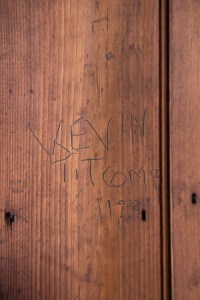
Kevin Titcomb, 1978
Kevin Titcomb, 1978

Some graffiti artists returned to admire their work and add to the collection many years later. Kevin Titcomb’s name is one of the larger in the room and he first made his mark 1978.

Kevin Titcomb, 1998
Kevin Titcomb, 1998

But look up to the ceiling and you’ll see his name appears again, with the date 1998. It looks like this time he’d run out of space on the walls and resorted to the ceiling – his handwriting suggests it’s a lot harder to write with your hand above your head!

The most recent addition was made in 2013, the year the museum closed for a roof renovation. You may remember we found some pretty significant graffiti back then too, as documented on our blog. Maybe the 2013 scribbler was inspired by this and wanted their name to be seen in 150 years time.

IMG_3509

This spiral staircase leads to 'graffiti corner'
This spiral staircase leads to ‘graffiti corner’

I was surprised that, after a good while searching the scribbles, I didn’t see any names that I recognised from current staff or museum legend. So who are these people who wrote on the walls? Staff using an alter ego? Visitors who snook behind the scenes and wanted to mark their bravery? Whoever they were, standing on that tiny landing surrounded by names, the graffiti certainly creates a feeling of history and a connection with the people who’ve been here before.

Rachel Parle, Interpretation and Education Officer


Dino Dilemma

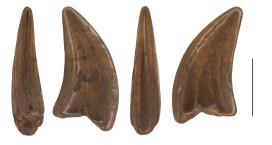
The tooth seen from different angles. Scale is 50mm

A few weeks ago, Dr David Martill from the University of Portsmouth visited the Museum’s collections to look at pterosaur fossils. While he was carrying out his research, he stumbled upon a tiny little tooth, about 1 cm in height, which looked like it might belong to a dinosaur.

Megalosaurus was a theropod, like the owner of the mysterious tooth

We showed the tooth to Dr Roger Benson, an expert on dinosaurs at the Department of Earth Sciences in Oxford. He confirmed that it belonged to a type of dinosaur called a theropod, because of its recurved shape and the presence of a series of serrations, called denticals, along one of its edges. The serrations are worn, making them difficult to see, which might explain why the tooth had not been identified as coming from a dinosaur before now. Theropods are the group of meat-eating dinosaurs that gave rise to birds, and include T. rex, Velociraptor and the UK’s own Megalosaurus. The tooth would have been from a small animal, probably less than a metre long. We can’t tell if it was from a small species or just a young dinosaur.

So why is such a diminutive dinosaur tooth potentially so exciting? The reason is that it might come from the Lhwyd Collection. If it does, it would make it the oldest surviving documented dinosaur tooth in the world.

Specimens from the collection were described by Lhywd in 1699 in his book Lithophylacii Britannici ichnographia, a catalogue of British fossils and minerals in the Ashmolean Museum, where he was Keeper from 1691 until his death in 1709. The collection was transferred to the Museum of Natural History after it opened in 1860. Sadly the collection became neglected, and at one stage the number of known Lhywd specimens in the collections was down to just two. However, thanks to the painstaking work of James Edmonds, one of the curators, in the late 1940s, the collection was brought back together, and the Museum now has around 80 of the specimens from the catalogue.

Lhwyd 92 catalogue entry

The problem is we can’t be completely sure that the tooth Dr Martill found is from Lhywd’s collection. Lhwyd wrote numbers on all his specimens, which correspond to the numbers in his catalogue (shown here), and this tooth is indeed labelled with the number 92. The handwriting on the dinosaur tooth, and the pen used to write the number are extremely similar to those used on other specimens from the Lhywd collection. It was also found with other numbered specimens from the Lhywd Collection. However, when we checked the catalogue entry, we found that the number 92 doesn’t correspond to a tooth, but to a piece of fossil coral.

Our next thought was that maybe the tooth was originally numbered 1292, but the 12 at the beginning had become worn away through handling. Examination under UV light, to increase the contrast between the writing and the tooth, revealed no sign of other numbers, and in any case the number 92 was written centrally on the tooth, rather than to the right as you would have expected if it had been the end of a longer number.

Tooth lateral 92 visible
Here you can see 92 written on the tooth

We know that Lhwyd’s collection sometimes included several specimens under the same number, and there is another tooth in the collection labelled 1292. This specimen, a shark tooth, is slightly larger than the theropod tooth, so is it possible that Lhwyd wrote the full number on the larger specimens but abbreviated it to 92 for the smaller ones? Hard to say. It seems we have come tantalisingly close to a very exciting discovery, but for now it remains a mystery still to be solved.

Hilary Ketchum & Eliza Howlett, Collections Managers, Earth Collections

Summer Swifts

Judith Wakelam 04
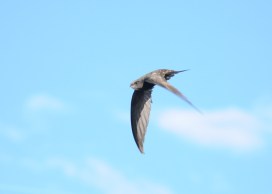
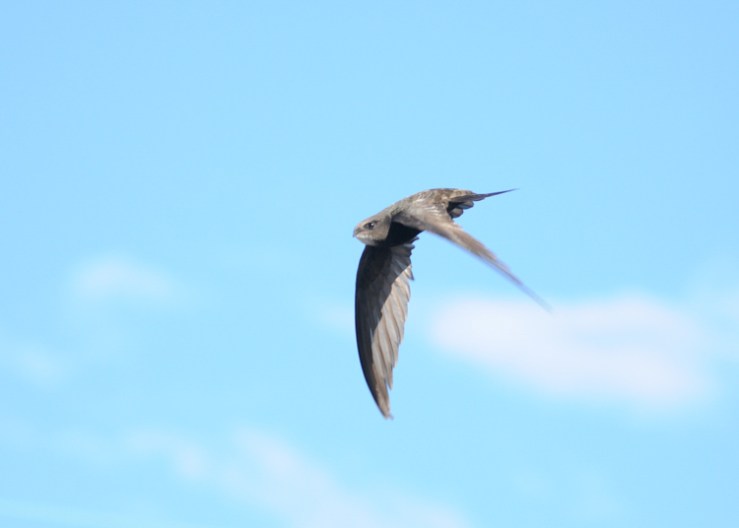
Mastery of the Skies by Judith Wakelam

Hopefully many of you have been able to visit the Museum over the summer to admire the incredible images in the Wildlife Photographer of the Year exhibition. If you haven’t yet seen the inquisitive lion or the mysterious elephants, don’t leave it too long; it’s only on display until 22nd September.

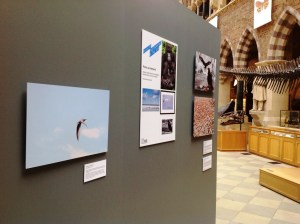
Mastery of the Skies on display in the Museum

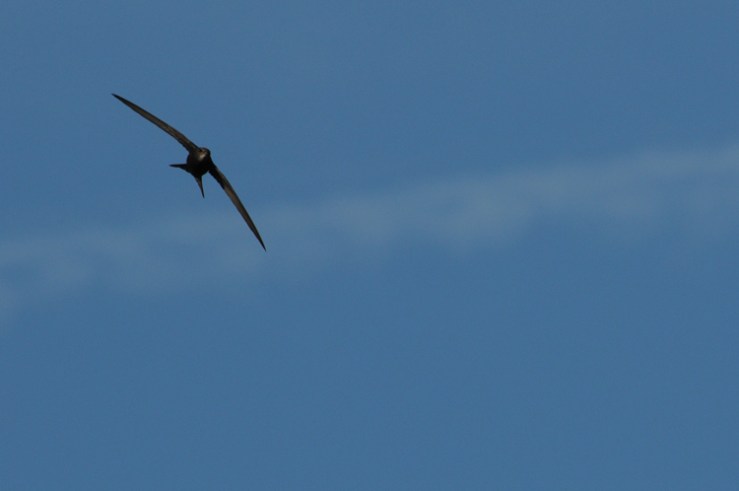
Today we’ve had a new addition to the spectacular collection of photographs. Mastery of the Skies by Judith Wakelam (above) will sit alongside these international competition winners. Judith’s photograph was chosen as the winner of the Museum’s own Summer Swifts competition, a challenge inspired by the display of the WPY exhibition here.

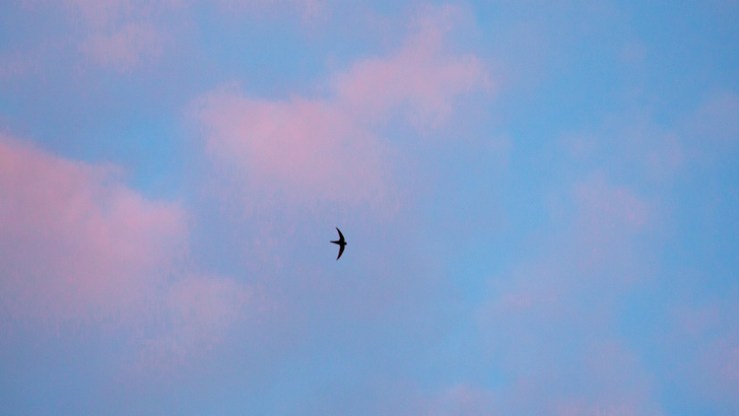
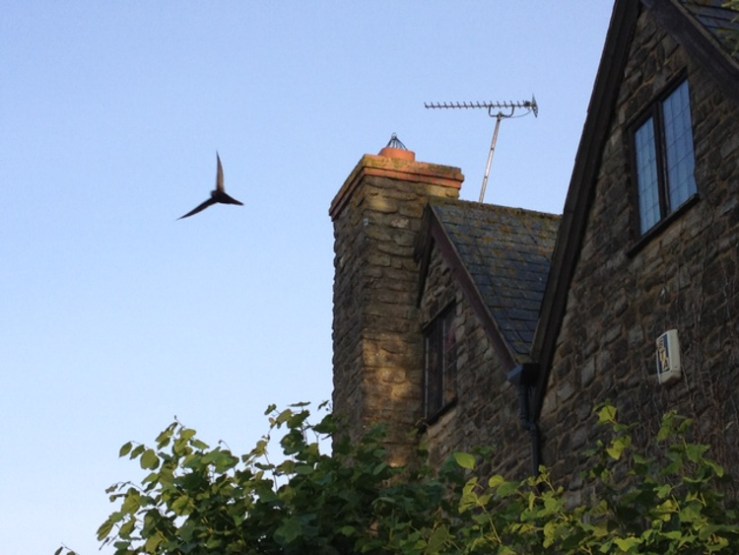
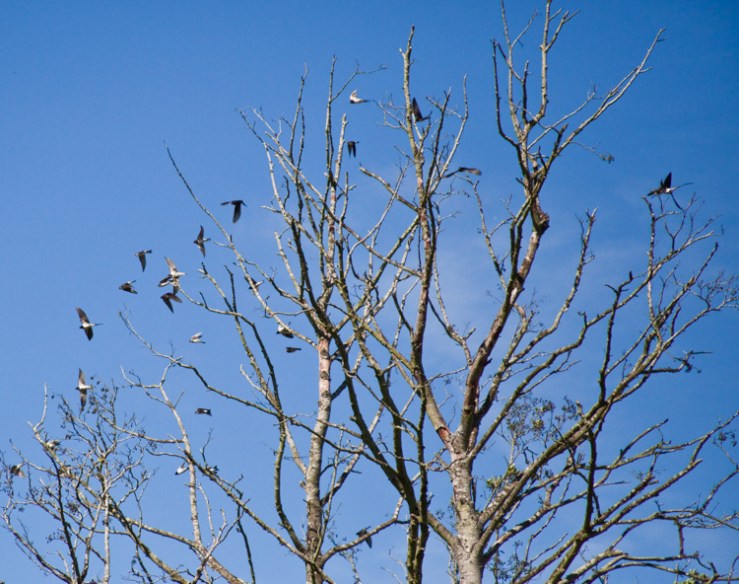
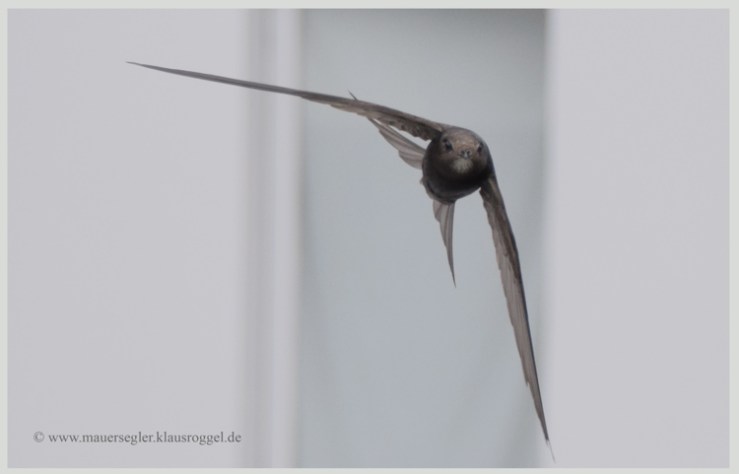
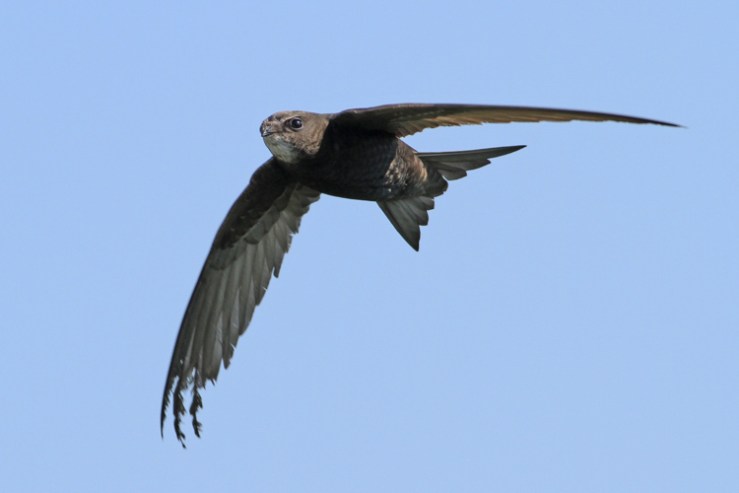
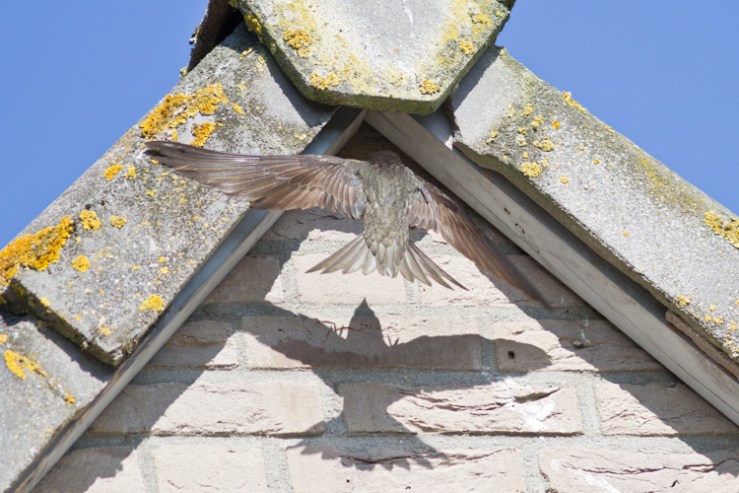
Photographing swifts is particularly difficult – they are small birds which fly very quickly and almost never stop to rest. Although the competition received some excellent entries, the judges felt that Judith Wakelam’s image really captured the character and dynamism of a swift in flight, showing some motion but still retaining enough clarity to easily see the bird’s face.

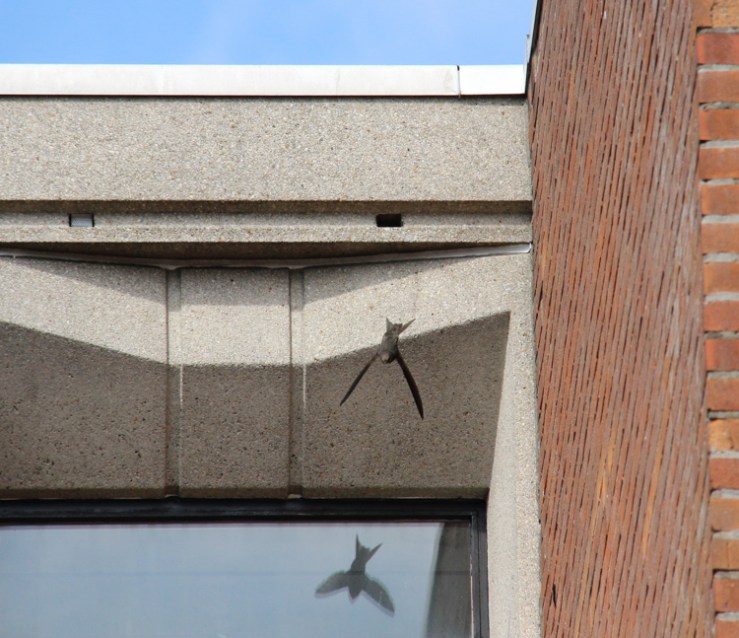
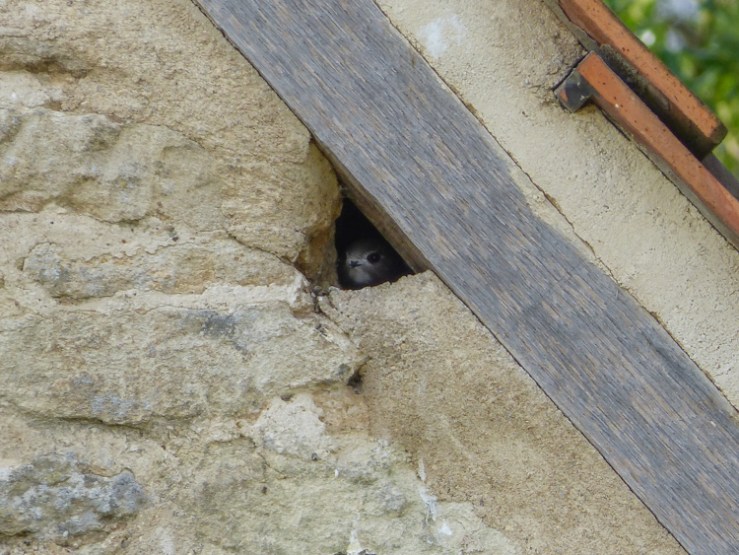
Here are the other Summer Swifts competition entries, so you can see for yourself how high the standard was.

Mark Garrett
Mark Garrett
Martine Tenret 2
Martine Tenret
Tom Nicholson-Lailey
Neil Downing 3
Neil Downing
Nick Owen
Nick Owen
Stephen Powles
Stephen Powles
Klaus Roggel
Klaus Roggel
Chris Powles
Chris Powles
Maciej Szymański 1
Maciej Szymański
Gordon Bowdery
Gordon Bowdery
Henk Haans
Henk Haans
Ingolf Grabow
Ingolf Grabow

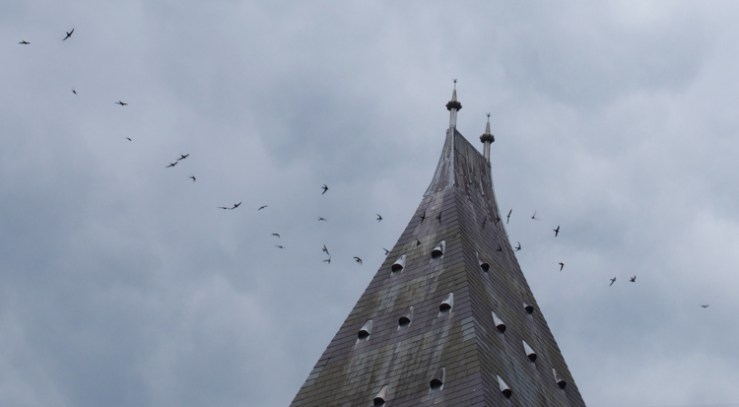
The Museum’s own colony of swifts has had a good summer and there’s now just one little chick left to fledge. We’ll all miss their distinctive screech as they soar around the Museum tower. Fortunately, Mastery of the Skies will keep the memory of high summer alive in the museum well into September.

Rachel Parle, Interpretation and Education Officer

It must be autumn – the interns have flown

James organising the South Sudanese butterflies
James Evry organising the South Sudanese butterflies

It seems very quiet this week, now the last of our undergraduate interns has left us. A week ago, third year Earth sciences student Keyron Hickman-Lewis identified and numbered his last tray of specimens from the 19th century Parker collection, photographed some of the finest Jurassic fish jaws, sharks’ teeth, and other beautifully preserved fossils, before heading home to enjoy a well-earned break.

We’ve been running paid undergraduate internships for several years now, supported by grants from the University’s E.P.A. Cephalosporin Fund. The students tackle curatorial projects – sorting, identifying, numbering and cataloguing specimens, or helping to organise and list archives. This enables us to get a lot of curatorial work done, and it gives the interns a chance to handle and learn about a wider range of specimens and materials than they would ever see on their degree courses, while learning new skills which will be useful in their future careers. This year we also had interns funded through Oxford University’s own internship scheme, all tackling projects with more of a research focus.

Naomi (l) and Branwen (r) numbering Freeman collection minerals

Second year biologist, Ellen Foley-Williams worked on the Long-horn Beetle collection, but she’s really interested in science communication, so we set her an extra challenge of running a blog where all the interns could share their experiences; have a look at More Than an Intern to discover more.

Naomi (r) showing off some Cumbrian iron ore from her home county, and a an iron meteorite from space in ‘Spotlight specimens’

Some of the interns rose to the challenge of joining our ‘Spotlight Specimens’ rota. Every weekday afternoon at 2.30, a member of staff takes some favourite specimens from behind-the-scenes, and talks about them to museum visitors. It may be a bit scary first time, but every one of the interns said it was really fun to do – if sometimes a little challenging with such a varied audience.

In total, we had eleven interns, each spending six weeks working on a specific project. So Branwen, Cecilia, Ellen, Emily G., Emily T., Grace, James, Keyron, Max, Naomi, and Steph, we’d like to thank you all for being hard-working and lots of fun to have around. We hope we’ll see lots more of you all in coming years.

Monica Price, Head of Earth Collections