

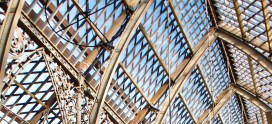
Looking up

There can be many reasons for a museum’s decision to install a temporary exhibition, but the most powerful is that its visitors have asked for it. While working in the Museum’s shop, Magdalena Molina is often quizzed about the building’s iconic roof, which can be admired as they browse. “What’s it made from? Who designed it? How does it get cleaned?” The most popular question of all is, “Where can I find out more?”.

Magdalena is an experienced designer, who has worked on various exhibitions, so she approached the Museum with her ideas for a creative, artistic display all about the roof. An exhibition to satisfy the interests of curious visitors.
As a designer I feel inspired by the exquisite design and architecture of the roof of the Museum. Assisting in the shop, I have received a lot of comments from visitors who are fascinated by the building.
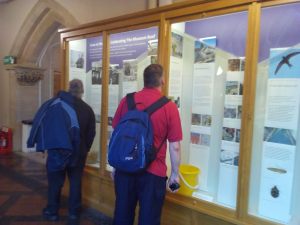
The exhibition, Lives at the Top: celebrating the museum roof, has just opened. It allows visitors to discover the people behind its creation, secrets of its beautiful design and find out how it has been maintained for generations to come.
It begins with the origins of the Museum building, with an architectural competition won by Woodward and Deane, soon followed by the architect’s tragic early death.
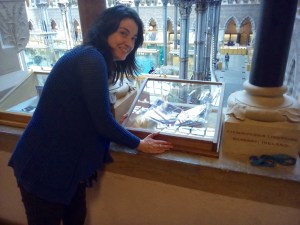
The story continues with the 2013 roof renovation project and moves on to current museum concerns such as pests living up in the rafters. There are also 6 ‘Curiosity Boxes’ to explore, which use mirrors and magnifiers to look at the roof in a new, imaginative way.
Magdalena hopes that visitors will:
Follow the story which celebrates the people involved in the life of this astonishing roof, and playfully engage with the interactive designed boxes to help them explore different perspectives of the roof.
Magdalena is encouraging visitors to join the celebration of beautiful roofs, ceilings and architectural details, by sharing their photos with us… and the world! Inspired by the Lives at the Top exhibition, we’ve put together a special board on the Museum’s Pinterest account. If you would like to appear on the board, simply share your photo on Twitter or Instagram and tag with #lookingupMNH.
Lives at the Top is open until 13th November 2016.

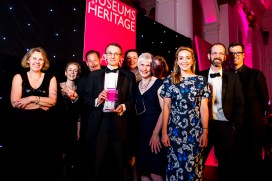


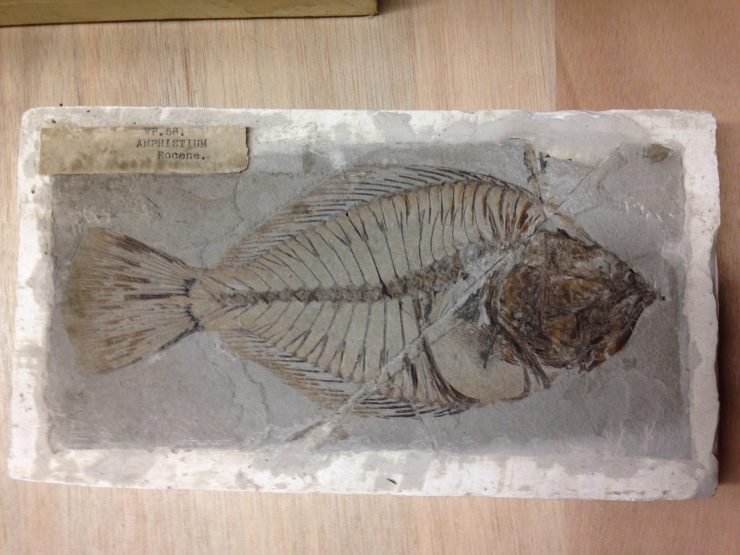
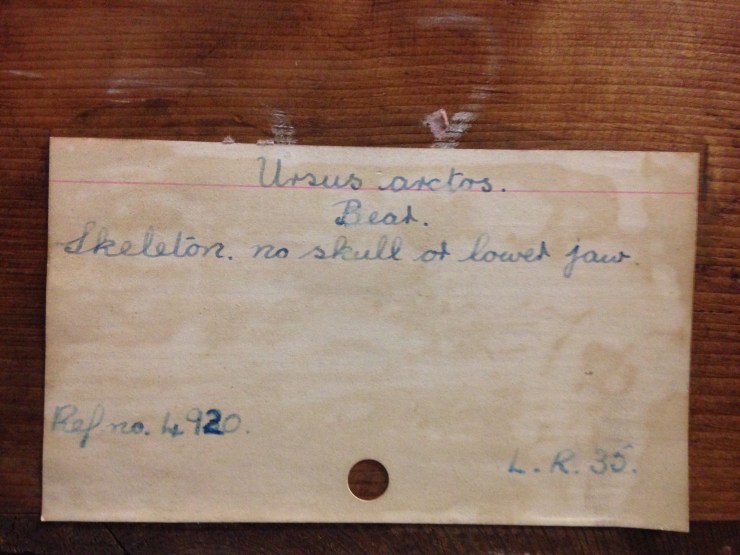
 As the new Project Assistant working for the Museum of Natural History, I am the lucky person who gets to discover some of these stories. I will be working with specimens from both Earth and Life collections, as well as some material from the Library and Archives. The first stage will be making a detailed list of everything that needs to be moved, then I can go on to prepare the new store and get the supplies I’ll need to document, pack and transport everything safely.
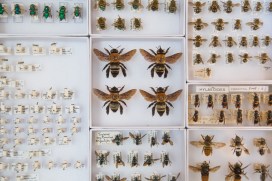
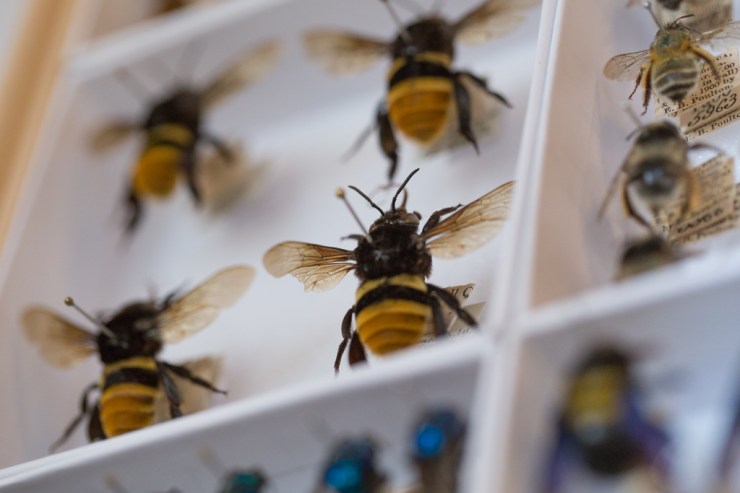

 Although most are specialist pollinators, about 10 per cent of bee species are parasites of other bees, taking advantage of the nectar and pollen collected by their host to feed their own young. These parasitic bees can be quite strange in appearance – not needing to collect pollen they have typically lost most of their hair and appear more like wasps.




 More Than A Dodo