Petri dish to puppetry

Spheres, spirals, rods, corkscrews… bacteria come in strange and beautiful shapes. Our Bacterial World exhibition (19 October 2018 – 28 May 2019) tells the untold story of life on a microscopic scale, and a recent Museum project brought together a research scientist, a group of school students and an artist to explore the patterns, textures and forms of beautiful bacteria. This science and art collaboration led to the creation of three fabulous bacteria-inspired puppets.
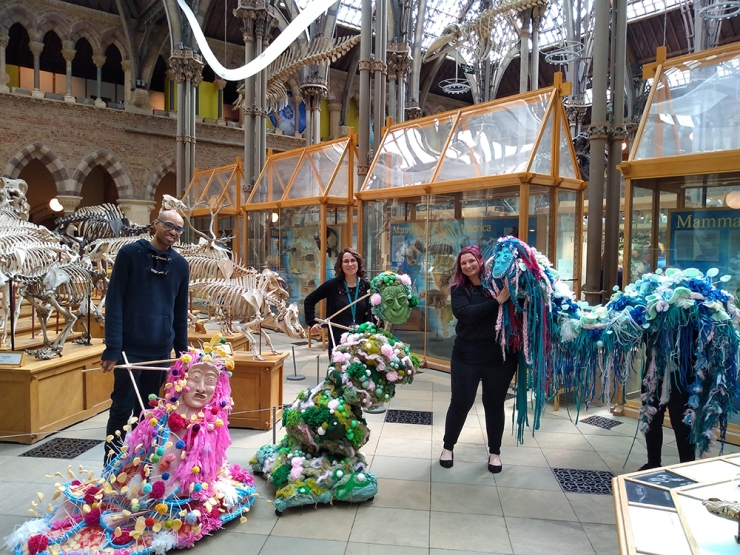
Volunteers and puppets in the museum
The puppets let loose in the Museum. Volunteers Tayo, Chantelle and Humaira (hidden behind the blue puppet!), with Carly from the Museum’s public engagement team.

Our Public Engagement team worked with Iffley Academy, a school for students with special educational needs and disabilities in Oxford. The pupils were from the brilliantly-named ‘Jackson Pollock’ class and they fully embraced the bacteria theme, through museum visits, workshops and classroom activities.

As well as visiting Bacterial World, the students had a workshop with Dr Frances Colles, a microbiology researcher from the University of Oxford, where they learnt about the importance of bacteria in their lives. As well as working with the students to create their own bacteria superheroes, Fran talked about her own work and took part in a Q&A, where the students made the most of quizzing a real, live scientist.
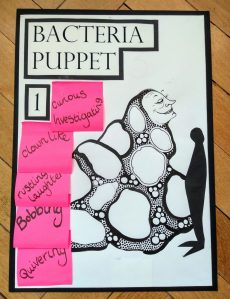
One of the character boards that Georgina created with the students

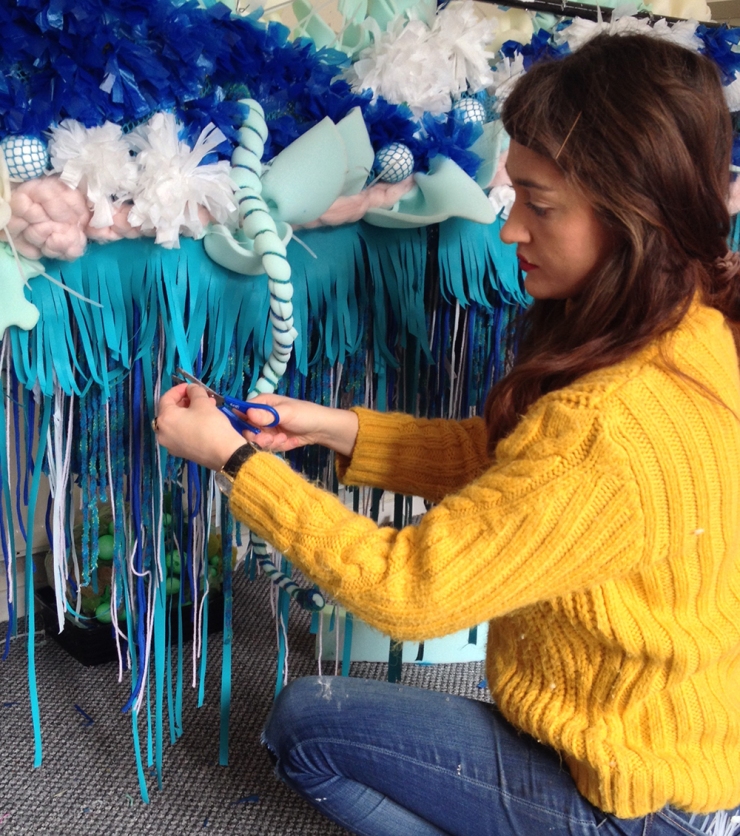
Next, the students spent two days with artist and puppet-maker Georgina Davy, who gave them the chance to experiment with a variety of textiles and techniques, including Japanese shibori dyeing, fringing, plaiting and knotting. The children even created latex faces to ‘personalise’ the bacteria. The pupils worked with Georgina to gather ideas and create mood boards and ‘characters’ for each puppet. She then used these individual pieces to build three giant, bacteria-inspired puppets.
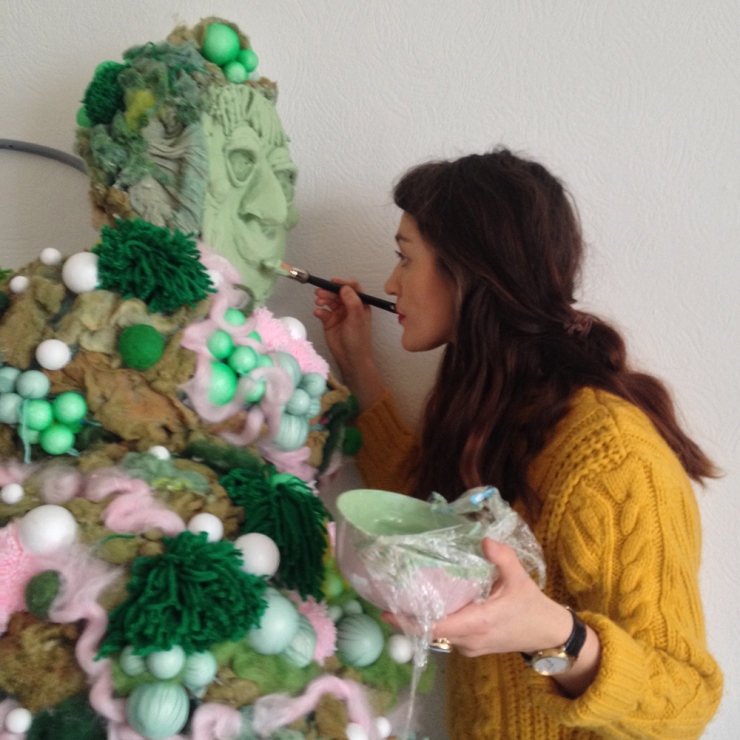
Georgina Davy in her studio, working on the bacteria puppets

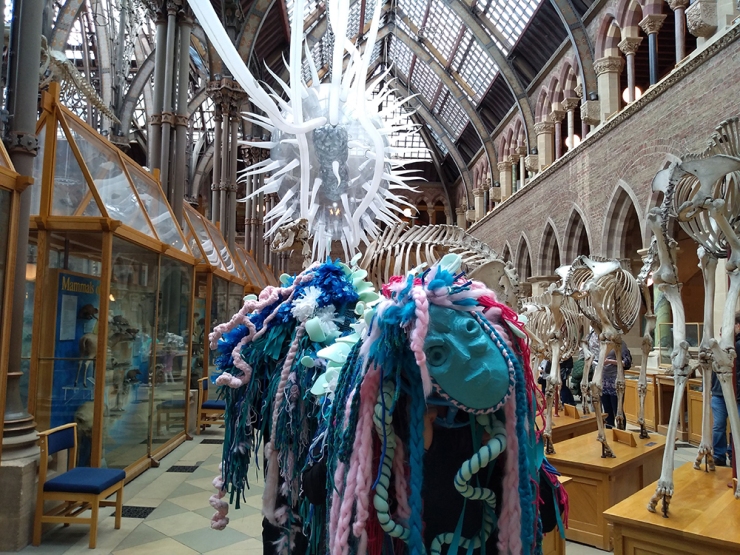
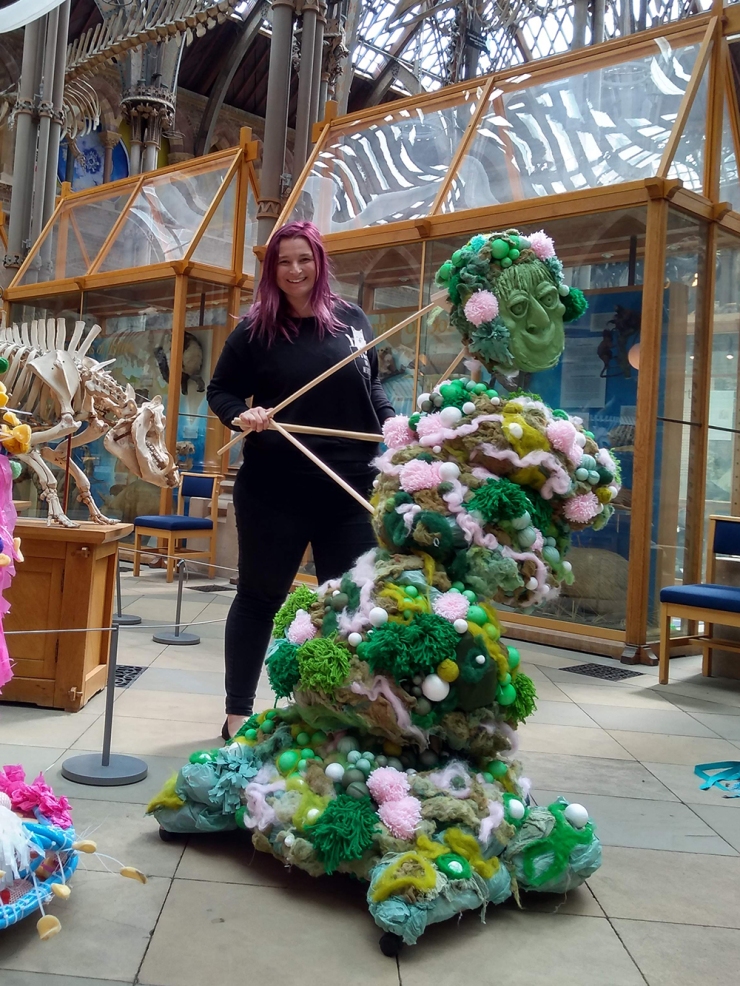
Just like the real bacteria that inspired them, the final puppets all have distinctive appearances and styles of movement. One is tall, green and plodding, another is pink, bobbing and quivering. The long, winding Chinese dragon-style puppet is slinky and searching. An artistic interpretation of bacteria, in motion.

Georgina Davy got a lot out of the collaboration and says:

This project has been the most unusual and marvellous project that a puppet maker could work on. Drawing upon scientific information from museum and academic staff that is enhanced and brought to life by students’ imaginations.

This project is unique in that the physical 3D puppet outcomes come from an almost entirely invisible world. Bacteria operate on an unfathomable microscopic scale. I am still finding it remarkable trying to envision this microscopic galaxy of bacteria taking place around us everyday in riots of colour, shape and movement. We cannot see the surreal bacteria forms that wriggle, bounce and swell around us, but they are there, some even tumbling around in forms like Chinese calligraphy. Their secret world is only unlocked by the microscope.
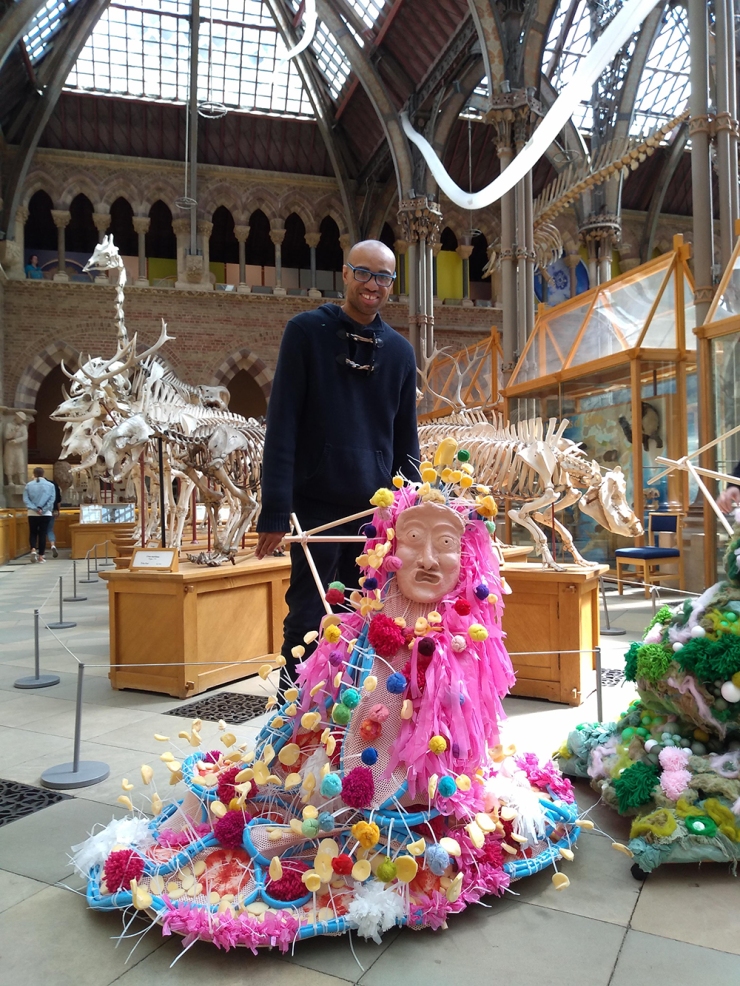
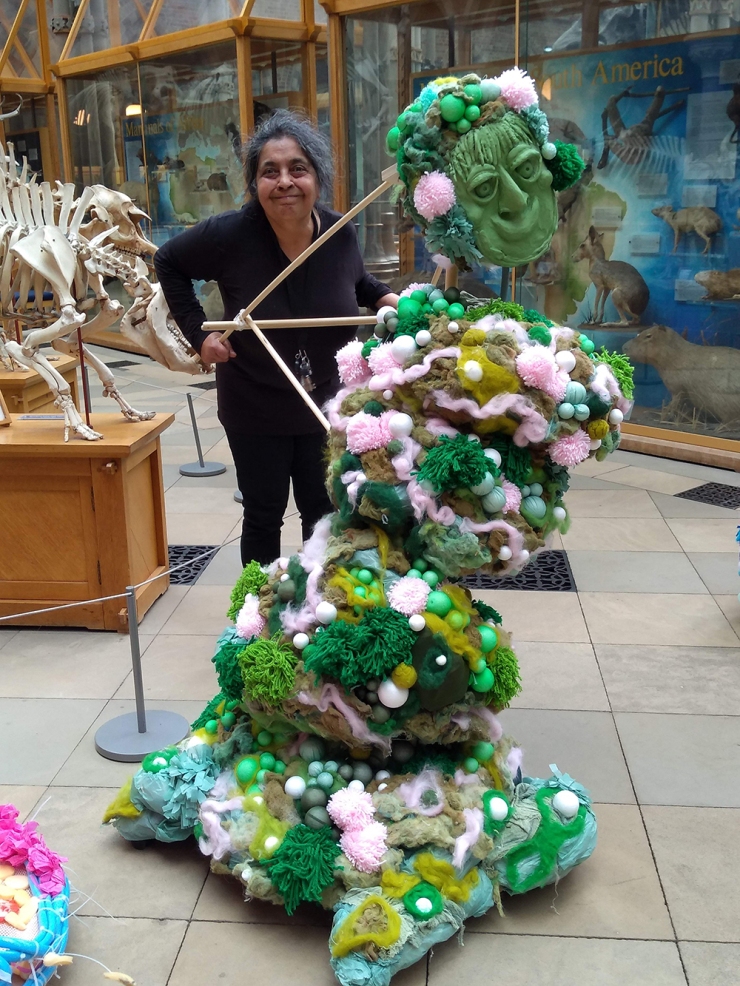
Once the puppets had been revealed to (and played with by) the students, they were transported to the Museum for the finale of the project – a public performance. On Saturday 11 May, three brilliant volunteers, Humaira, Tayo and Chantelle, showed off the work of Georgina Davy and the Jackson Pollock class to Museum visitors. The puppets twisted, shook and wiggled through the aisles, accompanied by percussion – drums and shakers courtesy of volunteers and visitors joining in with the performance.

If you’d like to see more about the Beautiful Bacteria project, we’ve put together a display in the Museum’s Community Case, where you can see original works by the Iffley Academy students. Until 6 August 2019.

The Beautiful Bacteria project was funded by BBSRC.
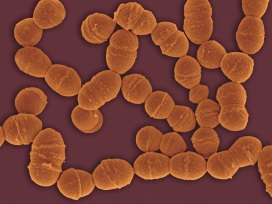
 

Bacteria that changed the world: Leuconostoc

In our Bacterial World exhibition we offer a selection of ten bacteria that have changed the world, some in profound ways. In this series of short fact-file posts we present one of the ten each week. This week’s bacteria are…

Leuconostoc
– the food-fermenters

Where they live
Vats of bubbling syrup in sugar factories first yielded samples of Leuconostoc. In 1878, a scientist called Philippe van Tieghem found and studied the bacteria, which people use to make fermented food all over the world.

Why they are important
Leuconostoc bacteria play a part in creating traditional dishes in many countries, including sauerkraut, kimchi, kefir and sourdough bread.

How they are named
Van Tieghem named Leuconostoc after another bacterium that he thought it resembled. Today, however, new bacteria are named according to rules that are governed by the International Committee on Systematics of Prokaryotes.

How they work
In a pickled food dish like sauerkraut or kimchi, Leuconostoc converts the sugars in vegetables into lactic acid, preserving them and leading to a characteristic sour taste. A similar process takes place in the starter culture for making milk into kefir, and for giving sourdough bread its flavour.

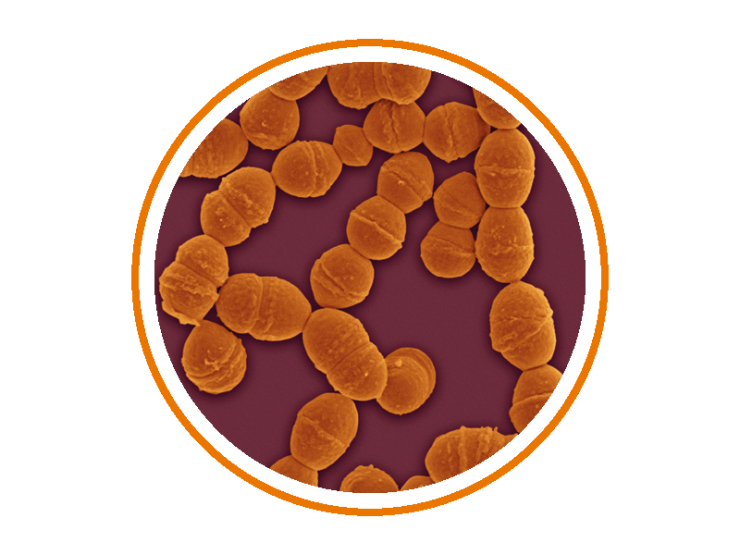
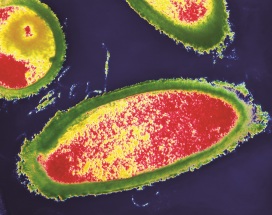
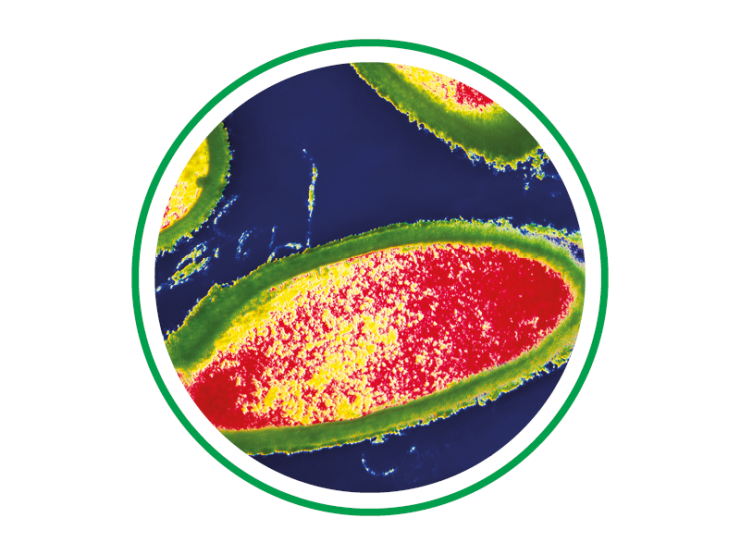
Top image: Coloured scanning electron micrograph (SEM) of Leuconostoc citreum. Copyright: Science Photo Library

Bacteria that changed the world: Lactobacillus acidophilus

In our Bacterial World exhibition we offer a selection of ten bacteria that have changed the world, some in profound ways. In this series of short fact-file posts we present one of the ten each week. This week’s bacteria are…

Lactobacillus acidophilus
– the gut-guzzlers

Where they live
Lactobacillus acidophilus is one of the hundreds of species of bacteria that live in your gut. This particular species is found all through the gut from your mouth to your anus.

Why they are important
In your gut, this species digests lactose in milk, splitting it into the simpler sugars glucose and galactose. People suffering from diseases such as HIV and cancer tend to have abnormal levels of Lactobacillus in their gut – either too many bacteria, or too few.

How they are named
Lacto is Latin for milk and bacillus refers to the rod shape of these bacteria. Acidophilus means ‘acid-loving’ in Latin – this species makes sure that its home remains slightly acidic by releasing its own acid, which helps to keep other bacteria at bay.

How they work
Not only does Lactobacillus acidophilus produce sugar from milk, but it may also produce tryptophan – an essential nutrient that we cannot produce ourselves.

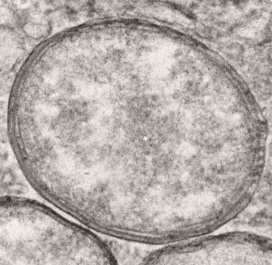
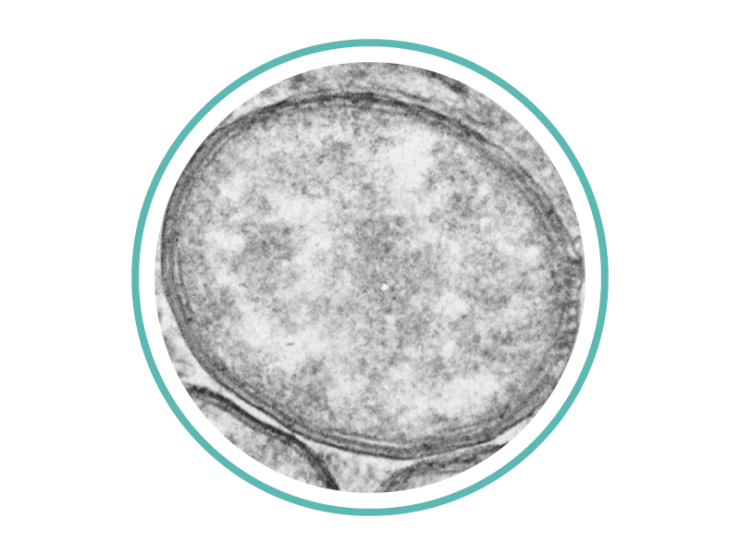
Top image: Coloured transmission electron micrograph of the Gram-positive rod-shaped bacteria Lactobacillus acidophilus. Copyright: Science Photo Library

Bacteria that changed the world: Wolbachia

In our Bacterial World exhibition we offer a selection of ten bacteria that have changed the world, some in profound ways. In this series of short fact-file posts we present one of the ten each week. This week’s bacteria are…

Wolbachia
– the man-killers

Where they live
Up to 60 percent of insect species are infected with the bacterium Wolbachia, as are other species such as nematode worms.

Why they are important
Wolbachia selectively kills off males in many species of insect and alters the sex ratio of the population to its own advantage. However, some species of insect rely on it for protection against other threats.

How they are named
The bacteria take their name from Simeon Burt Wolbach, who along with Marshall Hertig co-discovered Wolbachia in 1924 in a mosquito.

How they work
Infected female insects pass the Wolbachia to their offspring – so the bacteria do everything they can to ensure females survive. Their strategies include killing male larvae, making males infertile, and rendering females able to reproduce without males.

Top image copyright: Joshua Blight (University of Oxford) & Steven Sinkins (University of Glasgow)

Bacteria that changed the world: Escherichia coli

In our Bacterial World exhibition we offer a selection of ten bacteria that have changed the world, some in profound ways. In this series of short fact-file posts we present one of the ten each week. This week’s bacteria are…

Escherichia coli
– the medicine-manufacturers

Where they live
Millions of Escherichia coli live harmlessly in your gut, keeping more dangerous bacteria at bay. A few strains cause food poisoning.

Why they are important
E. coli can act as a protein factory, accepting genes from other species and reproducing them. By combining DNA from more than one source, scientists can manipulate E. coli so that it manufactures human insulin.

How they are named
Escherichia coli’s name reflects its discoverer, Theodor Escherich, and the fact that he found it in the human colon.

How they work
Bacteria often contain plasmids, extra DNA rings that confer particular properties. Researchers can introduce genes into E. coli using plasmids, enabling the bacteria to make all kinds of biotechnology products from foods to medicines.

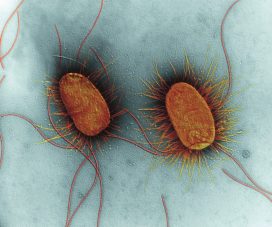
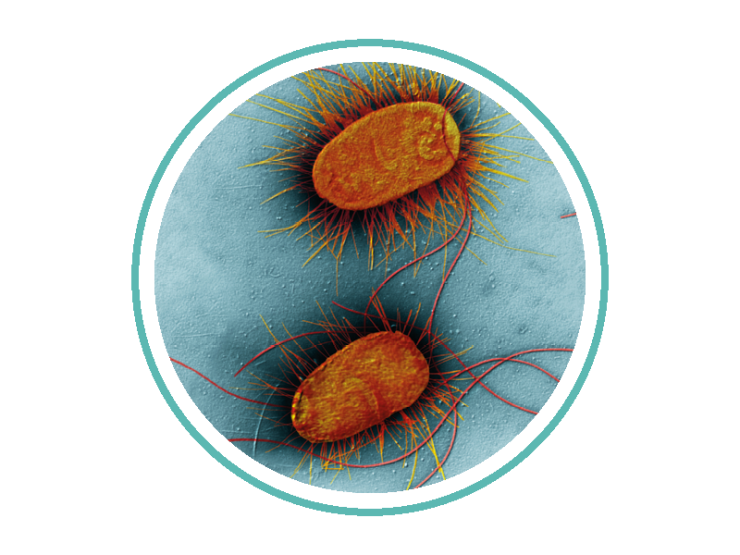
Top image: Coloured transmission electron micrograph (TEM) of two Escherichia coli bacteria. E. coli are Gram-negative bacilli (rod-shaped) bacteria. Long flagellae (thin thread-like structures) are used by the bacteria to move themselves. The spiky filaments on the sides of the bacteria are pili, thin strands of protein used when two bacteria conjugate (transfer DNA). E. coli is a normal inhabitant of the human intestine. However, under certain conditions its numbers may increase, causing infection. Magnification: x17,200 at 10 centimetres high. Copyright: Science Photo Library

Happy 250th William Smith

Today is the 250th birthday of the remarkable English geologist William Smith, creator of the first geological map of England and Wales – ‘the map that changed the world’. Here Danielle Czerkaszyn, Senior Archives and Library Assistant, tells us more about Smith’s achievements and his relationship to the Museum.

William Smith (1769-1839)

William Smith (1769-1839) began his career as a land surveyor’s assistant in his home village of Churchill, Oxfordshire. He soon travelled the country working on mining, canal and irrigation projects. This gave him the opportunity to observe the patterns in layers of rock, known as strata, and to recognise that they could be identified by the fossils they contained. This would earn him the name ‘Strata Smith.’

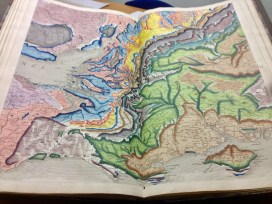
Smith’s observations of strata over hundreds of miles led to the ground-breaking 1815 publication of his map A delineation of strata of England and Wales (pictured top) that ultimately bankrupted him.

Smith’s map set the style for modern geological maps and many of the names and colours he applied to the strata are still used today. While Smith’s accomplishment was undoubtedly remarkable, he was only officially recognised for his discoveries late in life. His lack of formal education and his family’s working class background made him an outcast to most of higher society at the time.

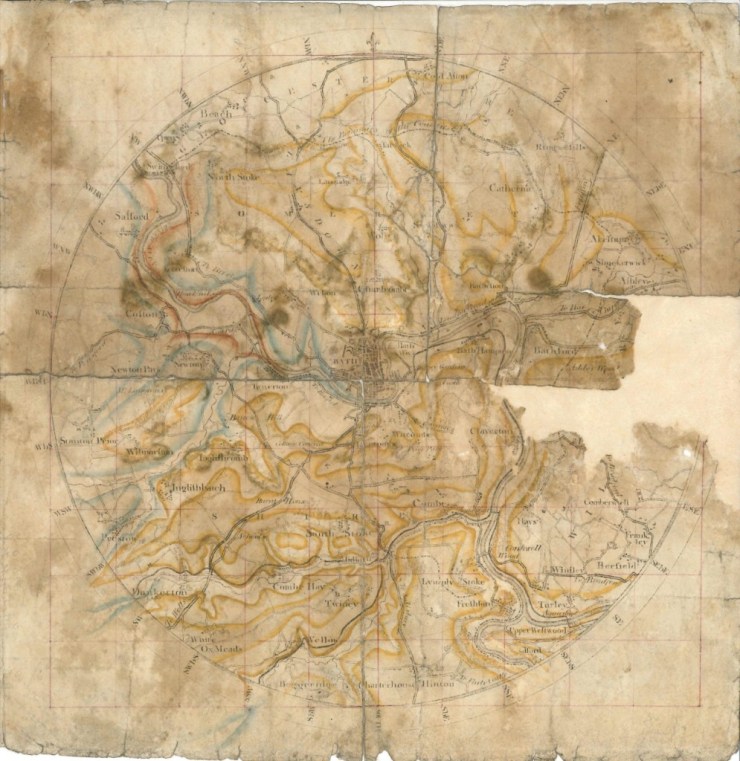
Geological Map of Bath, 1799. This map is considered to be one the earliest geological maps ever created. It demonstrates an early use of Smith’s ‘fading’ colouring technique which emphasised the outcrops of each stratum. The yellow tint represents the Bath Oolite, the blue marks the base of the Lias, and the red the base of the Trias.

It wasn’t until a few years before he passed away that Smith received any recognition for his contribution to the science of geology, receiving a number of awards, including the prestigious Wollaston Medal from the Geological Society of London in 1831, and an honorary degree from Trinity College Dublin in 1835.

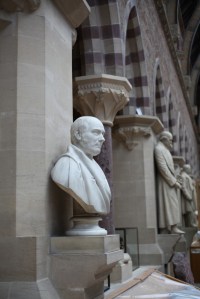
A bust of William Smith is on display in the Museum’s court

His legacy lived on with his nephew John Phillips, one of our Museum’s founders and Professor of Geology at Oxford. Recognising its importance, Phillips left Smith’s archive to the Museum on his death in 1874. Thanks to generous funding from Arts Council England a few years ago, the Smith collection has been catalogued, digitised and is available online to the public.

Few men in the history of science contributed as much, but are as little known, as William Smith. He was a hardworking and determined man who dedicated his life to understanding the world beneath us. So here’s a big Happy 250th birthday to William Smith – the ‘Father of English Geology.’

A small display, Presenting… William Smith: ‘The Father of English Geology’ 250 years on, is running in the Museum until 2 May 2019.