


A little piece of history
Regular readers of our closure blog, Darkened not Dormant, will know all about our Goes to Town project, where twelve plucky specimens escaped from the Museum for an eight month holiday in venues all around Oxford city centre. Like any good treasure hunt, the Goes to Town trail presented a competition which promised a valuable prize…

Each of the twelve specimens carried two ratings, one for Danger and one for Rarity. To enter the competition, trail hunters needed to find all the displays and then tell us which specimen was rated most dangerous and which most rare. The most dangerous was the Snowy Owl, the sharpest living predator on the trail; and the rarest were the animals from Alice’s Adventures in Wonderland which are, of course, completely fictional. If you entered without checking all the specimens and guessed that the Dodo would be the rarest then we caught you out – sorry!
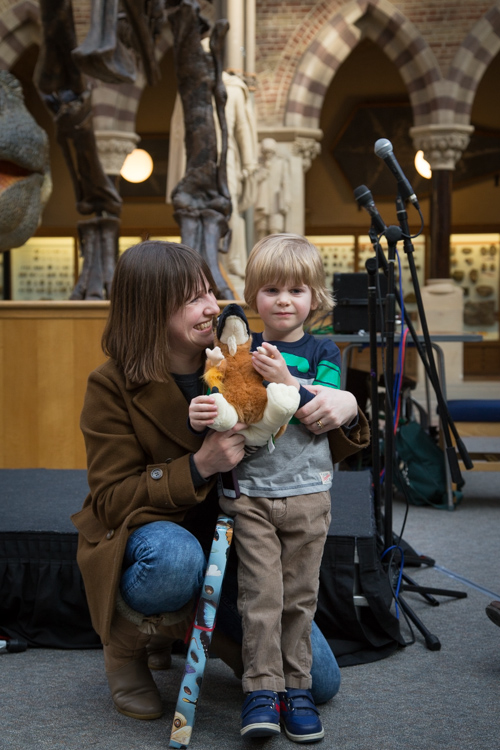
Around 80 people entered the competition and three winners were chosen at random. We held a little award ceremony on our reopening day on Saturday 15 February, where all three winners attended to receive their prizes. And the prizes were quite special. One was a cuddly dinosaur toy (always special, right?) and the other was a small framed, cut fragment of one of the glass tiles from the Museum’s roof.
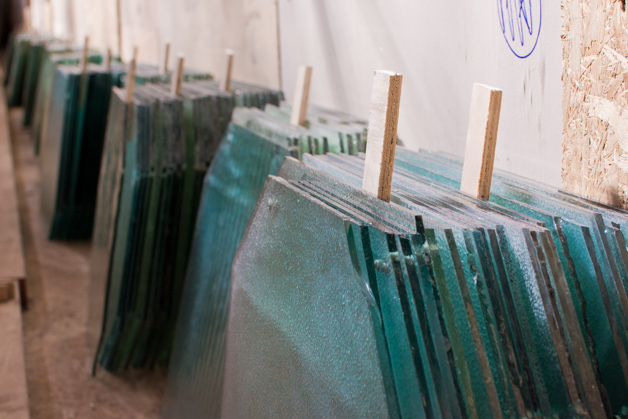
The whole reason for our closure last year was to have the original Victorian roof repaired, so we felt that it was a fitting prize to present a little piece of the fabric of the roof – a little piece of history – to the winners. Congratulations again to the three winners and we hope those small fragments of the Museum are now hanging proudly on three walls somewhere in Oxford.


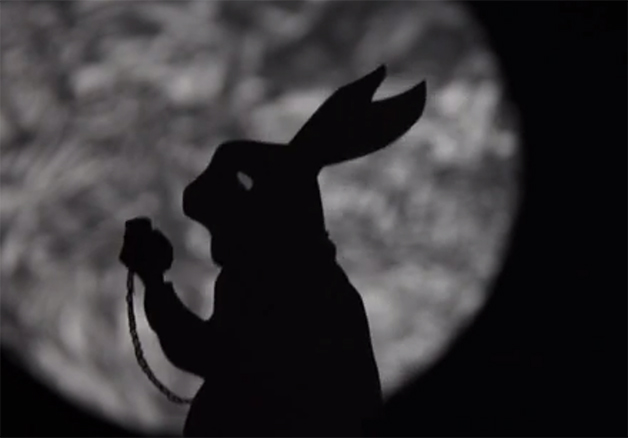


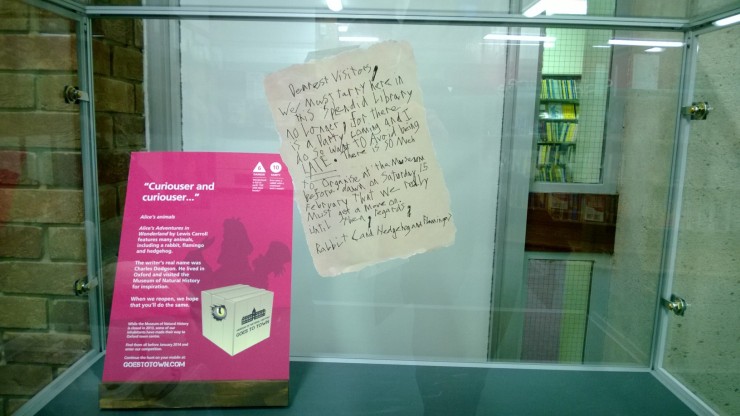
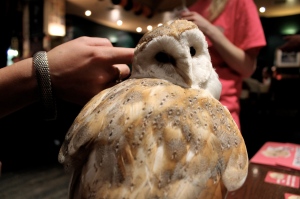
 We’ve been receiving reports from several of our Goes to Town venues that there’s been a breakout. The snowy owl has vanished from the University Church, the edible insects have escaped from the Turl St Kitchen and a white rabbit is on the loose from the Central Library. There’s trouble afoot.

 It was a lot of hard work pulling together all the material, themes, and displays for Natural Histories so we were particularly pleased when
  So if you missed it at the Museum of the History of Science, head over to Banbury Museum by 22 February 2014 and have a look.



 More Than A Dodo