Naturally Curious

Attenborough - Natural Curiosities 2

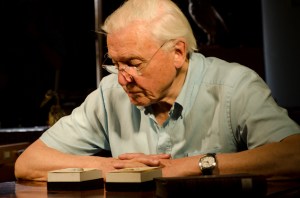
This week we’ve been delighted to welcome Sir David Attenborough to the Museum as he filmed his new television series. He spent three days filming in the Museum’s library, entomology and zoology departments and used many of our specimens in the process. Here you can see him in the library with a cuckoo and eggs.

Attenborough - Natural CuriositiesSir David was working with Humble Bee Films to make a new series of Natural Curiosities for the Eden channel. This will be the second season of the documentary, which explores some of nature’s most extraordinary and baffling species. It is due to be screened later this year; see if you can spot our scenes!

Although TV programmes and films are regularly shot in the museum, it’s always very special when Attenborough’s in the building. Such an important and famous figure adds an extra excitement to the usual film crew fuss. Needless to say, I was rather giddy when I had the opportunity to snatch a quick chat between takes. When I explained to Sir David that I was writing for a blog about our year of closure, he joked that the Museum’s closure actually made it much easier to get the filming done efficiently! Glad we could be of service.

Another exciting moment was popping into the staff room for a cup of tea, only to find a world famous natural history presenter enjoying his lunch!

Attenborough lunch
Staff from the Museum and Humble Bee Films in our staff room… with David Attenborough!

Rachel Parle, Education Officer

EntoModena

by Darren Mann

entomodena, insect fair,
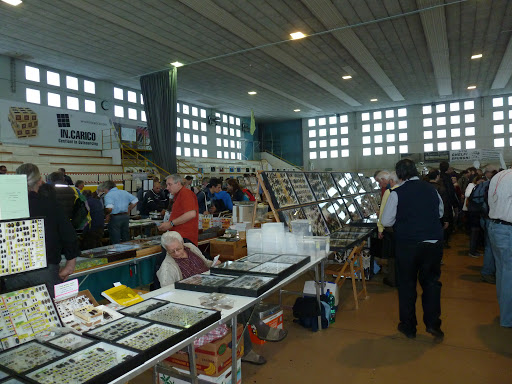
Specimens and equipment for sale at EntoModena

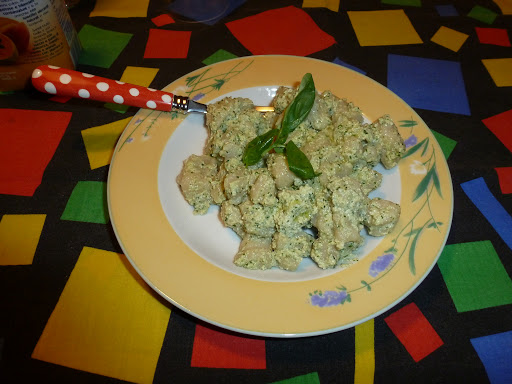
Last week I spent a few days in sunny Italy, visiting my good friends Stefano and Roberta Ziani and timed to coincide with the Italian entomological show ‘EntoModena‘. I had a wonderful few days of dung beetle chitchat and homemade, mouth-watering Italian gnocchi.

vegan, gnocchi, delicious
My vegan gnocchi as made by Roberta Ziani- it was that good it needed a picture all to itself.

Stefano is a dung beetle researcher, specialising in the fauna of the Middle-East. He has published over 40 papers, mostly on faunistics and taxonomy and systematics, and has described a number of new species to sciences from the genus Onthophagus, including some that are associated with nests of small mammals. During my visit I had the chance to study Stefano’s superb collection of Palaearctic dung beetles, which is better than our Museum’s, and with this collection finally managed to get a grasp of the identification of some difficult species.

EntoModena is similar to the Juvisy and Prague shows, a sort of trade fair with a difference- you can buy live and dead insects, as well as books and various items of equipment. Most people go to meet up with old friends and make new ones.

entomodena
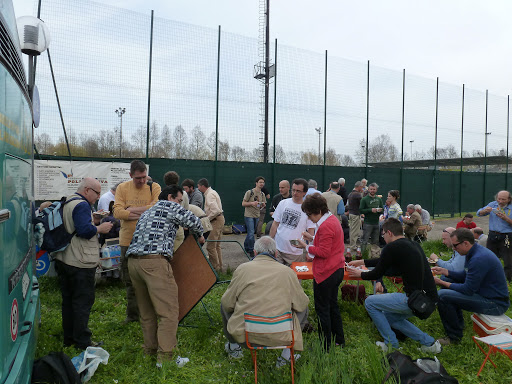
Pasta picnic at EntoModena 2013

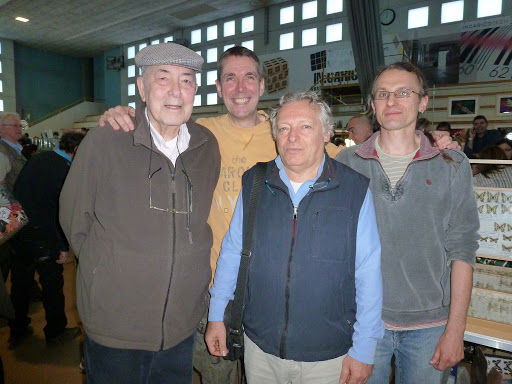
I met for the first time Giovanni Dellacasa, the world’s leading expert on the small dung beetles in the group Aphodiinae, although we have corresponded over many years and even published a paper together (Dellacasa, G., Dellacasa M. & Mann, D.J., 2010. The morphology of the labrum (epipharynx, ikrioma and aboral surface) of adult Aphodiini (Coleoptera: Scarabeaidae: Aphodiinae), and its implications for systematics. Insecta Mundi 0132: 1-21). I also chatted with Giuseppe Carpaneto and other dung beetle researchers, bought a few bits of equipment and admired the selection of insects for sale.

Coleoptera, scarabaeidae, dung beetles, researchers, entomodena
From left to right: Giovanni Dellacasa. Stefano Ziani, Giuseppe Carpaneto and me, Darren Mann.

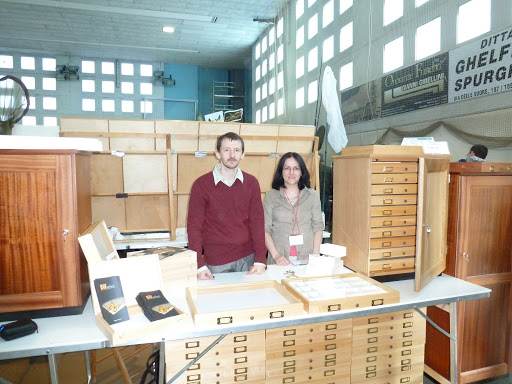
My only chance to sit down during the day was by meeting up with Magdelana and Marek from Majkowski Woodworking Company who had a table (and chairs) of their wares; this is the company who supply our wonderful collection drawers, postal boxes and wooden cabinets.

drawers, entomological cabinets, unit trays, entomological and musuem equipment
Magdelana and Marek from Majkowski Woodworking Company.

Research links: The Kingdom of Saudi Arabia

Recently, Darren Mann (HEC) and Mike Wilson, Head of Entomology at the National Museum Wales in Cardiff visited Tabuk, Tabuk Province, Saudi Arabia. They were there to meet lecturers and students of Tabuk University and discuss setting up collaborative links to establish an entomology course, a collection of insects and undertake a faunal survey of the area. Below are some pictures from their trip:

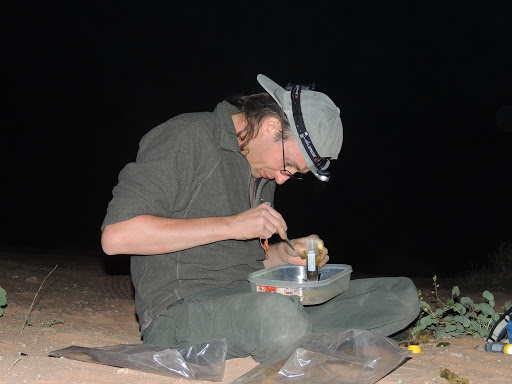
Darren, night collecting- sorting dung beetles from camel dung


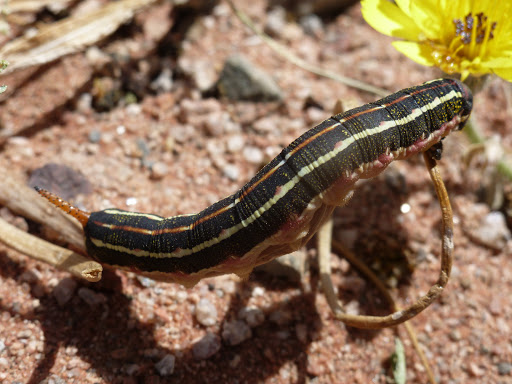
A hawkmoth (Sphingidae) caterpillar. Note the spine on its rear end.

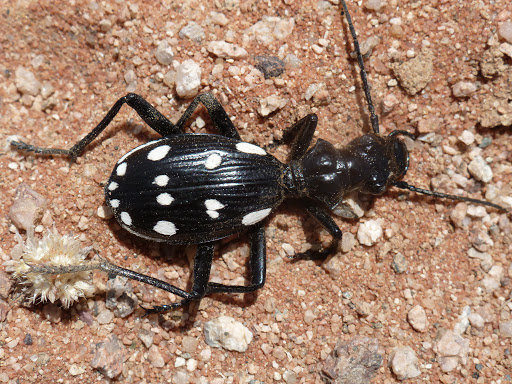
Anthia duodecimguttata Bonelli, 1813, a species belonging to the coleoptera family Carabidae (Ground beetles) 

Species of the genus Anthia are some of the largest of the Carabidae. All of them are heavily armoured and have strong, sharp mandibles which they use to catch and crush their prey with. The species are usually black with either white or creamy-yellow spots or stripes on them. Many of them also have descriptive species name. With the above species ‘duodecimguttata‘ translates roughly as ’12-spot’.

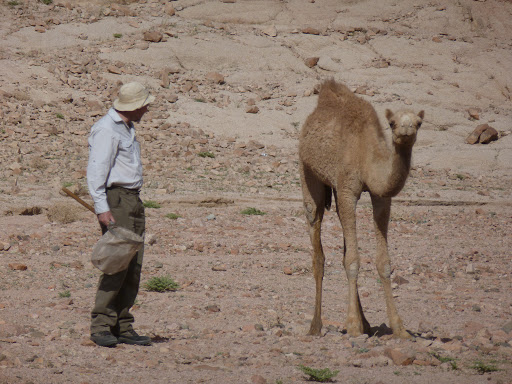
Mike attempting to make friends with the local camel population

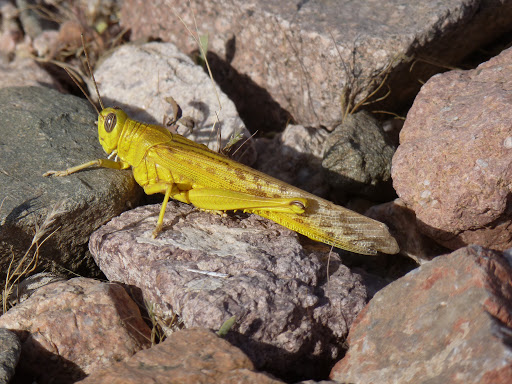
A desert locust, Schistocerca gregaria. Orthoptera: Acrididae.

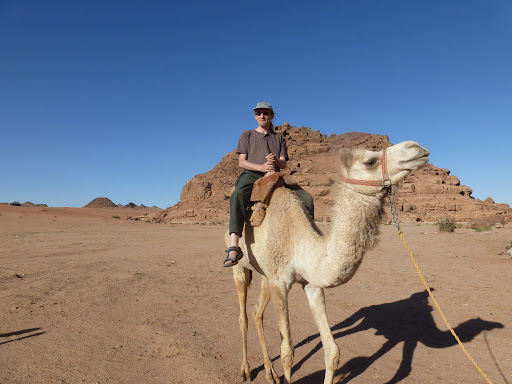
Darren, camel trekking. Note the slightly uncertain look on his face and the slightly wry one of the face of the camel.

Darren attested to the speediness of this particular camel, something that it seemed particularly proud of and eager to demonstrate at any available opportunity.

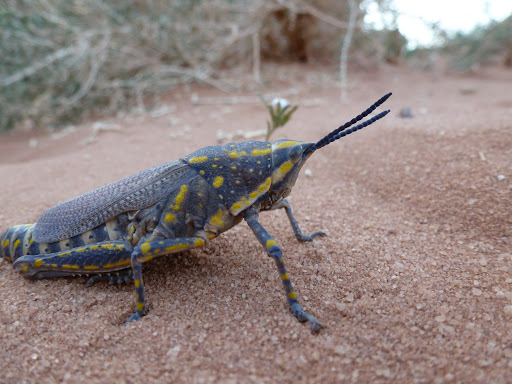
Orthoptera: Acrididae, Poekilocerus bufonius (Klug, 1832), a possible new species record for this area of Saudi Arabia.

The grasshopper above can be identified as female by looking at the length of the wings. In this instance the end of the abdomen (tip of its bottom) pokes out by an easily visible amount from under its wings. Male grasshoppers of this species have wings that completely cover the abdomen.

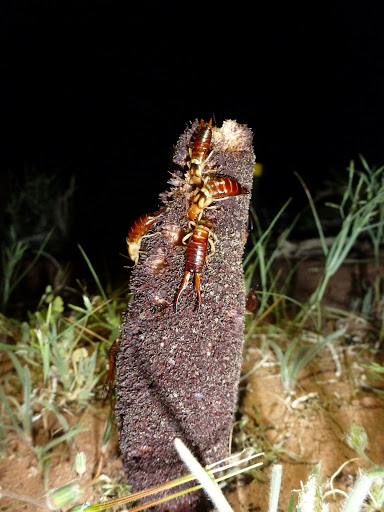
Dermaptera (earwigs) feeding on a flower head of Cynomorium coccineum L. at night

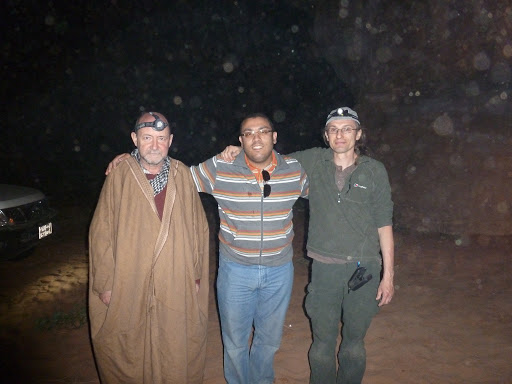
Darren and Mike with , Haitham Badrawy, one of the lecturers at Tabuk University.

Egg-cellent!

The Easter weekend has now been and gone but for some inexplicable reason we have all come in to work with eggs on the brain (figuratively speaking that is). We don’t often get to see eggs-amples of eggs in the department as they are not often collected, so whilst we have thousands of specimens of adult insects and even a few jeuvenille ones, we don’t have many eggs.
Which is a bit sad in our opinion, as the eggs themselves tend to be egg-ceedingly interesting and beautiful, often have complex sculpturation or construction and can allow you to egg-stract information regarding species behaviours and habitat use.

So here we present some very egg-citing photographs of some eggs-traordinary insect eggs that we did manage to find in the collections. Eggs-amine them closely and see if you can figure out what sort of insect they belong to- answers will be at the bottom of the post.

insect eggs, photograph, OUMNH, ootheca, mantid
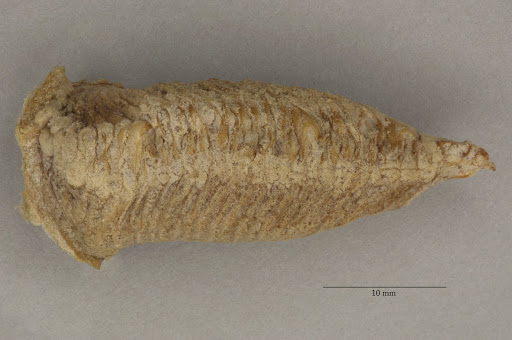
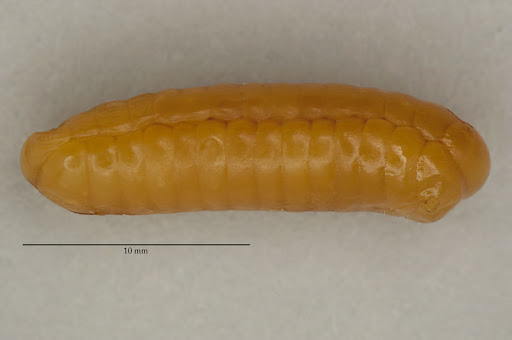
Picture 1: Technically an egg sac or cluster, this weird shape houses a number of individual eggs belonging to what kind of insect?

insect eggs, photograph, OUMNH, ootheca, cockroach, blattodea
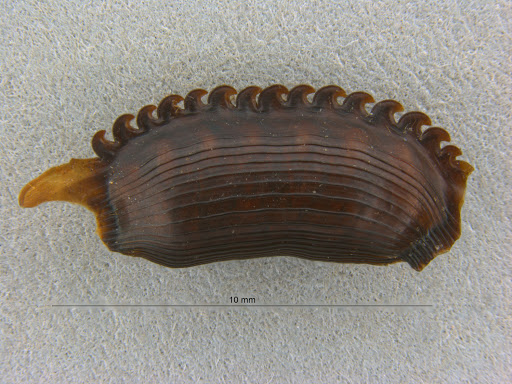
Picture 2: Another one containing multiple eggs. Here you can see the individual eggs that are paired up along a central spine. Which kind of insect makes eggs like these?

insect eggs, photograph, OUMNH, butterfly, lepidoptera, hairstreak
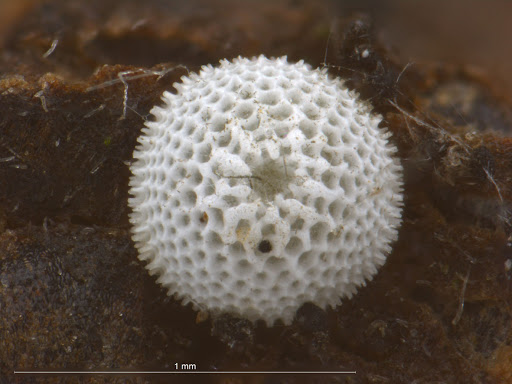
Picture 3: Only just visible to the naked eye, this tiny egg proves to be beautifully micro-sculptured once you get close up. This photograph had to be taken using a microscoped with camera attachment just so we could show it off. What kind of insect lays an egg like this though?

insect eggs, photograph, OUMNH, ootheca, cockroach, blattodea
Picture 4: Okay, so we are repeating ourselves now but this egg ‘sac’ was just too egg-sciting not to photograph! The delicate little wave-formation along one edge demonstrates which kind of insects aesthetic tastes?
insect eggs, photograph, OUMNH, hemiptera, belostomatidae
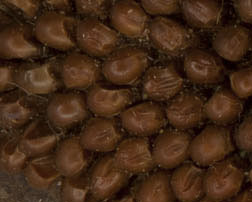
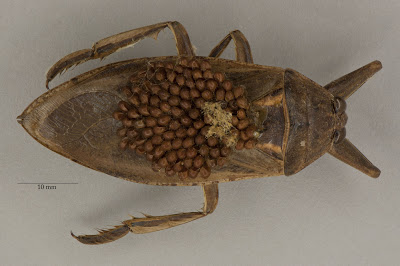
Picture 5: Each of these is an individual egg which has been laid in a neat little cluster by which kind of insect?

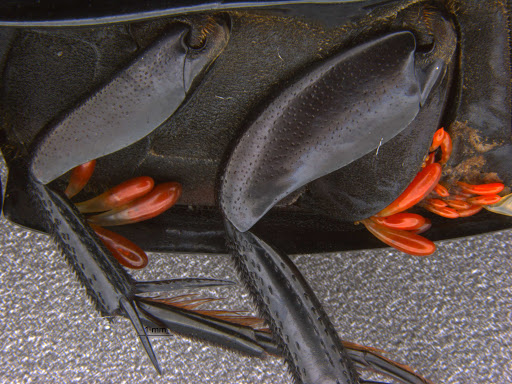
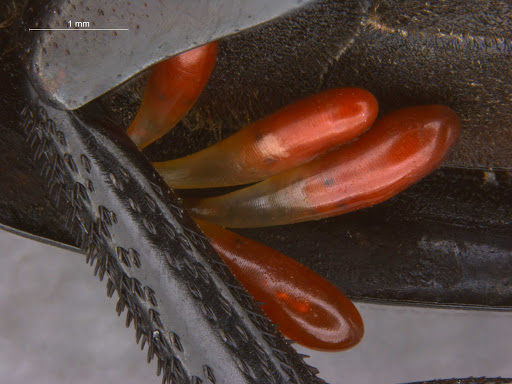
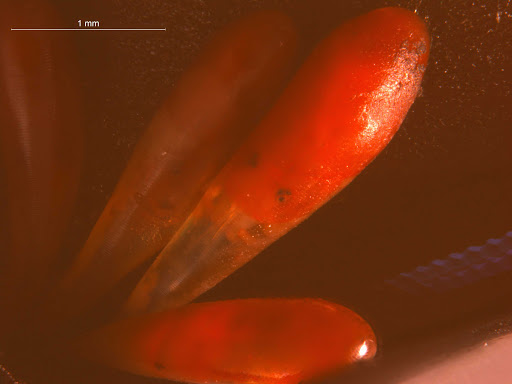
Whilst you are musing on your answers for the above five questions here are some even more egg-citing photographs for you to study. These are pictures of some mystery eggs. We know that they probably belong to some kind of decapod. They were found attached to a water beetle that was collected in Mozambique. If anyone reading this has any idea about what the egss might be then we would love to know.

insect eggs, photograph, OUMNH, decapod eggs
Mystery eggs 1: Here you can see that there are small clusters of eggs attached to the underside of the beetle next to it’s coxae.

insect eggs, photograph, OUMNH, decapod eggs
Mystery eggs 2: We had to take the specimen out of alcohol and dry it off to take the pictures so the eggs look very shiny. If you look really closely you can make out little pairs of eyes in each of the eggs.

insect eggs, photograph, OUMNH, decapod eggs
Mystery eggs 3: Here’s a real close-up shot. Are those tiny legs and antennae that we can see?

Egg-shausted by eggs yet? Over egg-cited maybe? Ready to egg-splode from all the egg-stravagent egg puns?

Here are the answers to the above quiz questions:

  1. Mantid ootheca
  2. Cockroach ootheca, in this case belonging to a species of madagascan hissing cockroach
  3. Butterfly egg: Order Lepidoptera, Family Lycaenidae.
  4. Another cockroach ootheca (we warned you it was a repeat)
  5. True bug eggs: Order Hemiptera, Family Belostomatidae. Interesting fact- the males of this family carry the eggs on their backs (the females stick them on there with a water resistent glue) until they hatch.
insect eggs, photograph, OUMNH, hemiptera, Belostomatidae
Egg cluster on the back of a male Belostomatid
That’s all yolks!
No more egg puns until next year- we promise.

Taxonomy 101: 2 common questions

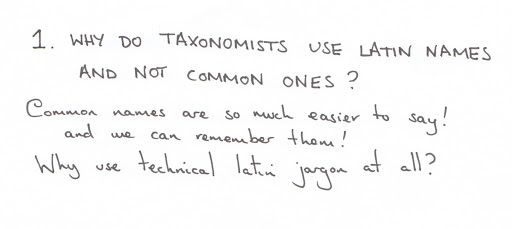
Taxonomy, or rather how and why we name things the way that we do, is one of those tricky things that we get asked about all the time.

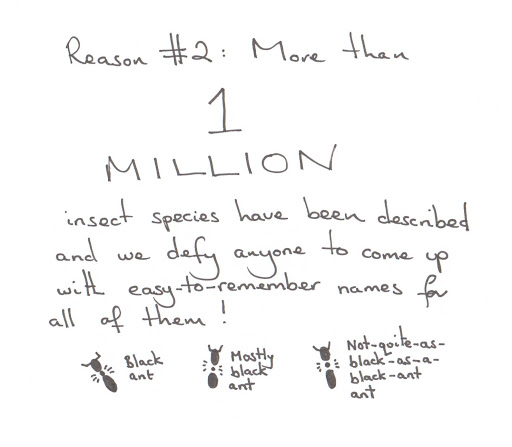
It’s a tricky thing because really there is so much that we could talk about so we often don’t know where to start. Of course, asking us is a bit like asking a 5 year old polar bear enthusiast to tell you why they like polar bears – soon you will know everything there is to know about polar bears and probably a bit more on top. It’s the same with us and insect related questions, we just can’t help but get over-excited and try to tell you absolutely everything there is to know. Considering that there are over million described insect species and hundreds of years of history to taxonomy, collections, museums and science it’s not surprising that staff can still be talking days after you ask your original question.

So here, in jaunty cartoon format are the pithy answers to the two most commonly asked taxonomy related questions:


taxonomy, classification, systematics, cartoon, latin, binomial

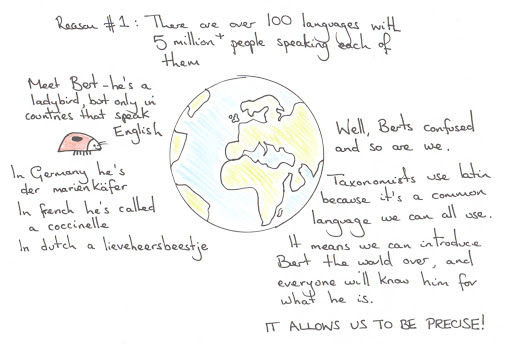
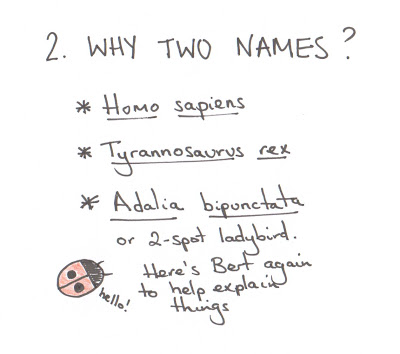
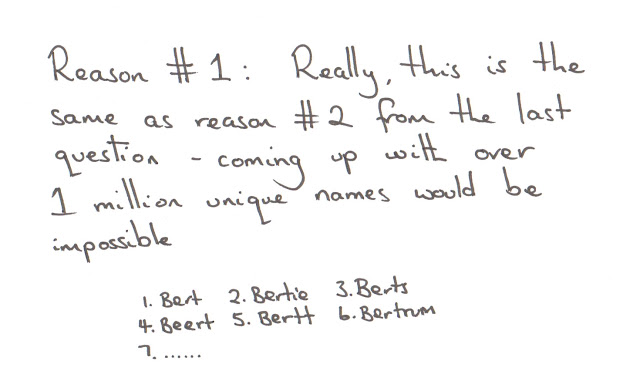
Latin is a universal language. It doesn’t matter which country you are from or what language(s) you speak, using a latin name for a species allows you to be precise about the species you are talking about, so if a researcher in Spain communicates about a species with a researcher in Malaysia they know that they are both talking about exactly the same thing.

taxonomy, classification, systematics, cartoon, latin, binomial

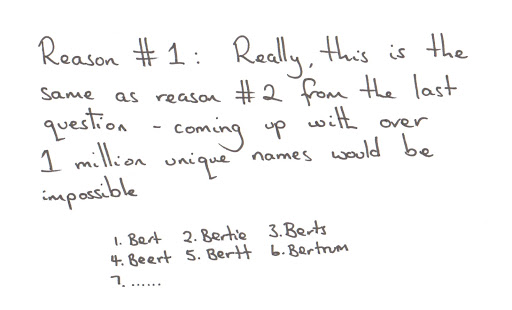
Sometimes, species end up with multiple common names. There is no code or list of rules for giving a species a common name (which there is when it comes to latin names) and so some species end up with lots of different names. Ladybirds are variously known as: lady bugs, lady beetles, god’s cow, ladyclock, lady cow and lady fly among others.
taxonomy, classification, systematics, cartoon, latin, binomial


taxonomy, classification, systematics, cartoon, latin, binomial

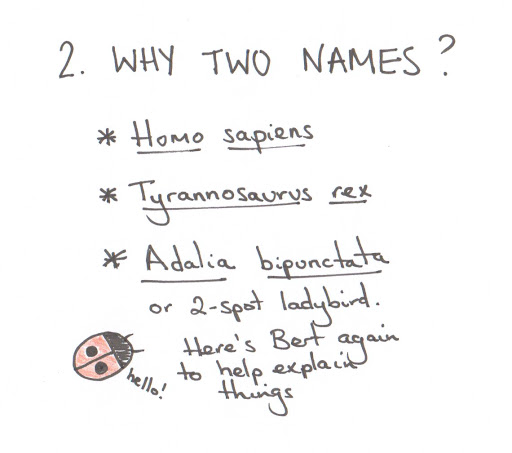
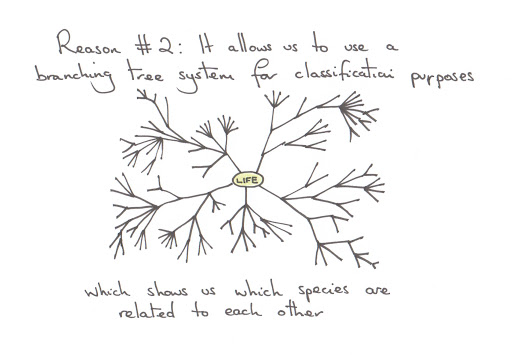
Various taxonomical systems have been employed in the past. The binomial system (2 names) as refined and perfect by Carl Linneaus is the one that is now used by taxonomists. A trinomial name system (3 names for a species) was in existence for a while but it was found to be too cumbersome, as were a few other systems that we will touch on in future posts.
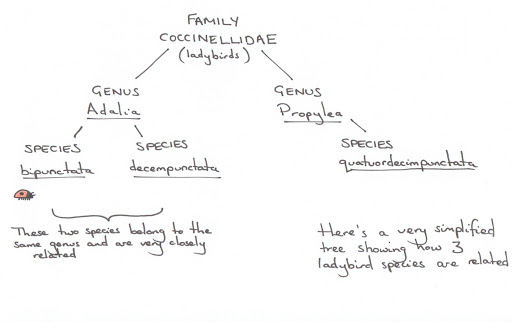
The other advantage to using a binomial system is that it lets you reuse specific names for multiple species across different genera. The rules do not allow for generic names to be used more than once so you can never completely duplicate a name. For example all the following species have a specific name of punctata but belong to different genera, hence you can differentiate between them: Platythyrea punctata (an ant), Phyllorhiza punctata (a jellyfish), Drepane punctata (a sicklefish) and Tangara punctata (a bird).
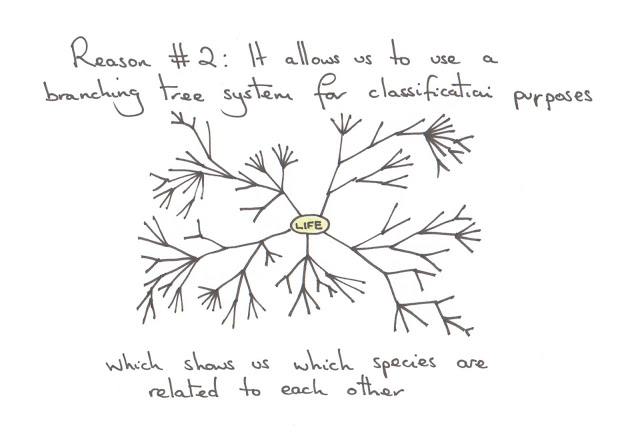
taxonomy, classification, systematics, cartoon, latin, binomial

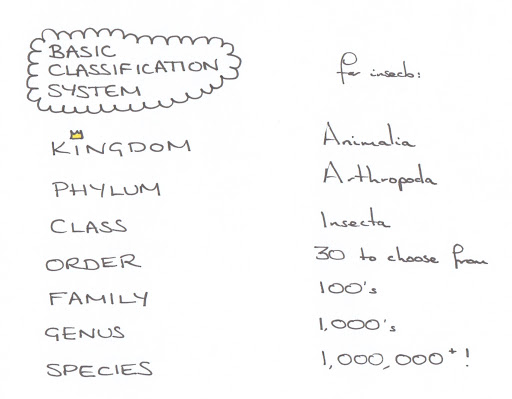
Taxonomical systems are all based on the above format. Levels within a system vary depending on the subject, for example, a zoological structure dealing with mammals has a higher level structure, plant structures are complicated by hybridisation and insect based trees have an extraordinarily high number of branches due to the sheer volume of species involved.
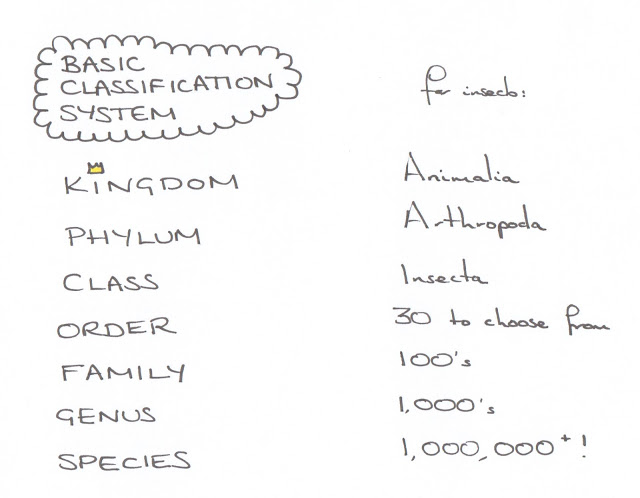
taxonomy, classification, systematics, cartoon, latin, binomial

Further levels are available to a taxonomist than those above. There are both super- and sub- levels for each category (super-family or sub-order for example) as well as extra levels such as tribe which is inserted between family and genus. In fact, there are multiple variations around a theme and all of these structures are flexible. A classification scheme is merely something that is imposed on nature by humans as a way of grouping similar species together. Each levels creates a group of a greater or lesser size. Those at the top of tree (kingdom, phylum) create the biggest groups with each group becoming smaller as you move down the list until you reach species level which classifies to a single unit: one species.
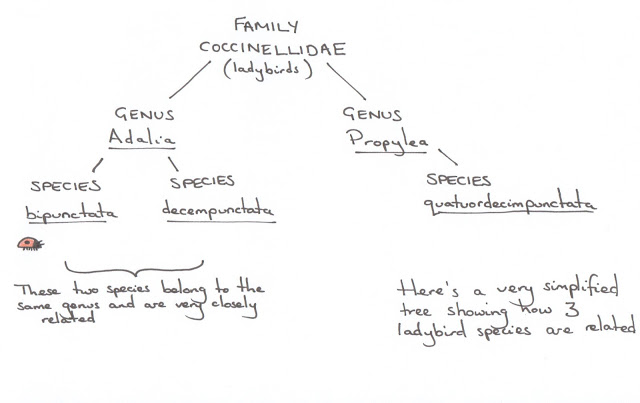
taxonomy, classification, systematics, cartoon, latin, binomial

The information in this post has been boiled down to the basics. We will cover things individually and in more depth in later posts, when we can take a look at separate issues and discover more about how taxonomists set about sorting out and identifying species, describing new insects and establishing type specimens.
For now though, we hope that you have enjoyed meeting Bert the ladybird. If you have any more questions for us then please post them in the comments box below or e-mail us using entomology@oum.ox.ac.uk.

What’s that mess outside?

Museum mess

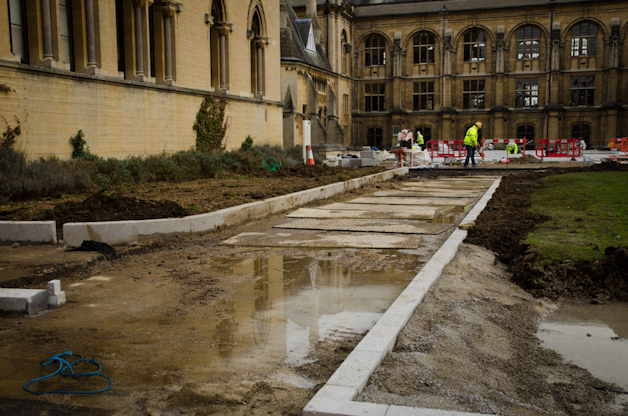
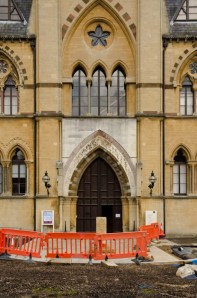
If you’ve been past the Museum of Natural History, or visited the Pitt Rivers Museum lately, you may have noticed the approach to our beautiful building is looking a bit messy.

Our lawn and surrounding area is undergoing a large landscaping project over the coming months and should be looking lovely and welcoming in time for our re-opening next year. The driveways alongside the Museum are being freshly tarmacked and the paths are being laid with granite blocks, which will have it looking very smart.

Museum mess

Designs have taken inspiration from the original Victorian layout, with the lawn now cut back into an elegant curved shape, creating a dramatic approach to the building. The Victorian railings that ran along the front wall were removed during World War 2 and

believed to have been melted down to help the war effort, but some smart new replicas have now been installed in their place.Museum mess

A more high tech approach has been taken to address the problem that we face each year with the lawn. Because part of the Radcliffe Science Library sits just inches below the grass, the soil is very thin, which means that drought and sun quickly cause the lawn to go very brown. If you’ve visited in summer, you will have seen a strange pattern; half of the lawn remains green while the half with the library hidden below is a crispy brown. A modern irrigation system is due to be put in place, keeping the grass green and lush ready for picnics all summer long. But you will also be pleased to know that there will be benches installed too, in case the ground is a bit soggy!

Museum mess

Museum messThe outside environment will be much more pleasant and green, with trees planted in the paved area and enlarged flower beds next to the Museum. These additional plants will provide sustenance for our colony of bees and other pollinators. We also hope it will make the space an ideal relaxation spot after a long day exploring the Museum!

So we apologise for our currently scruffy exterior and any mud that you may find on your shoes, but hopefully when we reopen in 2014, it won’t just be the inside that’s looking its best, but the outside will be worthy of admiration, too.

Rachel Parle,  Education Officer