A Seed of Doubt

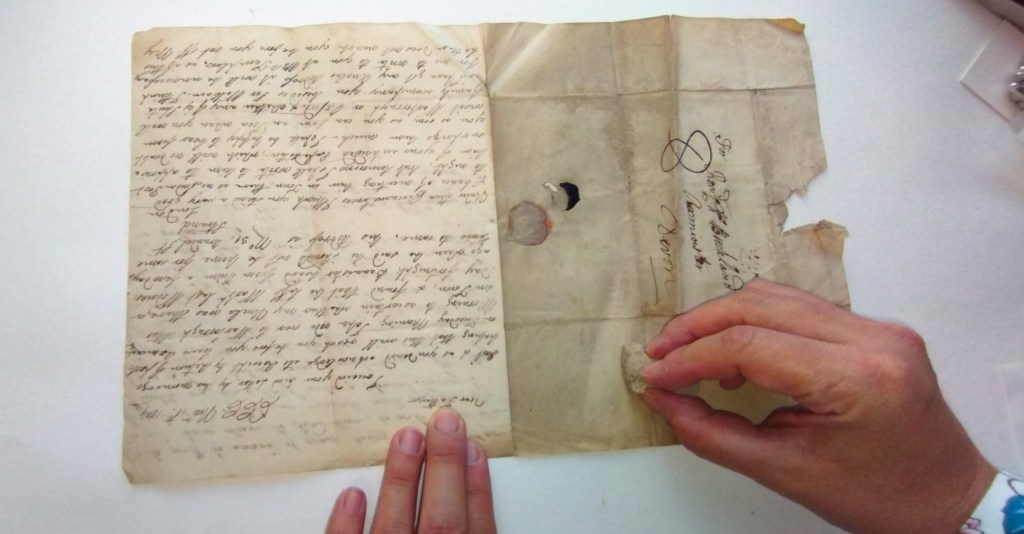
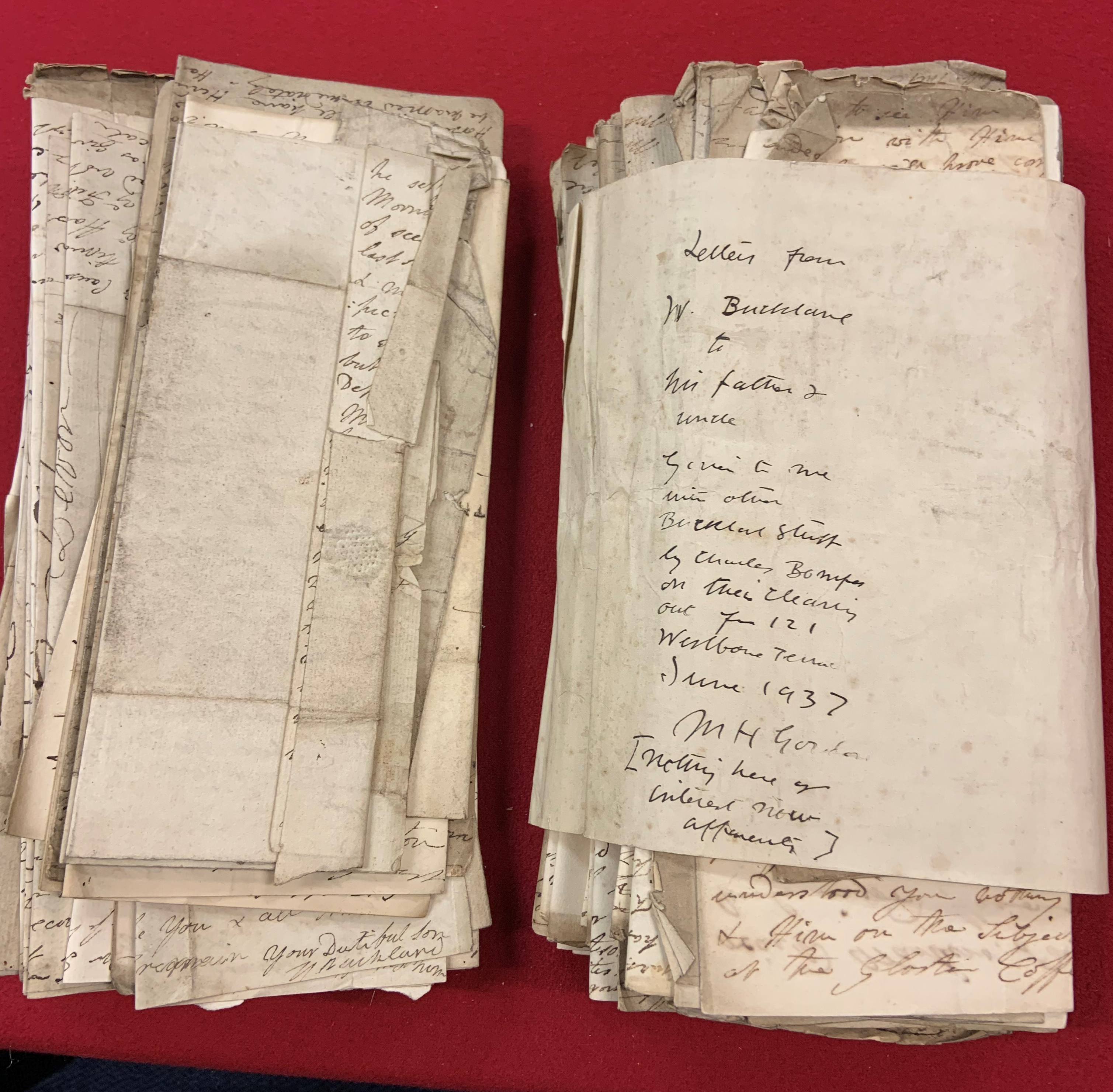
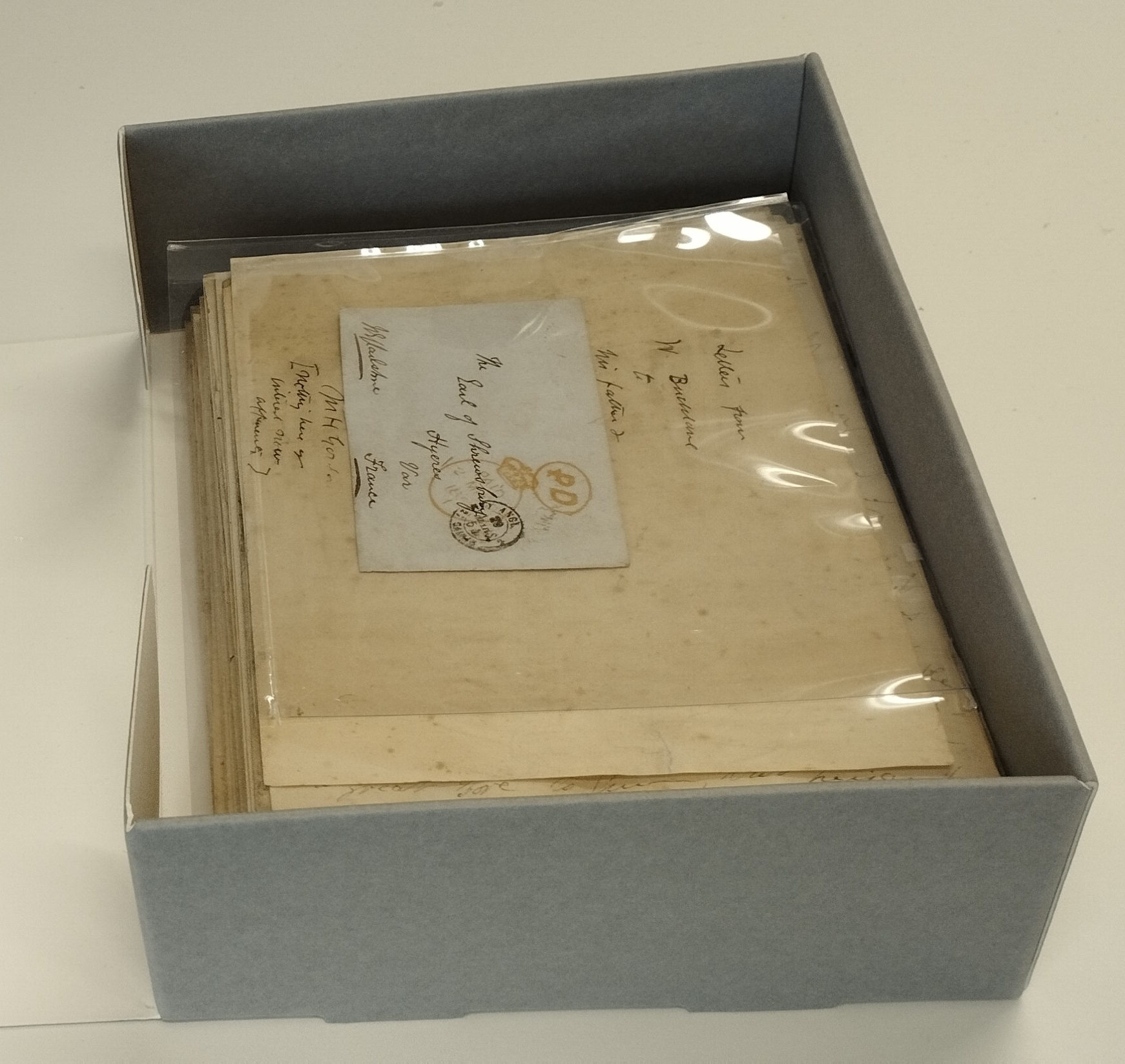
In February 2023, the Museum was lucky enough to acquire an important historical archive – a collection of notes, correspondence, artworks, photographs and family documents belonging to geologists William and Mary Buckland. But before the archive can be enjoyed by visitors and researchers, it must first be cared for, ensuring its preservation for generations to come. Thanks to generous funders, the Museum was able to hire a Project Paper Conservator, Anna Espanol Costa. Considering the Museum had not had a paper conservator since the mid-1990s, Anna was incredibly resourceful with her use of tools and materials, utilising everything from makeup sponges and soft brushes to tweezers and dental picks. In this blog post, we share insights from the eight months she spent assessing, cleaning and repairing some of the most at-risk and important material in the archive, as well as some unexpected surprises she found along the way…


Paper can be used to store information for decades, if not centuries, but it is still vulnerable to frequent handling and poor environmental storage conditions. When the Museum acquired the Buckland archive it was around two hundred years old and, unsurprisingly, many of its items needed care and restoration. Over the years, the papers had been housed in the standard file folders and boxes you would use for office documents, rather than an important historical archive. Many of the folders were overcrowded and had been tied together with string. Some manuscripts had been damaged due to too many items being stored in the same folder, and there were places where the string had cut into the larger pieces of paper causing tears. The most fragile and vulnerable items showed signs of chemical and physical damage, including iron-gall ink corrosion; chemicals in the ink had started to eat through the paper, causing cracks and loss of ink, and consequently text, in some areas.
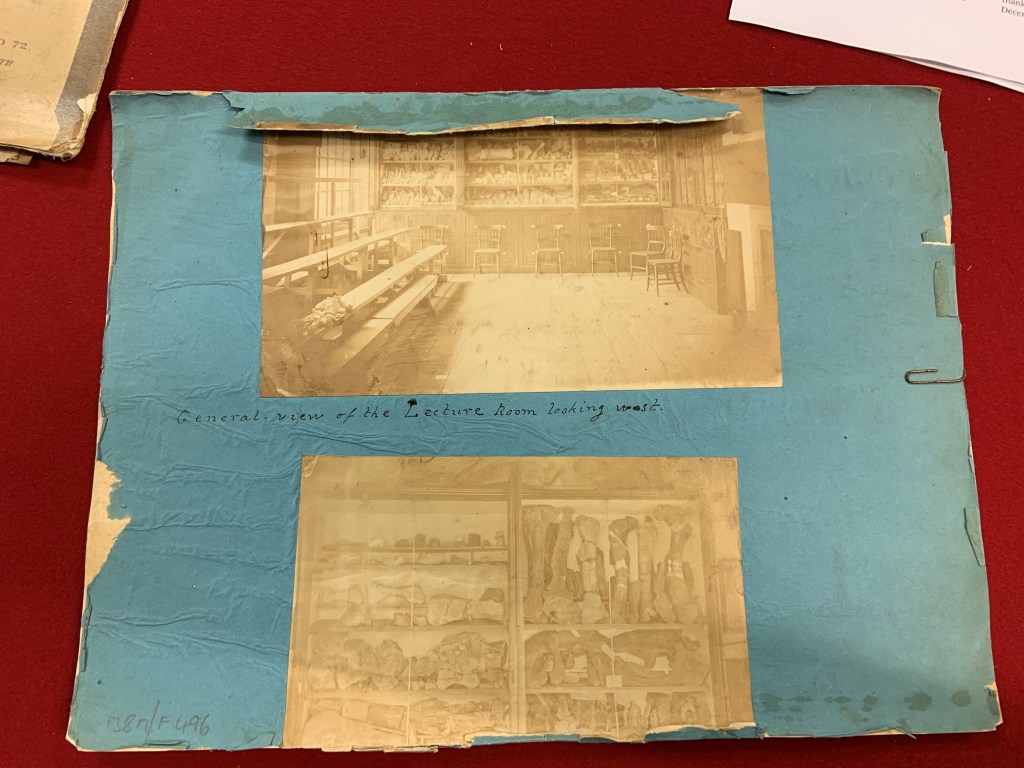
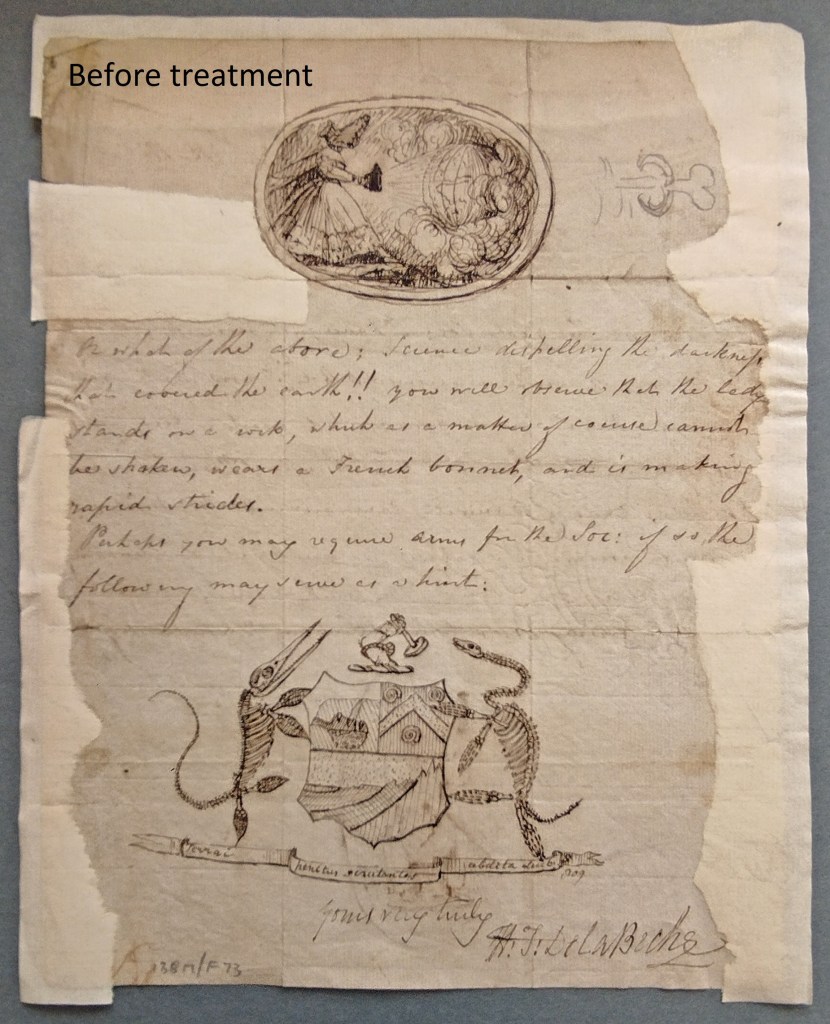
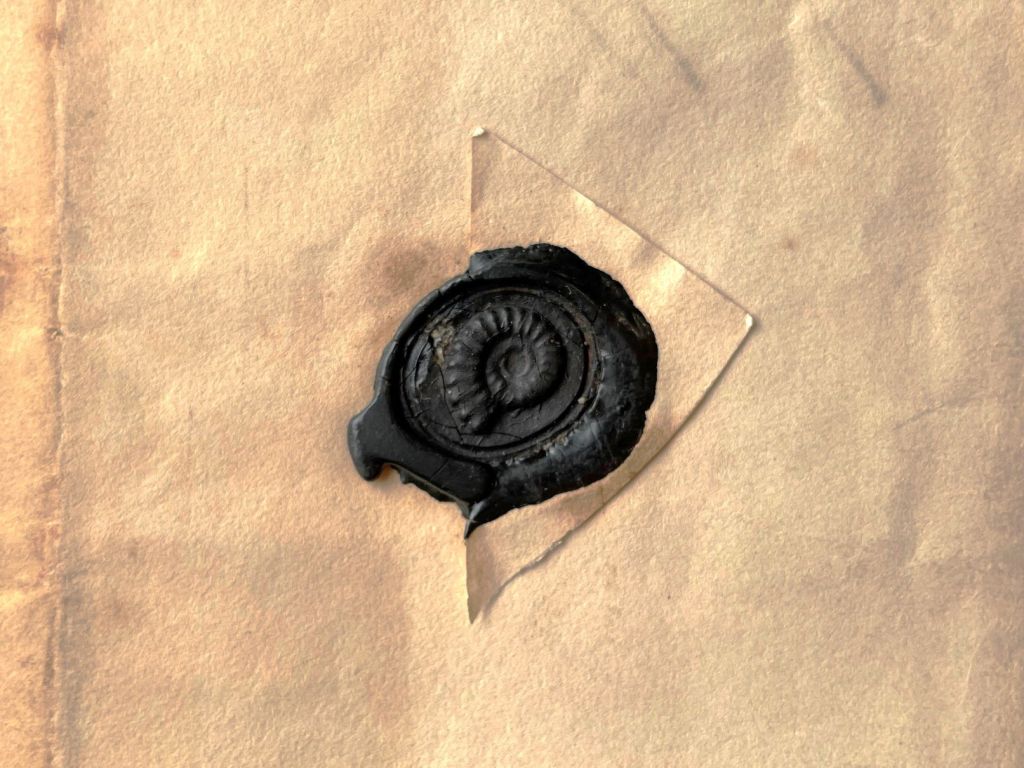
Past efforts had been made to restore the documents, but sometimes these had disfigured the original manuscripts: “in-fills” had been made with unsuitable paper, and backing sheets had been added in bright colours like blue or green. The archive was also being held together with unstable and rusty paper clips, and many of the original wax seals had cracks. It would have been a great shame to lose any of the seals, which feature beautiful examples of natural history icons, like ammonites and cephalopods.

PRESERVING HISTORY

The objective of my work was to stabilise the Buckland archive to ensure its long-term preservation and restore the appearance of the collection so it could be safely handled, digitised and exhibited in future.

One of the most important principles behind conservation is doing the ‘least amount to do the most good’. Conservation aims to slow down the ageing and deterioration process by using treatments that will not damage or disfigure the integrity of the original document. Conservation may be preventative — for instance, moving documents to a new box that creates the right ‘microclimate’ for their preservation. It may also be interventive — e.g. repairing with non-acidic and reversible materials that can be easily removed at any time, and that also can stand the test of time.

During my time at the Museum, I have been able to conserve a number of the most at-risk and important pieces of archival material. In some cases, this involved a light clean with a soft brush and re-housing of the most overcrowded items. In other cases, I performed more interventive and invasive conservation treatments including mechanical surface cleaning with smoke sponges, relaxing folds with paperweights or steam, stabilising iron-gall inks with gelatin to prevent further corrosion, mending tears with different grades of Japanese papers and tissues, and cleaning and consolidating cracks in the wax seals on the letters to prevent further loss. I also tackled some of the previous ‘repairs’ by eliminating old animal glue which had left the manuscripts shiny in places, carefully removing the unsuitable paper, and adding supports where necessary, thus leaving no traces of the bright blue backing paper.
INTERESTING AND UNEXPECTED STOWAWAYS

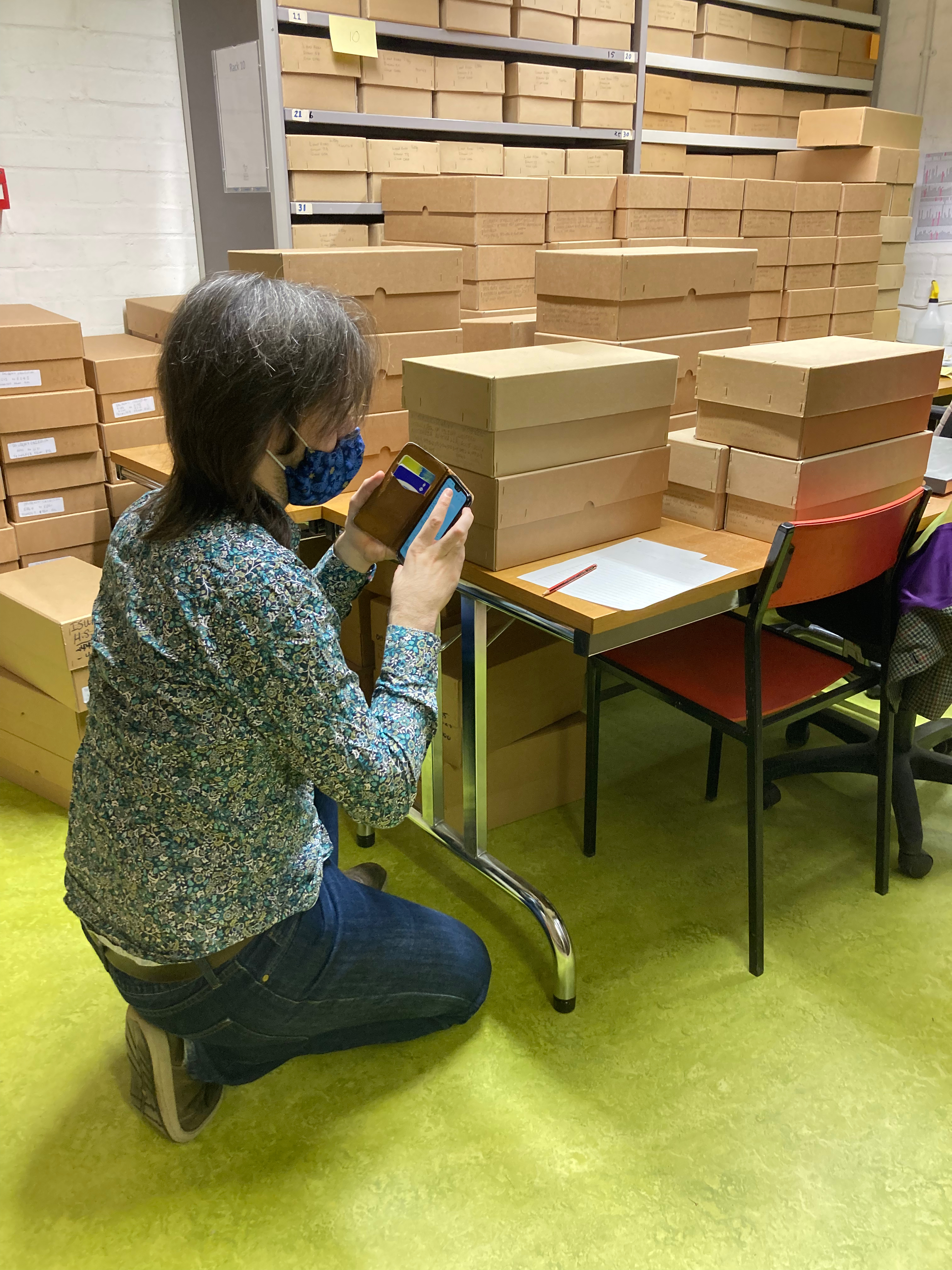
As well as undertaking conservation repairs, I also documented the condition of the items; photographing the manuscripts before and after conservation treatments to ensure the Museum, or any other future conservators, have a record of my work. Whilst undertaking conservation treatments, I found some interesting and unexpected stowaways in the archive. What looked to be small holes in one of the pages of a letter ended up being recognised by one of the Museum’s entomologists as spider frass (poop). A moth had also decided to call the papers home at some point in the last two hundred years as I came across a small cocoon that was now long dead, desiccated (dry) and dusty. The most unusual find, however, was a small black dot that I initially thought was an insect. However, employing the help of a microscope and one of the Musuem’s entomologists, we realised that it was actually a seed! What kind of seed, and how or when that seed came to reside in the Buckland archive, we don’t know, but it shows the archive had a life and story of its own long before it came to rest here in the Museum.

A JOB WELL DONE

Overall, I was pleased with the amount of work I was able to accomplish at the Museum. I managed to conserve a significant amount of the archive and was fortunate enough to work with, and learn from, a range of museum staff, including palaeontologists, geologists, zoologists, entomologists and the Life and Earth collections conservators. It has been a privilege to share and exchange knowledge with my colleagues and work collaboratively on the preservation of an important archive. I look forward to hearing about some of the research findings it produces, and to see it shared with the public in future exhibitions and displays.
Thank you to the National Manuscripts Conservation Trust and Helen Roll Charity for funding Anna’s work. Items from the Buckland archive will feature in the Museum’s upcoming exhibition ‘Breaking Ground’ opening 18th October 2024.
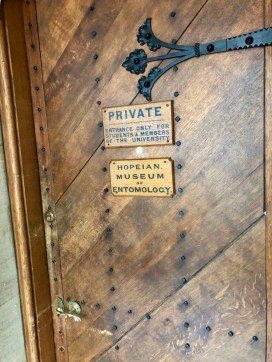
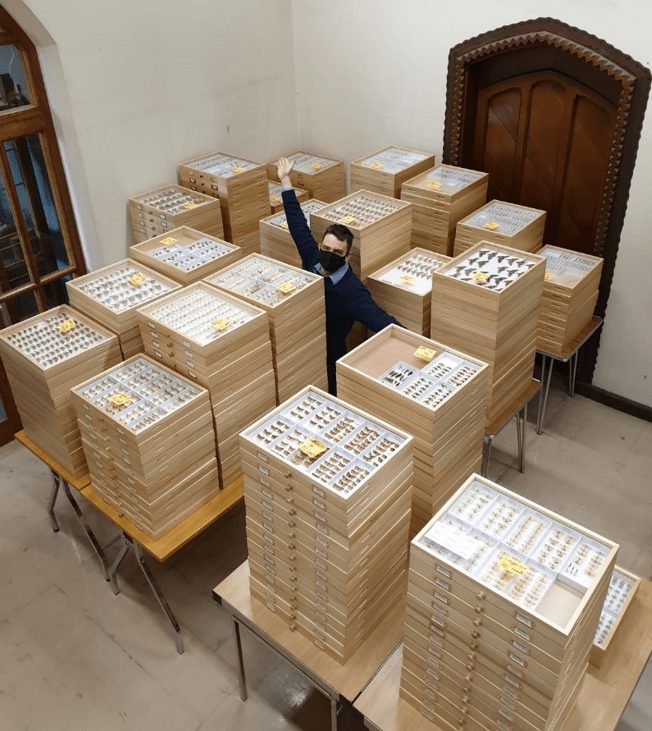
One door closes, another opens…

By Anna Jones, HOPE Project Manager

At the start of National Insect Week, Anna Jones reflects on an entomological escapade that has involved the relocation of over one million insects, and that will allow us to transform the Westwood Room into a ‘Museum within a Museum’ for the first time this autumn…


When we set out on our HOPE adventure in the winter of 2019, what was being called an ‘ambitious’ task seemed almost impossible. Could Museum staff, volunteers, and interns restore, rehouse, and relabel over one million British insects in just over one year?

HOPE for the Future is the Museum’s three-year project to protect and share our amazing British Insect Collection. HOPE is a natty acronym that spells out the project’s aims (Heritage, Outreach and Preservation of Entomology), and is also a nod to Frederick William Hope, a founding collector of the Oxford University Museum of Natural History. Supported by the National Lottery Heritage Fund and thanks to National Lottery Players, the project focuses on the intertwined heritage of our British Insect Collection and the Westwood room.

The Museum’s British Insect Collection represents all insect groups from butterflies to beetles and bees, flies, and fleas. It is ‘Designated’ by Arts Council England as being of national and international importance.

The Collection spans almost the entire history of British entomology, providing extensive information on biodiversity during and after the Industrial Revolution. It offers an extraordinary window into the natural world, and includes dozens of iconic species now considered extinct in the UK, like the large copper butterfly and blue stag beetle. In order to protect these valuable specimens, we had to transfer them by hand from their old cork-lined drawers, preventing reactions between the cork and the insects’ pins from degrading the specimens and making them friable. These drawers were then transferred out of their original home, in the Westwood room, to new cabinets elsewhere in the Museum.

Finally, the meticulous moving of specimens is miraculously complete; an achievement described by our Director as “beyond the Museum’s wildest dreams”. Now the last of the cabinet doors is snugly closed, we rest assured that our collections are secure and will be preserved for the public for years to come. At the same time, we prepare ourselves to take the trailblazing step of opening the doors to the Westwood room to the public for the first time.

Originally called “Mr Hope’s Musuem”, the Westwood room became a favourite meeting place for naturalists in the nineteenth century. Now empty, the Westwood room can be restored to its former Pre-Raphaelite glory. We will also transform the room to create a new multi-purpose public space with displays on biodiversity, habitat loss, and how we can use museum collections to study our environment.

HOPE for the Future will allow the public to access the Westwood room for the first time: a beautiful, historic, and artistically-important part of the Pre-Raphaelite history of the Museum. From Autumn 2022, we will use the space to host insect-focused public engagement programmes and other popular Museum events — all connected to our learning and community programmes. Here. we hope to inspire the next generation of scientists and encourage people to care more for the wildlife on their doorsteps.


Want to learn more about insects?

  • Events: HOPE has many outreach activities coming up over the next few months, including Summer Schools, Discovery Days, and Entomologist Clubs with children and young people. We also run an outreach programme with families, grandparents, and community elders, encouraging thousands of people to appreciate insects, and their relationships to humans and other wildlife.
  • Crunchy on the Outside: read our blog for young entomologists
  • Donate to the HOPE appeal: help us to continue to inspire the public to learn about insects

Community science: what’s the value?

ONE SCIENTIST OFFERS HER PERSPECTIVE


By Sotiria Boutsi, Intern

I am PhD student at Harper Adams University with MSc in Conservation Biology, currently doing a professional internship at the Museum of Natural History in the Public Engagement office. My PhD uses genomic data to study speciation in figs and fig wasps.


For most of our history, humans have been observational creatures. Studying the natural world has been an essential tool for survival, a form of entertainment, and has provided the backbone for various legends and myths. Yet modern humans are rapidly losing practice when it comes to environmental observation. As more and more of us relocate to busy urban environments, we find ourselves with little to no time to spend outdoors. Knowledge of the natural world is rapidly becoming the purview of professionals — but it doesn’t have to be this way…

Community science is a term that describes scientific research activities conducted by amateurs, often involving observation or simple computational tasks. Many citizen science projects target schools or families, but everyone is a welcome participant. The purpose of such projects, which run all around the world, is to encourage non-professionals to get involved in science in a fun, voluntary manner, while also collecting data that are valuable for scientific research.

One of the most common forms of community science is biodiversity monitoring. Biodiversity monitoring projects invite people with various levels of expertise to record observations of different species in their local area, and upload evidence like photographs and sound recordings to a user-friendly database. In doing so, they also provide important monitoring data to scientists, like information about the date and location of wildlife sightings.

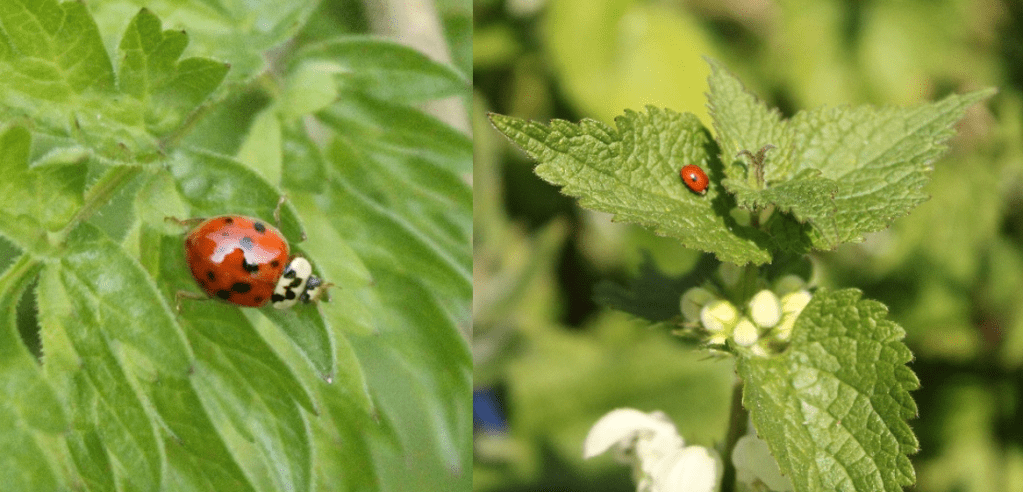
The Asian Ladybeetle (Harmonia axyridis) was first spotted in the UK in 2004 and since then it has become very common. It is considered one of the most widespread invasive species in the world, with introductions throughout Europe, North and South America, as well as South Africa. Reported observations through the UK Ladybird Survey (Enter ladybird records | iRecord) can help us monitor the spread of this insect and see how other, native species respond to its presence.

There are a variety of mobile apps and online platforms for reporting observations, with some specialising in particular groups of organisms like plants or birds. From the raw data that is uploaded to these platforms, species can be identified through a range of different methods:

  1. Automatic identification from uploaded evidence – often using techniques like image/sound analysis or machine learning
  2. Community feedback – multiple users can view uploaded evidence and make suggestions about which species have been recorded
  3. Direct use of users’ own suggestions – for users who are more experienced with species identification

But are these data actually used by scientists? Although individual contributions to community science projects may seem to be of minor importance, when considered collectively they act as extremely valuable records. Having distribution data for species can help us understand their habitat preferences, and also enable us to monitor invasive organisms. Moreover, long-term data can inform us about species’ responses to changes in their environments, whether that is habitat alteration or climate change. Science is driven by the accumulation of data, and citizen science projects can provide just that.

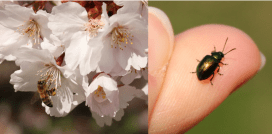
Biodiversity monitoring through citizen science projects encourage us to notice the tiny beings around us, like this beautifully coloured shiny Green Dock Beetle (Gastrophysa viridula). Moreover, recording common species like the European Honeybee (Apis mellifera) over different years can reveal temporal patterns, like early arrival of spring.

In addition to the benefits to the scientific field, community science projects can also be of huge value to their participants. Firstly, engaging in such activities can help us re-establish our relationship with the wildlife in our immediate environment — we might finally learn to identify common species in our local area, or discover new species that we never realised were so close by. It is surprising how many species we can even find in our own gardens! Moreover, community science events, like biodiversity-monitoring “BioBlitzes”, encourage people from different backgrounds to work together, strengthening local communities and encouraging environmental protection.

Oxford University is currently running the community science project “Oxford Plan Bee“, focusing on solitary bees. The project is creating a network of bee hotels: small boxes with branches and wooden cavities where harmless, solitary bees can rest. The hotels are spread throughout the city, and locals are invited to observe the bee hotels, take photos, and send in their findings.

Overall, community science is as much about being an active participant in the community as it is about doing science. These projects are a celebration of both collective contributions and individual growth. More than anything, they are a chance to pause and notice the little things that keep our planet running.


Want to get involved? Here is a selection of my favourite citizen science projects…

Recording species observations – global:

Recording species observations – UK-based:

Bioblitz events:

Read more:

How a Citizen Science project helped solve a mystery of UK butterflies: Painted Lady migration secrets unveiled – News and events, University of York

Citizen Science Hub – British Ecological Society

Citizen Science Platforms | SpringerLink

Citizen Science in the Natural Sciences | SpringerLink

Conservation in the Genomic Era

HAVE DNA TECHNOLOGIES REPLACED THE NEED FOR MUSEUMS?


By Sotiria Boutsi, Intern

I am PhD student at Harper Adams University with MSc in Conservation Biology, currently doing a professional internship at the Museum of Natural History in the Public Engagement office. My PhD uses genomic data to study speciation in figs and fig wasps.


The year 1995 marked the first whole-genome sequencing for a free-living organism, the infectious bacterium Haemophilus influenza. Almost three decades later, biotechnological advances have made whole-genome sequencing possible for thousands of species across the tree of life, from ferns and roses, to insects, and – of course – humans. Ambitious projects, like the Earth BioGenome Project, aim to sequence the genomes of even more species, eventually building the complete genomic library of life. But do these advancements help us with conservation efforts? Or are the benefits of biotechnology limited to industrial and biomedical settings?

The value of genetic information is becoming increasingly apparent: from paternity tests and DNA traces in forensic investigations, to the characterization of genes related to common diseases, like cancer, we are becoming familiar with the idea that DNA can reveal more than meets the eye. This is especially the case for environmental DNA, or eDNA — DNA molecules found outside living organisms. Such DNA is often left behind in organic traces like tissue fragments and secretions. Practically, this means that water or air can host DNA from organisms that might be really hard to observe in nature for a variety of reasons — like being too small, too rare, or just too shy.

So, how do we determine which species left behind a sample of eDNA? The method of identifying a species based on its genomic sequence is called barcoding. A barcode is a short genomic sequence unique to a species of organism. Therefore, every time we encounter a barcode sequence, whether it is taken from a living animal or eDNA, we can associate it to the species which it belongs to.

When we have a mix of different species to identify, things become a bit more complicated. Sometimes we will pick up samples which represent an entire ecological community, and must sort through these using a process called meta-barcoding.

How does meta-barcoding work? Well, we want to be able to identify species based on the shortest possible species-specific sequence. Traditional laboratory methods for DNA amplification (PCR) are combined with DNA sequencing to read the DNA sequences found in any given water or air sample. Then, having a database of reference genomes for different species can serve as the identification key to link the sample sequences to the species they originated from.

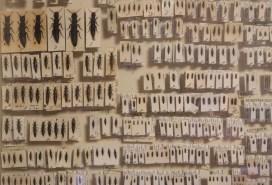
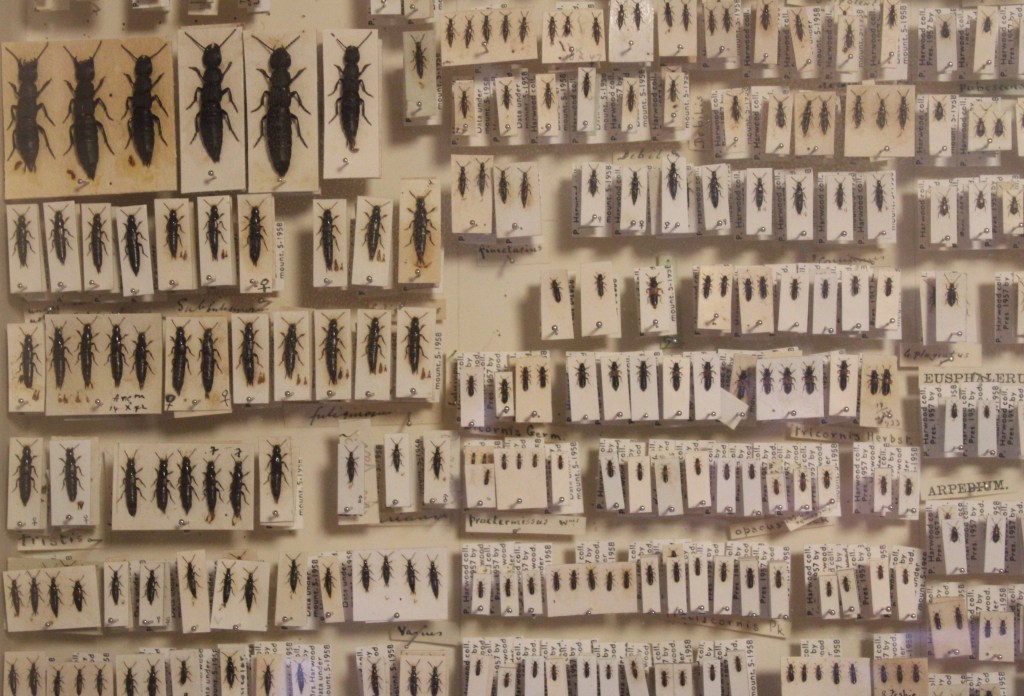
Pinned insects can be found in the Upper Gallery of the Museum. There are currently 5 million insect specimens at the Museum, serving as a record of biodiversity at the time and space of collection. Museum collections are invaluable ways of monitoring biodiversity but rely on capturing live animals.

So, what does this mean for the future of ecology and conservation? Traditional monitoring of biodiversity can involve capturing and killing live animals. This is the case with insect specimens found in museums across the world. Although museum collections are irreplaceable as a record of the history of wild populations, regular monitoring of endangered species should rely on non-invasive methods, such as meta-barcoding of eDNA. Indeed, eDNA has been used to monitor biodiversity in aquatic systems for almost a decade. Monitoring terrestrial ecosystems through air samples is now also becoming possible, opening new possibilities for the future of conservation.

During March, the Museum delivered practical molecular workshops in our laboratory, reaching more than 200 Key Stage 5 students. Students have had the opportunity to learn about the use of eDNA in ecology, as well as get some hands-on experience in other molecular techniques. These include DNA extraction, PCR, the use of restriction enzymes, and gel electrophoresis.  The workshops were delivered by early-career researchers with practical experience in working in the laboratory, as well as Museum staff with a lot of experience in delivering teaching. Through the Museum’s workshops, which run regularly, the next generation of scientists is introduced not only to both human genetics, but also molecular tools used in ecological research, which without a doubt will become increasingly relevant for future conservationists.

Since 2009, the Museum runs practical workshops for Key Stage 5 students in the molecular laboratory at the Museum’s main facilities. Workshops started again this March, after the mandatory 2-year covid-19 break. Students can learn about and discuss the use of molecular techniques in biology by extracting their own DNA.  

We cannot conserve what we do not know. Monitoring biodiversity is the cornerstone of any conservation practice. Doing it efficiently, by making use of both traditional as well as molecular tools, can allow more accurate predictions for the future of biodiversity under the lens of anthropogenic change.


More Information:


British Insect Collections: HOPE for the Future is an ambitious project to protect and share the Museum of Natural History’s unique and irreplaceable British insect collection. Containing over one million specimens – including dozens of iconic species now considered extinct in the UK – it offers us an extraordinary window into the natural world and the ways it has changed over the last 200 years. The HOPE for the Future project is funded by the National Lottery Heritage Fund, thanks to National Lottery players.

Priceless and Primordial

Cataloguing the Brasier Collection


In 2021, the Museum was grateful to host PhD students Sarah Skeels and Euan Furness on research internships. Together, Sarah and Euan made a significant contribution to the cataloguing of the Brasier Collection — a remarkable assembly of fossils and rocks donated to the Museum by the late Professor Martin Brasier. Here, Sarah and Euan recount their experiences inventorying this priceless collection of early lifeforms.


Sarah Skeels is a DPhil Student in the Department of Zoology, University of Oxford

My short internship at the Oxford University Museum of Natural History came at a transitional point in my research career, starting a few days after submitting my PhD thesis. By training, I am a Zoologist, and my PhD thesis is on the electrosensing abilities of weakly electric fish. However, I have had an interest in Palaeontology for a long time, having studied Geology as part of my undergraduate degree. As such, the internship provided me with a unique opportunity to reflect on a subject I had studied many years before, whilst also developing new academic research skills.

The goal of my internship was to improve the inventory of the microfossils held in The Brasier Collection and to photograph some of these specimens, all in the hopes of increasing the utility of the collection to students, researchers, and hobbyists alike.

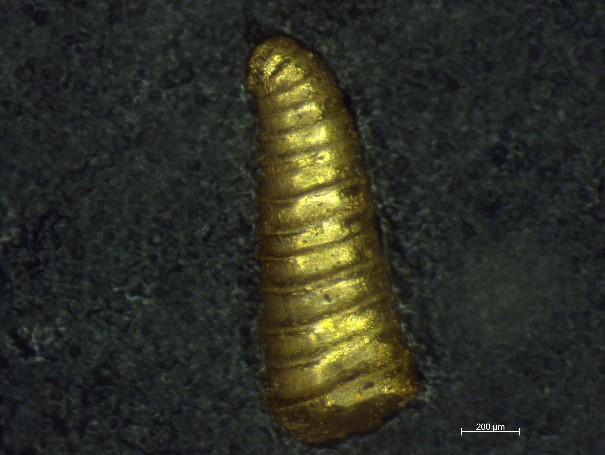
Obtusoconus, a fossilised mollusc from Iran, is less than 0.5mm in width. The specimen has been gold-coated in preparation for scanning electron microscopy. Brasier Collection, Oxford University Museum of Natural History.
A collection of Siphogonuchites, small shelly fossil organisms, found in Mongolia. Brasier Collection, Oxford University Museum of Natural History.

The Brasier Collection is rich in microfossils — small fossils that can only properly be inspected with either a light or electron microscope. Those stored in the Collection represent the fragmentary remains of a diverse array of animal groups that lived in the Cambrian, an important period in the Earth’s history when animal life diversified hugely, giving rise to many of the modern phyla that we know and love. The microfossils I examined came from a number of localities across the globe, including Maidiping in China and Valiabad in Iran. The specimens are exquisite in detail, which makes it difficult to believe that they are hundreds of millions of years old.

These fossils are of huge importance, helping us to understand the emergence of early animal life, and its evolution into all of the wonderful forms that exist today. The fossils are also useful because they can serve as markers of the age of different rock forms. By helping to improve the way these specimens are catalogued, I like to think that I am contributing to the preservation of Professor Brasier’s legacy. The whole experience was incredibly rewarding, and I can’t wait to see what new discoveries are made by those who study this unique set of fossils.


Euan Furness is a PhD student at Imperial College London

Oxford University Museum of Natural History has a range of objects on display to the public, but a lot of the curatorial work of the Museum goes on behind the scenes, conserving and managing objects that never come into public view. Collection specimens often don’t look like much, but they can be the most valuable objects to researchers within and outside the Museum. While there are a few visually striking pieces in the Brasier Collection, the humble appearance of most of the Brasier specimens belies their importance.

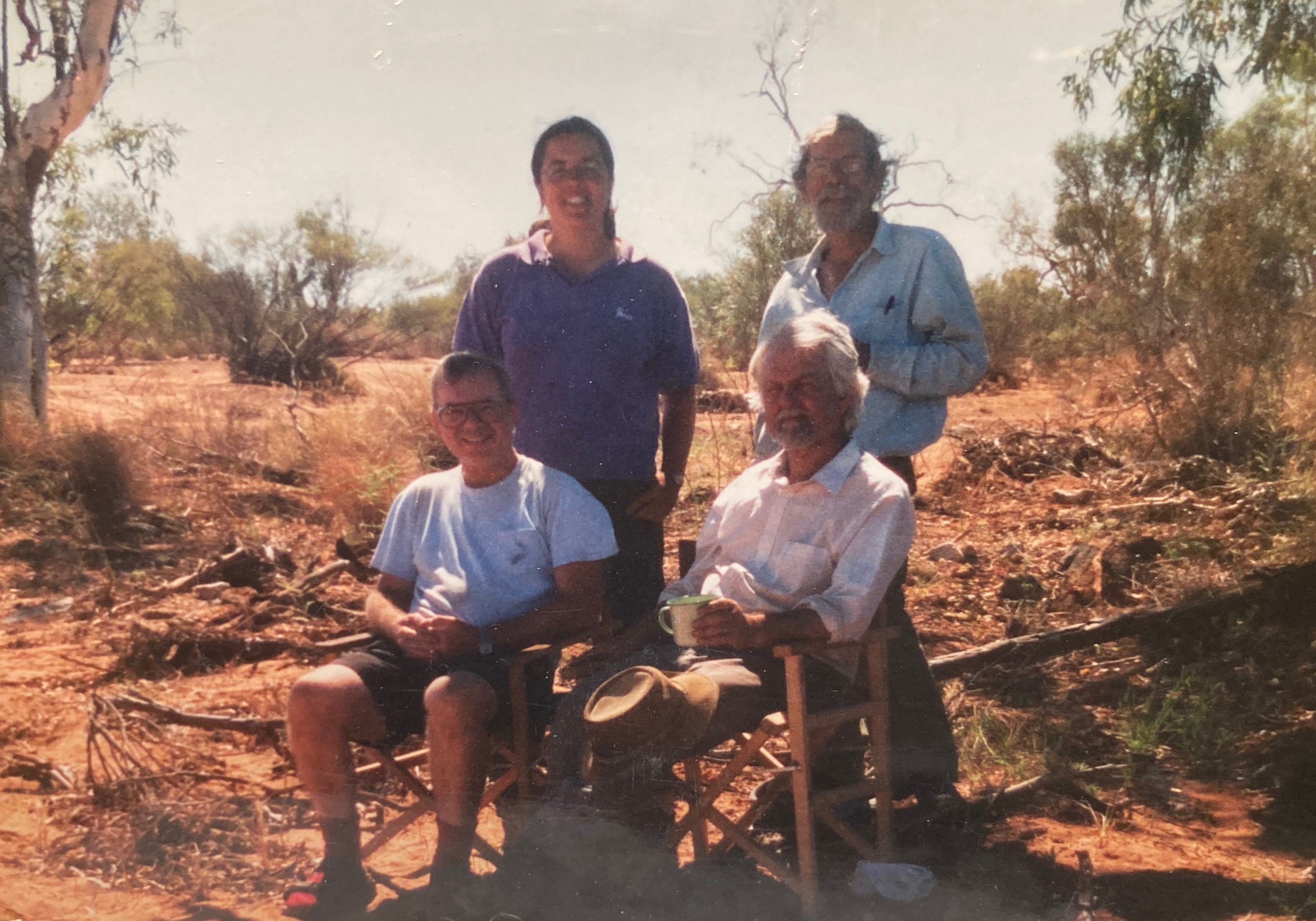
Left: A photo of Professor Brasier (bottom right) and friends, found in the Collection. Middle: Euan cataloguing in the Hooke basement. Right: An unusually well-preserved archaeocyathid (extinct sponge) from the Cambrian of Australia. Photo by Euan Furness.

The Brasier Collection came to the Museum in bits and pieces from the Oxford University Department of Earth Sciences, with the last of the specimens arriving in September 2021. The Museum therefore needed to determine exactly what they had received before they could decide how to make the best use of it. This meant searching through boxes and drawers behind the scenes and pulling together as much information as possible about the new objects: dates and locations of collection, identity, geological context, and the like. Only then could the more interesting specimens be integrated with the existing collections in the drawers of the Museum’s Palaeozoic Room.

Owing to Professor Brasier’s research interests, the addition of the Brasier Collection to the Museum’s catalogue more than doubled the volume of Precambrian material in its drawers. With that in mind, it was finally time for the Precambrian to be given a set of cabinets to call its own. This seems only fair, given that the Precambrian was not only a fascinating period in the Earth’s history but also the longest!

Having sorted through the new Brasier Collection at length, I think it’s not unreasonable to hope that the unique array of objects it adds to the Museum’s collections will facilitate a great deal of research in the future. For that, we must thank Martin for his generosity.

Reconstructing the Cretaceous with Bones and Amber

A double window into the past

Post by Dr Ricardo Pérez-de la Fuente, Deputy Head of Research

Nature is wonderfully imperfect, and the data that we can gather from it is even further from perfection. Fossil localities, even those providing exceptionally well-preserved fossils, are inaccurate records of the past. Fossils can form from a variety of matter including organisms, their remains, or even traces of their activity. Yet not all of the material that can get fossilised at a particular site actually will. Among other factors, biases in the fossil record result from the nature of the materials responsible for fossilisation – usually sediments which are in the process of turning into rocks. In most cases, fossil localities offer us only a single ‘window of preservation’ – a skewed geological record of the ancient ecosystem that once existed there.


In 2012, a rich vertebrate bone bed was documented at the Ariño site in Teruel, Spain. Since then, researchers have unearthed more than 10,000 individual fossil bones, from which they have discovered new species of dinosaurs, crocodiles, and turtles. Plant fossils were also found, including pollen grains and amber, which is fossilised resin. Although amber was known to occur in this locality, this sort of material had remained unstudied… until recently.

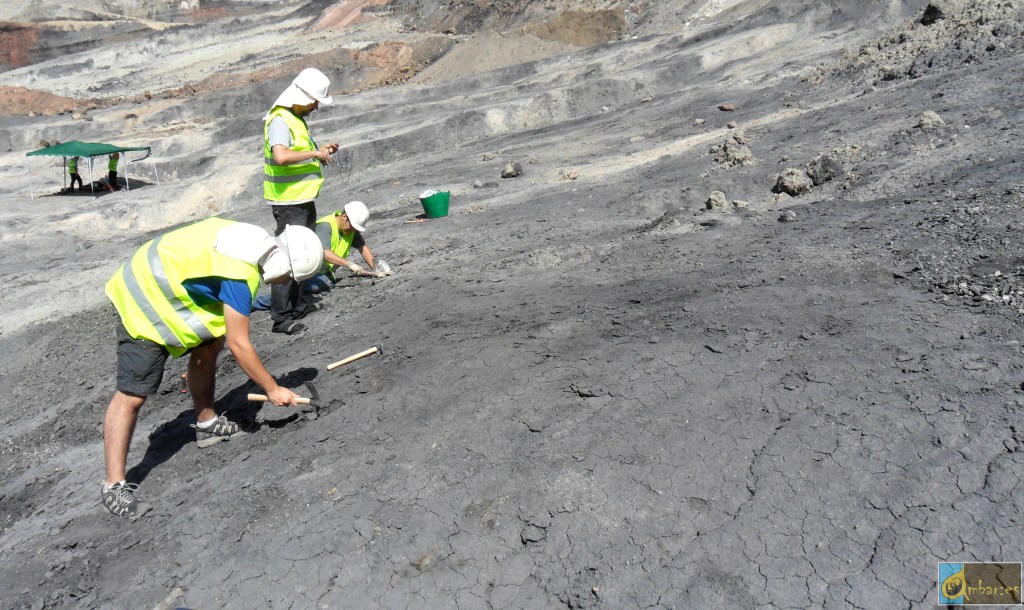
Over the summer of 2019, I joined my colleagues to carry out amber excavations in the Ariño site – an open-pit coal mine that has an almost lunar appearance due to the dark carbonate-rich mudstone rocks and the total lack of vegetation. The scorching heat during a very hot summer was a bit maddening, but I did try to enjoy my yearly dose of sun before returning to the UK!


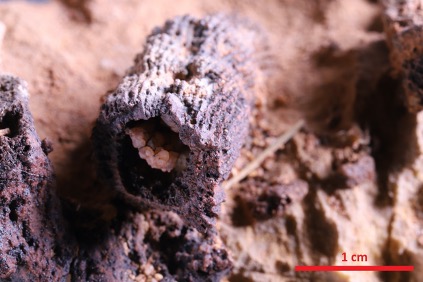
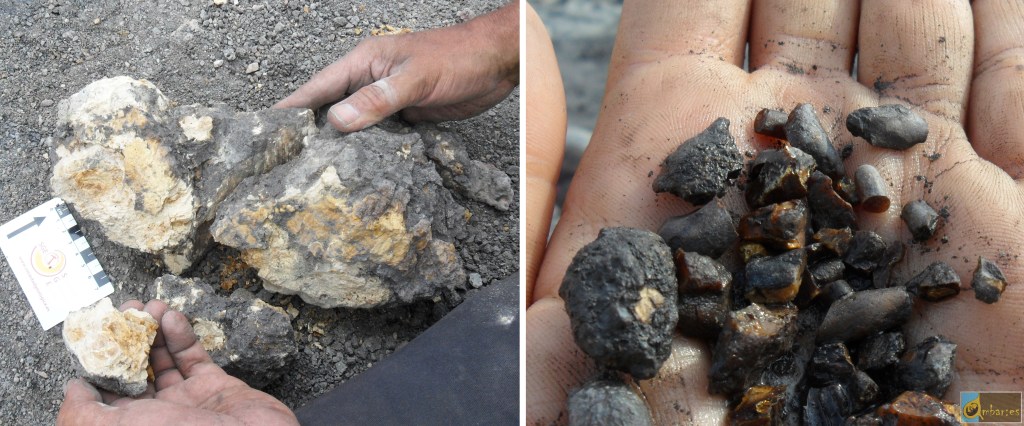
Resin pieces can be transported significant distances by runoff water before depositing on their final burial location, where they slowly transform into amber. However, we found amber pieces that had not moved from their original place of production. These large, round-shaped pieces preserved delicate surface patterns that would have been polished away even by the slightest transport. The resin that produced these amber pieces was formed by the roots of the resin-producing trees, and resembles sub-fossil resin my colleagues found in modern forests from New Zealand.

Large amber piece produced by roots (left) and assemblage of smaller amber pieces (right) from Ariño (Teurel, Spain).

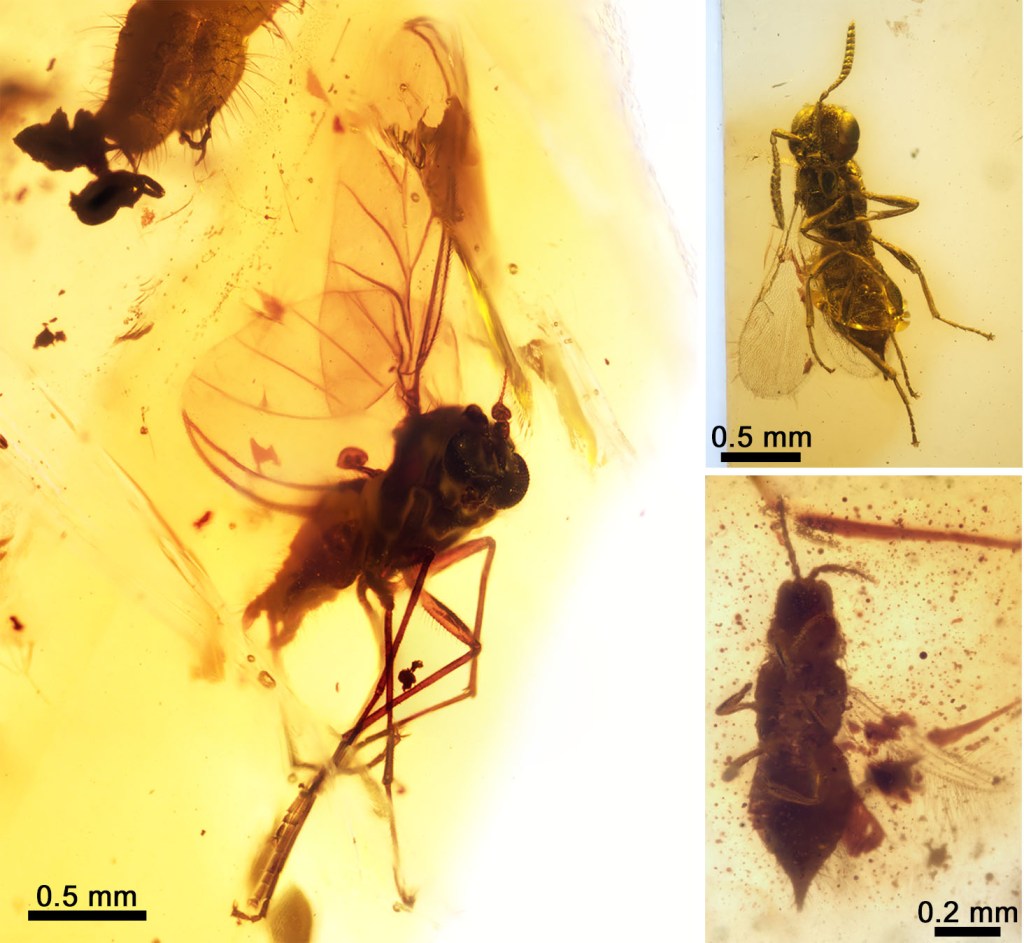
The small amber pieces from Ariño contain an unusual abundance of fossils. These pieces come from resin produced by the branches and trunk of the resin-producing trees. From the almost one kilogram of amber we excavated, we identified a total of 166 fossils. These include diverse insects such as lacewings, beetles, or wasps, and arachnids such as spiders and mites. Even a mammal hair strand was found!1


We now know that the Ariño site provides two complementary windows of preservation — a bone bed preserving a rich variety of vertebrate animals, and amber with abundant inclusions. Aside from Ariño, only three localities that preserve both dinosaur bone beds and fossiliferous amber have been reported in Western France, Western Canada, and North Central United States. However, in these cases, either the bone bed or the amber have offered a much more modest abundance and diversity of fossils. Some of the fossils from these localities also show signs of significant transport, which means that the organisms could have inhabited different, distant areas even though they fossilised together. This makes Ariño unique because it offers two valuable ‘windows of preservation’ from the same ecosystem.

Thanks to all this evidence and other data, we have been able to reconstruct an ancient terrestrial ecosystem – a 110-million-year-old coastal swamp – with unprecedented detail and accuracy.2 The inherent incompleteness of the fossil record will always remain a headache for palaeontologists… but localities like Ariño make the data that we can recover from the past a bit more complete.

Reconstruction of the coastal swamp forest of Ariño, in the Iberian Peninsula, from 110 million years ago. Author: José Antonio Peñas. Source: Álvarez-Parra et al. 2021.

If you want to learn more about amber excavations, check out this post on Excavating Amber.


1Álvarez-Parra, Sergio, Ricardo Pérez-de la Fuente, Enrique Peñalver, Eduardo Barrón, Luis Alcalá, Jordi Pérez-Cano, Carles Martín-Closas et al. “Dinosaur bonebed amber from an original swamp forest soil.” Elife 10 (2021): e72477.

2Álvarez-Parra, Sergio, Xavier Delclòs, Mónica M. Solórzano-Kraemer, Luis Alcalá, and Enrique Peñalver. “Cretaceous amniote integuments recorded through a taphonomic process unique to resins.” Scientific reports 10, no. 1 (2020): 1-12.