Disappearing Butterflies

HOW TO SOLVE A BIOLOGICAL MYSTERY USING MUSEUM COLLECTIONS AND DNA TECHNOLOGY


By Rebecca Whitla, PhD student at Oxford Brookes University


The Black-veined white butterfly (Aporia crataegi) was a large, charismatic butterfly with distinctive black venation on its wings. Once commonly found in the UK, the species unfortunately went extinct here in around 1925, with the last British specimens collected from Herne Bay in Kent. It isn’t fully understood why the species disappeared from the UK, but climate change, predation, parasites, and disease have all been suggested to have caused its disappearance — perhaps with several of these factors contributing to its decline. Central to solving the mystery of the disappearance of the Black-veined white will be the collections of butterflies that are stored in museums like OUMNH.

Butterflies tend to be well-represented in museum collections, and the Black-veined white is no exception. While the species has now been extinct in the UK for around 100 years, Lepidoptera enthusiasts from previous centuries often captured wild Black-veined white specimens for their personal collections. The abundance of Black-veined white butterflies in museum collections, like the collections at OUMNH, serve as a valuable repository for scientific research — including my own!
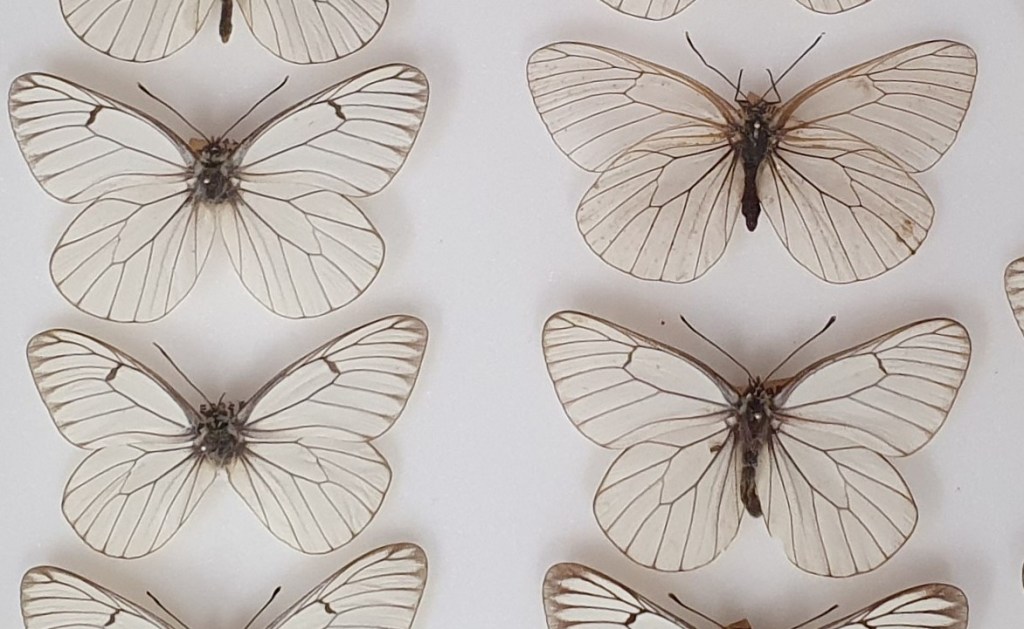
Black-veined white butterflies in the collections at OUMNH

Between June and December 2021, I undertook a research project using OUMNH’s Black-veined white butterflies. My task was to extract enough DNA from the butterflies to use for ‘whole genome sequencing’ — in other words, I was attempting to extract DNA from butterfly specimens to decode their complete DNA sequence. Getting DNA sequences from the historical specimens that are kept in Museums is no easy task, as DNA degrades over time. Nonetheless, animal specimens from natural history museums have successfully been used for whole genome sequencing and genetic analysis in the past, including species as diverse as longhorn beetles and least Weasels.

In order to work out how to extract DNA from the specimens, I had to try a variety of methods. This included experimenting to find out whether butterfly legs or abdomen fragments yielded more DNA, and whether non-destructive methods of DNA extraction were as effective as destructive methods. An example of a non-destructive method of DNA extraction would be a process like soaking a sample overnight and using the leftover liquid for DNA extraction, whereas a destructive method might involve mashing a whole leg or abdomen segment to use as a DNA source.
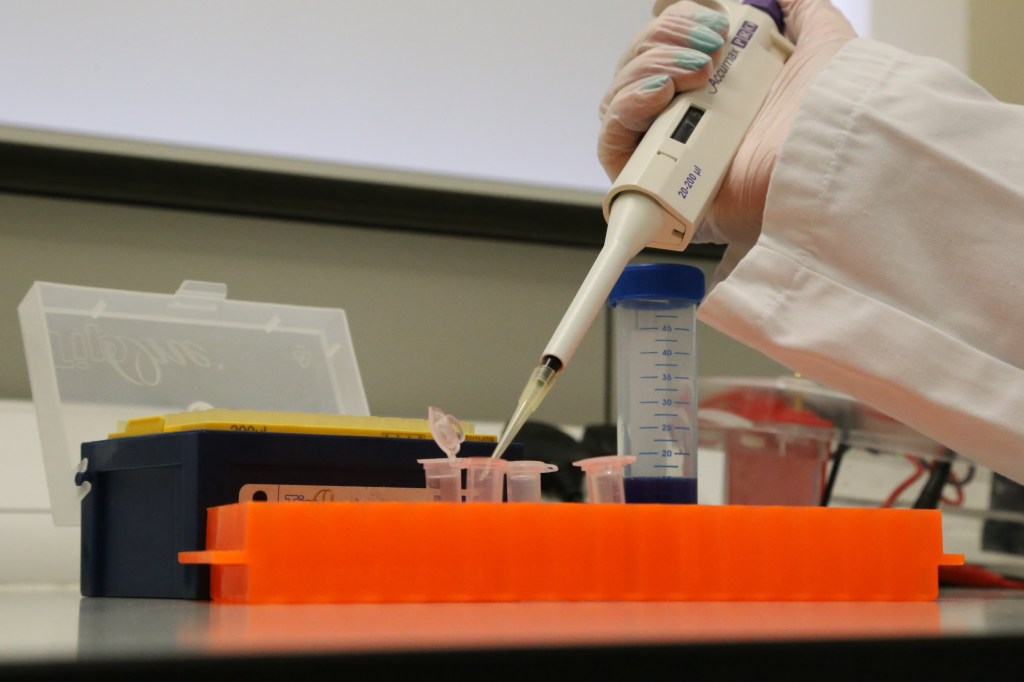
Preparing a DNA sample

Overall, I found that destructively sampling the legs of the butterflies gave the most reliable results, and also had the added benefit of not destroying the wings or abdomen of the specimens. Keeping the wings and abdomens of the butterflies intact will likely prove useful for conducting morphological studies in future.

Now that I have a reliable DNA extraction method, the next step in my research will be to analyse more Black-veined white specimens from a span of different time periods leading up to the species’ disappearance. I will then compare samples collected from each time period to calculate the genetic diversity of the species at each point in time, leading up to its disappearance. If I find a steady decline in the species’ genetic diversity over time, this may indicate a gradual extinction of the species. This is because we expect that, as numbers of a species decrease, inbreeding will become common, resulting in less diversity in the species’ DNA. However, if the populations of Black-veined white butterflies went extinct very suddenly, the decline in genetic diversity will probably be less pronounced. Learning more about the fate of the Black-veined White could not only help us unlock the historical mystery of the species’ decline in Britain, but will also help us understand more about the species’ decline in other parts of the world.


British Insect Collections: HOPE for the Future is an ambitious project to protect and share the Museum of Natural History’s unique and irreplaceable British insect collection. Containing over one million specimens – including dozens of iconic species now considered extinct in the UK – it offers us an extraordinary window into the natural world and the ways it has changed over the last 200 years. The HOPE for the Future project is funded by the National Lottery Heritage Fund, thanks to National Lottery players.
Biodiversity: exploring the variety of life.

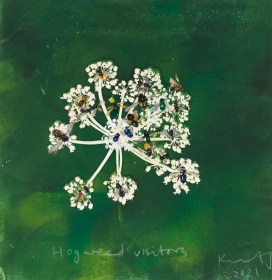
Biodiversity is an exhibition at the Museum of Natural History that explores biodiversity through the celebrated art of Kurt Jackson and reflections from reserchers at Oxford University.

What is biodiversity?

The word Biodiversity describes the variety of life. In any one place, the range of living things, including plants, animals, and bacteria, is called its biodiversity. It is used as a measure of how well or poorly natural life is coping with stresses like loss of habitat, pollution or climate change. The higher the number of different species, the greater the biodiversity. Biodiverse habitats are healthier because they can cope with change. When there are many different plants and animals, a change is unlikely to affect them all so many will survive.

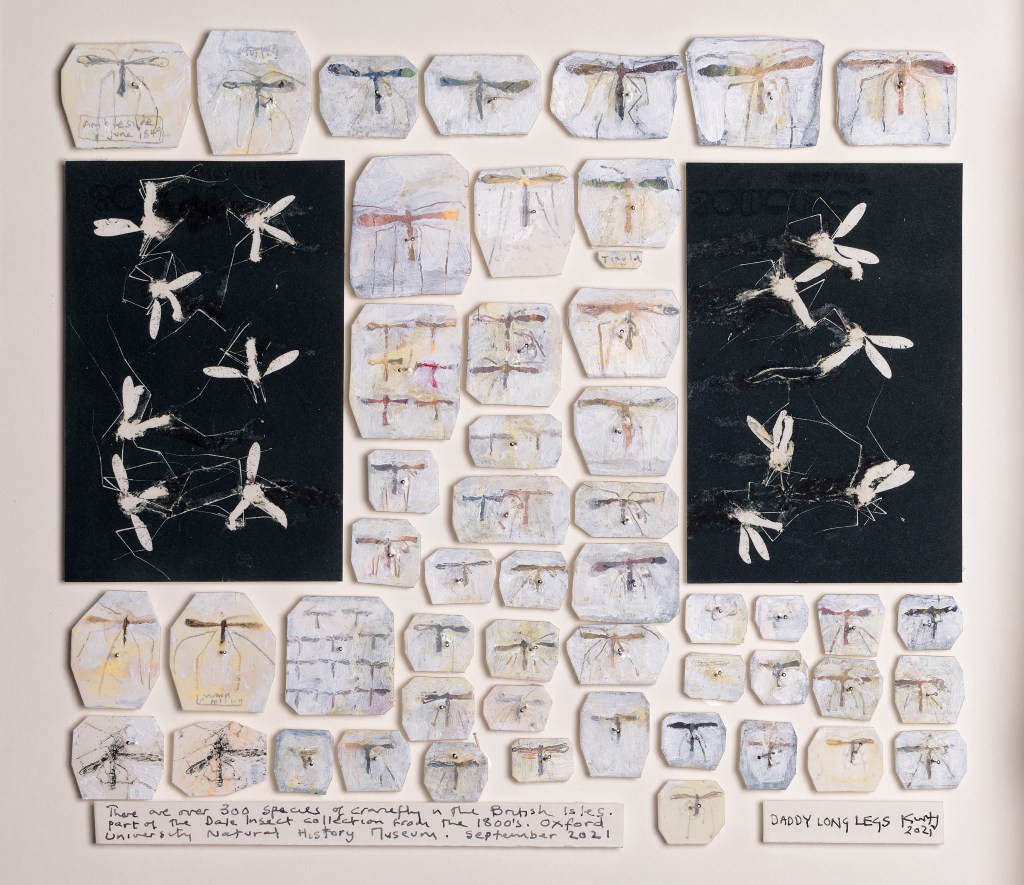
Daddy Long Legs by Kurt Jackson

Because human activity has an impact on biodiversity we have a responsibility to look after the health of ecosystems. Each habitat has its own distinctive biodiversity, from the fields and forests, seas and streams, to the increasingly buit up places where we humans tend to live. Under the water, on a mountain, in your garden; what lives there?

What’s in the exhibition?

This exhibition shows artworks made by artist and environmentalist Kurt Jackson. The art was made in a number of different locations across the UK. Alongside it, there are displays of specimens from the Museum’s collection. These highlight the range of species found in landscapes across the UK. The artwork and museum specimens have been combined with responses from biodiversity researchers at the University of Oxford. How can we understand it? How can we protect it? What does it mean to us all?

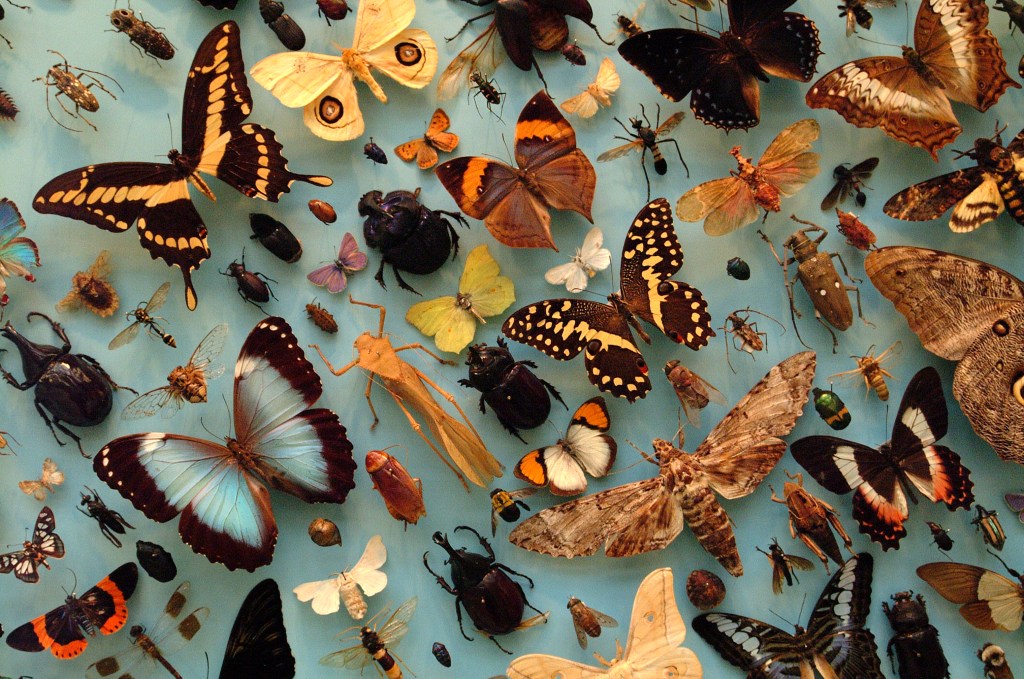
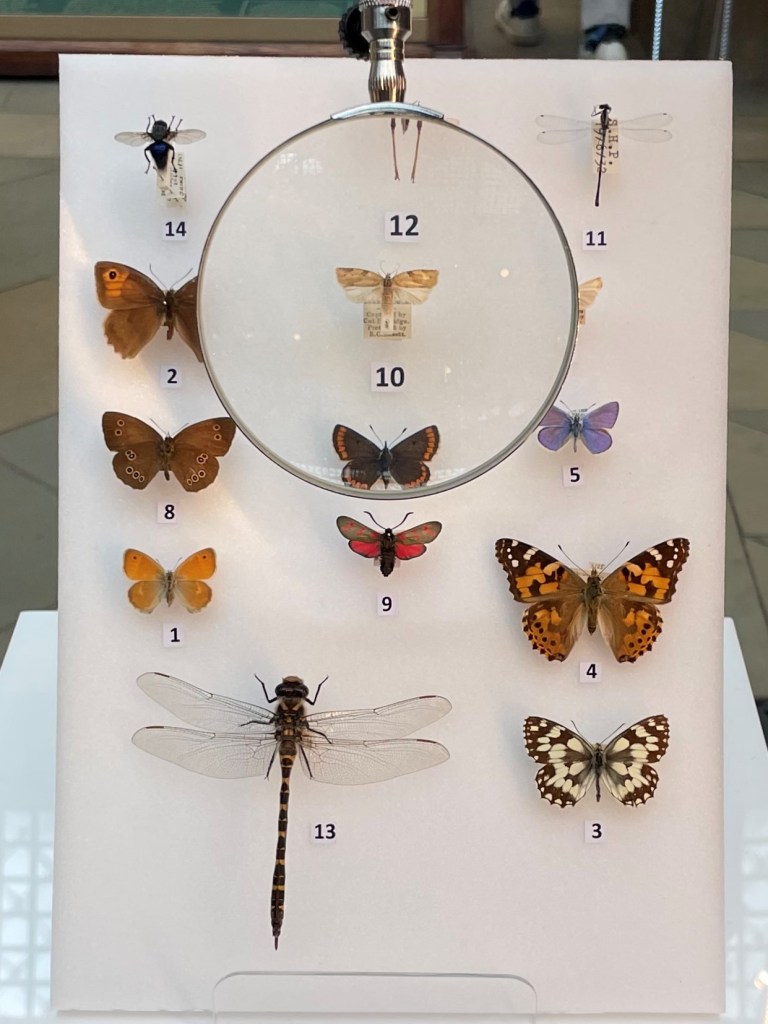
British insects on display in the Biodiversity exhibition.

“Daily, during my time spent making art outdoors, I notice the life around me – the plants and animals that share these places with me.”

Kurt Jackson

Insects and biodiversity

Scientists measure biodiversity by looking at the abundance and distribution of species.

  • Abundance describes how numerous species are. Because they are interested in changes over time, scientists often measure relative abundance: how numerous species are compared to a point of time in the past.
  • Distribution describes how wide the area is over which species are found. Relative distribution compares this to a point in the past.

Both these measures are important. For example, having large numbers of many different species (high abundance) is good, but if they are restricted to a small area (low distribution) then they are vulnerable.

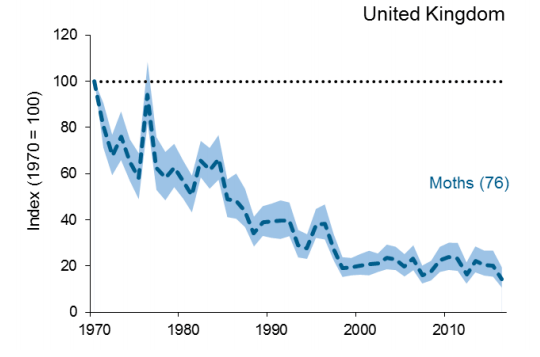
Change in relative abundance of 76 moth species. Defra 2019.

Rather than trying to measure the numbers of all the plants and animals in a habitat, scientists often monitor indicator species. These are particular plants and animals that tell us about the health of whole ecosystems. Insects can be indicator species. For example,in the UK, the Department for Environment, food and Rural Affairs (Defra) monitors 76 species of moth (as well as many other plant and animal species).

Visiting the exhibition

You can visit the Biodiversity exhibition in the Main Court of the Museum until 15 May. Entrance is free and there is no need to book

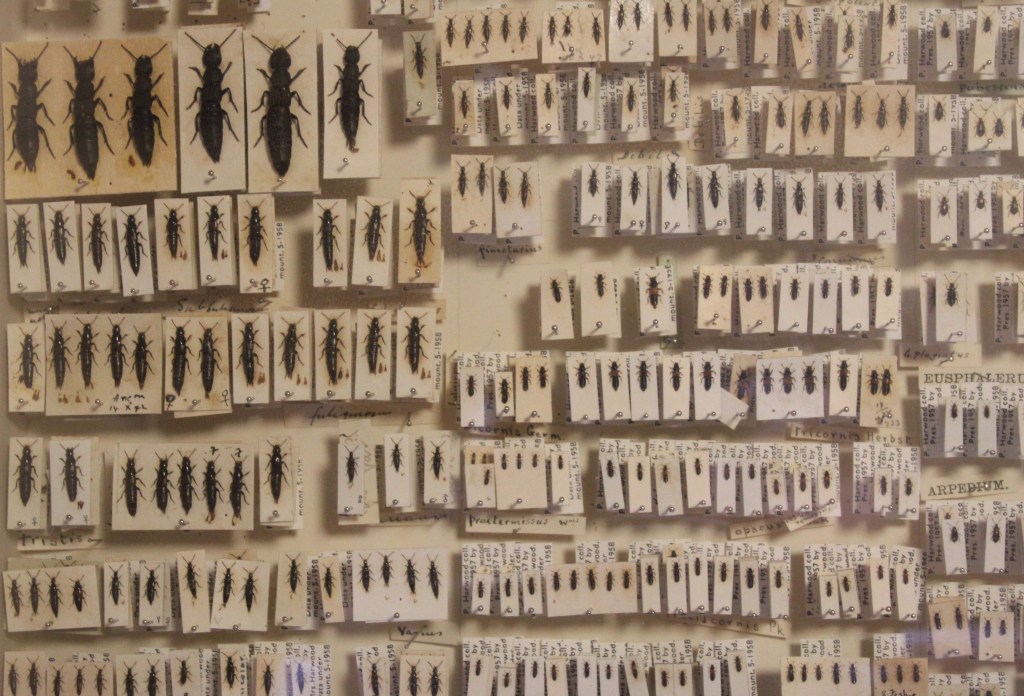
Selection of insects from the collections of the Oxford University Museum of Natural History.

If you would like to investigate biodiversity where you live, take a look at some of our suggestions and resources for Finding and Identifying Insects.

We’d love to hear about what you find!

Insect Friendly Gardens

I often hear people say that it is important to make green spaces “Insect Friendly”, but what is meant by this?

It is providing and encouraging a variety of different habitats that provide food and shelter for a range of different insects, and avoiding things that would do harm to insects, like using pesticides.

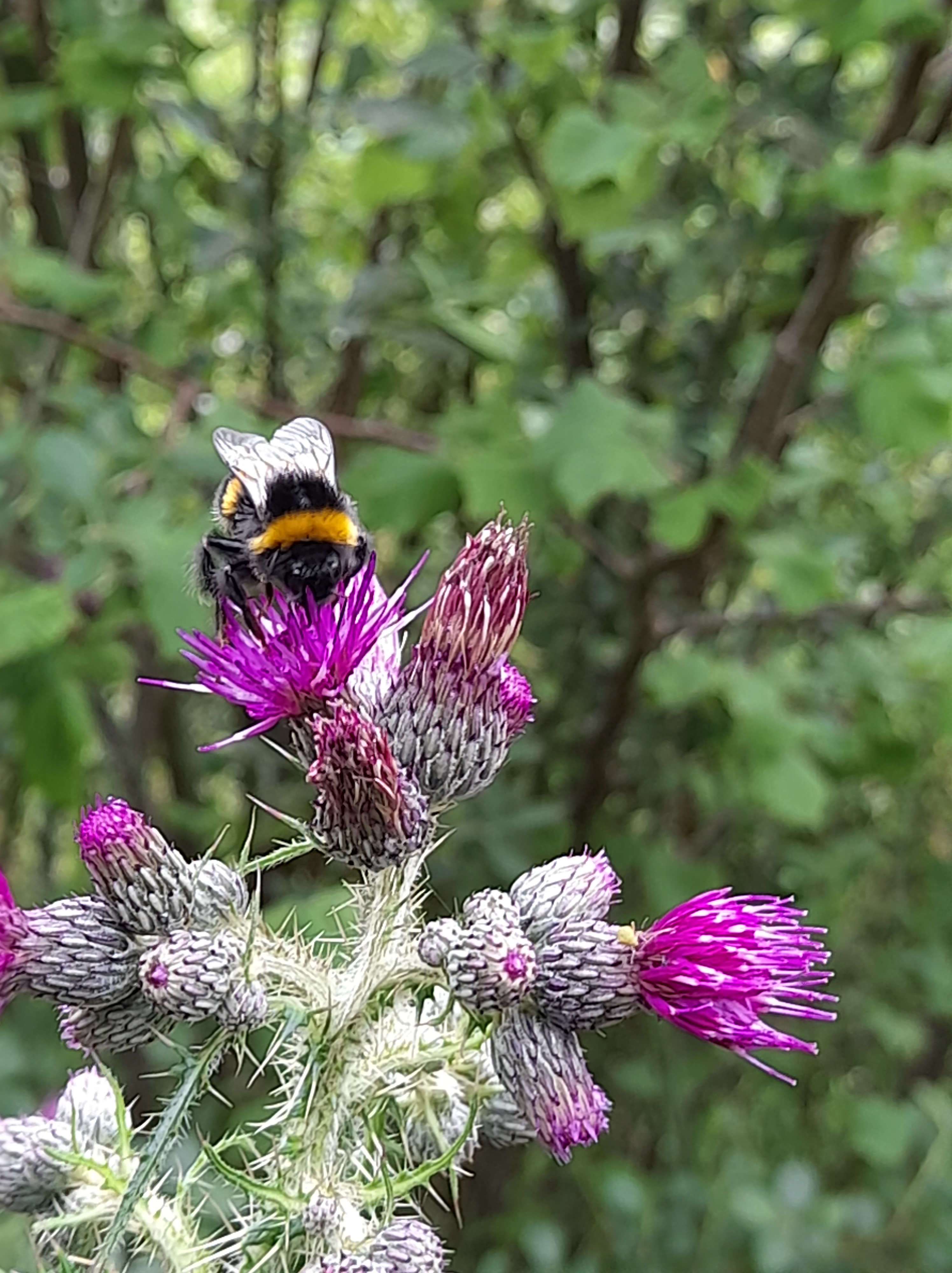
The focus is often on bees and butterflies, and their importance as pollinators. However, not only are other insects important pollinators, but insects have other vital roles in nature, including as food sources for many other animals and as recyclers of natural materials (dead plants, dead animals and poo).

Here are some ideas of positive things you can do to make a garden insect friendly:

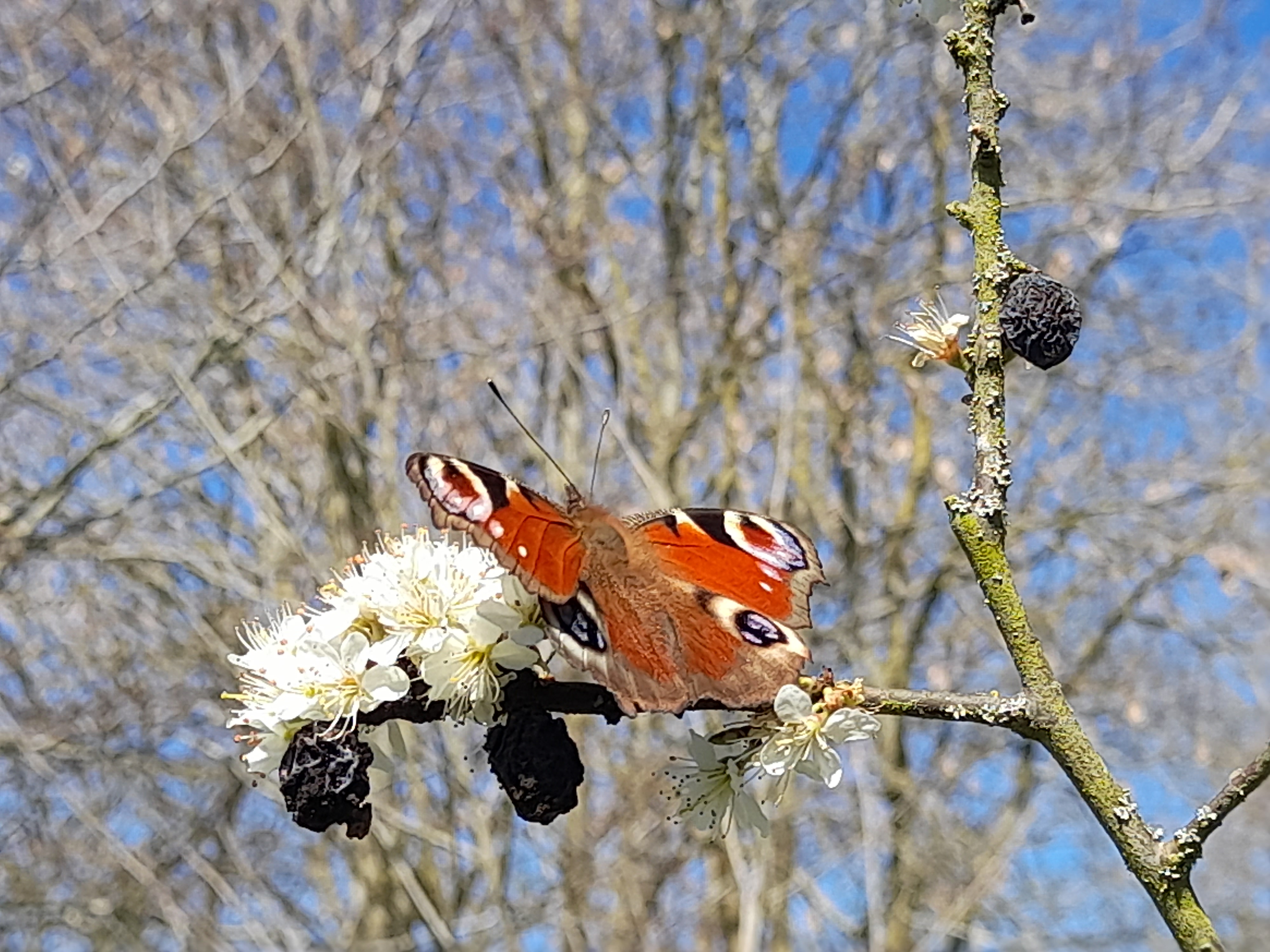
Plant a range of trees, shrubs and plants that flower at different times of year

These will provide for insects all the year round. You can find some insect friendly planting guides on the RHS (Royal Horticultural Society) website.

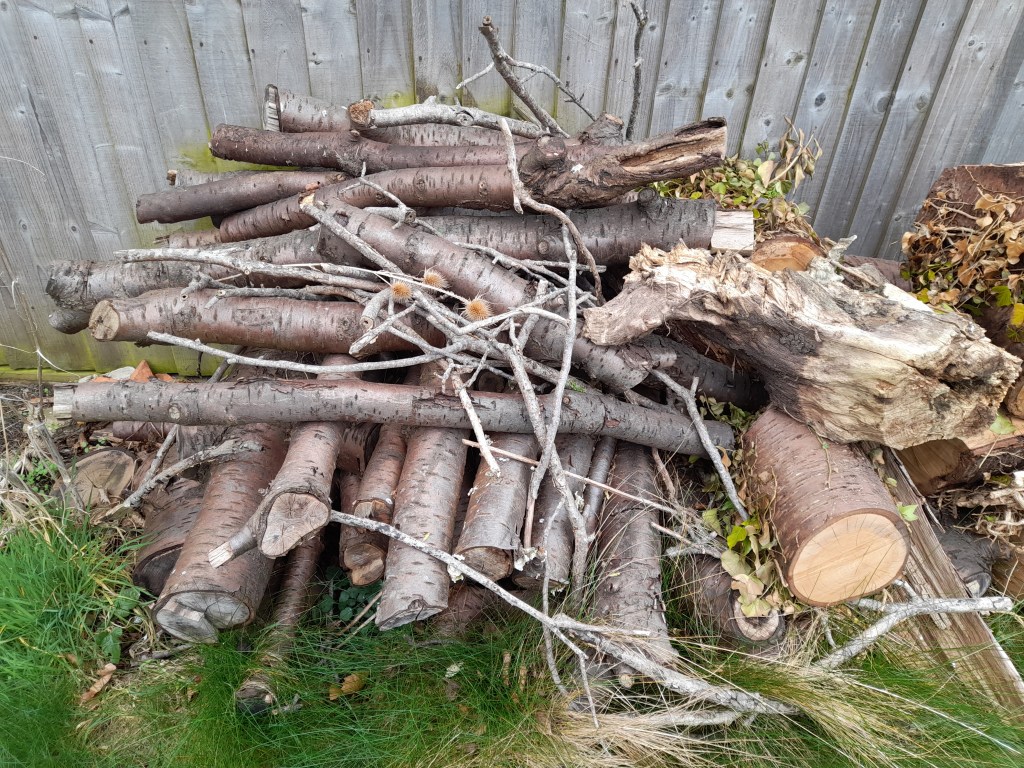
Create a dead wood habitat

Many insects, including a number of beetle species, like the cold damp conditions in a dead wood habitat and even eat the dead and decaying wood. Three ways to create one is set out by Gardener’s World.

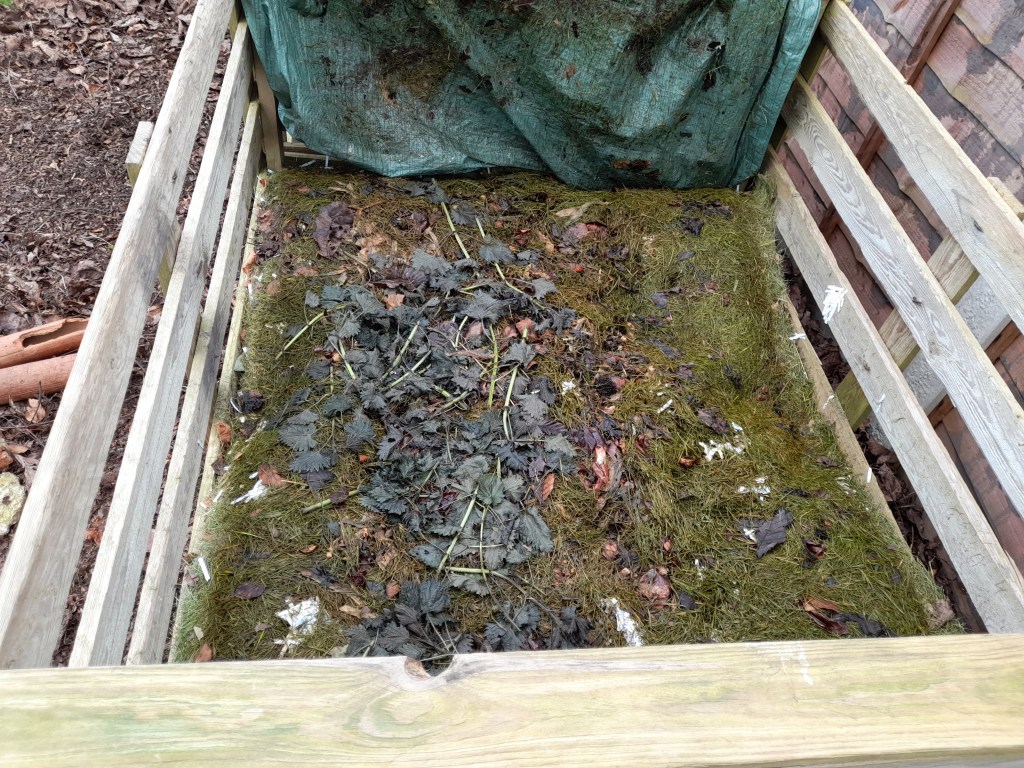
Have a compost heap

As well being a means of recycling vegetable and garden waste, compost heaps also provide food and shelter for decomposers, many of which are insects. If you would like more information and advice about composting the RHS has an online guide.

Leave an area to grow wild

Areas of long grass are good for certain insects, e.g. for skipper butterflies to lay their eggs. Not mowing as often allows wildflowers, like daisy and buttercups to bloom. These, along with other plants often considered weeds, such as nettles, provide important food sources for insects.

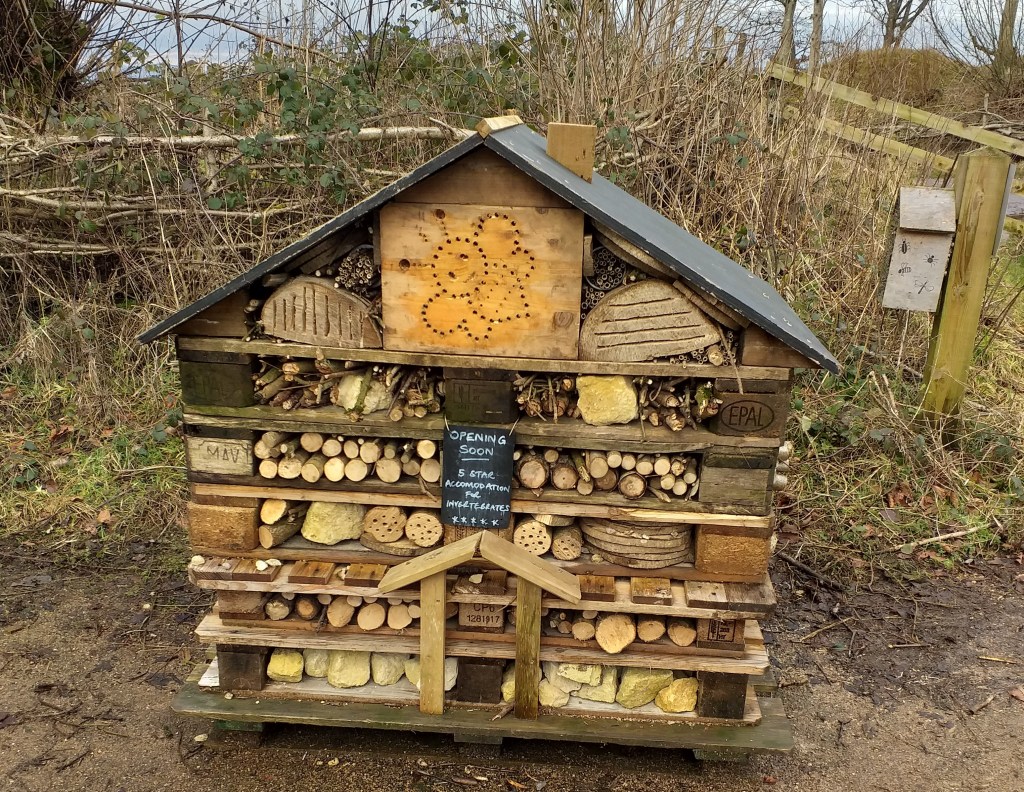
Make an insect hotel

Insect hotels provide hiding places for insects to shelter. We have instructions for making a simple insect hotel on the museum website. If you want to find out more about making a more involved hotel, the RSPB have a guide on their website.

Have you made your garden more insect friendly using these, or any other methods? Tell us about what you have done in the comments below, or via the contact us page.

All photographs © Susie Glover. All rights reserved

Conservation in the Genomic Era

HAVE DNA TECHNOLOGIES REPLACED THE NEED FOR MUSEUMS?


By Sotiria Boutsi, Intern

I am PhD student at Harper Adams University with MSc in Conservation Biology, currently doing a professional internship at the Museum of Natural History in the Public Engagement office. My PhD uses genomic data to study speciation in figs and fig wasps.


The year 1995 marked the first whole-genome sequencing for a free-living organism, the infectious bacterium Haemophilus influenza. Almost three decades later, biotechnological advances have made whole-genome sequencing possible for thousands of species across the tree of life, from ferns and roses, to insects, and – of course – humans. Ambitious projects, like the Earth BioGenome Project, aim to sequence the genomes of even more species, eventually building the complete genomic library of life. But do these advancements help us with conservation efforts? Or are the benefits of biotechnology limited to industrial and biomedical settings?

The value of genetic information is becoming increasingly apparent: from paternity tests and DNA traces in forensic investigations, to the characterization of genes related to common diseases, like cancer, we are becoming familiar with the idea that DNA can reveal more than meets the eye. This is especially the case for environmental DNA, or eDNA — DNA molecules found outside living organisms. Such DNA is often left behind in organic traces like tissue fragments and secretions. Practically, this means that water or air can host DNA from organisms that might be really hard to observe in nature for a variety of reasons — like being too small, too rare, or just too shy.

So, how do we determine which species left behind a sample of eDNA? The method of identifying a species based on its genomic sequence is called barcoding. A barcode is a short genomic sequence unique to a species of organism. Therefore, every time we encounter a barcode sequence, whether it is taken from a living animal or eDNA, we can associate it to the species which it belongs to.

When we have a mix of different species to identify, things become a bit more complicated. Sometimes we will pick up samples which represent an entire ecological community, and must sort through these using a process called meta-barcoding.

How does meta-barcoding work? Well, we want to be able to identify species based on the shortest possible species-specific sequence. Traditional laboratory methods for DNA amplification (PCR) are combined with DNA sequencing to read the DNA sequences found in any given water or air sample. Then, having a database of reference genomes for different species can serve as the identification key to link the sample sequences to the species they originated from.

Pinned insects can be found in the Upper Gallery of the Museum. There are currently 5 million insect specimens at the Museum, serving as a record of biodiversity at the time and space of collection. Museum collections are invaluable ways of monitoring biodiversity but rely on capturing live animals.

So, what does this mean for the future of ecology and conservation? Traditional monitoring of biodiversity can involve capturing and killing live animals. This is the case with insect specimens found in museums across the world. Although museum collections are irreplaceable as a record of the history of wild populations, regular monitoring of endangered species should rely on non-invasive methods, such as meta-barcoding of eDNA. Indeed, eDNA has been used to monitor biodiversity in aquatic systems for almost a decade. Monitoring terrestrial ecosystems through air samples is now also becoming possible, opening new possibilities for the future of conservation.

During March, the Museum delivered practical molecular workshops in our laboratory, reaching more than 200 Key Stage 5 students. Students have had the opportunity to learn about the use of eDNA in ecology, as well as get some hands-on experience in other molecular techniques. These include DNA extraction, PCR, the use of restriction enzymes, and gel electrophoresis.  The workshops were delivered by early-career researchers with practical experience in working in the laboratory, as well as Museum staff with a lot of experience in delivering teaching. Through the Museum’s workshops, which run regularly, the next generation of scientists is introduced not only to both human genetics, but also molecular tools used in ecological research, which without a doubt will become increasingly relevant for future conservationists.

Since 2009, the Museum runs practical workshops for Key Stage 5 students in the molecular laboratory at the Museum’s main facilities. Workshops started again this March, after the mandatory 2-year covid-19 break. Students can learn about and discuss the use of molecular techniques in biology by extracting their own DNA.  

We cannot conserve what we do not know. Monitoring biodiversity is the cornerstone of any conservation practice. Doing it efficiently, by making use of both traditional as well as molecular tools, can allow more accurate predictions for the future of biodiversity under the lens of anthropogenic change.


More Information:


British Insect Collections: HOPE for the Future is an ambitious project to protect and share the Museum of Natural History’s unique and irreplaceable British insect collection. Containing over one million specimens – including dozens of iconic species now considered extinct in the UK – it offers us an extraordinary window into the natural world and the ways it has changed over the last 200 years. The HOPE for the Future project is funded by the National Lottery Heritage Fund, thanks to National Lottery players.
Book your place at our FREE Event this Easter!

Are you aged 10 – 14? Then join us for a FREE Crunchy on the Outside event here at the museum this Easter.

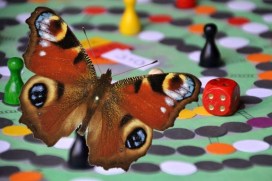
A Game of Life Cycles – Tuesday 12th April 2022, 1 – 3pm

Discover more about the stages of insect life cycles, then make and play your own insect-themed board game.  Can your insect make it through all the stages of metamorphosis to become an adult? Can they overcome the challenges along the way and lay eggs to make the next generation?

Here are all the details you need:

WHAT:              FREE workshop – A Game of Life Cycles

WHEN:             Tuesday 12th April 2022 , 1pm to 3pm

WHERE:           Museum of Natural History, Parks Road, Oxford, OX1 3PW

WHO:               10 to 14 year olds

To book – email: hopelearning@oum.ox.ac.uk

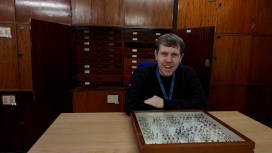
Ryan Mitchell

Ryan, a Collections Assistant for the HOPE for the Future Project at Oxford University’s Museum of Natural History, tells us about the important work of the project, and how he first became interested in insects.

Ryan mentions catching grasshoppers in his hands as a child. Have you found any insects in your garden or local green space? What were they? We would love to hear about them in the comments below, or through our contact us page.