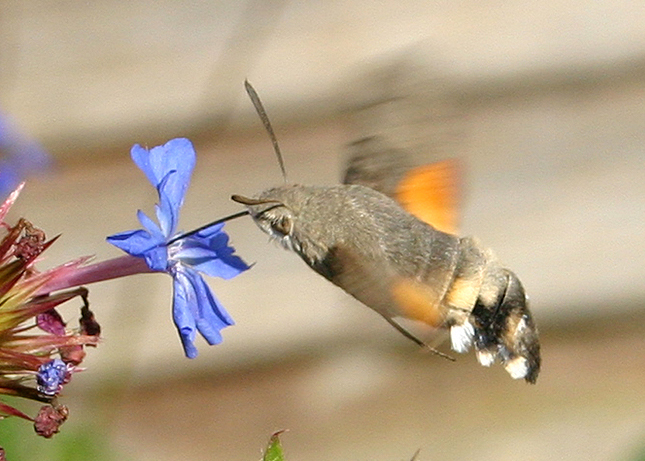
When the weather is chilly there aren’t many insects about, but we still have lots of online ‘Crunchy’ insect activities for you to try. We hope they will boost your insect expertise!
How to spot an insect
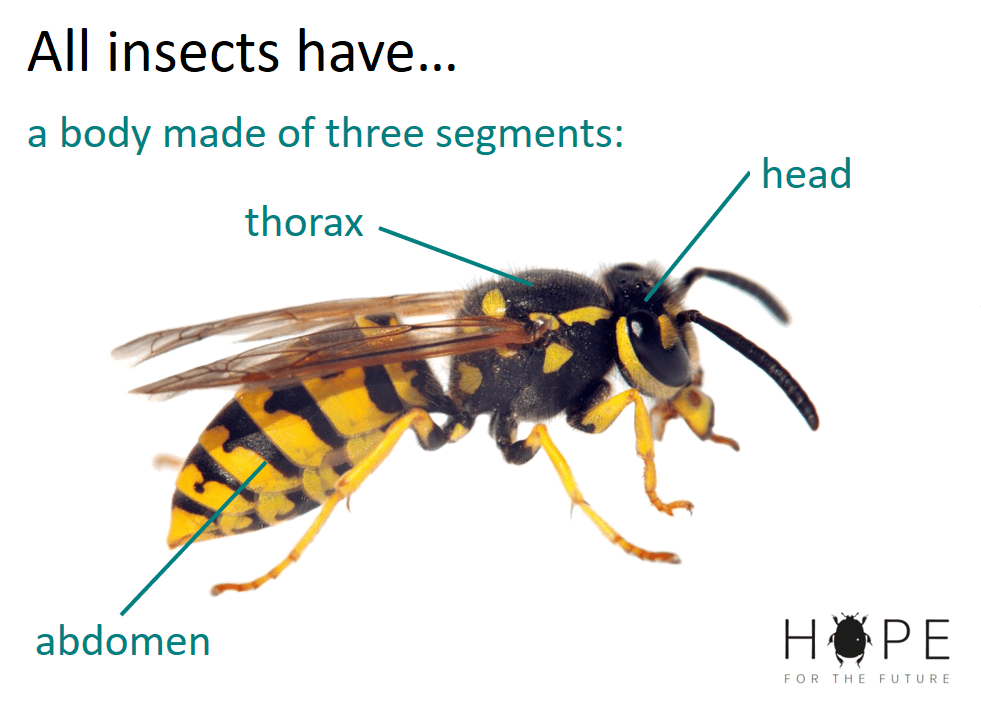
What makes an insect an insect? How to spot an insect is an introduction to insect anatomy: the body parts that make up an insect. Discover the key features entomologists use spot insects and how insects are different from some of their close relatives. You can then test yourself with our quick quiz!
Insect ID
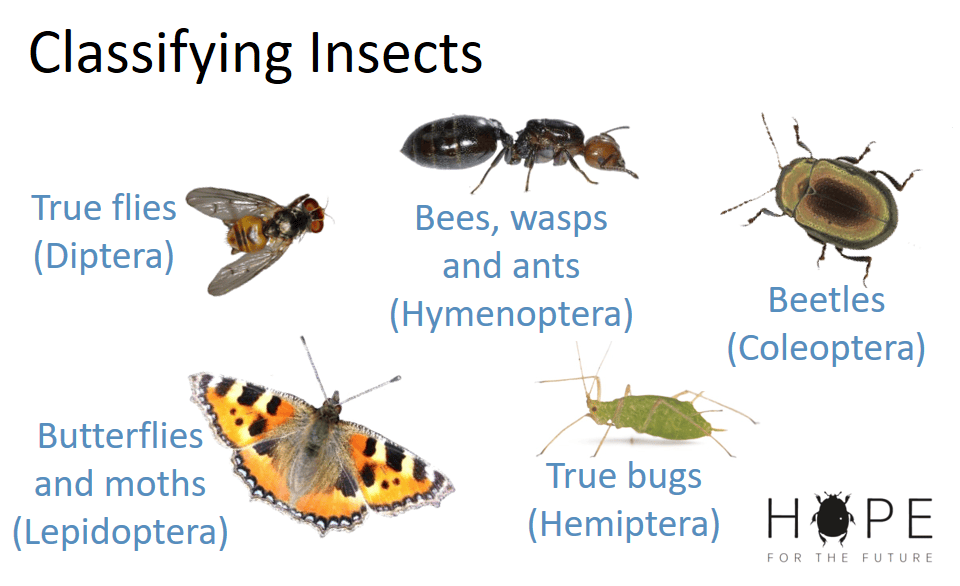
Ever wondered what that insect is? Insect ID takes you into a deeper exploration of the ‘Big 5’ groups of insects in Britain:
beetles
bees, wasps & ants
butterflies & moths
true flies
true bugs.
Discover the differences between them, learn how to spot each type and put your skills to the test with our ID challenge.
Know your bees
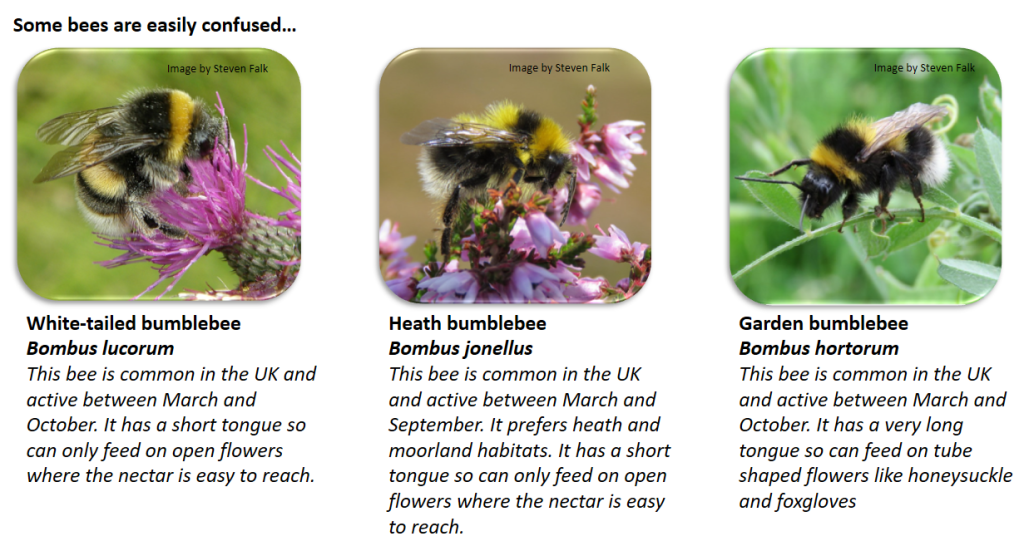
There is more to bees than hives and honey! Know your bees explores some of the rich variety of bees found in Britain. We’ve also included some tools to help you make your own observations of bees.
If you’d like to go a bit further and, as the weather gets a bit warmer, get outside and do some investigating of your own, why not try one of our inset investigation ideas:
Different flowers asks whether different types of flower attract different insects
Insect Pollination investigates the range of important insect pollinators (it’s not just bees!)
Time of day explores whether different insects visit flowers at different times of day
We would love to hear how you get on. Get in touch using the comments below or the Contact Us page.
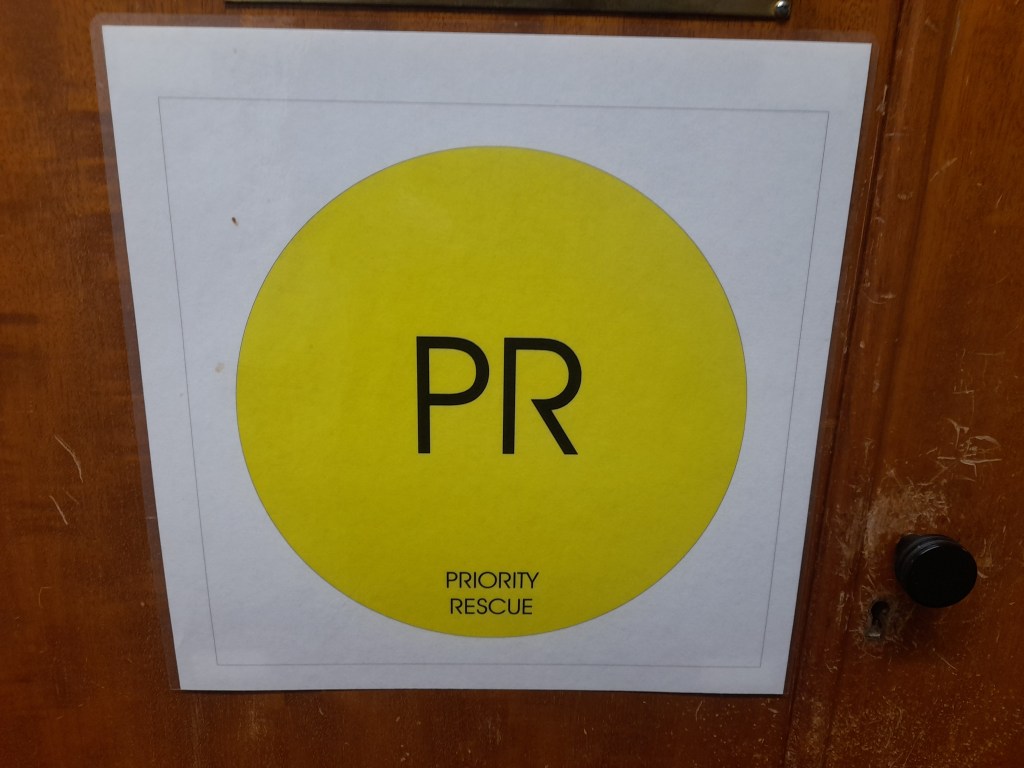
Tucked away in the Oxford University Museum of Natural History’s Entomology (insect) department, are a series of mysterious looking cabinets, all labelled with a yellow circle with” PR (Priority Rescue)” on them. But why? What does this mean? What is in these Cabinets?
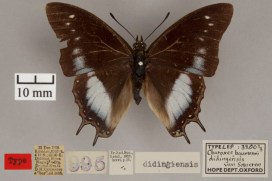
Priority rescue is referring to the fact that in case of a fire, or other emergency that could cause damage to items within the museum, these cabinets are to be rescued first, before other items. But they aren’t filled with expensive technology, or millions of pounds of precious gems. They contain something totally irreplaceable and priceless: type specimens.
What are Type Specimens?
When it comes to Taxonomy, type specimens have a really important role. Taxonomy is the process of naming, describing and organising living things. It involves choosing names for organisms based on the features they share with other organisms.
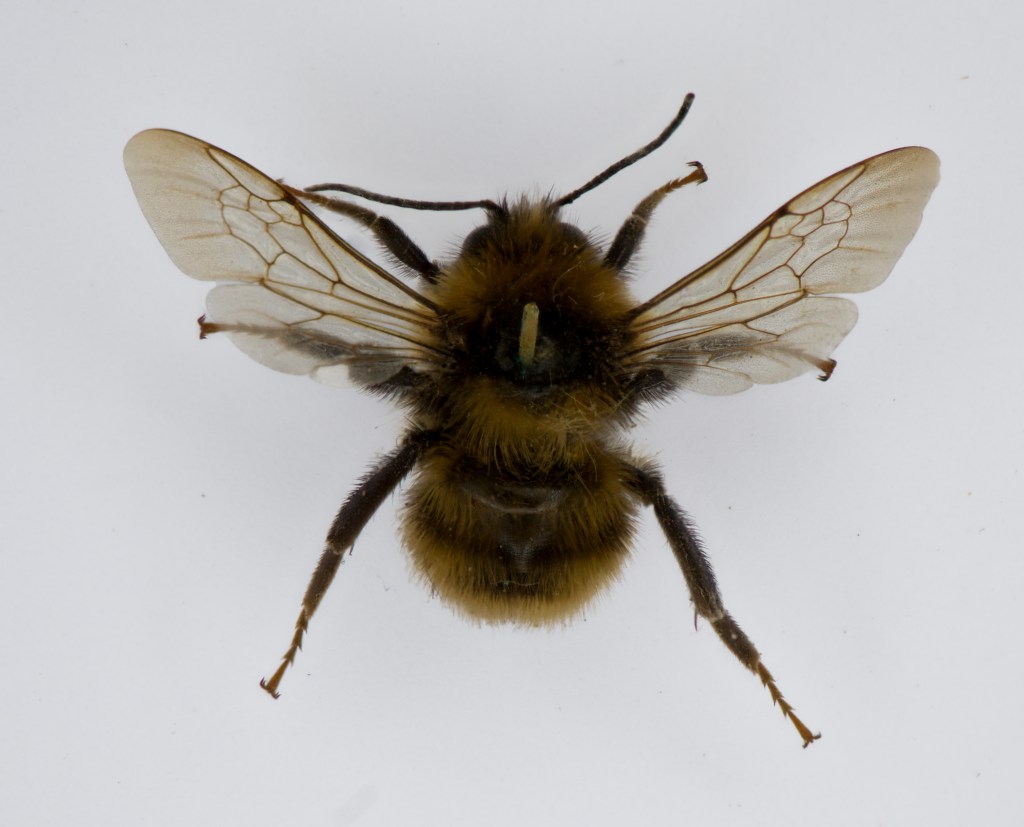
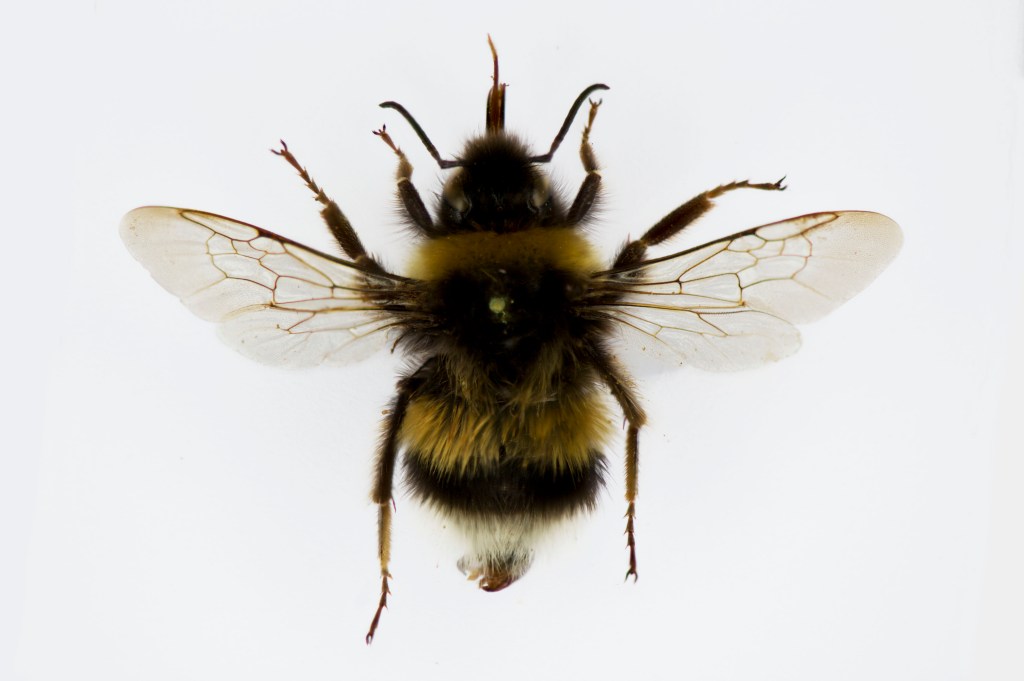
For example Bombus subterraneus and Bombus terrestris have the same genus name “Bombus” but have difference species names “subterraneus” and “terrestris”. This means that they are closely related and have similar features, they are still different species. Can you spot some differences?
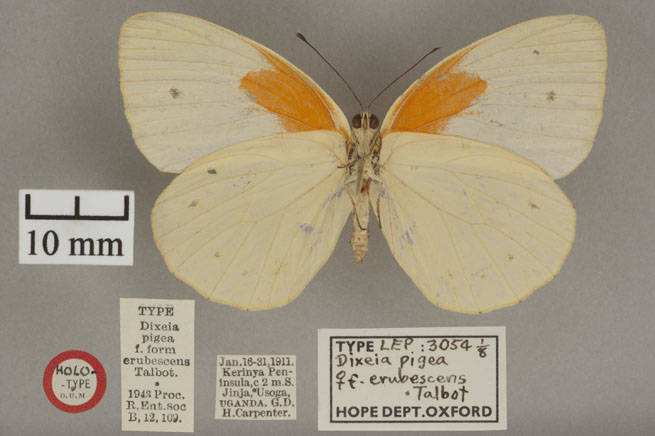
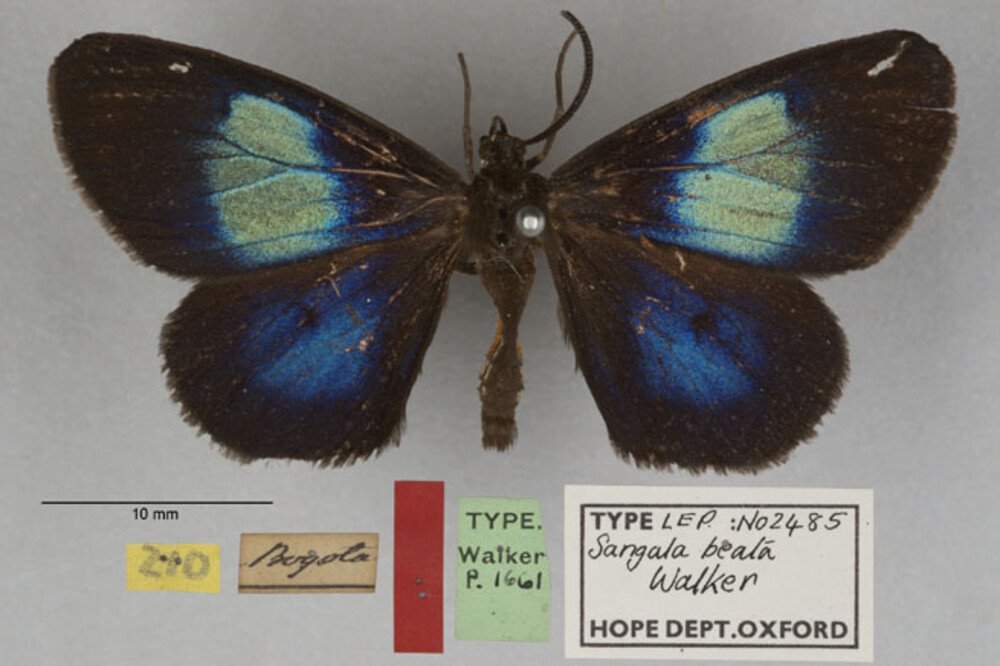
When a taxonomist names a new species, they will designate a particular specimen the “type specimen”. A type specimen is the physical example of a particular species that all other specimens of that species are compared to.
The Oxford University Museum of Natural History has over 5 million insect specimens. Around 20,000 of these are type specimens, the first specimen of a species to be described and named.
Just to make things more complicated there are some different types of type specimen. Here are just a couple of examples that we have come across:
Holotype: a single physical example of a species, used to describe that species.
Syntype: a series of specimens of a species, used together to describe that species.
Paratype: additional specimen or specimens used, alongside a holotype, to help describe a species.
Iconotype: a drawing of a specimen that is used to describe that species, and serves as the type specimen. At the museum we have a book, William Jones’ Icones. It contains many species of butterflies and moths that are described for the first time and are classed as iconotypes.
By why is it important to have designated type specimens? What do you think? How might they be used? Let us know your thoughts in the comments below, or using the Contact us page. Also, it can be quite a confusing concept, so please do ask us any questions.
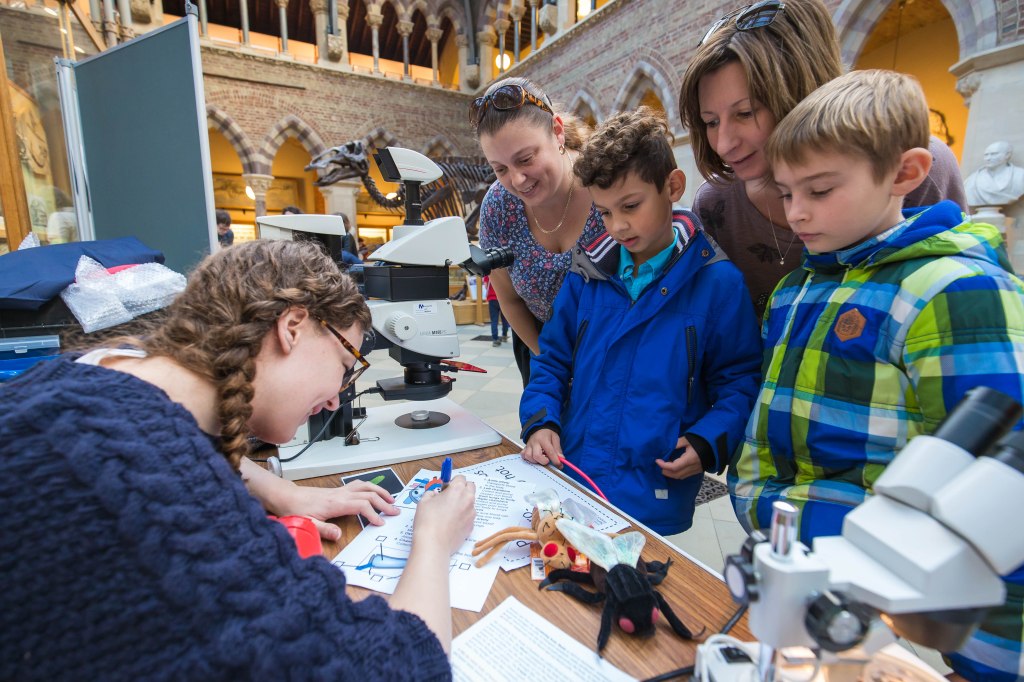
Drop in to the museum for this fun family Science Fair on Saturday 12th March, 12-4pm. Meet experts to find out more about tiny creatures like insects, spiders and more!
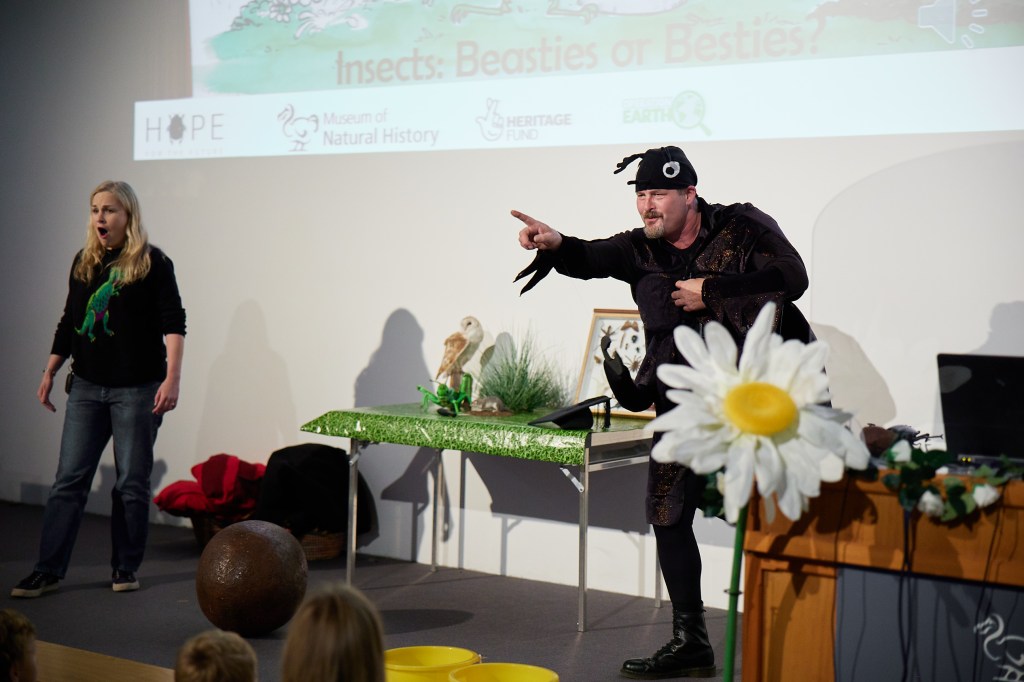
No need to book – just come along and, whilst you are in the museum, why not join us for our Insect Show: Insects: Beasties or Besties.
Insects: Beasties or Besties Family Science Show
Saturday 12th March, 1pm and 2.30pm
Ages 6+
Come along to our fun and interactive family show all about insects. You’ll meet a visitor to the museum, with a dislike of insects, who is confronted by a giant talking dung beetle! The unlikely pair take a journey, looking at the wonderful, and vitally important, role of insects in our world.
Please note that the show will be held in the Museum’s Lecture Theatre which has a capacity of 195 seats and social distancing will not be in place. Visitors are encouraged to wear a face mask for the duration of the show and hand sanitiser will be available when you enter/exit.
Header Image: A reconstruction of a delta-estuarine environment in northern Spain during the Cretaceous, habitat of the studied amber snakeflies, by William Potter Herrera.
Post by William Potter Herrera, Undergraduate Student at Portsmouth University
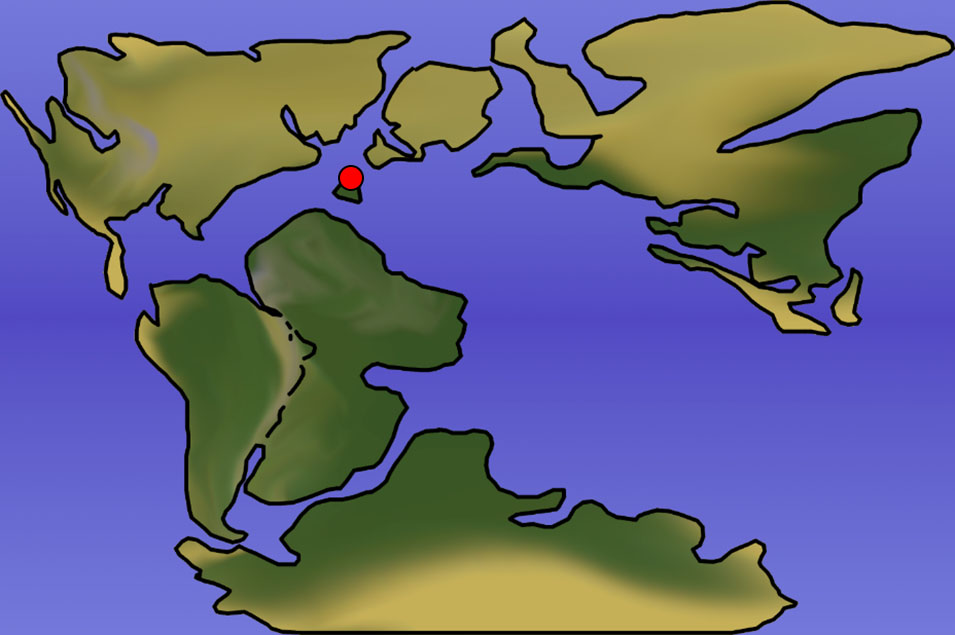
About 105 million years ago, in what is now Cantabria, Spain, rich cycad and conifer forests flourished across a landscape of estuaries and weaving deltas, bordering the then subtropical North Atlantic. While marine crocodiles prowled the waterways and theropod dinosaurs stalked the fern clearings, another ferocious, albeit smaller, predator ruled. Snakeflies, or raphidiopterans, are still around today but their diversity and range is a fraction of what it was during the Mesozoic, the period when the dinosaurs reigned.
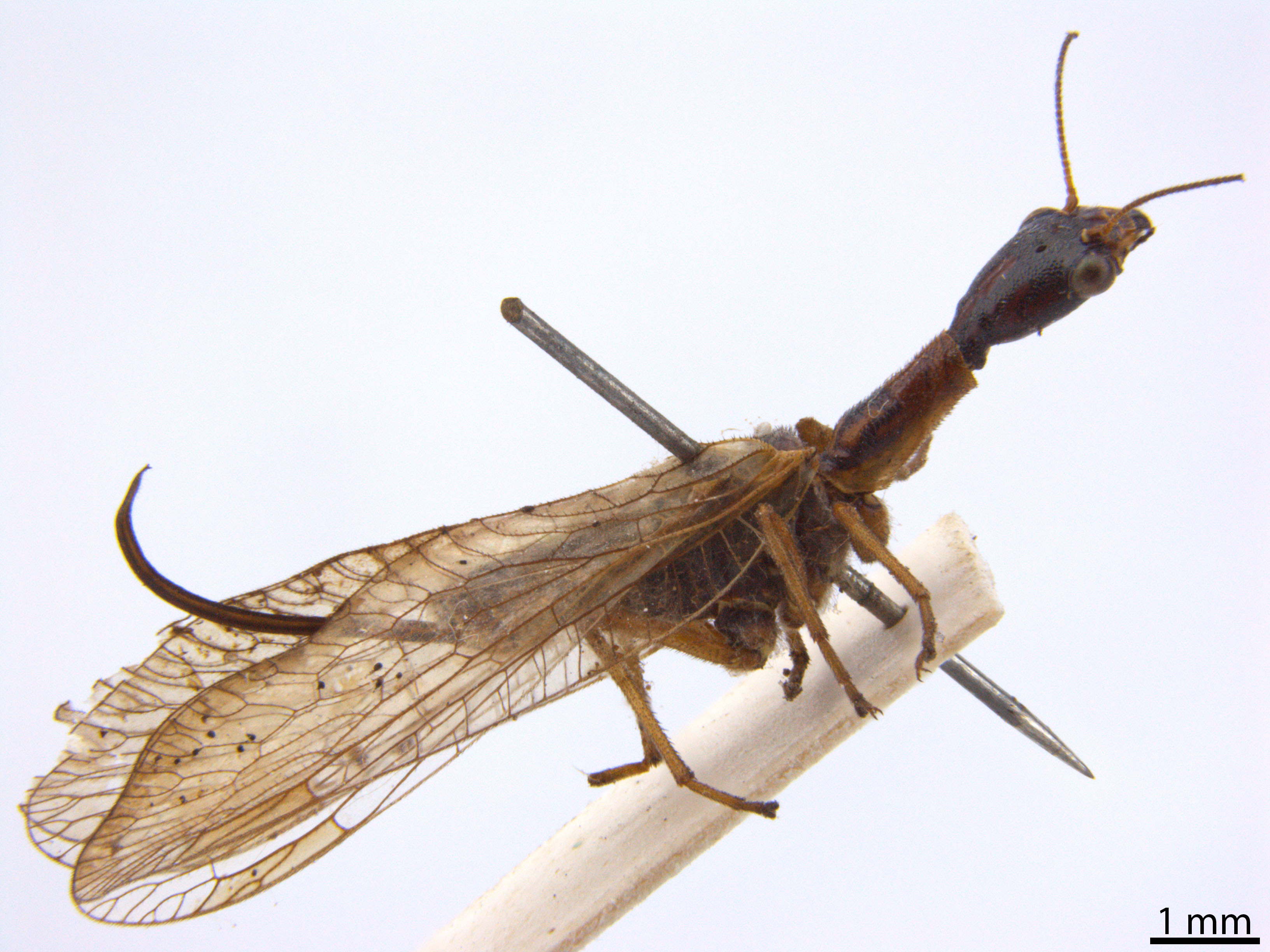
Left: Map of the world 105 million years ago, with ancient Cantabria highlighted. Author: William Potter Herrera, based on work from “The Planetary Habitability Laboratory” at UPR Arecibo. Right: An extant snakefly from OUMNH’s pinned collections.
Snakeflies get their name from their long ‘necks’ and ovipositors — the latter being a long, thin tube that females use to deposit eggs into the safety of crevices. Snakeflies are voracious predators, using their compact jaws to devour anything smaller than them. Their unusual necks allow them to pursue prey into tight spaces. No Cretaceous bug would have been safe from these monsters that existed in the shadows of the dinosaurs.
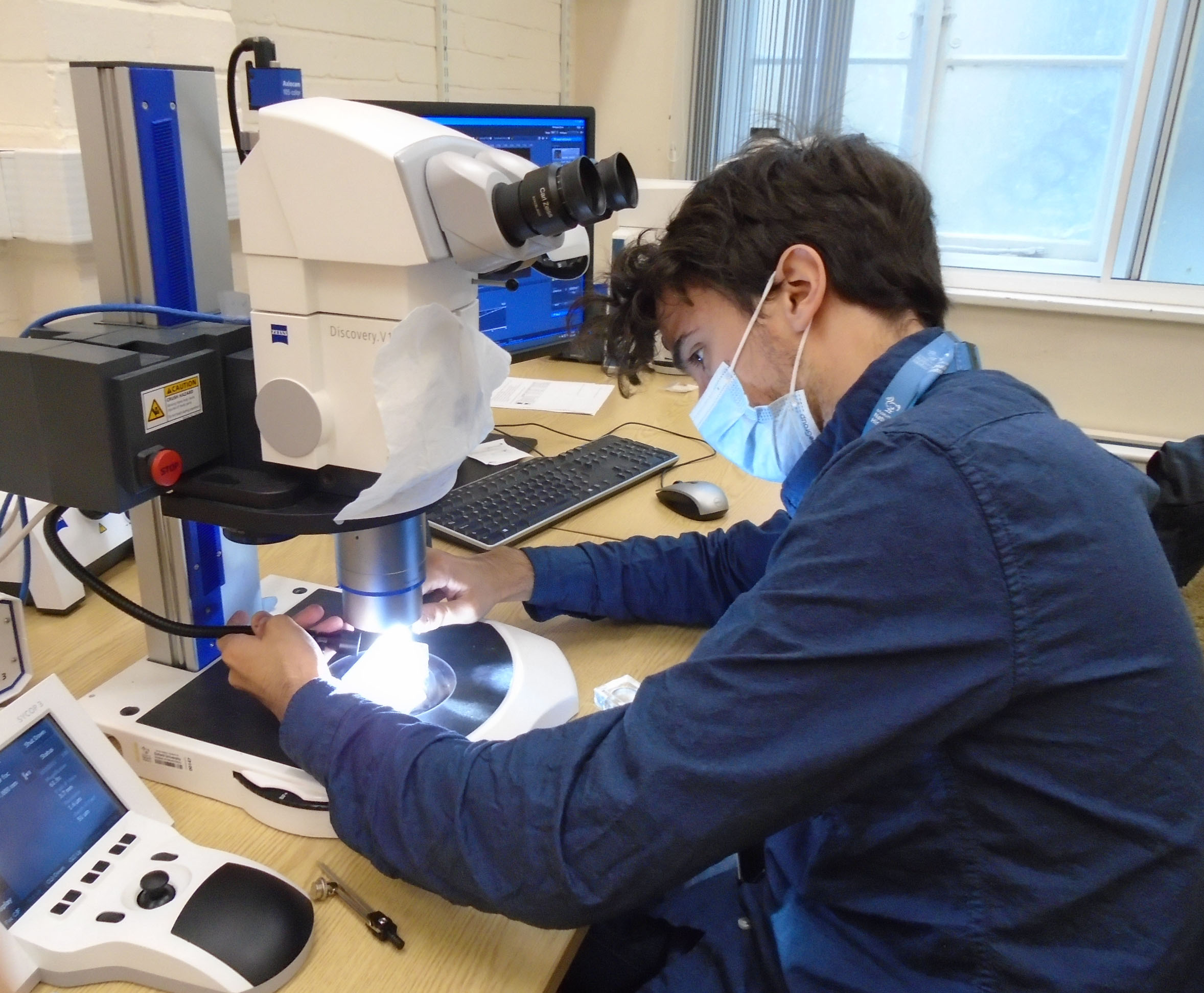
Working in the shadow of the Museum’s very own dinosaur during a bursary project last summer, I got a very real experience of paleontological research. Insects might not be the first thing you think of when considering fossils, but the sheer diversity and beauty of preservation these organisms exhibit in the fossil record made them a delight to work on. Nowhere is this more true than in the remarkable amber of northern Spain. Under the supervision of Dr Ricardo Pérez-de la Fuente, I examined, described and mapped out four specimens of amber which contained insects, our focus being on snakeflies. Through careful comparison with previous work, we discovered a new species of Necroraphidia, meaning “snakefly of the dead”. This genus was previously known from a specimen preserving no more than its characteristic wings, but the new specimen is nearly completely preserved, frozen in amber as if time itself stopped.
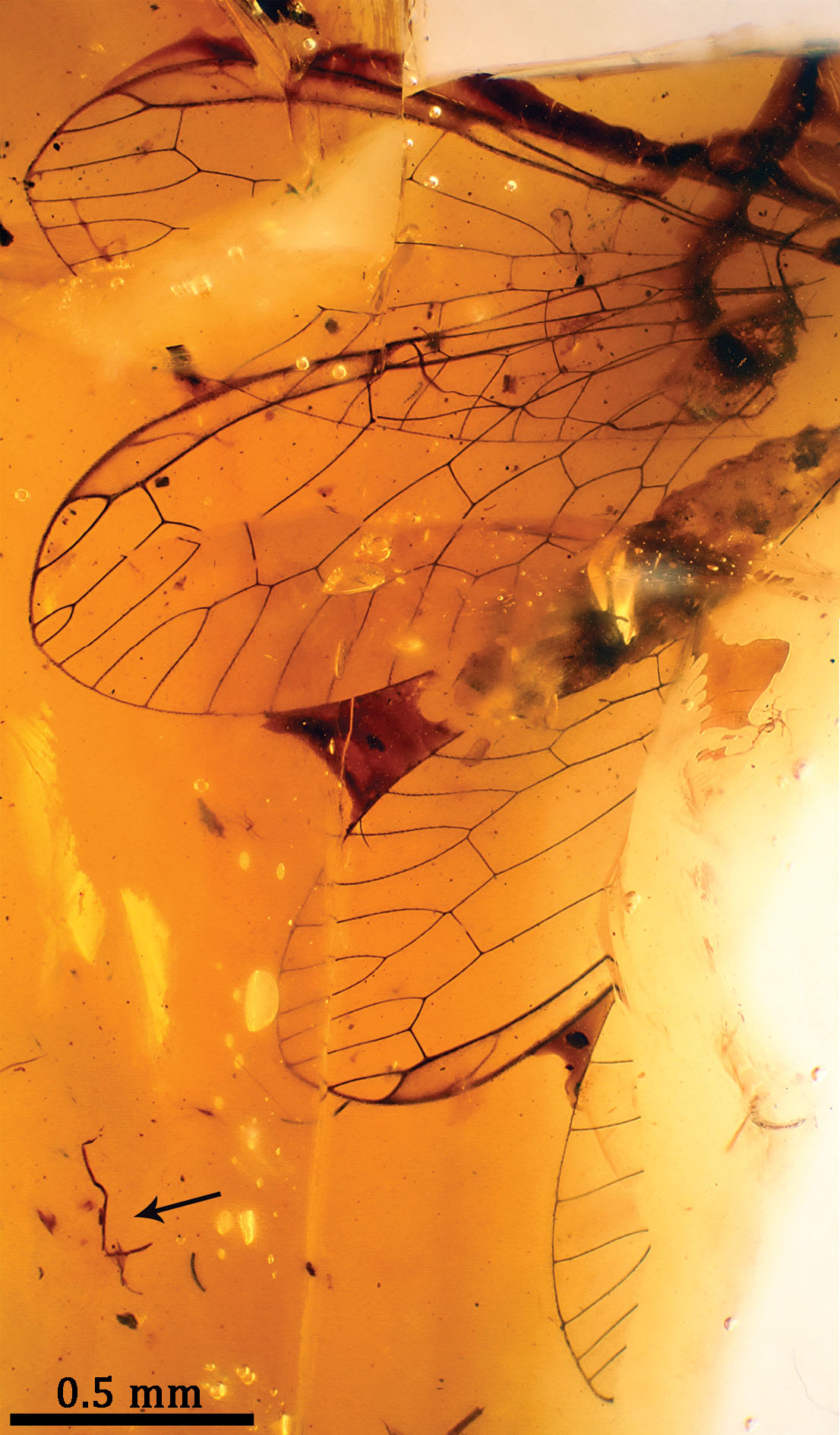
Left: William Potter Herrera examines a snakefly preserved in amber. Right: Necroraphidia arcuata, a snakefly species from El Soplao amber (Cantabria, Spain). The arrow points to a fragment of burnt plant matter (extracted from Pérez-de la Fuente et al., 2012. Zookeys 204).
The story of how the snakeflies ended up in the amber is as fascinating as the creatures themselves. Amber begins its life as tree resin — a highly sticky, viscous fluid extruded by conifers in response to trauma. Insects and other small arthropods are frequently trapped in it, either being caught by it as it flows downwards, or simply flying into it. Because larger insects are more likely to free themselves there is a bias in the fossil record towards smaller organisms. In northern Spain, however, the amber is remarkably rich in insects and also tiny fragments of burnt plant matter, indications that the insects might have become entombed during, or in the aftermath of, raging wildfires that drove them into a disoriented frenzy.
It was studying these charred fragments that inspired my dissertation on fossil charcoal — and that was one of just many benefits I gained from this bursary. It cannot be overstated how brilliant the opportunity to dedicate six weeks to study in a Museum was; exploring behind the scenes and talking to world experts in every field. The confidence gained from being entrusted to conduct this research so independently at such an early stage of my career will serve me going forward. The work was not easy but the support I received was brilliant. Even now, months later, as we work together to finalise our manuscript, I am inspired by the dedication and belief that Ricardo and the whole staff at the OUMNH have shown in me.
As a part of her Master’s in Wildlife Filmmaking, Alicia Hayden recently visited OUMNH to produce the short film “A Song for Maria”. Featuring the music of Will Pearce, “A Song for Maria” takes its inspiration from the eighteenth-century naturalist Maria Sibylla Merian.
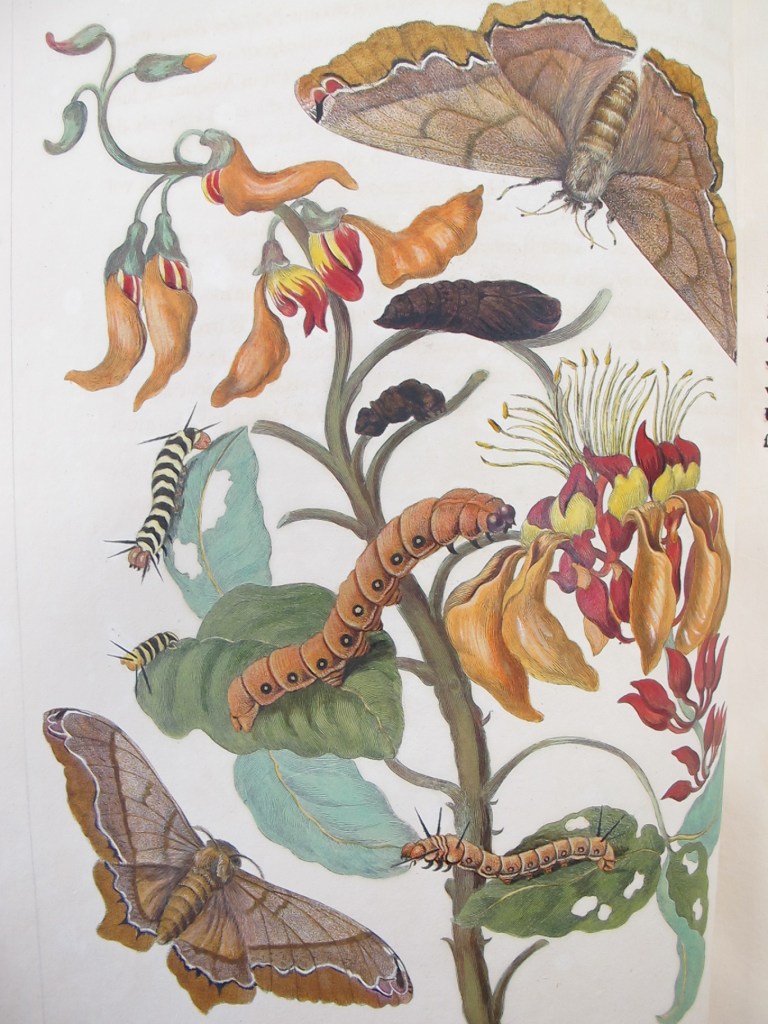
In 1699, aged 52, Maria Sibylla Merian made a trip to Suriname with her daughter to document the metamorphosis of insects, where she spent 2 years illustrating unique species and behaviours. Many of these illustrations are featured in Merian’s incredible publication Metamorphosis Insectorum Surinamensium (1705), or Insects of Suriname.
Over three hundred years later, Will and Alicia visited the OUMNH library to view our copies of Insects of Suriname. Here, the pair discuss film-making, songwriting and the impact of Maria’s legacy.
Alicia: Hi Will! You’re a physics student and amateur entomologist at Oxford University. Why were you so keen to visit OUMNH’s copies of Insects of Suriname and what did you think of Maria’s gorgeous illustrations?
Will: I first found out about Maria from a postcard, which was part of a series on influential female scientists. When I got to see OUMNH’s copies of Maria’s work, they did not disappoint. Maria reared all of the insects that she illustrated, allowing her to observe their life cycles in incredible detail.
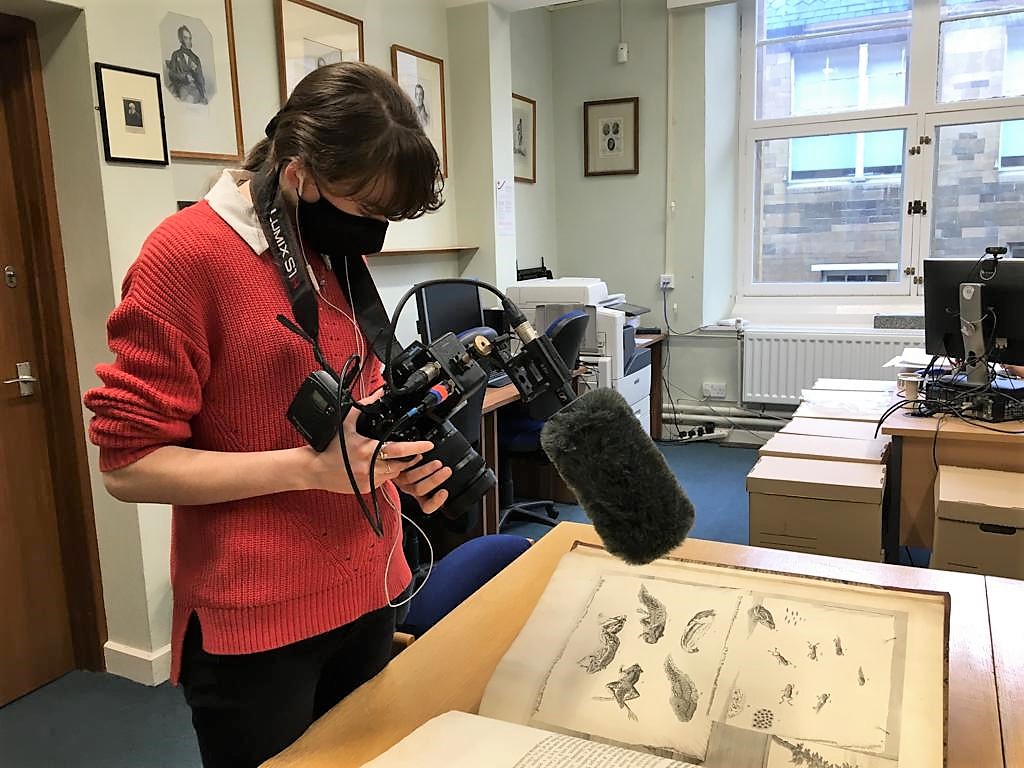
Alicia shooting for “A Song for Maria” in the Library at Oxford University Museum of Natural History
What about you, Alicia? Can you tell me a little bit about why you decided to make a film inspired by Insects of Suriname for your Master’s film project?
Alicia: In addition to studying film-making, I also do a lot of art and poetry, and I was really keen to try and incorporate my love for wildlife-art and creativity into my Master’s film project. After chatting with you about your music, I thought it would be so exciting to merge our mutual love for art and insects into the film!
Like you, I first found out about Maria through a set of women in science postcards, and since then she’s been a big inspiration in my own work, so it was also really special to see her art in person!
I know that you have recently been working on a series of songs about beetles, Will. Why do you choose to sing about nature, and how did Insects of Suriname influence your latest song, “Watercolour Caterpillar”?
Will: During lockdown, the things which kept me going were music and the pond that I built with my dad. For the first time, I started paying attention to nature, and it quickly became as big a part of my life as music. After that it just made sense to combine the two interests! I am constantly looking for inspiration, and almost always find it in either the natural world or others’ art. The life and work of Maria Sibylla Merian seemed like the perfect topic to make a song about.
What were your first impressions when you saw Maria’s books, Alicia? You work in watercolour yourself — did any piece in particular catch your eye?
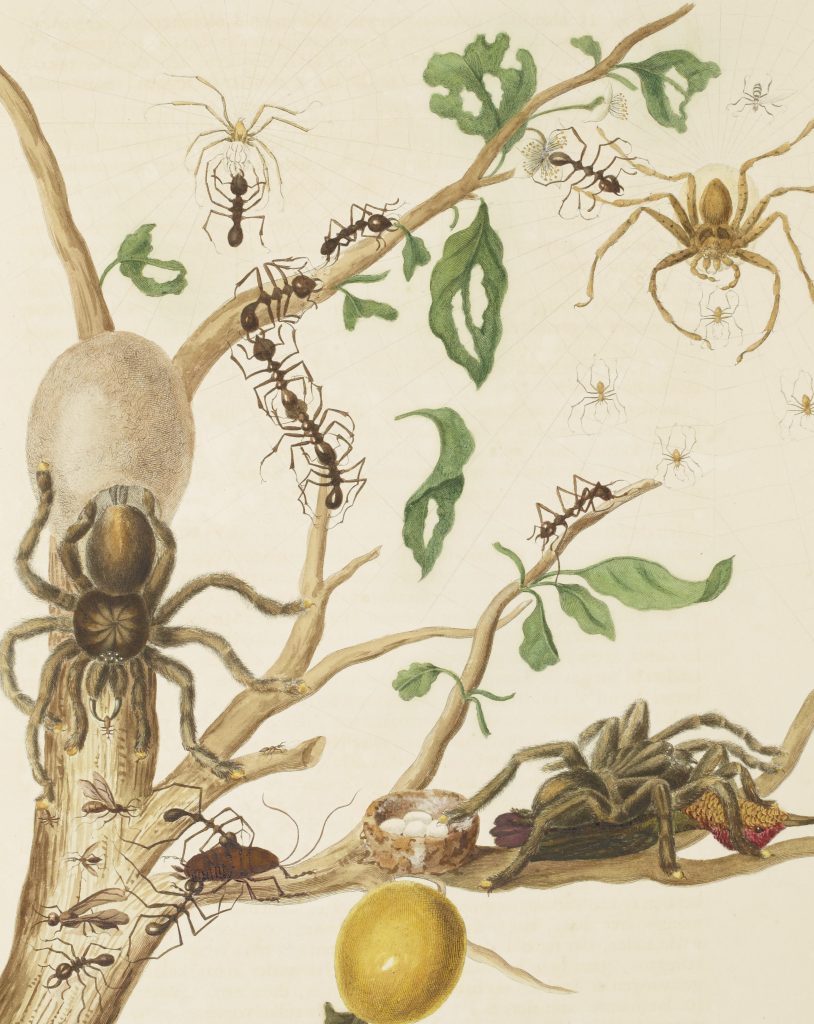
Alicia: I already knew about Maria’s work, and the intricacies of her drawings, before we saw them. But her illustrations are just phenomenal! She was an exceptional scientific illustrator. The drawing which stays with me the most is of the tarantula eating the hummingbird. The detail of the hairs and feathers is just exquisite, and I’m really pleased you can see some of this in the film.
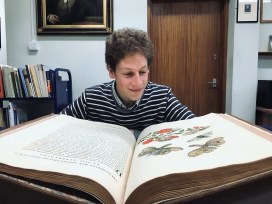
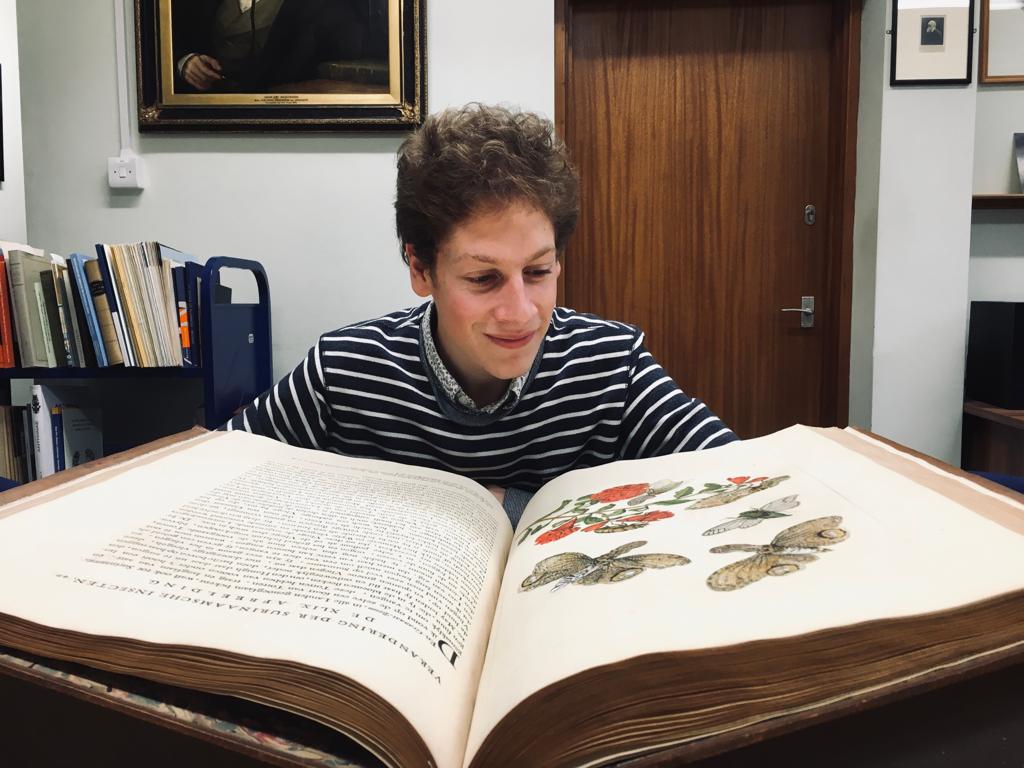
Photos of the second edition of Metamorphosis Insectorum Surinamensium (1705), by Maria Sibylla Merian. Left: Will peruses a copy of the book in our archive. Middle: Will and Alicia’s favourite page from the book, displaying ant lifecycles and a hummingbird captured by a tarantula. Right: A plate showing moth metamorphoses.
When we were filming “A Song for Maria” together at the Museum, you decided that you not only wanted to write about the invertebrates Maria drew but also her life. How did this impact the final song?
Will: Well, originally the song was going to be about beetles (I’m a bit obsessed with them), but Maria documented a range of incredible species during her time in Suriname. So it seemed only right to diversify. The wafer-thin Surinamese Toad and handsome Hawk-moths were hard to deny! Her life was a real mixed bag, but her determination and her love for the natural world shine through.
Alicia: I had so much fun filming with you in the Museum’s Library, and I could see how much you loved looking at Maria’s work! I was wondering if you had a favourite illustration?
Will: There was one page in particular which I kept flipping back to — in fact you’ve already mentioned it! It shows leaf-cutter ants bridging between twigs using their own bodies, as well as a tarantula tackling a hummingbird! Many of Maria’s illustrations were called into question when the book was published, as they described behaviours not seen before by Europeans and they seemed all too fantastical to be real!
Hopefully, we were able to capture some of the magic of the illustrations in our film. What do you want people who watch the film to take away about Maria?
Alicia: Like you, I really want more people to know about Maria Sibylla Merian and the fantastic contributions she made to entomology. I hope that by watching “A Song for Maria”, people will realise the importance of Maria and her work, and she starts getting as much recognition as her male counterparts of the same era.
Ricardo Pérez-de la Fuente, Deputy Head of Research here at the Oxford University Museum of Natural History, tells us how he first became interested in natural history. Hear about his work as a palaeoentomologist specialising in the study of insects fossilised in amber, including the discovery of a fascinating lacewing species from around 100 million years ago with an ingenious method of camouflage and defence.
Ricardo’s research into the fossilised lacewing species, Hallucinochrysa diogenesi, has shown that the strategy of covering the body with materials from the environment as a way to camouflage and defend, known as trash-carrying, evolved at least 100 million years ago. Several species of invertebrates use this strategy today, including green lacewing larvae, and some sea urchin and crab species. Can you think of other ways in which insects defend themselves from their prey? Let us know in the comments below or in the Contact Us section of the blog.