A Sensational Summer School!

One of the highlights of the HOPE year is the summer school which gives young people a unique insight into both the fascinating world of insects and the equally-intriguing behind-the-scenes work at the museum.

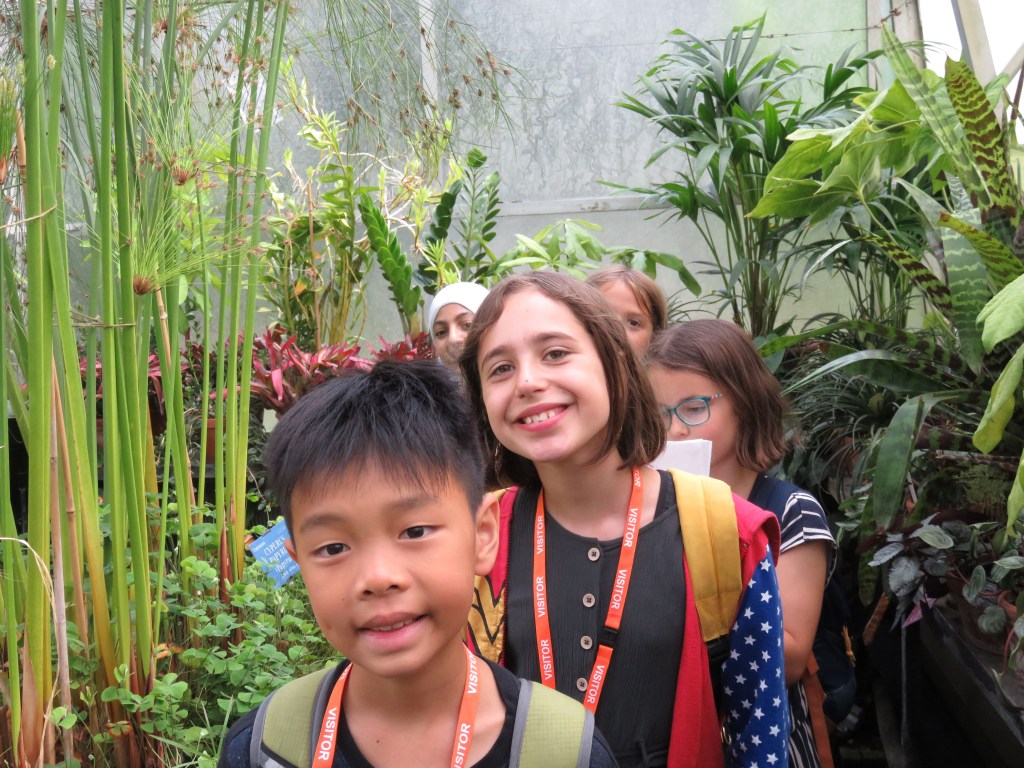
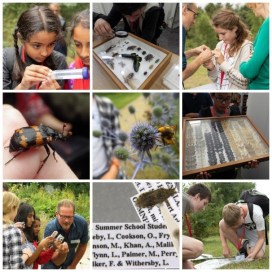
We had to make our summer school virtual in 2020, so we were really pleased to be able to run it at the Museum this year.  The wonderful group of enthusiastic young people who joined us spent a week in August exploring the British Insect Collection and the work of entomologists, developing their skills and doing their own research.

Insight into the Museum
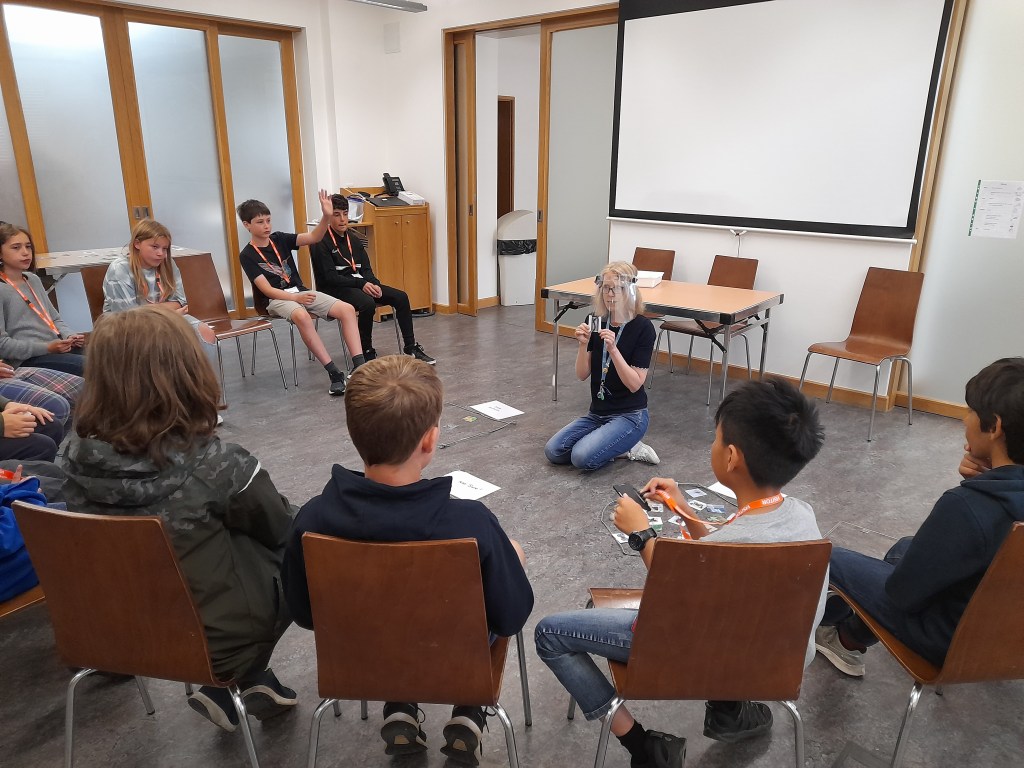
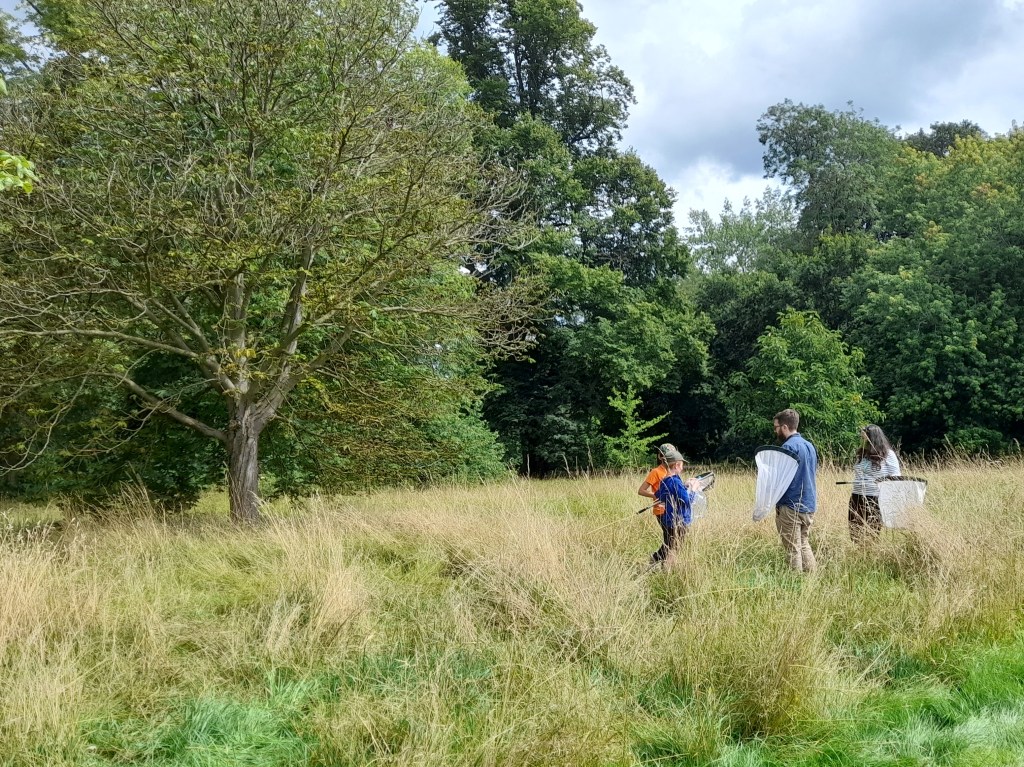
Monday started with an introduction to the world of insects and the ‘Big 5’ British orders, a tour of the entomology department with Collections Manager Dr James Hogan, and some live insect handling. The young entomologists then put their identification skills to the test with some insect hunting with Collections Assistant Louis Lofthouse in the University Parks.

Fantastic Photography
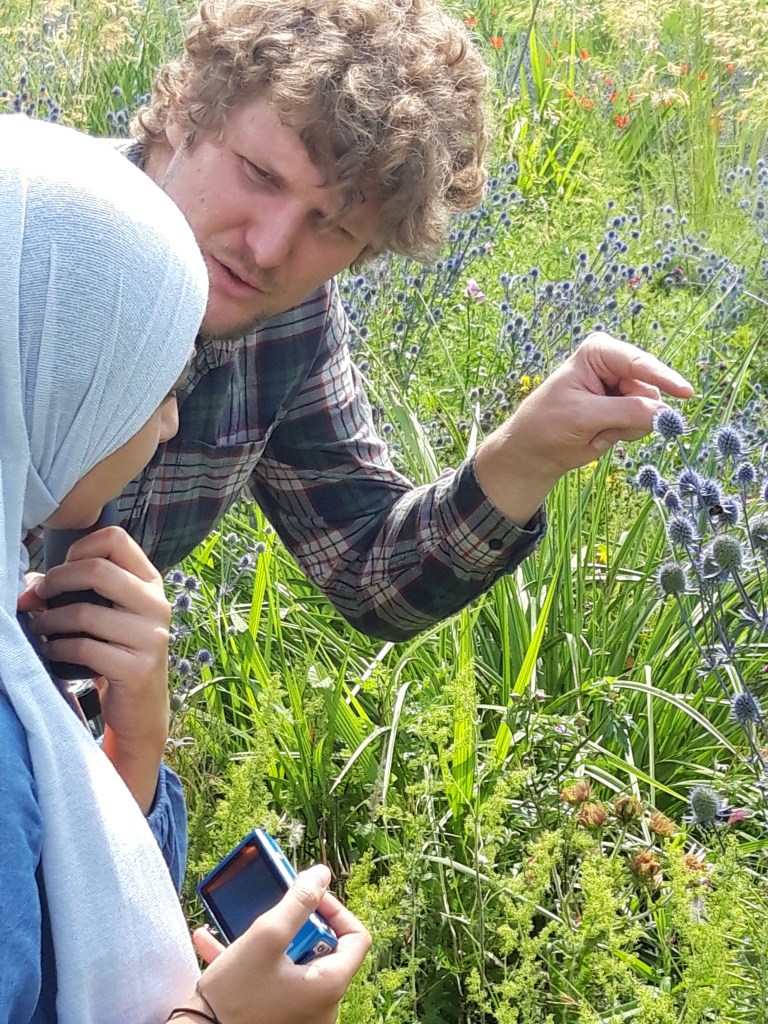
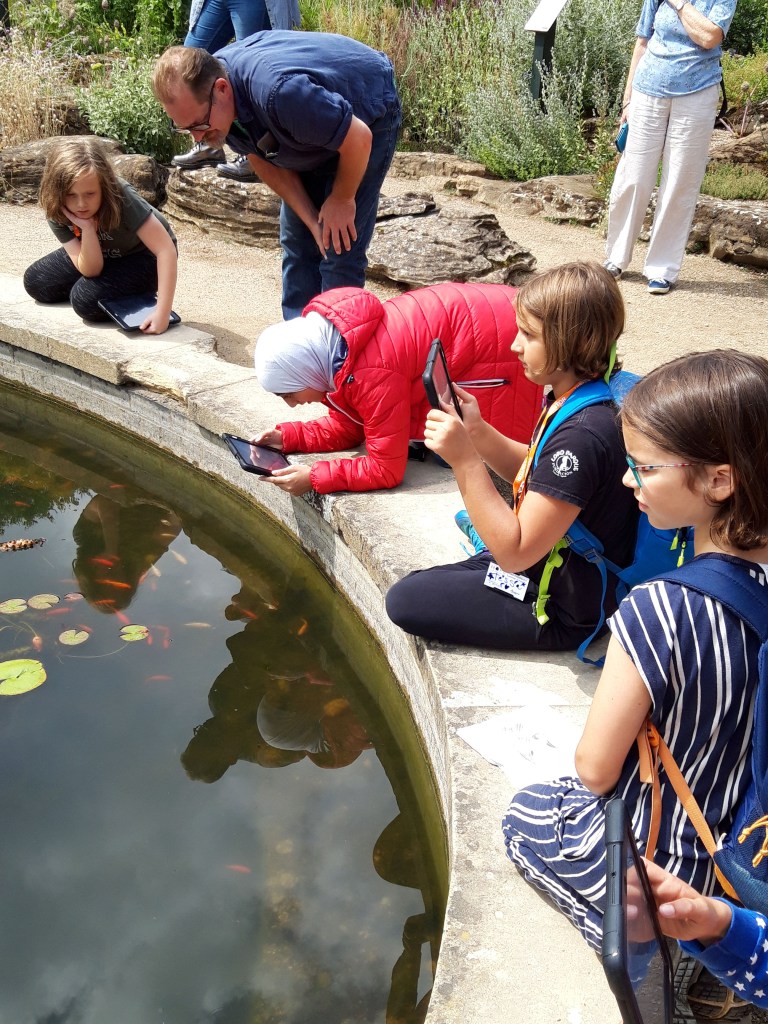
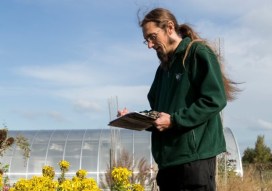
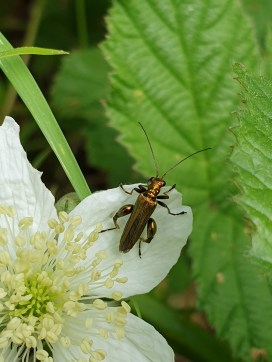
On Tuesday we were joined by wildlife photographer Kirk Mason who showed us techniques to develop our insect photography skills at the Botanic Gardens. The fabulous Merton borders and a sunny day meant there was no shortage of subjects! Look out for a future post showcasing the fantastic images the young people took.

Insect Investigations
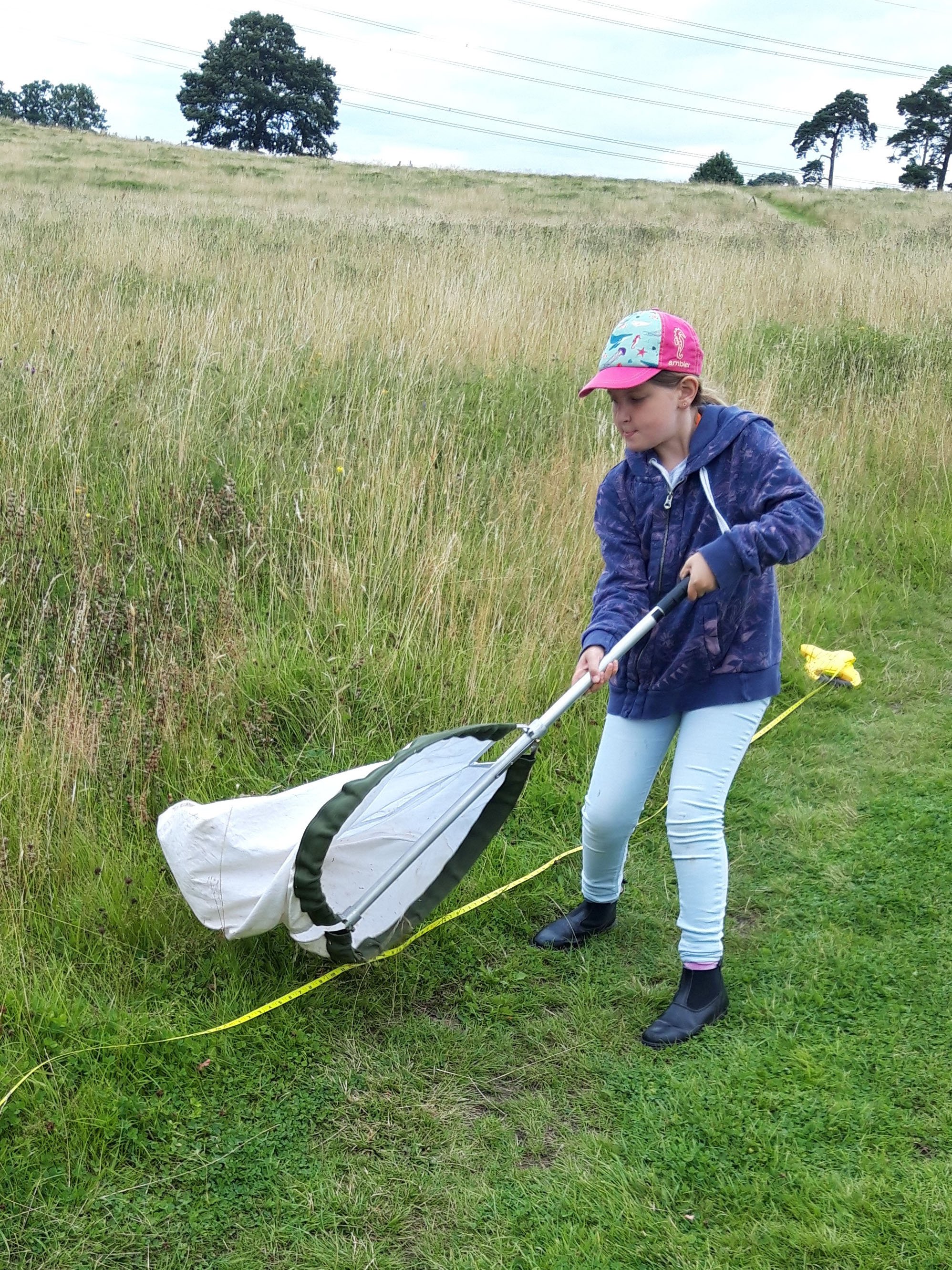
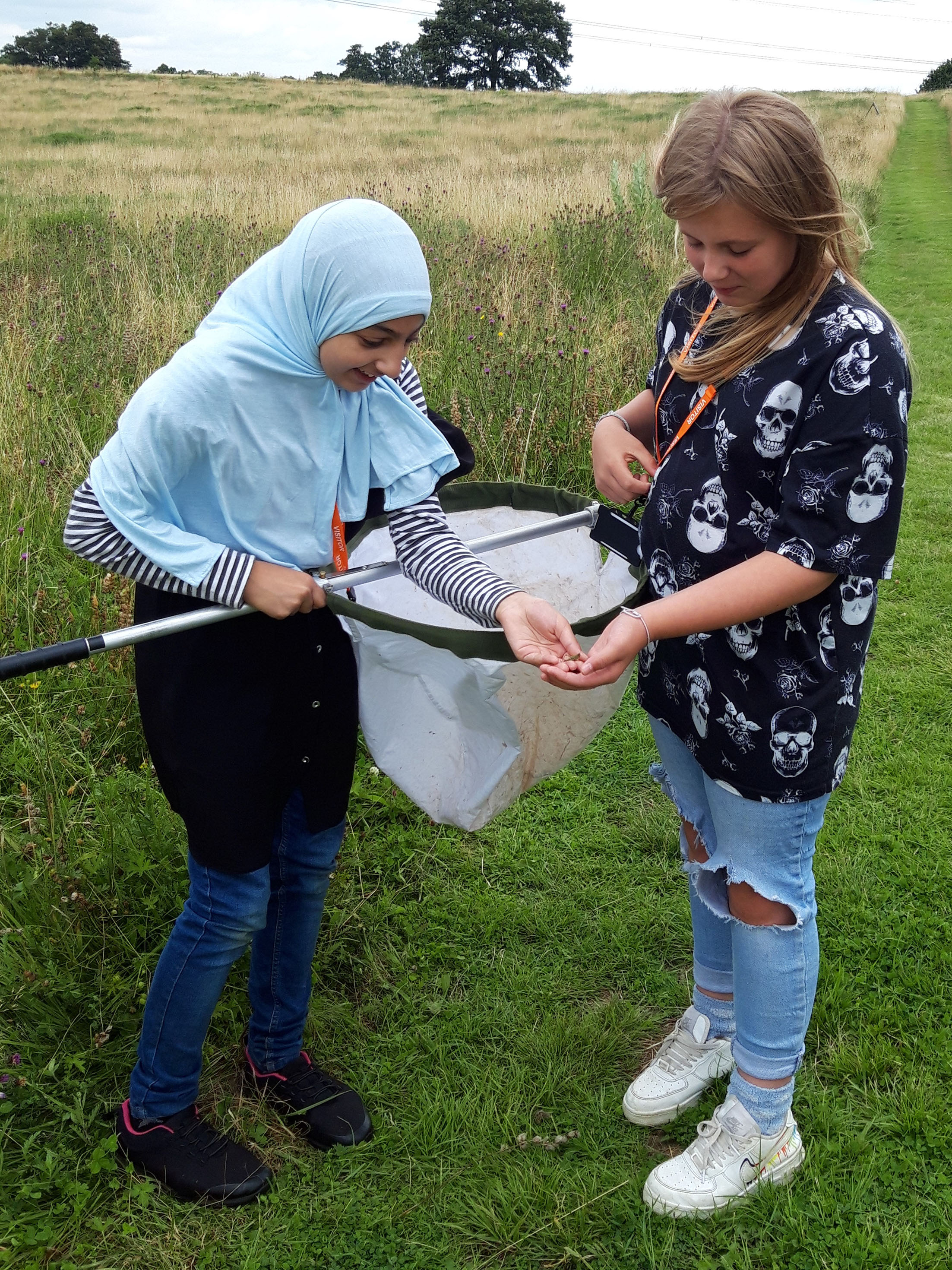
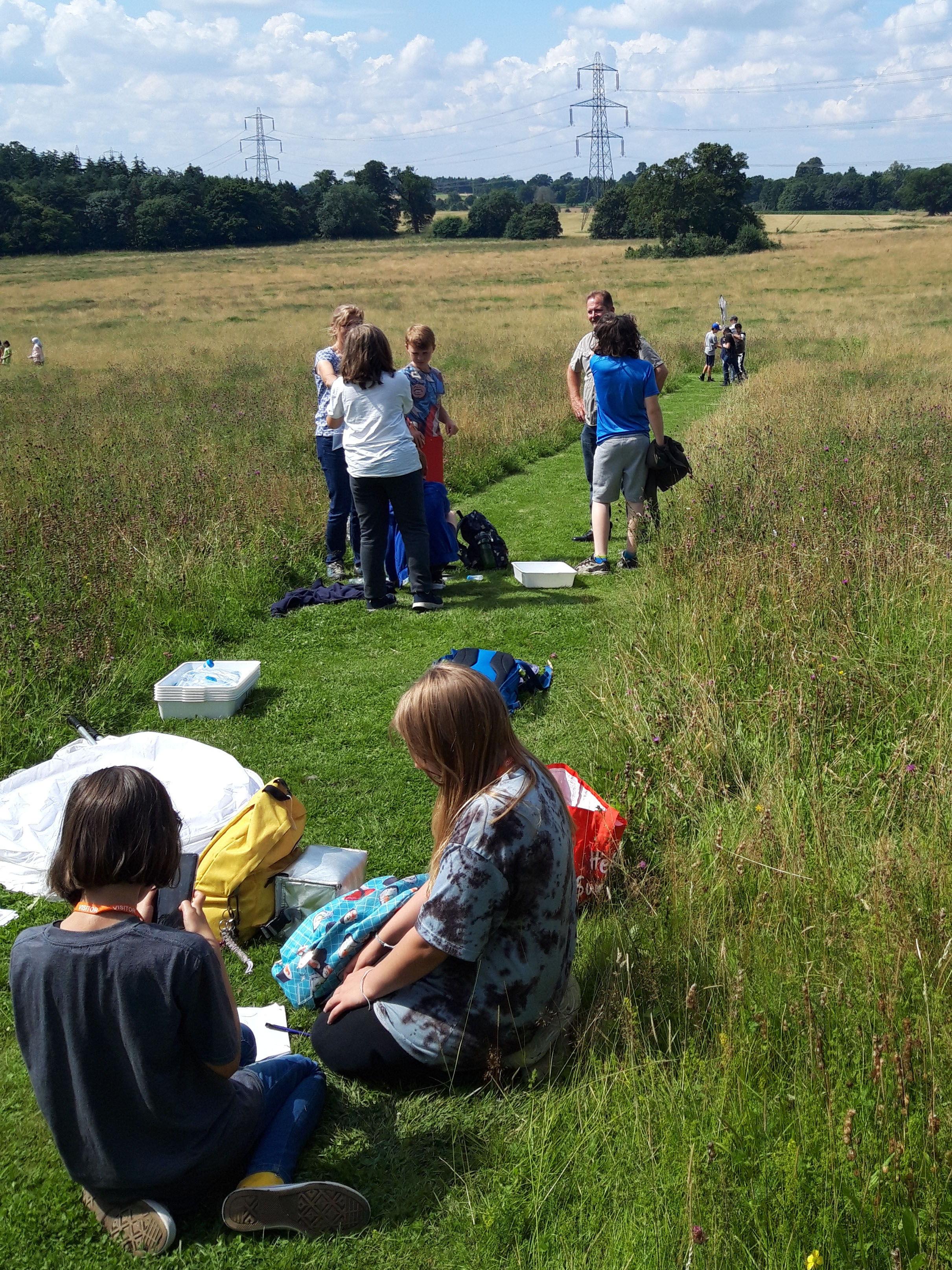
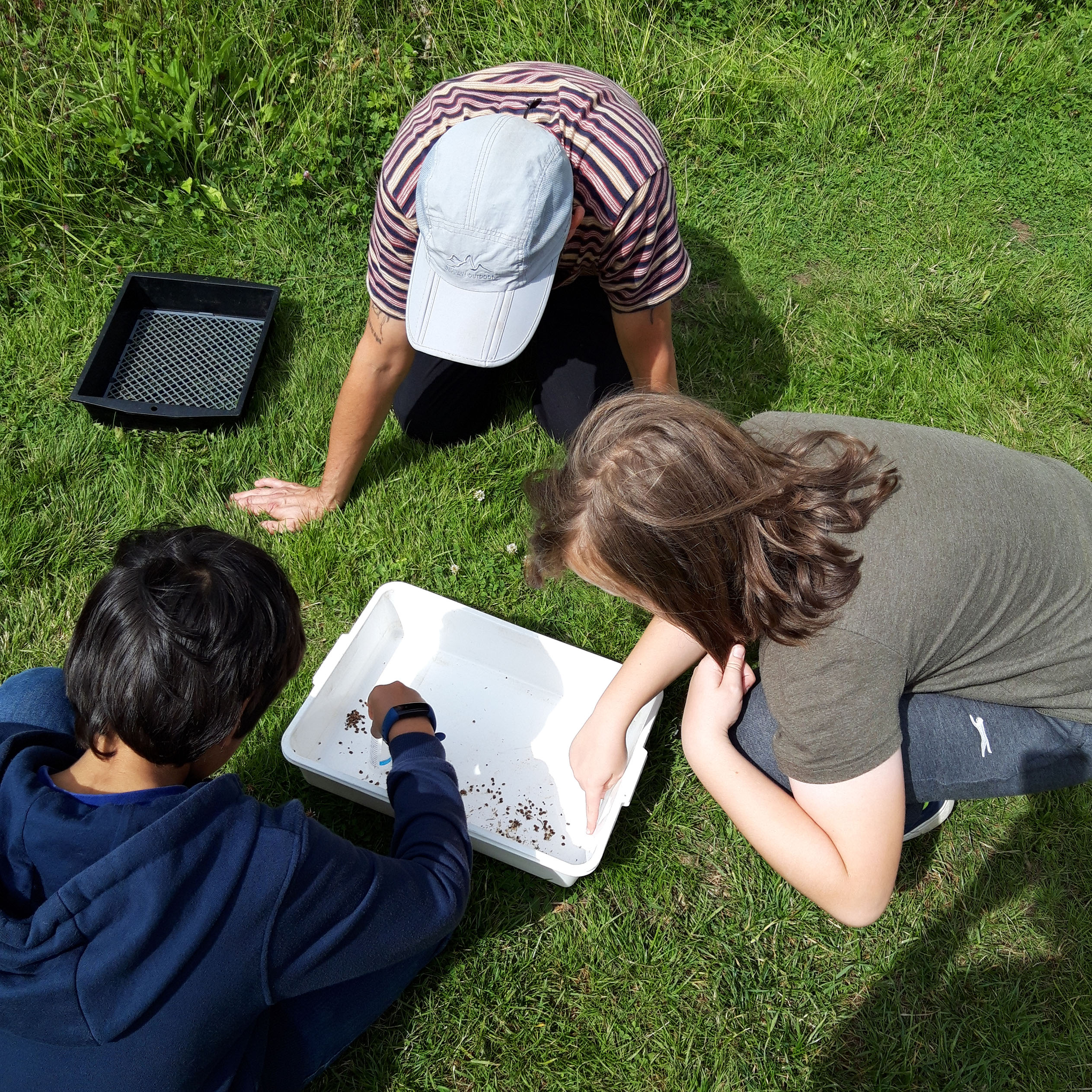
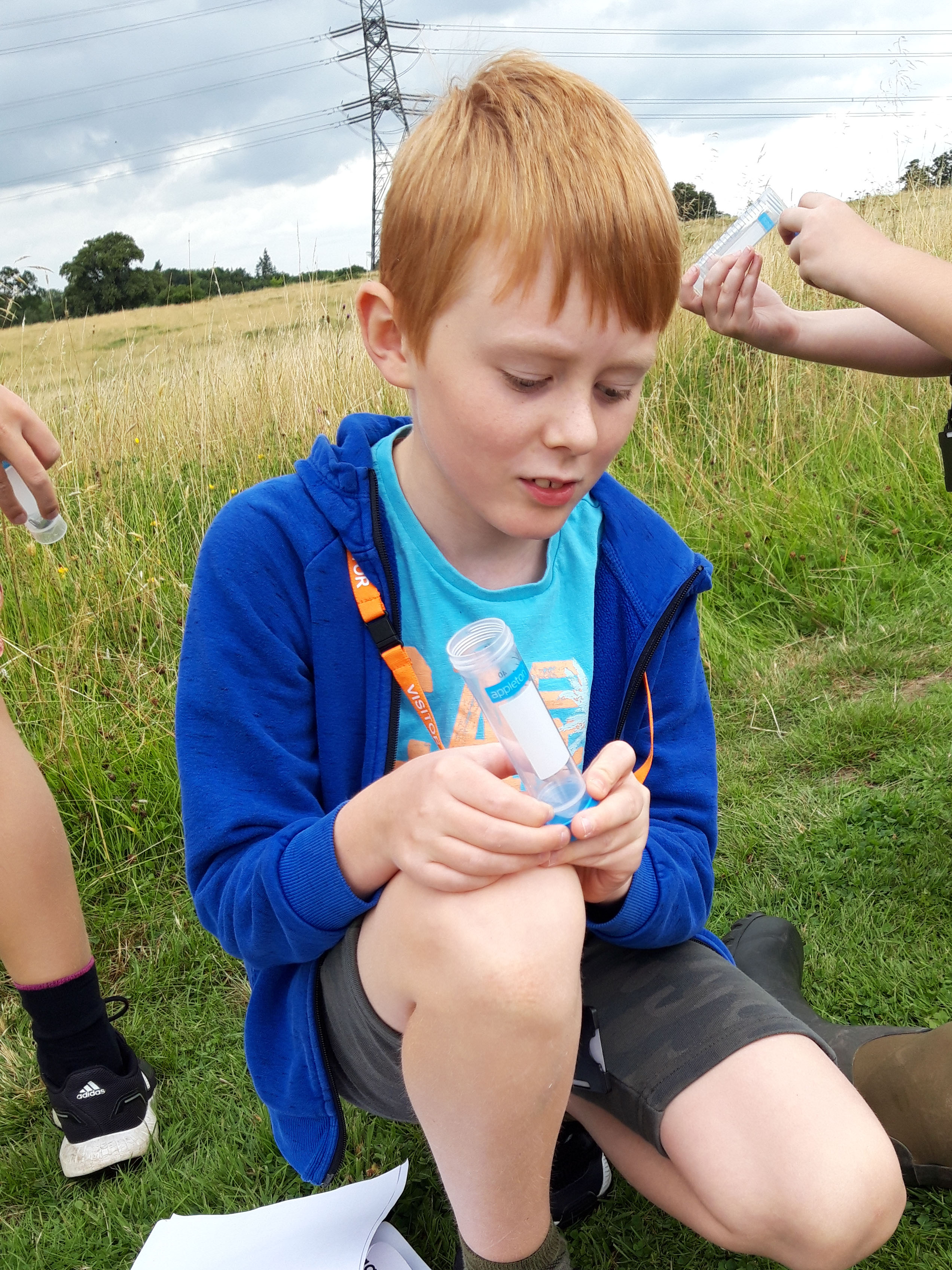
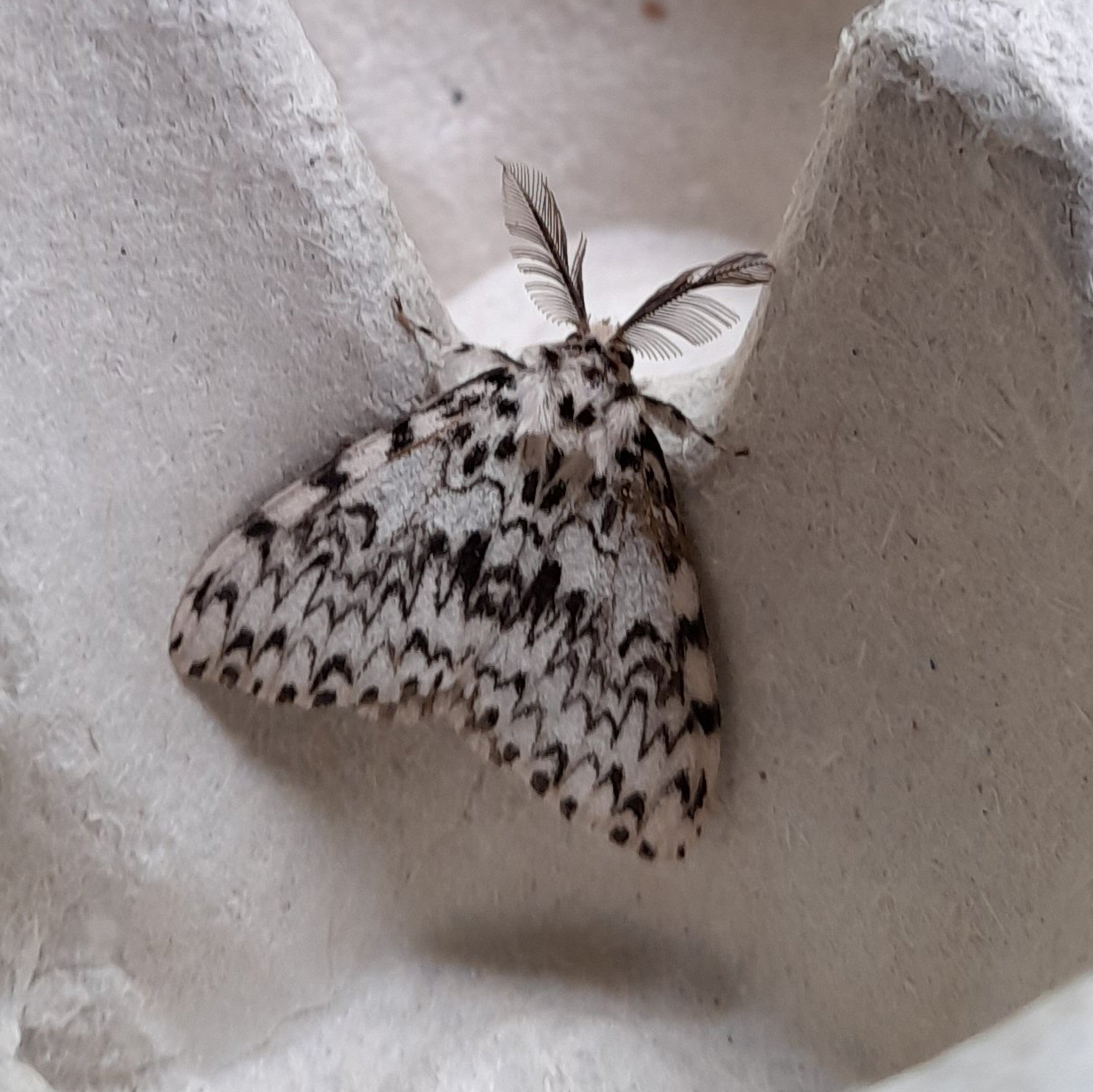
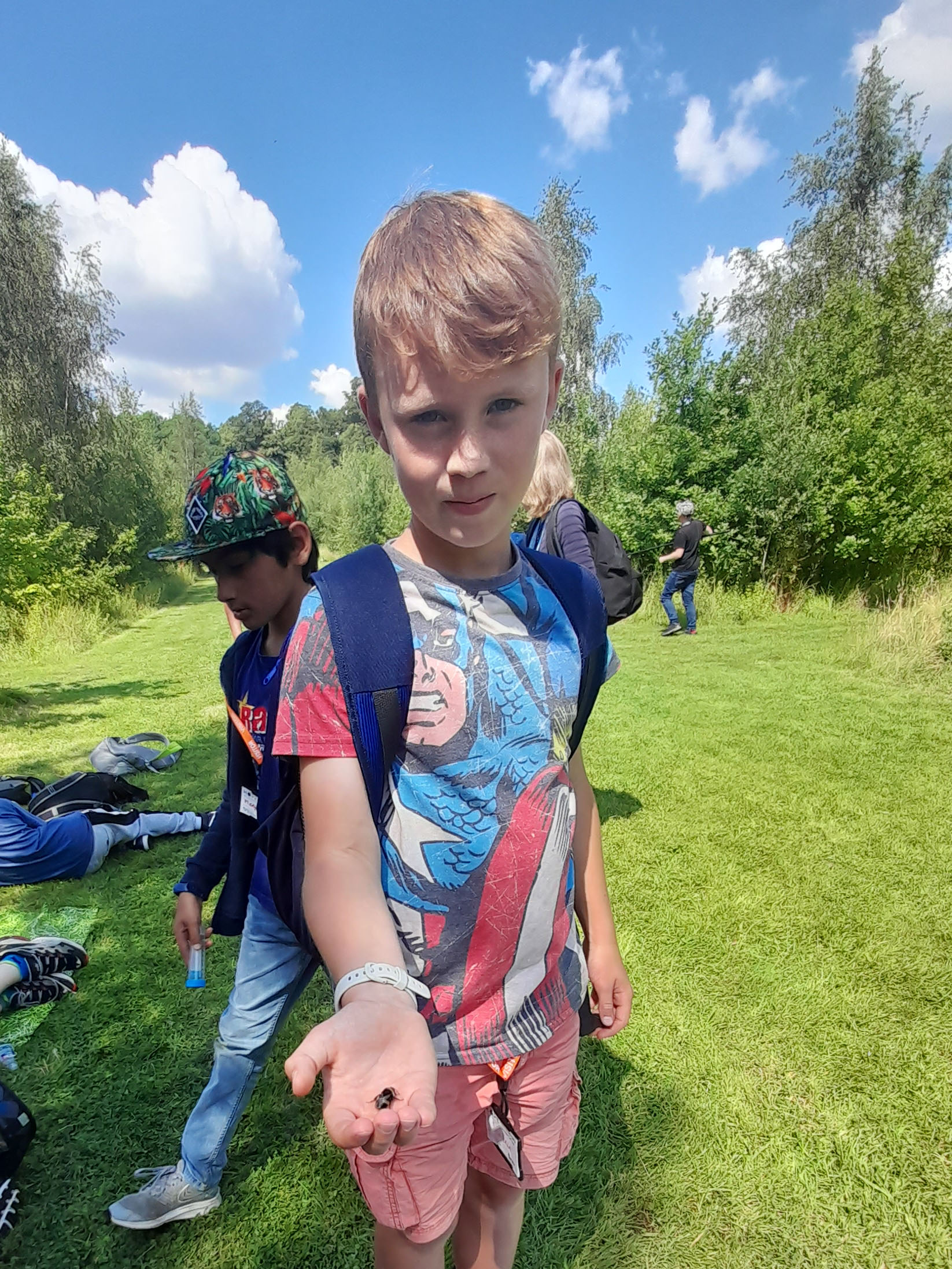
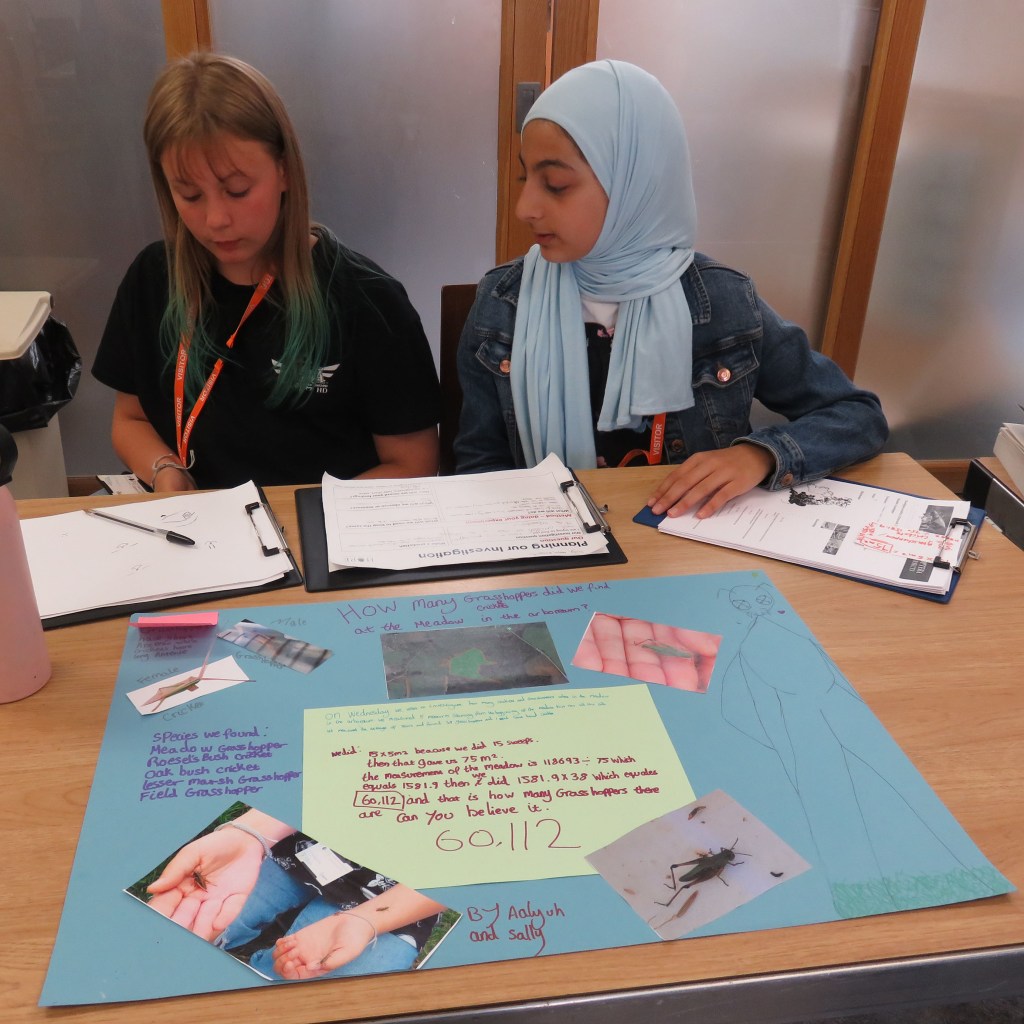
On Wednesday and Thursday the summer school moved to Harcourt Arboretum where the group learned about practical insect collection techniques with Collections Assistant Ryan Mitchell. They then devised and carried out their own investigations over the two days, joined by Senior Collections Manager Darren Mann on Thursday.  We also set up a light trap on Wednesday afternoon, opening it the next morning to reveal the selection of moths that had settled inside, including the Black Arches, Lymantria monacha, pictured above.

Showcase sharing
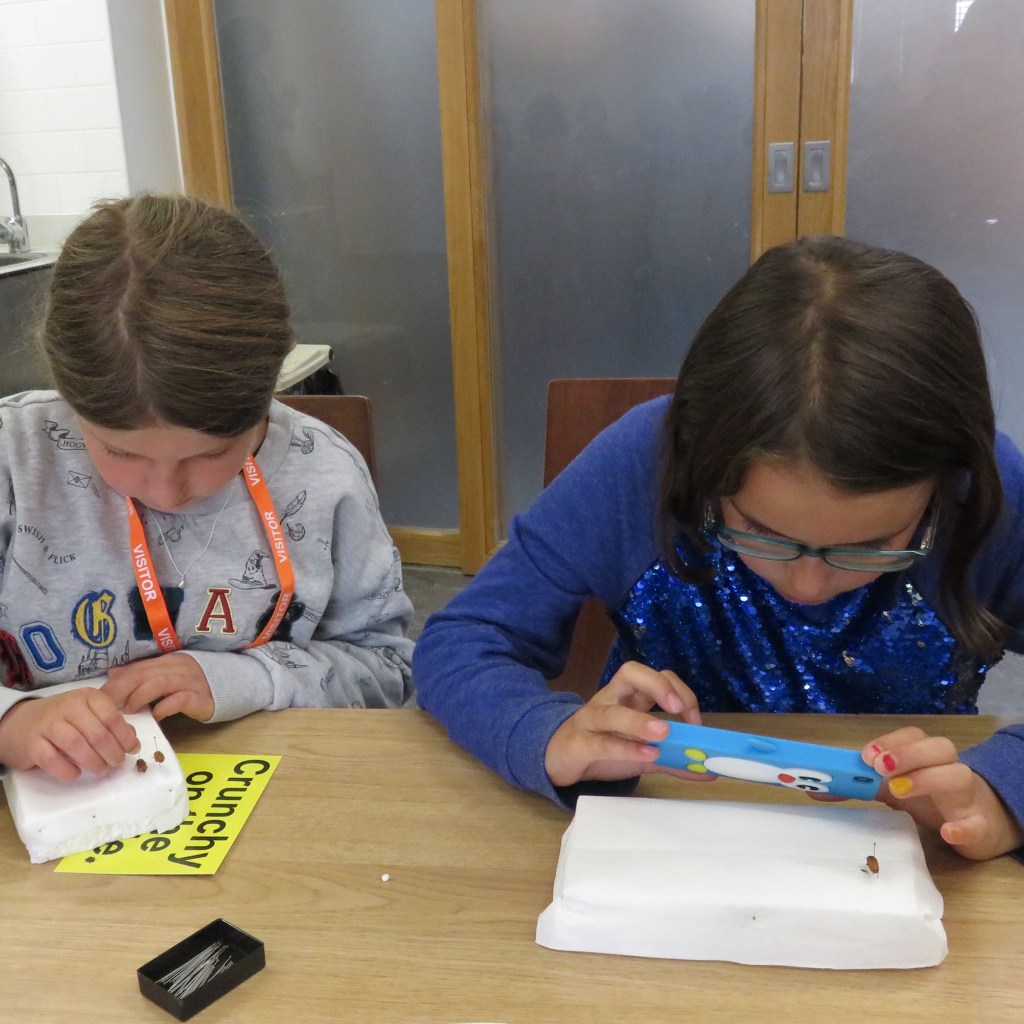
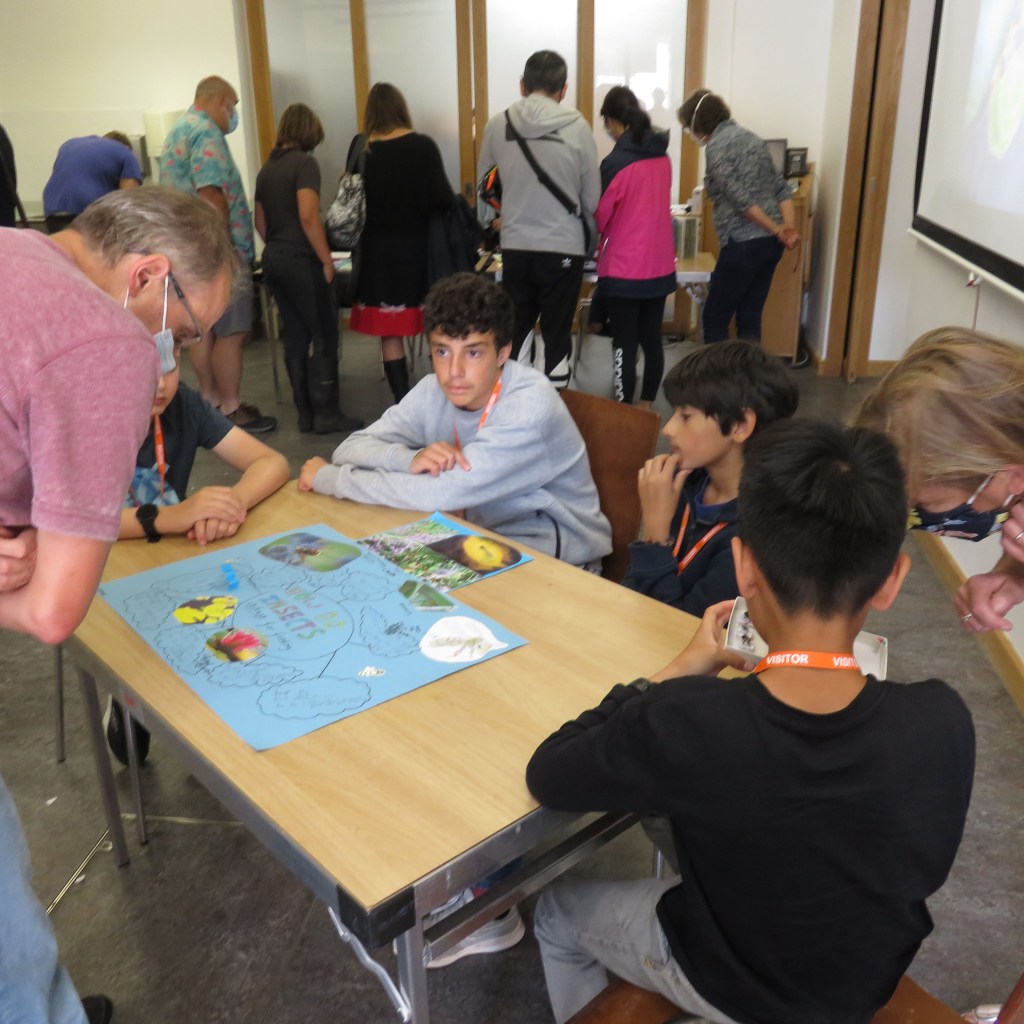
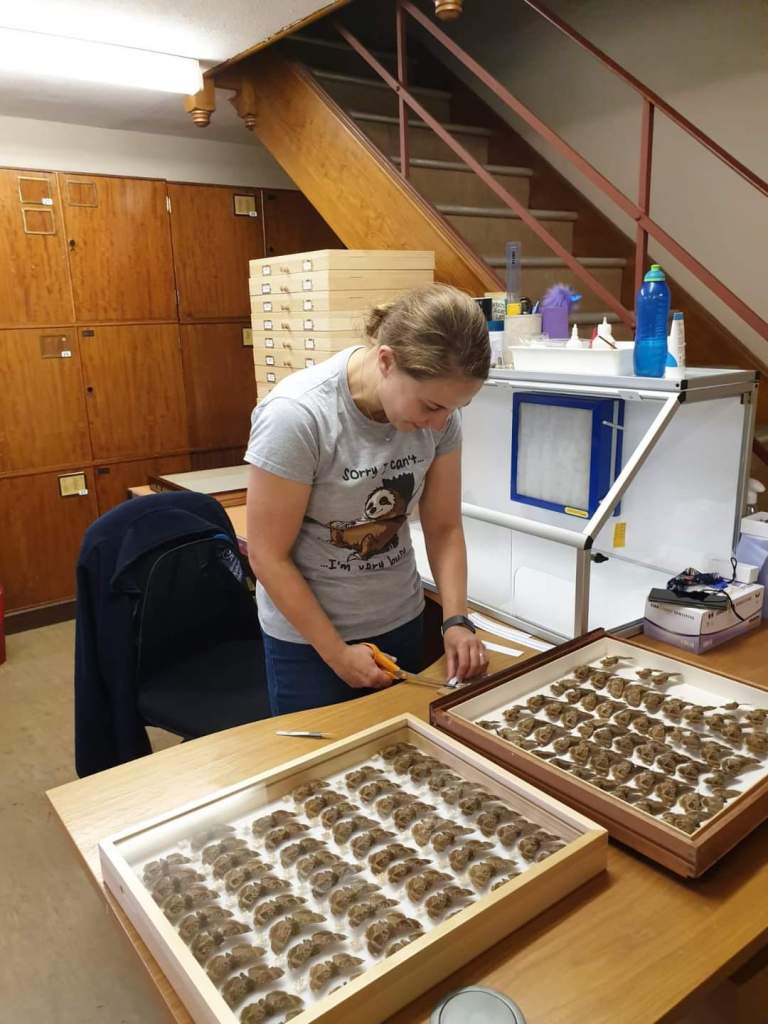
On final day of the summer school, Steven Williams from the HOPE team led the group through pinning preserved insect specimens for themselves. We finished with a celebratory showcase event where our young entomology team shared all that they had done over the week with families and friends.

And there’s more…

Some of our summer school participants were inspired to write their own articles for the blog. Here is Ben’s post, Raising Moths, and we will be publishing more soon. If you’re feeling inspired, why not get in touch using the Contact Us page? Keep an eye on the blog for news of future events at the Museum from the HOPE for the Future Team.
people: amo spooner

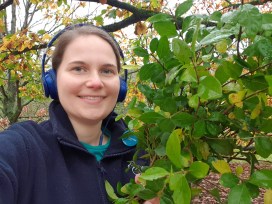
Meet Amo Spooner, Collections Manager for Coleoptera, Hemiptera and Small Orders.  Her job, here at the Museum of Natural History, indulges her love of both insect collections and animals in general.   I met up with Amo to find out what sparked her interest in the natural world, how she began working at the Museum of Natural History and what her current job involves.

How did you first become interested in insects?

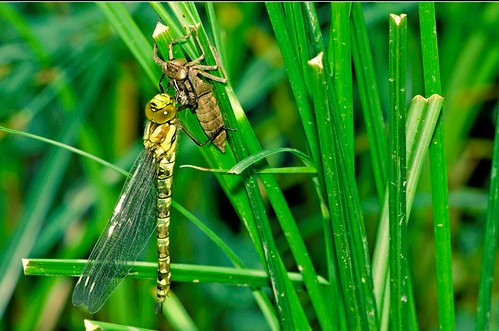
I have always loved the natural world and have a very vivid memory of being woken up in the early morning by my Grandad who wanted to show me some dragonflies emerging from their nymphs in our pond.  We rushed out to the pond where dragonflies were pulling their bodies out of the last of their nymph exoskeletons and emerging as adults. I kept the nymph skins as a souvenir and even have a tattoo of an adult dragonfly emerging from its nymph stage to remind me of that time.

How did you come to work in entomology?

After leaving school, I went to college to do a First Diploma and a BTEC National Diploma in Animal Management.  At college, I learnt how to care for a wide range of animals from guinea pigs to geckos and helped to run the Exotic Unit.  Once I had completed my qualifications, I decided to train as a Veterinary Nurse.  It was during the final year of my degree that I first volunteered at the Museum of Natural History and by the time I finished University, I realised that I really wanted to work at the museum, particularly with the insect collection.  I moved to Oxford, volunteered at the museum during the day and worked at Waitrose in the evenings to fund my time at the museum. 

After volunteering for around 1000 hours, I got my first paid job at the museum! This was working on a collection of entomological specimens that Oxfordshire County Council had donated to the museum.   Much of the collection was damaged, but it was possible to save some specimens and incorporate them into the wider museum collection. 

What is your role here at the Museum?

I have now worked at the museum for around 11 years and have had several different roles during that time, including re-curating the World Coleoptera collection housed in the Huxley Room.  Now, I am on secondment from my Collections Manager role for Coleoptera (beetles), Hemiptera (true bugs) and Small Orders (Dragonflies, praying mantis, cockroaches, lacewings, grasshoppers and allies), leading the collections team responsible for re-curating the British insect collection as part of the HOPE for the Future project.

(See our blog post on Tom Greenway to find out more about this re-curation.)

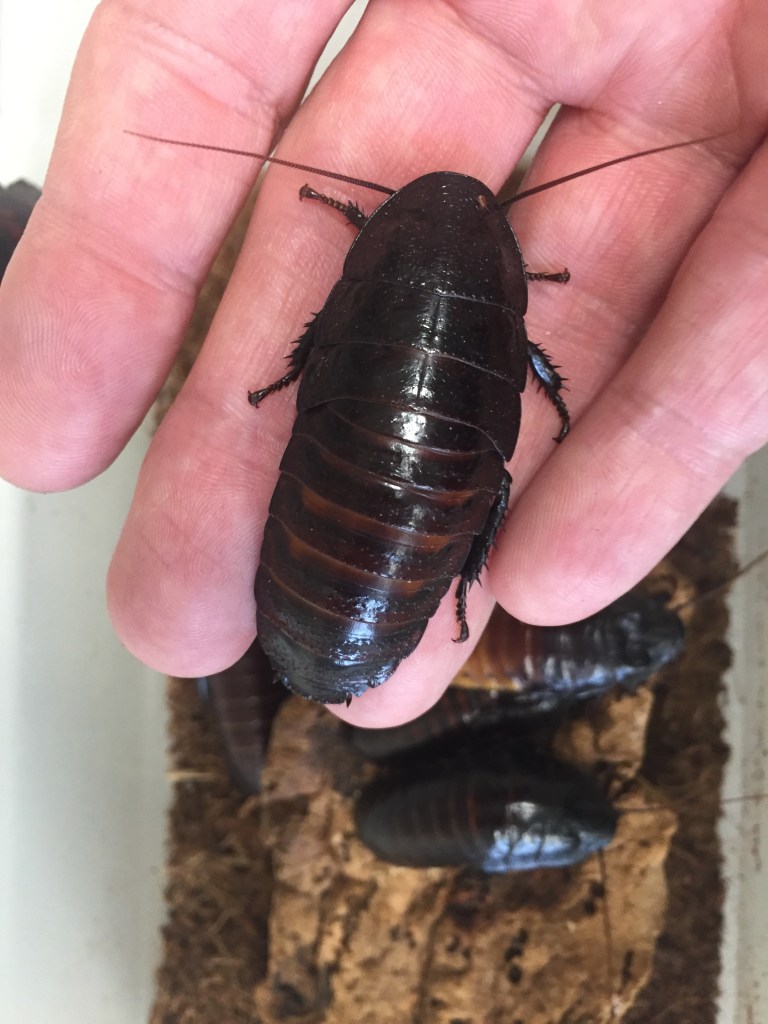
Together with one of my team, I am also responsible for looking after the museum’s collection of live insects and other invertebrates.  These include Madagascan Hissing Cockroaches, Tarantulas, Stick insects and a Peacock Mantis.  I enjoyed designing and working with an expert to build their new tanks a couple of years ago. 

Madagascan Hissing Cockroach

Can you tell us about any particularly challenging aspects of your role?

One of the most challenging aspects of my job is the battle to protect the specimens from insect pests!  When live insects infest specimen drawers they can cause considerable damage and it is part of my job to ensure that drawers are checked on a regular schedule to ensure any infestations do not get out of control.  This has been particularly challenging during the pandemic when the museum has been closed and access to the collections, even for those of us who work here, has been limited.

What do you enjoy most about your job?

I am fascinated by the history of the collections.  For example, my favourite entomology collection in the museum is the Baden-Sommer collection which dates back to the early 1900s.  It is housed in its original furniture, and is really rich in a wide variety of species, including an incredible number of type specimens.  I really enjoy understanding how specimen data labels and pinning techniques have changed over time.  For example, when faced with an undated specimen, the handwriting on labels and how an insect is pinned can give you clues about its age. It’s like being an insect detective!

I take great pride and comfort in the fact that my work helps to keep the collection safe for future generations.  The work that I am currently undertaking on the British Insect collection as part of the HOPE for the Future project is a great example of this, and will result in the collection being accessible to the public online, and available for teaching and research for many years to come. 

Thank you so much, Amo, for some fascinating insights into your role at the museum. Good luck with the Hope for the Future project!

Make a butterfly feeder

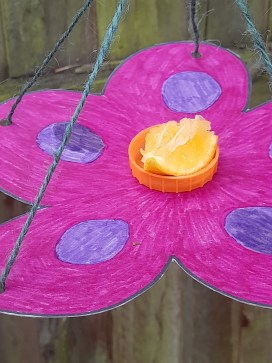
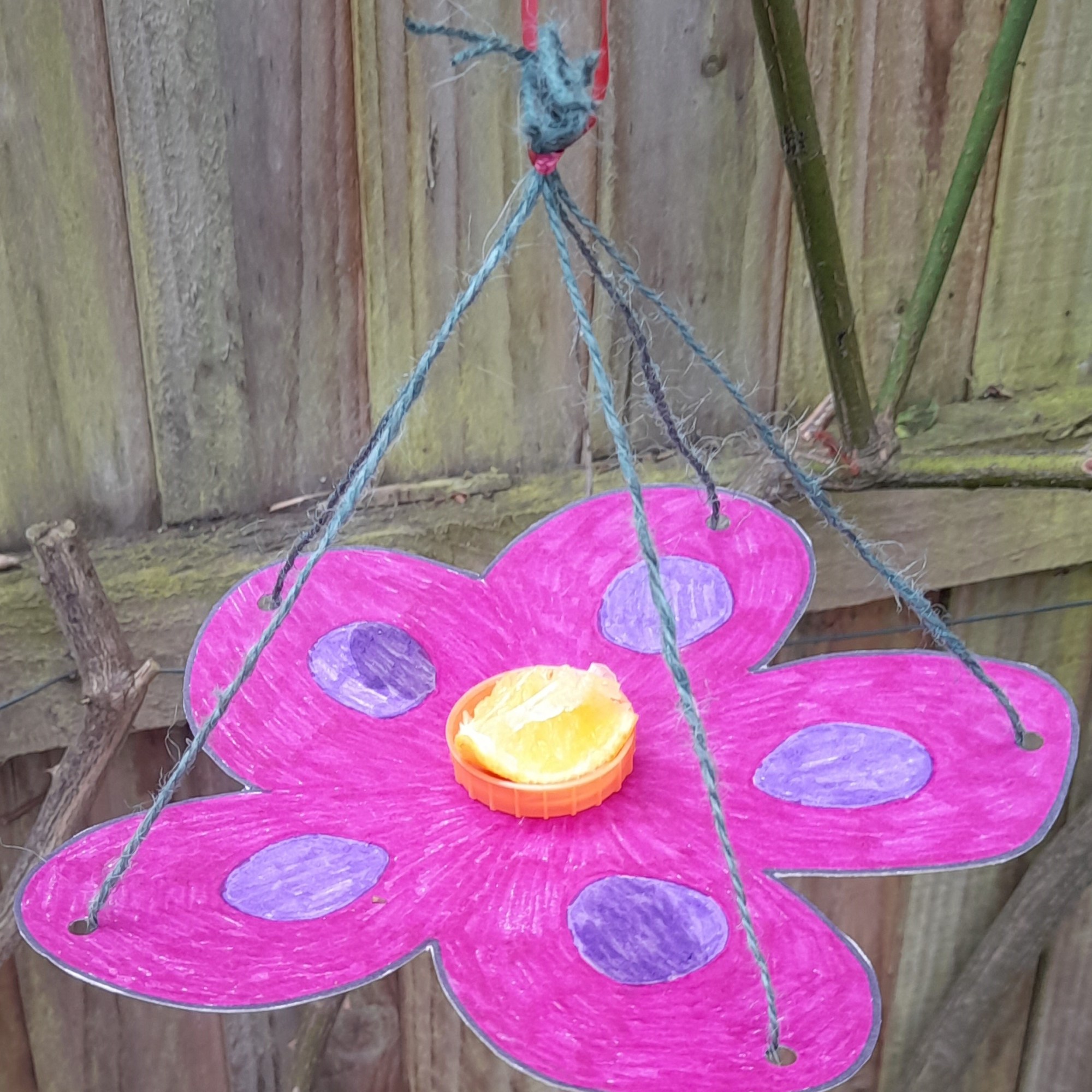
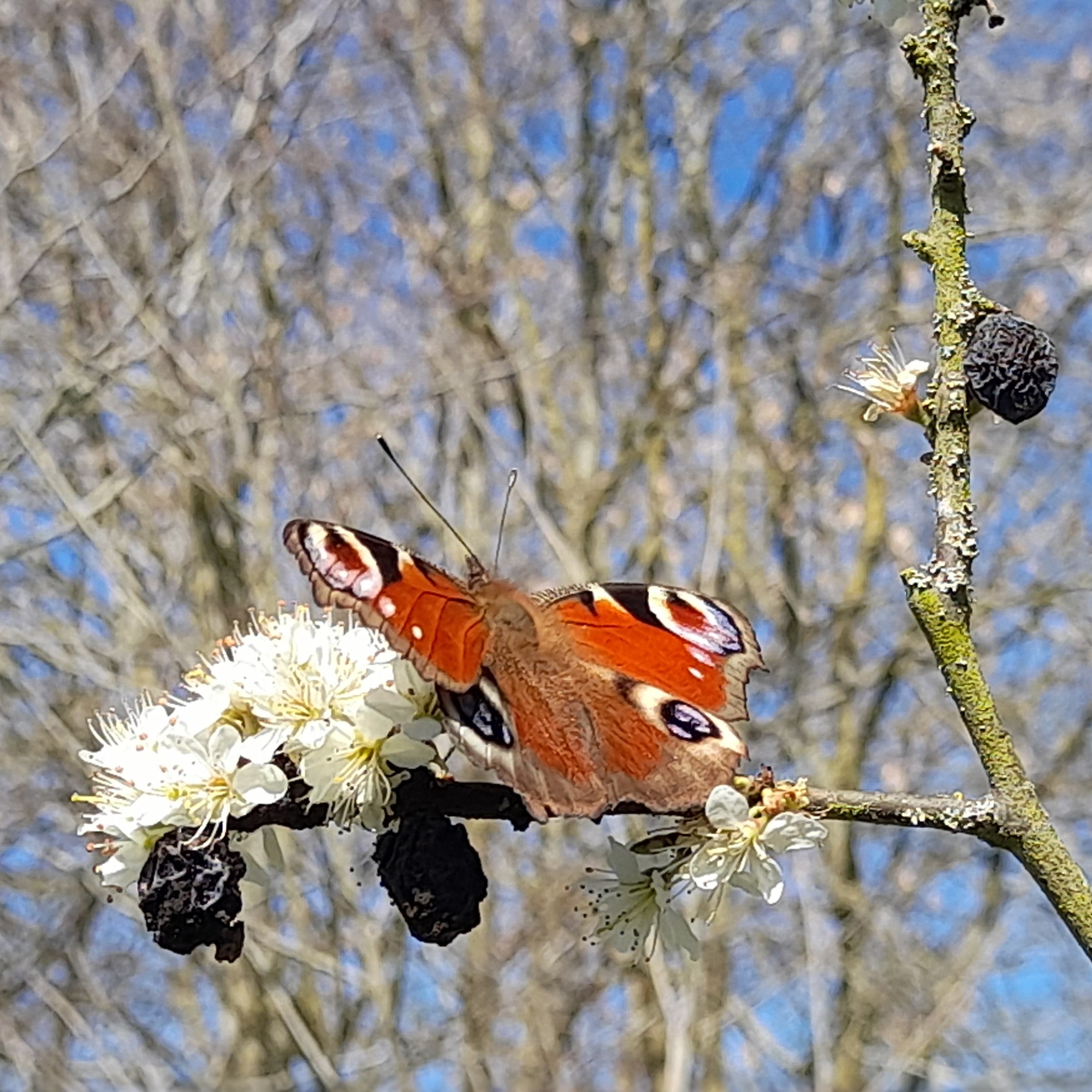
In the last post Kate told us all about her favourite butterfly. In this post I will be showing you how to make your own butterfly feeder, from items you might commonly have at home, to help attract butterflies, and other insects, to your outside space. I had to raid my recycling bin for key materials.

Here are the same instructions on how to make a butterfly feeder, as can be seen in the video:

What you will need:

  • Cardboard
  • Coloured pens or paints
  • String or wool
  • Glue or sticky tape
  • Scissors
  • Bottle top
  • Hole Punch
  1. Take a piece of cardboard and draw a flower with five petals, roughly 20cm wide.
  2. Decorate your flower in any way you wish.
  3. Cut out your flower.
  4. Fix the bottle top to the middle of your flower using glue or sticky tape.
  5. Use a hole punch to make a hole at the edge of each petal of your flower.
  6. Cut five pieces of string or wool, each roughly 40cm long.
  7. Tie the five pieces of string together at one end.
  8. Turn your flower over and thread a piece of string through each hole, and tie the five pieces of string together.
  9. Tie an additional piece of string, or wool, to the knot.
  10. Hang your butterfly feeder in a sunny, but sheltered, spot outside.
  11. Mix together sugar and water, or take a small piece of overripe fruit (e.g. orange or banana), and put it in the bottle lid.

Watch to see any butterflies, or other insects, that visit your feeder. You could investigate which foods different species prefer.

Please tell us about your butterfly feeders and investigations. We would love to see photos of them. Contact us or email at hopelearning@oum.ox.ac.uk.

Dr Andrew Salisbury

Dr Andrew Salisbury tells us a bit about his work at the Royal Horticultural Society (RHS), the world’s leading gardening charity. He also shares how he first became interested in insects, as a child.

He mentions a particular memory of an encounter with a Brown-tail moth caterpillar. Do you have any specific memories of insect encounters? Tell us about them in the comments below.

Make a pitfall trap

Try out a new technique for finding insects with HOPE Learning Officer, Kate.

Have you found any interesting insects lately?  Along with the other HOPE Learning Officers, I have been out and about in Oxfordshire schools where we have found some fantastic insects.  Among my recent favourites is the thick-legged flower beetle, Oedemera nobilis . 

These beautiful beetles are distinctive with their stunning emerald-green colour and their chunky thighs which are seen only in the males.   We have also found lots of varied species of ladybird including cream spot, 14-spot and eyed ladybirds. Generally, we collect insects using sweep nets and beating trays but, of course, you might be lucky enough to find some interesting insects just by looking in the right places.  Under stones, logs, leaves, in amongst long grass or on flowers are all excellent places to start.  Insects, however, are very good at hiding so why not make a pitfall trap? This can be a great way to find a range of insects, particularly ground beetles.

Here are the written instructions.

You will need: 

  • A small pot such as a clean yoghurt pot
  • A trowel for digging
  • A few stones
  • A small piece of wood or a flat stone to act as a rain cover

What to do:

  1. Find a good spot for your trap on level ground, amongst vegetation.
  2. Dig a hole big enough to sink your pot so that it is completely level with the ground.
  3. Place the pot into the hole. You can put a few leaves, small stones and twigs in the pot to make any insects you catch feel at home.
  4. Build a cover over the trap by placing stones around the pot and resting a flat stone or piece of wood on top.  Make sure there is enough space for insects to crawl under.  This will stop the pot filling with water if it rains.
  5. Wait for a few hours or, better still, overnight.
  6. When you are ready, empty your pot carefully into a tray so you can see what has fallen in.  Take photos so that you can have a go at identifying what you have caught.
  7. Remember to check your pitfall trap every day and return any creatures carefully to a sheltered spot in vegetation.

We would love to know what you find! Let us know by commenting below or by using the Contact Us page.  Happy insect collecting!

Insect investigators Summer School

This post was first written in June 2021. The summer school is now full and booking has closed. You can find lots of insect activities on the Museum of Natural History webpages for our 2020 virtual Six Legs of Summer summer school.

We are very excited to announce that we will be running an Insect Investigators summer school at the Museum of Natural History during the week 2 – 6 August 2021.

If you are aged between 10 and 14, discover the amazing world of beetles, bees and butterflies at our free Insect Investigators Summer school, 10am to 3pm on 2nd6th August 2021.

The summer school will be for 10-14 year olds and is free of charge, thanks to generous funding from the National Lottery Heritage Fund. Those taking part will gain a behind the scenes insight into the British Insect Collection and the work of museum, photograph insects at the Botanic Gardens with a wildlife photographer, learn how entomologists collect and study insects with practical sessions at Harcourt Arboretum, and carry out their own insect investigation. Perhaps you’ll even have an insect added to the collection!

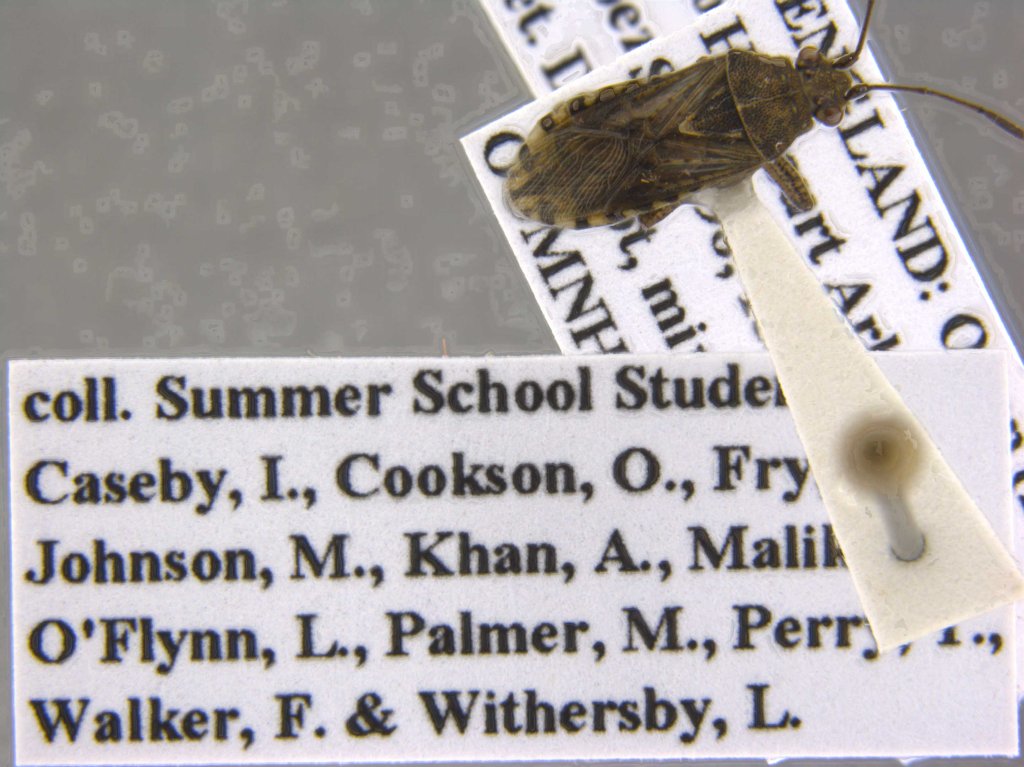
Past summer school participants have added to the British Insect Collection

If you would like to know more, or want to book a place, please get in touch using the Contact Us page, or email Rodger, Susie and Kate at hopelearning@oum.ox.ac.uk. We’re looking forward to hearing from you!