Why collect insects

As part of the HOPE project, Kate, Rodger and I take insect specimens from the collection out to schools. Two questions I have been asked a number of times are:

  1. Are they real?
  2. Why did you kill them?

The answer to the first question is fairly simple. Yes! They are real insects that were once alive, but are now dead and have been carefully preserved.
The answer to the second question is a little more complicated. The British Insect Collection, at Oxford University Museum of Natural History, consists of over 1 million specimens, collected over a period of about 200 years. I think the real questions are why do we keep this vast assortment of insects and what are they used for?

Identification

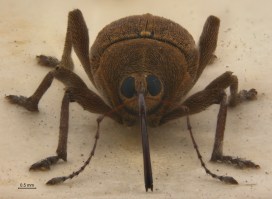
When investigating insects, it often is not possible to identify them out in the field, or from photographs. Some insects need to be looked at under a microscope, or even dissected, to tell them apart and identify them to species level. Also, just think how small some insects are, it could be very easy to miss them altogether. As a result, entomologists sometimes use insect collecting methods that involve killing the insects, and taking them back to their labs for identification.
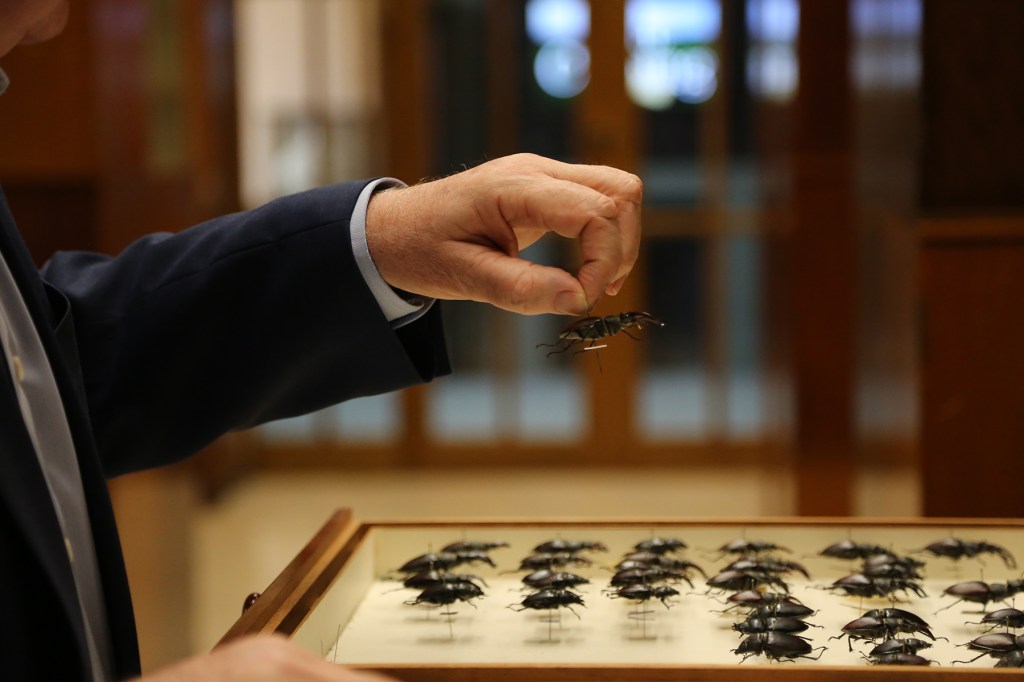
The collection is also used to help with identification. If an entomologist comes across an insect species they have not seen before, or are struggling to identify, they can compare it with those already in the collection. Getting a correct identification is really important. It helps entomologists know if they are talking about the same insect.

Historical record

In the collection each specimen has a label which gives key information regarding where, when and by whom it was found. The collection contains specimens for almost the entire history of British entomology, giving us information on the biodiversity of Britain, during this time. From this we can see how insect populations have changed, for example how the numbers of the different forms of the Peppered moth (Biston betularia) varied during and after the Industrial Revolution. Scientists from all over the world regularly use and reference the British Insect Collection as part of their research.
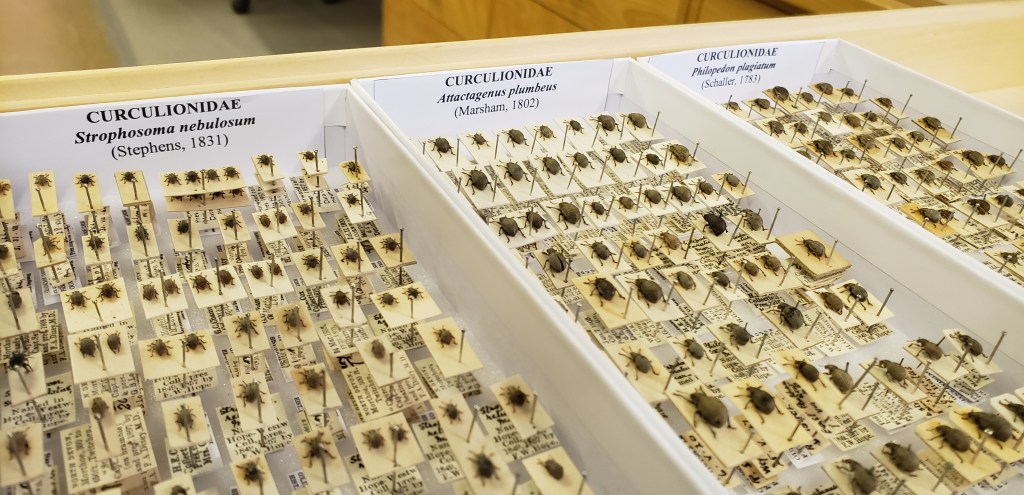
The collection offers an amazing glimpse into the natural world with dozens of iconic species now considered extinct in the UK, including the large copper butterfly and the blue stag beetle. It also contains many examples of the first British capture of insect species.

Education

We use the collection to help people to learn about the wonders and importance of insects in our world. While it is very valuable for people to see living insects in their natural environment, they often move around very fast. It is much easier to use specimens from the collection to look at and understand the features of different insects.
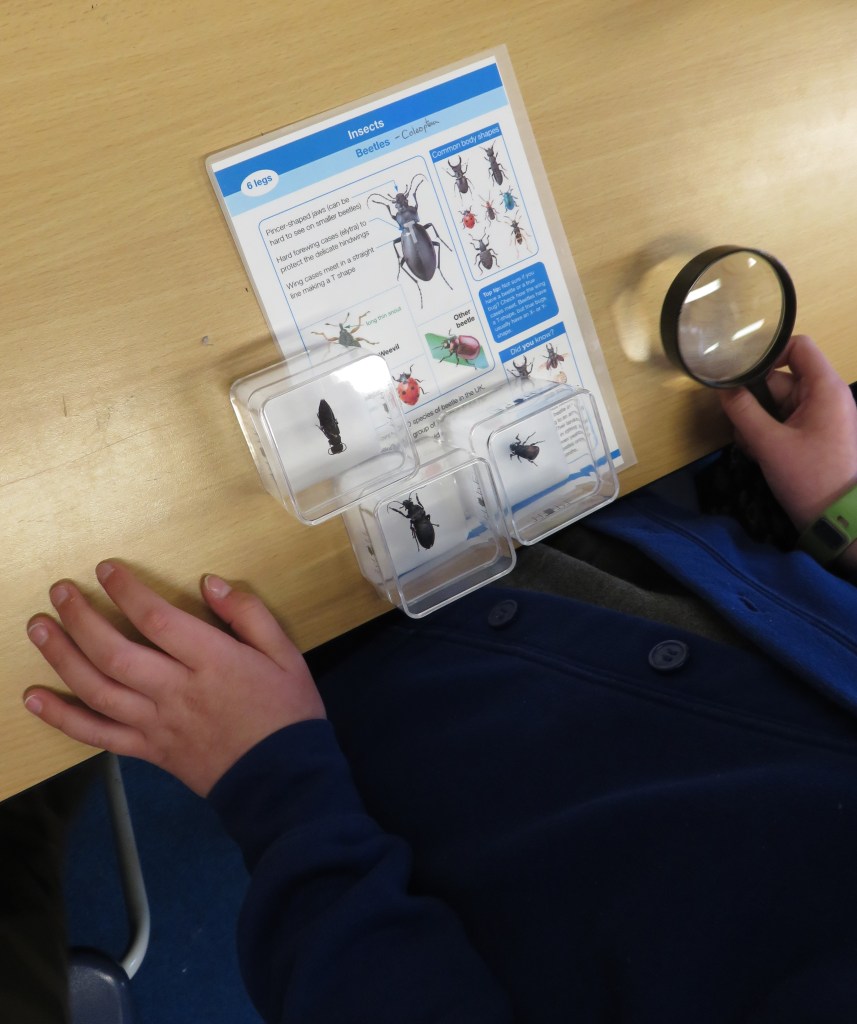
In my experience of taking specimens into schools, seeing these insects up close in this way not only inspires a sense of wonder, interest and excitement, but also allows those who are more nervous of these little critters to gain confidence as well as understanding.
insects: the meat of the future?

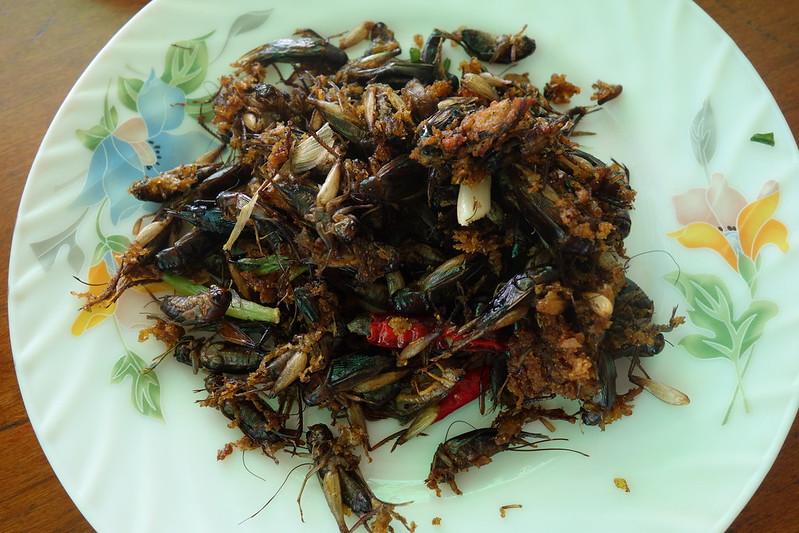
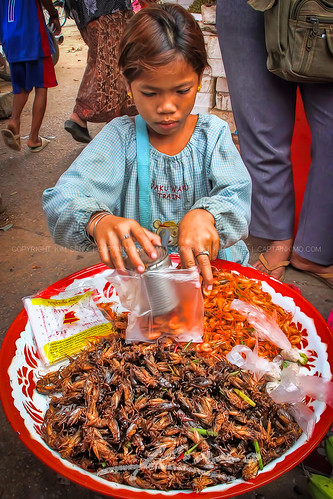
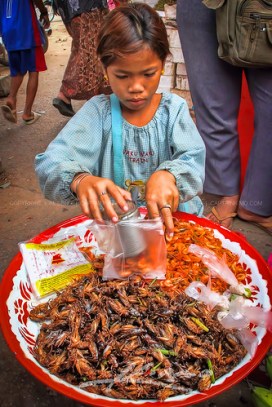
Did you know that around 2 billion people around the world choose to eat insects as part of their regular diet? The practice of eating insects is called entomophagy (say en-toe-moe-fay-gee) and is most common in tropical areas where larger species can be found all year round.  Around 1900 different species are regularly eaten, including beetles, caterpillars, bees, ants, grasshoppers and crickets. These insects are an important part of people’s diets as they are rich in protein and vital minerals and vitamins. 

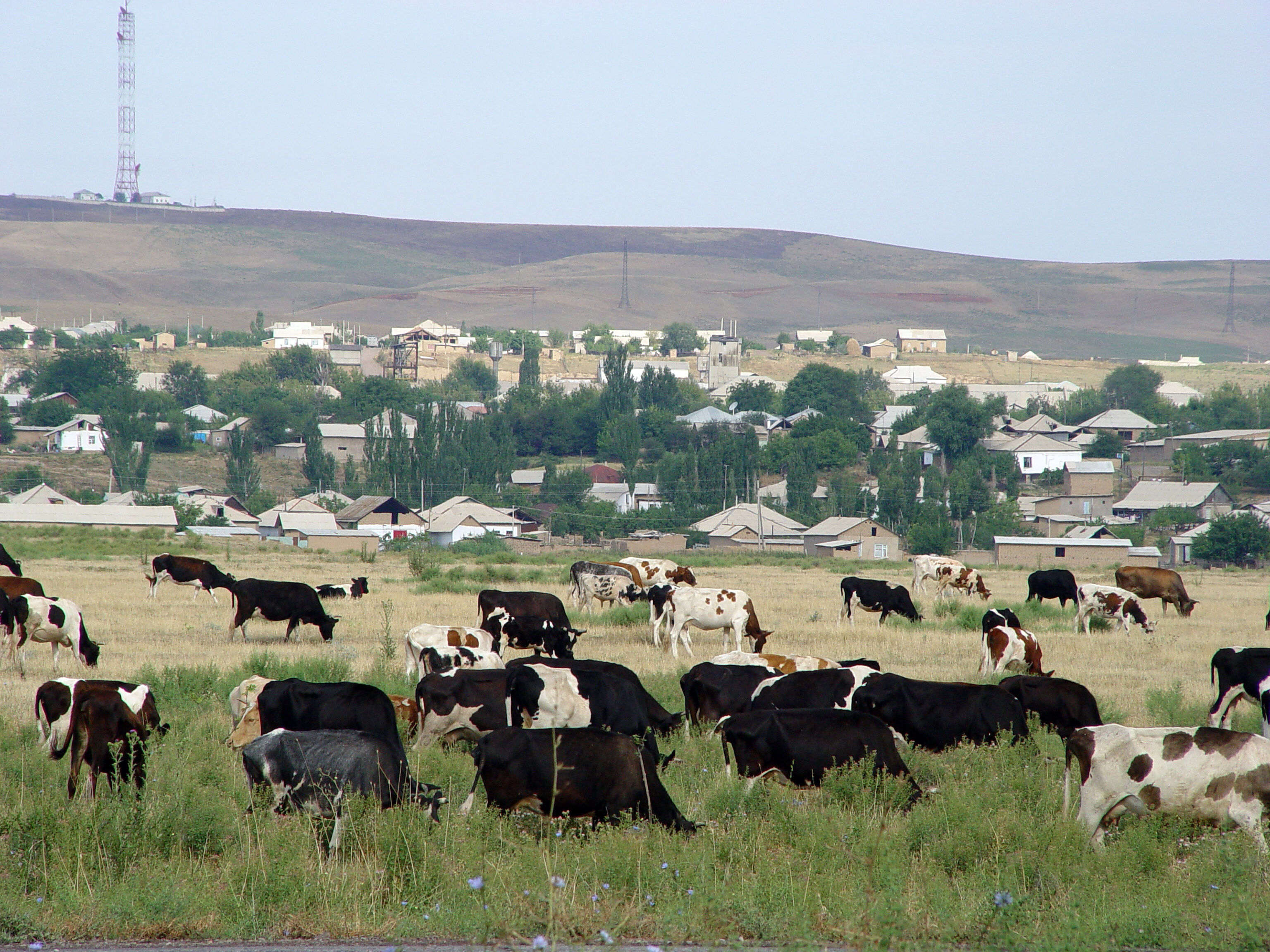
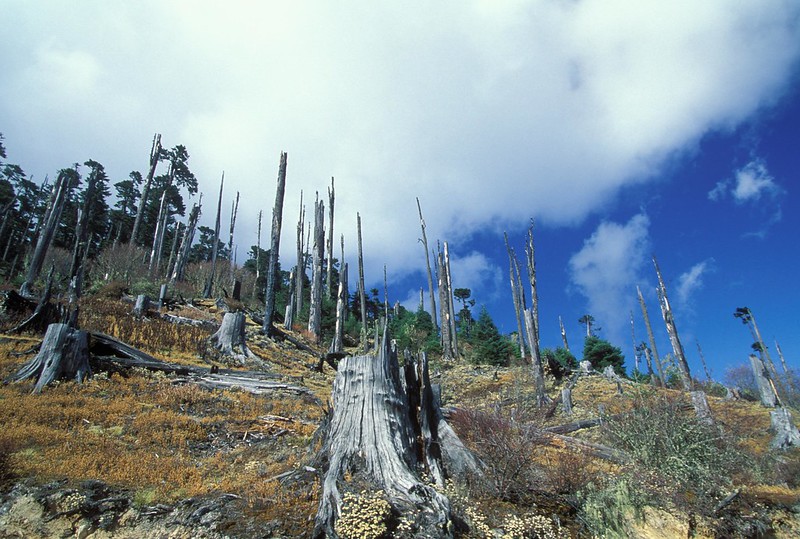
Across the world, 90% of people are meat-eaters. Of course, most of the meat eaten comes not from insects but from larger animals such as cows and sheep. With the world’s population set to reach 9 billion by 2050, the huge demand for animal protein is growing all the time.  We are using more and more land to farm animals for food, contributing to potentially catastrophic climate change and biodiversity loss (the variety of different living things found in the environment).

Herd of cattle graze in a pasture near a village/Image credit: World Bank Photo Collection , CC BY-NC-ND 2.0

Deforestation / Image credit: World Bank Photo Collection , CC BY-NC-ND 2.0

You may think that eating insects sounds disgusting. Many of us don’t like the idea of munching on a mantis or crunching a cricket but, with rising demand for meat protein, could insects provide a solution for this global problem? 

Insects to the rescue?

At the moment, most insects that are eaten come from the wild but there are lots of good reasons to consider farming insects. 

The demand for meat and dairy products has resulted in more and more land being used for farming, leading to the destruction of many habitats. This is having a devastating effect on our planet’s biodiversity as many plant and animal species have nowhere to thrive and many are now under threat. Farming insects, however, needs much less land and water.  For example, 400 square metres of land are needed to produce just 1 kilogram of beef, but 1 kilogram of crickets can be produced from just 30 square metres. 

Another problem with cattle farming is the production of greenhouse gases. Cows and other large animals produce huge quantities of methane; a greenhouse gas that contributes to global warming.  At the moment, livestock are responsible for more greenhouse gases than all the cars, planes and other forms of transport in the world. In contrast, most insects don’t produce methane gas as a waste product. 

Of course, it’s not as simple as just switching from farming cows to farming crickets.  What about the millions of farmers around the world who rely on rearing cattle for their living?  What would happen to all the land that is currently being used to farm livestock?  Is it ethical to kill insects for food?  Read on for some suggestions about where to find out more about these issues and debates.

Find out more

If you are interested in finding out more about sustainability of meat production and consumption, including the idea of eating insects, why not:

  • Visit Meat the Future. This exhibition, opening on 28th May 2021 here at Oxford University’s Museum of Natural History, looks at the health, environmental, social and economic impacts of meat and dairy production and consumption, and explores the future of food by examining the findings of the Livestock, Environment and People Project (LEAP).
  • Take a look at these videos and articles which talk more about the issue of sustainability in farming and discuss the pros and cons of eating and farming insects:

Should we eat bugs?  

Arguments against eating insects

What do you think?

We would love to hear what you think on this issue. Do you think farming insects is a good idea? Would you eat a beetle burger? Do you think there are other ways to cut global consumption of meat and dairy products? Let us know you thoughts below or by using the Contact Us page.

Your Insect Jokes

A few weeks ago we asked for your insect jokes in our post ‘Why did the insect cross the road?’ and you didn’t disappoint us! Here is our top ten selection of the best of your jokes, including those you sent to us online, or that we heard on our visits to schools.

I have a joke about fireflies that most people say is brilliant! alyiakerenina

What do you call a fly with no wings? A walk! Year 3 Great Horwood School

Why are entomologists like spies? They’re always looking for bugs! Anonymous

Why did the boy throw butter into the air? He wanted to see butterfly! Year 4 Bearbrook Primary School

Where do you take a sick hornet? Waspital! anonymous

How do fire flies start a race? Ready, steady, glow! Year 4 Cadmore End Primary School

What is red and black and lives underwater? A ladybird in a submarine! Anonymous

What happened to the Queen bee when she kissed a frog? She broke out in hives! Kerri

Which insect is best with numbers? An account-ant! Anonymous

What do you say to a naughty bumble bee? Bee-hive yourself! Year 5 Thameside Primary School

Think you can do better? We’d love to hear more jokes. Just enter them in the comments below, or send them using the form on the Contact Us page.

Arctic Pollinator Watch

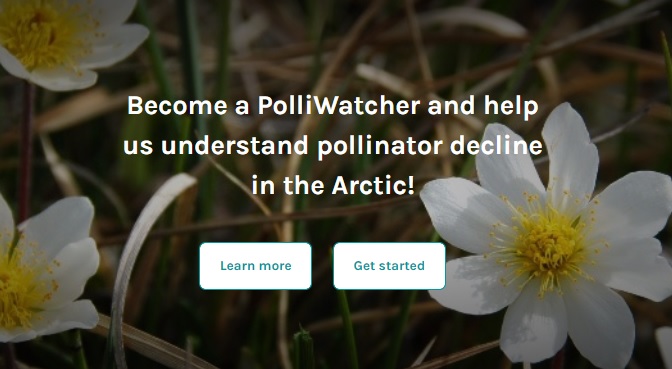
Become an arctic pollination investigator without even putting your coat on! Scientists investing pollinating insects in the arctic need your help. By spotting pollinators in images taken by remote cameras, you can help teach a computer system how to identify these insects which are vital to arctic ecosystems.

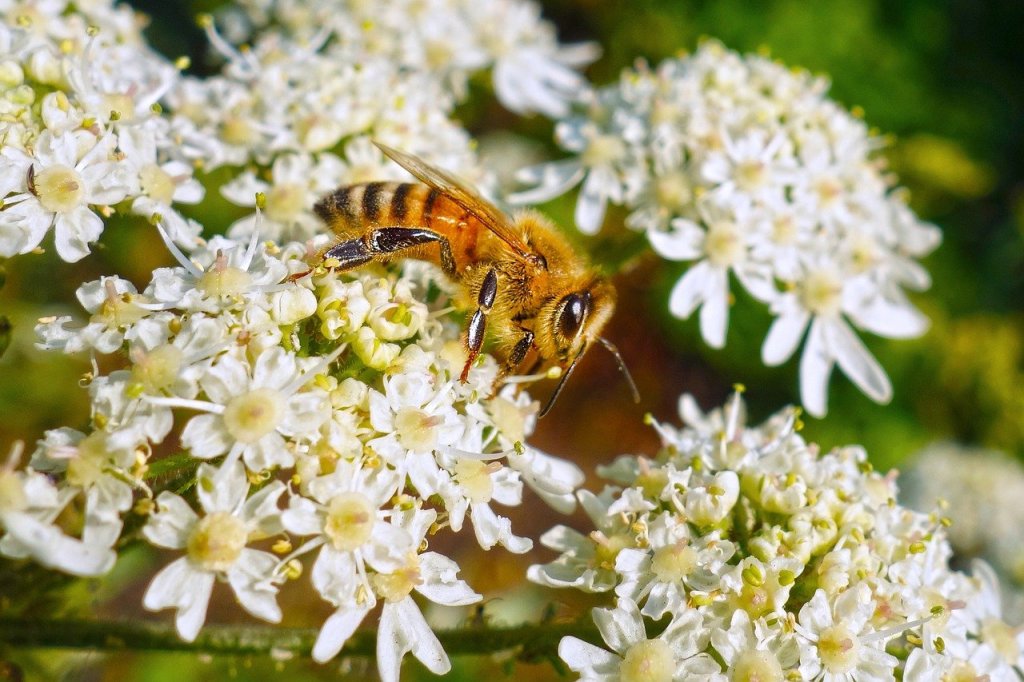
Bees, butterflies, beetles and many other insects are pollinators. Image credit – Image by Mabel Amber from Pixabay

Insects are important pollinators all over the world, including the arctic region around the North Pole. By moving pollen from flower to flower, insects enable new seeds and fruits to form. These seeds will grow to become the next generation of plants. Without pollinators, many species of plant would die out because there would be no young plants to replace the old ones.

The Department of Bioscience at Aarhus University in Denmark have set up time-lapse cameras at various arctic locations. For the past three years, these cameras have gathered thousands of pictures of flowers. It would take an enormously long time for humans to locate and identify pollinators in these pictures, so the researchers now want to train a computer to do it. A computer has already identified pictures that include flowers (although it may not always get tis right). The researchers need your help spotting any pollinators that may have visited the flowers in these pictures.

Become a ‘polliwatcher’ on the Pollinator watch website

You can join the project by visiting the Pollinator Watch pages of the Zooniverse website. You can then click ‘Learn more’ to read more about the project and the researchers, or ‘Get started’ to start hunting for pollinators. There is a short tutorial to help you learn how to spot the insects, and then you can hunt through as many pictures as you like.

You don’t need to register with the site to take part but if you want to, make sure that an adult gives permission. Signing in means you can keep up to date with the project and you will get credited if you find something special!

Don’t forget to let us know how you get on by sending us a message on the Contact Us page.