Hayleigh Jutson

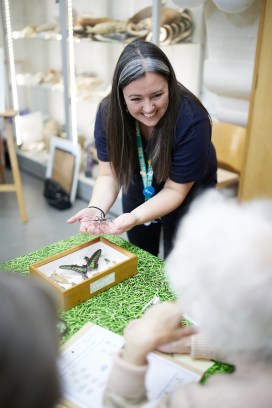
Hayleigh Jutson is the HOPE For the Future Community Officer. She is working with the HOPE project team to develop and deliver a programme for working with community groups across generations and making the Museum as an friendly space for older people. She wants  “museums to be a space for all to enjoy and develop their sense of wonder and imagination, no matter what age they are”.

How did you first become interested in insects?

I have always been interested in insects and all things in Nature – ever since I can remember. I grew up in the South West of England, playing on Dartmoor and the glorious beaches of Devon and Cornwall. I was always out in Nature with my brother, cousins and friends, looking for slowworms, caterpillars, crickets, stick insects – all sorts. That interest and sense of awe and wonder has never left me and I think I’m even more excited about it all now, as an adult.

What does your work on the HOPE project involve?

I run a programme of natural history focussed activities at the museum for older people, called Age of Nature. I also take specimens out to Community groups around Oxfordshire to engage older adult social groups. With community groups, I run projects for older people and intergenerational projects. These often involve grandparents and their grandchildren. I’m working to make the museum an Age-Friendly space so that our older visitors can enjoy it as much as everyone else.

What is your favourite insect?

This is a really hard question, because there are so many to choose from!

I recently fell in love with the Summer Chafer (Amphimallon solstitialis). These clumsy not-so-little coleopterans look a lot like the common Cockchafer, but smaller. From around June – August you’ll see these cute, chunky beetles wobbling around in gardens or inelegantly flying around the tops of trees, bashing into each-other and everything else around them with a great clonk. Around July – August this year, I had around 10 summer chafers per night, come through my house and crashing into my windows, sending themselves into a half-conscious daze. They often land on their backs and immediately try to fly, but because they’re upside down, they end up whizzing around in circles, quite loudly, like they’re taking part in some sort of breakdance battle – it’s quite entertaining!
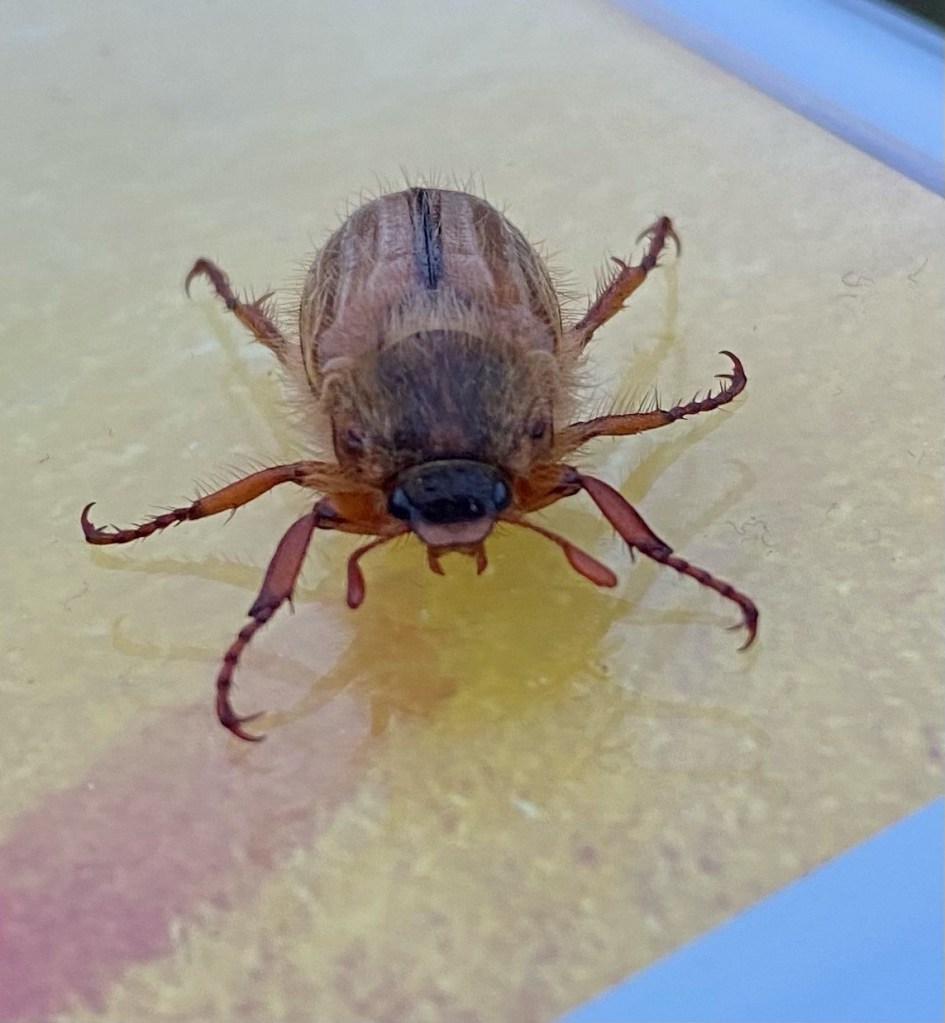
They’re very cute and gentle creature, and while I was up and down picking them up and taking them back outside, I had the pleasure of seeing them up close and watching their funny little characters and antics. There were so many above my tree, certainly hundreds – they made it sound electrified, with all their zipping and zapping of their wings colliding with each other. Who couldn’t fall in love with this little face?

I’m also quite fond of Stick-Insects. I mentioned that I used to go looking for them when I lived down in Devon and Cornwall when I was young. Stick-Insects are not actually native to this country and often when I tell people I used to play with them in the wild when I was little, they say “you must be mistaken, they couldn’t have been Stick-Insects – you don’t get them in the UK”. The reason I used to find lots of stick insects everywhere when I was younger, is because, three species of stick insects from New Zealand were released in Devon and Cornwall between 100 – 50 years ago. They came here by accident, when plants from New Zealand were shipped to plant nurseries in the South West of England, which were hosting the phasmid’s eggs. Phasmids are insects in the Order Phasmatodea, which Stick-Insects belong to. ‘Phasma’ means phantom in Greek.
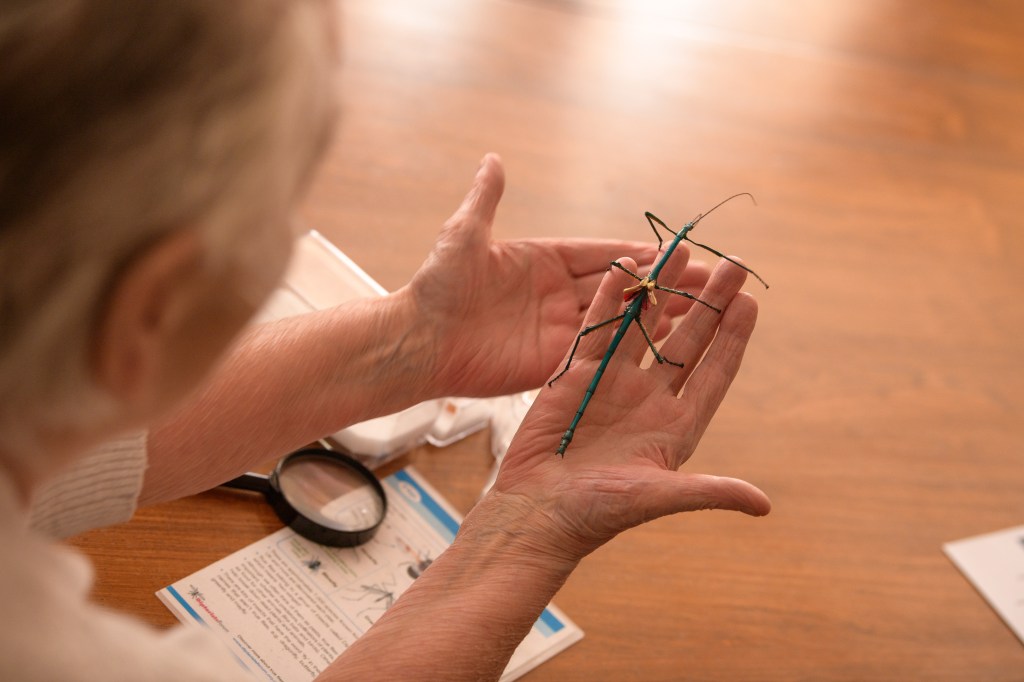
Metallic stick insects (Achrioptera manga) are a big hit with Museum visitors of all ages!

Stick-Insects always used to fascinate me with their expert camouflage, which used to give me hours of challenging entertainment, when my brother and cousins and I were playing in the woods, seeing who could spot the most Stick-Insects. I love the way they move too and now that I work here at the museum, we have quite a few live Stick-Insect species that I love to stop and watch as I walk by. We also have some live, large, blue Metallic Stick Insects (Achrioptera manga) that we take out to community groups and school groups for people to see and hold. They are so beautiful and the more I’ve gotten to handle them, the more I’ve seen that they each have their own little personalities! There’s one that often gets a bit grumpy and flares his wings out with a bright red flash of colour. And there’s the dopey one, who is really placid and likes to put his two front legs up and it wiggle side to side, like he’s showing us a little dance, before walking off the edge and falling on the floor. They’re really very sweet and cute.

If you enjoyed Hayleigh’s description of the Summer Chafer, you might like this blog post all about Chafers. We haven’t written about stick insects yet but perhaps we should? Let us know what you think using the Contact Us page.
Say Hello at Harcourt Arboretum

Come and see us at Harcourt Arboretum on Monday 24 October. The HOPE For the Future stand will feature lots of insect specimens and our ‘To Bee or not to Bee’ challenge.

We will be joining our friends at the Arboretum to support The Wonderful World of Insects, an interactive family show from WhatNot theatre company that explores themes of biodiversity, the importance of insects and their declining populations, and the connections between plant life and insects.

The show will run at 12.30pm or 2.30pm encourages us all to learn to love, respect and care for our six-legged friends. It is included with entry to the Arboretum but registration is required. Please book your day ticket as normal (not needed for annual pass holders or Friends) and then reserve your space for either show here. (Note: this is a link to an event booking site)

You don’t need to register for the Hope For the Future stand – just pop along and see us during your visit to the Arboretum! We will be there from 12pm to 3.30pm.

Still time to book for The Big Draw: Insects! on 26 October

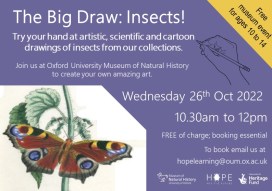
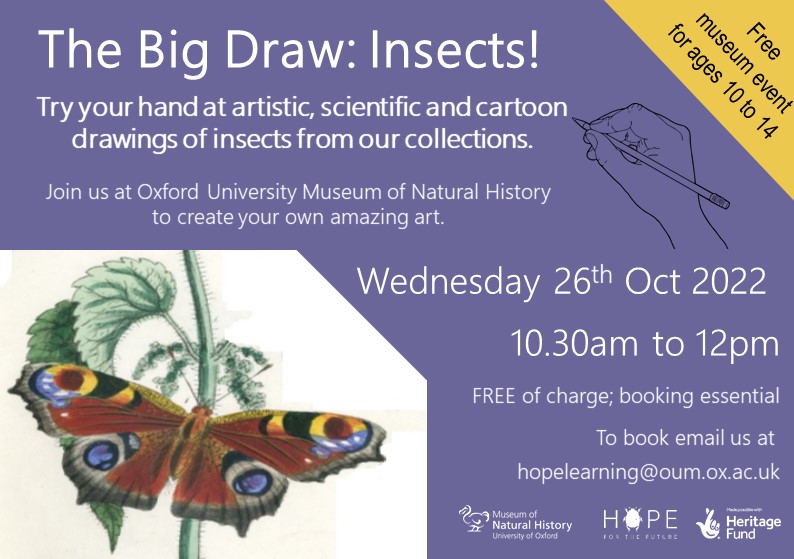
We still have a few places left for The Big Draw: Insects! at the Museum of Natural History in Oxford. Aimed at 10-14 year olds, this is your chance to try out different styles of drawing, see amazing art from the Collections, and be one of the first visitors to enter the newly-refurbished Westwood Room. Please use the Contact Us page or email us at hopelearning@oum.ox.ac.uk to book a place.

Beetle biscuits

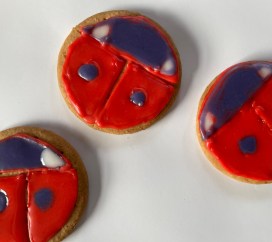
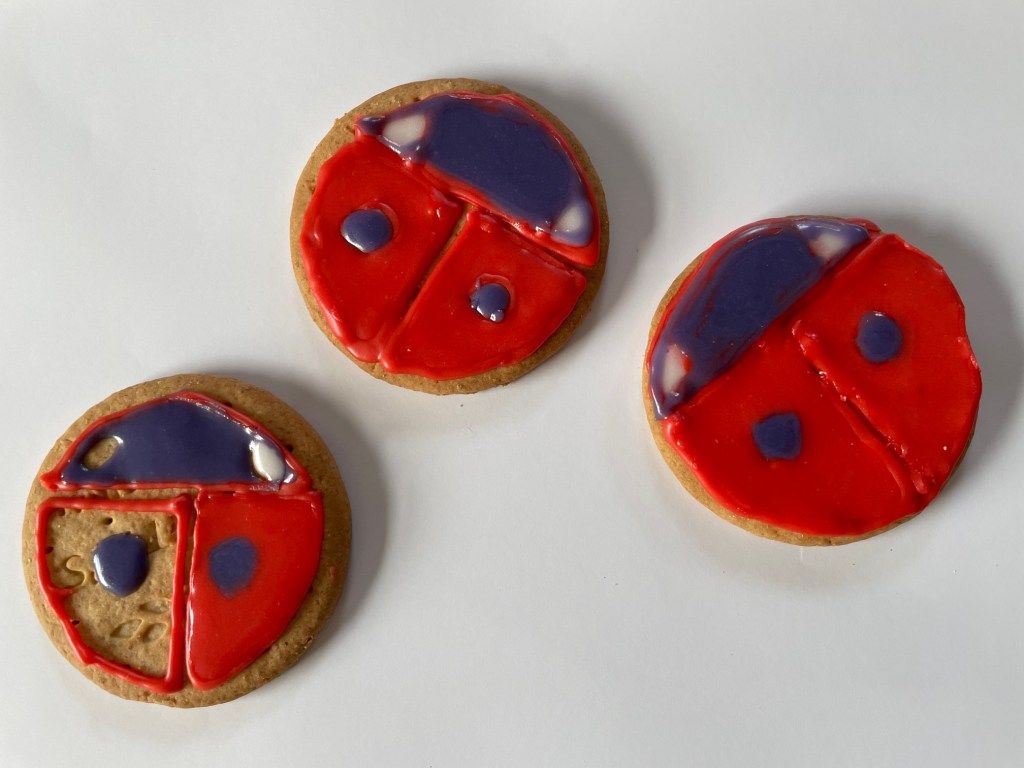
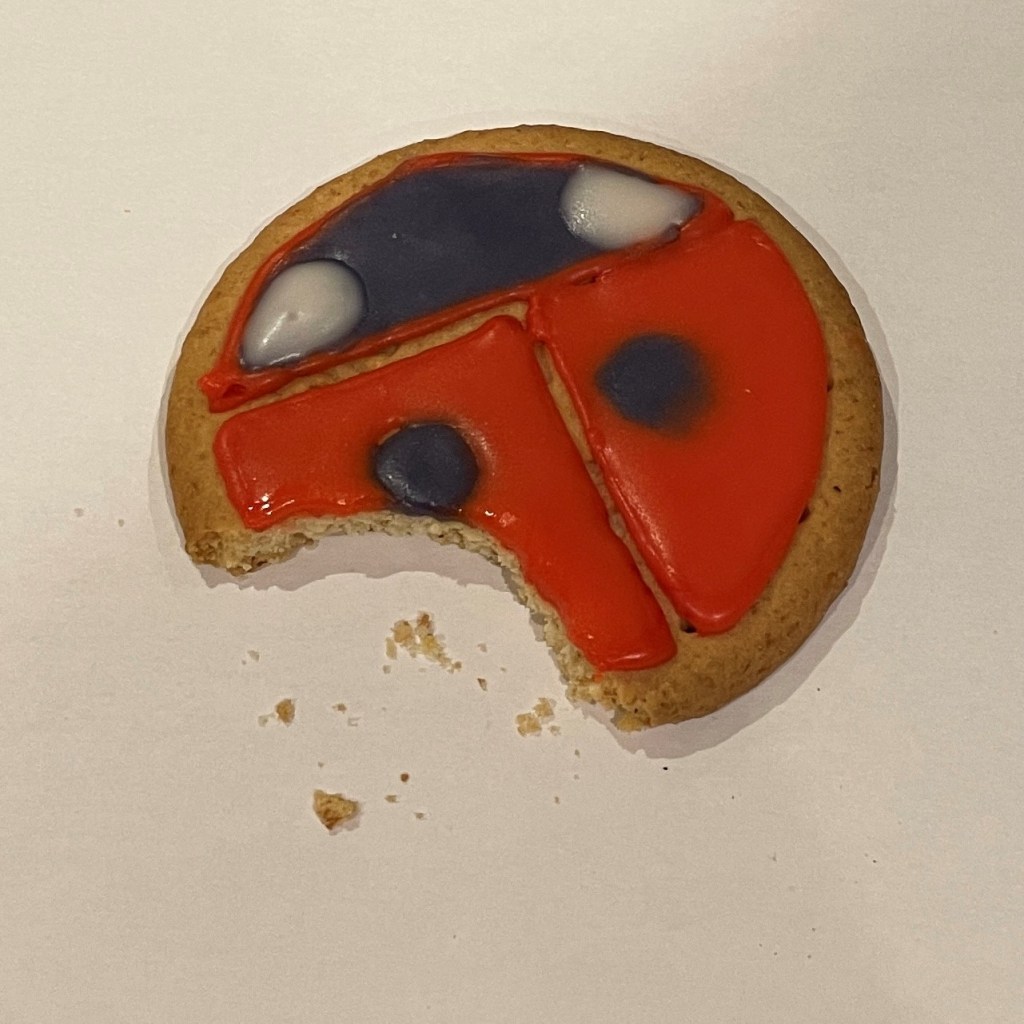
Enjoy biscuits? Like beetles? Then you’ll love our iced beetle biscuits! We have designed ours to look like ladybirds, but you can decorate yours in any way you like. If you haven’t got time to bake the biscuits you could buy some and decorate them.

You will need:

  • Round biscuit cutter
  • Baking tray – lightly greased or with baking paper
  • Mixing bowl
  • Rolling pin
  • Wooden spoon
  • teaspoon
  • A work surface sprinkled with flour
  • A wire rack to cool the biscuits
  • Oven pre-heated to 190oC (170oC if its a fan oven)
  • Oven gloves
  • A grown-up assistant

Ingredients:

  • 100g butter – take it out of the fridge to soften it
  • 225g self-raising flour
  • 80g caster sugar
  • 1 large egg, beaten
  • 1 tablespoon of milk
  • 3 drops of vanilla extract

To make the icing:

  • 100g icing sugar
  • 1 tablespoon of lemon juice (use water if you haven’t got juice)
  • Food colouring – colours of your choice

How to make the biscuits:

  1. Wash your hands. Make sure your assistant washes theirs too.
  2. Lightly grease the baking tray.
  3. In the mixing bowl, rub the butter into the flour using your fingertips. Keep going until the mixture looks like breadcrumbs.
  4. Add the sugar, beaten egg, milk and vanilla extract.
  5. Mix all the ingredients together in a bowl. You can use the spoon to start but as the dough forms you will probably find it easier to use your hands to shape it into a ball.
  6. Using the rolling pin, roll out the dough on the floured work surface until it is spread out in a thin layer.
  7. Cut out biscuit shapes from the dough and put them on the baking tray.
  8. Bake in the oven for 10-15 minutes. Ask your assistant to take them out when they are golden brown.
  9. Cool the biscuits on the wire rack. watch that your assistant doesn’t try to snaffle the warm biscuits!

How to make the icing:

While the biscuits are cooling, mix the icing ingredients. The icing needs to be liquid but not so runny that it runs off the biscuit when you put it on. If it’s too runny, add a bit more icing sugar. If its too stiff, add a drop of water. Divide your icing between bowls, one for each colour you are using. For the biscuits in the picture, we used red and violet and also kept some white icing. Add a drop of food colour to each bowl and mix it in. When the biscuits are cool, use the teaspoon to spoon a little icing onto each biscuit, then smooth it on with the back of the spoon. You can use a cocktail stick to spread out small amounts of icing.

Top tip: if you have a piping bag, you can stop the colours mixing into each other, pipe the outline of the parts of your beetle, let that icing dry, then fill in with more liquid icing.

We hope you enjoy your biscuits! Why not send us a picture of your design for our Photo Gallery?

The Big Draw: Insects!

Our next event for young entomologists, aged 10-14, will be ‘The Big Draw: Insects!‘ on Wednesday 26 October 2022, 10.30am – 12pm at the Museum of Natural History in Oxford.

Timed to coincide with the half-term break for local schools and to link in with other ‘Big Draw’ events in October, The Big Draw: Insects! is your chance to try your hand at drawing insects in three different styles: artistic, scientific and cartooning.

We’ll be based in the newly-refurbished Westwood Room at the museum and will be drawing a range of exciting insects from the museum’s collections. This event is suitable for all abilities from beginners to those who already enjoy drawing frequently.

The Big Draw: Insects! is free but you need to book in advance by emailing us at hopelearning@oum.ox.ac.uk

If you’re interested in cartooning, you might be interested in this post by Chris Jarvis on Drawing a Minotaur Beetle.

The Intriguing Ivy Mining Bee

If you look at any ivy during the autumn there is a good chance that you will see bees on the flowers. They may look like honey bees but they are more likely to be the Ivy Mining Bee (Colletes hederae), which has a very different way of living.

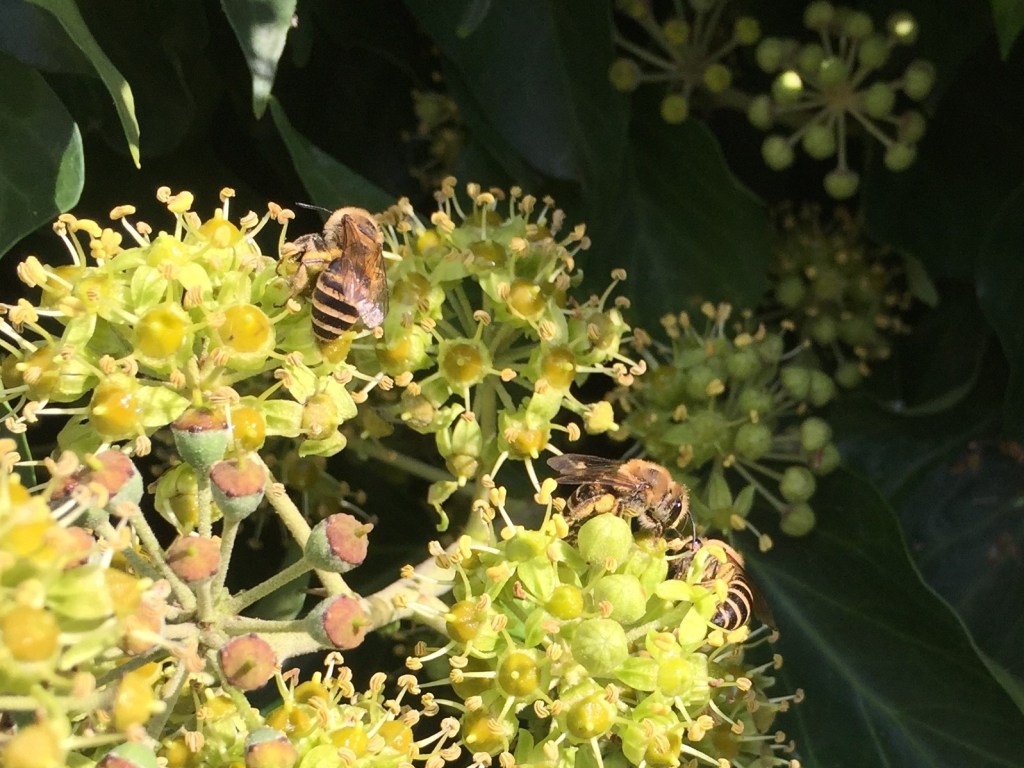
Ivy Mining Bees feeding on ivy

Ivy Mining Bees can be seen feeding on ivy in late summer and early autumn, when it is in flower. Large numbers of these bees are attracted to the flowers and, because the females look very like honey bees, people sometimes think that they are all sisters from the same hive. In fact, the Ivy Mining Bee is quite different type of bee. They are a solitary species and each bee will have come from from its own individual nest.

Ivy Mining Bees are the last of the solitary bees to emerge each year, right at the end of summer when ivy is flowering. If you live in Southern England, they will probably be a familiar sight. You may not have seen them if you live further north because this bee is a relative newcomer to the UK. They were first seen on the south coast in 2001 and have since spread northward throughout England and Wales.

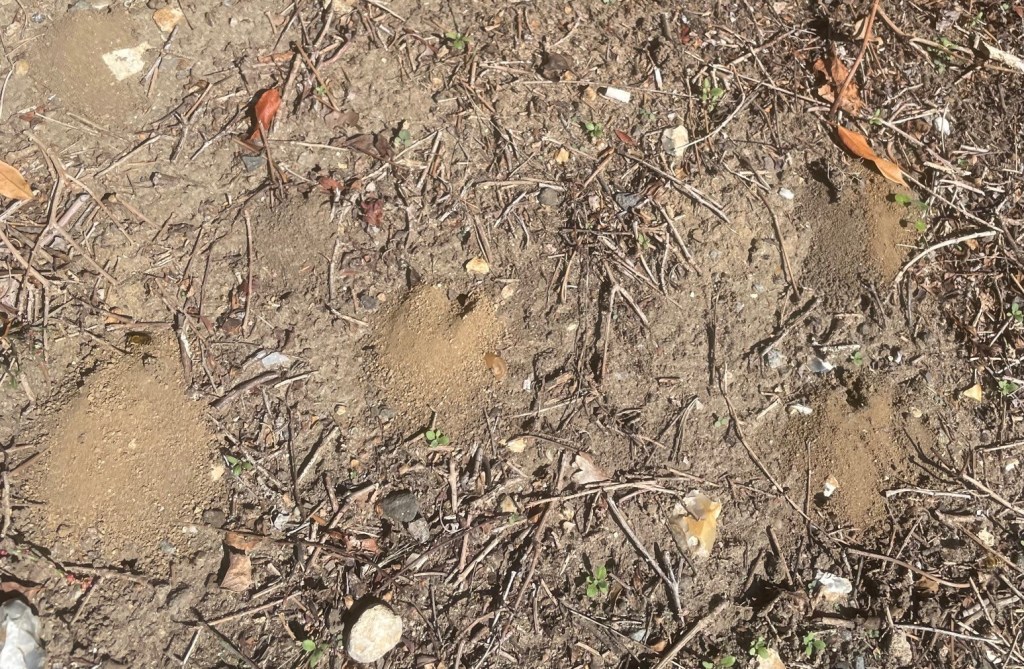
Ivy Mining Bee nests are often close together

These bees build their nests underground, preferring to burrow into bare ground on south-facing slopes, which is how they get the ‘mining’ part of their name. They like patches of bear earth but may also nest in garden lawns and vegetable patches. Although solitary, they like to build their nests together, so the ground can be pockmarked with dozens or even hundreds of tiny volcano-like burrow entrances.

The males emerge first and compete with each other to mate with female bees. Often several males will cluster round a single female bee. Females excavate underground burrows. In the video, you can see a female bee carrying soil out of the burrow and moving it away from the entrance with her legs.

Female Ivy Mining Bee excavating her nest.

The female bees then lay their eggs in the burrows they have made. They overwinter in these burrows, protected from the coldest temperatures. The new generation will then emerge the following year

Identifying the Ivy Mining Bee

Female bees are about the same size as honey bees and can be slightly larger. They also have similar colouration to honey bees but have dense ginger hairs on their thorax and very distinctive orange/yellow stripes on their abdomen. The males are smaller and are very similar to other closely-related Colletes species. This makes them difficult to tell apart from other species, but if you spot a bee on ivy in early autumn, it’s probably the Ivy Mining Bee.

If you enjoyed this post you might like to read about the Red-tailed Mason Bee. If you have spotted any bees out and about this autumn, why not ley us know via our Contact Us page?

Life, as we know it

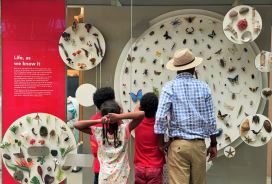
If you have visited the Museum lately you may have noted some changes. Some sections have been closed and some mysterious sounds have been heard from behind the boards that hide the view. What is going on?

Well, some exciting changes are coming! The main court is being revitalised with the first major redisplay of the permanent exhibitions for over 20 years. Visitors will be able to experience our collections like they never have done before, with new displays showcasing Life, as we know it.

The new displays will focus on the interaction between the changing geology of our planet with how life has evolved on Earth. Our new exhibits will trace the story of life on Earth and celebrate our planet’s incredible diversity of life. They will also encourage visitors to think about the future, as well as the past. We want to inspire our 750,000+ yearly visitors to take action to help preserve global biodiversity.

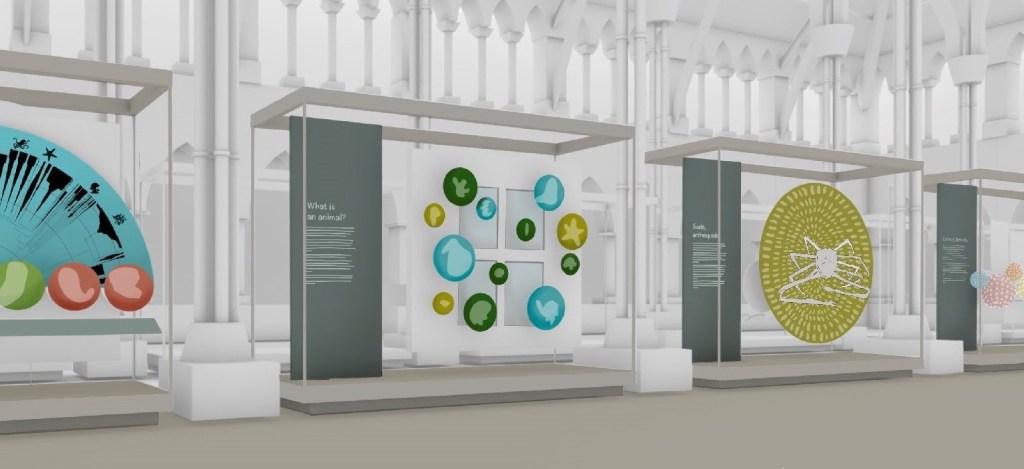
Artist's impression of how some of the new displays about the diversity of life will look
Artist’s impression of how some of the new displays will look

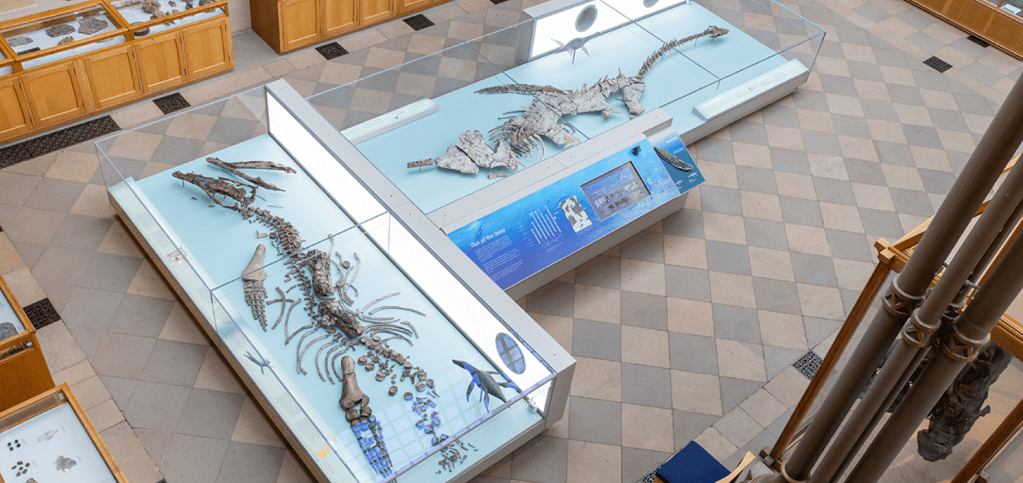
You may have already seen the first phase of Life, as we know it. In 2018 our Out of the Deep displays were installed. The work going on now is Phase 2 of the project and we will be continuing work on Life, as we know it over the next few years, with plans to update exhibits that extend throughout the Museum.

Out of the Deep

Things might look a bit unfinished at the moment, but were doing our best to keep disruption to a minumum. Right now, you can get an exciting glimpse of the displays as they come together, including new insect exhibits. Later in the Autumn you’ll be able to enjoy the finished results!

Have you seen anything new in the Museum? Let us know by getting in touch using our Contact Us page.