Hunt for the Stag beetle

Here is the first contribution from one of our readers. It is a tale from Milo Dawes of his exciting hunt for a stag beetle in Richmond Park, London:

On Sunday 20th June I went to Richmond Park. It was a warm day and I had just been in the car for 45 minutes. When I got there, I saw lots of roe deer, but I had come here to find the biggest beetle in the UK – a greater stag beetle. Here is what you need to know to hunt stag beetles:

  • You should look on and around rotting wood and oak trees, especially where the wood has been chewed away.
  • Look in spiderwebs for dead lesser stag beetles – the greater stag beetles are strong flyers and can fly out of the webs.
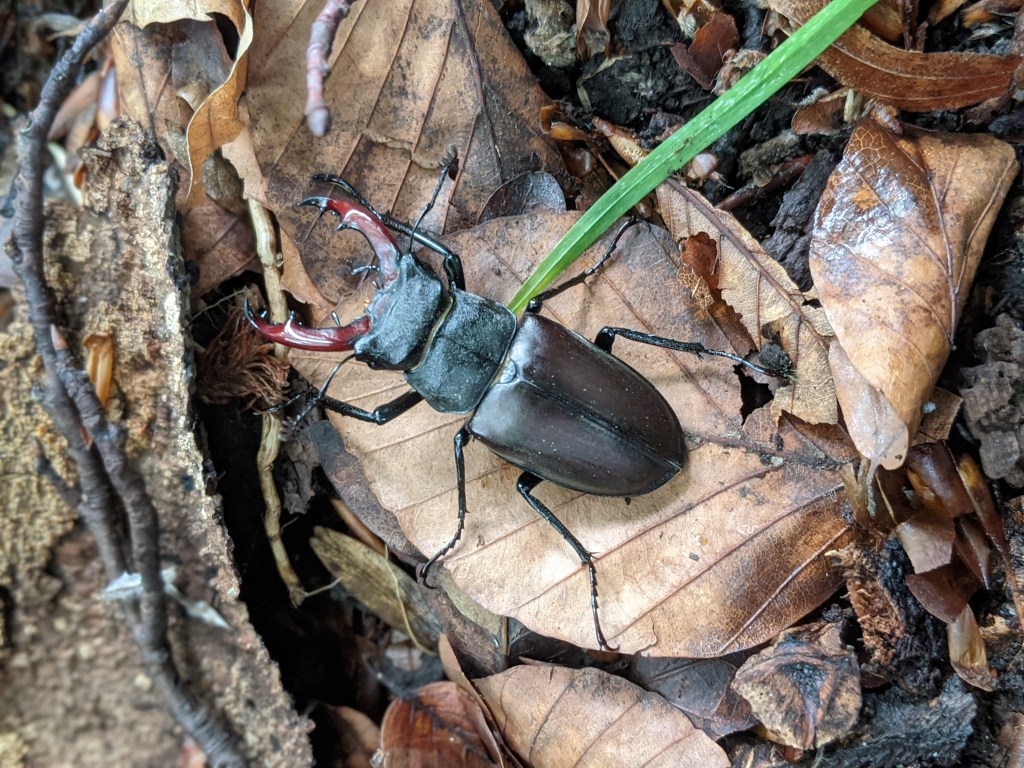
Stag beetle on dead leaves. Image credit: Dawes family.

Next to where I was looking there was a family of grazing deer, chewing away noisily. Slowly and quietly, I walked around some bramble to get to some rotting wood. I lifted it up, but found nothing. Sadly, I walked back, this time the other way around. I spotted something move next to the bramble, out of the corner of my eye. It was a greater stag beetle – the biggest I had ever seen.

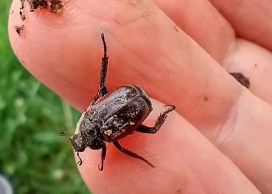
Greater stag beetles are often spotted flying around at dusk, flying with the tip of their jaws facing the sky, like a swordfish jumping out of the water. Males can grow up to 10cm – nearly as big as my hand. Greater stag beetles have a black head and thorax, reddish-brown antlers and a chestnut brown abdomen. They are endangered and rare because humans make life difficult for them. We build on woodland, and rotting wood is often removed from forests. They are being wiped out at an alarming rate. If you spot one, in London, you can help by going to www.wildlondon.org.uk to record your find.
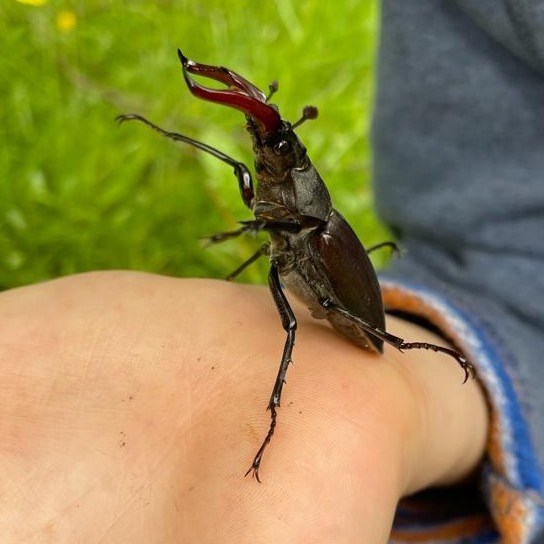
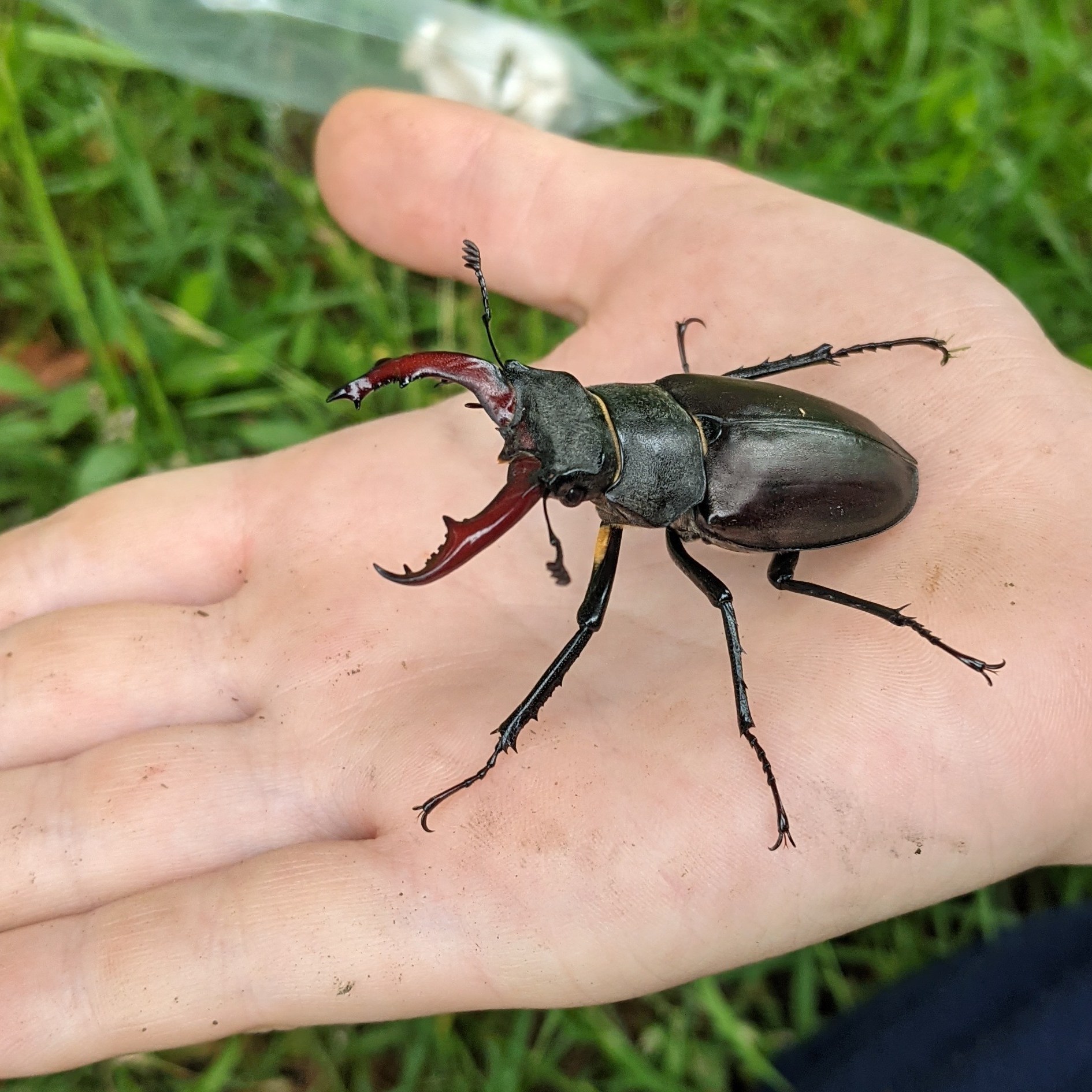
Stag beetle on hand. Image credit: Dawes family

I looked up above me, and there was an ancient oak tree looking very medieval. Then I looked at the stag beetle. It was right next to some rotting wood. I picked it up carefully and ran to a bench. Angrily, the stag beetle waved its antennae at me, and it may have even pointed at me with its claws. The beetle reared up. It was amazing.

Thank you to Milo for this fascinating account. If any of you would also like to write a piece on insects for the blog please contact us or email hopelearning@oum.ox.ac.uk.

Stag beetles are classed as a ‘priority species’, and are protected under the Wildlife and Countryside Act 1981. It is therefore important that you do not remove any from where they are found.
People: Karim Vahed

Professor Karim Vahed tells us about how he first became interested in insects and his work with Bush Crickets at the University of Derby. He explains what makes them so fascinating and why the Southern European Bush Cricket, Gryllus bimaculatus, is his favourite insect.

Professor Karim Vahed on why Bush Crickets are his favourite insect.

Do you have a favourite insect? What is it about it that you like? You can let us know using our Contact Us page.

If you enjoyed this video, you might like to take a look at others featuring scientists and other people who work with insects on our ‘People‘ pages.

Chafers

During the summer you may notice large beetles flying around in gardens and other green spaces. These insects are called ‘chafers’. While they may look similar, there are in fact several different species all known by this common name.

The name chafer comes from the Old English word for beetle, ceafor. It is similar to the modern German word for beetle, käfer. So, ‘chafer’ really just means ‘beetle’ but in English it came to be used for beetles that were particularly noticeable. Chafers got themselves noticed because they are large, the adults can fly and often emerge in large numbers at the same time of year, sometimes making a buzzing noise as they fly. They are attracted to lights, so often fly in open windows, then bump around the room trying to get out. Farmers and gardeners often think of them as pests because they can damage plants.

Chafers all have a similar life cycle. The larvae live in the soil or dead wood, often for several years. They are sometimes thought of as pests because they may feed on the roots and other parts of plants, but they are important recyclers, feeding on dead, decaying material and helping to return the nutrients it contains back into the soil. The larvae then pupate and survive the cold winter months in this form. The adults emerge in late spring, or summer, depending on the species. It may seem that large numbers of beetles have suddenly appeared out of nowhere, but in fact these adults have just emerged at the same time. The adult beetles mate and lay eggs which will become the next generation of larvae.

Cockchafer, Melolontha melolonta

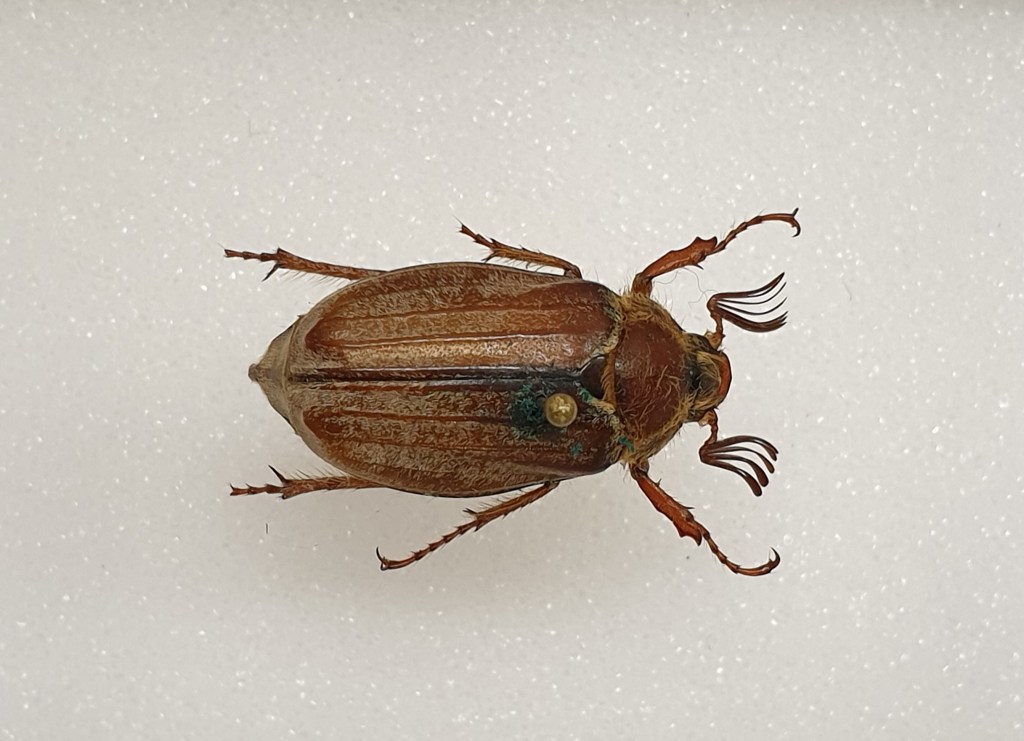
The largest of the British chafers is the cockchafer (Melolontha melolontha). The adults emerge in late April or May, giving it another common name, the ‘Maybug’. They fly in a wobbly way and make a buzzing noise. This can make them seem a bit alarming but they are completely harmless to humans.

Cockchafers were once a huge agricultural pest and could emerge in such numbers that people were encouraged to eat them! A French recipe for cockchafer soup was published in the 1800s (https://en.wikipedia.org/wiki/Cockchafer_soup) and in the 1920s, German children were reportedly eating sugar coated cockchafers.

Pesticides brought this marvellous beetle to the brink of extinction in the UK during the last century. Now changes in agriculture and pesticide use mean that cockchafers are making a comeback and they can be found across England, although they still rarer in Scotland. The nationally much rarer Northern Cockchafer (Melolontha hippocastani) is found in Scotland, Northern England and Ireland.

The Summer Chafer (Amphimallon soltitiatis) looks a bit like the cockchafer, but is smaller, at about 20mm, and had a rounded, rather than pointed tail end . Traditionally, this beetle is associated with the Summer Solstice, or longest day of the year, because the adults often emerge in the second half of June. In fact, the Summer Chafer can be found all over Britain in June and July. Kate and Susie found lots of Summer Chafers on a visit to Orchard Meadow Primary School in Oxford on 23 June this year and have seen it in the grounds of several other schools we have visited.

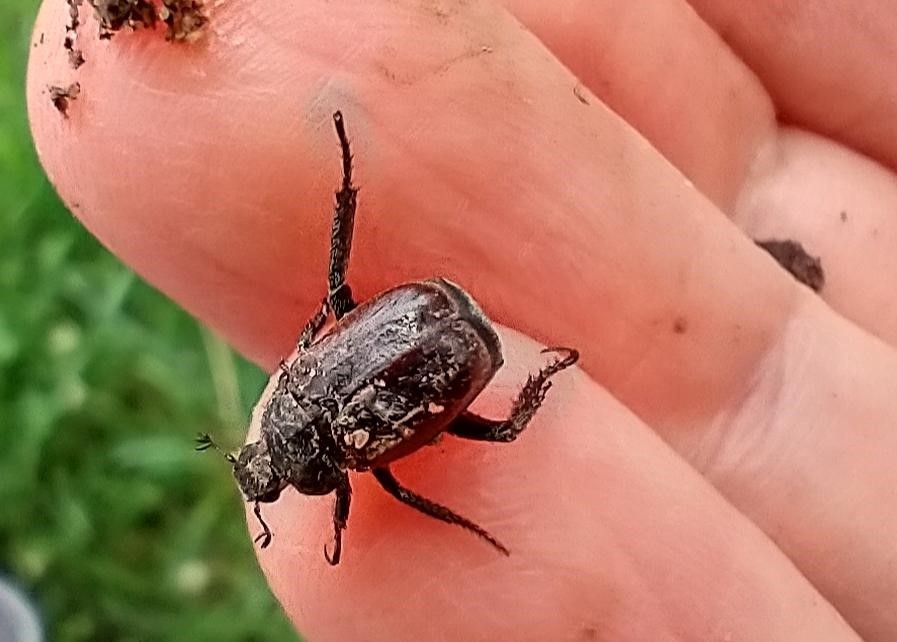
Another similar beetle is the Welsh Chafer Hoplia philanthus which, despite its name, is not restricted to Wales, but also found in Southern England and the Midlands. It is smaller and less ‘hairy’ than the other chafers and can be recognised by the single large ‘claws’ on the end of its legs.

Welsh Chafer, Hoplia philanthus. Image Credit: Neil Stanworth

Eleanor and her father kindly sent us this picture of a Welsh Chafer they caught in their garden in the Midlands recently using a pitfall trap they made after watching Kate’s video from a few weeks ago. We’d love to see pictures of beetles and other insects you have found.
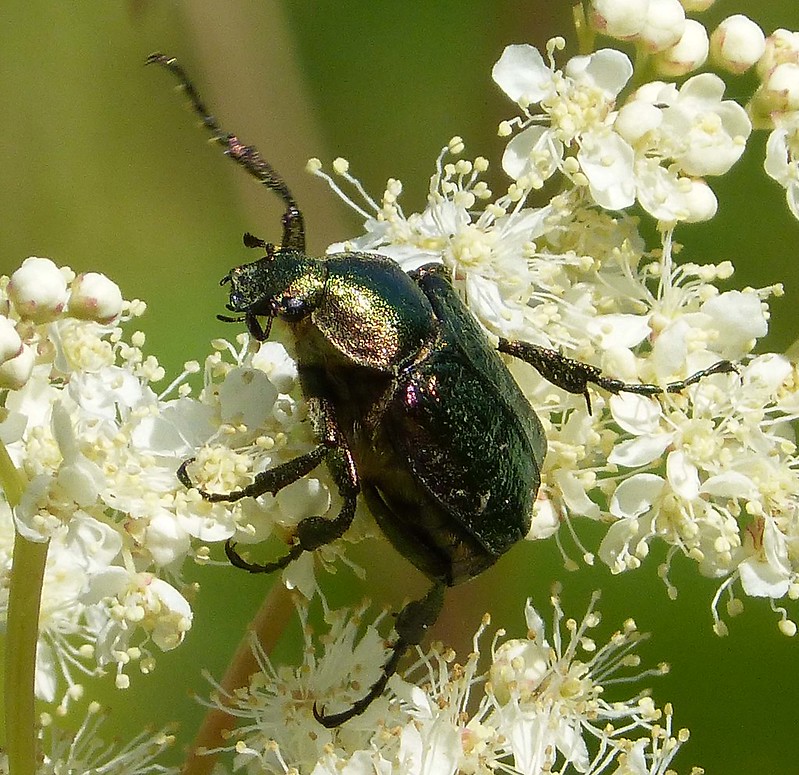
Some chafers are a striking green colour. One of these is the Rose Chafer (Cetonia aurata) which flies between May and October. Gardeners may consider it as a pest, particularly if they grow roses, because the beetles feed on their plants but, like the other chafers, these beetles are also important recyclers.

Noble Chafer, Gnorimus nobilis. Image credit: Flickr/Gail Hampshire CC BY 2.0

Another green chafer is the Noble Chafer (Gnorimus nobilis). You can tell the two apart because the Rose Chafer has smooth wing cases but the Noble Chafer has wrinkled ones and is metallic green with white speckles. While adult Noble Chafers feed on plants like hogweed, the larvae live in the decaying wood of old fruit trees. Because of this, the Noble Chafer is found in traditional orchards. As these have disappeared, so has this beautiful beetle which is now rare and a priority species under the UK biodiversity framework.

So, look out for chafers this summer and send us pictures of the ones you find. You may even come across one that’s quite rare!
The astounding story of the fake butterfly specimen Papilio ecclipsis – would you be fooled?

For April Fool’s Day, our Senior Collections Manager Darren Mann recounts the story of an elegantly fake butterfly – Papilio ecclipsis – asking whether it was a piece of scientific fraudulence or practical joke that went awry.

James Petiver, a 17th-century London apothecary, was renowned for having one of the largest natural history collections in the world. Petiver (1665-1718) published some of the first books on British insects and created common names for some of our butterflies.
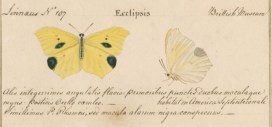
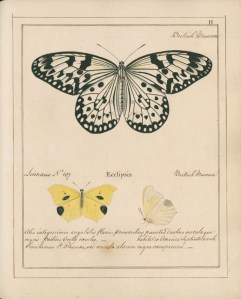
Volume 3, Plate II of Jones Icones – the two lower images are of Papilio ecclipsis

On plate 10 of his Gazophylacium naturae et artis — an illustrated catalogue of British insects (1702) he figured a unique butterfly that “exactly resembles our English Brimstone Butterfly were it not for those black Spots, and apparent blue Moons in the lower wings”. It was given to him by his late friend and butterfly collector William Charlton (1642-1702). This butterfly was later named Papilio ecclipsis by the father of taxonomy himself, Carl Linnaeus, in his 1763 work Centuria Insectorum Rariorum, and it became known as the Charlton Brimstone or the blue-eyed brimstone.

Petiver’s collection was purchased by Sir Hans Sloane (1660–1753), who later donated his entire ‘cabinet of curiosity’ to the nation, becoming the foundation for the Natural History Museum, London, originally part of the British Museum. It was here that wine merchant and naturalist William Jones (1745-1818) examined and later figured Petiver’s specimen in his Icones, an unpublished masterpiece of some 1,500 watercolour images of butterflies.

Jones’ Icones, held in the Museum’s archive, is the subject of numerous articles and is still examined by butterfly specialists the world over. Many of the specimens figured by Jones are no longer in existence, being ravished by pests or lost over time, so all that remains of these butterflies are the painted images within.

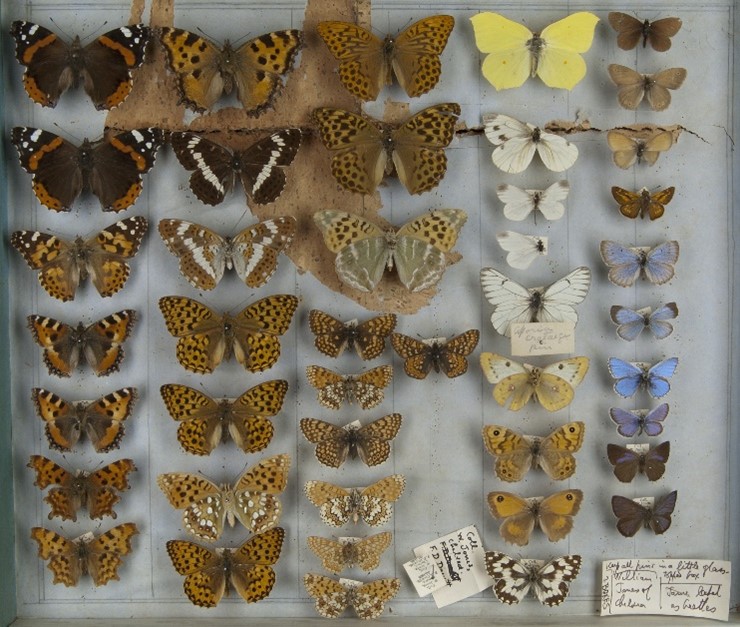
A drawer of British butterflies from the cabinet of William Jones. The Common Brimstone butterfly is the fourth from the right on the top row

When visiting London, Danish entomologist Johann Christian Fabricius (1745-1808) studied the paintings that Jones made and described over 200 species of butterfly new to science. Fabricius also visited the British Museum where he examined Petiver’s specimen of ecclipsis. In Entomologia systematica (1793) Fabricius revealed the enigmatic ecclipsis to be no more than a painted and “artificially spotted” specimen of the Common Brimstone (Gonepteryx rhamni). So, the dark spots and blue eyes were merely artistic licence, but whose?

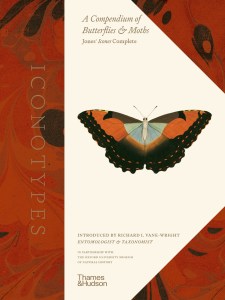
Iconotypes, published by Thames & Hudson, will be available from October 2021

Petiver’s specimen, seen by both Jones and Fabricus in the British Museum in the late 18th century, had mysteriously disappeared by the following century. It is said that when Dr. Gray (1748-1806), Keeper of National Curiosities at the Museum, heard of the deception he became so enraged that he “indignantly stamped the specimen to pieces.”

It is still unclear whether this was an example of scientific fraud by Charlton, or if it was intended as a practical joke that went awry.

There remain two specimens of ecclipsis in the collection of the Linnean Society. Although it is uncertain who created these, it is believed that these replicas were made by none other than our very own William Jones, as he was one of the few who had the artistic skills to undertake such work. The forthcoming publication of Iconotypes, showing Jones’ Icones in all its splendour, will hopefully demonstrate how he had both the knowledge and the skill to recreate these fascinating fakes.

Links and References
Salmon, M., Marren, P., Harley, B. (2001) The Aurelian legacy: British butterflies and their collectors. University of California Press.
The Linnean Society https://www.linnean.org/
Vane-Wright, R. I. (2010) William Jones of Chelsea (1745–1818), and the need for a digital online ‘Icones’. Antenna. 34(1), 16–21
Artwork by @CatherineRRye

Drawn to Nature

By Chris Jarvis, Education Officer

With lockdown and the long winter nights shuffling the nation’s emotions like a ham-fisted magician with a damp deck of cards, we have no doubt all suffered from a case of the winter blues at some point recently. While the Museum and its inspiring specimens have been closed to visitors we have tried out some new approaches to bring you the solace and creative inspiration that nature can provide.

events manager Laura is seen leaning over a lighting set-up that is shedding light on a table with specimens.
Events manager Laura hard at work on a lighting set-up for a Drawn to Nature live stream.

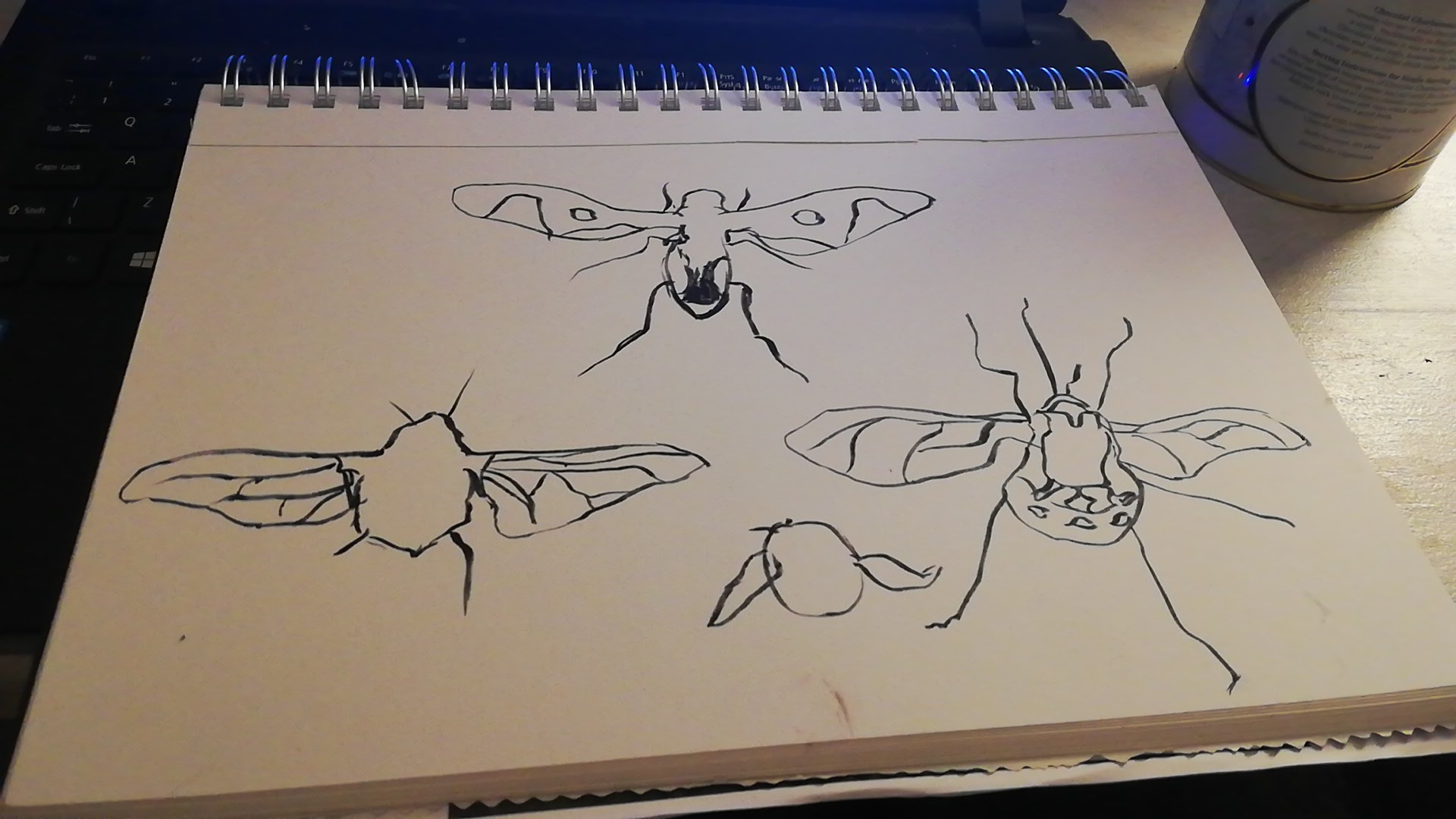
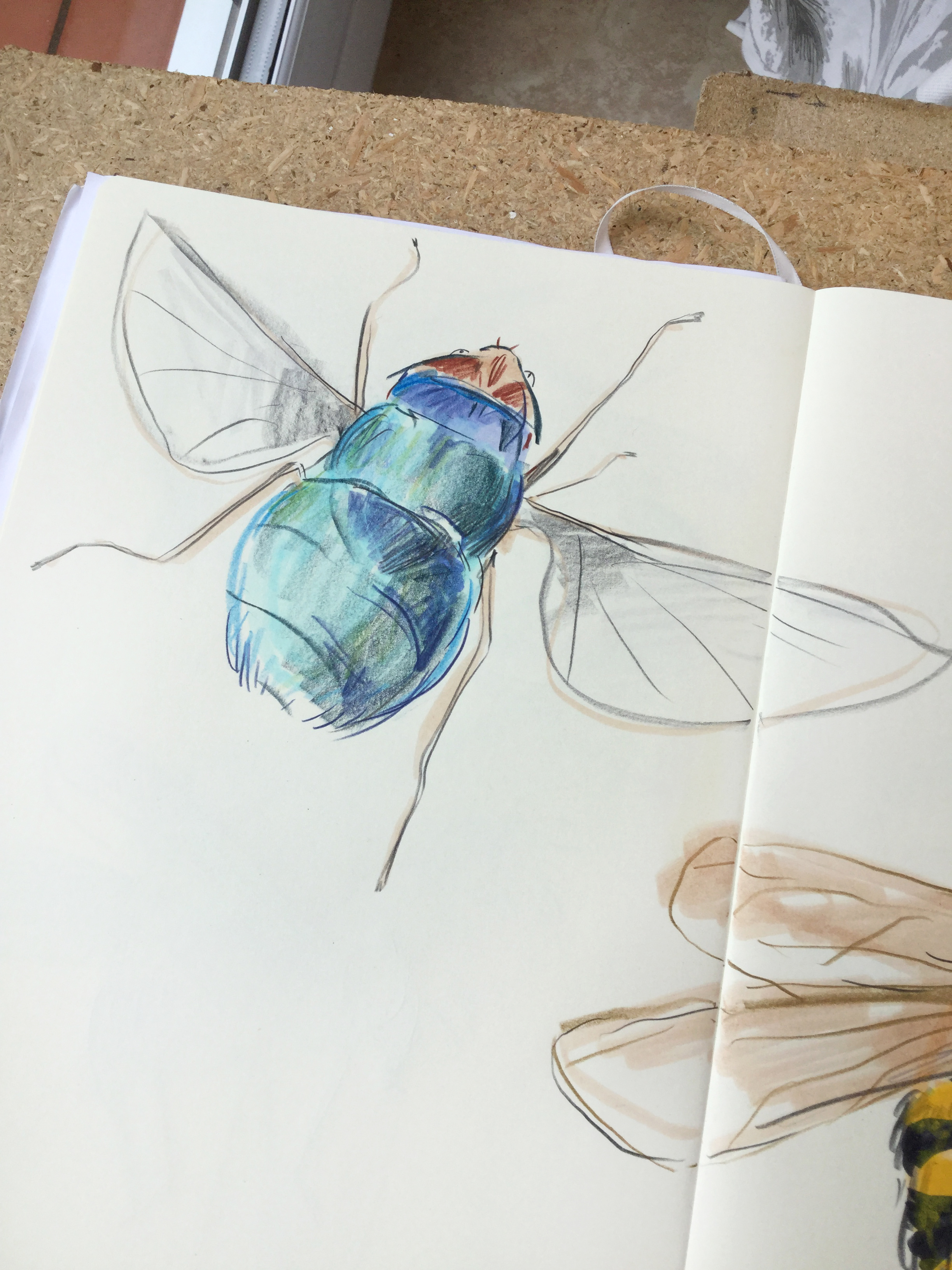
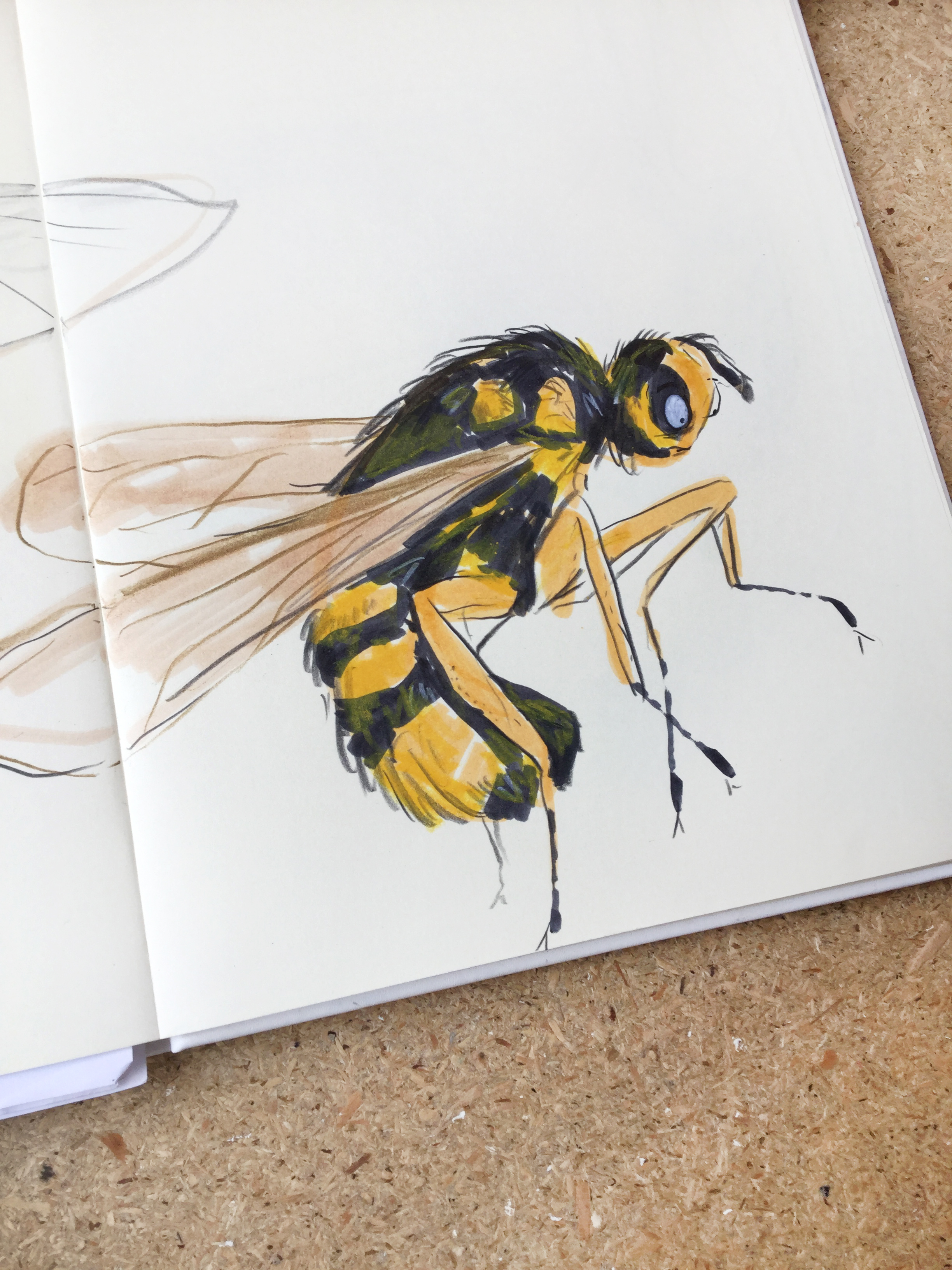
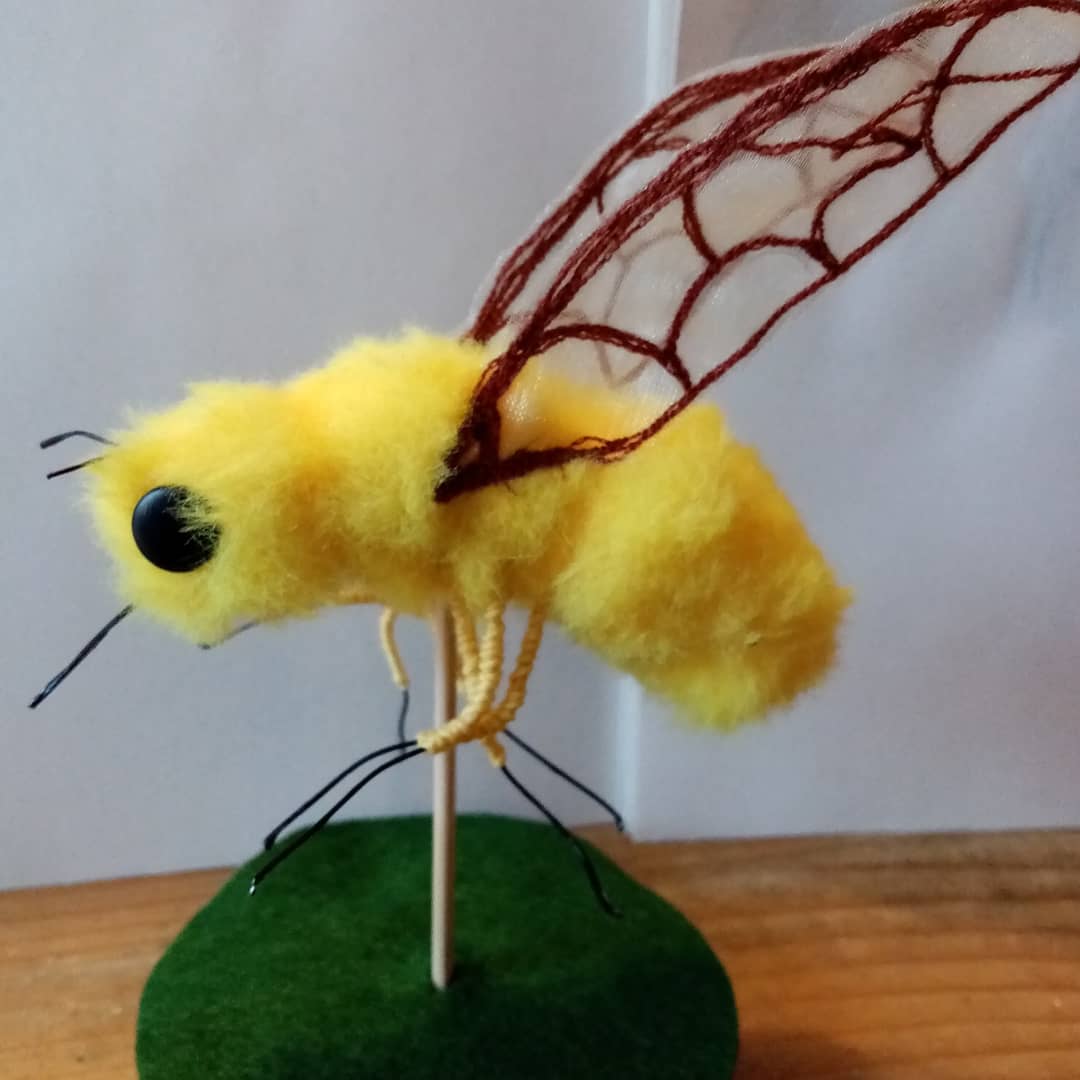
Drawn to Nature is a new series of online events designed to lift people’s spirits with a combined art and science activity. Originally planned as a wellbeing event to take place in the Museum, the online version was created in response to the last lockdown. We start each session with a short talk by a member of the Museum’s collections or research team, who share their passion for a selection of favourite specimens. The talk is followed by a chance for viewers to explore their creative sides by drawing the specimens, while learning more by about them through some Q&A.

It’s not an art lesson as such, but more a chance for people to find inspiration from some of the jewels of the natural world held in our collections. We hope it helps people to relax, find inspiration, immerse themselves in a creative activity, and learn a little natural history at the same time.

Click the gallery images to zoom and see credit information.

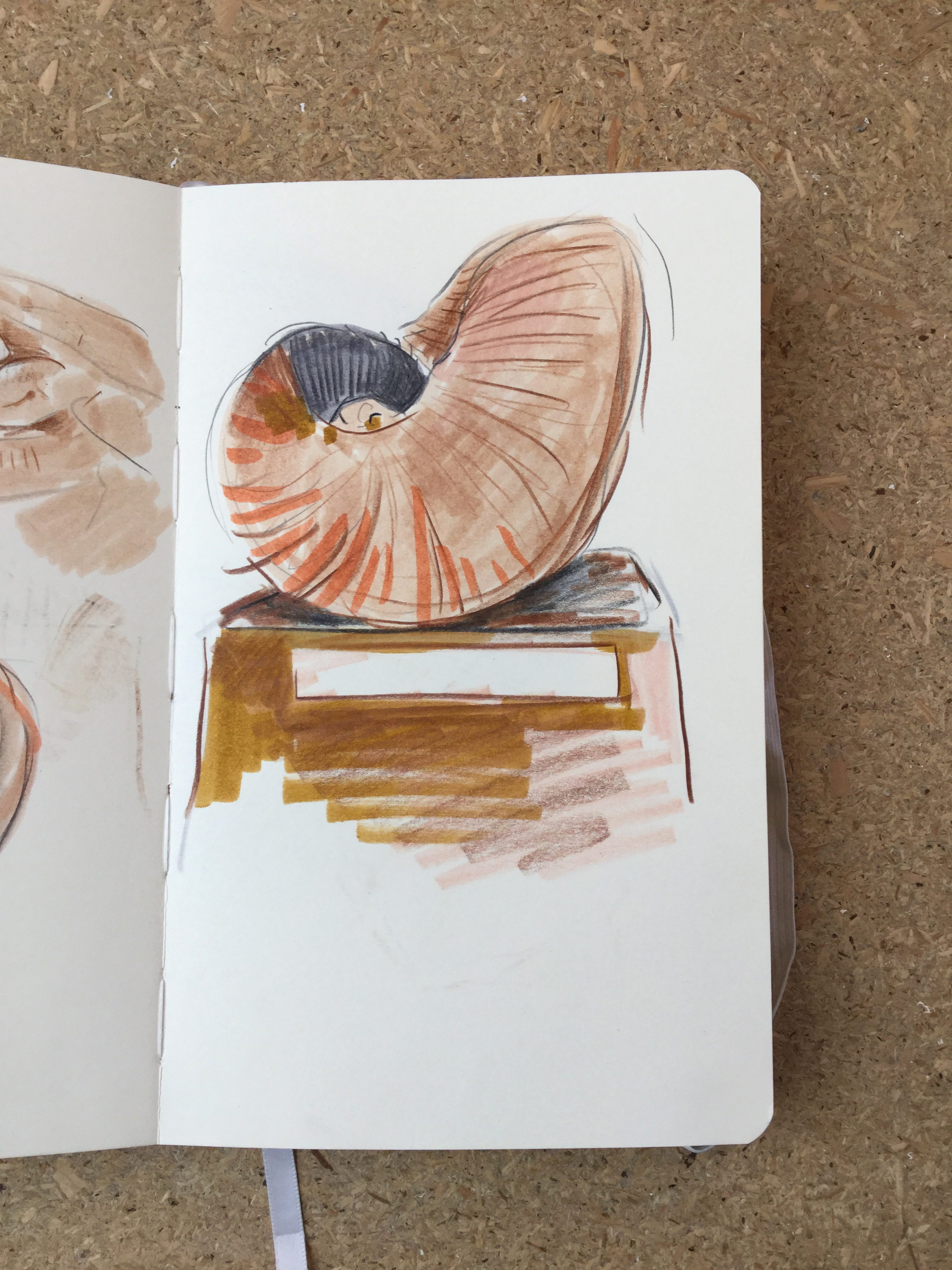
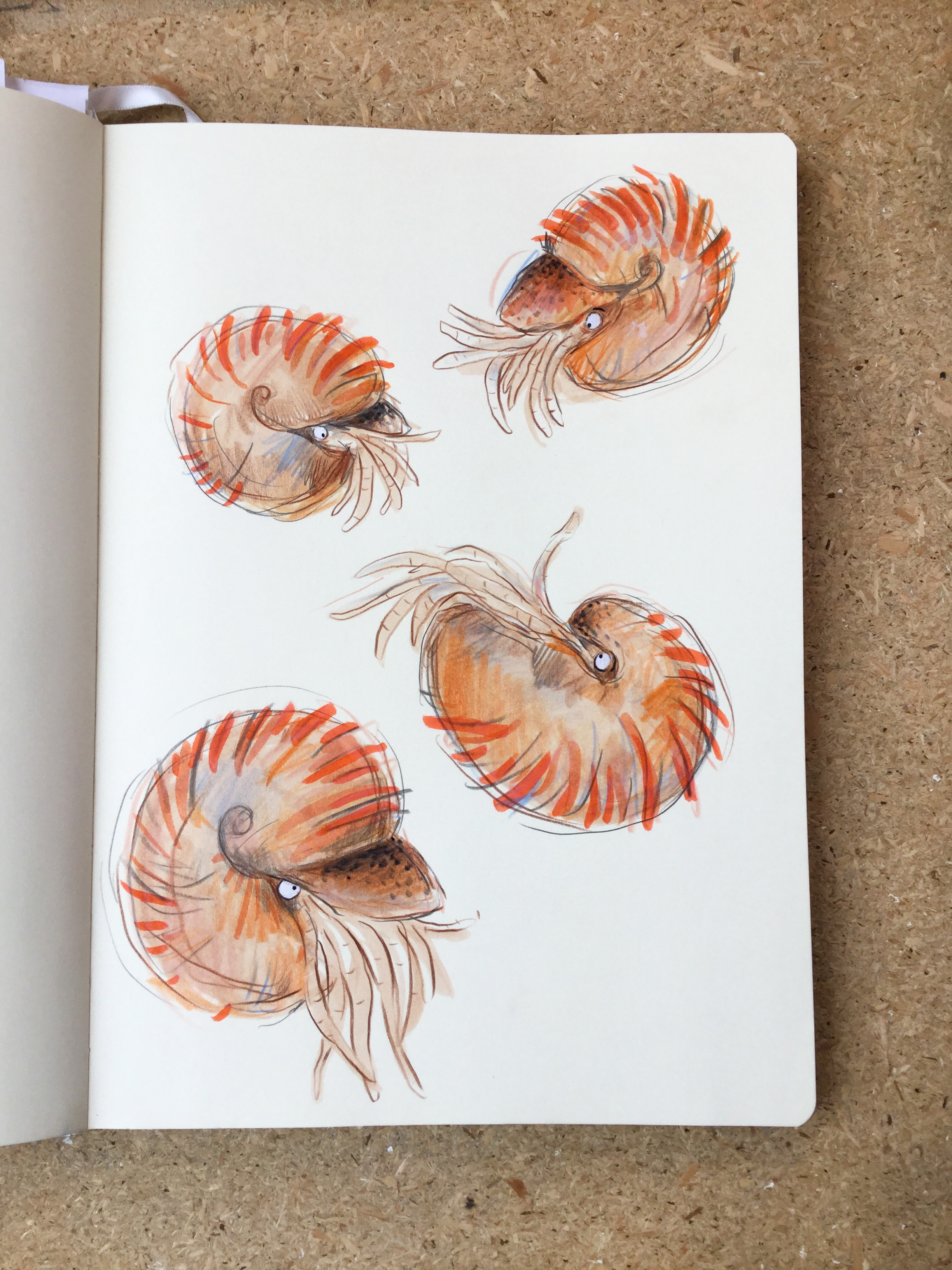
Our first session came from Life Collections manager Mark Carnall, who talked us through the natural history of Nautiloids, the fascinating shelled molluscs that are related to other cephalopods such as squid and octopus. Lit and arranged beautifully by our Events Manager Laura Ashby, their intricate chambered shells and 100 tentacles proved a challenging subject, but one that resulted in an array of wonderful artworks in a variety of styles and media shared on social media.

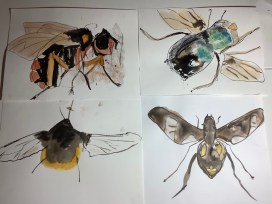
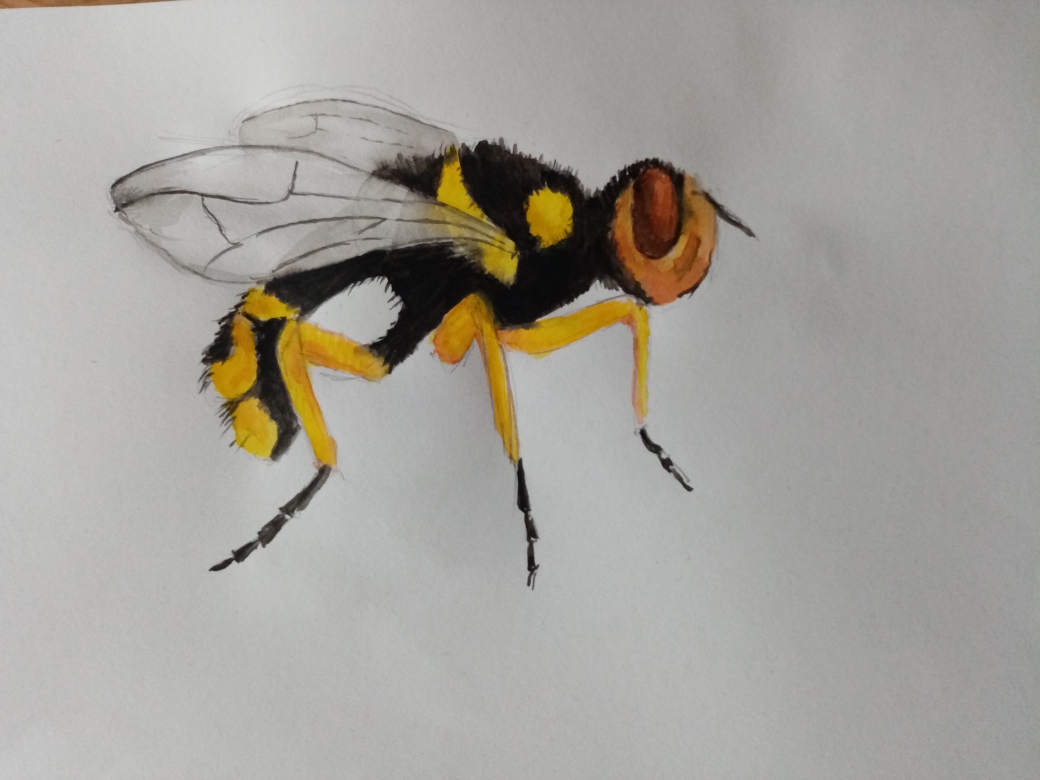
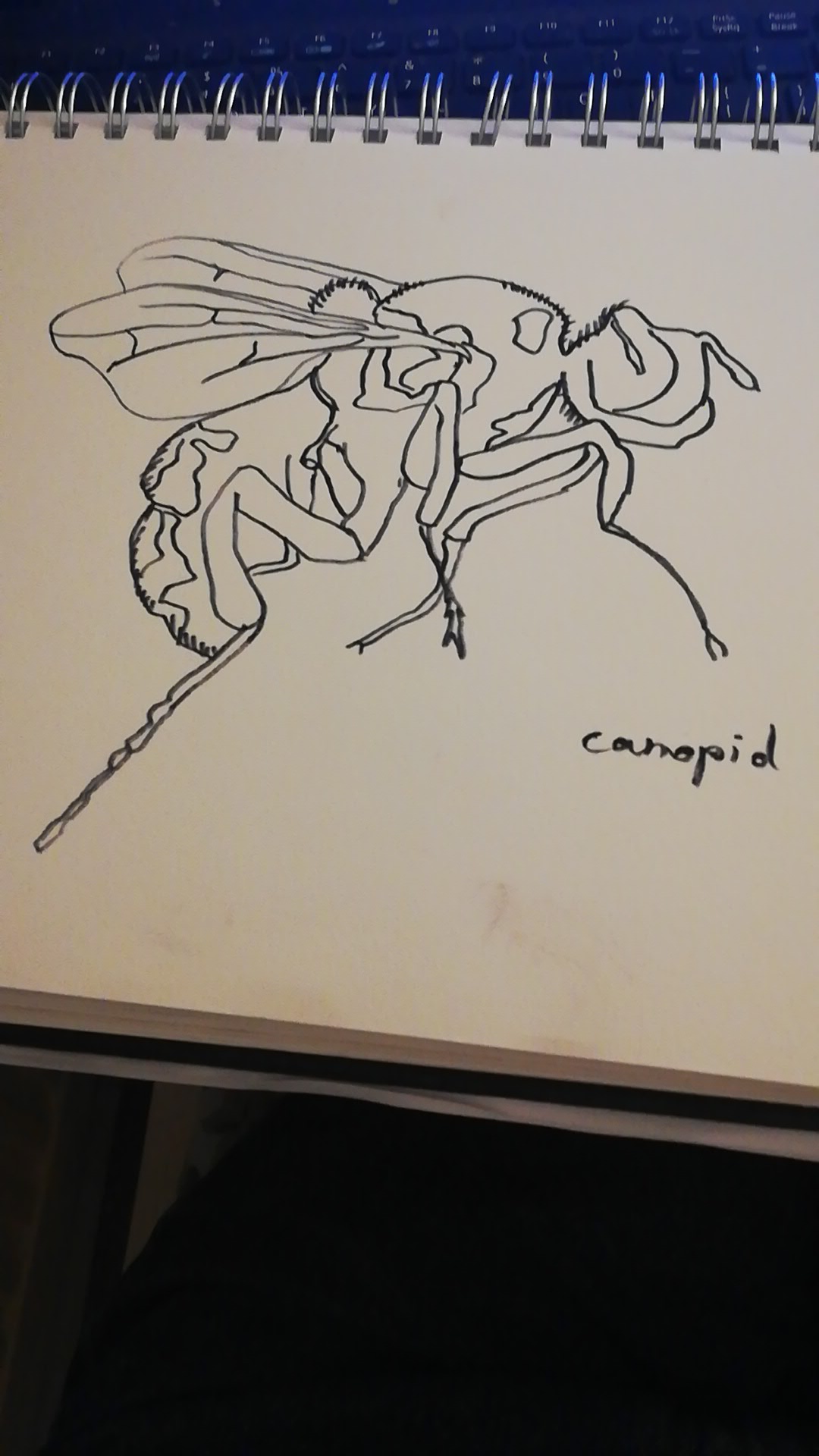
Following Mark’s talk, we explored some of the wonderful specimens from our entomology collections with our expert speaker Zoe Simmons, Head of Life Collections. Zoe picked out some of the most beautiful flies from our five million-plus insects. Using microscopes, specialist lighting, and careful placement, the specimens were a real hit and again followed by some inspired artworks posted online by attendees from across the world (‘best night of lockdown yet!’ enthused one attendee).

Click the gallery images to zoom and see credit information.

And there’s more to come. Tomorrow evening (Wednesday 10 March), Earth Collections Manager Dr Hilary Ketchum introduces the strange-looking carnivorous marine reptiles of the Jurassic – the plesiosaurs. We hope to bring you yet more of the inspirational well-being the natural world has to offer.

You can watch the Drawn to Nature streams online in the playlist on our YouTube channel:

To sign up for our next event, visit www.oumnh.ox.ac.uk/events

Top image: Artwork by @CatherineRRye

Image of the HMS Beagle

Darwin’s dockdown reading list

By Danielle Czerkaszyn, Senior Archives and Library Assistant 

Yes, lockdown 3 is long but imagine being stuck on a boat for years on end with no TV, no internet and definitely no Netflix. Luckily, when Charles Darwin set sail on the HMS Beagle in 1831 he had access to a library of over 400 books on the ship. For Darwin Day, 12th February, we explored some of what Darwin read to help him pass the time…

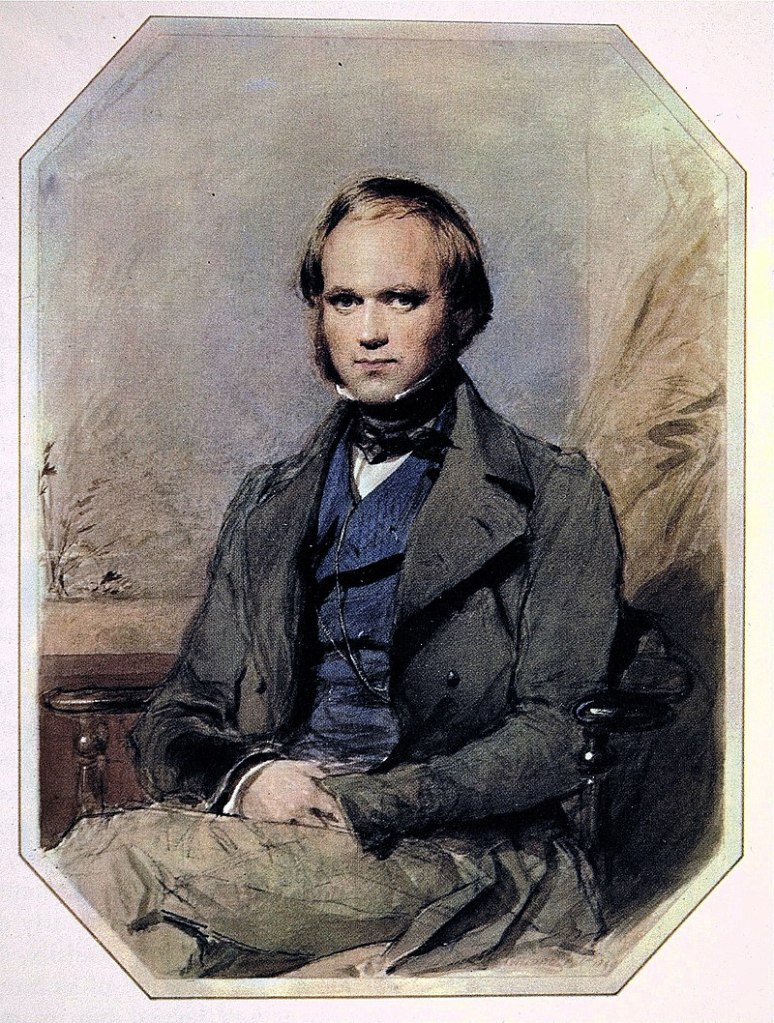
Image of Young Darwin
Young Darwin by George Richmond, Public domain, via Wikimedia Commons

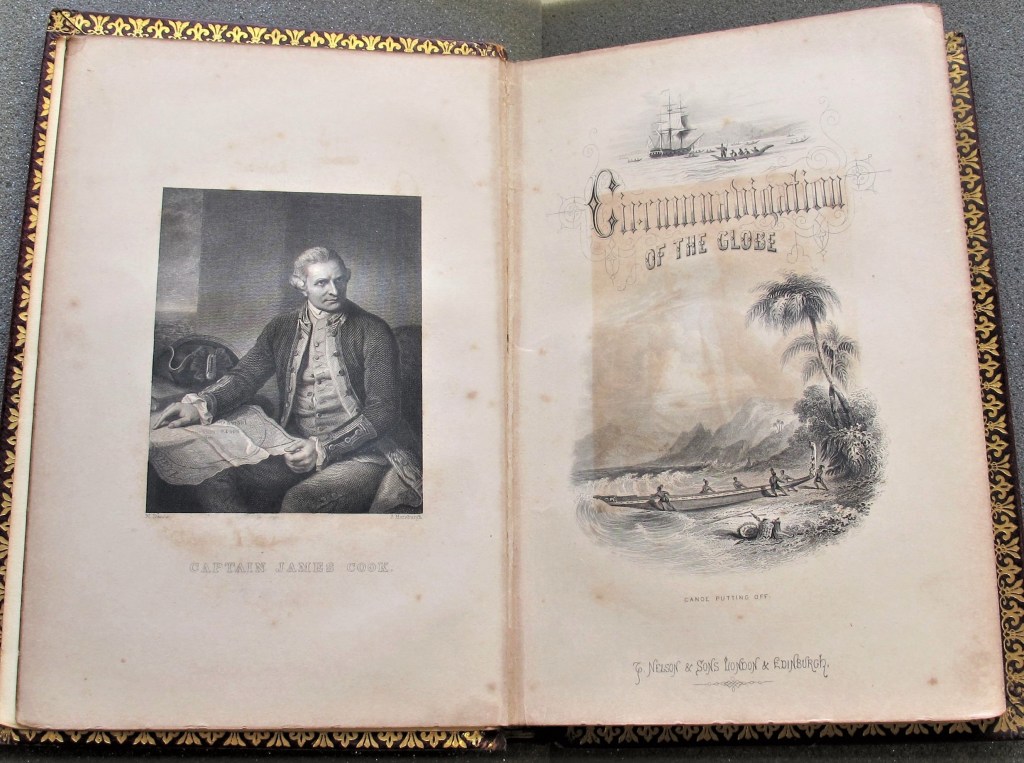
As Darwin was following in the footsteps of earlier voyage naturalists, the Beagle library was well stocked with an excellent collection of books chronicling classic expeditions, such as James Cook’s three voyages to the Pacific Ocean (although this book is a later account of Cook’s voyages). Not only did reading about these earlier voyages inspire Darwin to undertake his own, but these accounts gave him insight into life at sea as well as fascinating details of some of the faraway places he was expecting to visit.

James Cook’s voyages

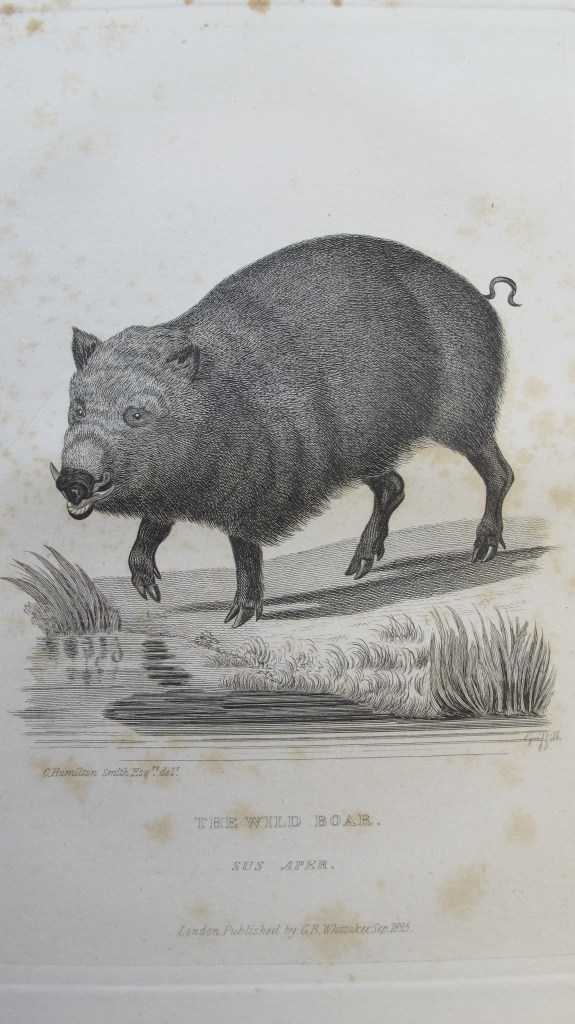
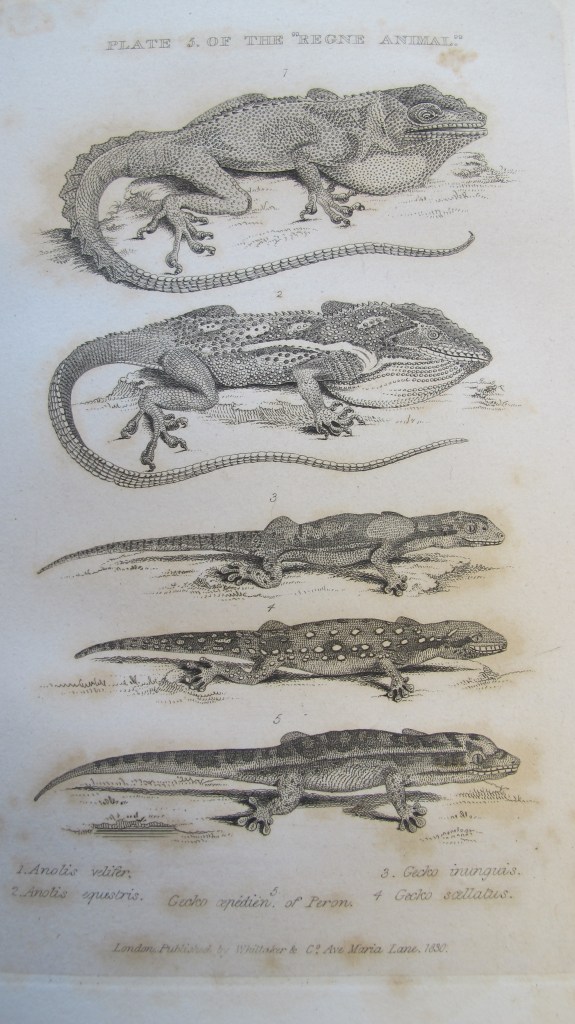
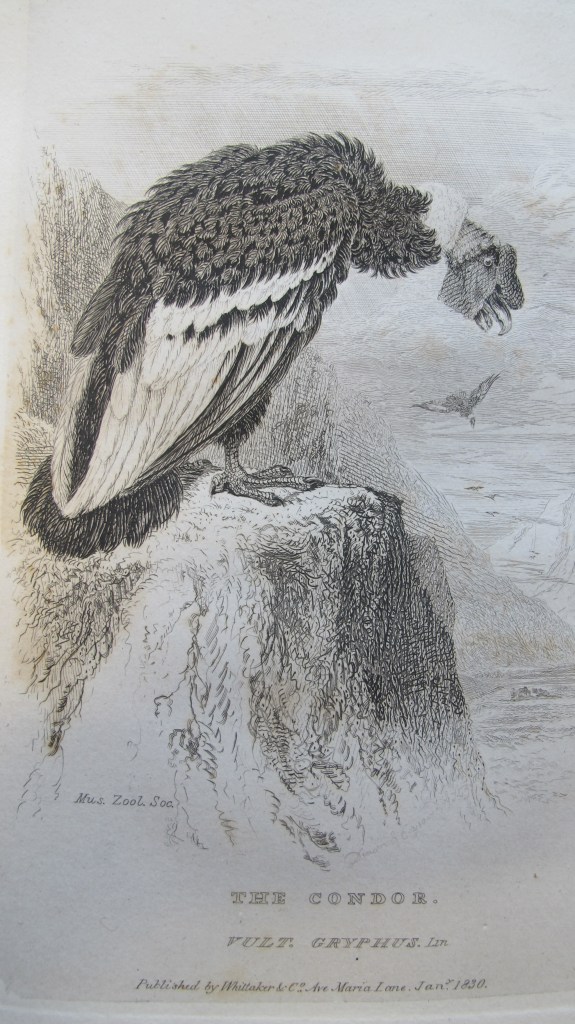
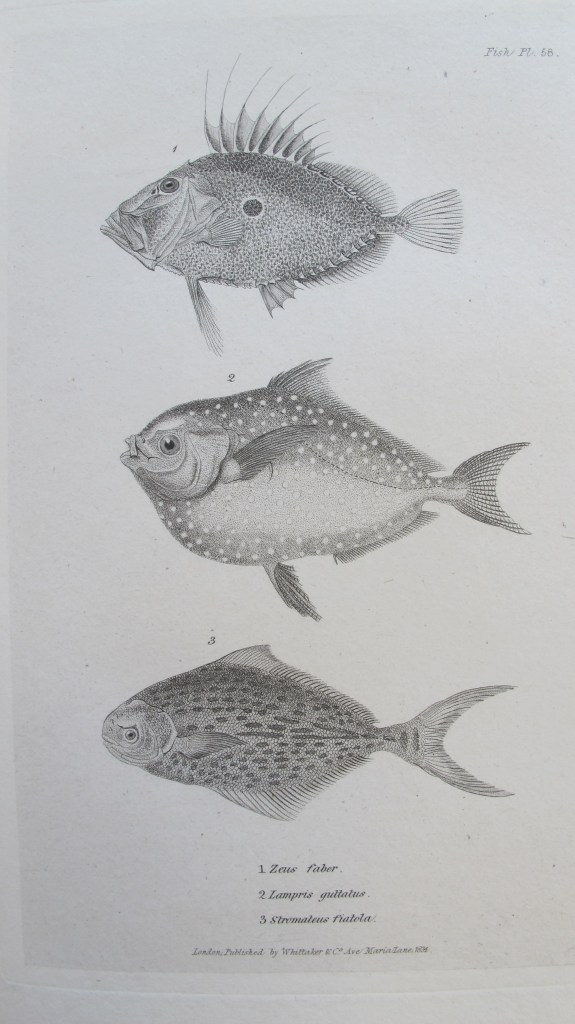
Many of the Beagle library books were beautifully illustrated with woodcuts or engravings of animals. Georges Cuvier’s, The animal kingdom arranged in conformity with its organization… (1827-35) had several volumes full of spectacular images covering mammals, birds, fish, reptiles, fossils, molluscs, crustaceans, arachnids and insects. While Darwin may not have had all 16 volumes with him on the Beagle, as some were published while his voyage was in progress, the numerous volumes Darwin did have access to would have provided a wealth of information and detailed illustrations to aid in species identification.

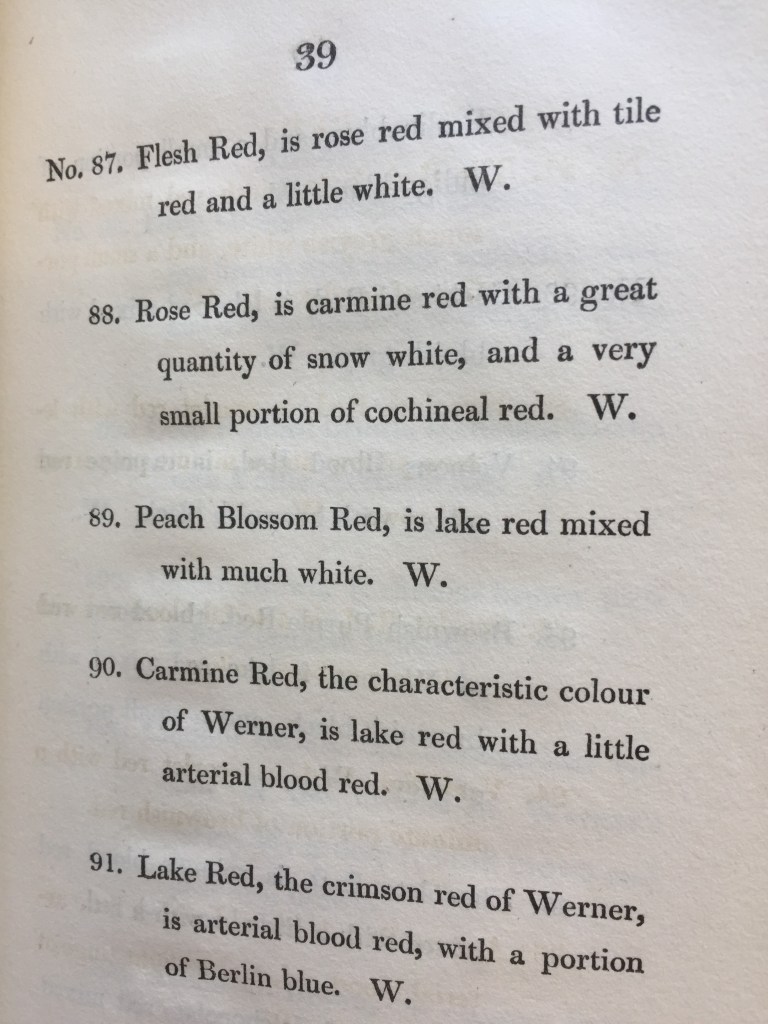
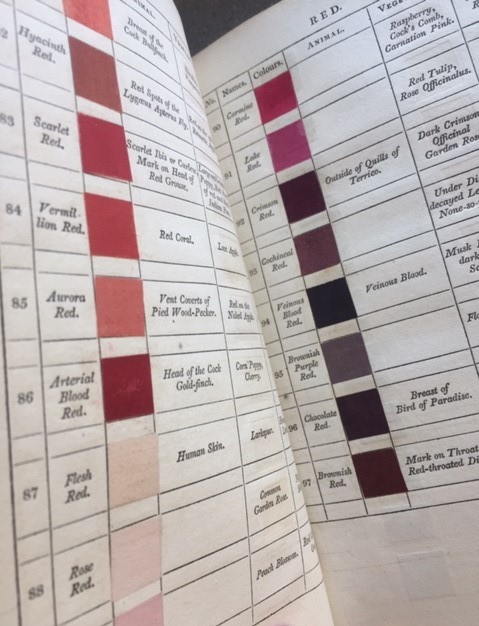
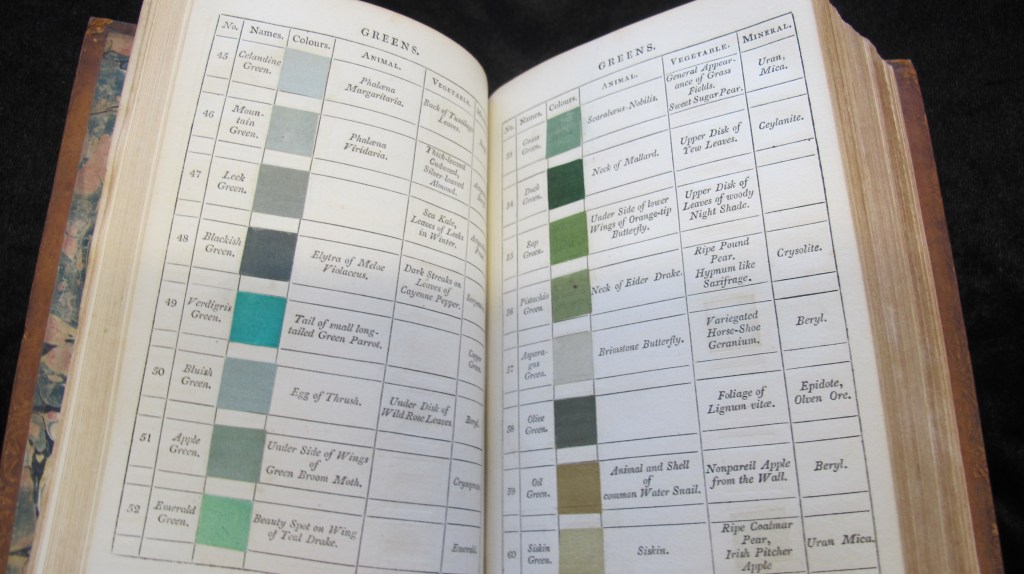
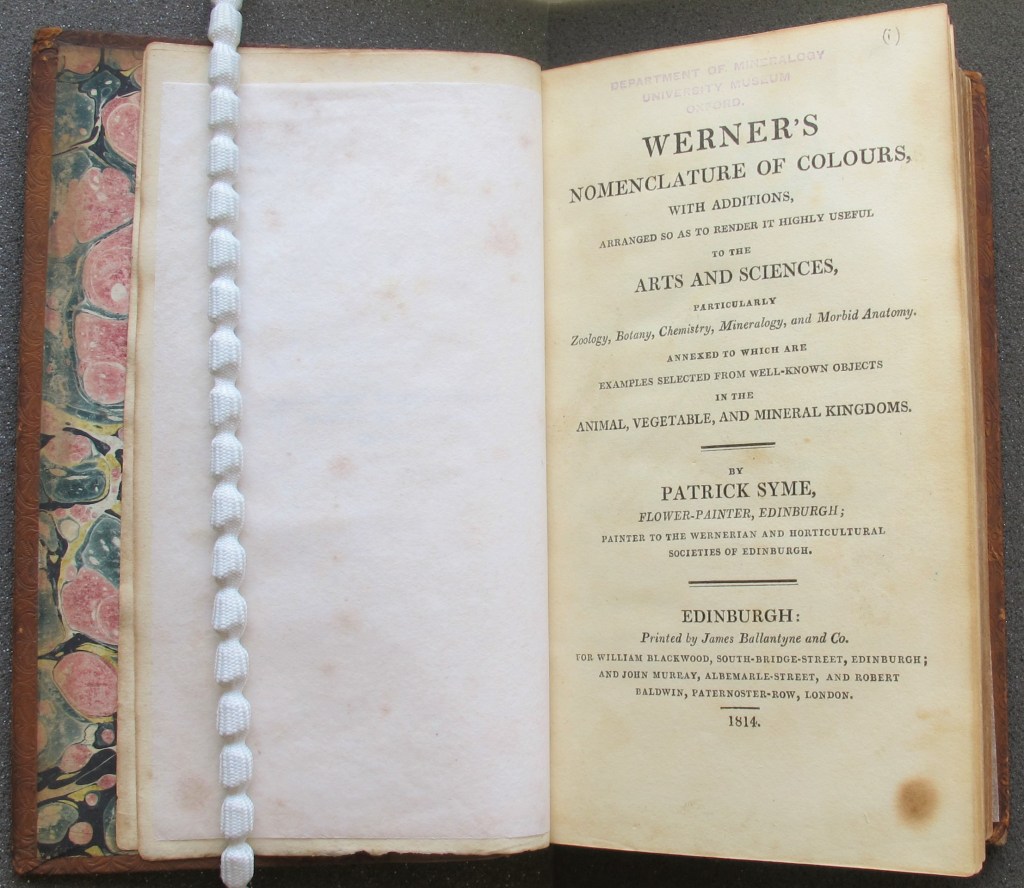
Using the vivid descriptions and chart in Patrick Syme’s Werner’s Nomenclature of Colours (1814) Darwin was able to identify the colours of the natural world and accurately record the colours of the plants and animals he encountered on his voyage. This beautiful pocket-sized taxonomic guide provided a uniform standard for colours that other naturalists would have understood and was an indispensable tool for Darwin in his scientific observations.

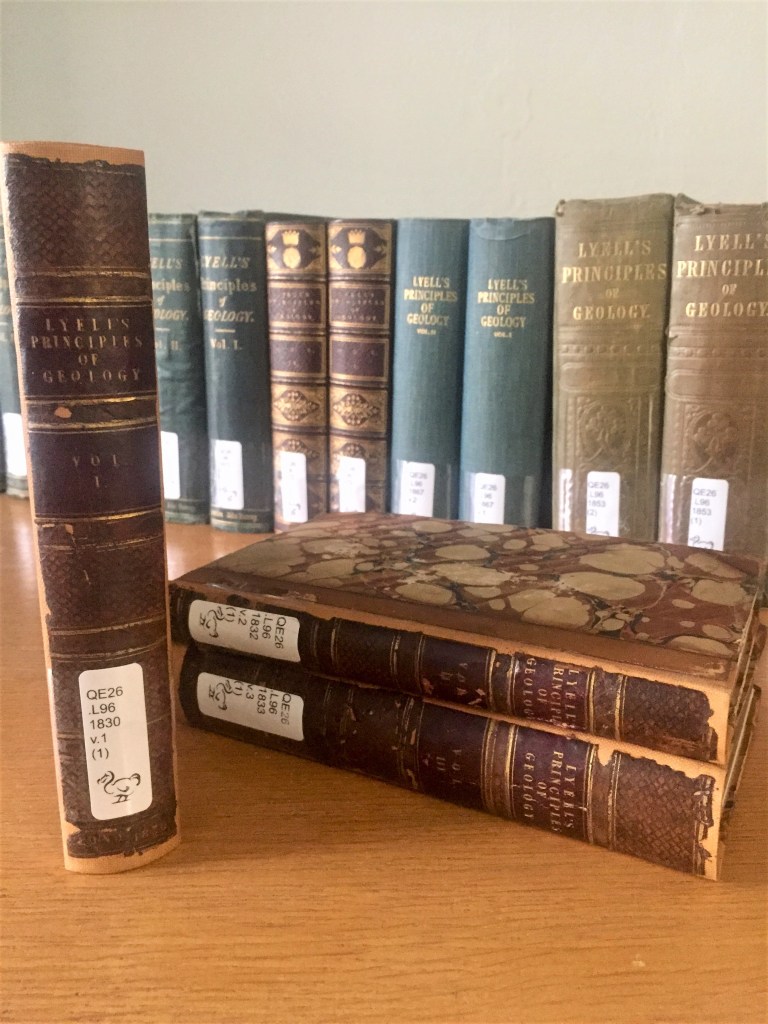
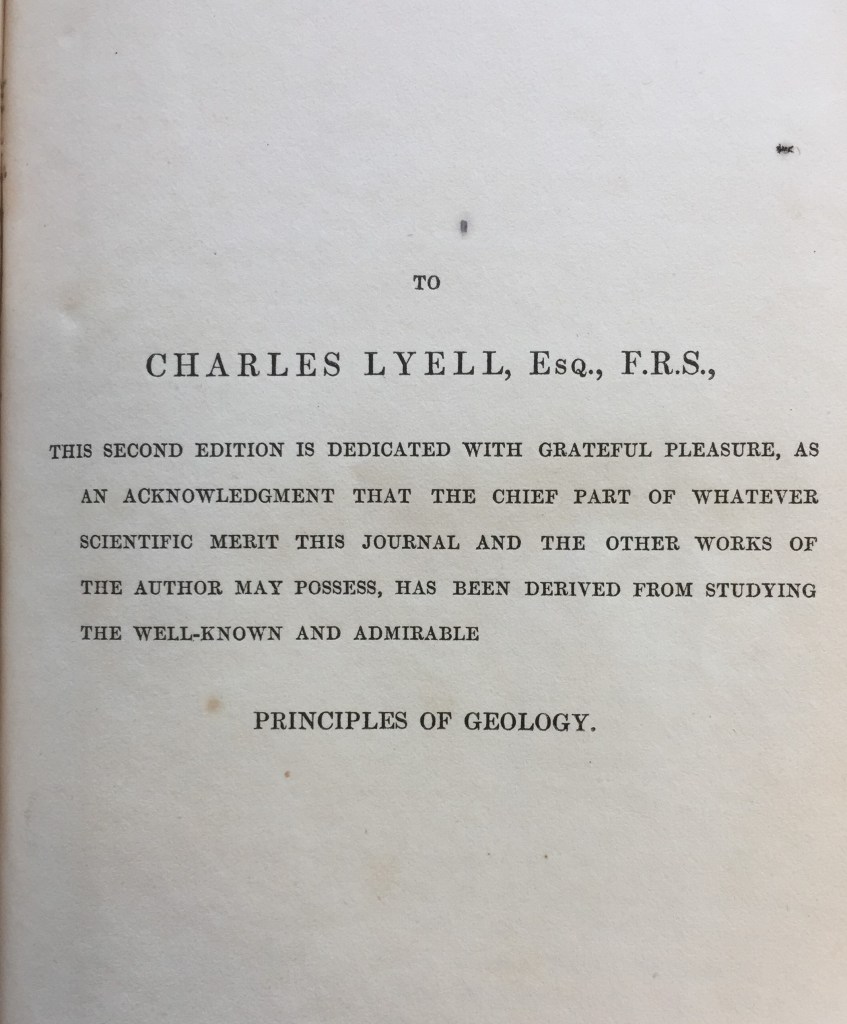
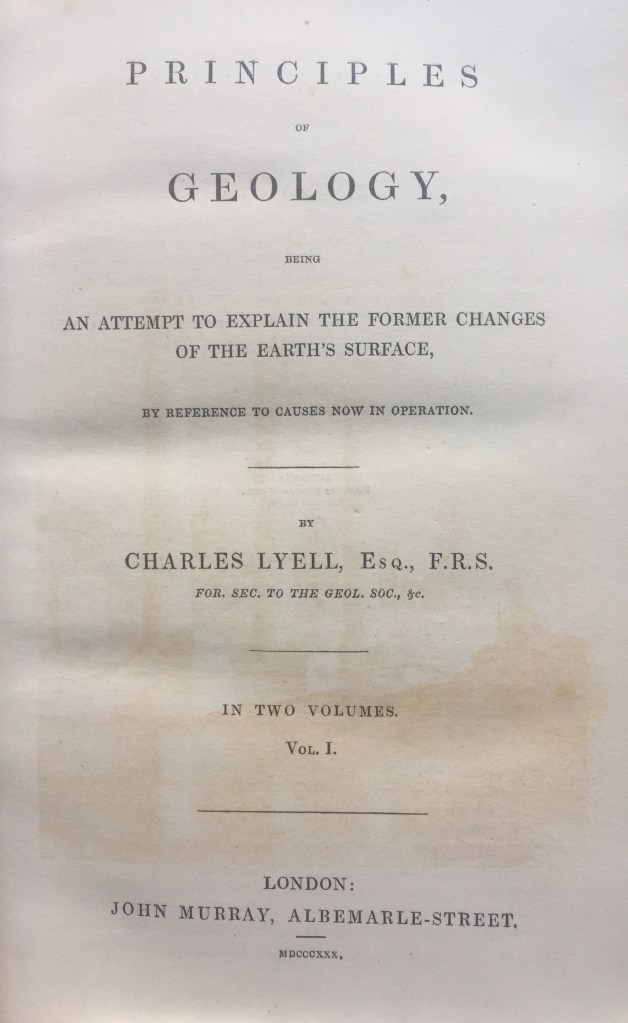
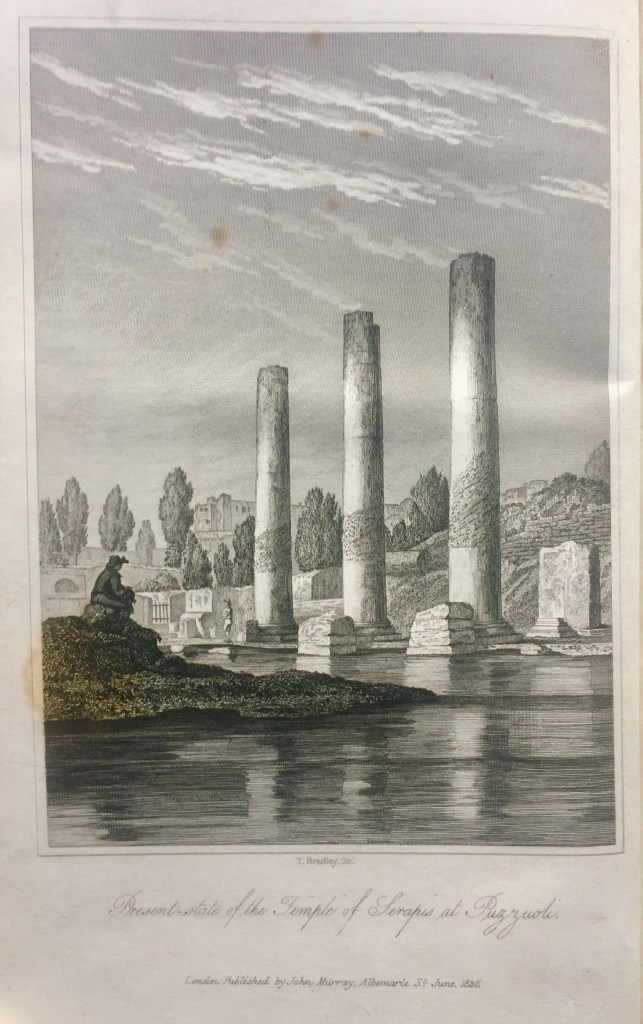
The most important book for Darwin was Charles Lyell’s Principles of Geology (1830-33). Darwin was gifted the first volume of the first edition by the Captain of the Beagle, Robert Fitzroy, as a welcoming present for joining the voyage. Darwin received the second and third volumes while in South America. In Principles, Lyell argued the earth is extremely old and the processes that changed the earth in the past are still at work today. Inspired by Lyell’s ‘uniformitarian’ proposal, this theory allowed for the longer time span Darwin believed necessary for evolution to occur.

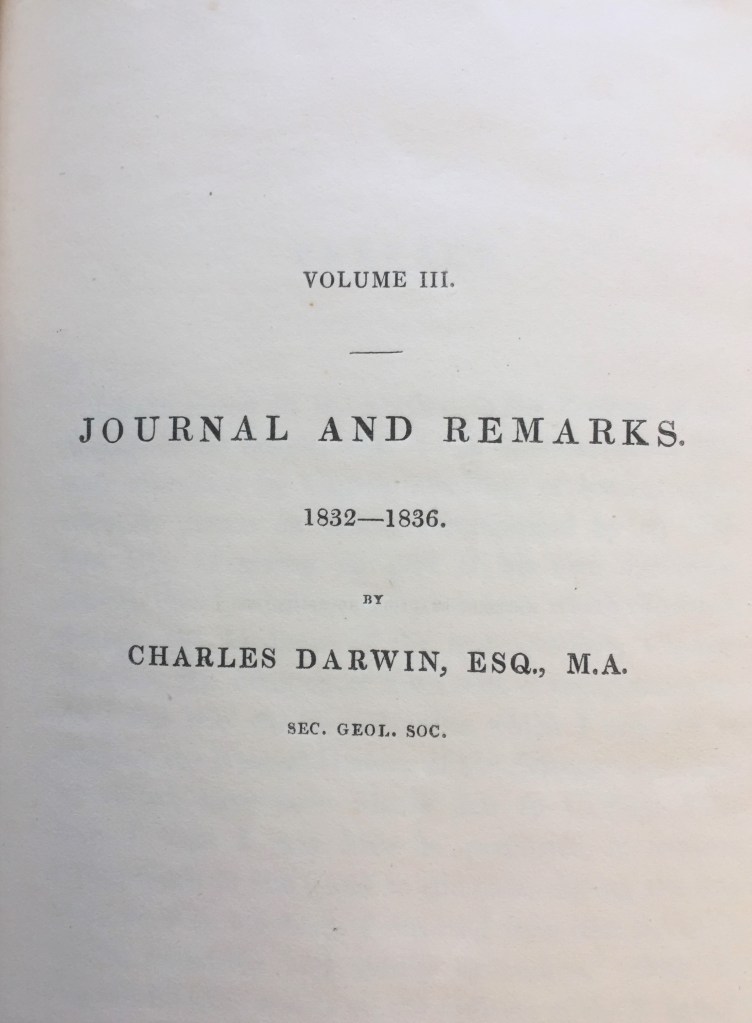
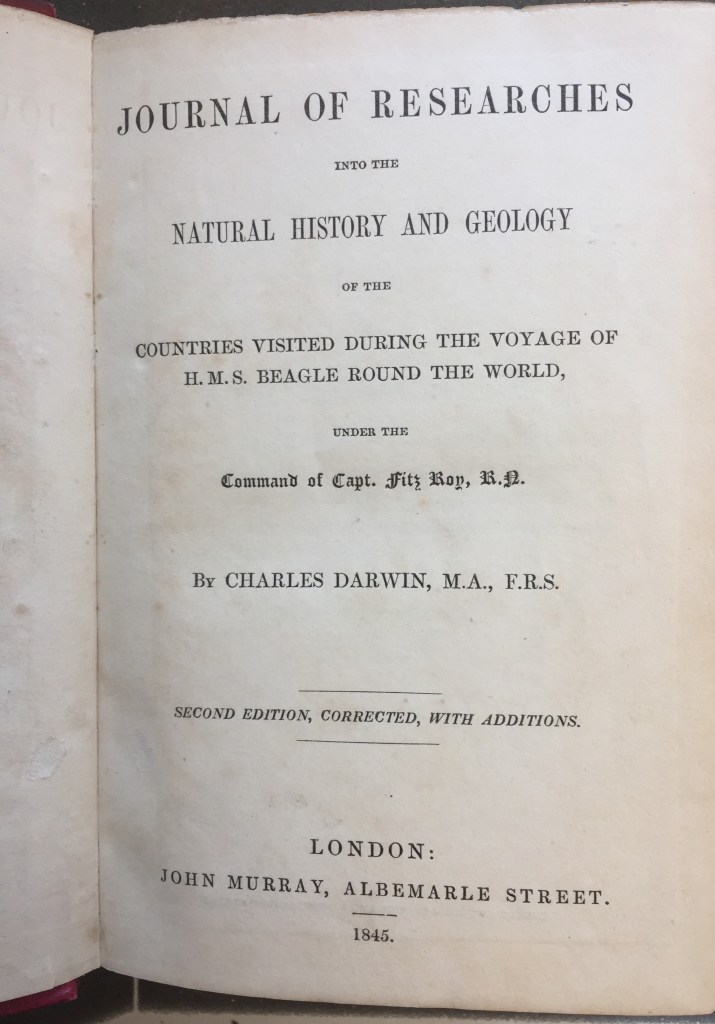
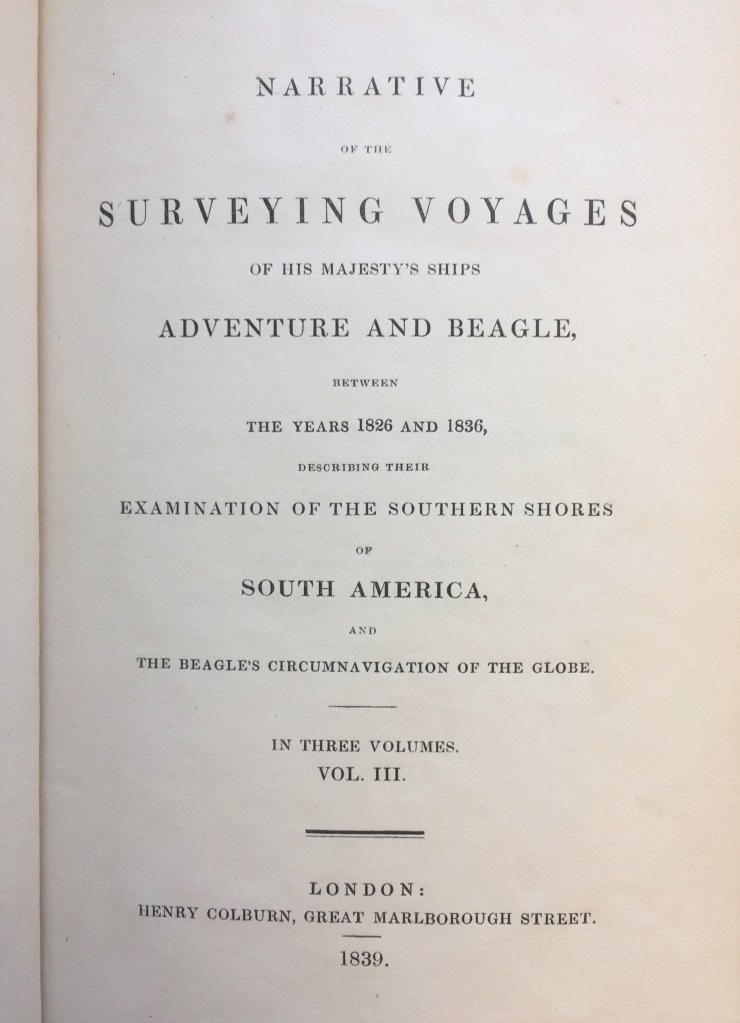
Reading other books of exploration encouraged Darwin to chronicle his own voyage. His bestseller was published in 1839 as Darwin’s Journal of Researches. A revised 2nd edition was published in 1845 with a dedication to Charles Lyell and his “admirable Principles of Geology.”

To learn more about what Charles Darwin read on board the Beagle: http://darwin-online.org.uk/BeagleLibrary/Beagle_Library_Introduction.htm.