Conservation in the Genomic Era

HAVE DNA TECHNOLOGIES REPLACED THE NEED FOR MUSEUMS?


By Sotiria Boutsi, Intern

I am PhD student at Harper Adams University with MSc in Conservation Biology, currently doing a professional internship at the Museum of Natural History in the Public Engagement office. My PhD uses genomic data to study speciation in figs and fig wasps.


The year 1995 marked the first whole-genome sequencing for a free-living organism, the infectious bacterium Haemophilus influenza. Almost three decades later, biotechnological advances have made whole-genome sequencing possible for thousands of species across the tree of life, from ferns and roses, to insects, and – of course – humans. Ambitious projects, like the Earth BioGenome Project, aim to sequence the genomes of even more species, eventually building the complete genomic library of life. But do these advancements help us with conservation efforts? Or are the benefits of biotechnology limited to industrial and biomedical settings?

The value of genetic information is becoming increasingly apparent: from paternity tests and DNA traces in forensic investigations, to the characterization of genes related to common diseases, like cancer, we are becoming familiar with the idea that DNA can reveal more than meets the eye. This is especially the case for environmental DNA, or eDNA — DNA molecules found outside living organisms. Such DNA is often left behind in organic traces like tissue fragments and secretions. Practically, this means that water or air can host DNA from organisms that might be really hard to observe in nature for a variety of reasons — like being too small, too rare, or just too shy.

So, how do we determine which species left behind a sample of eDNA? The method of identifying a species based on its genomic sequence is called barcoding. A barcode is a short genomic sequence unique to a species of organism. Therefore, every time we encounter a barcode sequence, whether it is taken from a living animal or eDNA, we can associate it to the species which it belongs to.

When we have a mix of different species to identify, things become a bit more complicated. Sometimes we will pick up samples which represent an entire ecological community, and must sort through these using a process called meta-barcoding.

How does meta-barcoding work? Well, we want to be able to identify species based on the shortest possible species-specific sequence. Traditional laboratory methods for DNA amplification (PCR) are combined with DNA sequencing to read the DNA sequences found in any given water or air sample. Then, having a database of reference genomes for different species can serve as the identification key to link the sample sequences to the species they originated from.
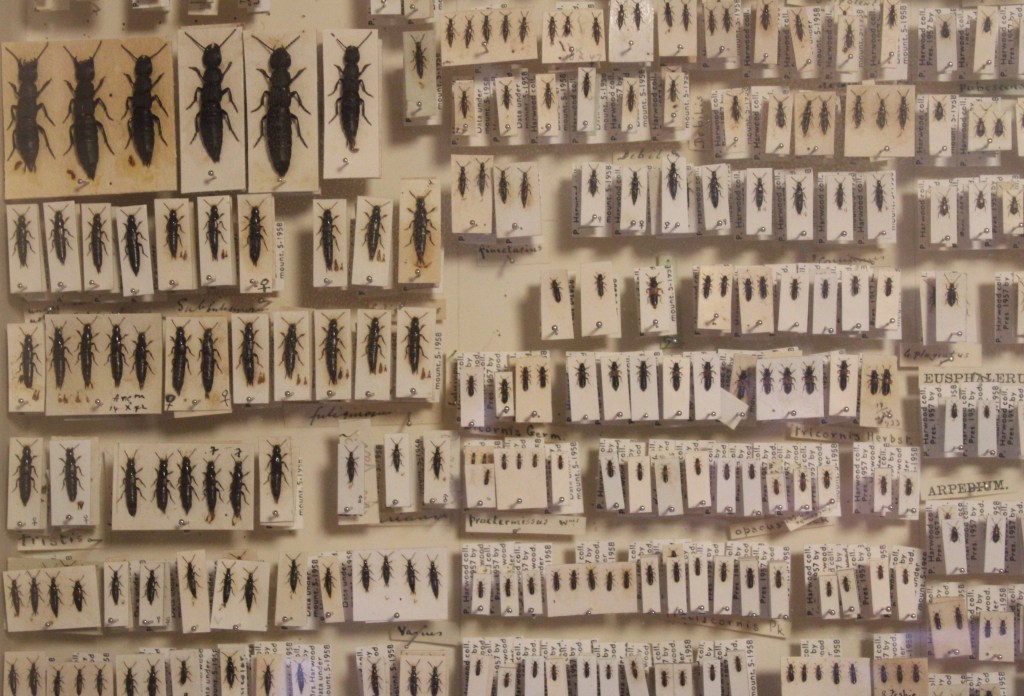
Pinned insects can be found in the Upper Gallery of the Museum. There are currently 5 million insect specimens at the Museum, serving as a record of biodiversity at the time and space of collection. Museum collections are invaluable ways of monitoring biodiversity but rely on capturing live animals.

So, what does this mean for the future of ecology and conservation? Traditional monitoring of biodiversity can involve capturing and killing live animals. This is the case with insect specimens found in museums across the world. Although museum collections are irreplaceable as a record of the history of wild populations, regular monitoring of endangered species should rely on non-invasive methods, such as meta-barcoding of eDNA. Indeed, eDNA has been used to monitor biodiversity in aquatic systems for almost a decade. Monitoring terrestrial ecosystems through air samples is now also becoming possible, opening new possibilities for the future of conservation.

During March, the Museum delivered practical molecular workshops in our laboratory, reaching more than 200 Key Stage 5 students. Students have had the opportunity to learn about the use of eDNA in ecology, as well as get some hands-on experience in other molecular techniques. These include DNA extraction, PCR, the use of restriction enzymes, and gel electrophoresis.  The workshops were delivered by early-career researchers with practical experience in working in the laboratory, as well as Museum staff with a lot of experience in delivering teaching. Through the Museum’s workshops, which run regularly, the next generation of scientists is introduced not only to both human genetics, but also molecular tools used in ecological research, which without a doubt will become increasingly relevant for future conservationists.

Since 2009, the Museum runs practical workshops for Key Stage 5 students in the molecular laboratory at the Museum’s main facilities. Workshops started again this March, after the mandatory 2-year covid-19 break. Students can learn about and discuss the use of molecular techniques in biology by extracting their own DNA.  

We cannot conserve what we do not know. Monitoring biodiversity is the cornerstone of any conservation practice. Doing it efficiently, by making use of both traditional as well as molecular tools, can allow more accurate predictions for the future of biodiversity under the lens of anthropogenic change.


More Information:


British Insect Collections: HOPE for the Future is an ambitious project to protect and share the Museum of Natural History’s unique and irreplaceable British insect collection. Containing over one million specimens – including dozens of iconic species now considered extinct in the UK – it offers us an extraordinary window into the natural world and the ways it has changed over the last 200 years. The HOPE for the Future project is funded by the National Lottery Heritage Fund, thanks to National Lottery players.
Sisters of Science

THE PIONEERING LEGACIES OF KATHLEEN LONSDALE AND DOROTHY CROWFOOT HODGKIN


By Leonie Biggenden, Volunteer


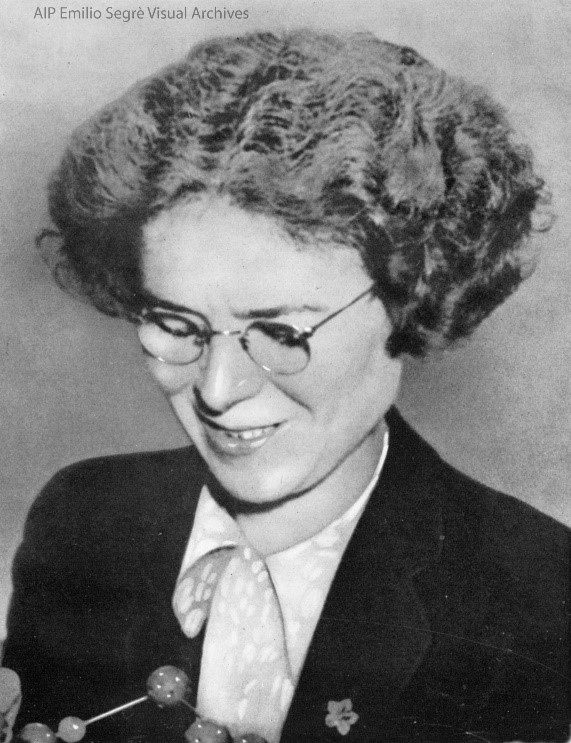
As Women’s History Month comes to a close, this blog post looks at two ‘sisters of science’, friends and contemporaries Dorothy Crowfoot Hodgkin (1910 – 1994) and Kathleen Lonsdale (1903-1971), and considers some links between these remarkable women.

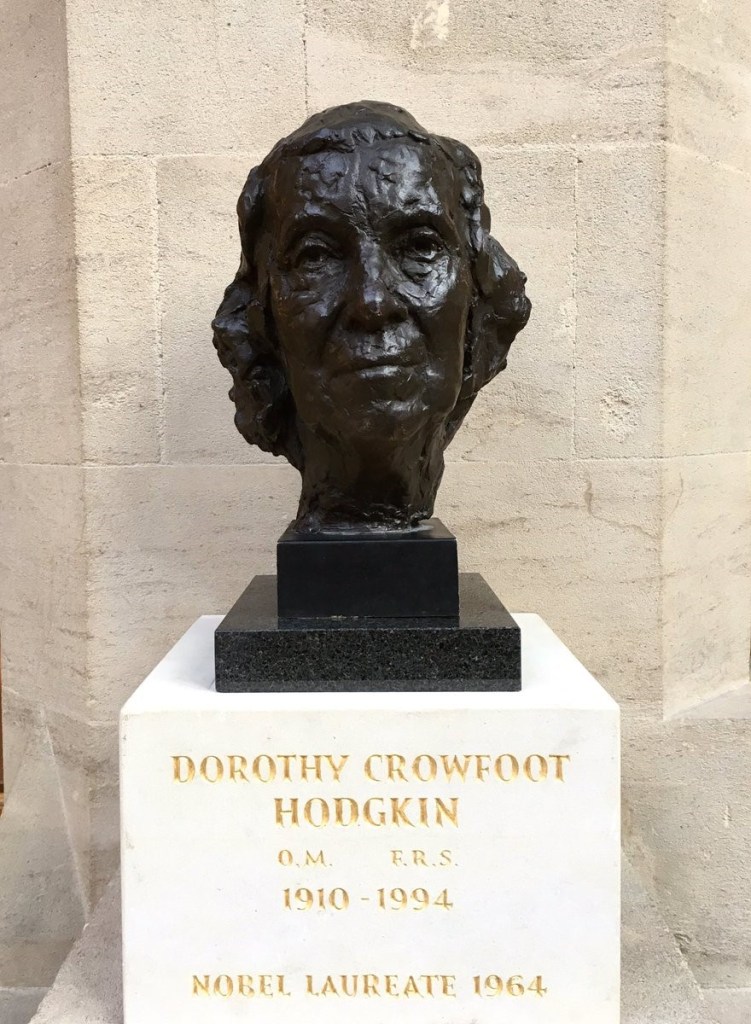
Dorothy Crowfoot Hodgkin is the only female bust in the Oxford Museum of Natural History and is the only British woman to have been awarded the Nobel Prize for science.  When she was awarded the Prize in 1964 – for her ground-breaking discovery of the structures of vitamin B12 and penicillin – there was much scepticism about whether women belonged in the field of science. One newspaper commemorated her achievement with the headline “Nobel prize for a wife from Oxford”.

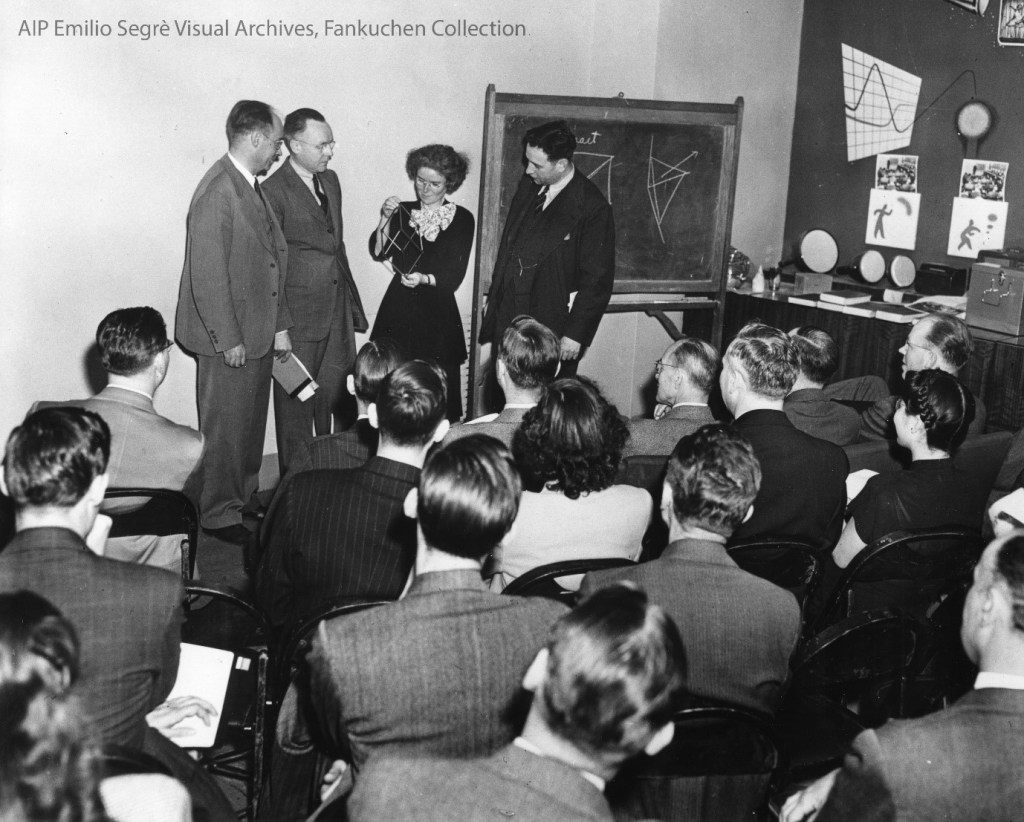
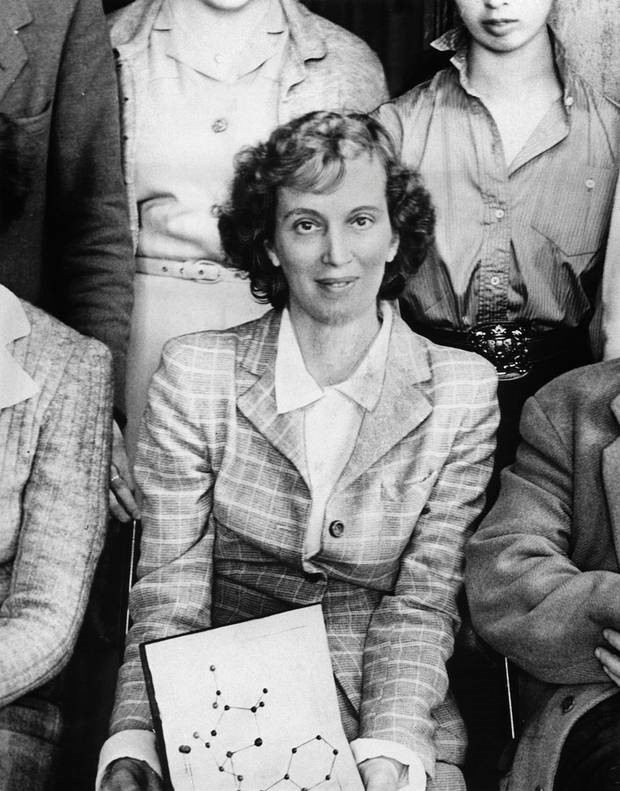
Hodgkin was assisted and supported in her endeavours by fellow scientist Kathleen Lonsdale, who worked in London while Hodgkin was based in Oxford.  Both women were pioneers who advanced the x-ray crystallography technique, in which x-rays are fired at crystals of molecules to determine their chemical structure. Lonsdale applied the technique to diamonds, benzene, and later kidney stones.  For her efforts, she had a type of diamond named after her: Lonsdaleite.  It was not just any diamond, but one formed in meteorites, as a result of the heat and pressure of impact into the Earth’s atmosphere.

Both had similar difficulties as girls wanting to study science.  Hodgkin was initially not allowed to take chemistry at her grammar school as it was considered a ‘boy’s subject’, but she thankfully managed to reverse the school’s decision, allowing her to pursue her scientific career.  Lonsdale had to transfer to a boys’ school to be able to study maths and science, as these were subjects not offered at her girls’ school. She later described how her love of maths was inspired by learning to count at school using yellow balls.

Both women were supported by strong male advocates and mentors, such as the scientist William Bragg. Bragg first met Lonsdale when he was assigned as one of her examiners, and subsequently asked her to join his research school at University College London (UCL).  Lonsdale would later follow Bragg when he moved his laboratory to the Royal Institution.  Bragg was also responsible for inspiring Hodgkin’s interest in the properties of atoms, giving her a copy of ‘Concerning the Nature of Things’ when she was 15 years old.

Lonsdale and Hodgkin worked hard to show that science was a viable option for girls.  Lonsdale’s essay, ‘Women in Science – why so few?’, argued that social expectations placed on women discouraged them from pursuing science [1]. In fact, she was so determined to encourage girls’ interest in the subject that, while ill in hospital, she received special permission to be able to leave to award prizes for science at a local girls’ school. Hodgkin advocated for female scientists and directly mentored several who went on to become important crystallographers in their own right.

Both women eventually became professors, and Lonsdale was one of the first two women elected as Fellows of the Royal Society (FRS) in 1945. In 1947, Hodgkin was one of the youngest people to be elected FRS. 

Both Hodgkin and Lonsdale were extremely concerned about the threat of nuclear war, and in 1976 Hodgkin became president of the Pugwash Conference which advocated for nuclear disarmament.  Lonsdale was also involved with Pugwash and was president of the Women’s International League of Peace and Freedom.  A lifelong pacifist, she went to Holloway prison in London for a month for failing to register for war service and not paying her £2 fine.  She became a dedicated advocate for prison reform after seeing the conditions of the women first-hand.

My favourite facts about both Lonsdale and Hodgkin are those that give us a glimpse of their ingenuity.  Lonsdale made her own hat to meet the Queen and have her Damehood conferred upon her.  It was constructed with lace, cardboard and 9d worth of ribbon.  Similarly, when awarded her first honorary degree, Lonsdale pinned a strip of beautiful material inside her gown as a substitute for buying a whole new dress.  Hodgkin was also very creative. As a child, she created her own personal laboratory in the attic and acquired acids from the local chemist to experiment with.

The two women held each other in great respect, as testified to by the fact that Hodgkin wrote a biographical memoir of Lonsdale.  She said of her friend: “There is a sense in which she appeared to own the whole of crystallography in her time.”  Let’s agree that both women can claim that crown. Looking back, we can remember these women for their remarkable stories, featuring precious gems, prisons, penicillin and peace. But, most importantly, we should remember Hodgkin and Lonsdale as pioneers who paved the way for future women scientists.


References

[1] Hodgkin D (1975) Kathleen Lonsdale 28 January–1 April 1971. Biogr Mems Fell R Soc 21:447–484

Reading Archival Silences

MAUD HEALEY AND HER GEOLOGICAL LEGACY


By Chloe Williams, History Finalist at Oxford University and Museum Volunteer

Email: chloegrace1000@gmail.com


“The professor regrets to have to record the loss of the invaluable services of Miss Healey, who as a result of overwork has been recommended to rest for an indefinite period. This will prove a serious check to the rate of progress which has for some time been maintained in the work of rearrangement, and it is hoped that her retirement may be only temporary.” So ends the Oxford University Museum of Natural History’s 1906 Annual Report, marking the near-complete departure of Maud Healey from the archival record.

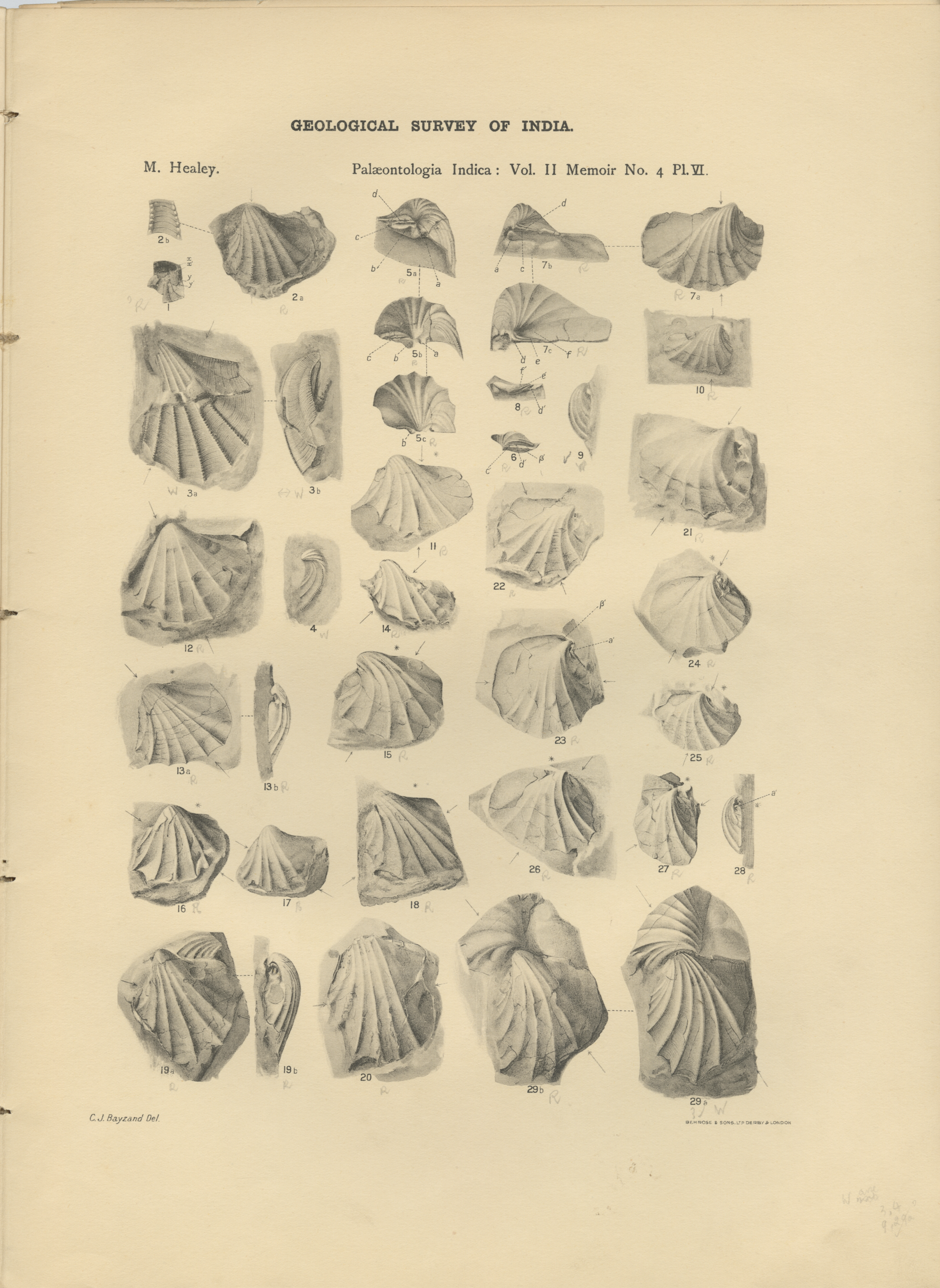
Despite how little of her history has been preserved, it is clear that Maud Healey made significant contributions to the field of geology. After studying Natural Sciences at Lady Margaret Hall in 1900, Healey worked at the Museum as an assistant to Professor William Sollas from 1902–1906. Here, she catalogued thousands of specimens and produced three publications. These publications were at the centre of debates about standardising the geological nomenclature, and turning geology into a practical academic discipline that could sustain links across continents. However, Healey was continually marginalized on the basis of her gender. Closing the Geological Society of London’s discussion of one of her papers, “Prof. Sollas remarked that he had listened with great pleasure to the complimentary remarks on the work of the Authoress, and regretted that she was not present to defend before the Society her own position in the disputed matter of nomenclature.”[1] Predating the Society’s 1904 decision to admit women to meetings if introduced by fellows, Healey had been unable to attend the reading of her own paper.

Photo of the Geological Society of London centenary dinner in 1907, at which Maud Healey was present. Healey can be seen seated in the fourth row from the front, three chairs to the left. Of the 263 guests, 34 were women, 20 of whom were the wives or daughters of academics, and only 9, including Healey, were present ‘in their own right’. [2] Source: Burek, Cynthia V. “The first female Fellows and the status of women in the Geological Society of London.” Geological Society, London, Special Publications 317, no. 1 (2009): 373-407.

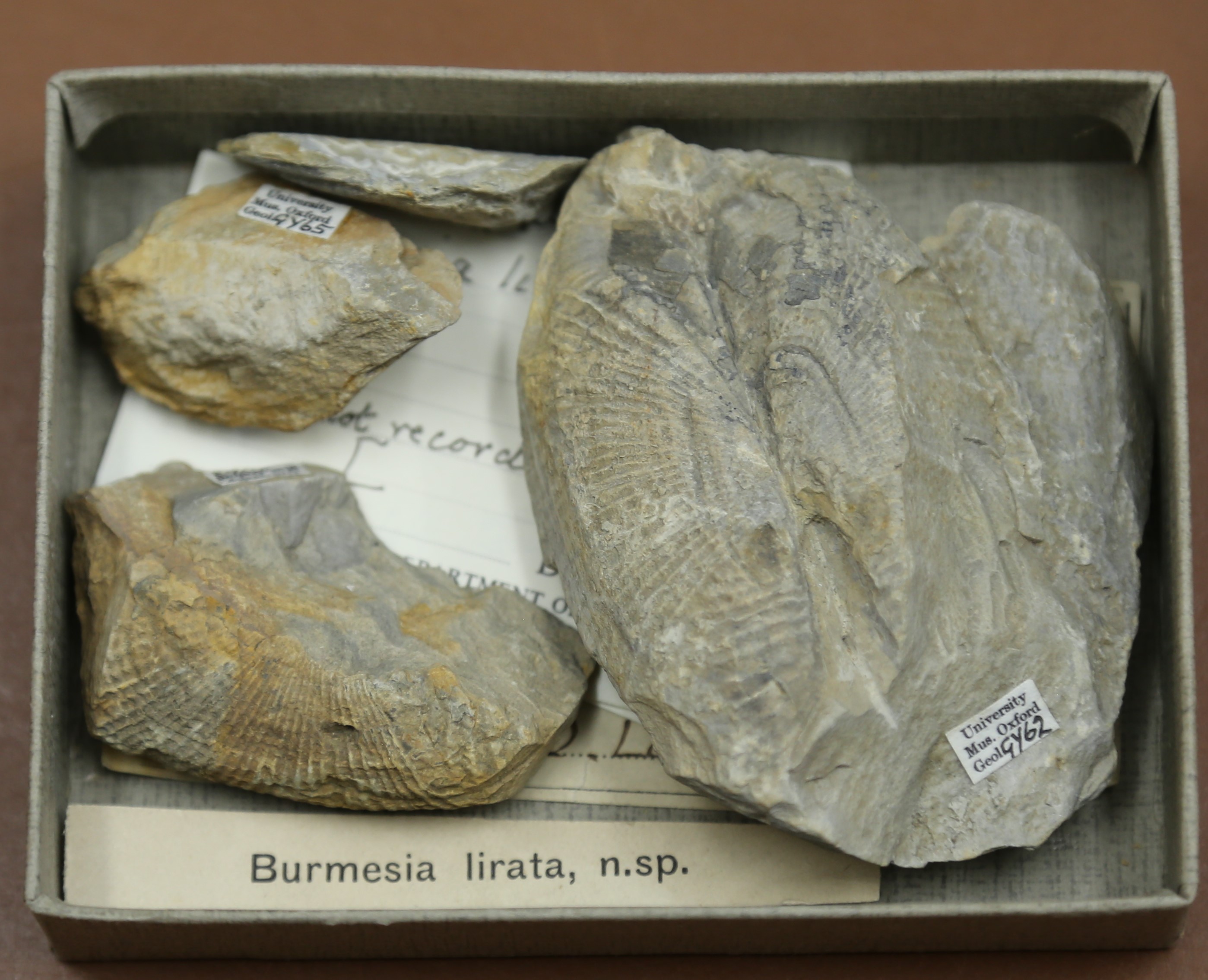
Healey later worked with specimens collected by Henry Digges La Touche in colonial Burma (now Myanmar). While Healey worked with the identification of species, acknowledged by La Touche himself as ‘a more difficult lot to work at’ than similar specimens assigned to her male contemporaries, the physical collection and therefore its name and record is attributed to a male geologist. [3] She continued her work identifying La Touche’s collection of Burmese fossils after retiring from the Museum in 1906 and published a report about them in 1908. What happened to her afterwards is unclear. Tantalizing snippets like a 1910 marriage record might suggest that she turned to a life of domesticity, but whether Healey continued to engage with geology as a hobby remains uncertain.

It is almost unbelievable that a professional of Healey’s calibre could abandon the work in which she excelled. However, Healey lacked any familial connections to geology, and apparently did not marry into money, which would have made it difficult for her to retain access to organizations like the Geological Society of London. The diagnosis of ‘overwork’ mentioned in the Annual Report makes it possible that a medical professional could have discouraged her from engaging further in academia. Unfortunately, any diaries or letters which might have provided us with further clues were not deemed worthy of preservation.

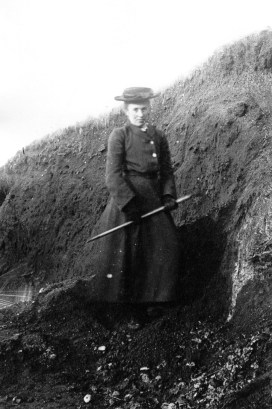
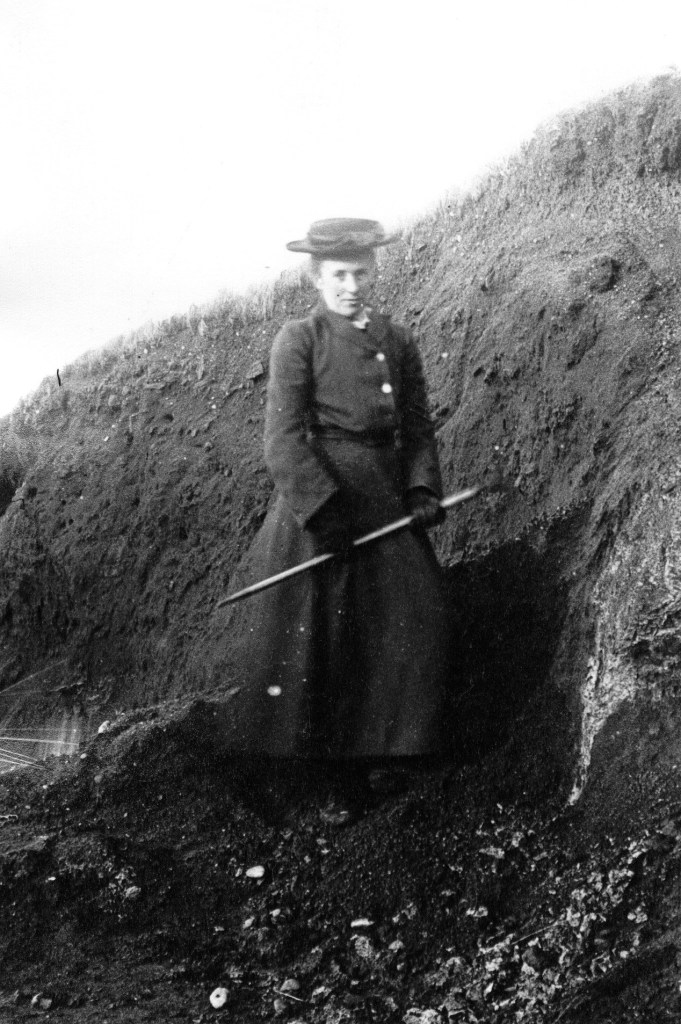
Maud Healey on a dig site (location unknown). Image from the Archives at Oxford University Museum of Natural History.

Tracing Maud Healey’s history to 1910, it might seem as though we hit a depressing dead end. Healey is one of many nineteenth-century female geologists who participated in an international community in a range of roles including collecting, preserving samples, and actively producing knowledge. However, like many of her colleagues, her contributions are largely absent from the historical record. My research doesn’t aim to simply ‘rediscover’ these exemplary women after previously being ‘hidden’ from history, but instead considers how history itself is constructed from a material archive created along lines of gender and class. A subjectivity which surfaces only rarely in appended discussions to academic papers, and in spidery cursive on ancient fossils, Maud Healey ultimately suggests the need for women’s history to read archival silences as their own stories.


Works cited

[1] Healey, M. ‘Notes on Upper Jurassic Ammonites, with Special Reference to Specimens in the University Museum, Oxford: No. I’, Quarterly Journal of the Geological Society of London 60, (1904), p.1-4.

[2] Burek, Cynthia V. “The first female Fellows and the status of women in the Geological Society of London.” Geological Society, London, Special Publications 317, no. 1 (2009): 373-407.

[3] La Touche, H.D. Letter to Anna La Touche, 1 August 1907. La Touche Collection. MSS.Eur.C.258/77. Asian and African Studies Archive, The British Library, London, UK.


Read more

Snakeflies: Monsters in the Shadows of the Dinosaurs


Header Image: A reconstruction of a delta-estuarine environment in northern Spain during the Cretaceous, habitat of the studied amber snakeflies, by William Potter Herrera.


Post by William Potter Herrera, Undergraduate Student at Portsmouth University


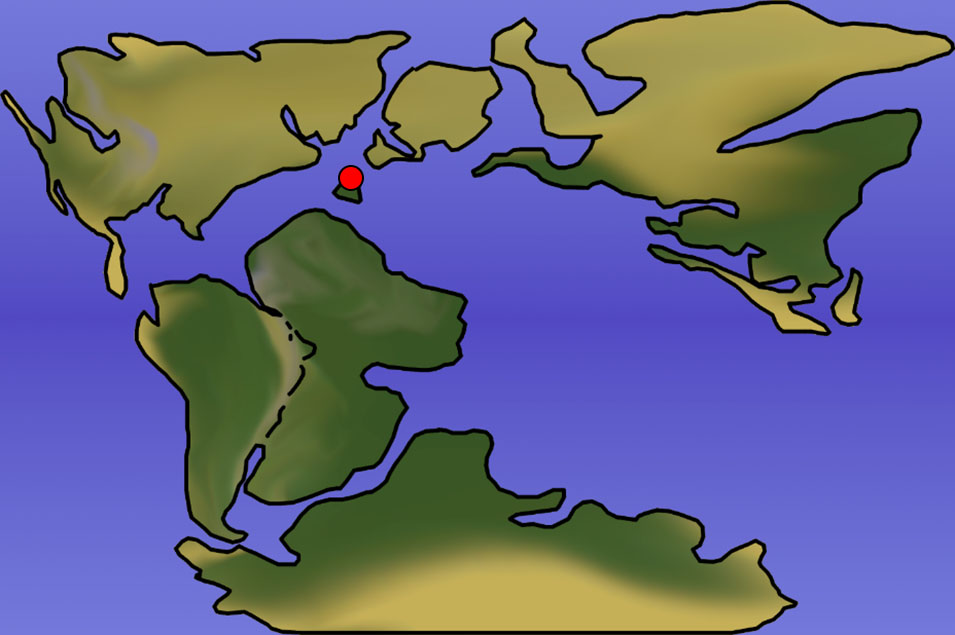
About 105 million years ago, in what is now Cantabria, Spain, rich cycad and conifer forests flourished across a landscape of estuaries and weaving deltas, bordering the then subtropical North Atlantic. While marine crocodiles prowled the waterways and theropod dinosaurs stalked the fern clearings, another ferocious, albeit smaller, predator ruled. Snakeflies, or raphidiopterans, are still around today but their diversity and range is a fraction of what it was during the Mesozoic, the period when the dinosaurs reigned.

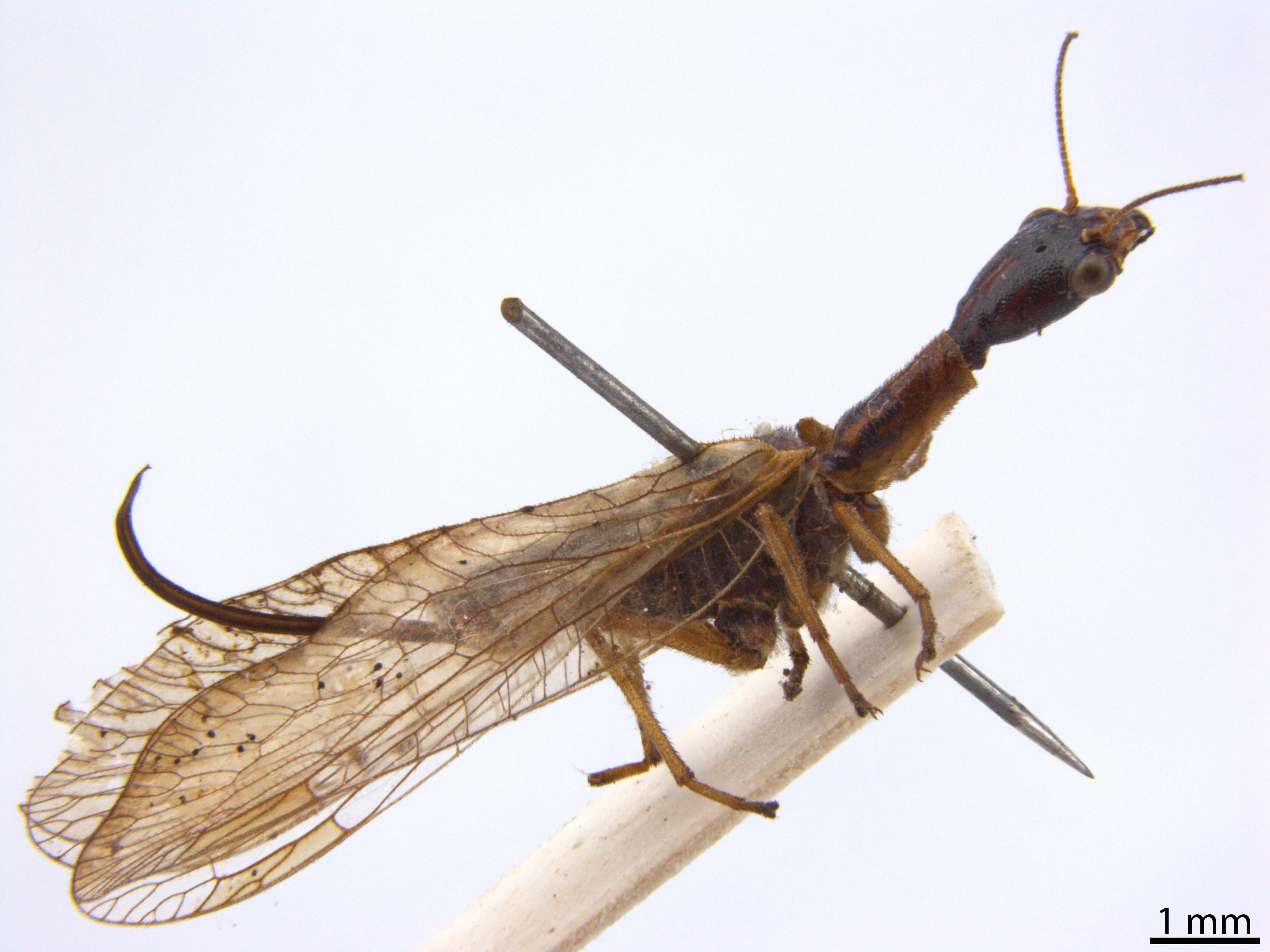
Left: Map of the world 105 million years ago, with ancient Cantabria highlighted. Author: William Potter Herrera, based on work from “The Planetary Habitability Laboratory” at UPR Arecibo. Right: An extant snakefly from OUMNH’s pinned collections.

Snakeflies get their name from their long ‘necks’ and ovipositors — the latter being a long, thin tube that females use to deposit eggs into the safety of crevices. Snakeflies are voracious predators, using their compact jaws to devour anything smaller than them. Their unusual necks allow them to pursue prey into tight spaces. No Cretaceous bug would have been safe from these monsters that existed in the shadows of the dinosaurs.

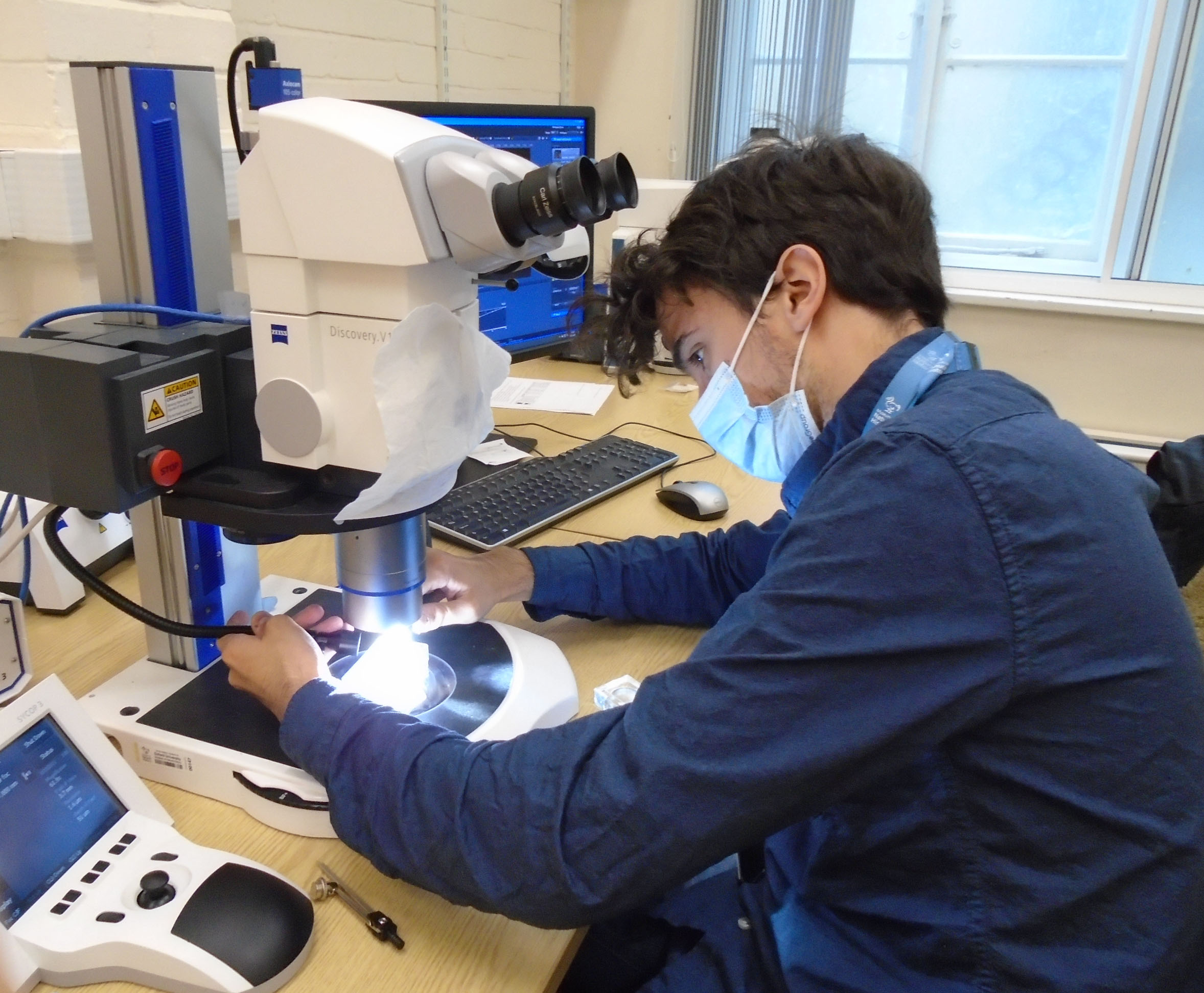
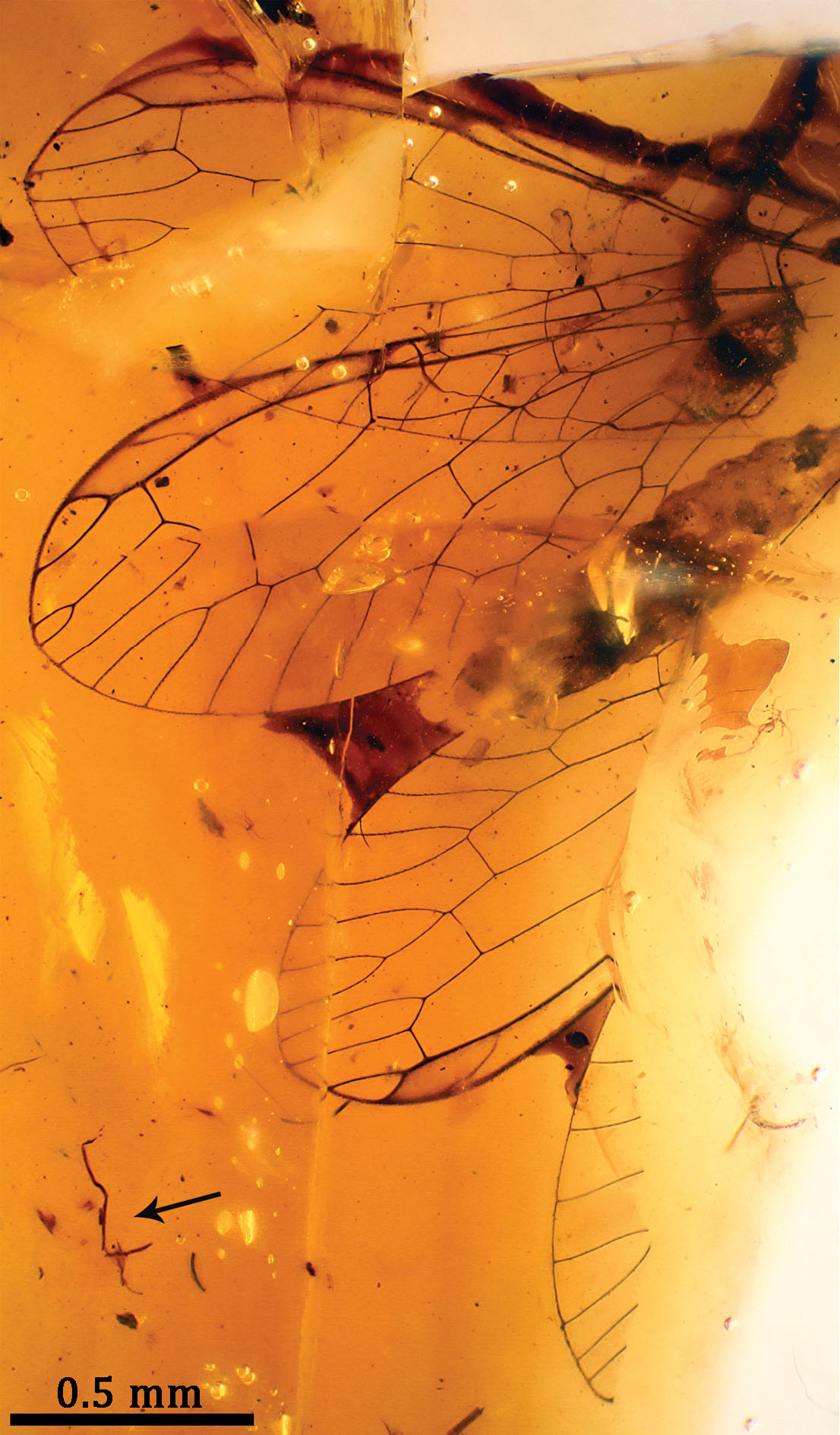
Working in the shadow of the Museum’s very own dinosaur during a bursary project last summer, I got a very real experience of paleontological research. Insects might not be the first thing you think of when considering fossils, but the sheer diversity and beauty of preservation these organisms exhibit in the fossil record made them a delight to work on. Nowhere is this more true than in the remarkable amber of northern Spain. Under the supervision of Dr Ricardo Pérez-de la Fuente, I examined, described and mapped out four specimens of amber which contained insects, our focus being on snakeflies. Through careful comparison with previous work, we discovered a new species of Necroraphidia, meaning “snakefly of the dead”. This genus was previously known from a specimen preserving no more than its characteristic wings, but the new specimen is nearly completely preserved, frozen in amber as if time itself stopped.

Left: William Potter Herrera examines a snakefly preserved in amber. Right: Necroraphidia arcuata, a snakefly species from El Soplao amber (Cantabria, Spain). The arrow points to a fragment of burnt plant matter (extracted from Pérez-de la Fuente et al., 2012. Zookeys 204).

The story of how the snakeflies ended up in the amber is as fascinating as the creatures themselves. Amber begins its life as tree resin — a highly sticky, viscous fluid extruded by conifers in response to trauma. Insects and other small arthropods are frequently trapped in it, either being caught by it as it flows downwards, or simply flying into it. Because larger insects are more likely to free themselves there is a bias in the fossil record towards smaller organisms. In northern Spain, however, the amber is remarkably rich in insects and also tiny fragments of burnt plant matter, indications that the insects might have become entombed during, or in the aftermath of, raging wildfires that drove them into a disoriented frenzy.

It was studying these charred fragments that inspired my dissertation on fossil charcoal — and that was one of just many benefits I gained from this bursary. It cannot be overstated how brilliant the opportunity to dedicate six weeks to study in a Museum was; exploring behind the scenes and talking to world experts in every field. The confidence gained from being entrusted to conduct this research so independently at such an early stage of my career will serve me going forward. The work was not easy but the support I received was brilliant. Even now, months later, as we work together to finalise our manuscript, I am inspired by the dedication and belief that Ricardo and the whole staff at the OUMNH have shown in me.


Reconstructing the Cretaceous with Bones and Amber

A double window into the past

Post by Dr Ricardo Pérez-de la Fuente, Deputy Head of Research

Nature is wonderfully imperfect, and the data that we can gather from it is even further from perfection. Fossil localities, even those providing exceptionally well-preserved fossils, are inaccurate records of the past. Fossils can form from a variety of matter including organisms, their remains, or even traces of their activity. Yet not all of the material that can get fossilised at a particular site actually will. Among other factors, biases in the fossil record result from the nature of the materials responsible for fossilisation – usually sediments which are in the process of turning into rocks. In most cases, fossil localities offer us only a single ‘window of preservation’ – a skewed geological record of the ancient ecosystem that once existed there.


In 2012, a rich vertebrate bone bed was documented at the Ariño site in Teruel, Spain. Since then, researchers have unearthed more than 10,000 individual fossil bones, from which they have discovered new species of dinosaurs, crocodiles, and turtles. Plant fossils were also found, including pollen grains and amber, which is fossilised resin. Although amber was known to occur in this locality, this sort of material had remained unstudied… until recently.

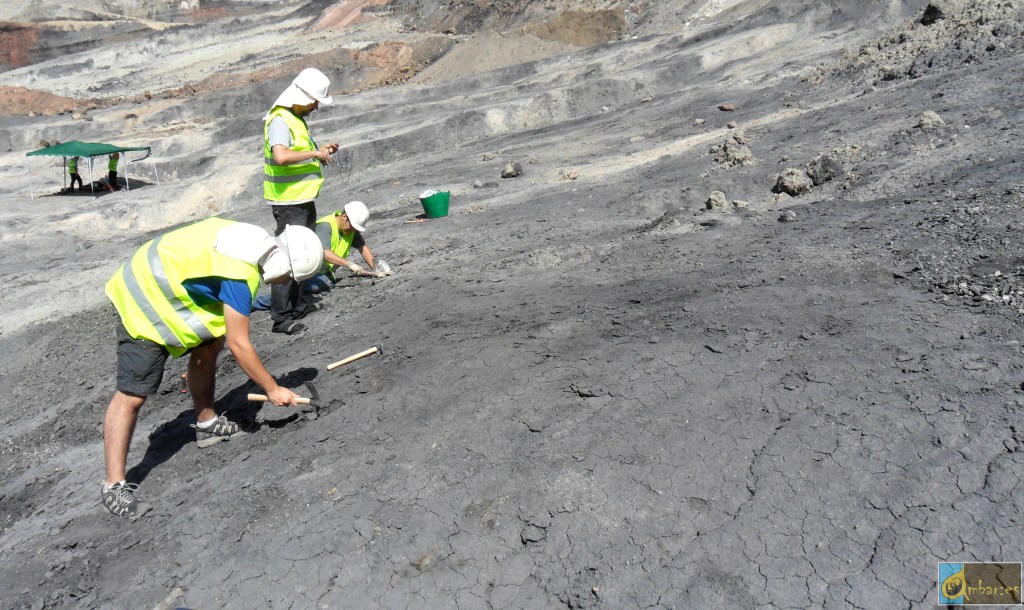
Over the summer of 2019, I joined my colleagues to carry out amber excavations in the Ariño site – an open-pit coal mine that has an almost lunar appearance due to the dark carbonate-rich mudstone rocks and the total lack of vegetation. The scorching heat during a very hot summer was a bit maddening, but I did try to enjoy my yearly dose of sun before returning to the UK!


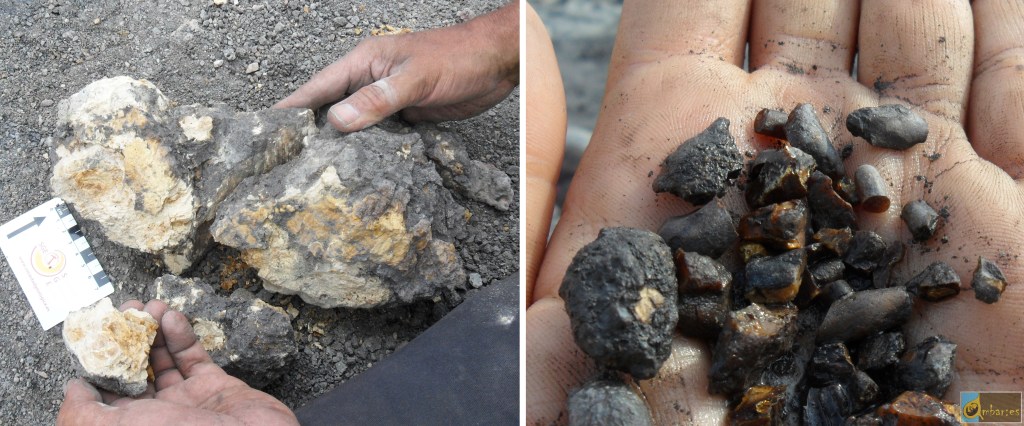
Resin pieces can be transported significant distances by runoff water before depositing on their final burial location, where they slowly transform into amber. However, we found amber pieces that had not moved from their original place of production. These large, round-shaped pieces preserved delicate surface patterns that would have been polished away even by the slightest transport. The resin that produced these amber pieces was formed by the roots of the resin-producing trees, and resembles sub-fossil resin my colleagues found in modern forests from New Zealand.

Large amber piece produced by roots (left) and assemblage of smaller amber pieces (right) from Ariño (Teurel, Spain).

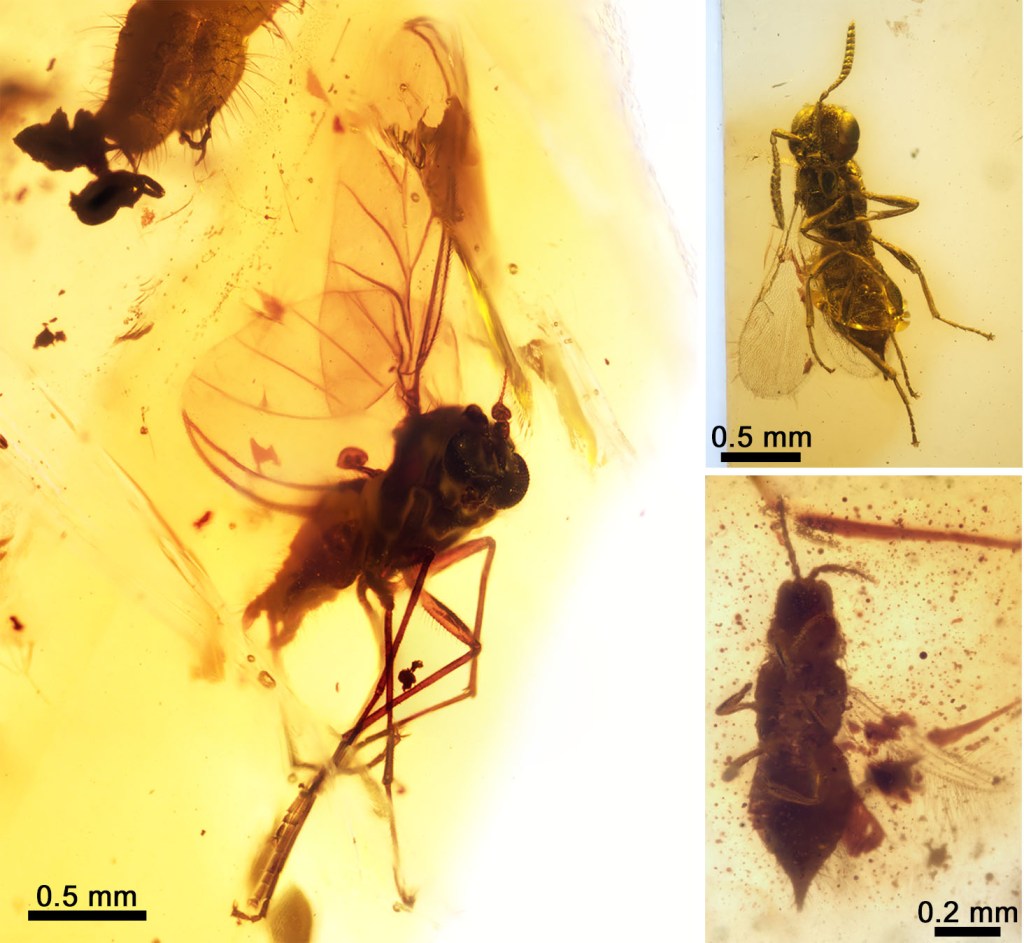
The small amber pieces from Ariño contain an unusual abundance of fossils. These pieces come from resin produced by the branches and trunk of the resin-producing trees. From the almost one kilogram of amber we excavated, we identified a total of 166 fossils. These include diverse insects such as lacewings, beetles, or wasps, and arachnids such as spiders and mites. Even a mammal hair strand was found!1


We now know that the Ariño site provides two complementary windows of preservation — a bone bed preserving a rich variety of vertebrate animals, and amber with abundant inclusions. Aside from Ariño, only three localities that preserve both dinosaur bone beds and fossiliferous amber have been reported in Western France, Western Canada, and North Central United States. However, in these cases, either the bone bed or the amber have offered a much more modest abundance and diversity of fossils. Some of the fossils from these localities also show signs of significant transport, which means that the organisms could have inhabited different, distant areas even though they fossilised together. This makes Ariño unique because it offers two valuable ‘windows of preservation’ from the same ecosystem.

Thanks to all this evidence and other data, we have been able to reconstruct an ancient terrestrial ecosystem – a 110-million-year-old coastal swamp – with unprecedented detail and accuracy.2 The inherent incompleteness of the fossil record will always remain a headache for palaeontologists… but localities like Ariño make the data that we can recover from the past a bit more complete.

Reconstruction of the coastal swamp forest of Ariño, in the Iberian Peninsula, from 110 million years ago. Author: José Antonio Peñas. Source: Álvarez-Parra et al. 2021.

If you want to learn more about amber excavations, check out this post on Excavating Amber.


1Álvarez-Parra, Sergio, Ricardo Pérez-de la Fuente, Enrique Peñalver, Eduardo Barrón, Luis Alcalá, Jordi Pérez-Cano, Carles Martín-Closas et al. “Dinosaur bonebed amber from an original swamp forest soil.” Elife 10 (2021): e72477.

2Álvarez-Parra, Sergio, Xavier Delclòs, Mónica M. Solórzano-Kraemer, Luis Alcalá, and Enrique Peñalver. “Cretaceous amniote integuments recorded through a taphonomic process unique to resins.” Scientific reports 10, no. 1 (2020): 1-12.

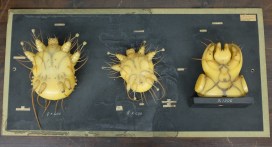
Wax models of magnified mites mounted on a black board

Of parasites, dinosaurs, and other model animals

Elaine Charwat has been on a journey into the attic storerooms behind the scenes of the Museum to discover 19th-century wax models of parasites. A strange occupation you might think, but it’s all part of her doctoral research programme with the Arts and Humanities Research Council to learn about the use of models and replicas in science, past and present. In the podcast above Elaine meets Mark Carnall, Zoology Collections Manager at the OUMNH, who talks about the differences between models and the thousands of specimens he looks after, and Dr Péter Molnár, Assistant Professor of Biological Sciences at the University of Toronto, who offers important insights into current research using mathematical models.

Different types of models and replicas are everywhere in the Museum, and they tell us much about the organisms they represent or reconstruct, but even more about processes in research and science. Made to communicate and produce data, these larger-than-life objects are as fascinating as their subjects…

Top image: Wax models of Sarcoptes scabiei (itch mite) produced by Rudolf Weisker, Leipzig (Germany), probably late 1870s or early 1880s. These models are listed as having been on public display at the Museum in 1911, labelled: “Sarcoptes scabiei: enlarged wax models, male & female + mouth parts”.