Museum on the road

Fox

With the exhibits hidden behind scaffolding for the next year, it’s time to bring the Museum to you! So here’s how we’ll be getting around – our very own bespoke museum van.

Scott having a quick test drive

The exterior has been beautifully decorated with some of the Museum’s most famous specimens for people to spot as we’re out and about. Bugs, animals, gemstones and, of course, our T rex, can be seen peering out of the paintwork.

Over the next few months, we’ll be getting the expert info on each of the specimens, with one object featured each week. That means you’ll be able to find out what makes these specimens so special.

Our Education team will be zooming off to small, rural schools that are often unable to visit the Museum. We’re providing workshops on skeletons, rocks and minerals and evolution. Bones, stones and specimens are wrapped and packed ready to get out onto the road. More about that later!

One of our precious Darwin specimens

Collections staff will also be using the van to transport objects between locations. This will be especially important for a couple of special projects in the summer… watch this space for more information on that soon.

So, if you see us on a road near you, give us a wave! And check the blog each week to find out What’s on the Van.

Rachel Parle, Education Officer
Happy Birthday Darwin… and Darren!

DSC_8112

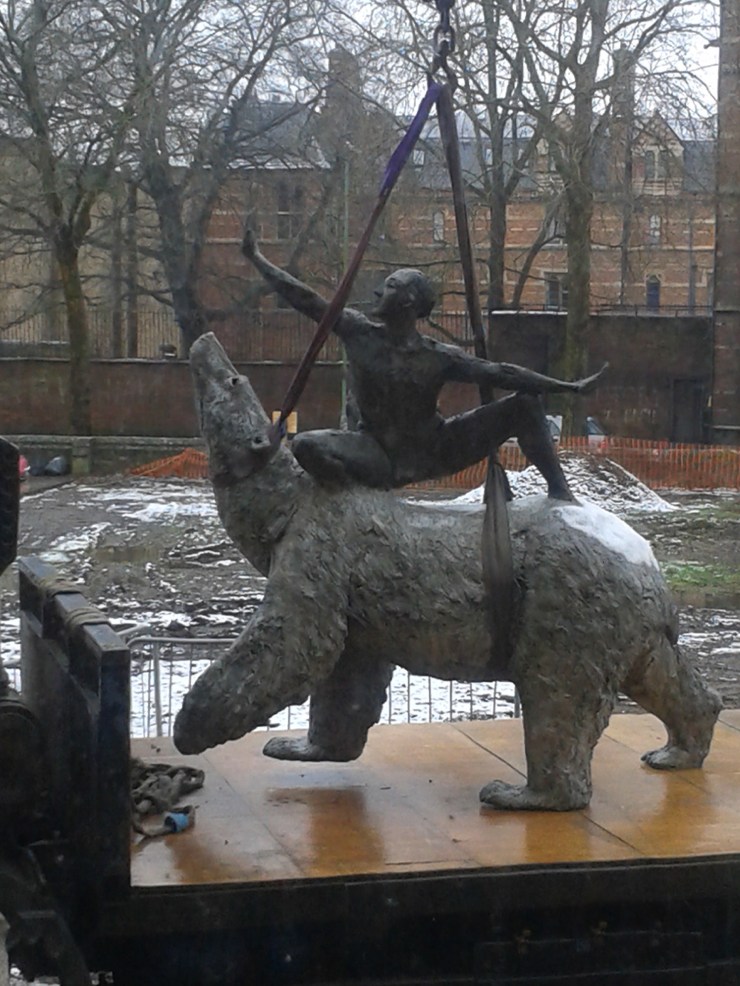
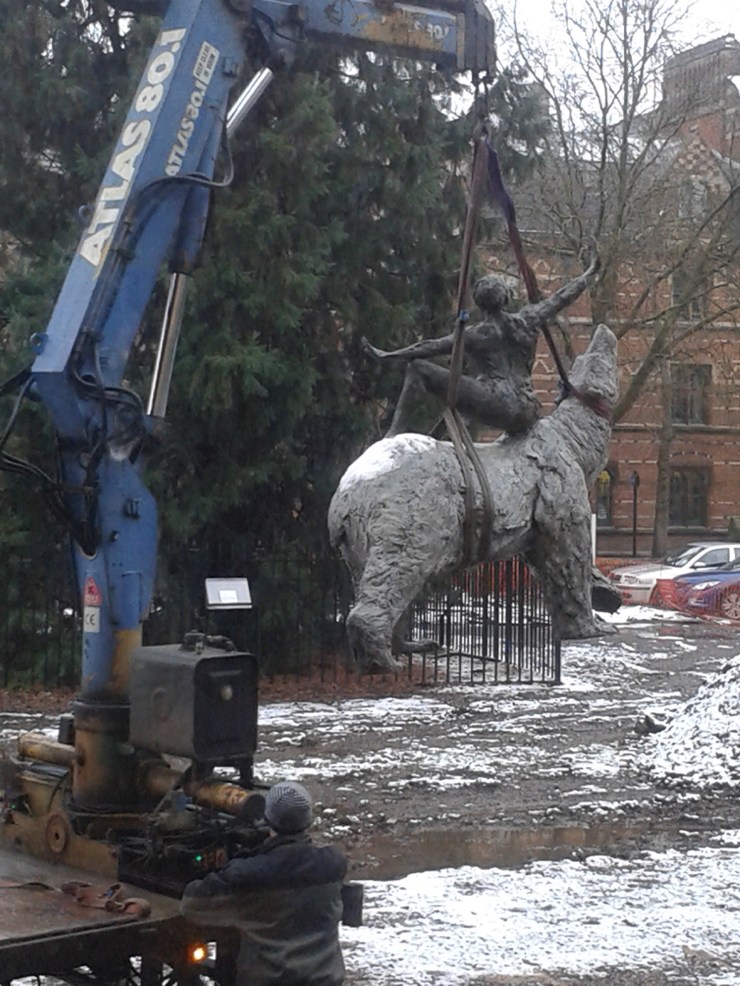
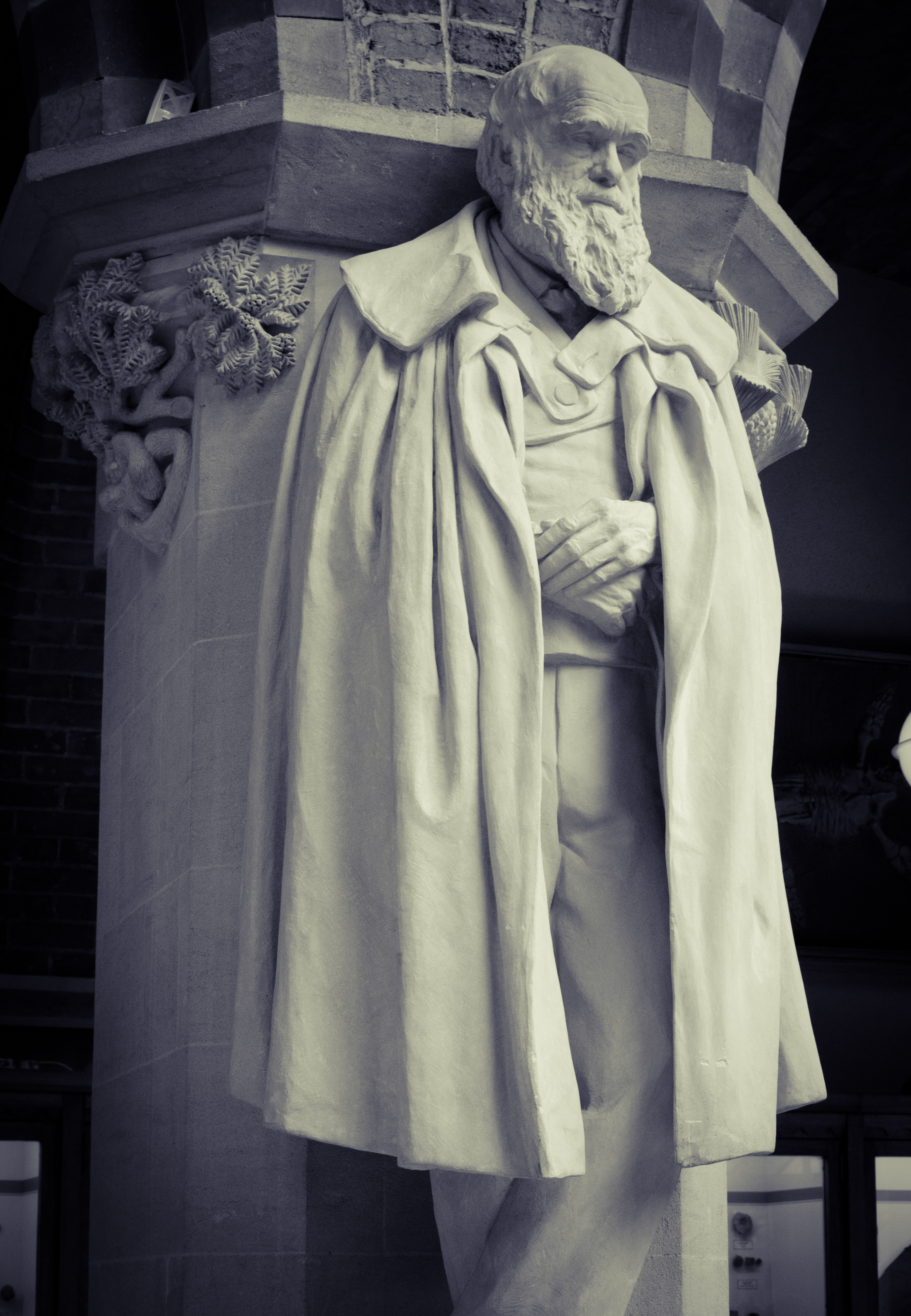
We couldn’t let International Darwin Day slip by without a quick post. It’s the day that marks what would have been Charles Darwin’s 204th birthday. Here at the Museum of Natural History, Charles Darwin is an ever-present, incredibly important figure – we even have a statue of him in the court. Of course, this is hidden amongst scaffolding at the moment, so there’s a little reminder above!

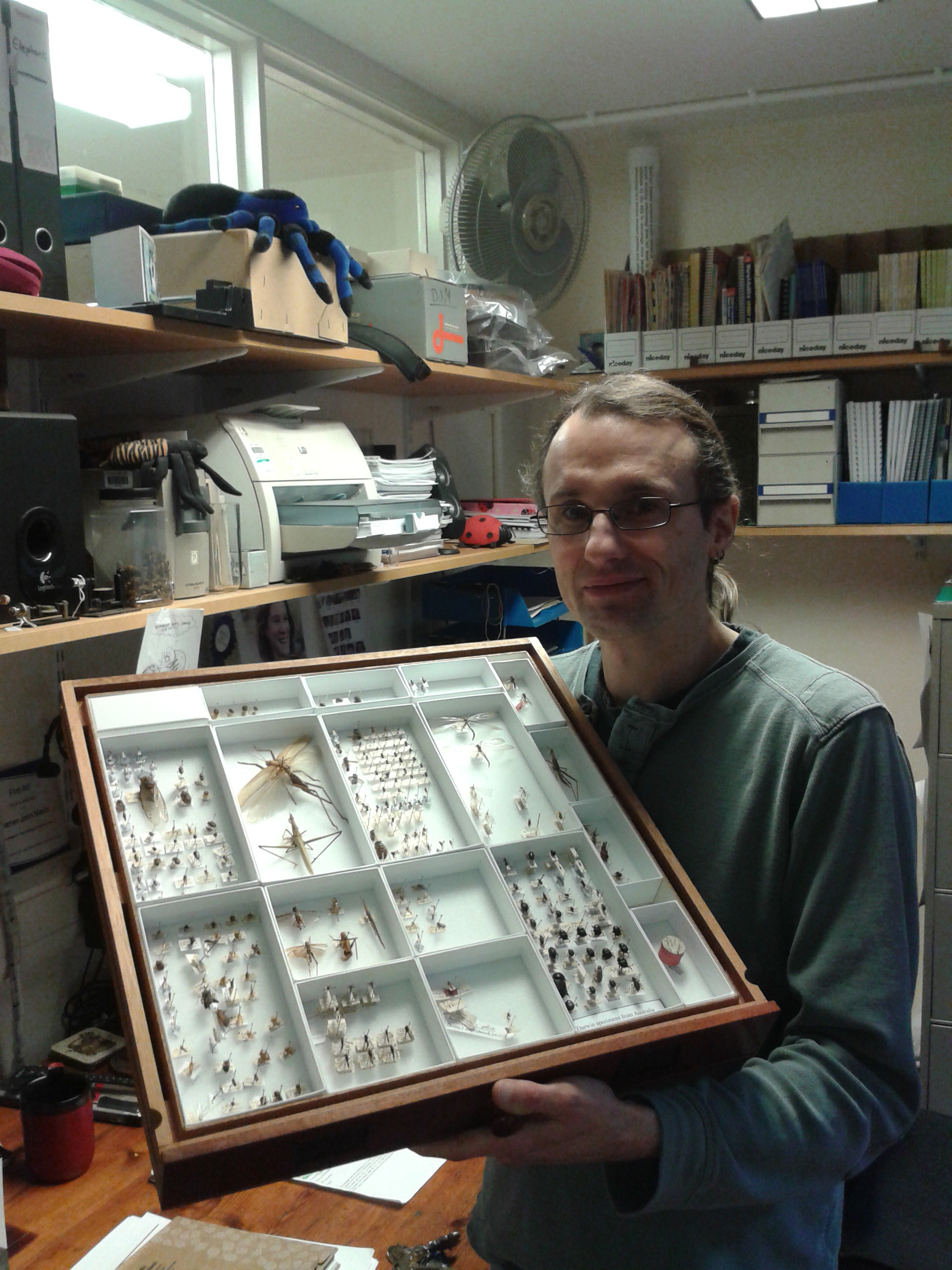
But Darwin isn’t the only person to celebrate his birthday on 12th February;  it’s also the birthday of our Assistant Curator of Entomology, Darren Mann! Darren has been celebrating his birthday today by examining his favourite dung beetles. At school, his love of the natural world and their shared birthday even led to one of his teachers nicknaming him Darwin.

Darren birthday 1

Here’s Darren with some of the Museum’s rare insect specimens that were collected by Charles Darwin himself on his travels in Australasia. To find out more about what goes on behind the scenes in Entomology, follow their excellent blog.

So, happy birthday Darren… and Darwin!

Rachel Parle, Education Officer

Wrapped up, packed up, squashed up

Our permanent residents are suffering the minor indignities of a shared living space. Accustomed to their own quarters – the gallery territories ruled by mammals, fish, arthropods, or dinosaurs – during closure everyone is instead piled into a single aisle at the south end of the Museum.
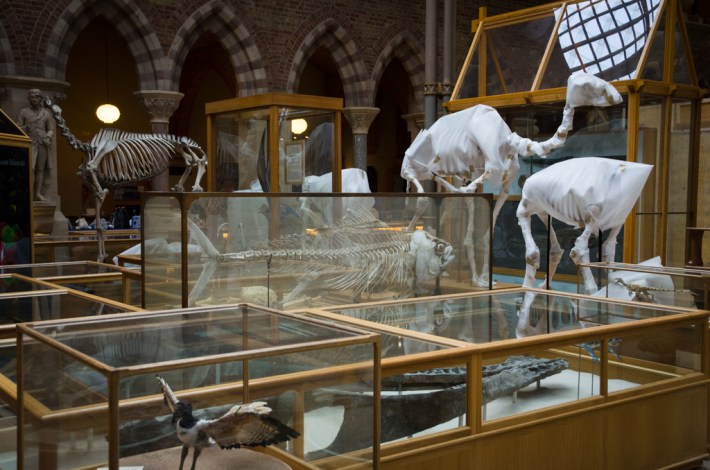
We’ll take a look at some of the individual wrappings later, but for now we just wanted to show the squash and the squeeze that has been required to allow the roof repairs to take place.

If you’re visiting the Pitt Rivers Museum you’ll be able to see this little bone jungle for yourself as you make your way out from the Pitt Rivers and back through our Museum.Image

ImageScott Billings, communications coordinator

10th Coleopterists Day


On February 2nd we hosted for the second year the annual national beetle (Coleoptera) enthusiasts day, with the fifty attendees coming from as far as Cornwall and Lancashire. The day kicked off with proper coffee, tea and biscuits and then a series of talks, followed by a tour of the entomology department and a dung beetle workshop. 


The talks presented were a nice mix of professional, student and enthusiast and were enjoyable and entertaining. The talks were: Using traits to evaluate ladybird distributions – Richard Comont, CEH; Prionus coriarius in Richmond Park – John Lock; Suckers & sexual conflict in diving beetles – Dave Bilton, Plymouth University; Studying the ecology of British Oil Beetles – John Walters; New initiatives to support beetle recording in Britain – Helen Roy, BRC.

Coleoptera, beetles, lecture, OUMNH
Helen Roy presenting her talk on beetle recording in Britain
The collections (thanks to Amoret Spooner) and Library (thanks to the Librarian Kate Santry) were accessible throughout the afternoon, and many took advantage of using the library (for the first time) and the collections to confirm identifications against our reference material or just to see the more unusual species and extract data. 


The workshop ‘Dung Beetle Identification’ was a bit of squeeze in our teaching area, with a few too many enthusiastic coleopterists wanting to know how to identify the small and often difficult Aphodius

Coleoptera, beetles, dung beetles, Scarabaeidae, British, identification
Darren Mann presenting his workshop on dung beetle identification

However, using our digital video set-up and monitor we managed to get through the entire dung beetle fauna, giving tips and tricks on their identification and interpretation of the key couplets, the stalwart coleopterists continuing until 8pm.

Coleoptera, beetles, identification, course, Scarabaeidae, characters, morphology
Darren Mann using the video microscope to show characters used in the identification of British dung beetle species

Raising the roof

Raising the roof

As a year of closure stretches ahead of us, it’s easy to feel down about the boards and darkness that are replacing the spectacular views across the Museum court. Our regular visitors have certainly expressed sadness and disappointment that they will be deprived of their favourite museum for a year. But we have to remember that it will all be worth it in the end: the restoration project will return the roof to its full Victorian glory and give the building below the respect it deserves.

During a trial last year one third of the roof’s glass tiles were delicately cleaned, restored and resealed in an attempt to keep the rain out. This test proved successful – the rain drops ceased and the light flooded in. The project to repair the whole roof was given the go ahead.

DSC_6685

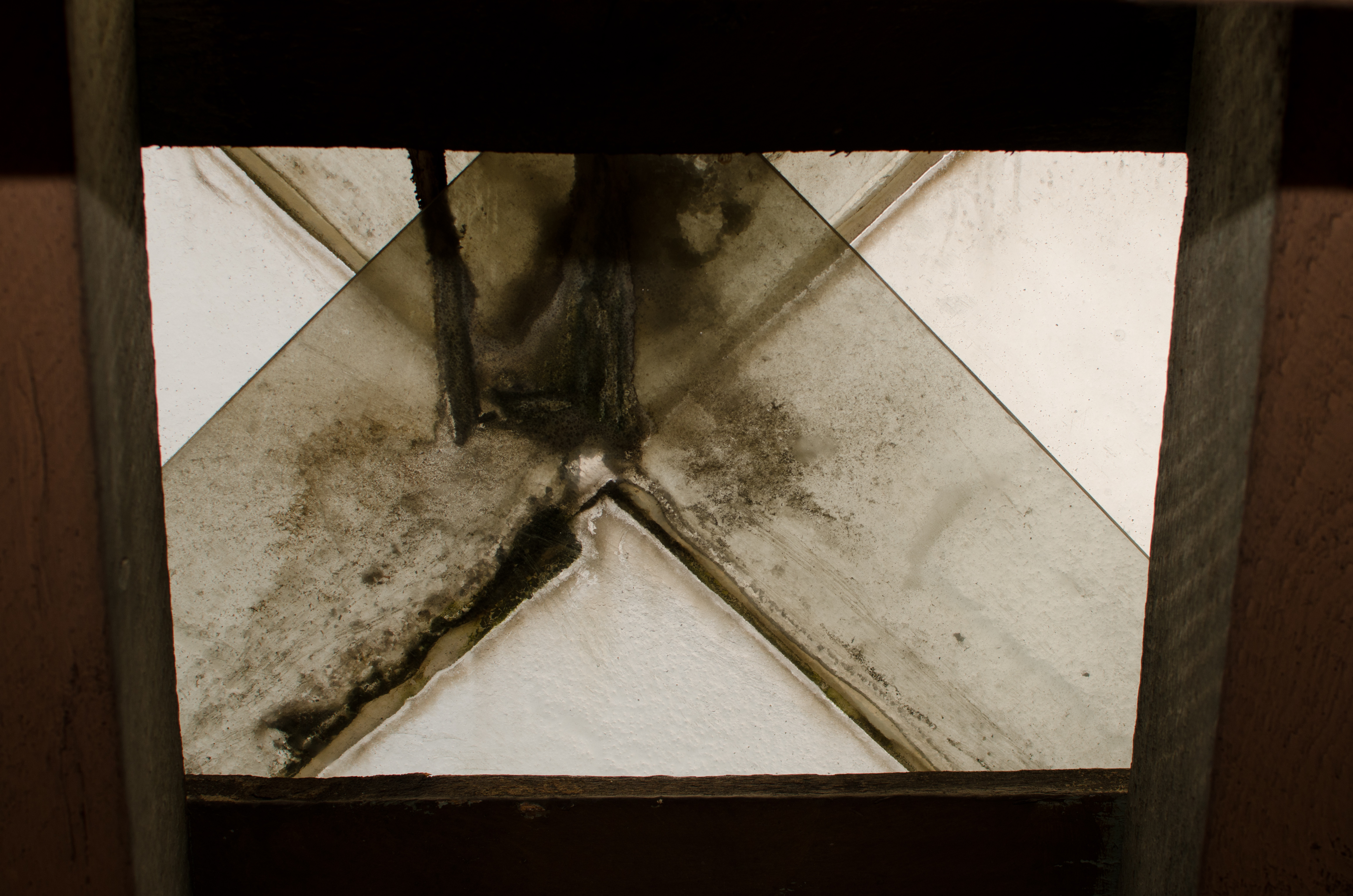
A close-up of the glass roof tiles before the trial cleaning project

DSC_6689

And sparklingly clean afterwards!

At the same time, staff were treated to a guided tour of the roof itself. We scaled ladders and scaffolding high up in the south aisle of the Museum. It was remarkable to see that the careful details of carved screws and painted beams are as beautiful and painstaking at the very peak of the roof as they are at eye level, down in the courts below. It made us all appreciate the effort and care that the Victorian architects, engineers and artists put into creating this masterpiece in the mid-19th century.

_DSC0765

The pinnacle of the south aisle’s roof

Up close, it was also easy to see dust on the metalwork and the ancient grime that has steadily built up on the glass tiles. We all wanted this faded glamour to be returned to its original glory; there was no denying it, the roof works were an essential project.

DSC_6658

The detailed metal work that adorns the roof

Although we’ll miss the specimens and the stunning architecture during this closure year, the roof restoration will ensure that the Museum is back to its original best for another 150 years… and hopefully many more after that.

Rachel Parle, Education Officer