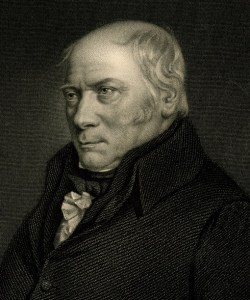
Today marks the 246th birthday of William Smith, the ‘father of English geology’. While the Museum has been marking this important day for a number of years, 2015 also happens to be a particularly special year for this remarkable man.
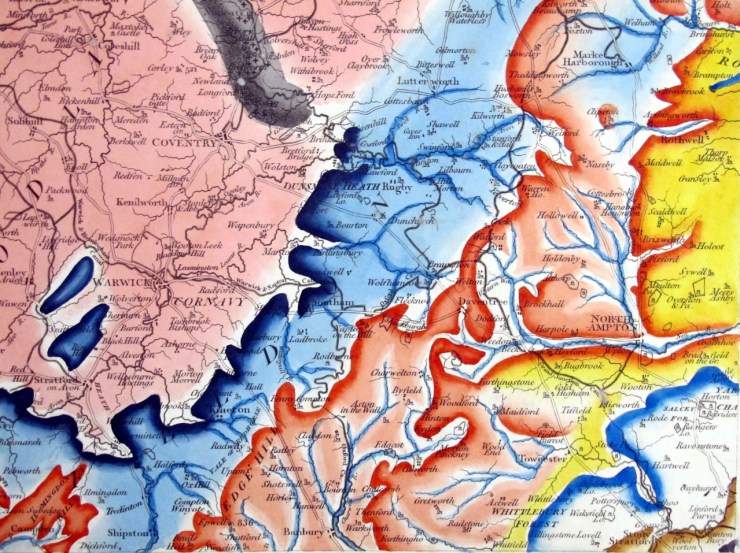
William Smith is perhaps most famous for publishing the first geological map of England and Wales in 1815, making this the bicentenary of the incredible feat.
Though Smith single-handledly mapped the geology of the country, and created a map that would change the way we understood the world beneath our feet, too few people know his name and what he achieved.
To celebrate the bicentenary, and also in the hope that Smith will become a wider-known figure in the history of science, a number of organisations across the world, including us here at the Museum of Natural History, will be holding events during the year.
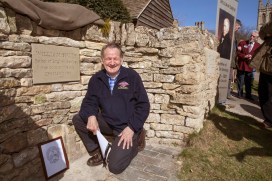
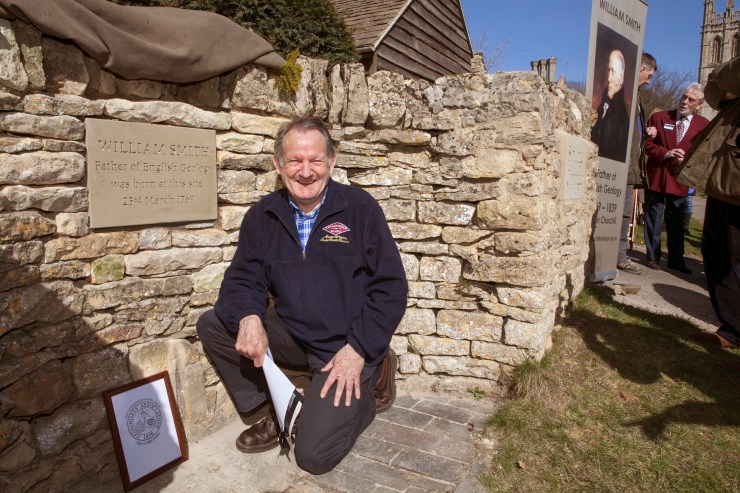
This weekend marked the official kick-off of events with the opening of the Churchill Heritage Centre special exhibition, curated by the Museum and displayed in the heart of Smith’s home town. A plaque to mark the place where he was born in 1769 was also unveiled, which you can see in the photo at the top of this post.
The plaque, sponsored by the Curry Fund was unveiled by Professor Hugh Torrens, the leading expert on William Smith. A large crowd gathered for the event, with a mix of local people proud of their connection to one of their most famous residents, as well as a familiar group of Smith academics, experts and enthusiasts.
Smith enthusiasts and Churchill residents gather for the exhibition launch
The exhibition, which is open weekends and bank holidays, will run until the end of September.
It includes well known publications from the William Smith archive here at the Museum of Natural History such as his geological map of Oxfordshire. Rarely seen items such as letters between himself and his niece, an excerpt from his diaries and the marriage deed of his grandparents will also be on display.
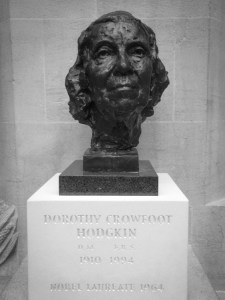
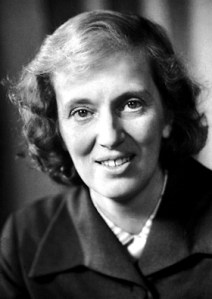
For International Women’s Day, the Museum of Natural History celebrates the life and career of Dorothy Hodgkin, one of its most eminent researchers. Hodgkin was awarded the Nobel Prize for Chemistry in 1964, and is still the only UK woman to have been awarded one of the science Nobels.
When the Museum of Natural History was designed in the 1850s, the building was intended not just to house a museum but also the burgeoning science departments of the University. The lettering above the doors facing the court continues to record these early affiliations: ‘Department of Medicine’, ‘Professor of Experimental Philosophy’, and so on.
Dorothy Mary Hodgkin (1910–1994) Image: Nobel Prize
As individual departments grew they moved into their own buildings across the science campus. One of the last research groups left in the Museum was the Department of Mineralogy & Crystallography, which, from the 1930s onwards, was the research home of the outstanding X-ray crystallographer Dorothy Hodgkin (1910-1994), winner of the Nobel Prize for Chemistry in 1964.
The Daily Mail famously celebrated her success with the headline ‘Oxford housewife wins Nobel’, but The Observer was no more enlightened, commenting that Hodgkin was ‘an affable looking housewife’ who had been awarded the Nobel Prize for ‘a thoroughly unhousewifely skill’. That socially disruptive ability was an unparalleled proficiency with X-ray analysis, particularly in the elucidation of the structure of biological molecules.
Hodgkin undertook her first degree at Oxford from 1928 to 1932, initially combining chemistry and archaeology but later focusing on the emerging technique of X-ray crystallography. Her undergraduate research project was carried out using this technique in a Museum laboratory within what is now the Huxley Room, the scene of the 1860 Great Debate on evolution between Bishop Wilberforce and T. H. Huxley. She then journeyed across to Cambridge for her PhD before returning to Oxford in 1934 and resuming her association with the Museum.
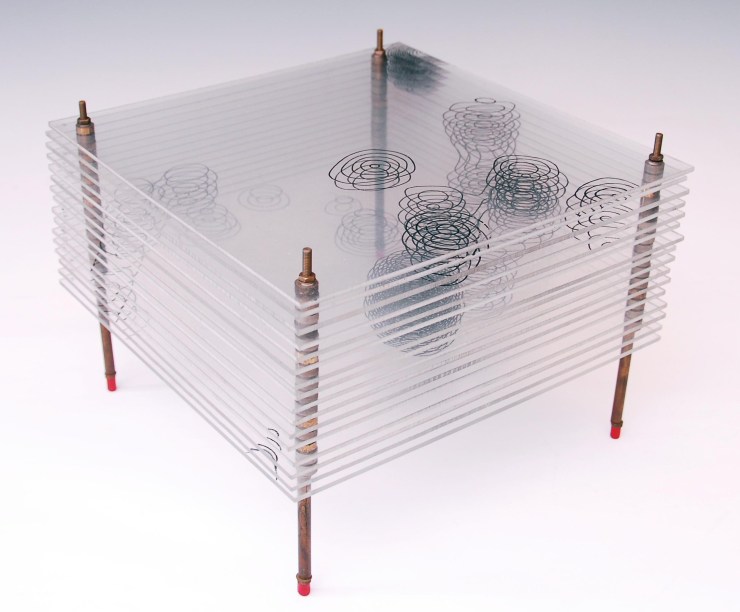
Back in Oxford, Hodgkin started fundraising for X-ray apparatus to explore the molecular structure of biologically interesting molecules. One of the first to attract her attention was insulin, the structure of which took over 30 years to resolve – a project timescale unlikely to appeal to modern research funders. Other molecules proved more tractable, including the newly discovered penicillin, which Hodgkin began to work on during the Second World War, and vitamin B12. It was for the determination of these structures that she was awarded the Nobel Prize.
Dorothy Hodgkin’s new X-ray laboratory was set up in a semi-basement room in the north-west corner of the Museum. The room is now a vertebrate store but was once also the research home of Prince Fumihito of Japan, when he was based in the Museum for his ichthyological research (and It is still the only room in the Museum with bulletproof windows).
Initially, Hodgkin’s only office space consisted of a table in this room and a small mezzanine gallery above, which housed her microscopes for specimen preparation. Once prepared, she then had to descend a steep, rail-less ladder holding the delicate sample to the X-ray equipment below. Later, Hodgkin had a desk in the ‘calculating room’ (now housing the public engagement team) where three researchers and all of their students sat and undertook by hand the complex mathematics necessary after each analysis to determine the crystal structures of organic molecules.
Paul Smith – Director
If you would like to learn more about Dorothy Hodgkin and her work, then read Georgina Ferry’s excellent biography ‘Dorothy Hodgkin: A Life’ which has just been re-issued as an e-book and new, print-on-demand paperback by Bloomsbury Reader.
This year’s Dorothy Hodgkin Memorial Lecture will be held in the Museum at 5 pm on Thursday 12 March, and is open to all. The lecture will be given by Dr Petra Fromme (Arizona State University) who is an international authority on the structure of membrane proteins.
Ever wondered what we get up to all day? This video offers a nice flavour. Thanks to Tom Wilkinson and Tom Fuller in the University of Oxford Public Affairs Directorate for putting this together.
A birthday, on 12 February, and an ‘inordinate fondness for beetles’ are possibly the only things Charles Darwin and I have in common. In his autobiographical notes (1887) Darwin says that at the age of ten he made the decision to collect, but not kill insects; at the same age I was given, by my junior school teacher, four Madagascan hissing cockroaches (the large male I called Burt). So Darwin and I began a lifelong fascination with natural history at a similarly early age, though with very different results.
Much is written about Darwin and his scientific accomplishments, but did you know he was also an avid beetle collector? The quote below is testament to his enduring enthrallment with beetles.
“I feel like an old war-horse at the sound of the trumpet when I read about capturing of rare beetles… It really almost makes me long to begin collecting again”
Trypocopris vernalis, collected by Darren Mann, North Wales, 1986
Darwin was also a close correspondent of Reverend F.W. Hope, the founder of the entomological collections at the Museum, and the two often set out on insect-collecting expeditions together. These trips regularly resulted in the capture of rare or unusual species, and an occasional publication.
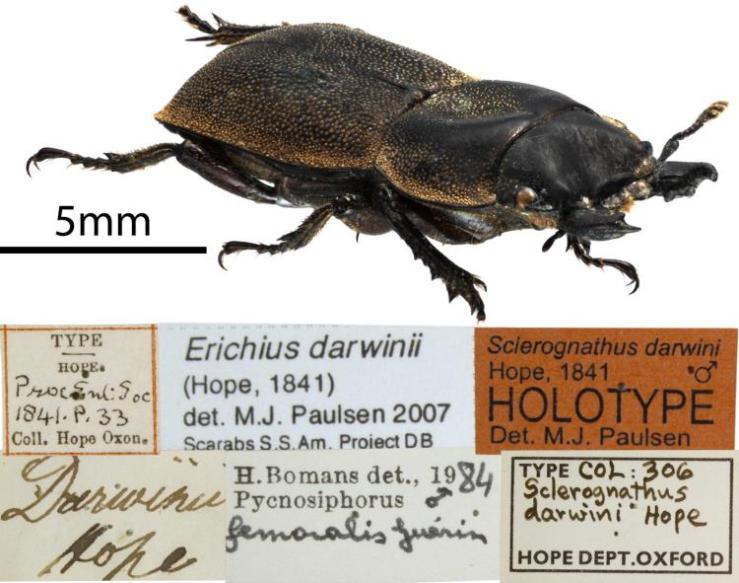
In 1831, Darwin embarked on his famous voyage around the world as naturalist on the HMS Beagle. He returned to England, in 1836, with around 4,000 insects, some of which were donated to his good friend Hope. Hope scientifically described a few of Darwin’s new species of beetles and named them in Darwin’s honour. Examples include the ground beetle Carabus darwinii and the stag beetle Dorcus darwinii.
Dorcus darwinii (Hope, 1841) “The above insect I have lately received from Chili. It is named in honour of Charles Darwin, Esq., who has greatly contributed to our acquaintance with the Entomology of Valparaiso, Chili, and other parts of the South American continent.” Hope, F.W. 1843.
During the Beagle voyage Darwin became the first collector of Tasmanian beetles. Onthophagus australis, collected by Darwin in Hobart Town in Tasmania in 1836, is shown in the photo at the top of this post. Whilst in Hobart Town he was also surprised to find
“Four species of Onthophagus, two of Aphodius, and one of a third genus, very abundant under the dung of cows; yet these latter animals [cows] had then been introduced only thirty-three years. Previously to that time, the Kangaroo and other small animals were the only quadrupeds; and their dung is of a very different quality to that of their successors introduced by man.”
This observation, possibly made on his birthday (and what a great way to spend the day) points to research questions that are ongoing today: the effects of habitat change from forest to pasture, and the impact that introduced farm animals have on native dung beetle populations.
In his 1871 publication, The Descent of Man,Darwin returned to dung beetles, writing about their sexual dimorphism, or differences in appearance between males and females, and arguing that there must be a contest between males and females which drives rapid evolutionary divergence amongst populations. There is now considerable scientific evidence to support these views on sexual selection, some based on dung beetle research.
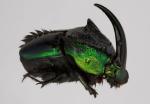
Phanaeus quadridens from the New World
So we come full circle. I work in the building where, in 1860, there was the first public meeting on Darwin’s then newly-published book, The Origin of the Species, an event now often referred to as the Huxley–Wilberforce debate, or Great Debate. My hobby and research interest focus on dung beetles and their ecology, including the effects of habitat change and loss of dung beetle diversity. And within sight of my office are those dung beetles Darwin wrote of from Hobart Town…
I am fortunate to be part of the curatorial team that looks after Hope’s collection, including those specimens given to Hope by Darwin. We have put a few of these on public display for the first time as part of our ‘Presenting…’ series of temporary exhibitions and to celebrate Darwin’s (and my) birthday I will give an informal short talk in the Museum on Thursday 12 February at 2.30pm, focusing on Darwin material from the collections.
A new year, a nice new display case. You may already be familiar with the Presenting… series that we’ve been running since March 2013; it started as a way to showcase treasures from the Museum’s collection during our closure year. Something changing and engaging to see as you passed through our darkened museum into the Pitt Rivers. Since re-opening early in 2014, we’ve celebrated significant natural history anniversaries, shared some of the staff’s favourite objects and put on joint displays with other departments in Oxford University. Now, for 2015, Presenting… is getting a make-over.
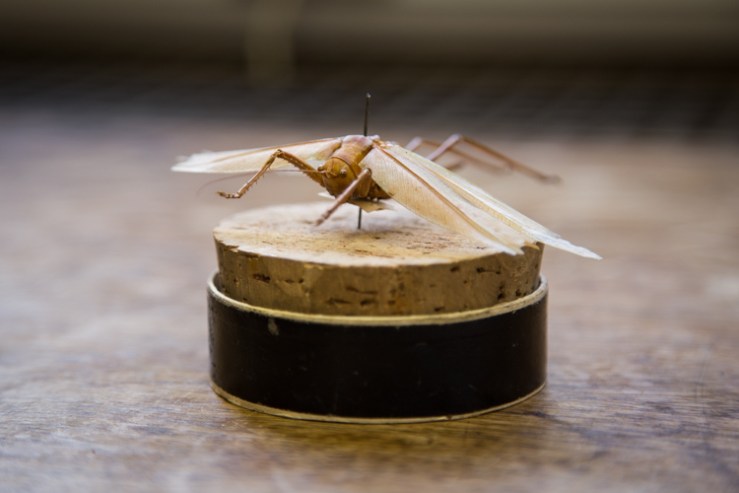
Bush cricket, family TettigoniidaeAmoret from Life collections installs a letter from Darwin to Hope
Today we’ve installed a brand new Presenting… display, in a posh new case. With humidity control and UV protection, this standard-leading unit gives us the opportunity to showcase some of the really special and fragile specimens from the collections. We’re launching tomorrow with a display of insects collected by none other than Charles Darwin.
As well as showing off some specimens collected by the great man in Australia and Tasmania, Darwin’s Insects will tell the story of his close friendship with Frederick William Hope (1797–1862), founder of the Hope Department of Entomology in this Museum. Hope was one of the most eminent entomologists of his time and when Darwin collected insects he often turned to Hope to help identify them.
Preparing specimens in the Life collections
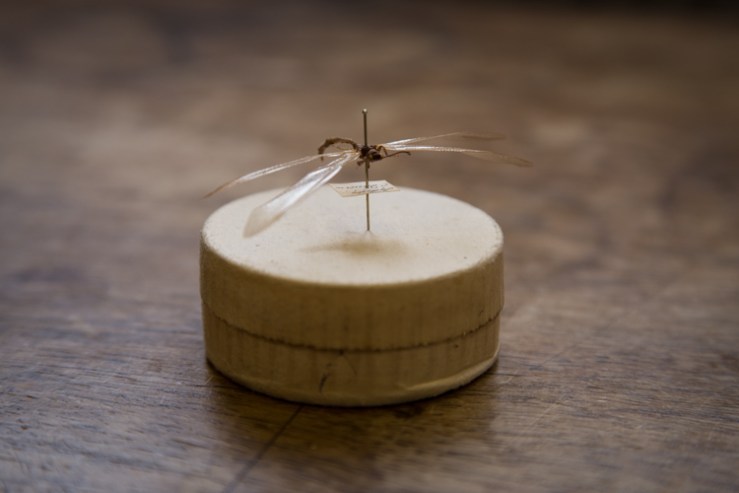
Darwin’s journey on HMS Beagle began in 1831 and towards the end of the trip he travelled around parts of Australia and Tasmania observing and collecting many species, including the insects you can see on display. They’re displayed in pill boxes similar to the type Darwin would have used to collect the specimens originally, and you can see Darwin’s handwriting on the tiny labels.
Ant lion, family Myrmeleontidae
Alongside the pinned insects, you can see one of Darwin’s letters to Hope, sent in 1837. He mentions insects that he collected between January and April 1836, which include the specimens on display. He is asking for Hope’s assistance, because so many of these insects are unknown to science. Hope was always keen to help identify new species and in another correspondence, from 1834, he promised to give Darwin “all assistance in my power” with this task.
The insects and letter will be on display from tomorrow (10 January) until 8 March. Pop in and take a look!
Rachel Parle, Interpretation and Education Officer
Since the 1920s the Museum has had in its care an original, unpublished manuscript containing over 1,500 beautifully detailed and colourful paintings of butterflies and moths. Known as Jones’ Icones, this one-of-a-kind work was created in the late 18th century by amateur Lepidopterist and retired London wine merchant, William Jones.
The paintings depict over 760 butterflies and moths from the collections of some of the most eminent naturalists in London at that time, including the founder of the Linnean Society, Sir James E. Smith and entomologist Dru Drury, as well as Jones’s own specimens.
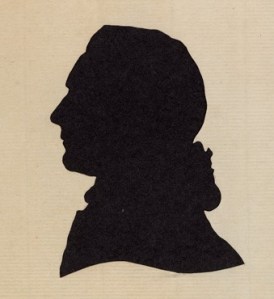
A silhouette of William Jones
In addition to being a beautiful work of art, Jones’ Icones is also an extraordinarily important document in the history of entomology and insect collecting in Britain. At the time Jones was making these paintings, many of the specimens he was depicting were being brought to Europe and described for the first time, most notably from Australia and the Oceanic region. Jones meticulously recorded these specimens through his paintings, and his work remains the only record of many of these important collections, a large number long-since destroyed, lost, or divided among private collectors.
The Icones was also consulted by a student of Linnaeus, Johann Christian Fabricius – the man credited as the first to describe over 10,000 insects. It is believed that Fabricius named over 200 species from the images in the Icones, citing Jones’ work in his publication Entomologica Systematica in 1791.
Large Copper butterflies (Lycaena dispar) from Jones Collection at the Museum
In spite of this manuscript’s huge importance to the history of entomology in Britain, it has never been made available beyond the reading room of the Museum’s archive. So now, after almost a century of failed or abandoned attempts, Jones’ Icones is available for all to see!
A plate from the Jones’ Icones
As part of an HLF funded project, Flying Icons, which has been running since April 2013, all six volumes of Jones’s Icones have been digitised and made available online. A website at www.jonesicones.com has also been developed in order to promote this amazing manuscript and the related collection here at the Museum.
This website also serves another very important function: to solicit help from keen amateurs and experts worldwide to help identify all the species represented in Jones’ Icones. Identification is the first step in tracking down extant specimens of some of Jones’ paintings. It may even change our understanding of the history of the science of entomology. Can you help? If you think so, request an account and we’ll set you to task!
If you’d like to read more about Jones’ Icones – and see some large scale prints – then head to the current exhibition in the cafe area of the Museum.


 William Smith is perhaps most famous for publishing the first geological map of England and Wales in 1815, making this the bicentenary of the incredible feat.
 This weekend marked the official kick-off of events with the opening of the Churchill Heritage Centre special exhibition, curated by the Museum and displayed in the heart of Smith’s home town. A plaque to mark the place where he was born in 1769 was also unveiled, which you can see in the photo at the top of this post.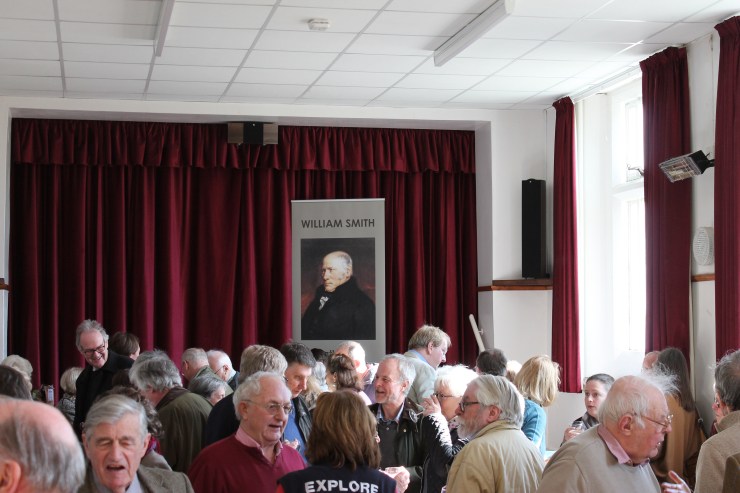
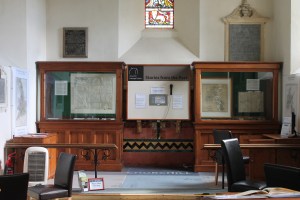 It includes well known publications from the William Smith archive here at the Museum of Natural History such as his geological map of Oxfordshire. Rarely seen items such as letters between himself and his niece, an excerpt from his diaries and the marriage deed of his grandparents will also be on display.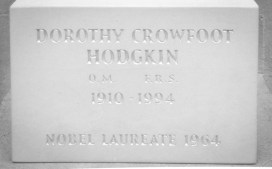









 More Than A Dodo