Behind the scenes at Oxfordshire’s dinosaur highway

Dr Caroline Wood, from the Public Affairs Directorate at Oxford University, takes us behind the scenes to uncover one of the most exciting dinosaur trackways in the world.


The information in a single footprint

The air pulses with seismic activity and under our feet deep vibrations race across the ground. Every so often, a shattering rumble rips out across the surroundings.

Dr Emma Nicholls, a vertebrate palaeontologist at Oxford University Museum of Natural History (OUMNH), has to shout to make her voice heard ‘…they are huge and they can’t see you. Remember, do not leave the designated safety area under any circumstances!’

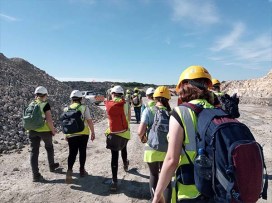
We all nod diligently, assuring her we have understood. Looking down at the immense footprints a few metres away, I try to imagine how painful it would be to be squashed by the foot of a ten tonne sauropod dinosaur. I’m pretty sure my hard hat wouldn’t be very effective protection… however, it isn’t dinosaurs that are rumbling and thundering all around us today, but thoroughly 21st-century quarry vehicles.
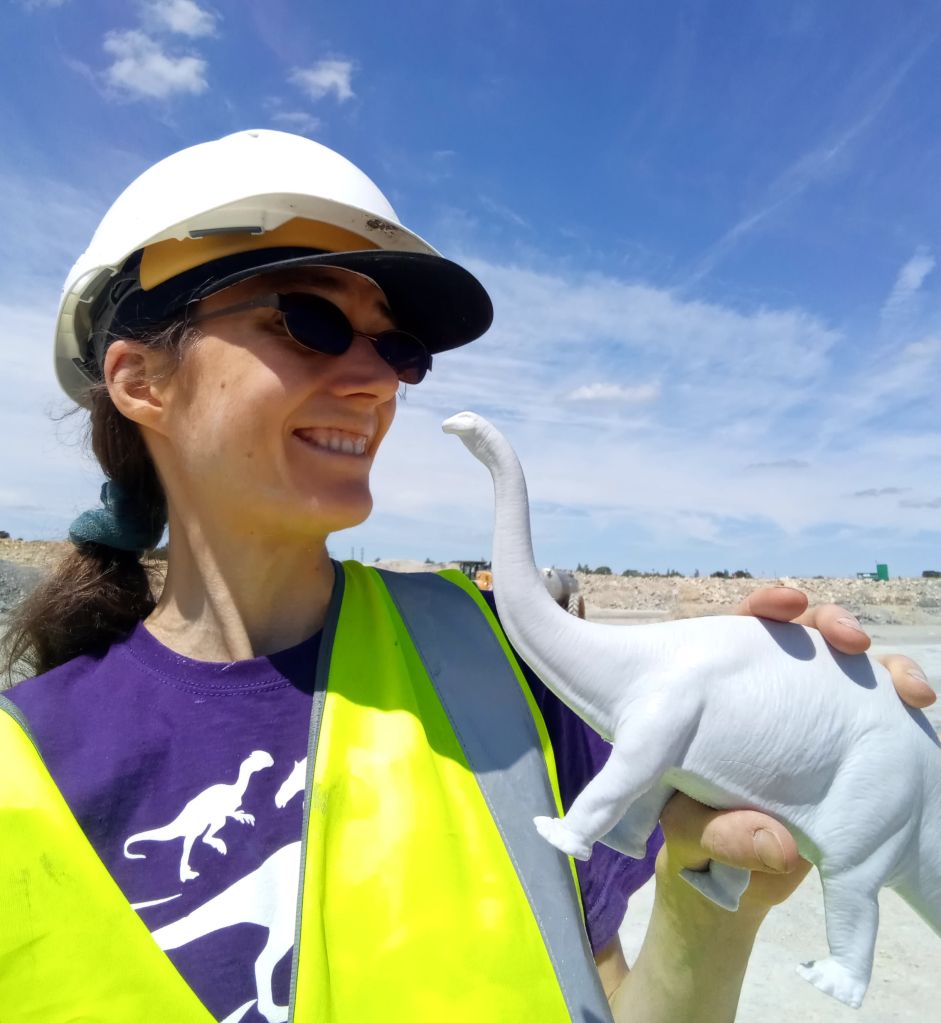
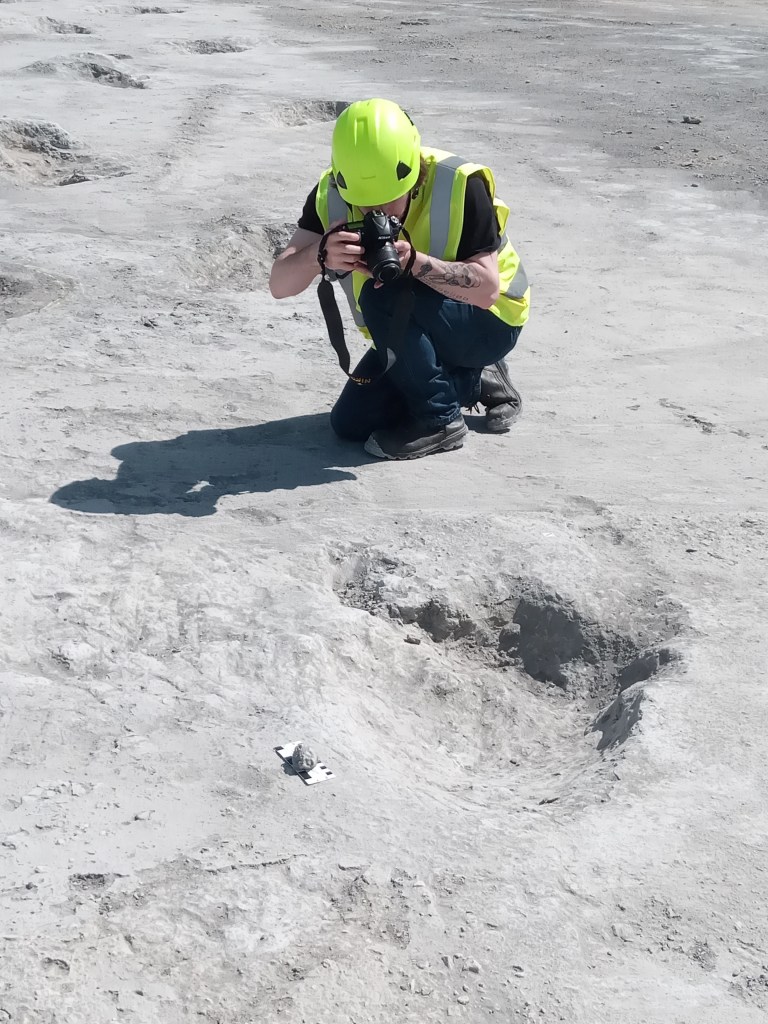
Author Dr Caroline Wood, at the dig site at Dewars Farm Quarry in North Oxfordshire

On a scorching hot summer’s day, I’ve come to help uncover a newly-discovered section of one of the longest dinosaur trackways in the world, here in North Oxfordshire. Whilst stripping back clay from the ground with his vehicle, quarry worker Gary Johnson stumbled upon a series of exquisitely preserved dinosaur footprints. The OUMNH team were called, and they soon made a visit to the site with two colleagues from the University of Birmingham. What they found was something really special; tracks from not just one type of dinosaur but at least two: a herbivorous sauropod (thought to be Cetiosaurus) and the terrifyingly-armed carnivore Megalosaurus, both hailing from the Middle Jurassic, approximately 166 million years ago.

This week, Smiths Bletchington have given site access to a team of researchers, students and staff from the Universities of Oxford and Birmingham. Our task today is to uncover the prints as much as possible, capture digital records, then create computer models to enable researchers across the world to study them further. As someone who has been obsessed with dinosaurs practically from birth (my first toy was a Triceratops), it feels like all my Christmases have come at once.    

‘It’s amazing how much information you can get from a single footprint’

It is not the first time that footprints from these dinosaurs have been found in the area. In 1997, tracks from the same two types of dinosaur were unearthed at Ardley Quarry and Landfill Site in Oxfordshire, and can now be seen in the ‘Dinosaur garden’ at the Oxfordshire Museum in Woodstock. But the newly-unearthed footprints, which link up with the original, make it by far the largest and most significant dinosaur track site in the UK.

‘Some people may feel they’re not as visually dramatic as fossilised skeletons, but dinosaur footprints are incredibly useful resources for palaeontologists,’ Emma says. ‘They can give us a wealth of information about how these animals moved and travelled. In addition, footprints and other trace fossils can also give direct evidence of the environment within which the organism existed.’

‘It is possible that this huge Jurassic predator was tracking the sauropod to hunt.’

Dr Duncan Murdock

She points to the nearest Cetiosaurus tracks. ‘Each of the sauropod footprints has a distinct, raised ridge at the front. This indicates that the animal was walking in soft, wet sediment, but that it wasn’t so water-logged that the footprint collapsed. When the animal put its foot down, its weight caused the mud to splosh up in front, which has been preserved in situ.’

Dr Duncan Murdock, who is co-leading the excavation with Emma, as well as colleagues Professor Richard Butler and Professor Kirsty Edgar from the University of Birmingham, adds: ‘The climate here in the Middle Jurassic would have been warm and tropical, and the environment essentially a large, muddy lagoon.’ The sediment kicked up at the front of the prints was also the reason that the buried prints came to light in the first place, when quarry worker Gary Johnson felt the huge bumps as he worked to clear the mud with his vehicle.

Dinosaur footprints can also offer valuable clues into how different animals interacted, particularly when their tracks are found together, as they are here. ‘Here, we have trackways from at least four sauropods and one Megalosaurus,’ Duncan says. ‘Interestingly, the sauropods are a mixture of different sizes, so it is possibly a herd with juveniles or perhaps there are more than one type of sauropod represented here.’

At one point, the tracks intersect- which poses an interesting question for the research team – which dinosaur came first?

‘It looks as though the back of the Megalosaurus footprint has squished a section of the bump at the front of the Cetiosaurus print, meaning the carnivore came second,’ says Duncan. ‘Although inconclusive, it is possible that this huge Jurassic predator was tracking the sauropod to hunt.’
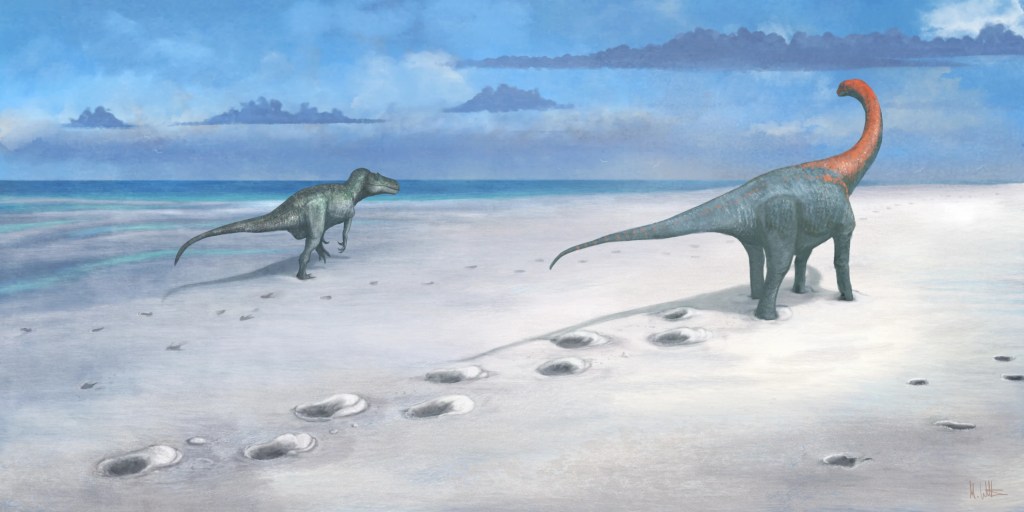
Artistic reconstruction of Megalosaurus and Cetiosaurus in the landscape of the Middle Jurassic, approximately 166 million years ago
© Mark Witton 2024.

Time to get my hands dirty

With most of the prints only partially excavated, it’s time I made myself useful. Fortunately, my lack of experience isn’t an issue; instead of high-tech specialist equipment, I am handed a bucket of supplies that could all be sourced from a hardware store. I don gloves and set to work on a sauropod print with a brush, sweeping out dust and loose stones. Besides being a good workout, it is a highly multisensory experience as I look, feel and ‘hear’ my way around the giant print. I am taught how to ‘listen’ for the edge of the print by tapping my shovel gently: the fossilised print gives a sharp, metallic ching whilst the surrounding mud makes a dull thump sound.
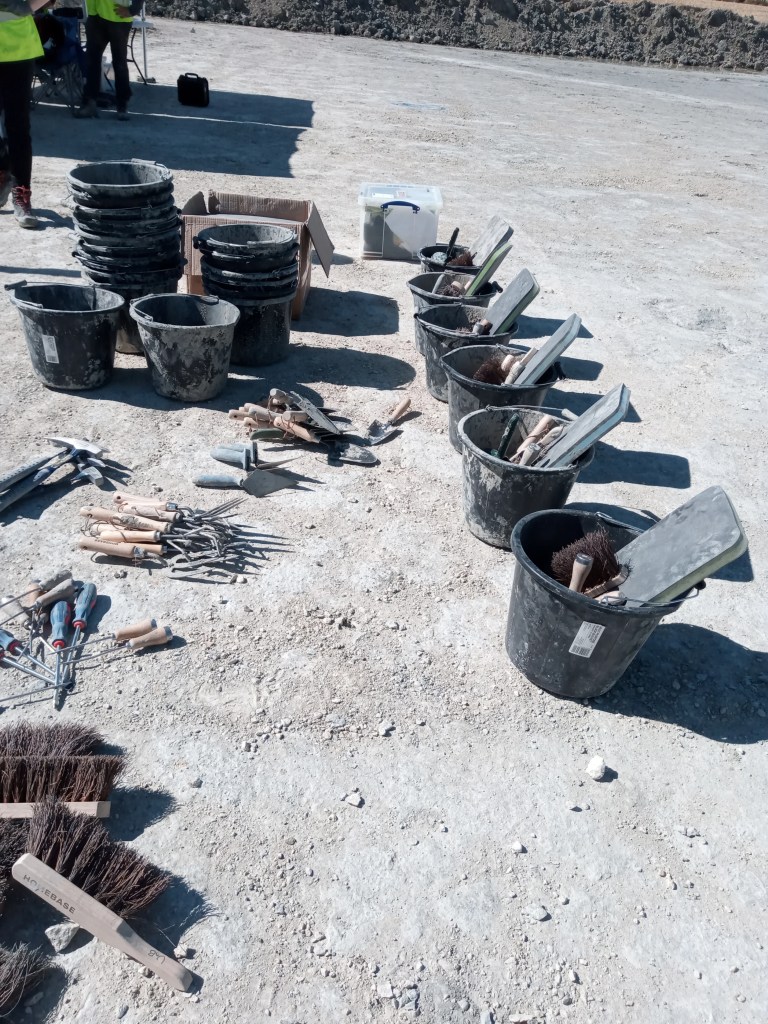
Excavation equipment at the dig site.
Credit: Caroline Wood.

Slowly, under my hands, the full outline of the 90 cm long print is liberated. It amuses me to think how the enormous creature that stomped this way 166 million years ago would have been oblivious that, one day, a diminutive biped mammal would be sweeping out its footprints with assiduous, almost loving, attention.

I’m not the only one getting goose bumps. Emily Howard, a (second year going into third year) Earth Sciences undergraduate student at Oxford University is working on the footprint next to mine. ‘I feel really lucky to be doing this – there is no analogue for dinosaurs,’ she says. ‘When we have lessons in class, it often feels as though everything has already been found and documented… so to be involved with a new discovery and to play a part in the process of uncovering it is very special.’

‘To me, dinosaur trackways are much more “alive” than fossilised bones, which can only be from dead animals. Similar to when you see human footprints on a path ahead of you, a dinosaur track gives the impression that the creature could be miles away in the direction the tracks march on, but was here only a moment ago.’

Emily Howard

Capturing all the details

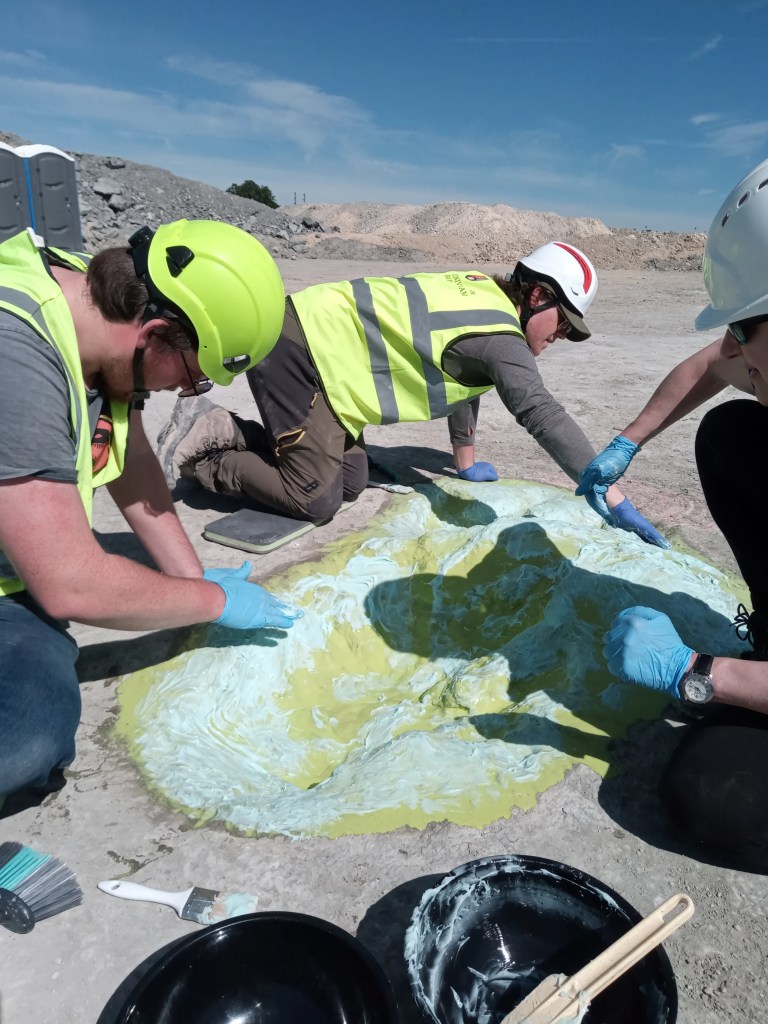
Nearby, one of the prints is undergoing more specialised treatment. Juliet Hay, a conservator in palaeontology at OUMNH, is massaging what looks like viscous turquoise toothpaste into the centre of a print. In the intense midday heat (which helps the materials work more quickly than on a cold wet day), the various layers that make the cast will soon bind together and solidify to create a mould that can be peeled off like a beauty mask.

‘Using the mould, we will be able to make 3D casts of the prints from various different materials, both for research and public engagement.’

Juliet Hay
With so many prints to uncover, staff from all across OUMNH, as well as staff and students from the Universities of Oxford and Birmingham, have come to lend a hand, besides the collections team. ‘All the staff across the museum are excited,’ says Molly Appleby, Visitor Services Assistant at OUMNH. ‘The dinosaurs are such an iconic feature of our exhibits, so it is wonderful that we have all had the opportunity to be involved in this new discovery. This certainly makes a change to my day job!’
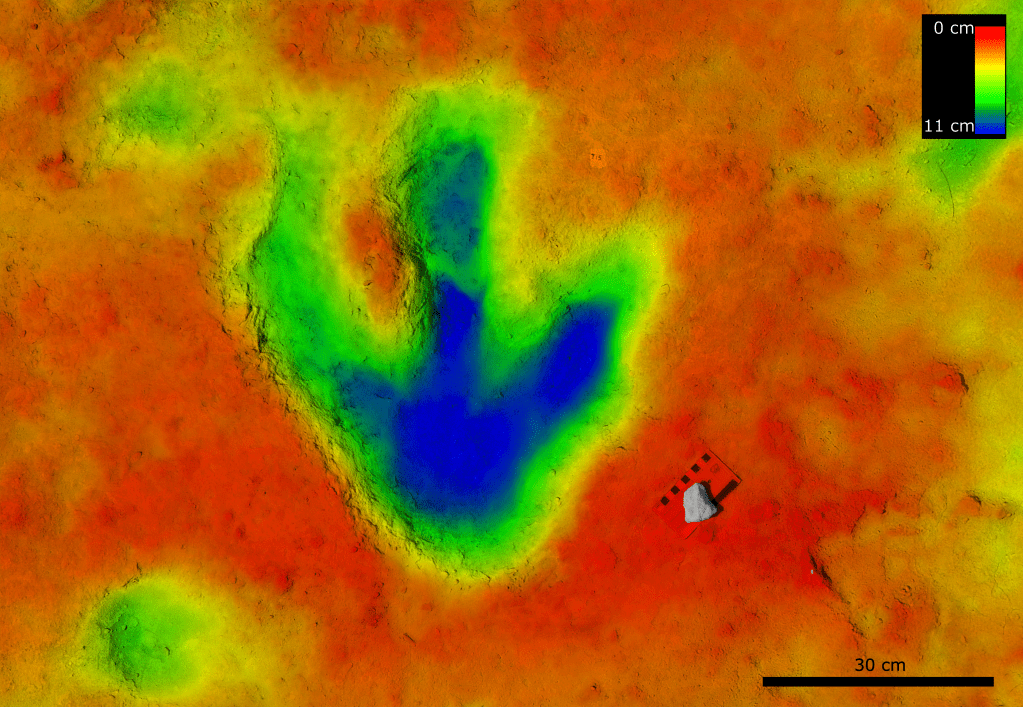
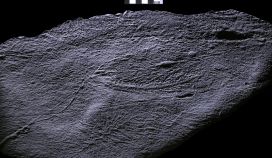
One of the Megalosaurus footprints coloured by depth.
Credit: Dr Luke Meade, University of Birmingham.

The team’s aim goes beyond making physical models. A key outcome is to digitally record the prints so that computer software can reconstruct 3D virtual models, that can be used by researchers across the world.

‘Using photogrammetry and computer models, we will be able to work out details such as the height of the animals and their speed,’ Duncan says. ‘On the largest sauropod’s track, one of the prints is slightly out of sequence – almost as though the animal stopped and looked back over its shoulder. Hopefully, the computer models will help solve that mystery.’

To do this, you need data – and lots of it. I join some of the students who are busy taking close-up photographs of each footprint from as many different angles as possible. Once again, the equipment is straightforward: a standard DSLR camera. In theory, one student tells me, you could even use a mobile phone.

The photographs will be fed into computer software that will identify points of similarity and use trigonometry to reconstruct a 3D model of the print. For each print, between 60 and 100 photos will be taken. I’m told that more photographs are needed for the sauropod prints: being simpler shapes, it’s more taxing for the model to identify reference points.

‘This never ceases to be exciting’

‘Team- breaktime!’ As the sun reaches its noonday zenith, we convene under the OUMNH gazebos to escape into the shade. We refuel and reapply sunscreen, swapping stories of childhood dinosaur addictions and favourite scenes from Jurassic Park. For Emma though, the real-life science of dinosaurs will always trump fictional parodies.

‘Duncan and I have been working with Mark Stanway and the Smiths Bletchington team at the Quarry for nearly two years now, and it never ceases to be exciting,’ she says. ‘Excavating a brand-new Megalosaurus trackway in the 200th anniversary year of the discovery of Megalosaurus – the first dinosaur to be scientifically named and described anywhere in the world – is very special indeed.’

 As my eyes are drawn along the length of the largest sauropod trackway, over 150 metres long in total, I realise that the huge footprints disappear under the cliff at the edge of the quarry. There are undoubtedly more tracks to be discovered…who knows what will be found in the future?
The area is still a working quarry with no public access, and will remain so in the medium term. However, Emma, Duncan, Richard and Kirsty are actively working with Smiths Bletchington and Natural England on options for preserving the site for the future.

You can learn more about the discovery and see the original Megalosaurus fossils on display at the Oxford University Museum of Natural History’s Breaking Ground exhibition.

Lead image credit: University of Birmingham.

Reconstructing the Cretaceous with Bones and Amber

A double window into the past

Post by Dr Ricardo Pérez-de la Fuente, Deputy Head of Research

Nature is wonderfully imperfect, and the data that we can gather from it is even further from perfection. Fossil localities, even those providing exceptionally well-preserved fossils, are inaccurate records of the past. Fossils can form from a variety of matter including organisms, their remains, or even traces of their activity. Yet not all of the material that can get fossilised at a particular site actually will. Among other factors, biases in the fossil record result from the nature of the materials responsible for fossilisation – usually sediments which are in the process of turning into rocks. In most cases, fossil localities offer us only a single ‘window of preservation’ – a skewed geological record of the ancient ecosystem that once existed there.


In 2012, a rich vertebrate bone bed was documented at the Ariño site in Teruel, Spain. Since then, researchers have unearthed more than 10,000 individual fossil bones, from which they have discovered new species of dinosaurs, crocodiles, and turtles. Plant fossils were also found, including pollen grains and amber, which is fossilised resin. Although amber was known to occur in this locality, this sort of material had remained unstudied… until recently.

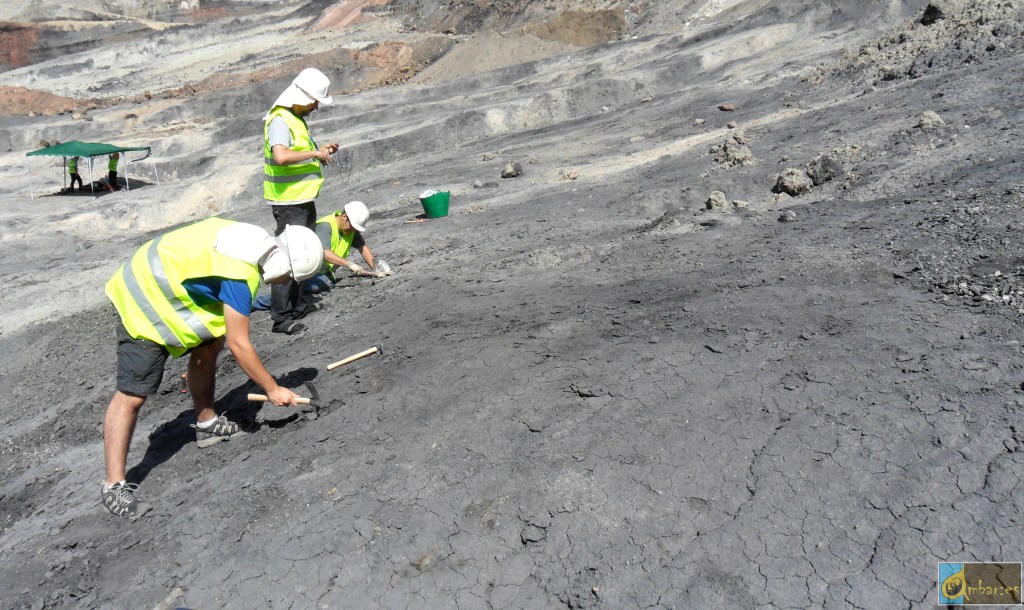
Over the summer of 2019, I joined my colleagues to carry out amber excavations in the Ariño site – an open-pit coal mine that has an almost lunar appearance due to the dark carbonate-rich mudstone rocks and the total lack of vegetation. The scorching heat during a very hot summer was a bit maddening, but I did try to enjoy my yearly dose of sun before returning to the UK!


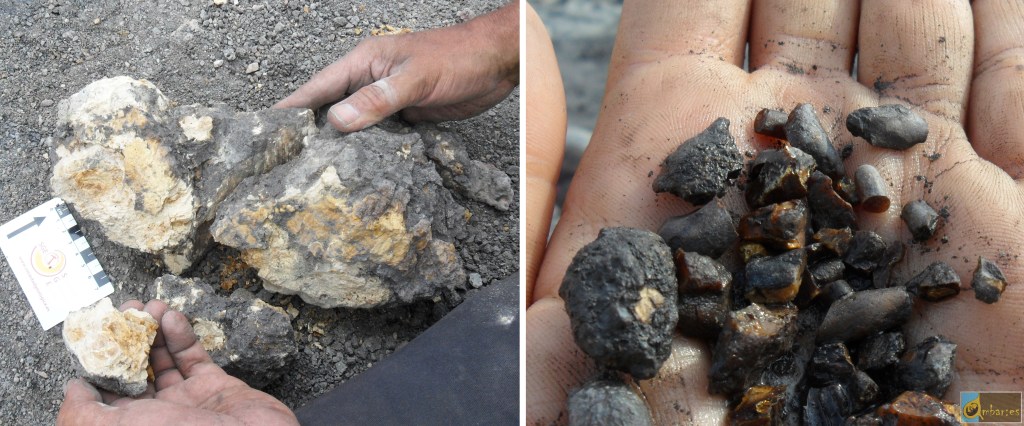
Resin pieces can be transported significant distances by runoff water before depositing on their final burial location, where they slowly transform into amber. However, we found amber pieces that had not moved from their original place of production. These large, round-shaped pieces preserved delicate surface patterns that would have been polished away even by the slightest transport. The resin that produced these amber pieces was formed by the roots of the resin-producing trees, and resembles sub-fossil resin my colleagues found in modern forests from New Zealand.

Large amber piece produced by roots (left) and assemblage of smaller amber pieces (right) from Ariño (Teurel, Spain).

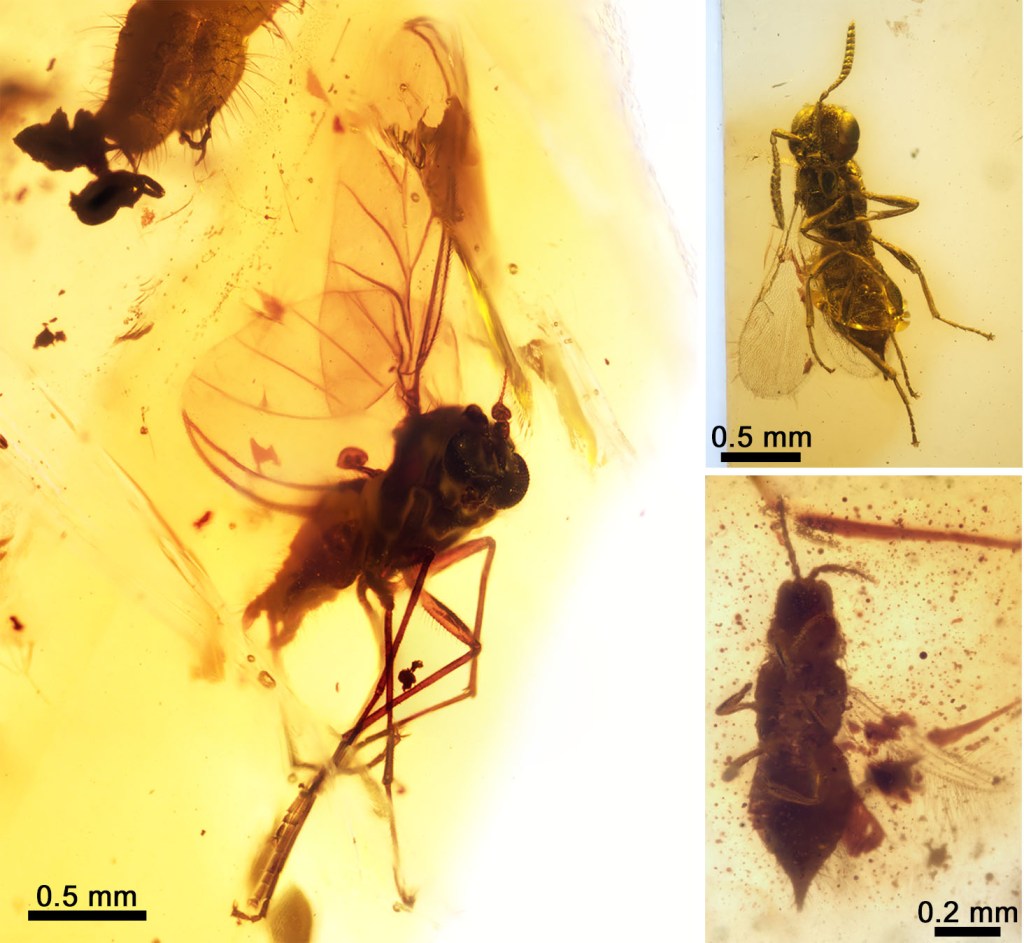
The small amber pieces from Ariño contain an unusual abundance of fossils. These pieces come from resin produced by the branches and trunk of the resin-producing trees. From the almost one kilogram of amber we excavated, we identified a total of 166 fossils. These include diverse insects such as lacewings, beetles, or wasps, and arachnids such as spiders and mites. Even a mammal hair strand was found!1


We now know that the Ariño site provides two complementary windows of preservation — a bone bed preserving a rich variety of vertebrate animals, and amber with abundant inclusions. Aside from Ariño, only three localities that preserve both dinosaur bone beds and fossiliferous amber have been reported in Western France, Western Canada, and North Central United States. However, in these cases, either the bone bed or the amber have offered a much more modest abundance and diversity of fossils. Some of the fossils from these localities also show signs of significant transport, which means that the organisms could have inhabited different, distant areas even though they fossilised together. This makes Ariño unique because it offers two valuable ‘windows of preservation’ from the same ecosystem.

Thanks to all this evidence and other data, we have been able to reconstruct an ancient terrestrial ecosystem – a 110-million-year-old coastal swamp – with unprecedented detail and accuracy.2 The inherent incompleteness of the fossil record will always remain a headache for palaeontologists… but localities like Ariño make the data that we can recover from the past a bit more complete.

Reconstruction of the coastal swamp forest of Ariño, in the Iberian Peninsula, from 110 million years ago. Author: José Antonio Peñas. Source: Álvarez-Parra et al. 2021.

If you want to learn more about amber excavations, check out this post on Excavating Amber.


1Álvarez-Parra, Sergio, Ricardo Pérez-de la Fuente, Enrique Peñalver, Eduardo Barrón, Luis Alcalá, Jordi Pérez-Cano, Carles Martín-Closas et al. “Dinosaur bonebed amber from an original swamp forest soil.” Elife 10 (2021): e72477.

2Álvarez-Parra, Sergio, Xavier Delclòs, Mónica M. Solórzano-Kraemer, Luis Alcalá, and Enrique Peñalver. “Cretaceous amniote integuments recorded through a taphonomic process unique to resins.” Scientific reports 10, no. 1 (2020): 1-12.

Iconotypes: A Compendium of Butterflies and Moths

By Danielle Czerkaszyn and Kate Diston

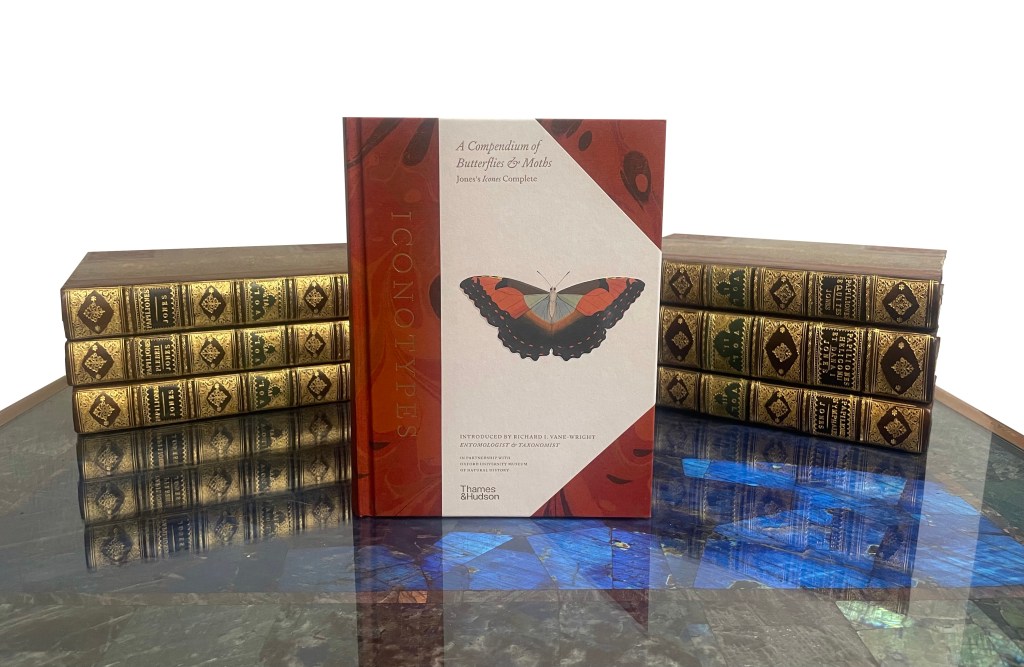
Today, the Museum is celebrating the publication of Iconotypes: A Compendium of Butterflies and Moths based on William Jones’ unpublished, six volume manuscript. Danielle Czerkaszyn, Librarian and Archivist, tells us more about the importance of Jones’ work…

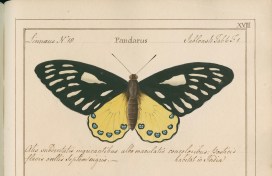
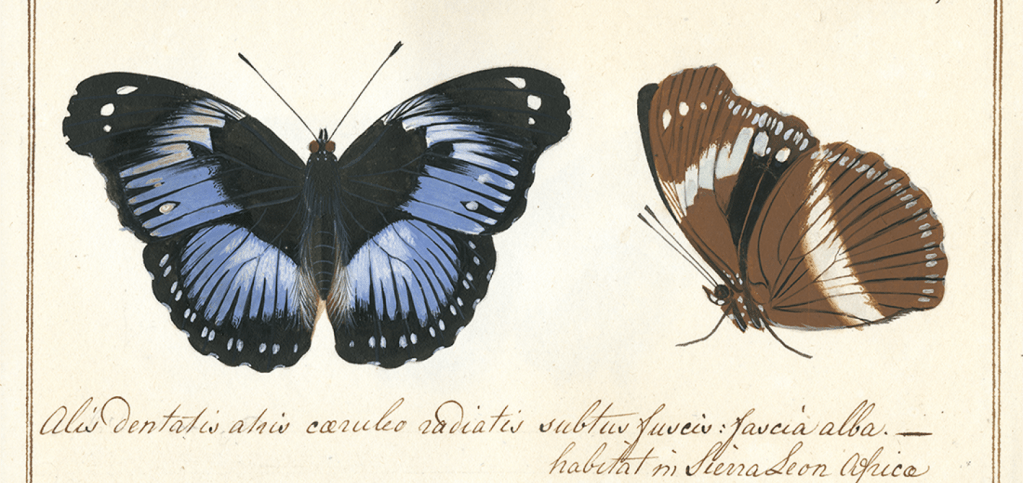
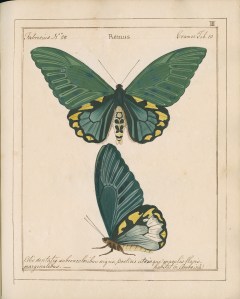
Since the 1920s the Museum has had in its care an original, unpublished manuscript containing 1,292 beautifully detailed and colourful paintings of butterflies and moths. Known as Jones’ Icones, this one-of-a-kind work was created in the late 18th century by retired London wine merchant, natural historian and Lepidopterist, William Jones (1745-1818).

In six volumes Icones depicts over 760 butterflies and moths from the collections of some of the most eminent naturalists in London at that time, including entomologist Dru Drury, explorer Sir Joseph Banks, the founder of the Linnean Society, Sir James E. Smith, and Jones’s own collection. A labour of love, Jones spent 30 years of his life – from 1780-1810 – using the finest materials to ensure Icones was both accurate and beautiful.  

In addition to being a stunning work of art, Jones’ Icones is an extraordinarily important document in the history of entomology and insect collecting in Britain. At the time Jones was making these paintings, the British Empire was rapidly expanding. This was an exciting time to be an entomologist, and species from as far away as Africa, India and Australia were being described for the first time. Over such a long period of time, some of the butterfly specimens illustrated by Jones have been destroyed, lost or divided among private collectors, so Jones’s work represents a singular historical document of these early collections. 

Jones’ Icones was even consulted by a student of Linnaeus, Johann Christian Fabricius – the man credited as the first to describe over 10,000 insects. Fabricius named 231 new species from the images in the Icones, citing Jones’ work in his publication Entomologica Systematica in 1791. The images from which new species are described are known as iconotypes. As the six volumes hold 231 iconotypes, Icones constitutes part of the foundations of butterfly taxonomy and systematics making it one of the most scientifically important items in the Museum’s archive. 

Icones also provides early documentation of global butterfly fauna in a pre-industrial world which carries important messages for today’s conservation biologists. Studies show that global insect abundance has declined by as much as 45% in half a century and several of species illustrated in the manuscript are now in decline or locally extinct.

In spite of Jones Icones huge importance to the history of entomology in Britain, the manuscript was not made available beyond the reading room of the Museum’s archive until recently. Several attempts to publish Icones for a wider audience failed or were abandoned. However, as a part of a 2013-14 National Heritage Lottery Fund project, Flying Icons, all 6 volumes were digitised and keen amateurs and specialist entomologists were invited to identify all the species represented in Jones’s Icones

Expanding on this momentum, Oxford University Museum of Natural History’s newest publication, Iconotypes: A compendium of butterflies and moths, publishes Jones’s seminal work for the very first time. This enhanced facsimile is accompanied by expert commentary, contextual essays and annotated maps with modern taxonomic names and historical references clarified. Moreover, with over 1,600 colour illustrations, Iconotypes is visually stunning. This book represents an exciting step in the long history of trying to make William Jones’s masterpiece more accessible and we could not be more excited to share it with you all.

Rare Jurassic mammal fossil from Scotland is new species

By Elsa Panciroli, Research Fellow

This week my colleagues and I announced the discovery of a new species of mammal from the time of dinosaurs. It is one of two rare skeletons we’re studying from the Isle of Skye in Scotland. These mouse-like animals lived in the Middle Jurassic (166 million years ago), and tell us about the evolution of mammals in the time of dinosaurs.

The two fossils belong to Borealestes serendipitous and Borealestes cuillinensis. B. serendipitous was the first Jurassic mammal ever found in Scotland, known originally from pieces of fossil jaw found on Skye in 1971. In our new paper, we describe the skull of a partial skeleton of this species, found in 1972 by the original discoverer of the site, Dr Michael Waldman and his colleague Prof Robert Savage. But this exceptional fossil lay unstudied for over 40 years. Only now is it giving up its secrets thanks to powerful synchrotron X-ray scans, which reveal the anatomy in incredible detail.

The other fossil skeleton was found in 2018 by my colleague Prof Richard Butler. After taking it back to the lab and CT-scanning it, we realised it was a new species. We named it Borealestes cuillinensis in honour of the Cuillin mountain range on Skye (Gaelic: An Cuiltheann), a stunningly jagged set of peaks that overlooks where the discovery was made.

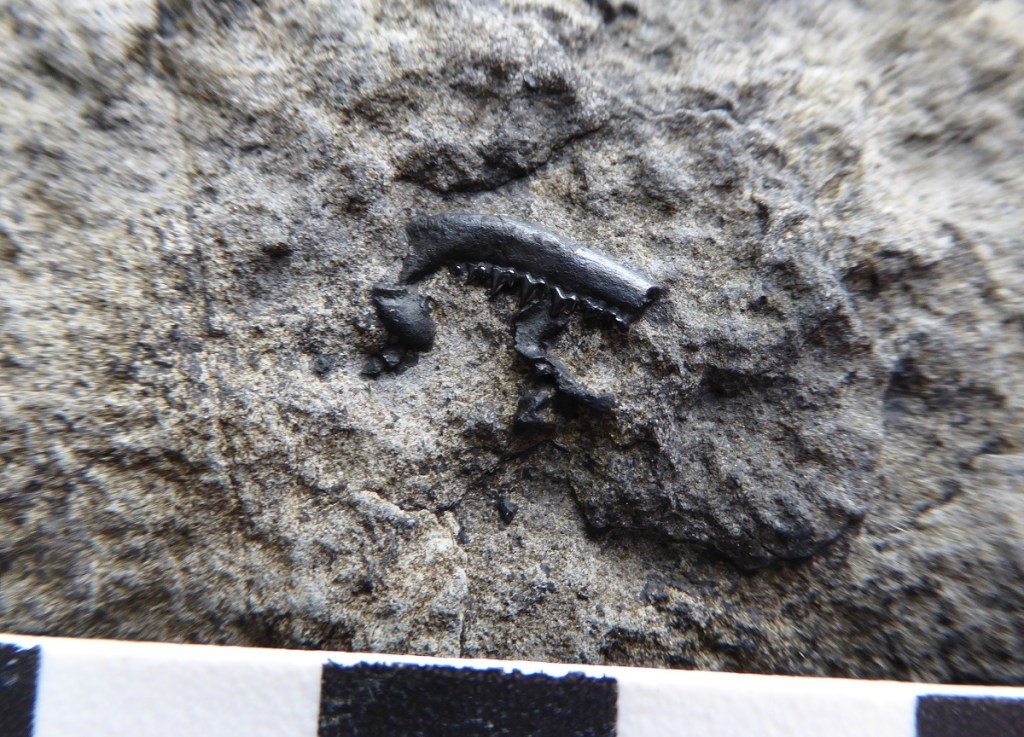
The fossil jaw of new species, Borealestes cuillinensis, moments after its discovery. By Elsa Panciroli

Most ancient mammals are only known from a few teeth and jaws, so these skeletons are exceptionally rare. They are currently the most complete Jurassic mammals described from the UK.

The Middle Jurassic is an important time in animal evolution, because it marks an increase in the diversity of lots of different groups. Just afterwards, in the Late Jurassic, there are many new species of mammals, amphibians, small reptiles and dinosaurs, which flourish into the Cretaceous period. All of this diversity began in the Middle Jurassic, but fossils from that time are rare, making it difficult to unpick the causes of these changes. This means that any material from that time period is extremely important to our understanding of the course of evolution, and the drivers of animal diversity.

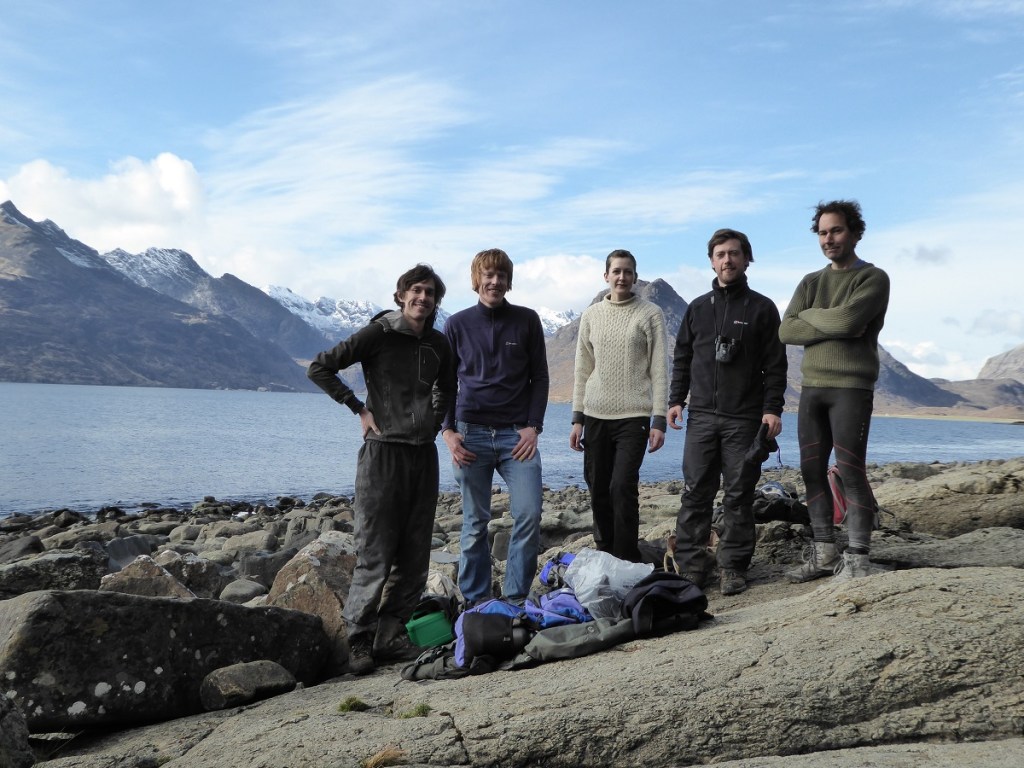
Fieldwork team on the Isle of Skye: (L to R) Roger Benson (University of Oxford), Richard Butler (University of Birmingham), Elsa Panciroli (OUMNH and National Museums Scotland), Stig Walsh (National Museums Scotland).

Our team have been carrying out fieldwork and research on Skye for the last decade. It includes researchers from National Museums Scotland and the universities of Oxford and Birmingham. We are working on many more exciting fossils from the island, so keep an eye out for the next discovery!

Read the paper ‘New species of mammaliaform and the cranium of Borealestes (Mammaliformes: Docodonta) from the Middle Jurassic of the British Isles’ published today in the Zoological Journal of the Linnean Society.

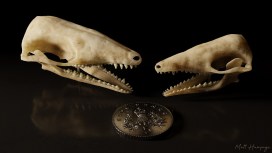
Top image: Digital reconstruction of two Jurassic mammal skulls. (c) Matt Humpage

High-tech insect origami

By Dr Ricardo Pérez-de la Fuente, Research Fellow

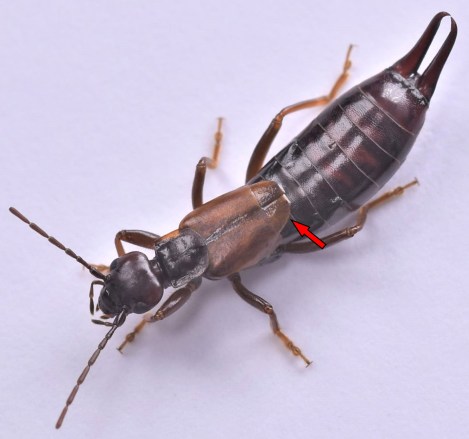
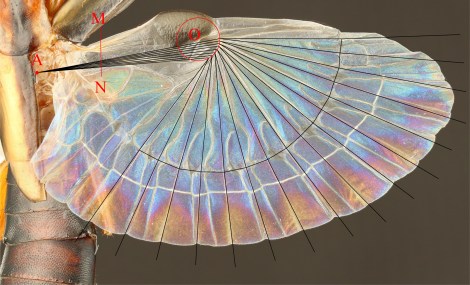
Earwigs are fascinating creatures. Belonging to the order Dermaptera, these insects can be easily recognised by their rear pincers, which are used for hunting, defence, or mating. But perhaps the most striking feature of earwigs is usually hidden – most can fly with wings that are folded to become 15 times smaller than their original surface area, and tucked away under small leathery forewings.

With protected wings and fully mobile abdomens, these insects can wriggle into the soil and other narrow spaces while maintaining the ability to fly. This is a combination very few insects achieve.

I have been working on research led by Dr Kazuya Saito from Kyushu University in Japan, which presents a geometrical method to design earwig wing-inspired fans. These fans could be used in many practical applications, from daily use articles such as fans or umbrellas, to mechanical engineering or aerospace structures such as drone wings, antennae reflectors or energy-absorbing panels!

Dr Saito came to Oxford last year for a six-month research stay at Prof Zhong You’s lab, in the Department of Engineering Science at the University of Oxford. He introduced me to biomimetics, an ever-growing field aiming to replicate nature for a wide range of applications.

Biological structures have been optimised by the pressures of natural selection over tens of millions of years, so there is much to learn from them. Dr Saito had previously worked on the wing folding of beetles, but now he wanted to tackle the insect group that folds its wings most compactly – the earwigs.

He was developing a design method and an associated software to re-create and customise the wing folding of the earwig hind wing, in order to use it in highly compact structures which can be efficiently transported and deployed. Earwigs were required!

Here at the Museum we provided access to our insect collections, including earwig specimens from different species having their hind wings pinned unfolded. These were useful to inform the geometrical method that Saito had been devising.

Dr Saito was also interested in learning about the evolution of earwigs and finding out when in deep time their characteristic crease pattern established. Some fossils of Jurassic earwigs show hints of possessing the same wing structure and folding pattern of their relatives today.

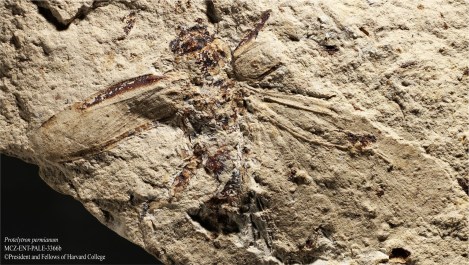
However, distant earwig relatives that lived about 280 million years ago during the Permian, the protelytropterans, possessed a different – yet related – wing shape and folding pattern. That provided the chance to test the potential and reliability of Saito’s geometrical method, as all earwigs have very similar wings due to their specialised function.

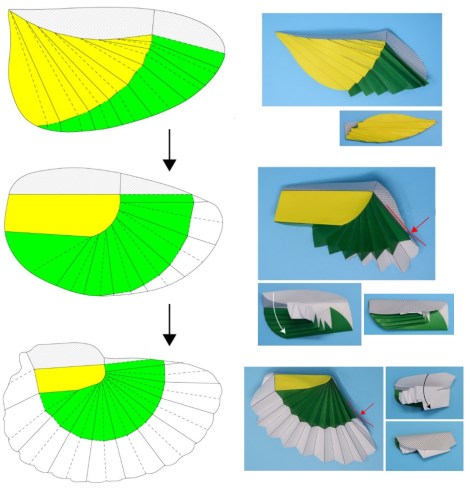
The geometrical method turned out to be successful at reconstructing the wing folding pattern of protelytropterans as well, revealing that both this extinct group and today’s earwigs have been constrained during evolution by the same geometrical rules that underpin the new geometrical design method devised by Dr Saito. In other words, the fossils were able to inform state-of-the-art applications: palaeontology is not only the science of the past, but can also be a science of the future!

We were also able to hypothesise intermediate extinct forms – somewhere between protelytropterans and living earwigs – assuming that earwigs evolved from a form closely resembling the protelytropterans.

As a collaboration between engineers and palaeobiologists, this research is a great example of the benefits of a multidisciplinary approach in science and technology. It also demonstrates how even a minute portion of the wealth of data held in natural history collections can be used for cutting-edge research, and why it is so important to keep preserving it for future generations.

Soon these earwig-inspired deployable structures might be inside your backpacks or used in satellites orbiting around the Earth. Nature continues to be our greatest source of inspiration.

Original paper:  Saito et al. (2020). Earwig fan designing: biomimetic and evolutionary biology applications. Proceedings of the National Academy of Sciences of the United States of America.

Uncovering ancient threads

By Dr. Frankie Dunn, Research Fellow

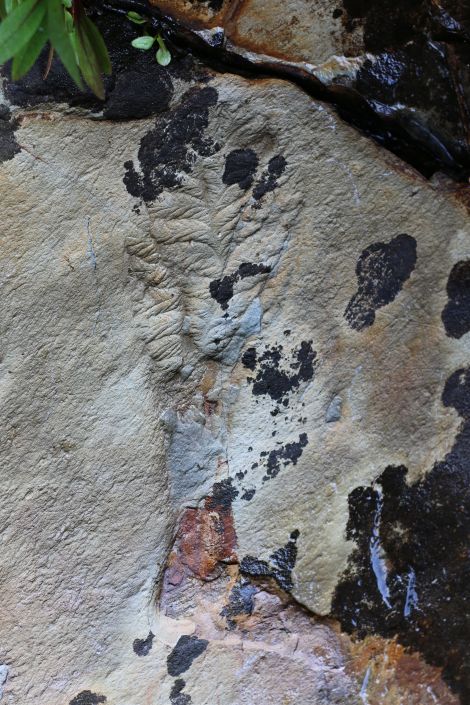
Some of the very oldest complex, macroscopic communities on Earth appear in the fossil record about 570 million years ago and record the presence of a group of organisms – the rangeomorphs – with an unfamiliar body plan that, at their ultimate extinction, was lost from life’s repertoire.

Rangeomorphs are characterised by a strange frondose branching anatomy, where large primary branches host smaller branches which themselves host smaller branches again. This arrangement appears to maximise the surface-area to volume ratio of the organism, rather like a lung or a gill would today.

The smallest known rangeomorphs are less than a centimetre in length, but they grew huge and the largest records indicate they could stand more than two metres tall. There is no evidence to suggest that rangeomorphs were able to move around, rather, they lived stuck to the sea floor in the deep ocean, far below the reach of light.

Despite this strange set of characters, there is growing consensus that rangeomorphs likely represent very ancient records of animal life. However, they lived at such a remote time in Earth’s history that they do not possess any direct living descendants. Given all this, it may not be a surprise to hear that we know relatively little about how these organisms made their living and came to dominate the ancient seafloors.

Fig A
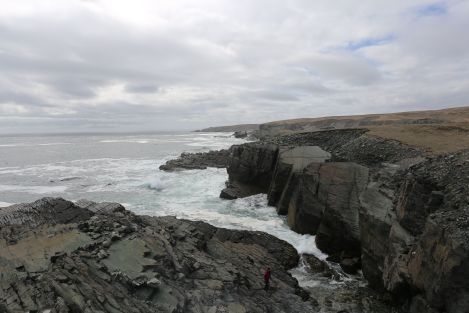
The UNESCO world heritage site Mistaken Point in Newfoundland, Canada, is one of the sites on which we find exceptionally preserved rangeomorph fossils. Photo: Alex Liu.

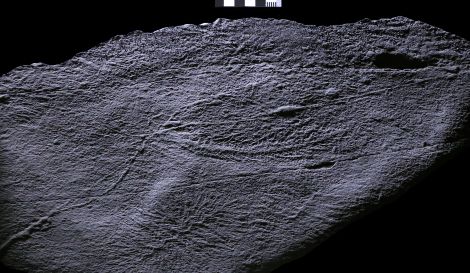
In order to better understand them, my co-author Alex Liu and I travelled to Newfoundland, Canada to explore the rocks which host these remarkable fossils and over the past few years we have made an unexpected discovery. We found that fine filamentous threads connect rangeomorph fronds of the same species, in some cases over many meters, though they are typically between two and 40 centimetres long.

N3
An undescribed rangeomorph fossil with filamentous connections at the base of the frond. We find that this species of rangeomorph can be connected to each other over meters! Photo: Alex Liu. 

It is possible that these filaments were involved in clonal reproduction, like strawberry plants today, but they may have had additional functions such as sharing nutrients or providing stability in strong ocean currents.

The discovery of the filaments means that we have to reconsider how we define an individual rangeomorph, and may help us understand how rangeomorphs (seemingly) rapidly colonised deep-sea environments. Either way, some reassessment of the palaeobiology of these unique organisms is certainly required!

More information:

  • Read the full research paper here.


Top image: Beothukis plumosa, a rangeomorph from Newfoundland showing the intricate branching anatomy of rangeomorphs. Photo: Alex Liu.