

Goings and comings!
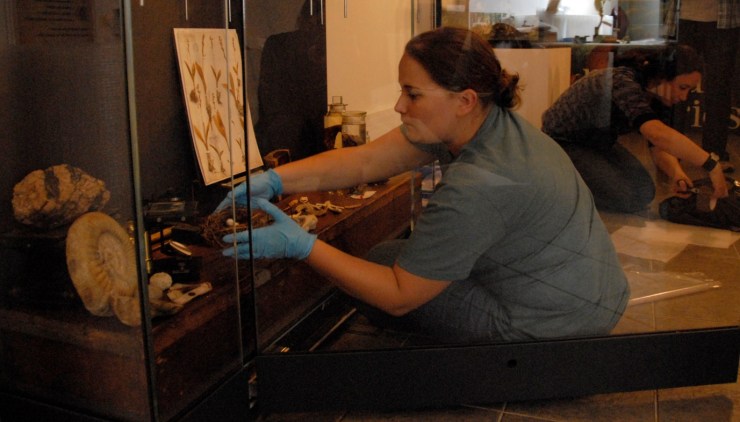
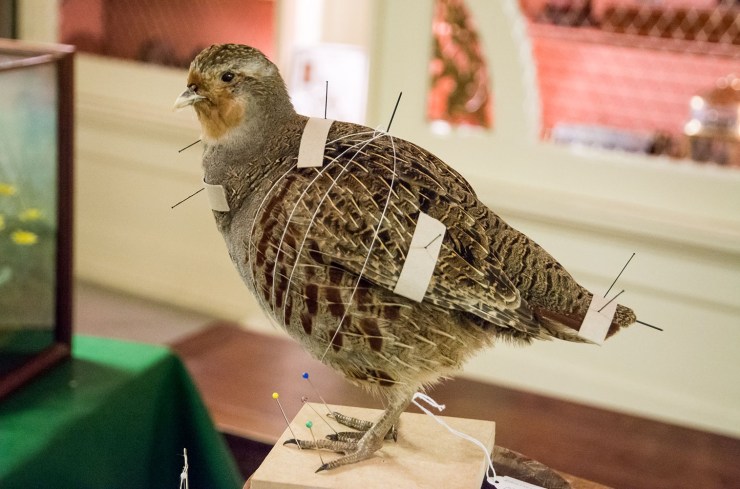
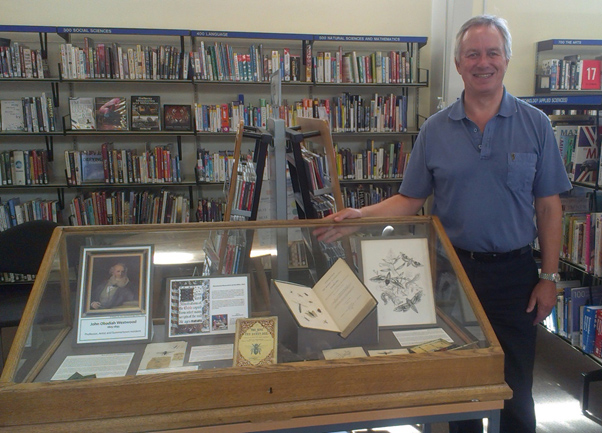
This week we’ve been at the Museum of the History of Science on Broad Street, taking down our temporary exhibition, ‘Natural Histories’. We had some lovely feedback from people who saw the display. They enjoyed seeing old friends from the Museum of Natural History’s displays such as the giant ammonite that people can touch, the jaw of Megalosaurus, the first dinosaur ever to be described by scientists, and the lovely old insect collecting tools used by entomologists.
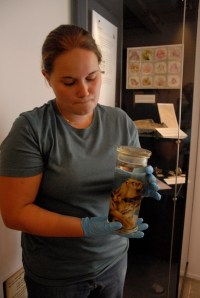
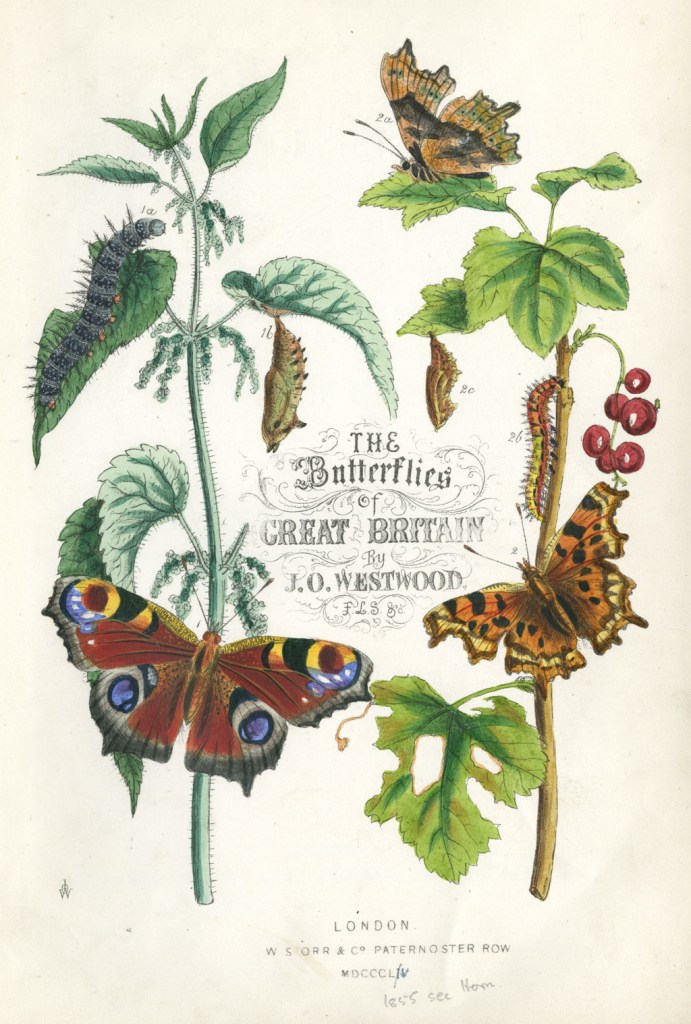
The exhibition also had some things we are rarely able to put on display. The beautiful hand-painted butterflies in William Jones’ Icones, and White Watson’s inlaid stone slabs representing the strata of Derbyshire, are just two of the treasures we normally keep in a darkened room because too much light will damage them. We showed crabs collected by Charles Darwin on the voyage of The Beagle, and even a plant from the University’s herbaria that was collected by Linnaeus, the Swedish scientist who devised the system of ‘Latin’ names we still use for plants and animals today.
Every item is being carefully checked and packed up, but don’t worry, they are not staying in our stores for long. We will be taking them to Banbury Museum where ‘Natural Histories’ will be going on show again from 30th November 2013 until late February 2014. So, even if you missed the exhibition in Oxford, you’ll have a last chance to see it in Banbury.

All photos, Keiko Ikeuchi, MHS
Monica Price, Head of Earth Collections
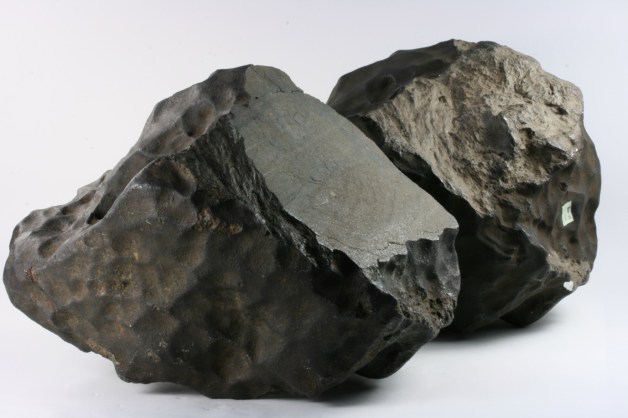 Two hundred years ago today, at 9 o’clock in the morning on 10 September 1813, the residents of County Limerick in Ireland had a bit of a surprise. They heard loud bangs as a shower of meteorites fell to ground. More than 48 kilograms of rock had just arrived from space!
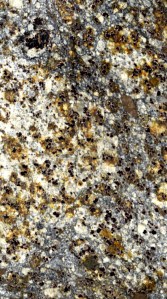 The meteorite that fell over County Limerick broke into pieces, and the one in our collection is the second largest. It weighs nearly 8.5 kilograms, and landed near the village of Faha on the estates of the Blakeney family. The Rev. Robert Blakeney was an Oxford graduate whose ministry was in the parish of South Elm in Somerset. The meteorite was perhaps found in the rectory after his death, as it was the new rector’s younger brother, the Rev. John W. Griffith, who presented it to the University of Oxford in 1825.
 The exhibit in


 More Than A Dodo