Plight of the bumblebee

nhm16

The ecological importance of bumblebees has become more widely appreciated in recent years, thanks to environmental campaigners and reports of species decline, and even some extinctions, in the UK.

To look at this issue, we have recently teamed up again with arts-science organisation Pale Blue Dot, which is launching a new research project to investigate why some species of bumblebee are declining and to raise awareness about the ultimate impact this has on people.

Here, Pale Blue Dot co-founder Jane King explains how the Bees & Weeds project brings together art students, public engagement, the Museum’s collections and a leading bumblebee scientist…

*

On 9 September we launched our latest project – Bees & Weeds – with the Museum of Natural History, building on our previous collaboration for the Lost & Found exhibition. We were joined by over 50 art students from Banbury & Bicester College to highlight the plight of the bumblebee, revealing how its decline is impacting everything from what we eat to where we live and work.

Amoret Spooner displays drawers from the collections

The students spent some time looking at methods of insect labelling and notation, before heading behind the scenes with entomologist Amoret Spooner to the Huxley Room, the location of the Great Debate on Darwin’s Theory of Evolution, which took place in 1860.

Amoret provided an insight into taxonomy – the science of species classification – as well as her work on the conservation of specimens. We visited the huge archive of bee specimens and learnt about some of the research that scientists are currently carrying out on UK bumblebee species to help prevent further decline.
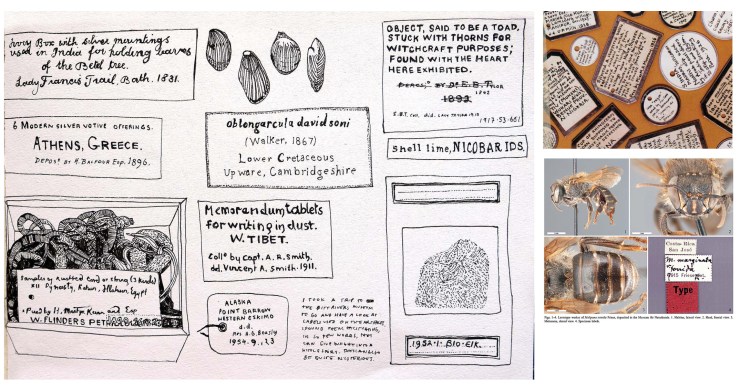
Student sketches of labelling and notation

During spring 2015, the art students from the Banbury & Bicester College, as well as students from Oxford Brookes University, will make and install hundreds of cycle seat covers on bikes in and around the Oxford city. The seat covers will carry messages about bumblebee decline in the UK countryside, showing how much we depend on their pollination services, which far outstrip those of the honeybee in their value to UK food production.

We are also working with Professor Dave Goulson from the University of Sussex, one of the world’s most important bumblebee scientists. He will present his research showing how well bumblebees are doing in gardens compared to the countryside, as well as the optimum range of flowering plants needed to help them thrive. Dave’s book, A Sting in the Tale, is already a best-seller, and the sequel – A Buzz in the Meadow – was published on 4 September.

Dave will also be speaking about his new book at the Museum on Thursday 9 October at 7pm. Book your tickets for that via Waterstones here.

Artwork from the Bees & Weeds project, together with cycle seat covers and bike paraphernalia, will be on show and for sale in the Old Fire Station in Oxford from next spring. If you cycle in Oxford, you may be lucky enough to receive one!

Pale Blue Dot is an arts-science organisation helping scientists to communicate their research to the public. It promotes an interdisciplinary approach to learning, living and working through exhibitions, publications and happenings.

Jane King – co-founder, Pale Blue Dot
Summer Swifts

Judith Wakelam 04
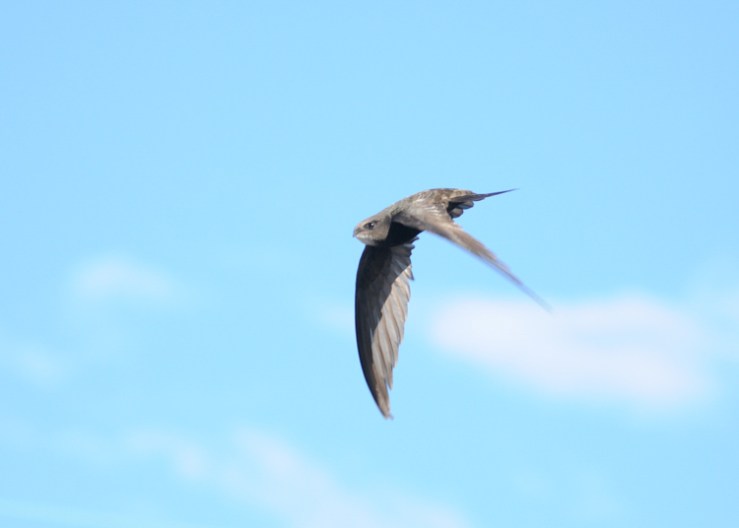
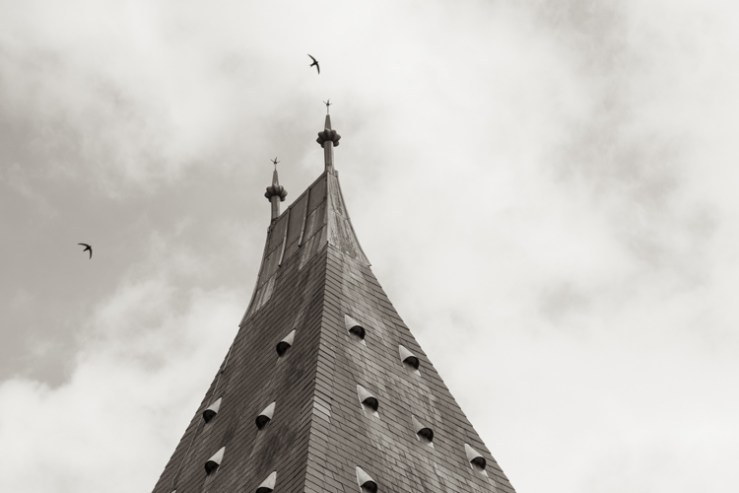
Mastery of the Skies by Judith Wakelam

Hopefully many of you have been able to visit the Museum over the summer to admire the incredible images in the Wildlife Photographer of the Year exhibition. If you haven’t yet seen the inquisitive lion or the mysterious elephants, don’t leave it too long; it’s only on display until 22nd September.

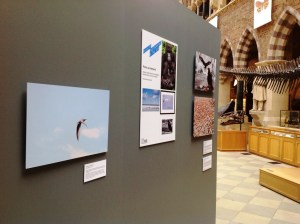
Mastery of the Skies on display in the Museum

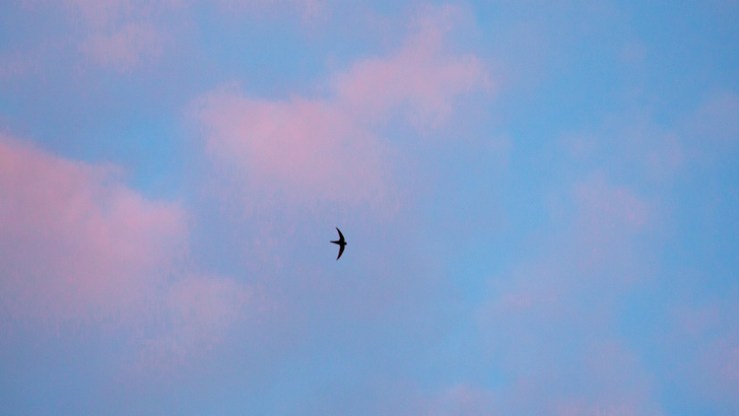
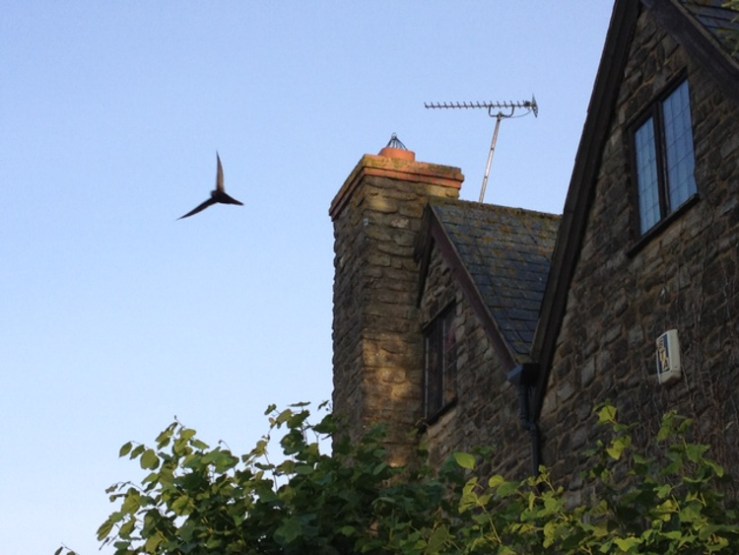
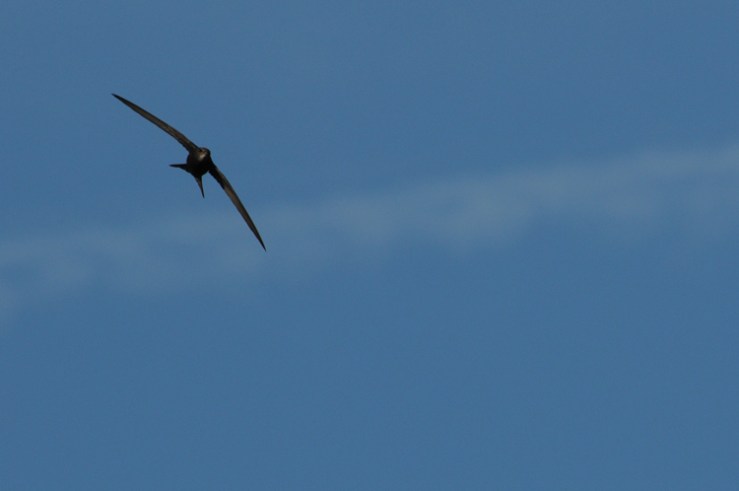
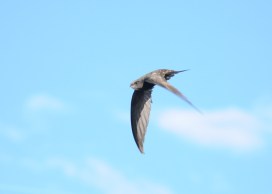
Today we’ve had a new addition to the spectacular collection of photographs. Mastery of the Skies by Judith Wakelam (above) will sit alongside these international competition winners. Judith’s photograph was chosen as the winner of the Museum’s own Summer Swifts competition, a challenge inspired by the display of the WPY exhibition here.

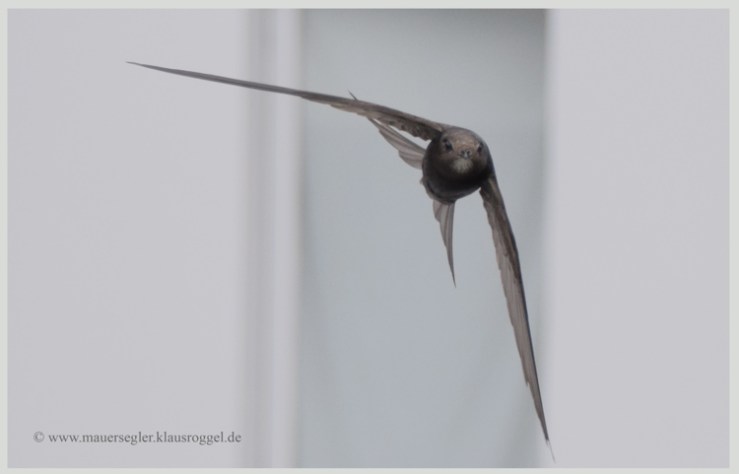
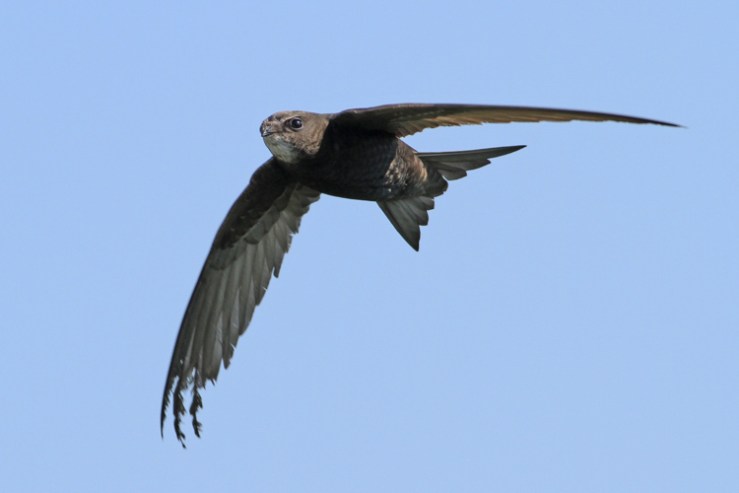
Photographing swifts is particularly difficult – they are small birds which fly very quickly and almost never stop to rest. Although the competition received some excellent entries, the judges felt that Judith Wakelam’s image really captured the character and dynamism of a swift in flight, showing some motion but still retaining enough clarity to easily see the bird’s face.

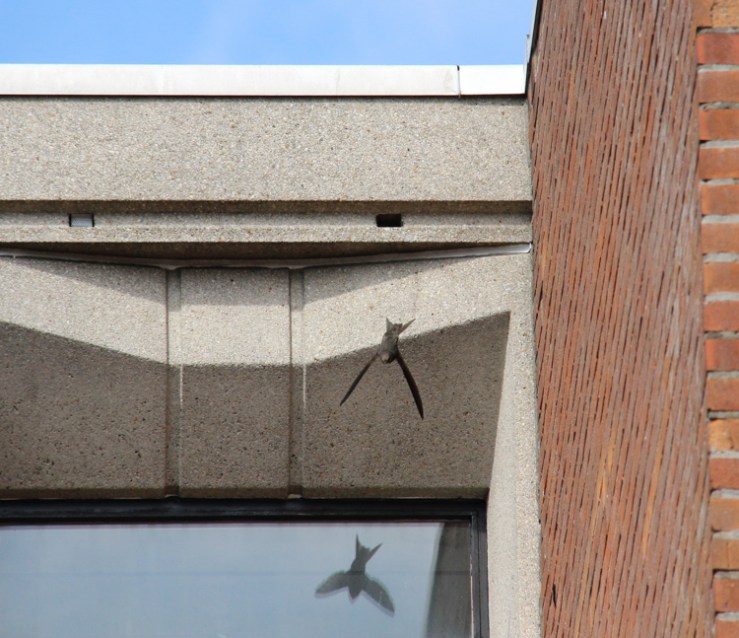
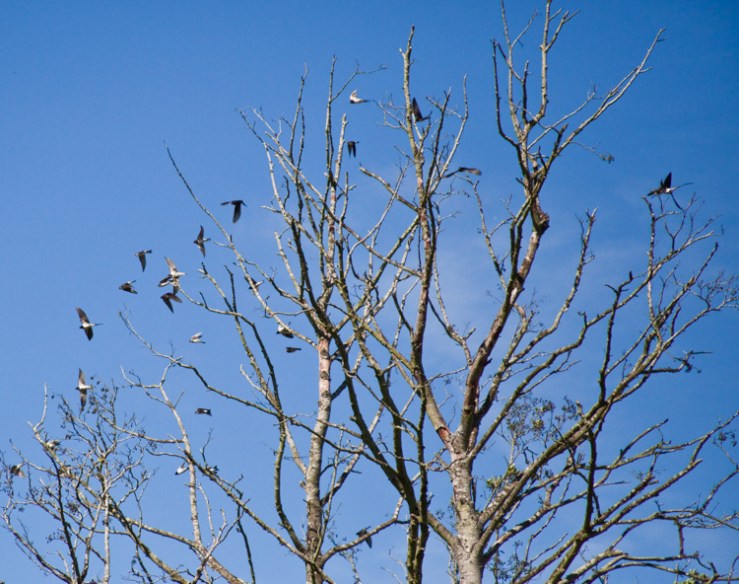
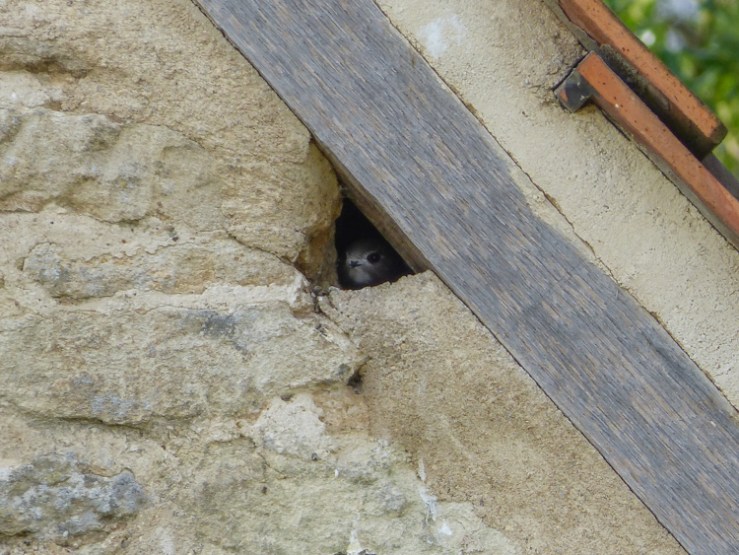
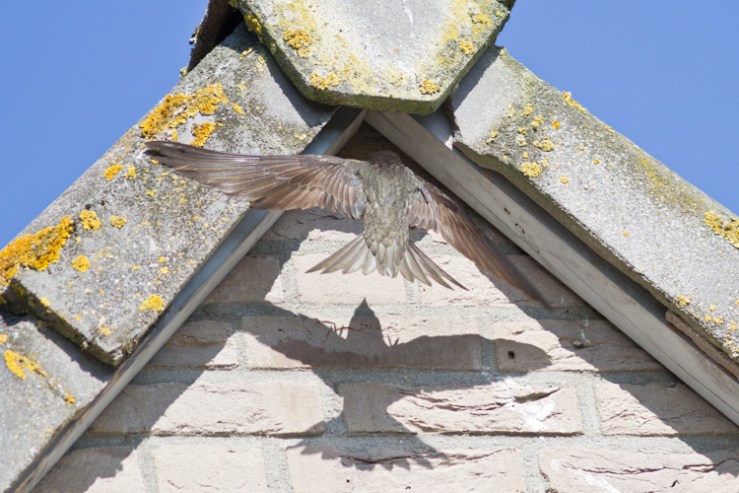
Here are the other Summer Swifts competition entries, so you can see for yourself how high the standard was.

Mark Garrett
Mark Garrett
Martine Tenret 2
Martine Tenret
Tom Nicholson-Lailey
Neil Downing 3
Neil Downing
Nick Owen
Nick Owen
Stephen Powles
Stephen Powles
Klaus Roggel
Klaus Roggel
Chris Powles
Chris Powles
Maciej Szymański 1
Maciej Szymański
Gordon Bowdery
Gordon Bowdery
Henk Haans
Henk Haans
Ingolf Grabow
Ingolf Grabow

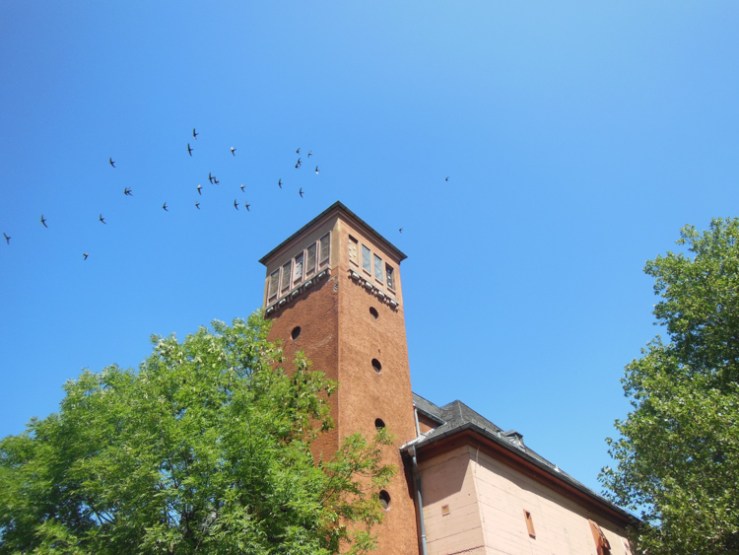
The Museum’s own colony of swifts has had a good summer and there’s now just one little chick left to fledge. We’ll all miss their distinctive screech as they soar around the Museum tower. Fortunately, Mastery of the Skies will keep the memory of high summer alive in the museum well into September.

Rachel Parle, Interpretation and Education Officer

Presenting… Dr Hilary Ketchum

IMG_2219

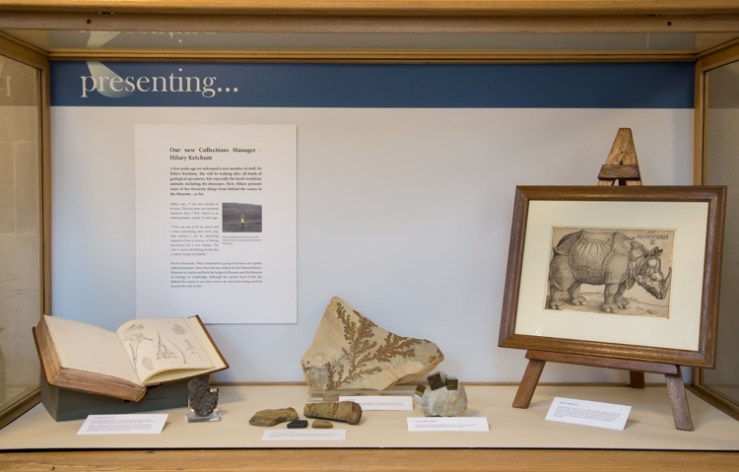
A few weeks ago we welcomed Dr Hilary Ketchum as our new collections manager for the geological collections. Hilary will be looking after all kinds of specimens, but especially the fossil vertebrate animals, including the dinosaurs. To welcome her, and to announce her arrival to the public, we have handed over our regularly-changing Presenting… display so that Hilary can exhibit some of her favourite things (so far) from behind the scenes in the Museum.

Hilary looking for plesiosaurs in the Oxford Clay on a rainy day. She’s never found one.

For her doctorate, Hilary researched a group of Jurassic sea-reptiles called plesiosaurs. Since then she has worked for the Natural History Museum in London and both the Sedgwick Museum and the Museum of Zoology in Cambridge. Although she spends most of the day behind the scenes in our store rooms she also loves being involved in activities and events.

I am very excited to be here. This has been my favourite museum since I first visited as an undergraduate, nearly 15 years ago. I love my job as it’s so varied and I learn something new every day. One minute I can be answering enquiries from scientists, or finding specimens for a new display. The next I can be identifying fossils that a visitor found on holiday.

A few of Hilary’s selection of specimens are include here. To see the full display, look for the Presenting… case just to the right of the Welcome Desk near the entrance to the Museum. An online archive of the Presenting… series is also available on our website.

IMG_2222
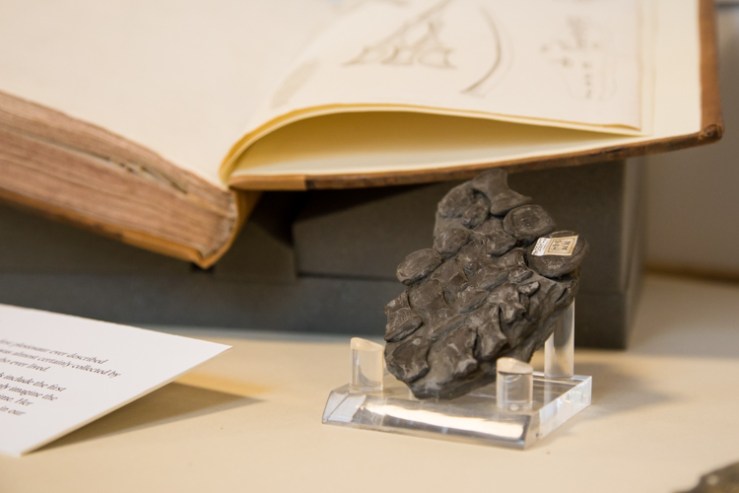
The first plesiosaur – Part of a flipper from the first plesiosaur ever described scientifically. It was almost certainly collected by Mary Anning, one of the greatest fossil-hunters who ever lived.
IMG_2223
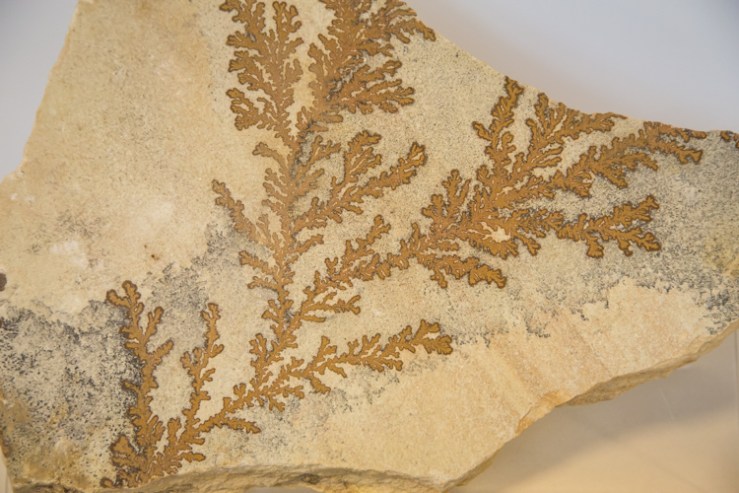
Dendrites – This may look like a fossil plant but it is actually a form of mineral growth called a dendrite. This type of crystal growth can also be found in snowflakes.
IMG_2220
Cubic pyrite crystals – This specimen of “Fool’s Gold” is from Spain. “I find it amazing that something so straight and orderly can arise in nature,” says Hilary.

Scott Billings – Public engagement officer


Wildlife photographers

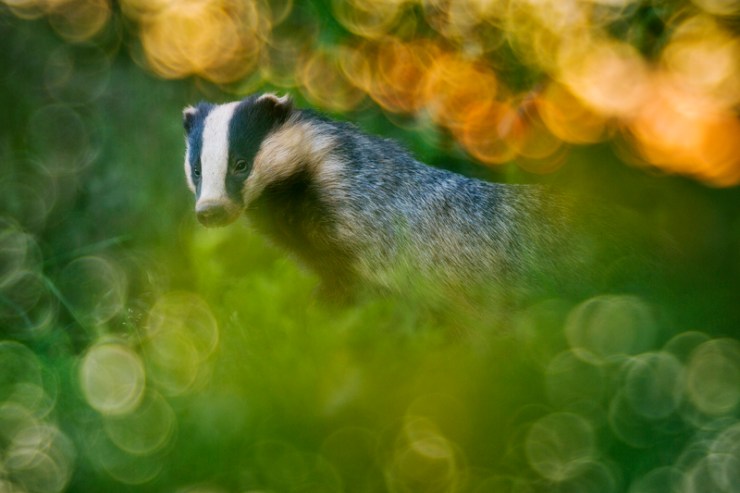
Badger dream scene Copyright: Marc Steichen
Badger dream scene
Copyright: Marc Steichen

Wildlife Photographer of the Year – 16 July-22 September
We’re excited to announce that the prestigious Wildlife Photographer of the Year exhibition is returning to the Museum this summer for the first time in over a decade. It will be on show, for free, in the Main Court from 16 July to 22 September, so make sure you get down here to see it.

This global showcase of the very best nature photography has inspired us to launch a little wildlife photography competition of our own…

In celebration of the swifts that return to nest in the Museum’s tower each spring, we are running the Summer Swifts photo competition. Send us your best photograph of this summer’s swifts on the wing, either around the Museum’s tower or near you, and the winning image will be put on display alongside Wildlife Photographer of the Year in the Museum from mid-August. Not bad eh?

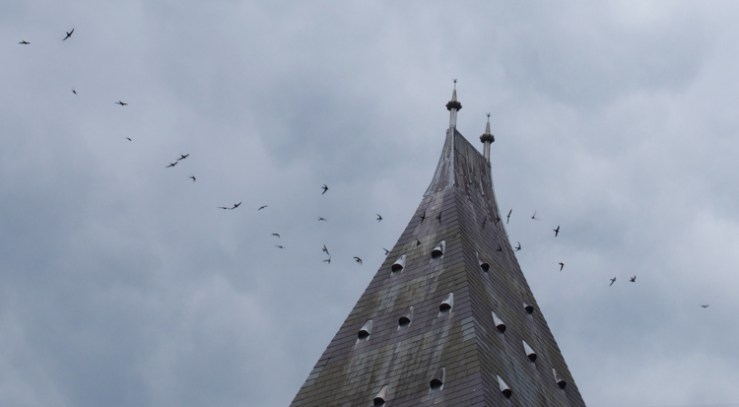
The picture below is not from Wildlife Photographer of the Year, but is my hastily-grabbed effort to capture the swifts. I imagine many of you can do better. Email your entries to communications@oum.ox.ac.uk by 15 August and we’ll let you know who’s won shortly after. Needless to say the images must be your own and not break anyone’s copyright, and you grant us permission to print and display them in the Museum until 22 September. Good luck!

IMG_2173
Swifts swoop around the Museum tower

Wait, there’s more… To coincide with Wildlife Photographer of the Year here we’re also offering a unique adult Day School titled Imaging Techniques in Modern Natural History – a Hands-On Guide. This takes place on Saturday 20 September and costs just £60.

It’s a practical course in digital imaging that will give you access to the Museum’s imaging equipment and specimens to learn about electron microscopy, 3D laser scanning, multiplane microscopy and macrophotography, as well as a poke around behind the scenes. Places are limited so for more info and to book email education@oum.ox.ac.uk pronto.

Scott Billings – Communications coordinator

Lost & Found

Lost & Found

One of the tasks of a University museum – and indeed all museums – is to communicate often complex and detailed academic knowledge to a non-specialist audience. There are lots of creative ways for us to go about this, from capturing children’s interest in nature and natural history through well-structured schools and family sessions, to the careful interpretation of specimens and subjects in exhibition displays. Another route is to collaborate with artists who can respond to and present the collections in a different manner.

We’ve been running a collaboration like this in our Life Collections since 2011, working with local artist Jane King. Jane has more recently teamed up with another Oxford-based artist, Neil Mabbs, and together they have formed Pale Blue Dot, a not-for-profit arts-science partnership that aims to raise public awareness about environmental and social concerns through exhibitions, publications and events.

IMG_1599
Jane picks out a great yellow bumblebee (Bombus distinguendus)

The first of these events is a multimedia installation called Lost & Found, running at the North Wall Arts Centre in Oxford from 28 May – 13 June. For this project Jane and Neil have worked with head of Life Collections Darren Mann and Amoret Spooner in the Museum, along with Professor Dave Goulson at the University of Sussex.

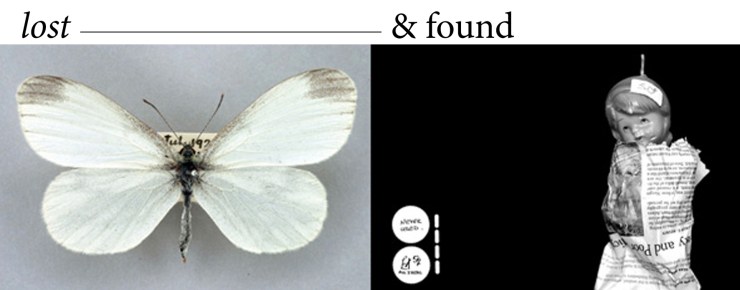
The Lost & Found exhibition asks whether consumerism is causing the extinction of millions of the planet’s species and the ecosystem services they provide. It uses a variety of material, including mixed media prints, photography, film and projection, 3D display, live planting, textiles, and artists’ books.

Artwork is supported by ‘Evidence Tables’ containing specimens from the Museum’s collections, as well as the results of the latest scientific research in the area. It is part of an effort by Pale Blue Dot to communicate complex scientific messages to a wider public audience.
Amoret explains the idea behind the project:

It focuses on the pollinators and decomposers that provide humans with some of the most tangible benefits in terms of ecosystem services.

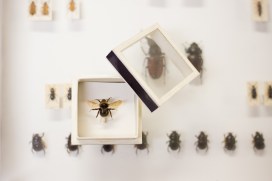
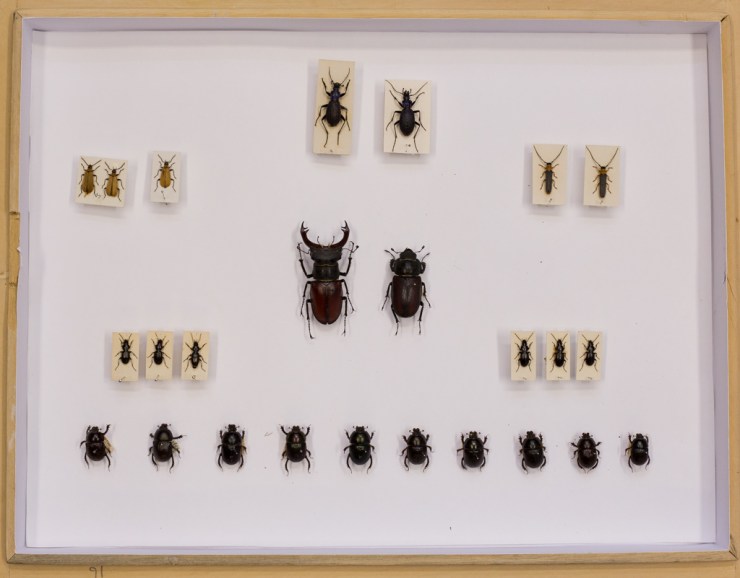
The pollinators are a group of almost 500 species of UK bees, hoverflies, butterflies and moths. Specimens from the collection are being displayed in cases to represent many of the species, as well as being utilised as source material for the artwork.

Pale Blue Dot’s Lost & Found aims to raise awareness of some of the research carried out by scientists here at the Museum that visitors wouldn’t normally hear about.

Jane and Amoret researching bee specimens

Darren’s photographs of dung beetles and his research papers on the role of dung beetles in the environment are featured. Dung beetles’ daily task of dung recycling helps increase crop yields by speeding up the release of nutrients into the soil, as well as reducing the spread of farm animal parasites and infections caused by biting insects. One of the pieces made by Jane is an artist’s book – Beetle Book – which highlights this vital ecosystem service that beetles provide to humans.

Many of our beetle, bee, moth and butterfly specimens will be on display in the Lost & Found exhibition at the North Wall, so head over there from 28 May to check it all out.

IMG_1615

Lego dodo

DSC_0217

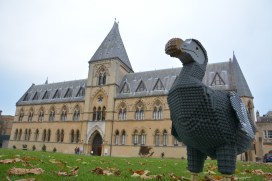
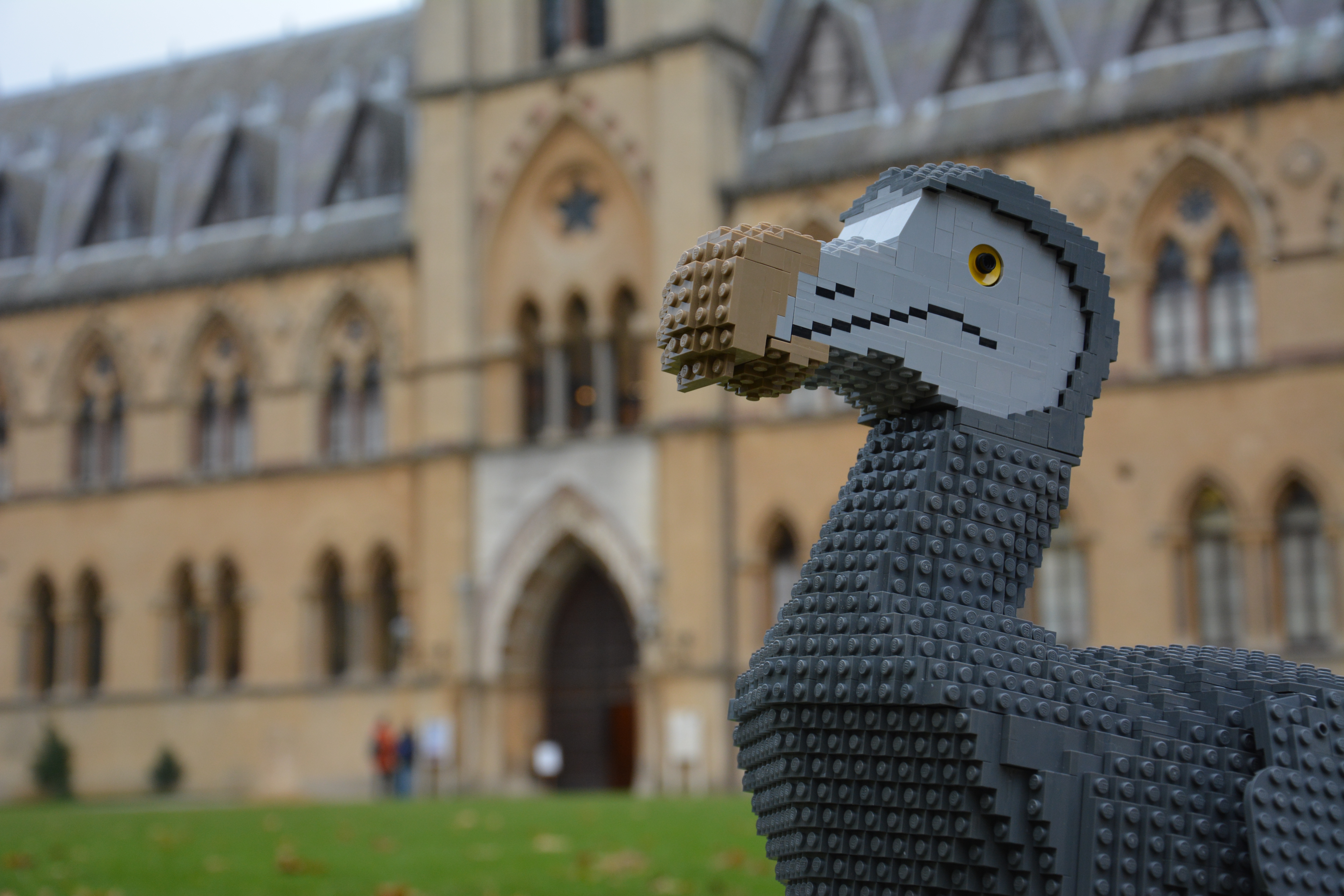
Back in late 2013, I was outside the Museum when I spotted this fantastic Lego dodo standing proudly on the lawn. After speaking to his keepers, I discovered that he was to become part of an exhibition at Milestones Museum in Basingstoke, and this was his publicity shoot. It’s fitting that the Lego dodo came to visit the home of the famous Oxford Dodo; we have the most complete remains of a single dodo anywhere in the world!

The Lost World Zoo dodo on the Museum lawn

Milestones is a living history museum, which is part of the Hampshire Museums service, and has fascinating Victorian streets you can wander and an Edwardian pub you can relax in. The latest addition to the Museum is Lost World Zoo, an exhibition of lifesize Lego models of extinct creatures. You can see giant dragonflies, come face to face with a woolly mammoth and even meet a whole flock of our favourite birds… dodos!

The dodo visits famous Oxford landmarks

They’re also running a variety of exciting family activities, including Lego figurine making. But if you can’t make it to one of those sessions, you could use this great short video to make your own mini dodo.

This weekend is your last chance to walk among these Lego creatures, as the exhibition closes on Sunday 27th April. So get down to Milestones before the dodos disappear again!

Rachel Parle, Interpretation and Education Officer